Menu
  • Fashion
  • Beauty
  • Lifestyle
  • News
  • Women
  • Men
  • Africa
  • Shopping
  • Events
  • Fashion
    • Trends
    • African Fashion Designers
    • Afro-Latin American Designers
    • Caribbean Designers
    • Street Style
    • Sustainable Fashion
    • Diaspora Connects
  • Beauty
    • Skincare
    • Makeup
    • Hair & Hairstyle
    • Fragrance
    • Beauty Secrets
  • Lifestyle
    • Culture & Arts
    • Travel & Destination
    • Celebrity Style
    • Luxury Living
    • Home & Decor
  • News
    • Cover Stories
    • Designer Spotlight
    • Fashion Weeks
    • Style Icons
    • Rising Stars
    • Opinion & Commentary
  • Women
    • Women’s Style
    • Health & Wellness
    • Workwear & Professional Looks
    • Evening Glam
    • Streetwear for Women
    • Accessories & Bags
  • African Style
    • Designers & Brands
    • Street Fashion in Africa
    • Traditional to Modern Styles
    • Cultural Inspirations
  • Shopping
    • Fashion finds
    • Beauty Picks
    • Gift Guides
    • Shop the Look
  • Events
    • Fashion Week Coverage
    • Red Carpet & Galas
    • Weddings
    • Industry Events
    • Omiren Styles Special Features
  • Men
    • Men’s Style
    • Grooming Traditions
    • Menswear Designers
    • Traditional & Heritage
    • The Modern African Man
  • Diaspora
    • Designers
    • Culture
  • Industry
    • Insights
    • Investment
    • Partnerships
    • Retail
    • Strategy
Subscribe
OMIREN STYLES OMIREN STYLES

Fashion · Culture · Identity

OMIREN STYLES OMIREN STYLES OMIREN STYLES OMIREN STYLES
  • Fashion
  • Beauty
  • Lifestyle
  • News
  • Women
  • Men
  • Africa
  • Shopping
  • Events
  • Cultural Inspirations

Cultural Craft: African Models Redefine Global Luxury

  • Heritage Oni
  • January 2, 2026
Cultural Craft: African Models Redefine Global Luxury
Total
0
Shares
0
0
0

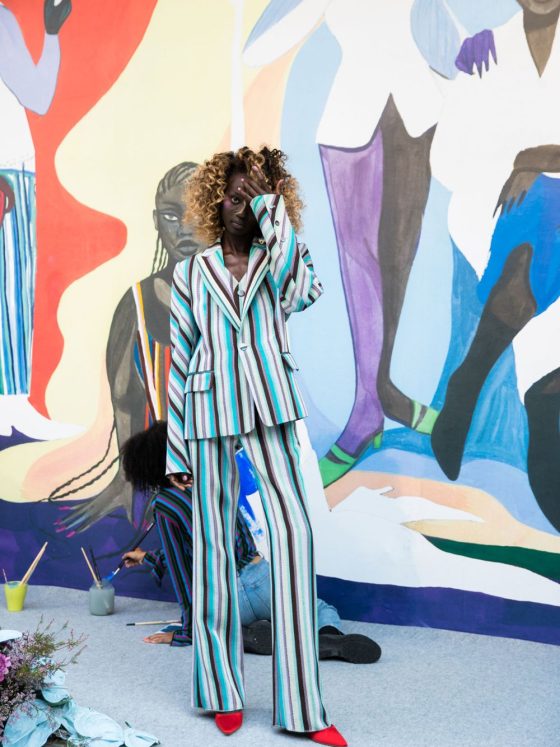
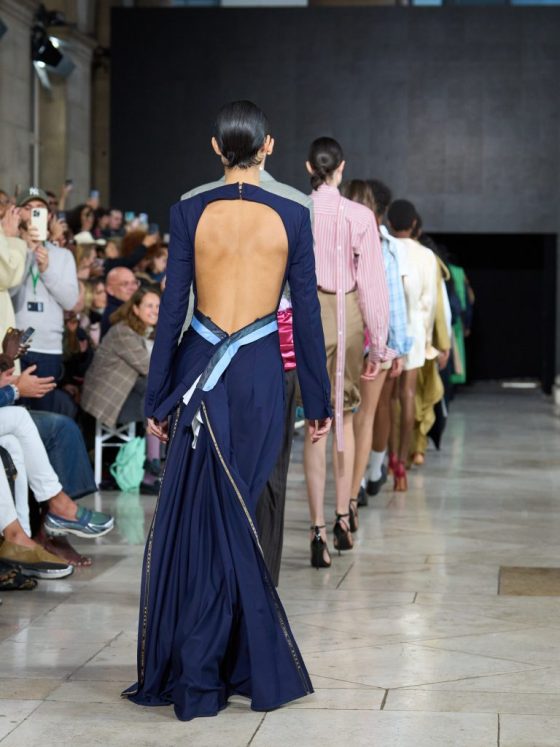
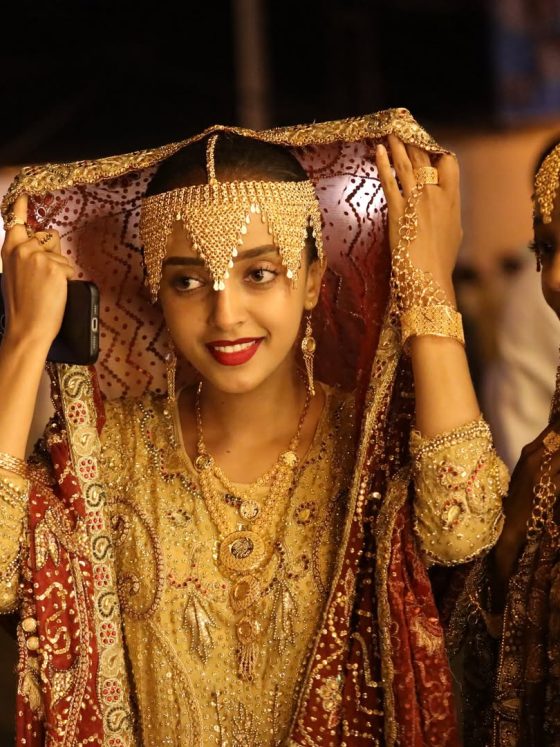
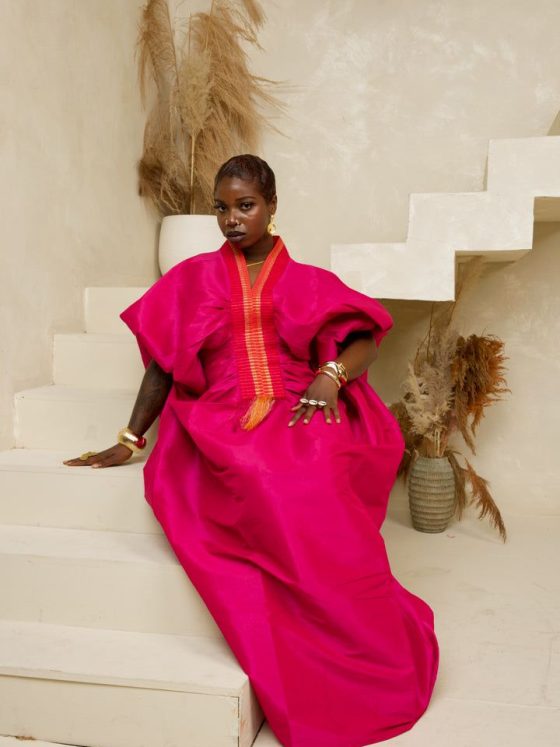
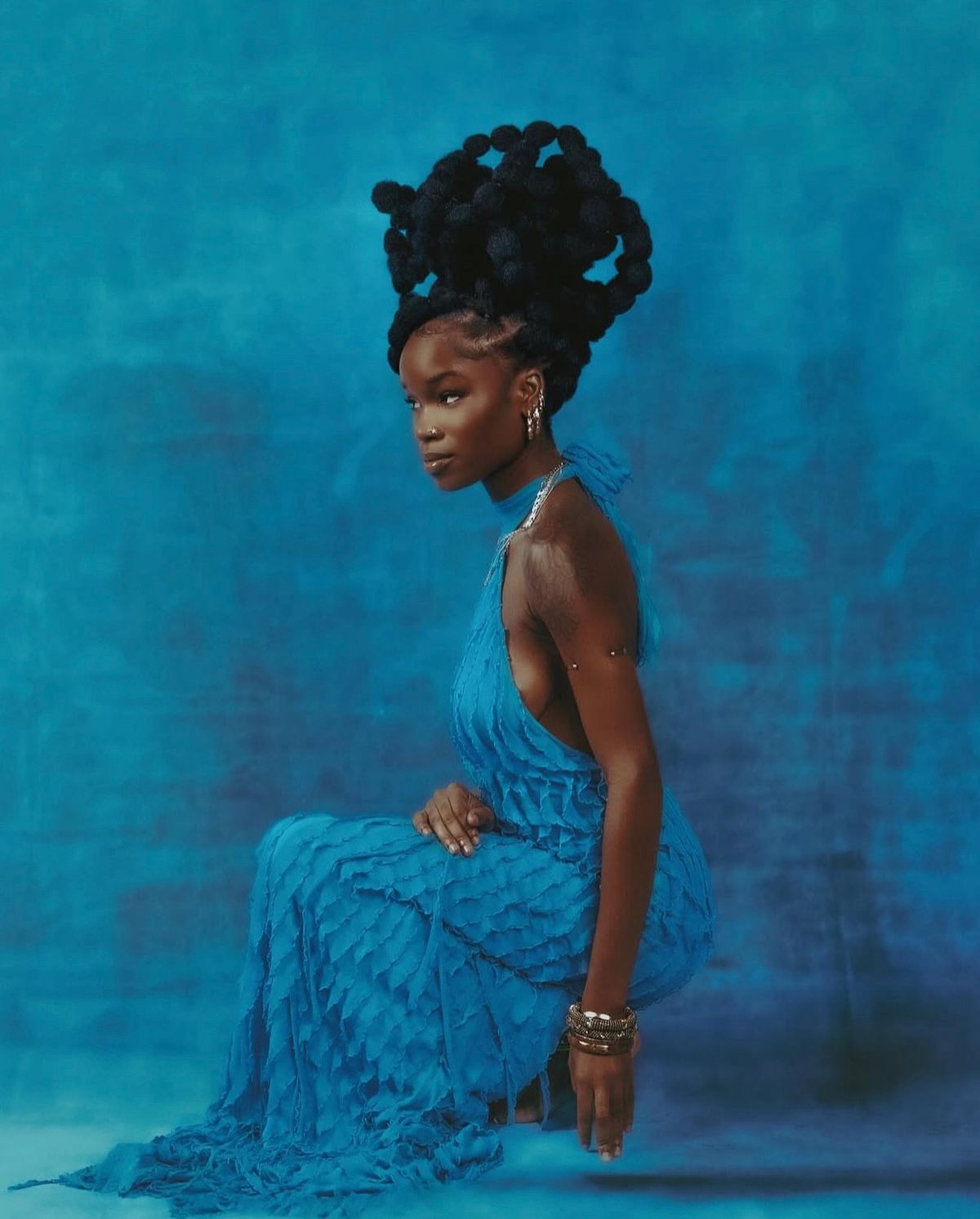
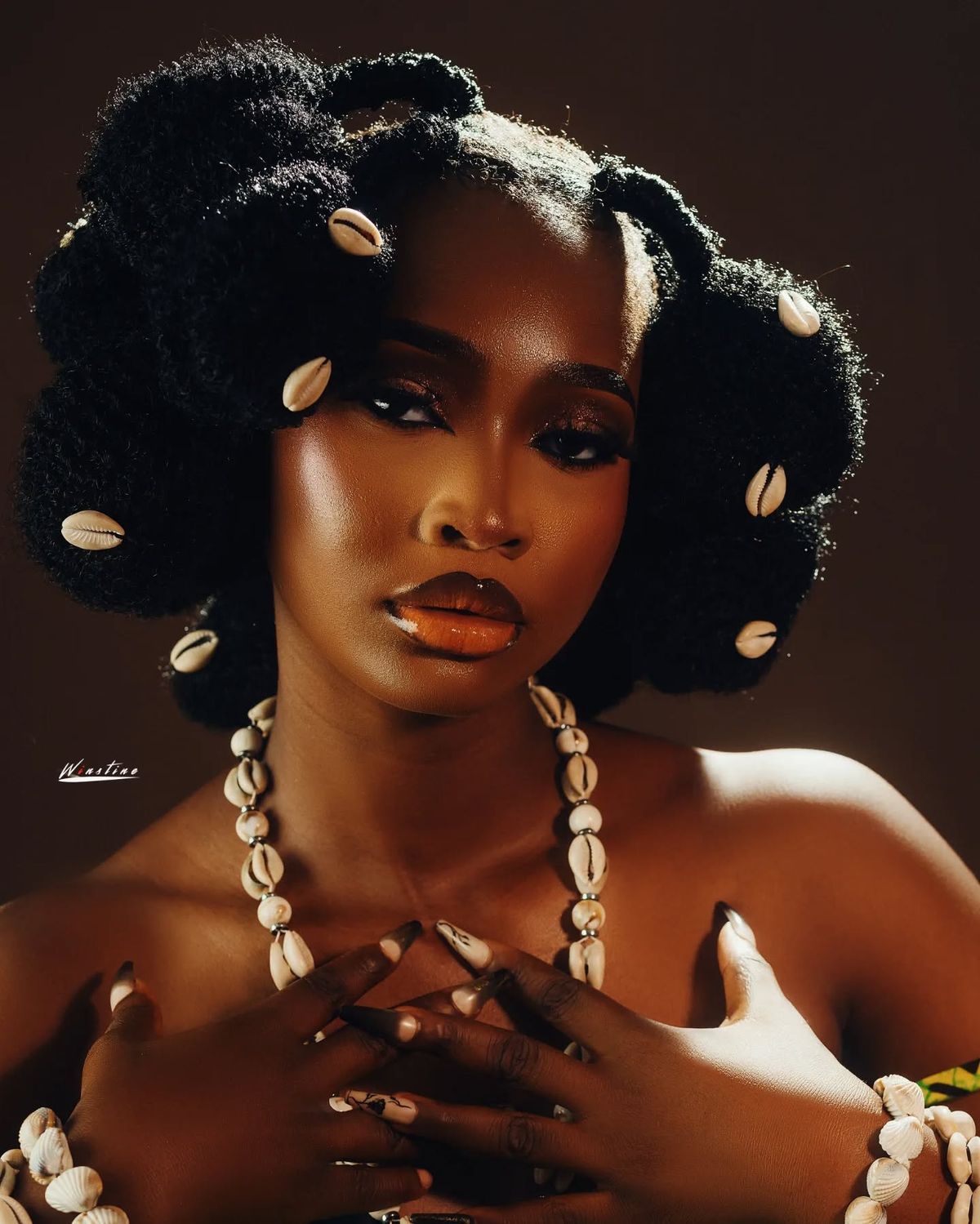
A quiet but powerful shift is underway in global beauty advertising. The African model is no longer framed as an exception or an accent. She is central. From international beauty campaigns to luxury editorials, African faces now carry stories of heritage, innovation, and cultural confidence. Trends do not drive this evolution. This shift is not just about superficial changes, but rather a deeper recalibration of value. Beauty brands are learning that authenticity, cultural intelligence, and ethical storytelling resonate more strongly than borrowed ideals. African models stand at the intersection of tradition and modernity, shaping a language of beauty that feels grounded yet global.

African models are redefining global luxury through cultural craft, presence, and identity, reshaping fashion narratives and representation worldwide.

The Early Margins of Visibility
The Early Margins of Visibility

For decades, beauty advertising mirrored a narrow worldview. African models were often excluded or positioned through stereotypes that flattened identity and ignored cultural depth. When representation existed, it was usually filtered through Western aesthetics, leaving little room for indigenous expressions of beauty. Yet parallel to mainstream exclusion, African and diasporic communities cultivated their standards through magazines, fashion collectives, and local campaigns. These early efforts laid the foundation for today’s visibility, proving that African beauty did not need validation to exist, only space to be seen.

From Representation to Authority

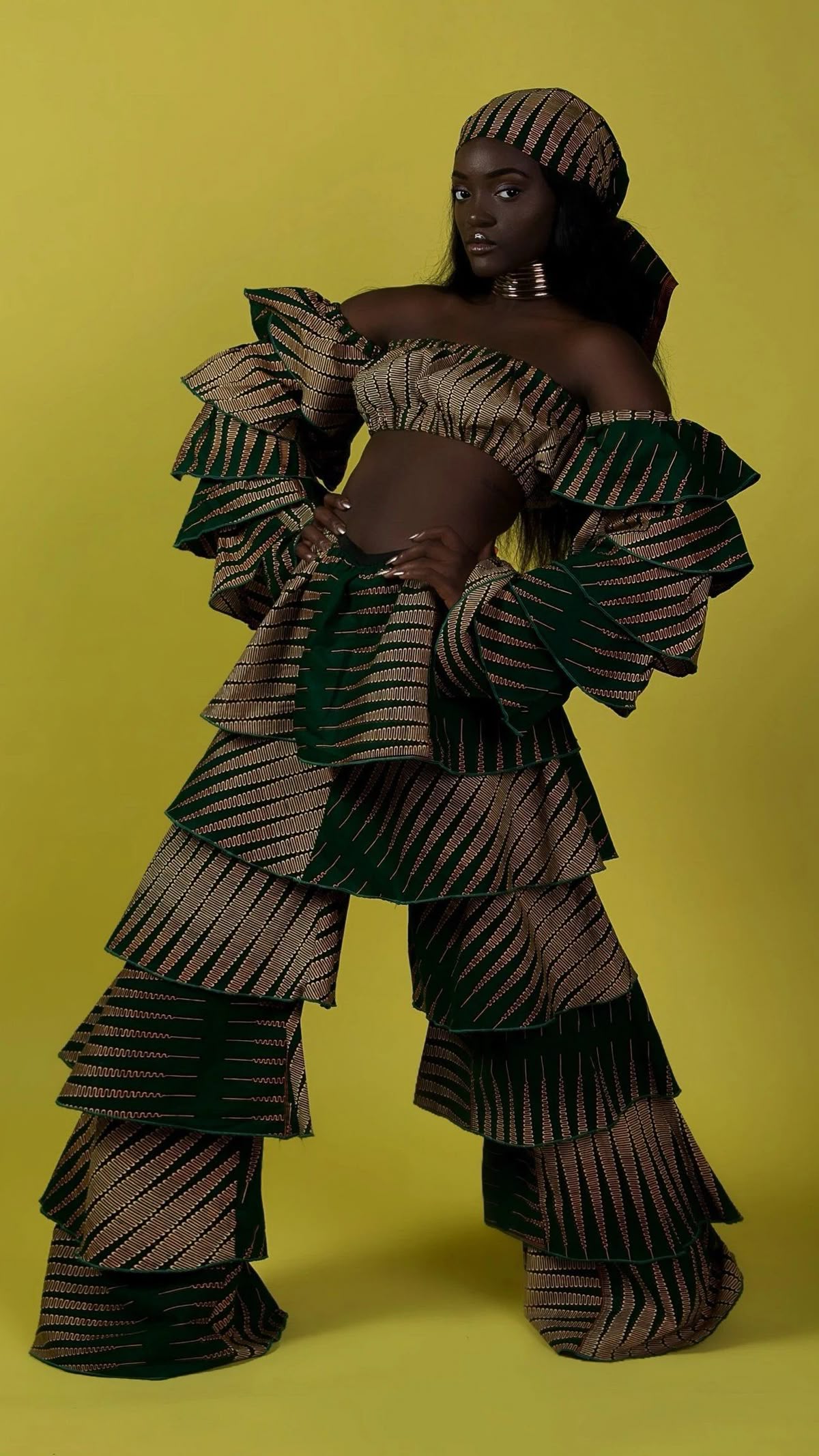
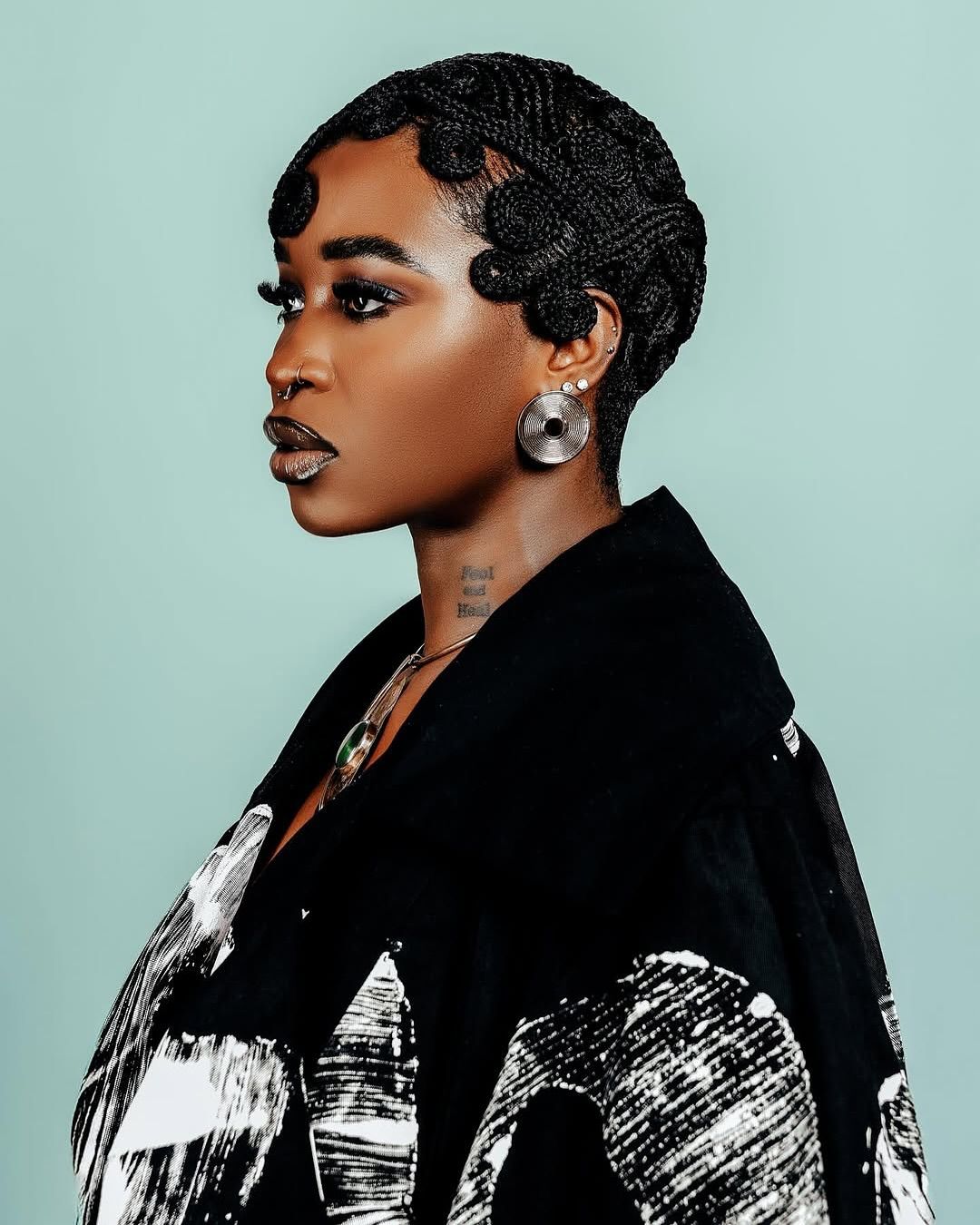
The modern shift is not merely about inclusion. It is about authority. African models now appear as brand ambassadors, creative collaborators, and cultural references. Figures such as Iman, Alek Wek, Adut Akech, and Anok Yai did more than book campaigns. They changed how luxury is interpreted. Their presence introduced darker skin tones, natural hair, and African facial structures as symbols of refinement rather than deviation. Beauty advertising began to shift from imitation to appreciation, recognising African aesthetics as sources of innovation rather than raw materials.

Craftsmanship Meets Contemporary Beauty
From Representation to Authority

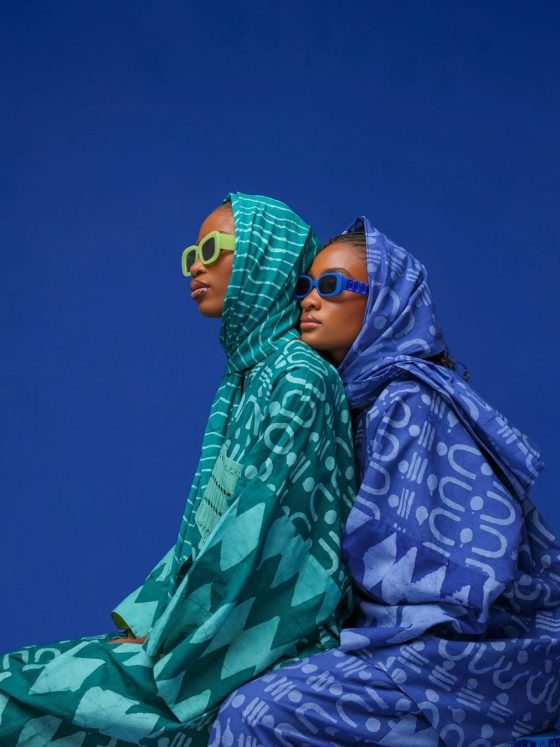
Craftsmanship plays a crucial role in shaping African beauty narratives. From traditional skincare rituals to textile symbolism and hairstyling practices, beauty is inseparable from culture. Modern advertising increasingly draws from these roots with intention. Campaigns now reference indigenous ingredients, ancestral knowledge, and artisanal processes while presenting them through a contemporary lens. African models become storytellers of continuity, linking heritage to modern luxury. This balance appeals to global audiences seeking meaning beyond surface-level beauty.

Global Influence Without Dilution

What distinguishes African models today is their ability to operate globally without cultural erasure. They move between Lagos, Paris, New York, and Johannesburg with fluidity, carrying identity rather than shedding it. Diaspora influences further enrich this presence, blending African heritage with global lived experiences. Beauty advertising benefits from this cross-cultural narrative, gaining depth and relevance. The African model becomes a connector, translating culture across borders without dilution.

The Business of Cultural Intelligence
The Business of Cultural Intelligence

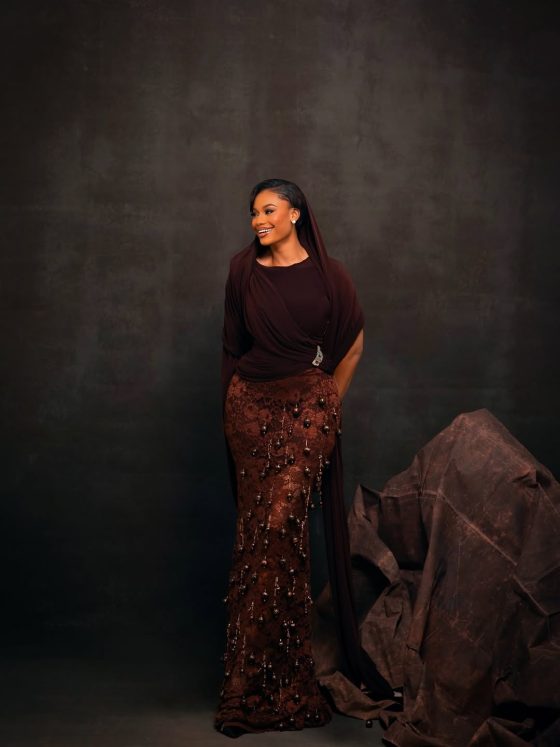
This evolution is also strategic. Africa’s growing consumer market and global diaspora represent economic influence. Beauty brands that understand African narratives gain credibility and loyalty. African models offer more than visual appeal. They bring cultural intelligence, lifestyle context, and aspirational relevance. In a crowded market, this depth differentiates leading brands from those that follow.

Conclusion

African models in beauty advertising have moved from visibility to influence. They are shaping how beauty is defined, marketed, and valued. Rooted in culture yet fluent in modern luxury, their presence signals a future where global beauty is not homogenised but enhanced by distinct identities. This is not a temporary correction. It is a lasting redefinition of beauty through craft, ethics, and cultural confidence.

FAQs

  1. Why are African models important in modern beauty advertising?

They bring cultural depth, authenticity, and global relevance that resonate with contemporary consumers.

  1. How have African models changed luxury beauty standards?

They expanded beauty ideals to include darker skin tones, natural hair, and African features as symbols of luxury.

  1. What role does culture play in African beauty representation?

Culture informs aesthetics, storytelling, and craftsmanship, making beauty narratives more meaningful.

  1. Is this shift driven by trends or long-term change?

It reflects long-term changes in consumer values, ethics, and global cultural awareness.

  1. How does sustainability connect to African beauty advertising?

Ethical collaboration, local sourcing, and cultural respect are now central to responsible luxury branding.

Post Views: 254
Total
0
Shares
Share 0
Tweet 0
Pin it 0
Related Topics
  • African Models Representation
  • Cultural Identity Fashion
  • Global Luxury Fashion
Avatar photo
Heritage Oni

theheritageoni@gmail.com

You May Also Like
The East African Anchor: The Evolution of the Kanzu
View Post
  • Cultural Inspirations
  • Traditional & Heritage

The East African Anchor: The Evolution of the Kanzu

  • Faith Olabode
  • April 15, 2026
Top 5 Igbo Traditional Bridal Looks for Igba Nkwu in 2026
View Post
  • Cultural Inspirations
  • Weddings

Top 5 Igbo Traditional Bridal Looks for Igba Nkwu in 2026

  • Rex Clarke
  • April 15, 2026
Akwete Styles for Igbo Women
View Post
  • Cultural Inspirations

Top 5 Akwete Styles for Igbo Women

  • Adams Moses
  • April 14, 2026
The Cultural Clothing of Somali Women
View Post
  • Cultural Inspirations
  • Traditional to Modern Styles

The Cultural Clothing of Somali Women

  • Meseret Zeleke
  • April 14, 2026
What Makes a Fashion Capital: Why the Definition Was Never Built to Include Africa
View Post
  • Cultural Inspirations
  • Opinion & Commentary

What Makes a Fashion Capital: Why the Definition Was Never Built to Include Africa

  • Fathia Olasupo
  • April 13, 2026
The Ndebele Aesthetic: Pattern, Identity, and the Global Brands That Have Borrowed Without Credit
View Post
  • Cultural Inspirations
  • Opinion & Commentary

The Ndebele Aesthetic: Pattern, Identity, and the Global Brands That Have Borrowed Without Credit

  • Philip Sifon
  • April 13, 2026
The Dashiki Is Not a Costume: What African Fashion Borrowed Back From the World
View Post
  • Cultural Inspirations
  • Traditional to Modern Styles

The Dashiki Is Not a Costume: What African Fashion Borrowed Back From the World

  • Ayomidoyin Olufemi
  • April 13, 2026
The Braiding Traditions That Encoded African Resistance and Identity
View Post
  • Cultural Inspirations
  • Hair & Hairstyle

The Braiding Traditions That Encoded African Resistance and Identity

  • Faith Olabode
  • April 10, 2026

Leave a Reply Cancel reply

Your email address will not be published. Required fields are marked *

The Omiren Argument

African fashion and culture are not emerging. They are foundational. We document, interpret, and argue for the full cultural weight of African and diaspora dress. With precision. Without apology.

Omiren Styles Fashion · Culture · Identity

All 54 African Nations
Caribbean · Afro-Latin America
The Global Diaspora

Platform

  • About Omiren Styles
  • Our Vision
  • Our Mission
  • Editorial Pillars
  • Editorial Policy
  • The Omiren Collective
  • Campus Style Initiative
  • Sustainable Style
  • Social Impact & Advocacy
  • Investor Relations

Contribute

  • Write for Omiren Styles
  • Submit Creative Work
  • Join the Omiren Collective
  • Campus Initiative
Contact
contact@omirenstyles.com
Our Reach

Africa — All 54 Nations
Caribbean
Afro-Latin America
Global Diaspora

African fashion intelligence, in your inbox.

Editorial features, designer profiles, cultural commentary. No noise.

© 2026 Omiren Styles — Rex Clarke Global Ventures Limited. All rights reserved.
  • Privacy Policy
  • Editorial Policy
  • Terms of Use
  • Accessibility
Africa · Caribbean · Diaspora
The Omiren Argument

African fashion and culture are not emerging. They are foundational. We document, interpret, and argue for the full cultural weight of African and diaspora dress. With precision. Without apology.

Omiren Styles Fashion · Culture · Identity
  • About Omiren Styles
  • Our Vision
  • Our Mission
  • Editorial Pillars
  • Editorial Policy
  • The Omiren Collective
  • Campus Style Initiative
  • Sustainable Style
  • Social Impact & Advocacy
  • Investor Relations
  • Write for Omiren Styles
  • Submit Creative Work
  • Join the Omiren Collective
  • Campus Initiative
Contact contact@omirenstyles.com

All 54 African Nations · Caribbean
Afro-Latin America · Global Diaspora

African fashion intelligence, in your inbox.

Editorial features, designer profiles, cultural commentary. No noise.

© 2026 Omiren Styles
Rex Clarke Global Ventures Limited.
All rights reserved.

  • Privacy Policy
  • Editorial Policy
  • Terms of Use
  • Accessibility
Africa · Caribbean · Diaspora

Input your search keywords and press Enter.