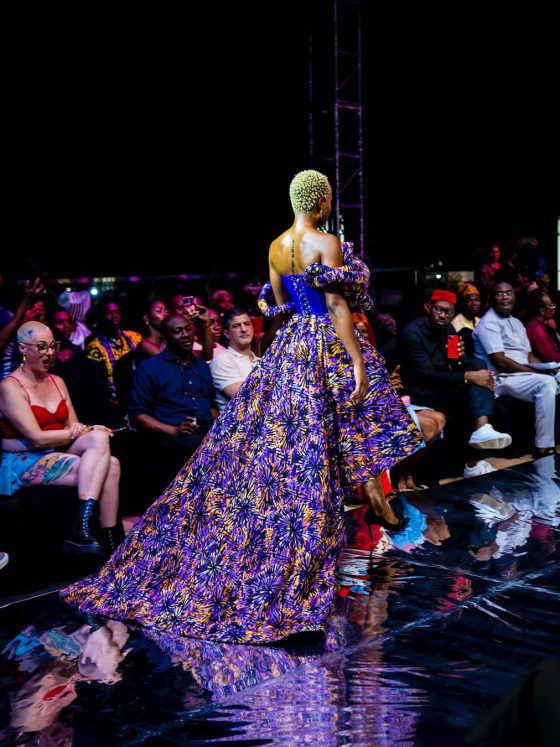
London has always produced world-class designers. It has not always given credit to the ones who transformed it.
In October 2025, Grace Wales Bonner was appointed creative director of the Hermes menswear line, becoming the first woman of Black heritage to lead design at a major luxury fashion house. The announcement produced what industry observers described as a rare collective outpouring of joy: designers, editors, stylists, and the wider fashion community flooding timelines with celebration. Within that celebration was something the industry was less comfortable articulating: the recognition that this appointment, in 2025, was the first time this had ever happened, which was not cause for uncomplicated celebration but for the kind of reckoning that an industry rarely wants to conduct in public. Wales Bonner had been building toward this for more than a decade. London had been producing Black British designers of this calibre for much longer than that.
London Fashion Week has, for decades, positioned itself as the creative edge of global fashion: the week most likely to produce the unexpected, the conceptual, the structurally ambitious. What it has not positioned itself as, despite the evidence of its own schedule, is the week most likely to credit Black British designers for their disproportionate contribution to that reputation. The designers who have shaped London’s international standing in menswear, womenswear, and the spaces where those categories dissolve into each other include a remarkable concentration of Black British and Black diaspora talent whose cultural intelligence, material knowledge, and commitment to building something lasting have been absorbed into the city’s fashion identity without equivalent return.
The African fashion industry was valued at $14.75 billion in 2024 and is projected to reach $23.69 billion by 2030, growing at 7.25% annually, with influence that directly shapes markets including the UK, the US, and the EU. The UK luxury goods market, valued at $20.10 billion in 2024, is forecast to reach $34.99 billion by 2034, with growth driven substantially by multicultural consumer segments seeking authentic cultural narratives in luxury fashion. The designers best positioned to serve that market are those who have been building its aesthetic language from within London’s studios, ateliers, and market stalls for the past decade. Five of them are profiled here.
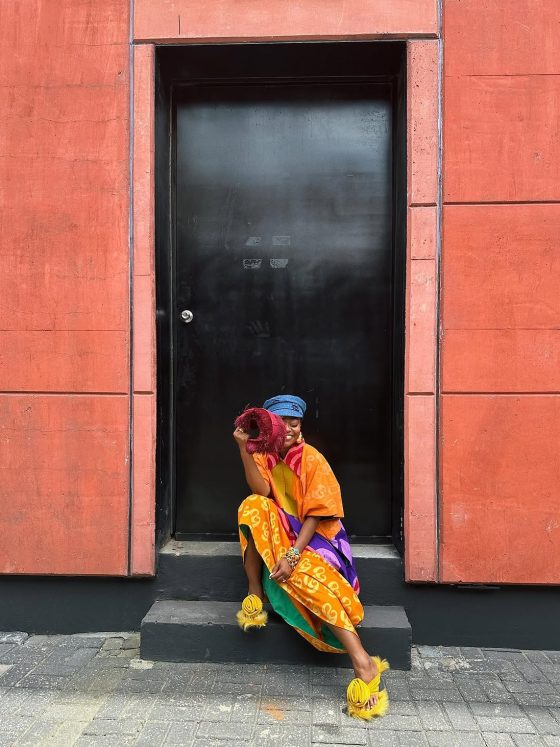
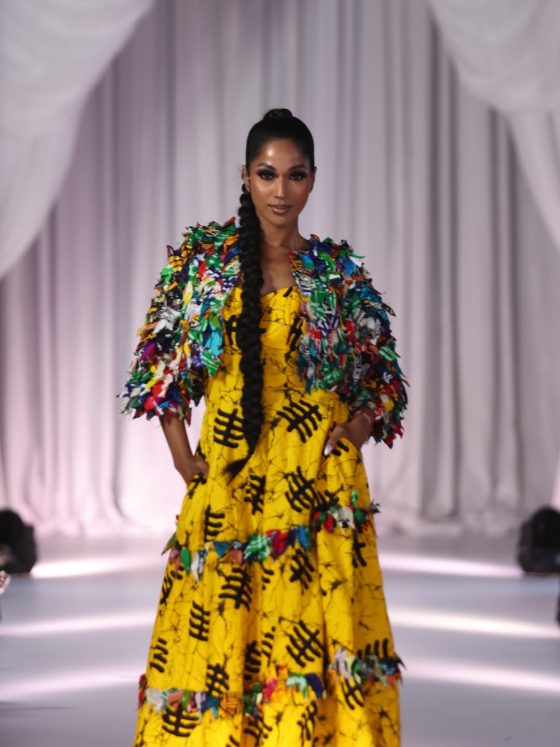
Adire is one of the oldest and most spiritually rooted textiles in Yoruba culture. Today, the diaspora is taking it into city streets, offices, and runways from Lagos to London. This is how an ancient cloth became a contemporary style language.
Omiren Argument
London fashion’s international reputation was not built by the institutions that administer it. It was built by the designers who studied at its art schools, launched from its market halls, and brought cultural knowledge from the Caribbean, West Africa, and the broader Afrocentric world into the construction of garments that the fashion press then credited to “London” as though the city were a neutral origin point. Black British designers have been foundational contributors to that reputation since at least the Windrush generation, whose impeccable tailoring and colour sensibility shaped the visual culture of the city’s streets before any institution recognised it as fashion. The designers working in London today are not emerging voices in a white-majority tradition. They are the continuation of a Black aesthetic lineage that London fashion has always benefited from and has persistently undervalued.
What changes in 2025 is not the quality of the work. The quality has always been there. What changes is the accumulation of institutional acknowledgement that has become difficult enough to ignore that even the most resistant institutions have begun to respond: a Hermes appointment, a BFC/GQ Fund, a British Vogue cover, a British Fashion Awards Vanguard nomination, and a Princess of Wales wearing a British-Nigerian designer to welcome the Nigerian president to the UK for the first state visit in 37 years. None of these things constitutes structural equality. Each of them provides evidence that the industry is running out of reasons to deny what has always been true: that Black British designers are not the future of London fashion. They have been building it from the beginning.
1. Grace Wales Bonner
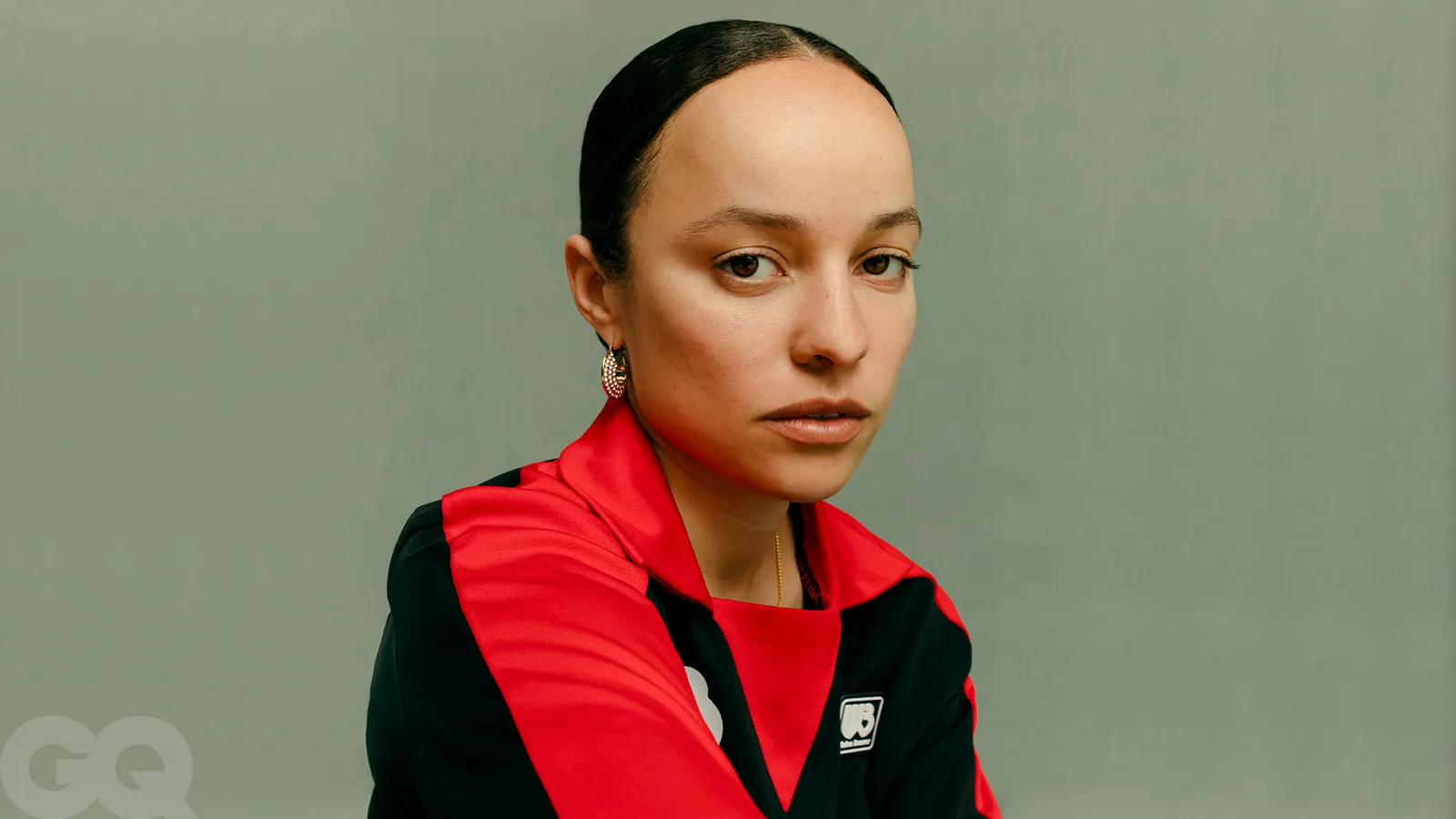
Born in 1990 to a Jamaican father and white British mother, Grace Wales Bonner graduated from Central Saint Martins in 2014 with a collection titled “Afrique,” winning the L’Oreal Professionnel Talent Award. Her debut label collection “Ebonics” in 2015, presented at Fashion East, combined flared trousers and shawl-collar jackets with literary references from James Baldwin and Ralph Ellison, establishing from the outset that her practice was as much cultural curation as design. The LVMH Prize followed in 2016. The British Fashion Awards named her Emerging Menswear Designer in 2015 and British Menswear Designer of the Year in 2024. The CFDA named her International Men’s Designer of the Year in 2021. She was appointed MBE in 2022.
Her collaboration with Adidas turned the Samba from a vintage afterthought into a global must-have. She dressed Lewis Hamilton for the 2025 Met Gala. Her work was featured in the Metropolitan Museum of Art’s Superfine: Tailoring Black Style exhibition. In October 2025, she was appointed creative director of Hermes menswear, succeeding Veronique Nichanian after a 38-year tenure: the first woman of Black heritage to hold a creative directorship at a major luxury fashion house. Her first Hermes collection is set for January 2027. The appointment was not a milestone that the industry should have taken a decade to reach. It was a correction that the quality of her work had always demanded.
2. Bianca Saunders
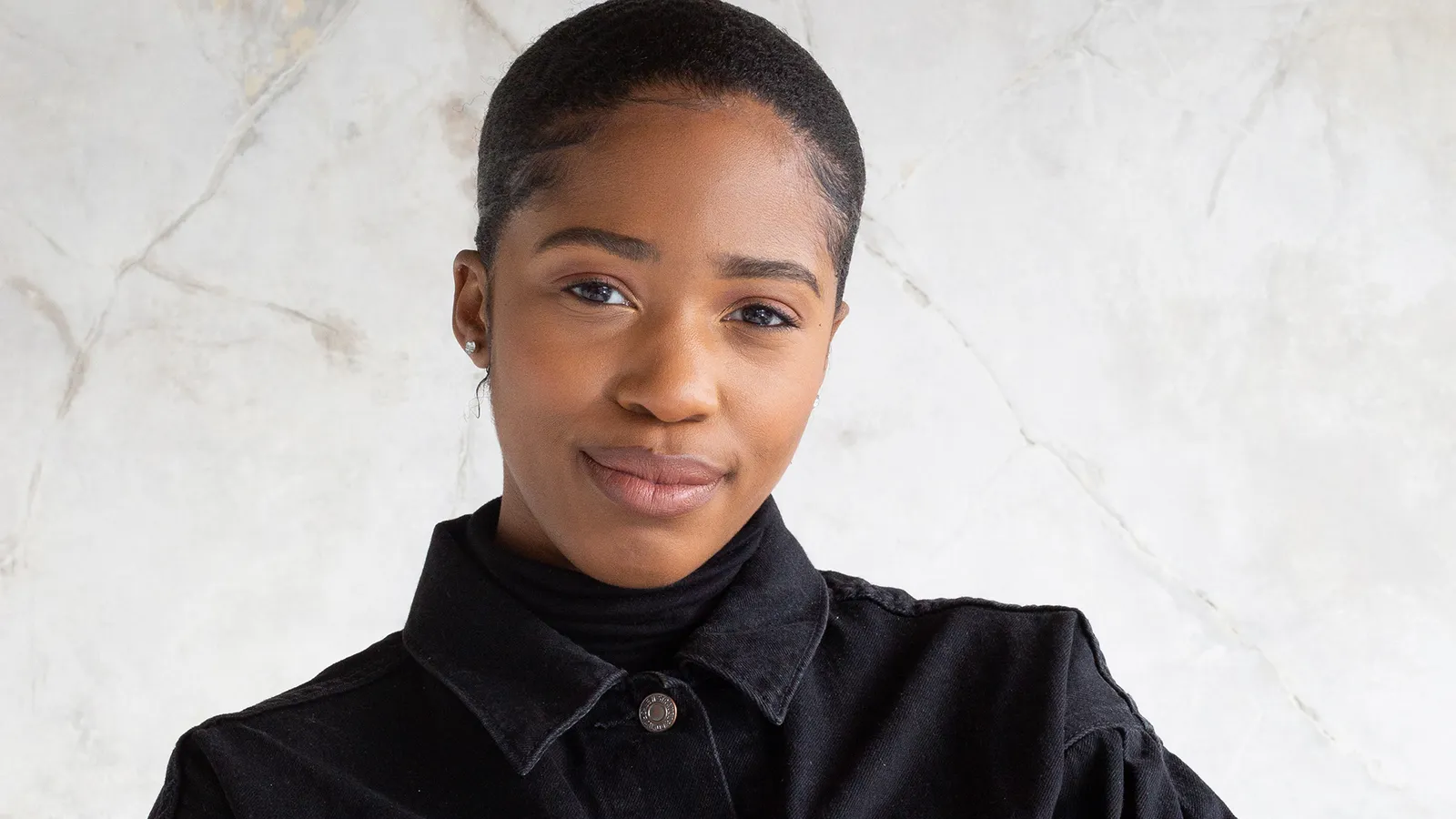
Bianca Saunders launched her label in 2017 after completing an MA in menswear at the Royal College of Art. British-Jamaican and South London-raised, her work explores the psychology of men’s tailoring through the lens of British Caribbean identity: the sociology of how Black men in Britain have dressed, the cultural codes embedded in Anglo-Caribbean relations, and the possibility of a menswear that holds both masculine structure and feminine detail simultaneously without resolving the tension between them. Her signature twisted seams, bespoke prints, and body-mapping construction create garments that are technically precise and culturally specific in equal measure.
In 2021, she became the first Black woman to win the prestigious ANDAM Grand Prix Fashion Award in Paris. She was shortlisted for the LVMH Prize the same year. The New Establishment Menswear Award at the 2023 British Fashion Awards followed. In 2024, she won the BFC/GQ Designer Fashion Fund, receiving a £100,000 grant, business mentoring, and professional support, joining a list of previous recipients that includes Wales Bonner, Nicholas Daley, and Priya Ahluwalia. She now shows at Paris Fashion Week. Her SS25 collection “The Hotel” drew from Bradley Smith’s 1940s photographs of a Jamaican resort, finding the cultural material for a contemporary menswear collection in the visual archive of her own heritage.
3. Tolu Coker
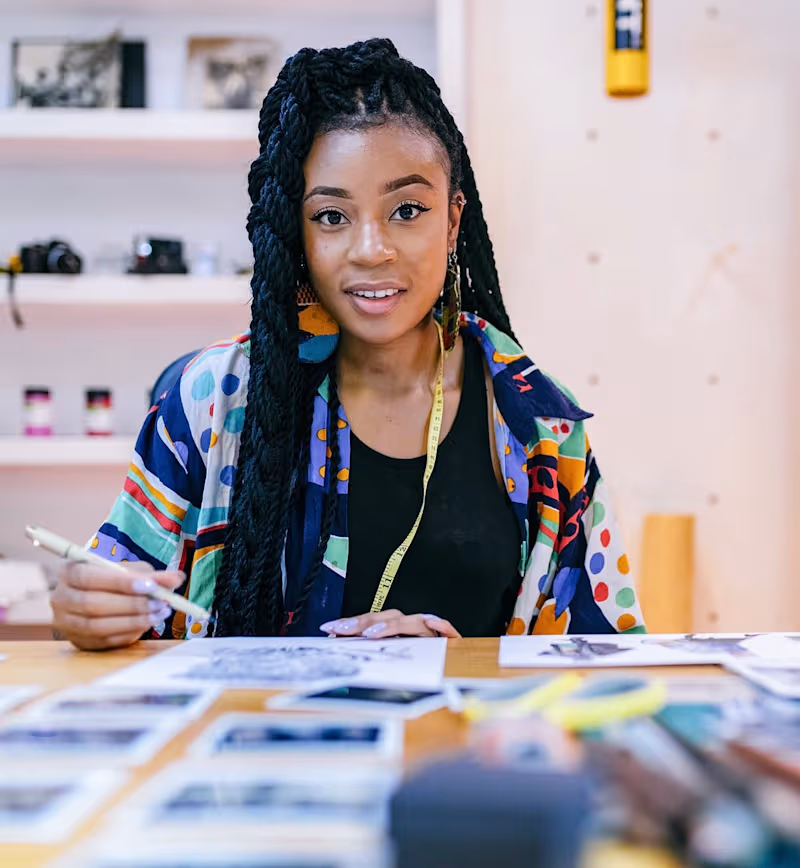
Tolu Coker was born and raised in West London to Nigerian parents and graduated from Central Saint Martins in 2017 with First Class Honours. Her graduate collection, Replica, explored diasporic Black identity through her father’s old photographs and documents from his life in Nigeria and the UK, establishing from the beginning that her practice would draw on her own family’s Yoruba and British inheritance as primary research material. She completed placements at Phoebe Philo-era Celine, JW Anderson, and Maison Margiela before launching her label formally in 2021. The British Fashion Council’s NEWGEN Award followed in 2023, giving her access to financial grants, showcasing opportunities, and individual mentoring.
In January 2024, Coker appeared on the cover of British Vogue’s Sustainability Trailblazers issue alongside four other designers. She was named to the Forbes 30 Under 30 list in 2022 and was nominated for the BFA Vanguard Award in 2025. The most visible single moment of her career to date came in 2024, when the Princess of Wales wore her dove-grey AW24 “Double Lapel Corset Coat” to the ceremonial welcome of Nigerian President Bola Tinubu and First Lady Oluremi Tinubu: the first state visit to the United Kingdom by a Nigerian leader in 37 years. The garment was a British-Nigerian designer’s coat, worn by the Princess of Wales, at a reception for Nigeria. The symbolism required no editorial note. Coker’s clients include Rihanna, Ariana Grande, Tyla, Doechii, and Naomi Campbell, who starred in her SS26 short film presentation.
Also Read:
- Black Designers, Cultural Authority, and the Fight for Structural Change
- Agbada, the Dashiki, and the Reclamation of Cultural Authority
- Afrocentric Style and the New Professional Authority
4. Foday Dumbuya — Labrum London
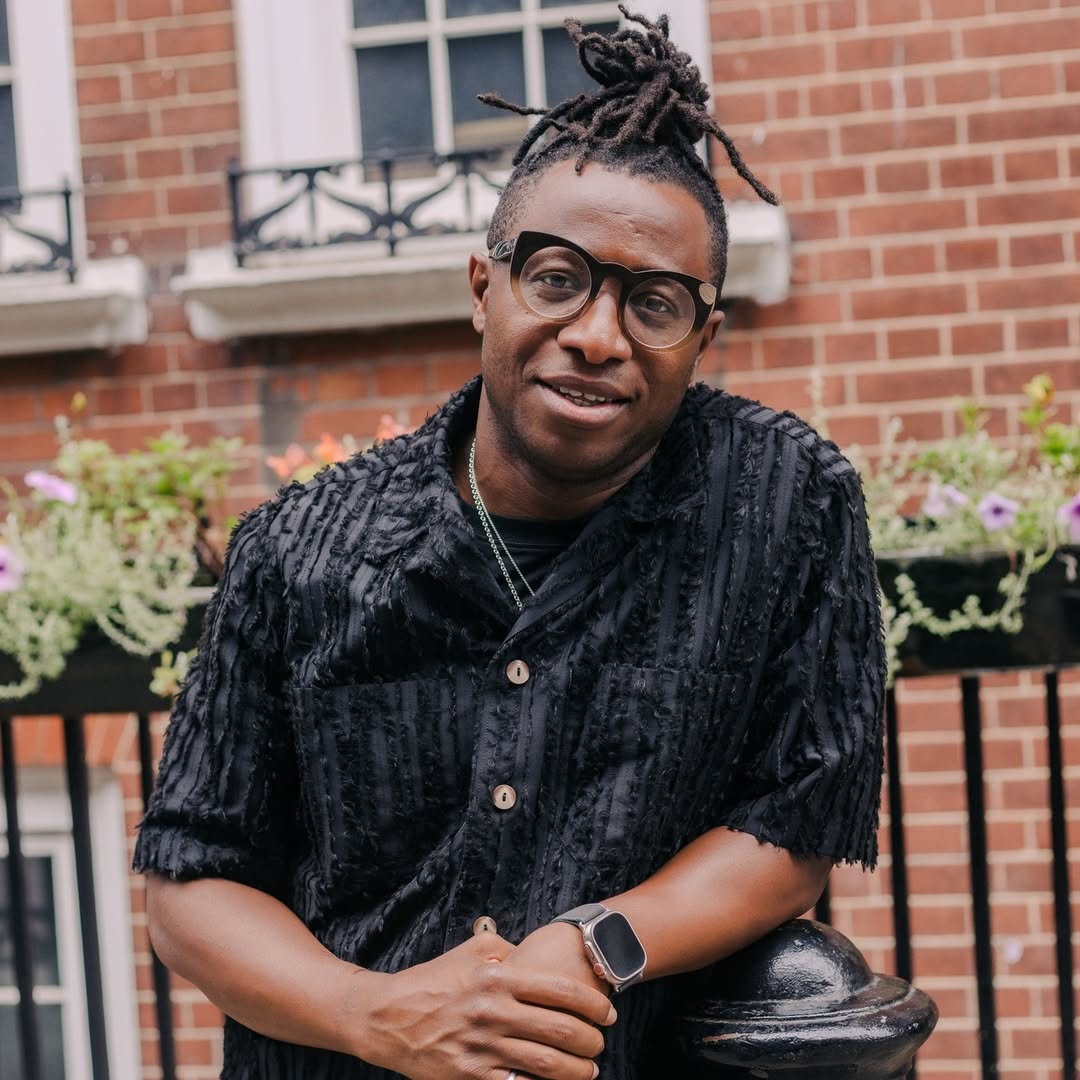
Foday Dumbuya founded Labrum London in 2014. The name, from the Latin for “having an edge,” was deliberate: the brand has always understood itself as operating at the boundary between the West African heritage of its founder’s Sierra Leonean roots and the British tailoring tradition of the city where he built it. Dumbuya’s design philosophy is built on storytelling: each collection carries a narrative rooted in African culture, history, or community life, delivered through silhouettes that are structurally precise and visually vibrant. The combination of careful construction with the colour intelligence of West African fabric traditions has made Labrum one of the most consistently compelling propositions on the London Fashion Week schedule.
The 2025 British Fashion Awards nominated Dumbuya for British Menswear Designer of the Year, placing Labrum London on a shortlist alongside Grace Wales Bonner, Craig Green, and Nicholas Daley. That nomination acknowledged what the London fashion industry had been slower to formalise: that Dumbuya has been operating at the highest level of British menswear for a decade, building a brand that speaks directly to the African diaspora communities his design vocabulary is rooted in, while earning recognition from an international audience that reads the cultural authority embedded in his construction.
5. Martine Rose

Martine Rose is British-Jamaican and among the most consistently referenced designers in contemporary menswear globally. Her collections, built from a deep knowledge of subculture, streetwear archaeology, and the visual history of working-class British dress, have shaped the aesthetics of the fashion industry’s most influential gatekeepers for more than fifteen years. Nike collaborated with her. Designers and creative directors across the industry cite her. Her name appears on shortlists whenever a major house appointment opens. It was this last fact that produced one of the most pointed statements about structural inequality to emerge from the fashion press in recent years.
In 2025, Sarah Mower, Chief Critic for Vogue Runway, reposted a comment she had written about the previous season’s menswear shows and added simply: “I said what I said.” The original text described the fact that a major house had not hired Rose and Wales Bonner as “less a mystery than a total disgrace in the industry.” Wales Bonner’s appointment with Hermes partially resolved that disgrace for one designer. Rose continues to build an independent practice of the highest quality, which the industry continues to cite as influential, yet declines to translate that influence into the structural investment needed to reach the scale it has long earned. That gap between influence and investment is the defining structural problem of Black British fashion in 2025, and Martine Rose is its most visible illustration.
When Grace Wales Bonner walked into the Hermes studio in 2025, she walked in as the continuation of a lineage that has been building London fashion from the inside for generations. Bianca Saunders, Tolu Coker, Foday Dumbuya, and Martine Rose are building the same lineage from the same city, with the same combination of cultural intelligence and structural patience that the industry has historically demanded of Black designers while declining to reward at an equivalent scale. The future of London fashion is not a question of which new voices will emerge. The voices are already here. The question is whether the infrastructure will finally move at the pace of the talent it claims to celebrate.
Frequently Asked Questions
Who is Grace Wales Bonner, and why is her Hermes appointment significant?
Grace Wales Bonner is a British designer of Jamaican and white British heritage who founded her label in 2014 after graduating from Central Saint Martins. She has received the LVMH Prize (2016), the CFDA International Men’s Designer of the Year Award (2021), an MBE (2022), and the British Fashion Awards British Menswear Designer of the Year (2024). In October 2025, she was appointed creative director of Hermes menswear, becoming the first woman of Black heritage to lead design at a major luxury fashion house. The significance lies in both the achievement and the discomfort: that this appointment was a first, in 2025, exposes how late the luxury industry has been in recognising the calibre of Black British design talent it has long benefited from.
What has Bianca Saunders achieved in London and Paris menswear?
Bianca Saunders is a British-Jamaican menswear designer who launched her label in 2017 after graduating from the Royal College of Art. In 2021, she became the first Black woman to win the ANDAM Grand Prix Fashion Award in Paris. She received the New Establishment Menswear Award at the 2023 British Fashion Awards and won the BFC/GQ Designer Fashion Fund in 2024, receiving a £100,000 grant, business mentoring, and professional support. Her work, rooted in British Caribbean identity and the psychology of masculine tailoring, now shows at Paris Fashion Week and is stocked by international retailers including SSENSE and Machine-A.
Why did the Princess of Wales’ wearing Tolu Coker matter beyond royal fashion coverage?
In 2024, the Princess of Wales wore a coat from British-Nigerian designer Tolu Coker’s AW24 collection to the ceremonial welcome of Nigerian President Bola Tinubu and First Lady Oluremi Tinubu, marking Nigeria’s first state visit to the United Kingdom in 37 years. The choice of a British-Nigerian designer for a reception welcoming Nigerian dignitaries carried cultural and diplomatic weight that extended far beyond royal fashion commentary. For Coker, whose brand is explicitly rooted in the intersection of her Yoruba heritage and her British upbringing, the moment placed her design work at the centre of a conversation about British identity, cultural belonging, and the formal recognition of diaspora creative authority.
What structural challenges do Black British designers still face despite recent recognition?
Despite significant recent achievements, Black British designers continue to face a gap between influence and investment that structural equality would require to be closed. Designers like Martine Rose, whose influence on global menswear is acknowledged by every major institution in the industry, have not received the house appointments or capital backing that their influence warrants. The BFC/GQ Fashion Fund, NEWGEN, and ANDAM represent important support mechanisms. Still, the scale of investment available to Black British designers remains significantly lower than that available to comparable white designers at equivalent career stages. The Grace Wales Bonner Hermes appointment is the most visible exception to that pattern. It does not resolve the pattern itself.