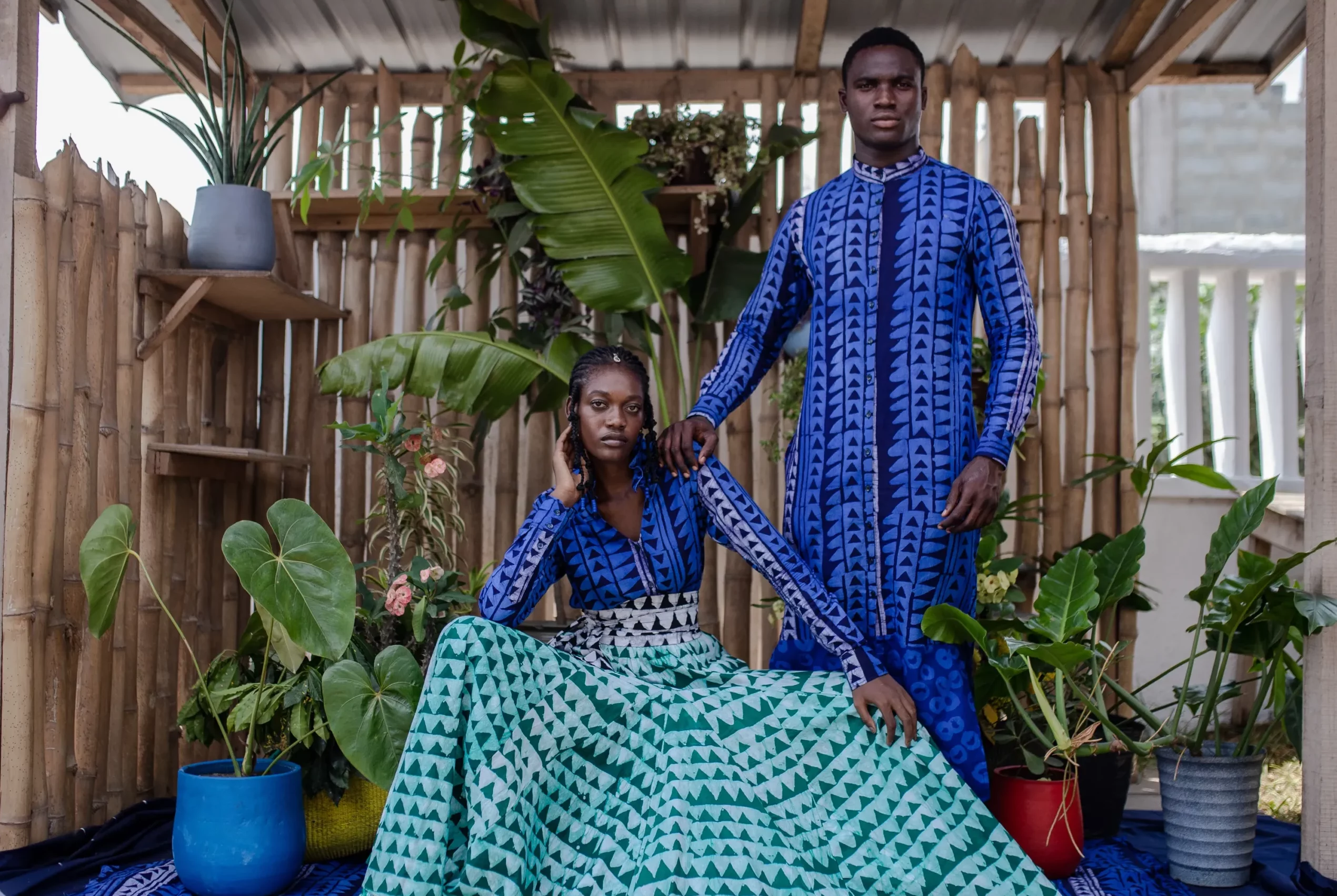
They were told the door was open. They found it was barely ajar. They are taking it off its hinges anyway.
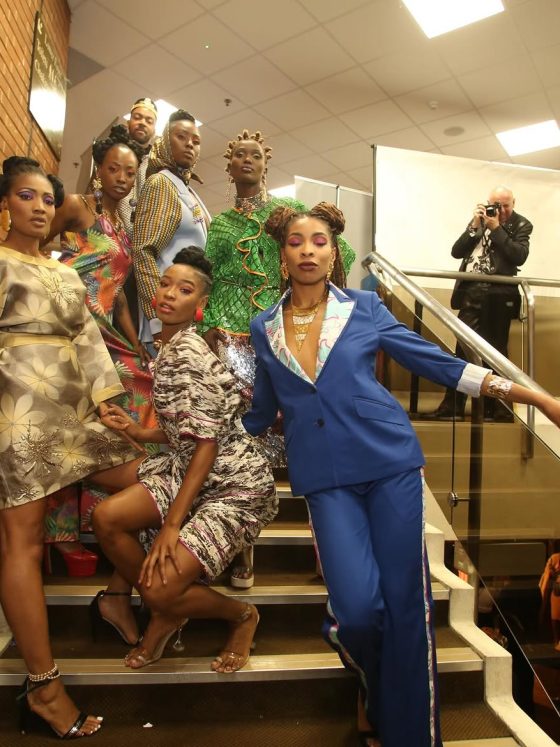
In September 2009, a group of African fashion brands walked into the Bryant Park tents at New York Fashion Week and took their seats at a table that had not previously acknowledged their existence. Stoned Cherrie from South Africa, Xuly Bet from Mali, Momo Couture and Tiffany Amber from Nigeria: four labels, one moment, and a rupture in the official record of what New York Fashion Week was allowed to be about. The industry press covered it as a milestone. What it actually was was a correction that had been overdue throughout the event’s history. It would take more than a decade before that correction became structural rather than ceremonial. That work is still being done, season by season, collection by collection, by a generation of African diaspora designers who have not waited for permission to define what American fashion looks like.
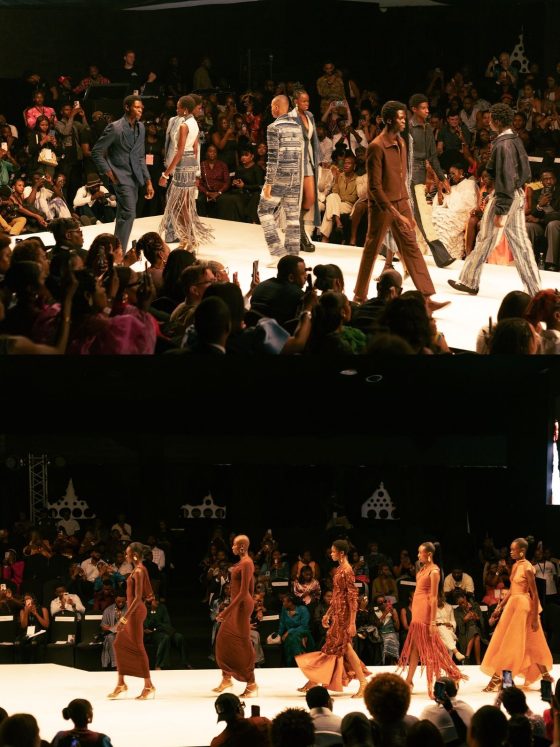
By the Fall/Winter 2025 season, nearly 30 Black designers held spots on the CFDA’s official New York Fashion Week calendar, comprising approximately 25% of the official schedule, a figure described by the Business of Fashion as a hard-won diversity gain brokered in no small part by organisations including the Black in Fashion Council and the Fifteen Percent Pledge. Nigerian-British designer Chuks Collins, speaking to OkayAfrica after the same season, noted that it marked the first time that approximately 8 African designers had appeared on the official NYFW calendar simultaneously. The numbers tell part of the story. The collections tell the rest.
The history that makes these numbers significant begins long before 2009. Ann Lowe, a Black American designer who crafted Jacqueline Kennedy’s wedding dress in 1953, operated in a fashion industry that refused to credit her by name. Stephen Burrows, one of the first Black designers to gain international acclaim, was invited to the 1973 Battle of Versailles, where he competed against the top French couturiers of his era and helped establish American fashion’s global credibility. Burrows was celebrated. He was also exceptional in an industry that treated Black creative excellence as the exception rather than the rule. The African diaspora designers arriving at NYFW in 2025 are entering that history, carrying it in their construction choices, fabric selections, and show notes, and declining to be exceptional in the way the industry originally intended that word.
From the 2009 Bryant Park breakthrough to the 25% of the official CFDA calendar now held by Black designers, African diaspora designers are not supplementing New York Fashion Week. They are rewriting what it means.
Omiren Argument
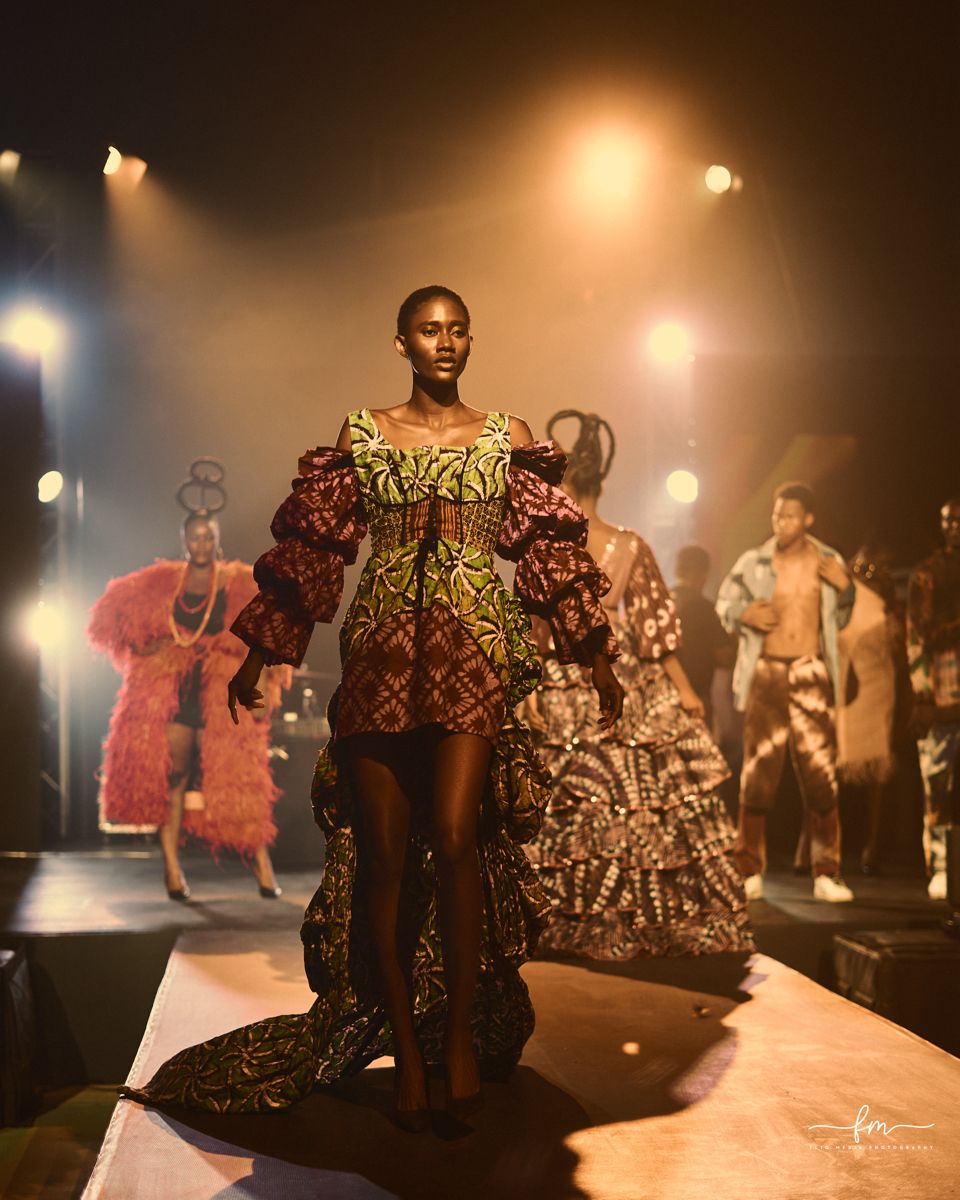
New York Fashion Week has never been a neutral stage. It has always been a platform built by specific economic interests, organised around specific aesthetic hierarchies, and gatekept by institutions whose definitions of luxury, innovation, and relevance were never developed with African or African diaspora design traditions in mind. When African diaspora designers enter that stage, they are not being incorporated into an existing structure. They are contesting the structure’s terms from the inside. Every Congolese-American designer who builds a collection rooted in the visual vocabulary of the Democratic Republic of Congo, every Jamaican-born designer whose crochet technique is directly descended from artisan traditions the industry spent decades dismissing as craft rather than fashion, every Nigerian-born designer who embeds her country’s textile knowledge into garments that then appear in Bergdorf Goodman: each of these is not evidence that NYFW has become inclusive. Each is evidence that inclusion, on its own, is not the point. Transformation is the point.
The fashion industry has a mechanism for managing the arrival of previously excluded voices: it celebrates them as diversity without adjusting the underlying conditions that produced their exclusion. Representation on a runway is not the same as representation in the capital allocation decisions that determine which brands survive their first five years. It is not the same as representation in the editorial rooms that decide which collections receive serious critical attention and which are photographed as cultural interest pieces. African diaspora designers at NYFW are building on a stage that still rewards them unevenly, still grants them access before granting them parity, and still treats Afrocentric aesthetic intelligence as an interesting addition to American fashion rather than as one of its foundational sources. The designers know this. They are building anyway.
The Designers Who Changed What the Stage Is For
No designer has done more to demonstrate the gap between access and structural change than Telfar Clemens. Liberian-American and Queens-born, Clemens founded his label in 2005 and spent years producing collections that the industry acknowledged but did not invest in. The label’s Shopping Bag, nicknamed the Bushwick Birkin for its status appeal at a fraction of the luxury price, became a global cultural object built on Clemens’s founding principle: not for you, it’s for everyone. The CFDA/Vogue Fashion Fund prize followed in 2017. Beyoncé endorsed the bag on her Renaissance album. The brand’s trajectory demonstrated something the industry had not publicly reckoned with: that accessible luxury rooted in Black cultural identity could command the same cultural authority as any heritage house, without requiring the heritage house’s gatekeeping mechanisms to validate it.
Anifa Mvuemba of Hanifa entirely rewrote the show format. The Congolese-American designer founded her label in 2012 and built a following through the quality and intention of her work. In 2020, during the COVID-19 pandemic, she launched her Pink Label Congo collection on Instagram Live using 3D ghost models: invisible bodies that made the silhouettes of the garments visible without a physical runway, a physical audience, or the institutional permission of a scheduled NYFW slot. The presentation became one of the most discussed fashion moments of that year. It was watched globally. It referenced the women of her hometown in the Democratic Republic of Congo through its bold prints and colour palette. It required none of the infrastructure that NYFW gatekeepers control. What was required was Mvuemba’s vision, which the industry had no mechanism to stop.
Also Read:
- Agbada, the Dashiki, and the Reclamation of Cultural Authority
- Afrocentric Style and the New Professional Authority
- How West African Print Became a Global Style Language
The Diaspora Voices Commanding the Official Calendar
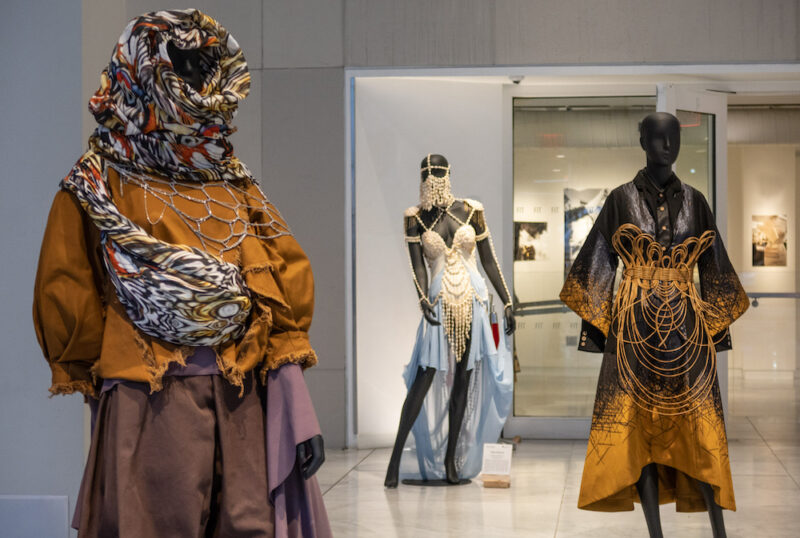
Christopher John Rogers was born in Baton Rouge, Louisiana. His collections, characterised by voluminous silhouettes, fearless colour, and a joy in construction that reads as both technical mastery and emotional intelligence, have been worn by Tracee Ellis Ross, Kerry Washington, Rihanna, and Doechii. His return to the NYFW official calendar for Fall 2025 was one of the most anticipated moments of that season. Rogers designs for the full emotional range of dressing: the desire to take up space, to be seen as beautiful on one’s own terms, to wear garments that carry the maker’s excitement as part of their structure.
Edvin Thompson of Theophilio arrived in New York from Jamaica and launched his label in 2016 with a runway show held in a Brooklyn garage. His stated purpose was to celebrate Jamaica’s past, present, and future through his clothes. The CFDA’s American Emerging Designer of the Year award followed. Rachel Scott of Diotima, also Jamaican-born, built a brand from hand-woven crochet produced by artisanal communities in Jamaica, explicitly connecting her New York presentations to the Windrush diaspora and to the labour traditions of the Caribbean. Her first NYFW presentation in September 2023 made waves before she had shown a single piece. Tia Adeola, Nigerian-born, celebrated her label’s tenth anniversary at NYFW Fall/Winter 2025 with a collection that fused her signature sheer-ruffle aesthetic with references to her Nigerian heritage, having dressed Gigi Hadid and SZA in the years between her dorm room beginning in 2017 and her place on the official calendar.
The Infrastructure Being Built Around Them
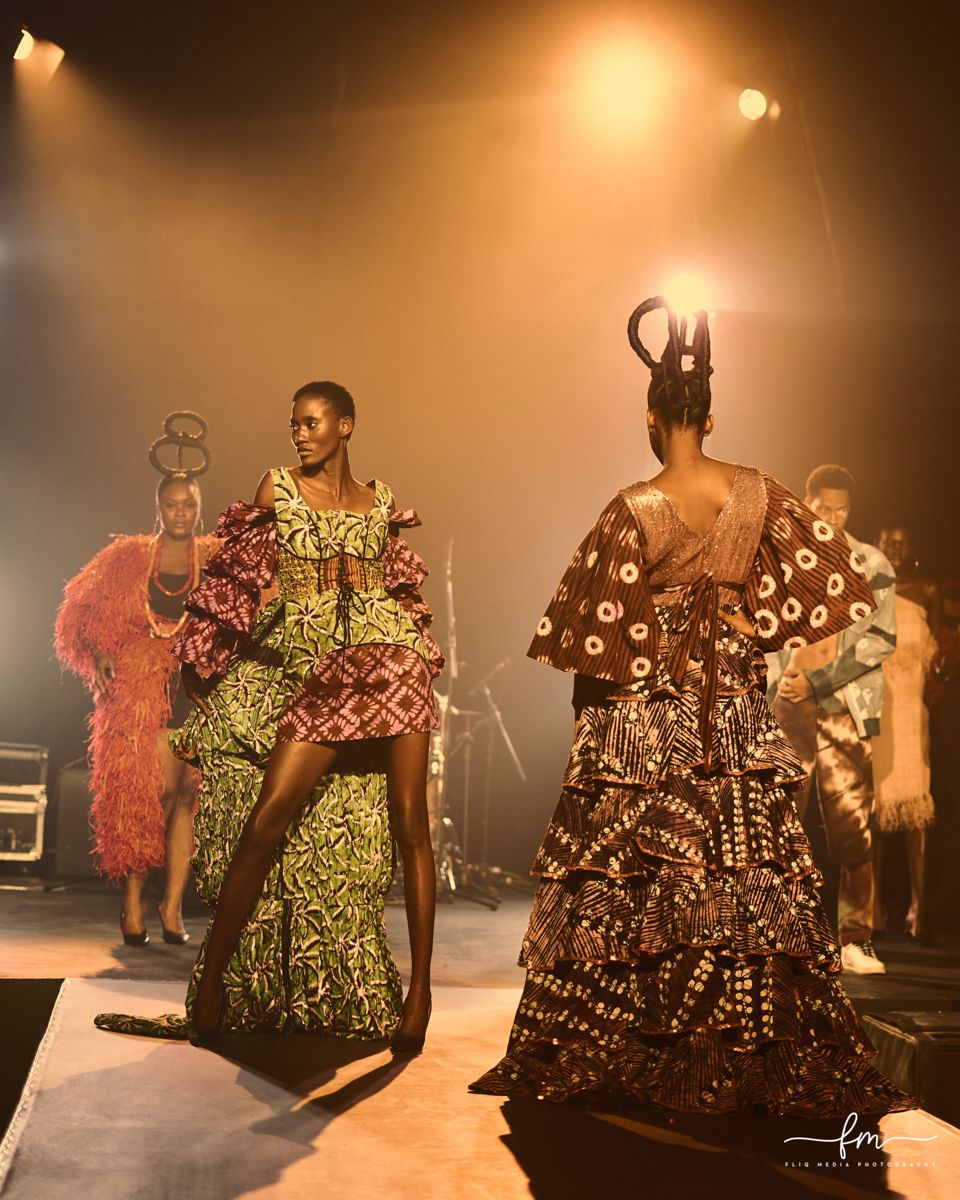
The Black in Fashion Council, founded by Lindsay Peoples Wagner and Sandrine Charles, has operated its Discovery Showroom at NYFW for several seasons, providing space for emerging Black designers to connect with industry buyers, editors, and leaders who would not otherwise encounter their work. At Fall/Winter 2025, the BIFC highlighted 14 designers across ready-to-wear and accessories, with five emerging brands presenting at the Chelsea Factory runway show. The Awet New York Showroom, a platform dedicated specifically to African designers, brought together a curated lineup of both rising and established talent in the same season, connecting designers with international buyers and amplifying African fashion on a stage that has historically treated it as peripheral. These structures matter because individual brilliance, without institutional support, produces brilliant but brief careers.
Chuks Collins, the Nigerian British designer who worked at Ralph Lauren before launching his own label in 2018, has articulated the structural problem with precision. Speaking about the economic reality of producing African-rooted fashion for Western markets, he noted that a simple Ankara dress with a $100 production cost can only be priced at $150, a price point that excludes mass markets in Nigeria while remaining necessary to cover the cost of production. The runway visibility is real. The commercial infrastructure to match it is not yet built. The same way investment flows into African music, he has said, it needs to flow into African fashion. The collections are already there. The capital has not caught up.
The four brands that walked into the Bryant Park tents in 2009 did not know they were opening a door. They were simply showing their work in the room where their work belonged. The designers who followed them onto the official NYFW calendar, season by season, collection by collection, have been doing the same: not asking for inclusion in a structure that excluded them, but insisting that the structure account for what it missed. The 25% of the official CFDA schedule now held by Black designers is not a destination. It is a position from which the work of transformation continues. The Congolese ghost models, the Jamaican crochet, the Nigerian ruffles, the Baton Rouge colour: none of this is supplementary to American fashion. It is American fashion, finally visible on the stage that was always supposed to represent it.
Frequently Asked Questions
When did African designers first appear at New York Fashion Week?
African designers began appearing at NYFW individually in the early 2000s. Still, the landmark collective moment came in 2009, when Stoned Cherrie from South Africa, Xuly Bet from Mali, Momo Couture and Tiffany Amber from Nigeria were received in the Bryant Park tents as part of the African Fashion Collective, marking the first time African brands had appeared at NYFW as a curated group. Nigerian designer Maki Oh made her individual NYFW debut in 2012. By Fall/Winter 2025, Nigerian-British designer Chuks Collins noted that approximately 8 African designers held spots on the official NYFW calendar simultaneously for the first time.
Which African diaspora designers are most significant at NYFW in 2025?
Among the most significant African diaspora designers at NYFW in 2025 are Telfar Clemens, the Liberian-American designer whose Shopping Bag and democratic luxury model have made his brand a global cultural force; Anifa Mvuemba of Hanifa, the Congolese-American whose 2020 3D Instagram Live presentation redefined what a fashion show could be; Christopher John Rogers, whose bold colour and voluminous silhouettes have made him one of the most celebrated designers of his generation; Edvin Thompson of Theophilio, the Jamaican-born CFDA Emerging Designer of the Year; Rachel Scott of Diotima, whose hand-woven crochet connects Caribbean craft traditions to New York luxury; and Tia Adeola, whose Nigerian heritage informs her tenth-anniversary collections.
What is the Black in Fashion Council, and how does it support designers at NYFW?
Lindsay Peoples Wagner and Sandrine Charles founded the Black in Fashion Council with the mission to represent and advance Black individuals in the fashion and beauty industries. At NYFW, the BIFC operates its Discovery Showroom, which provides emerging Black designers with access to industry buyers, editors, and leaders who would not otherwise encounter their work. At Fall/Winter 2025, the BIFC highlighted 14 designers across ready-to-wear and accessories, with five emerging brands presenting at the Chelsea Factory runway show. Many Black designers have credited the BIFC Showroom with expanding their brands and enabling meaningful connections with the industry.
What structural challenges do African diaspora designers still face at NYFW?
Despite representing approximately 25% of the official CFDA schedule as of recent seasons, African diaspora designers at NYFW continue to face significant structural inequalities. These include unequal access to the capital needed to build long-term heritage brands, unequal media coverage that treats their collections as cultural-interest stories rather than as serious fashion criticism, and economic conditions that make it difficult to price African-rooted garments accessibly for home markets while covering Western production costs. Designer Chuks Collins has publicly articulated this gap, calling for investment in African fashion at the scale already directed toward African music. Runway access and commercial parity remain two separate challenges.