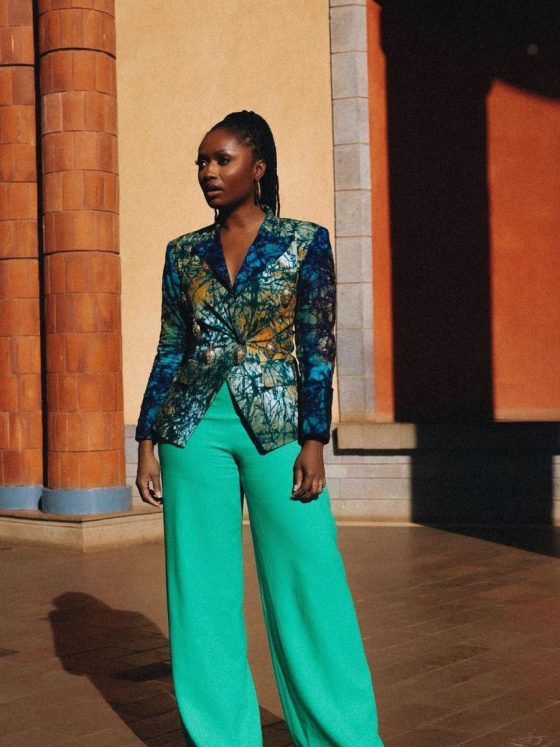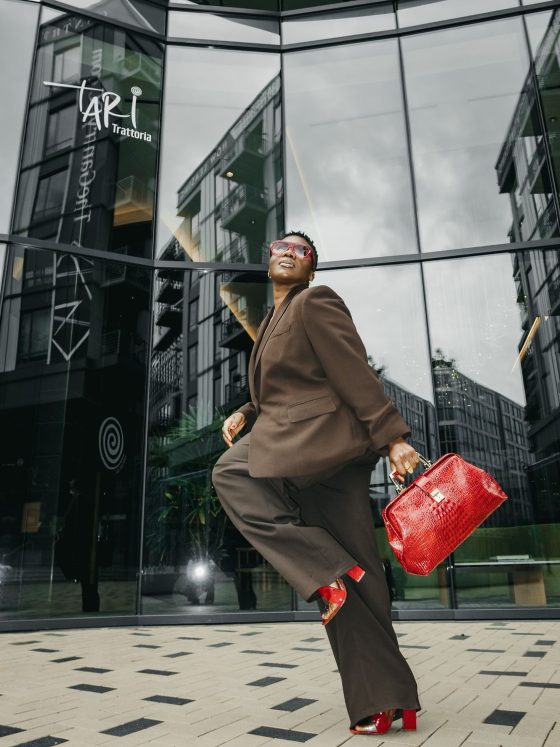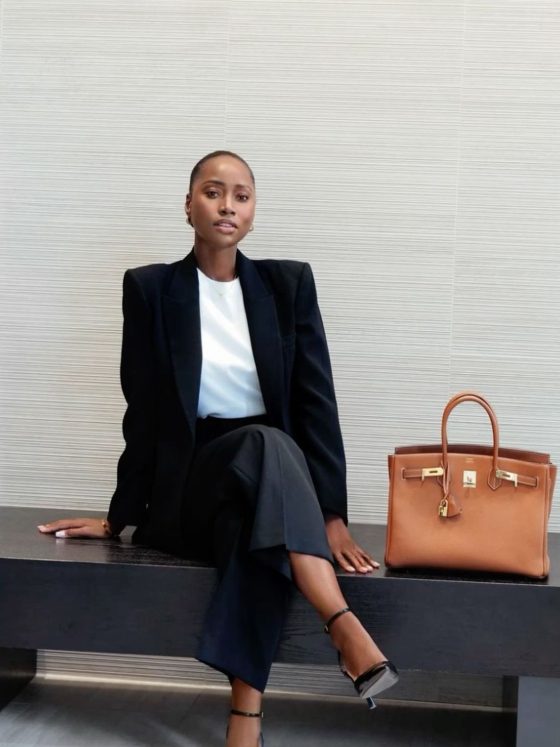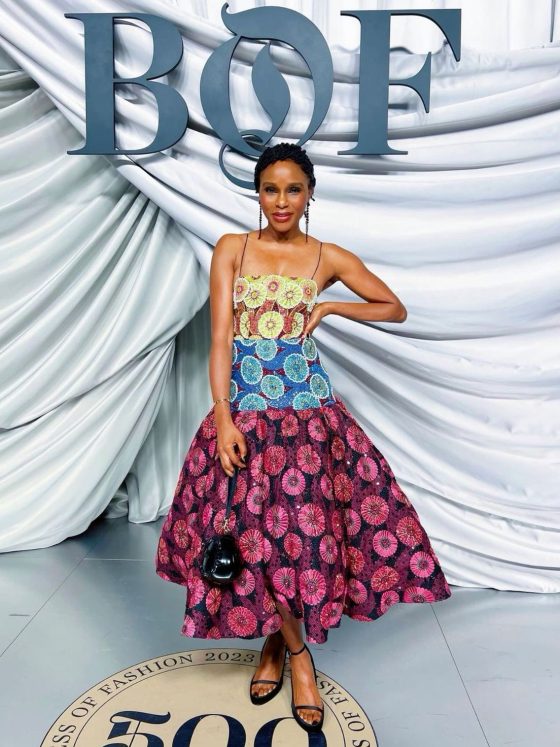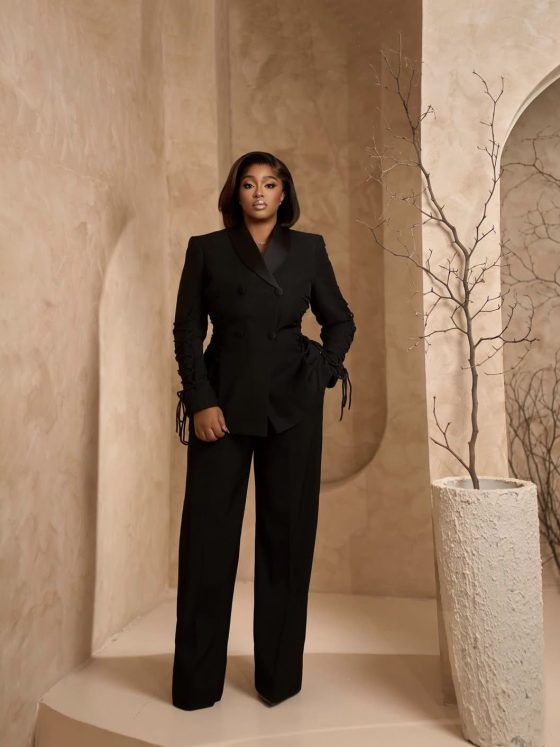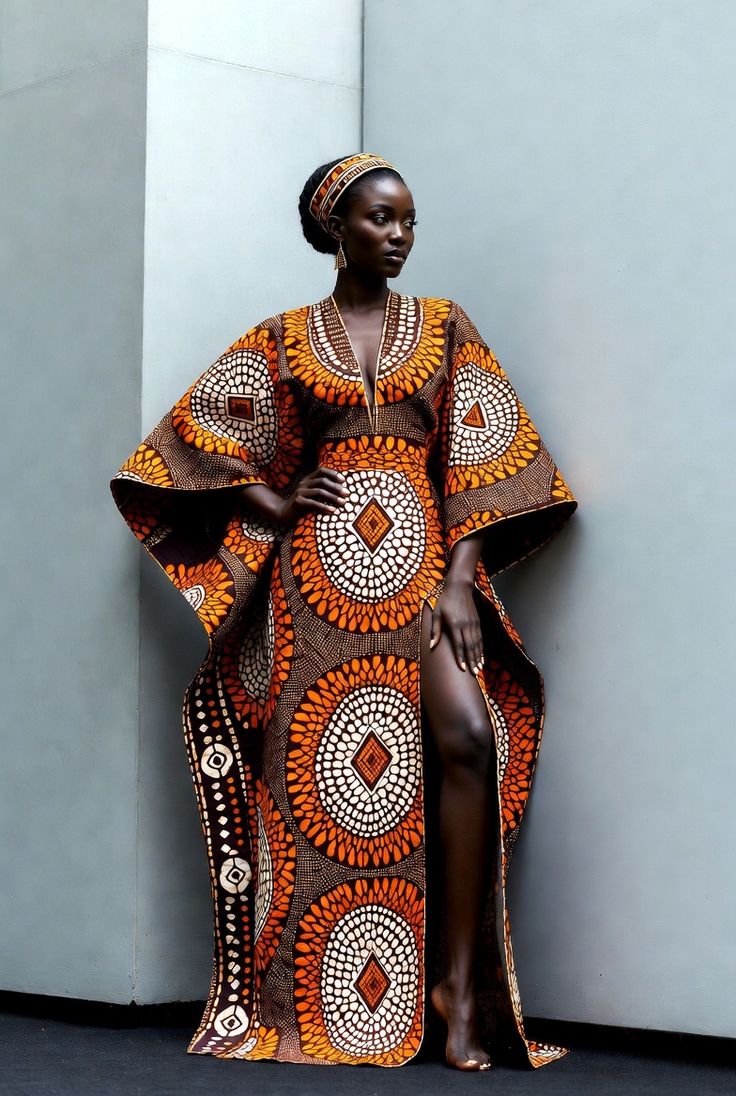
In the autumn of 2024, a photograph circulated quietly across Black fashion spaces online. A woman in a sharply tailored Ankara power suit strode through a London office lobby, briefcase in hand, headwrap immaculate. She was not at a cultural festival. She was not dressed for a wedding. She was going to work. The image said nothing. It needed to say nothing. Everything had already been said.
Power dressing, as Western fashion long defined it, was always borrowed armour. The sharp shoulder pad of the 1980s, the neutral palette of the executive suite, and the understood requirement that clothing must signal ambition without signalling difference. For decades, Black women in the diaspora understood this grammar and played by its rules, often at considerable cost to their own cultural expression. In 2025, that negotiation will end. African diaspora women across London, New York, Paris, and beyond are building a new vocabulary of power, one that does not strip away identity as a prerequisite for authority.
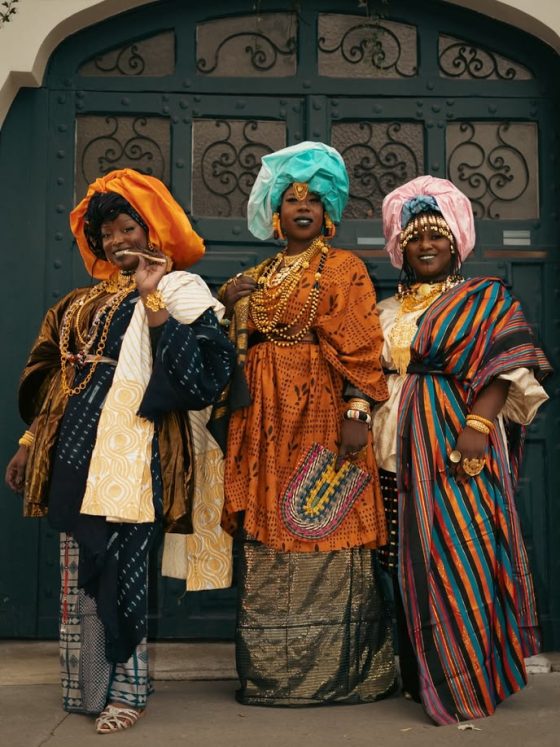
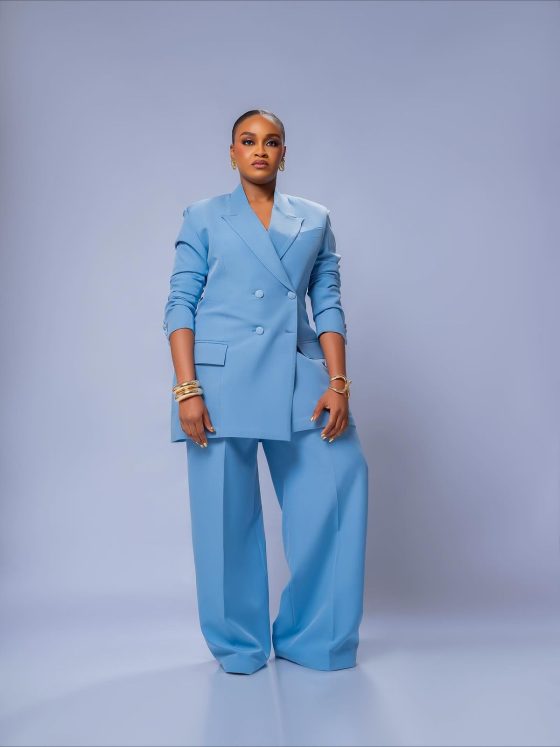
In 2026, African diaspora women are redefining power dressing by wearing Ankara blazers, Kente co-ordinates, and headwraps in boardrooms and professional spaces. This is not a trend. It is a correction.
A History Written in Cloth
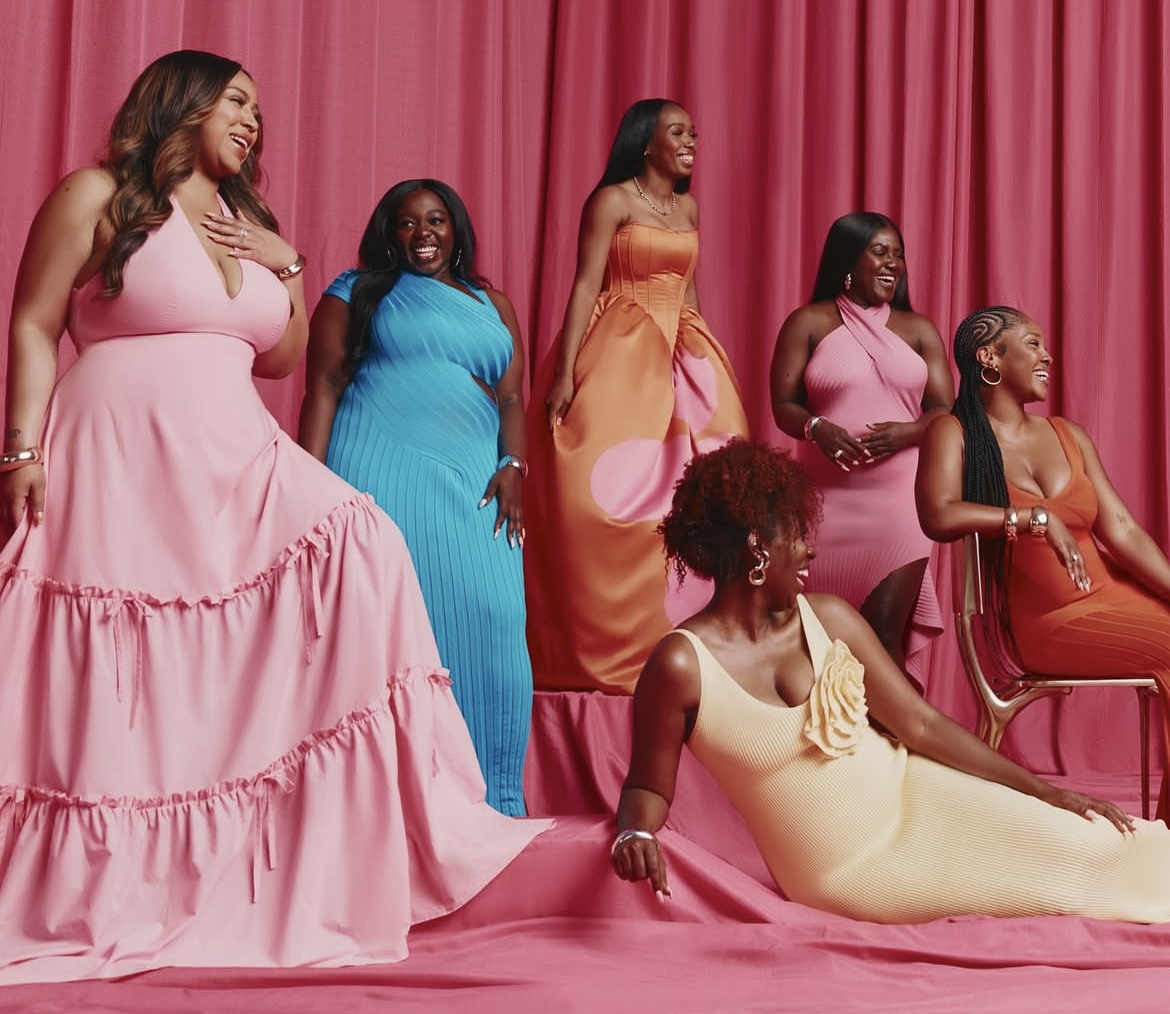
The use of dress as a form of resistance among African and African-descended women is not a new phenomenon. During the Civil Rights Movement in the United States, women like Angela Davis wore dashikis and natural hair in deliberate rejection of Eurocentric beauty standards. During enslavement in the Americas, women smuggled identity into their dress despite laws prohibiting traditional garments. The headwrap, far from being a decorative accessory, carried the weight of cultural transmission across the Atlantic. The Harlem Renaissance saw figures such as Zora Neale Hurston combine African-influenced patterns with Western silhouettes as both cultural argument and social statement.
Sociologist Brittney Miles, whose research at the University of Illinois Urbana-Champaign examined the fashion and beauty practices of 39 Black women across nine ethnicities and multiple generations, found a remarkable consistency in how her participants understood dress. Every single participant, regardless of age or background, described what it meant to show up in a world that wants to render you invisible. Black political history and resistance to injustice, her research concluded, were intricately intertwined with their fashion choices. What is different in 2025 is the scale, the intentionality, and the refusal to apologise.
Ankara in the Boardroom
Across professional spaces and public life, African diaspora women are bringing traditional textiles out of the ceremonial and into the everyday. Ankara-print blazers are appearing in offices in London and New York. Kente co-ordinates are worn to media appearances and client meetings. Adire-dyed fabrics, rooted in centuries of Yoruba dyeing tradition, are being structured into tailored co-ordinates for city commutes. This is not aesthetic borrowing from heritage for fashion effect. It is a deliberate, political recalibration of what professional credibility looks like when it belongs to women who were never permitted to define it.
In London, where Black women have long navigated dress codes that ask them to diminish themselves to make rooms more comfortable, the shift is visible. The Ankara blazer has become, for many, what pearls once were for a different generation of professional women: a statement of intention, a signal of terms. A 2023 survey by Allure found that 68% of Black women feel more confident when wearing bold accessories with cultural resonance.
The Market Speaks
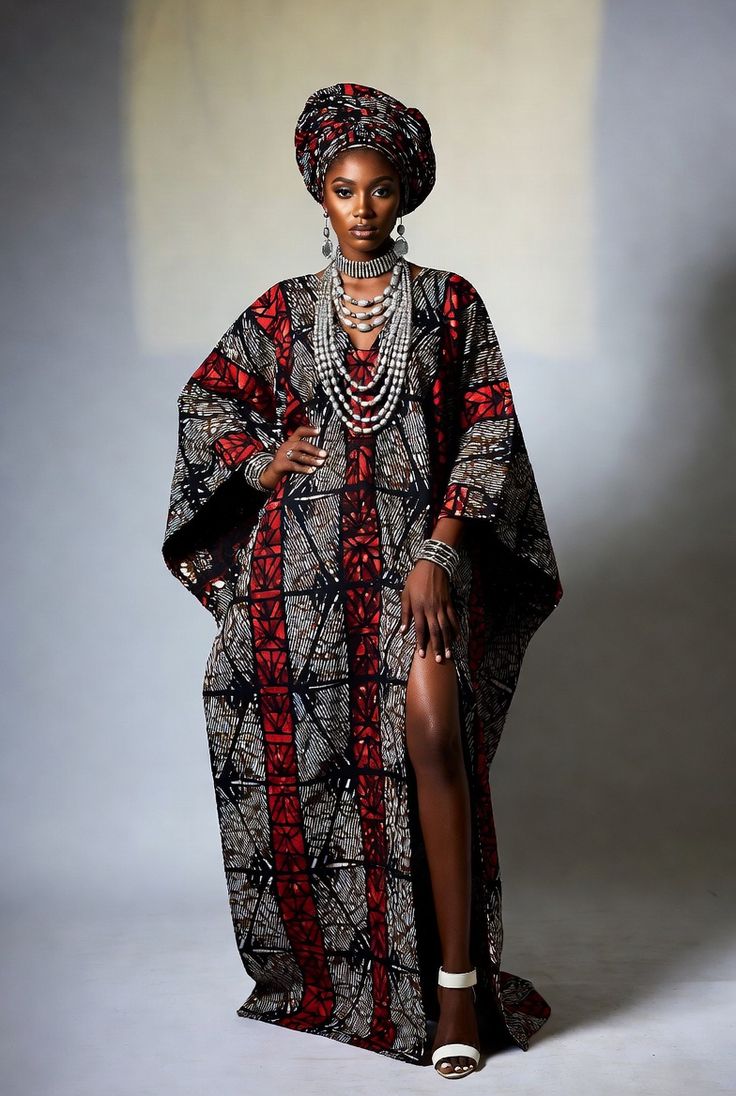
The scale of this shift is measurable beyond anecdote. According to the Africa Fashion Industry Statistics report (2025), 55% of the African diaspora in the UK purchase at least one item of African-branded apparel each year. Africa’s e-commerce fashion market is projected to reach $6.53 billion in 2025, growing at a compound annual rate of 7.96%. Data from the Sagaci Research pan-African consumption tracker found that 78% of adults across 54 African countries consider clothing a form of creative self-expression. UNESCO estimates that annual African textile, clothing, and footwear exports stand at $15.5 billion.
The global streetwear market, substantially shaped by Black cultural production, was valued at $185 billion in 2024 according to Statista, with Black women positioned as both consumers and creative producers within it. These figures do not exist in isolation. They are the commercial echo of a cultural shift that the industry’s data was too slow to anticipate and is still catching up to understand.
The Designers Building the Architecture
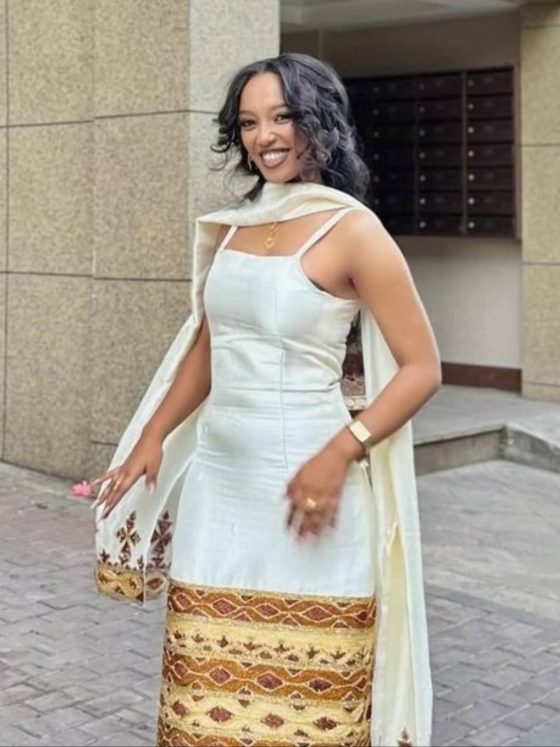
The movement has its architects. Anifa Mvuemba, the Congolese-American designer behind Hanifa, has built a brand rooted in celebrating the Black female form, bringing diaspora sensibility into silhouettes worn by professional women who refuse to separate beauty from authority. Maison Kebe, the Senegalese luxury house led by Cheikh Kebe, produces ready-to-wear collections rooted in Afro-Diasporic heritage with sophistication and intent. Lemlem, co-founded by Ethiopian model Liya Kebede, embeds traditional Ethiopian weaving into contemporary silhouettes that move from offices to occasions with equal command.
In the United States, fashion editor and stylist Zerina Akers has long championed bold, culture-driven looks that command space rather than request it. Lindsay Peoples Wagner, editor-in-chief of The Cut and a 2024 EBONY Power 100 awardee, has spent her career arguing that Black expression in fashion is not supplementary to professionalism but inseparable from it. These are not outliers. They are the visible edge of a much larger and less documented shift.
The Digital Runway
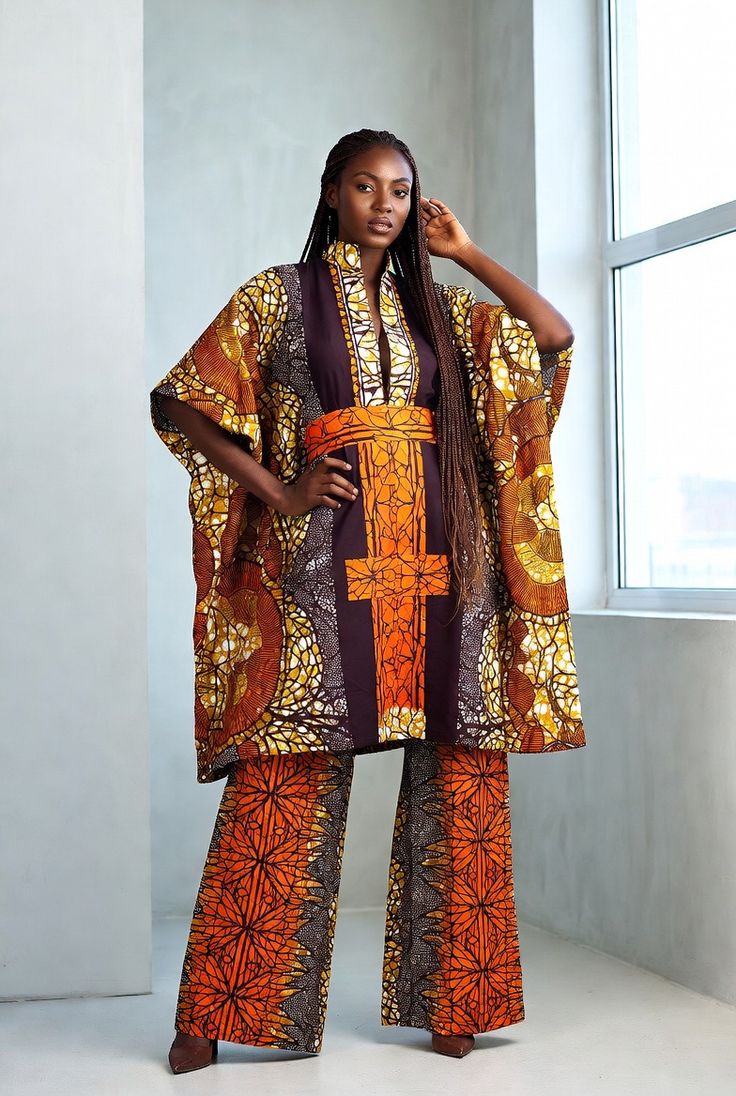
Social media has accelerated and amplified everything. A 2025 study published in Social Media and Society examined how women of colour use outfit transition videos on TikTok to publicly assert cultural identity against what the researchers described as a Western aesthetic dominance. Digital platforms provide women of colour with new avenues for cultural expression and community building, countering colonial legacies that historically limited their public visibility and voice.
Campaigns like #BlackGirlsInHats, which recorded over 500,000 posts in 2025, and the ongoing visibility of Afrocentric styling across Instagram and TikTok reflect the collective dimension of what might otherwise appear to be individual style choices. The photograph of a woman in an Ankara suit walking through a London lobby does not circulate because it is unusual. It circulates because it names something that many women are already living.
The fashion industry has spent decades treating African aesthetic traditions as inspiration while insisting that African women themselves were not the intended audience. Power dressing, as it was encoded in Western professional culture, excluded the very women whose cultural knowledge underwrote many of its most enduring gestures. What African diaspora women are doing in 2025 is not a trend. It is a correction. When a woman enters a room in an Ankara power suit or a Kente-detailed blazer, she is not making a fashion statement for someone else’s consumption. She is arriving on her own terms, dressed in the full weight of a civilisation that was never given credit for the beauty it produced.
Also Read:
- The Ankara Abroad: How West African Print Became a Global Style Language
- Adire and the Modern City: How the Diaspora Is Styling Yoruba Cloth for Everyday Life
- What Black British Women Wear to Work: Fashion, Professionalism, and the Politics of the Dress Code
The question power dressing always asked was, ‘How do you command space?’ African diaspora women in 2025 have answered it, not by conforming to a borrowed code, but by writing their own. The suit has not changed. The room has not changed. What has changed is who gets to decide what authority looks like when she walks through the door.
Frequently Asked Questions
What does power dressing mean for African diaspora women in 2025?
For African diaspora women in 2025, power dressing means entering professional and public spaces wearing clothing that carries cultural identity without apology. This includes Ankara blazers, Kente co-ordinates, Adire-structured garments, and headwraps worn not as cultural display but as expressions of full authority. It is the rejection of the idea that professionalism requires cultural erasure.
How has Ankara fabric become part of professional fashion?
Ankara, the wax-print cotton textile widely worn across West and Central Africa, has moved from ceremonial and community contexts into tailored professional silhouettes as diaspora designers and wearers have claimed its authority in everyday settings. Ankara blazers, structured trousers, and coordinated suits are now worn by African diaspora women in London, New York, and Paris in offices, boardrooms, and media spaces.
Which African diaspora designers are shaping power dressing in 2026?
Key figures include Anifa Mvuemba of Hanifa, whose work centres the Black female form; Cheikh Kebe of Maison Kebe, whose Senegalese luxury house produces collections rooted in Afro-Diasporic heritage; and Liya Kebede of Lemlem, whose brand embeds traditional Ethiopian weaving into contemporary professional silhouettes. Stylists, including Zerina Akers and industry leaders like Lindsay Peoples Wagner, are also shaping what Afrocentric power dressing looks like in the cultural mainstream.
Why is cultural identity important in workplace fashion for Black women?
Research consistently shows that cultural identity in dress is linked to confidence, a sense of belonging, and visibility for Black women in professional environments. A 2023 Allure survey found that 68% of Black women feel more confident wearing bold accessories with cultural meaning. Beyond personal confidence, wearing African textile traditions in professional spaces is a collective act of visibility, challenging inherited assumptions about what authority looks like and whose cultural heritage is taken seriously in rooms of power.