Caribbean beauty rituals are living traditions that carry centuries of knowledge. They aren’t just about glowing skin or shiny hair.
These practices reflect climate, local plants, and the creativity of communities who turned daily care into cultural expression. They are forms of care that go beyond vanity but honour the body, the environment, and generations of inherited wisdom.
Today, luxury brands and global spas borrow these rituals, but rarely credit the islands and the people who created them. Understanding Caribbean beauty rituals means you recognise them as heritage, culture, and expertise that deserve a global stage.
Caribbean beauty rituals are centuries-old practices built from coconut, aloe, and island botanicals. Discover the living heritage that global beauty brands borrow but rarely credit.
Rituals Are Stories Woven Into Daily Life
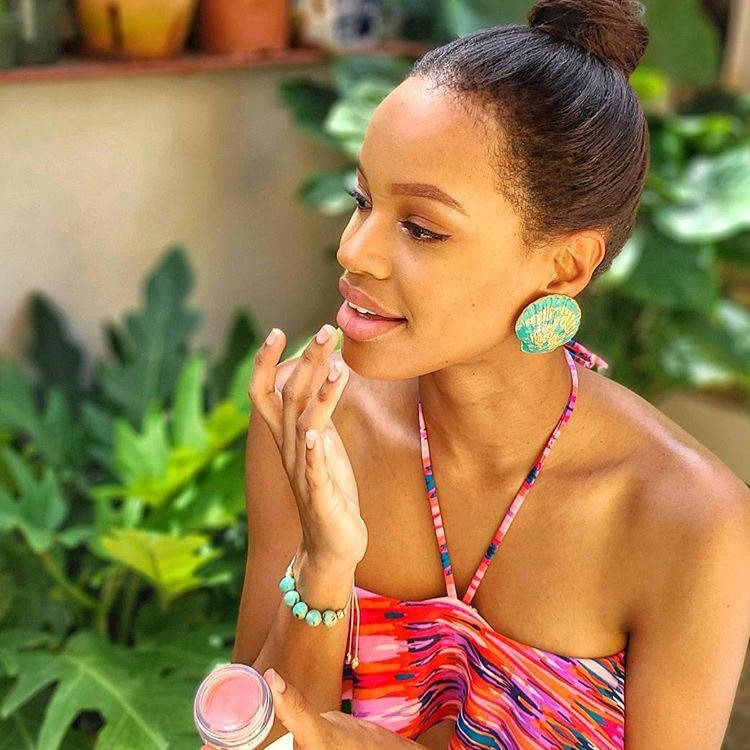
Caribbean beauty rituals are part of how communities cared for themselves long before they were seen as self-care trends.
In island homes, people learned from elders how to use the plants, oils, and herbs around them to care for their bodies and spirits in the heat and humidity of daily life.
These practices aren’t just about looking good but about listening to your environment, knowing what the land offers, and choosing care that works with the climate rather than against it.
Caribbean beauty rituals were the following:
Daily Routines That Protect and Nourish
For many generations, a day’s routine might begin and end with practices shaped by place and weather. For example, coconut oil was applied to lock in moisture and protect skin from the sun and sea breeze.
While fresh aloe from the garden soothed the sun‑kissed skin and minor irritation, Castor oil helped keep hair strong and supple in humid conditions.
Rituals as Knowledge and Community
These practices were learned by watching mothers and grandmothers and passed down through families, rather than taught through advertisements or product launches.
Other rituals carried deeper social and sensory meaning. For example, herbal baths steeped with aromatic leaves and flowers offered a moment of refreshment and renewal.
Bush teas brewed from local herbs were sipped to calm, nourish, and promote overall wellness. In each case, the personal act of care also connected a person to the community’s shared knowledge and history.
These rituals show that beauty in the Caribbean has always been practical, aesthetic, and culturally coded.
Caribbean Beauty Practices Shaped By Climate and Culture
Caribbean beauty rituals were created for the sun, humidity, and salt air of the islands. These practical solutions are now influencing global skincare.
Ingredients like coconut oil, aloe, and castor oil are not only effective but sustainable. This shows how local communities turned everyday care into smart, functional routines.
Modern brands study these practices to create moisturisers, serums, and hair treatments that work with the skin and hair.
Here’s how centuries-old Caribbean practices are shaping today’s luxury beauty routines:
Sustainability and Local Knowledge in Luxury Spaces
Many Caribbean rituals rely on locally grown, renewable plants. Herbal baths, bush teas, and tropical oils reflect a deep connection to the environment.
Luxury spas and ethical brands are borrowing these practices today, highlighting plant-based ingredients and slow, mindful processes.
Recognising these roots ensures that what travels to global markets carries both efficacy and cultural meaning.
Heritage as Performance-Grade Beauty
These rituals are more than tradition; they are high-performance care routines. They prepare skin and hair for tropical life and reflect generations of experimentation and refinement.
By understanding Caribbean beauty rituals as heritage, modern skincare and wellness industries can value the knowledge behind them, not just the aesthetic results.
This approach shifts the conversation from trends to legacy, demonstrating that Caribbean care practices are both scientifically sound and culturally rich.
Also Read
- The Future of Skin Science
- The Language of Skin: What Our Routines Reveal About Us
- Beauty’s New Epicentre: Why the World Is Turning to Africa’s Ancient Botanicals
- How Night Cream Works: The Science and Soul of Skin Repair
Global Adoption Without Attribution
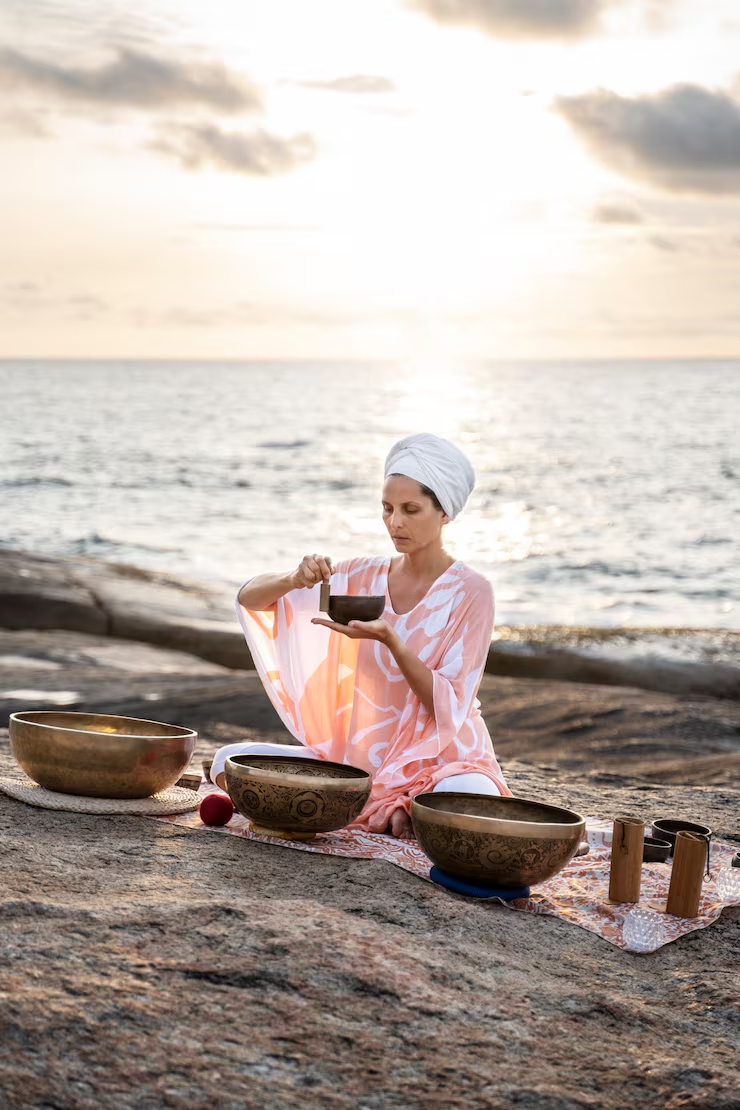
Caribbean beauty rituals have long shaped how communities cared for their skin, hair, and bodies. Today, luxury brands, spas, and social media often borrow these practices.
They highlight the textures, scents, and effects but rarely credit the islands and the people who created them.
Caribbean Botanicals in Global Beauty Products
Caribbean beauty brands like Caribbean Blue Naturals use aloe, coconut, and hibiscus in products for spas and professional treatments. This shows the region’s botanical heritage.
These botanicals are prized for their hydrating, soothing, and antioxidant benefits in many serums and creams found in global beauty markets.
Local Caribbean beauty entrepreneurs are also creating products rooted in this heritage. Brands like Immortelle Beauty in Trinidad and Tobago mix island herbs and flowers into face and body oils.
These products show how Caribbean knowledge translates into modern formulations, yet many global beauty stories do not highlight the traditions behind these ingredients.
Luxury Spas and Island‑Inspired Treatments
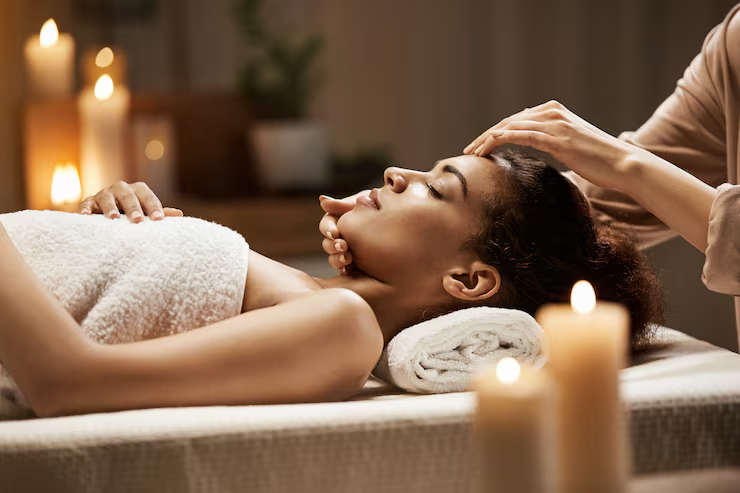
Luxury spas around the Caribbean integrate local botanicals into their menus, but often present them as “tropical experiences” rather than cultural practices.
For example, spa menus in Aruba and the Cayman Islands feature treatments inspired by aloe, rum, and coconut milk to hydrate and relax the body. These treatments offer sensory richness linked to landscape and climate.
The Pattern of Cultural Erasure in Wellness Narratives
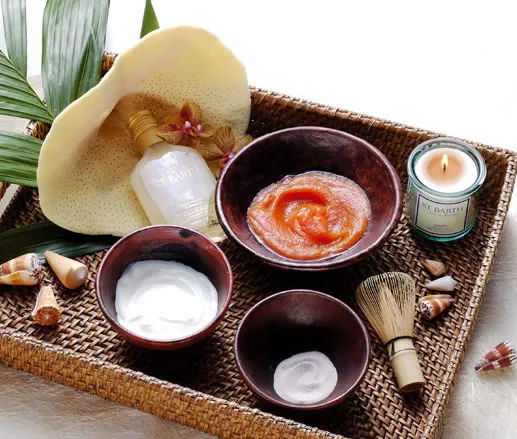
Across global beauty and wellness media, Caribbean botanicals and rituals are frequently featured as exotic or trend‑driven elements without naming the cultures that developed them.
While consumers encounter “island glow” products and tropical spa experiences, the stories behind how communities cared for their skin and hair for generations are often missing.
This reflects a broader pattern in which aesthetics are consumed visually and commercially, while the origins and meanings of the practices remain invisible.
Supporting Caribbean beauty brands and explicitly telling the heritage behind these ingredients helps shift the narrative from surface‑level admiration to deeper recognition.
When the origin is named, the practices are understood not as borrowed trends but as living knowledge shaped by climate, culture, and community expertise.
The Omiren Argument
There is a particular kind of knowledge that the global beauty industry finds very easy to use and very difficult to credit. It does not come from a laboratory or a trend forecast. It comes from the observation, over generations, of what the sun does to skin, what the sea does to hair, and what grows in the ground that can answer both. Caribbean communities built that knowledge long before it appeared in a spa menu or a luxury serum.
What travels globally is the result. The coconut oil. The aloe. The castor oil. The herbal bath. These are presented as ingredients, as textures, as sensory experiences tied to landscape. What does not travel with them, or travels only in stripped form, is the understanding behind them. Who first understood that a particular leaf soothes sun-damaged skin? Which communities refined the ratios over decades? Whose grandmothers passed the method down not through a brand launch but through daily practice in a kitchen or a garden.
When that knowledge is separated from its origin, what remains is not innovation. It is an extraction. The material moves. The meaning stays behind. And the people who developed it are left watching their inheritance packaged and sold back to the world as discovery.
Omiren Styles exists to clearly name that pattern. Not to argue against global adoption, but to insist that adoption without attribution is not appreciation. It is an erasure in a pleasant form. Caribbean beauty rituals are not a regional variation on universal skincare. They are a specific body of knowledge, shaped by specific conditions and developed by specific communities that understood their environment with precision. That precision deserves to travel with the ingredient, not be left at the border.
That is the Omiren argument. Heritage is not an aesthetic. It is authorship. And the culture that built the ritual is always part of what makes it work.
Recognition Is a Cultural Imperative
Caribbean beauty rituals are living traditions that carry generations of practical knowledge and cultural insight.
Every application of coconut oil or sugar scrub reflects centuries of understanding how the islands’ sun, humidity, and native plants affect skin and hair.
These aren’t simply aesthetic choices, but solutions born from close observation of the environment and the creative use of local resources.
When global brands replicate these effects without acknowledging their origins, they reduce complex, adaptive knowledge to a surface-level trend. The expertise of island communities, their experimentation, and the stories embedded in each ritual are ignored.
Respecting Caribbean beauty rituals is therefore more than just giving credit. It is an ethical and cultural imperative. It ensures that these traditions aren’t just consumed for their results but appreciated for the heritage, skill, and environment that shaped them.
Frequently Asked Questions
1. What Are Some Beauty Rituals?
Beauty rituals are traditional routines people use to care for their skin, hair, and body across different cultures.
Examples range from Japan’s layered skincare and rice water rinses to India’s turmeric and herbal pastes. And from Moroccan hammam steam and clay treatments to Polynesian oil massages.
2. Which country is No. 1 in Skin Care?
Many global reports point to South Korea as a leader in skincare innovation and popularity. Korean skincare, often called K‑Beauty, is known for advanced routines.
They have unique ingredients like snail mucin and green tea, as well as products designed for deep hydration and glow.
3. What Are the 4 Pillars of Beauty?
A commonly cited framework for effective skincare consists of four key steps:
- Cleansing to remove dirt and buildup,
- Moisturising to maintain hydration,
- Nourishing to support skin repair and health with vitamins and antioxidants, and
- Protecting the skin from the sun and environmental damage.
Together, these basics help keep skin balanced, healthy, and looking vibrant.
4. What Are Some Unique Beauty Traditions?
Around the world, beauty practices carry cultural meaning. In Morocco, the hammam scrub and argan oil ritual purifies both body and spirit.
Indian brides may use turmeric paste for a radiant glow before weddings.
In Scandinavia, sauna bathing is part of skin health. In parts of Africa, intricate hair braiding communicates age and identity.
These traditions show that beauty rituals are rooted in heritage and community as much as self‑care.