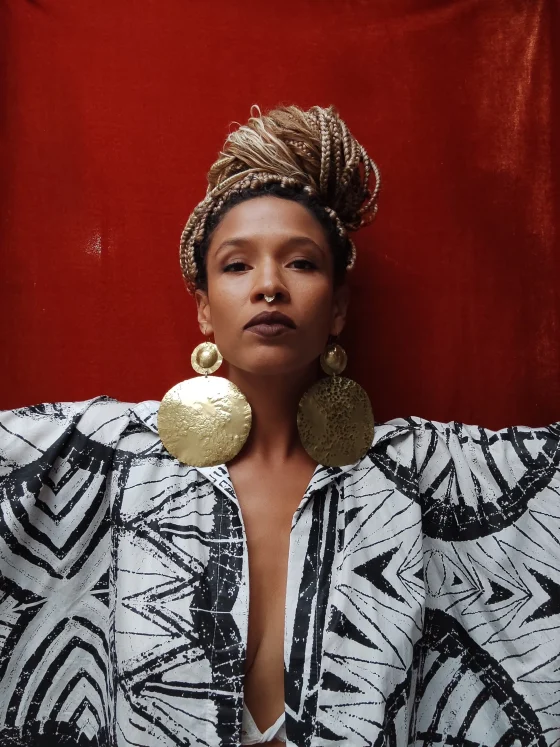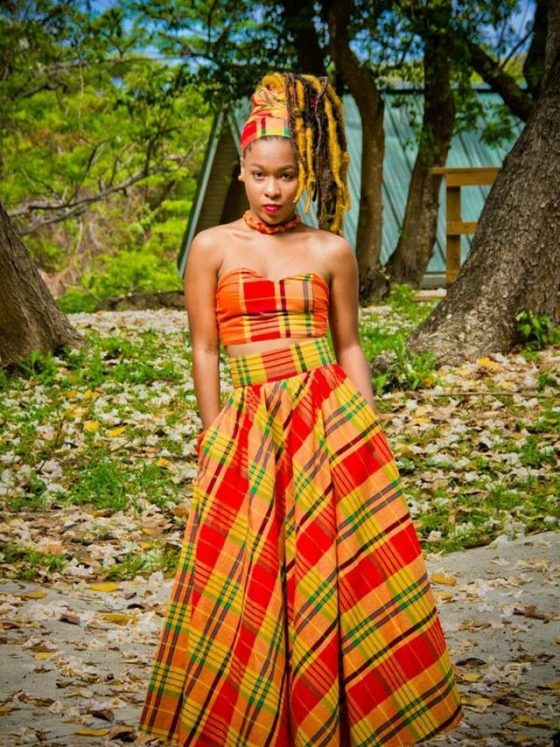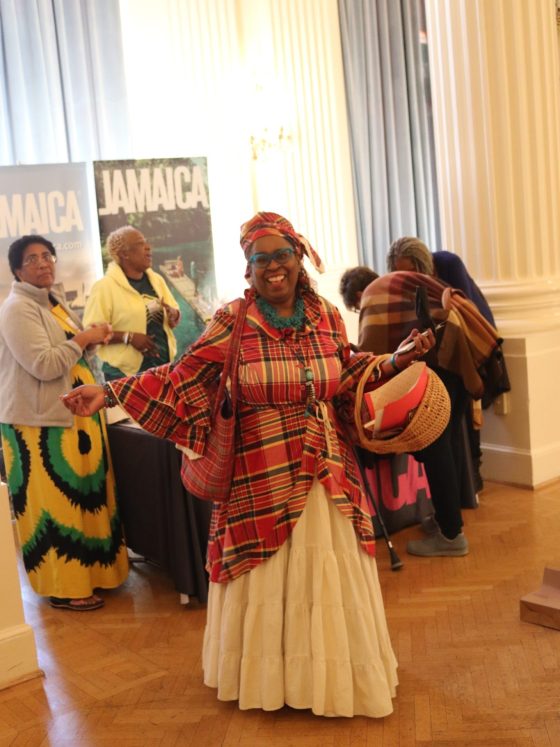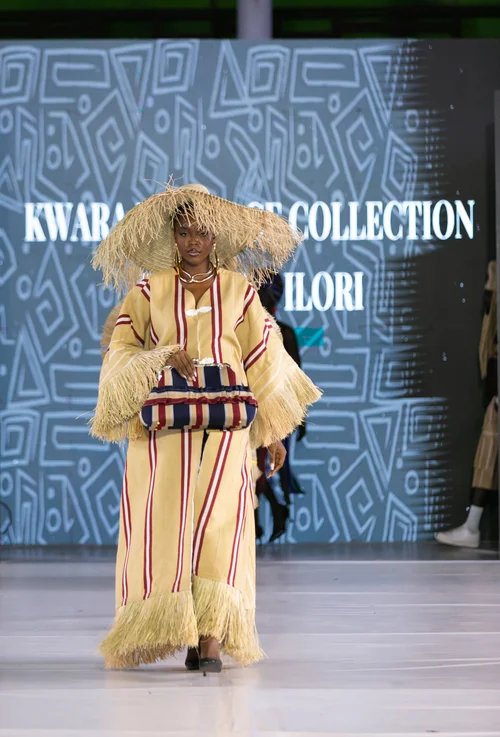
For years, conversations about African textiles in global fashion have tended to revolve around the same well-known fabrics. Certain materials appear repeatedly in exhibitions, runway collections, and fashion editorials, creating the impression that they represent the full breadth of African textile heritage. In reality, the continent’s textile traditions are far more expansive and complex than the limited set that often dominates international attention.
Across Africa, textile production has historically functioned as a form of cultural record. Patterns encode histories, weaving techniques signal regional identities, and the materials themselves reflect relationships between communities and their environments. Many of these fabrics were never created primarily for commerce or fashion trends. They were produced for ceremonies, social status, and communal memory.
Today, as designers and cultural institutions search for deeper sources of inspiration, several lesser-discussed textiles are finally entering global conversations. Among them are Akwete cloth from southeastern Nigeria, Kuba raffia textiles from the Democratic Republic of Congo, barkcloth from Uganda, and Kete weaving traditions of the Ewe people of Ghana and Togo. Each carries centuries of craft knowledge and cultural meaning that extend far beyond aesthetics.
Sacred African textiles like Akwete and Kuba Cloth, rooted in ceremony and craft, are gaining global recognition in fashion and design.
Akwete Cloth: Igbo Women and the Power of the Loom
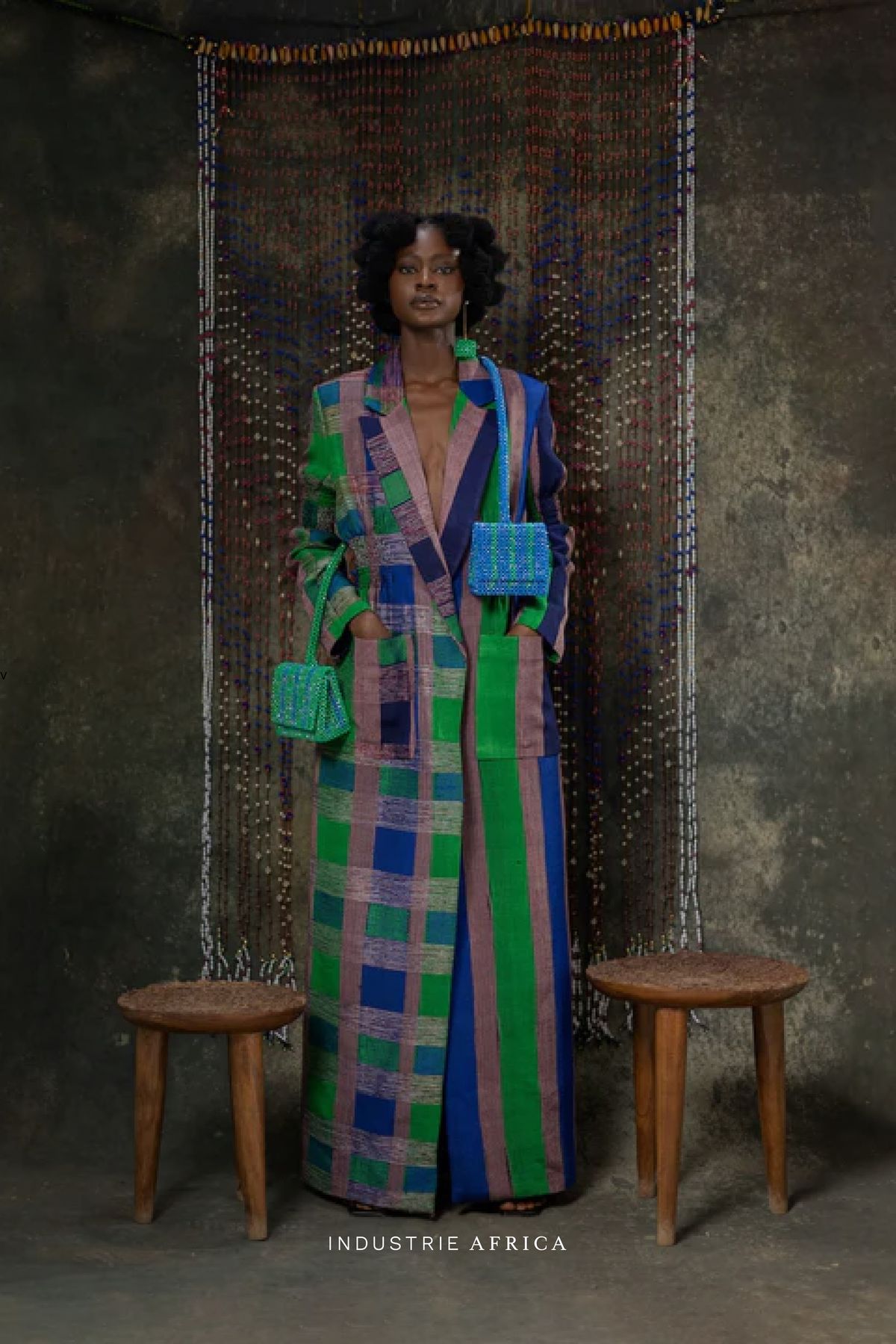
In the town of Akwete in Abia State, southeastern Nigeria, weaving has long been a defining cultural practice. Unlike many other African weaving traditions historically dominated by men, Akwete weaving is primarily carried out by women. For generations, female artisans have operated vertical looms, producing textiles that are both visually striking and technically complex.
Akwete cloth is known for its bold geometric motifs and carefully balanced colour compositions. Historically, the fabric was used to create wrappers worn during important social and ceremonial events. Patterns often carried symbolic meanings, reflecting lineage, status, or the wearer’s cultural identity.
What makes Akwete particularly remarkable is the precision required in its production. Weavers must control intricate thread arrangements while maintaining consistent pattern alignment across the entire cloth. The process demands patience and technical mastery, often learned over many years of apprenticeship.
In recent years, designers and collectors have begun to recognise the artistic value of Akwete textiles. Museums and fashion researchers increasingly view the cloth not simply as traditional attire but as a sophisticated form of textile design with relevance for contemporary fashion and interior aesthetics.
Kuba Cloth: Geometry as Cultural Language
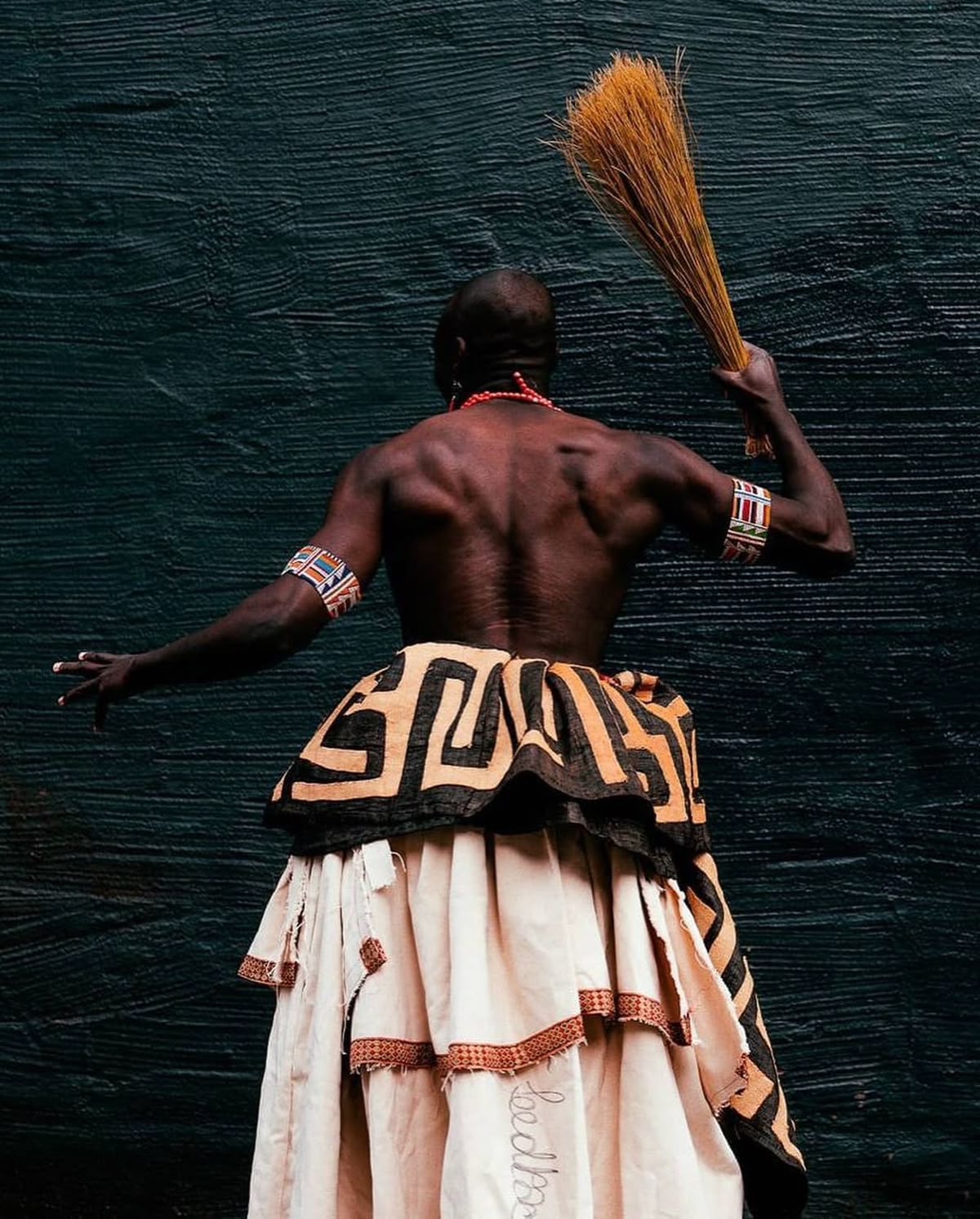
In the central regions of the Democratic Republic of Congo, the Kuba people developed one of Africa’s most visually distinctive textile traditions. Kuba cloth is made from raffia palm fibres, which are harvested, softened, and woven into panels before being decorated with intricate embroidery and appliqué techniques.
The result is a textile characterised by complex geometric patterns that appear almost architectural in their precision. No two pieces are identical. Each cloth reflects the artisan’s individual creativity while still adhering to recognisable stylistic conventions.
Traditionally, Kuba textiles served important social functions. They were used in ceremonial attire, at royal courts, and as symbols of prestige within Kuba society. Ownership of elaborately decorated raffia cloth often indicated wealth and social standing.
Beyond clothing, Kuba textiles have long attracted attention from artists and designers worldwide. Their geometric structures influenced twentieth-century modernist artists and continue to inspire contemporary design fields, including fashion, architecture, and interior décor. What many global observers now admire as avant-garde pattern design has long existed within Kuba culture.
Barkcloth: One of the World’s Oldest Textiles
In Uganda, barkcloth is one of the world’s oldest known textile traditions. Unlike woven fabrics, barkcloth is produced by harvesting the inner bark of the Mutuba tree. The bark is carefully removed, soaked, and repeatedly beaten with wooden mallets until it expands into a soft, flexible sheet of cloth.
This technique has been practised for centuries, particularly in the Buganda kingdom, where barkcloth has historically held ceremonial and spiritual significance. It was used in royal rituals, burial practices, and cultural ceremonies, symbolising continuity between generations.
The material itself has a distinctive warm brown colour and a textured surface, distinguishing it from woven textiles. Its production is deeply connected to environmental stewardship, as the Mutuba tree continues to grow after harvesting, allowing artisans to produce cloth without destroying the plant.
In 2005, the cultural practice of barkcloth making was recognised internationally as an important element of intangible cultural heritage. Today, contemporary designers and artists are exploring new ways to incorporate the material into modern fashion and art while respecting its cultural origins.
Ewe Kete: Weaving Stories Into Cloth
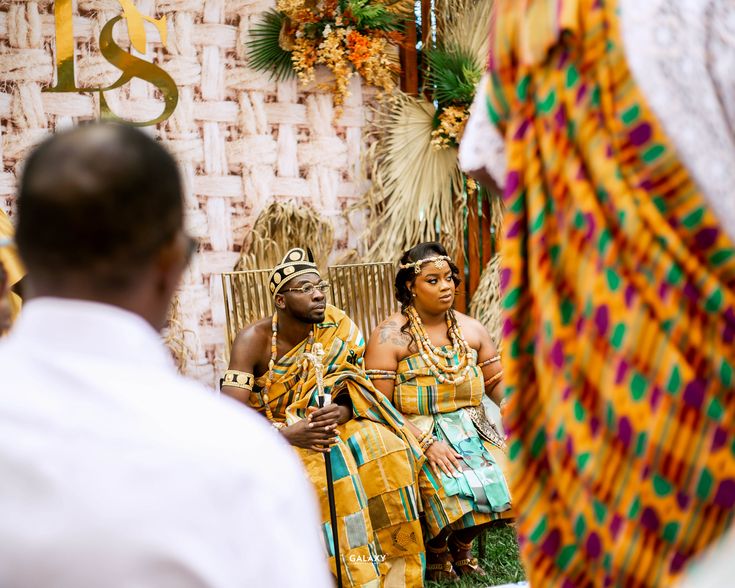
Among the Ewe people of Ghana and Togo, kete weaving represents a sophisticated textile tradition closely related to but culturally distinct from other well-known West African weaving practices.
Ewe kete cloth is produced using narrow-strip weaving techniques, where individual woven strips are later sewn together to form larger textiles. Each pattern carries a name and often references proverbs, historical events, or philosophical ideas embedded within Ewe cultural knowledge.
These textiles play a central role in ceremonies, festivals, and important social gatherings. Wearing kete cloth communicates cultural identity while also acknowledging the historical continuity of the weaving tradition itself.
In recent years, fashion scholars and designers have begun examining the intellectual systems embedded within kete patterns. What may appear to outside observers as purely decorative motifs often function as visual storytelling devices, translating oral traditions into textile form.
READ ALSO:
- What the Most Influential Fashion Pieces of 2026 Communicate Today
- Simplify, Then Elevate: The Quiet Power of Digital Minimalism in Fashion
Why These Textiles Matter Today
The growing international attention to African textiles reflects a broader shift in the global fashion industry’s understanding of craft and cultural heritage. Designers and researchers are increasingly recognising that many of the world’s most innovative textile concepts have long existed within traditional craft systems.
Akwete cloth demonstrates the design intelligence embedded in Igbo women’s weaving traditions. Kuba raffia textiles reveal how geometry and abstraction have been central to African visual culture for centuries. Barkcloth shows how sustainable material practices were developed long before modern environmental discourse. Ewe kete illustrates how textiles can function as repositories of cultural knowledge.
Together, these traditions remind us that African textile history is far richer than the small selection of fabrics that usually dominate global fashion narratives.
Expanding the Global Textile Conversation
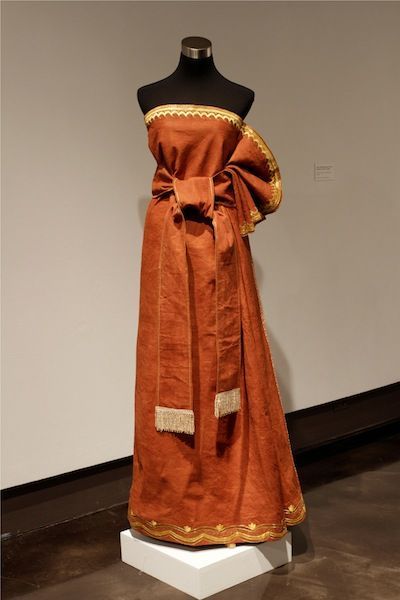
As museums, designers, and cultural institutions continue to explore the depth of African textile traditions, the conversation around fashion is gradually becoming more inclusive and historically accurate. Textiles once confined to regional recognition are now being studied, preserved, and reinterpreted in contemporary contexts.
This expanded attention also raises important questions about cultural respect, intellectual ownership, and the responsibility of designers who draw inspiration from these traditions. The goal should not simply be aesthetic borrowing but deeper engagement with the histories and communities that sustain these crafts.
For readers and fashion observers alike, discovering textiles such as Akwete, Kuba cloth, barkcloth, and Ewe kete offers an opportunity to move beyond familiar narratives and to appreciate the extraordinary diversity of African textile cultures.
The global fashion world may only be beginning to recognise these traditions. But within the communities that created them, they have always been understood as far more than fabric.
They are history, identity, and artistry woven into cloth.
FAQs
- What is Akwete cloth, and why is it important in Nigerian textile history?
Akwete cloth is a traditional handwoven textile produced by Igbo women in Akwete, Abia State, Nigeria. Known for its bold geometric patterns and intricate weaving techniques, the fabric has historically been used for ceremonial wrappers and cultural attire. Today, Akwete cloth is gaining international attention for its craftsmanship and cultural significance in African textile heritage.
- How is Kuba cloth made in the Democratic Republic of Congo?
Kuba cloth is made from raffia palm fibres harvested and processed by the Kuba people in the Democratic Republic of Congo. The fibres are woven into panels, which are then decorated with embroidery, cut-pile, and appliqué techniques. The resulting textiles feature complex geometric patterns and are traditionally worn during ceremonies or used as symbols of status within Kuba society.
- What makes Ugandan barkcloth one of the oldest textiles in the world?
Barkcloth from Uganda is considered one of the oldest textiles because it is produced using a centuries-old method that involves beating the inner bark of the Mutuba tree into soft fabric. Unlike woven textiles, barkcloth is created through repeated pounding and stretching. The craft has been practised for generations in the Buganda kingdom and remains an important part of Uganda’s cultural heritage.
- What is the difference between Ewe kete cloth and other West African woven textiles?
Ewe kete cloth, produced by the Ewe people of Ghana and Togo, is woven using narrow-strip techniques similar to those of other West African textiles but carries distinct cultural symbolism. Each pattern often represents proverbs, historical narratives, or philosophical ideas within Ewe culture, making the cloth both decorative and deeply symbolic.
- Why are traditional African textiles becoming more popular in global fashion?
Traditional African textiles are gaining global attention as designers and researchers increasingly recognise their artistic complexity, cultural meaning, and sustainable production methods. Fabrics like Akwete cloth, Kuba raffia textiles, barkcloth, and Ewe kete demonstrate centuries of craftsmanship that continue to influence contemporary fashion, interior design, and textile research.