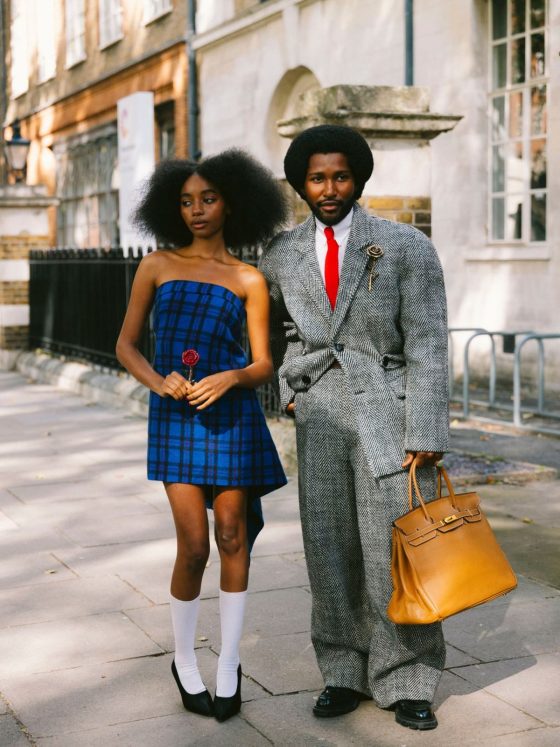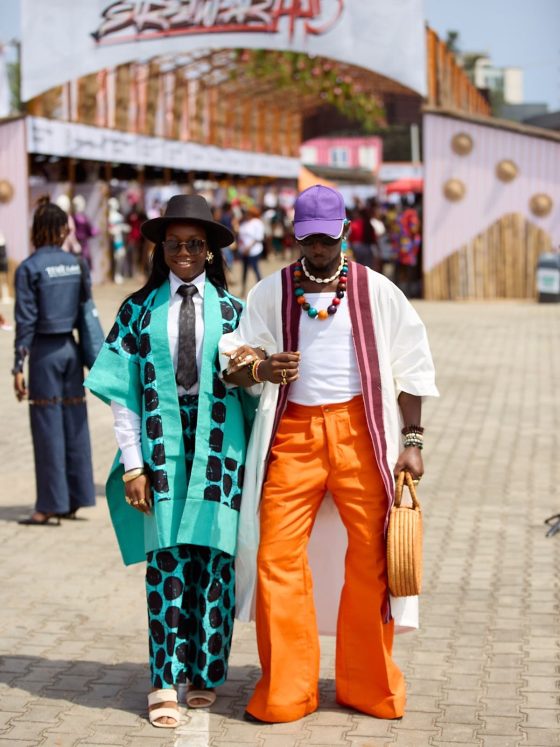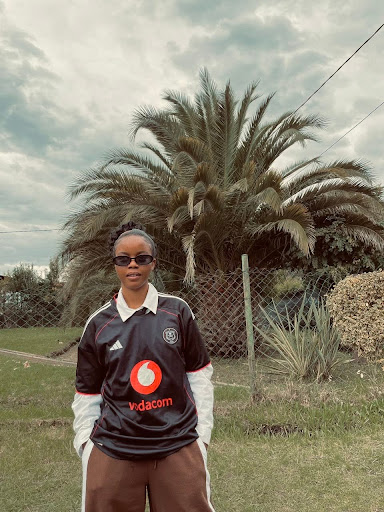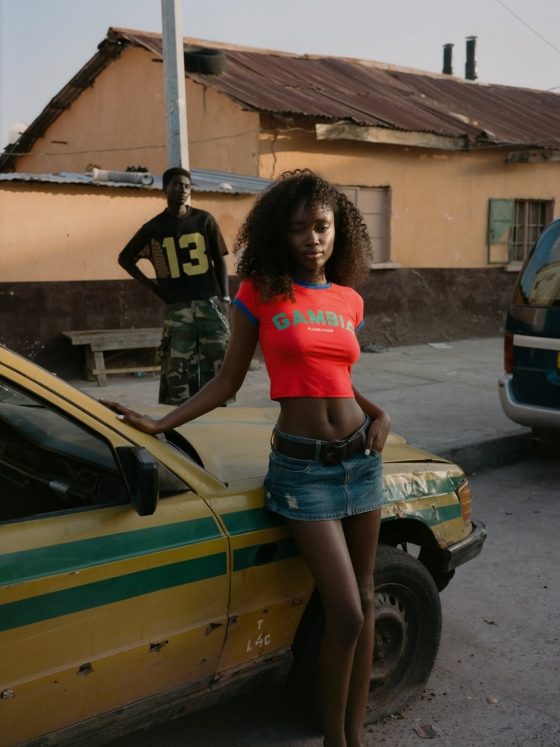
Johannesburg does not have a single street style.
It has multiple systems operating simultaneously, often in proximity, rarely in alignment. What people wear in one part of the city does not translate cleanly to another. The differences are not just aesthetic. They are structural, shaped by class, geography, and cultural history.
Yet most coverage flattens Johannesburg into a single narrative. It searches for a unifying look, a recognisable visual identity that can stand in for the entire city.
That search fails because the city itself is not unified in that way.
The Omiren argument is direct: Johannesburg street style can only be understood by reading its separate fashion ecosystems together. Soweto, Sandton, and Maboneng are not variations of one style. There are three different arguments about what fashion is for.
Johannesburg street style reveals three fashion systems. Soweto, Sandton, and Maboneng address different realities shaped by class and place.
Soweto: Movement, Music, and the Politics of Visibility
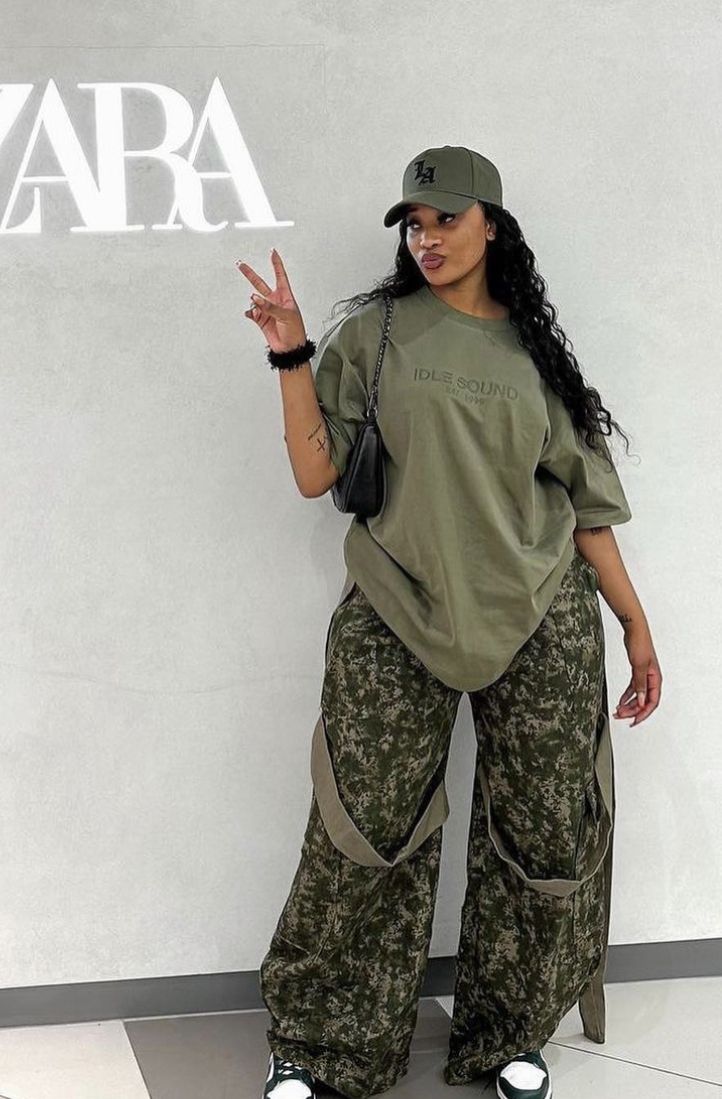
In Soweto, style is inseparable from movement.
The influence of Gqom and pantsula culture shapes how clothing is worn and read. Outfits are built to function in motion. Sharp lines, coordinated sets, and specific combinations of sneakers, trousers, and shirts create a silhouette that is both controlled and expressive.
Pantsula, in particular, is not just a dance. It is a visual system. The way garments fit, the way they are layered, and the precision of colour coordination all contribute to a look that communicates discipline and presence. Nothing is accidental.
Brands like Carvela and Dickies appear within this space, but they are recontextualised. Items are selected and styled in accordance with local codes rather than the brand’s original positioning.
What emerges is a performative street style without being staged. It is visible because it needs to be. After all, visibility carries social meaning. It asserts identity in a context where recognition is not guaranteed.
Soweto’s fashion is not about blending in. It is about being seen on specific terms.
Sandton: Corporate Power and the Language of Controlled Luxury
Move to Sandton, and the logic shifts.
Here, fashion operates within a framework of corporate visibility and economic power. The silhouettes are more restrained. Tailoring is precise. Luxury branding is present but controlled. The objective is not to disrupt, but to signal position.
Street style in Sandton often sits close to formal wear. Even in casual settings, there is an emphasis on structure: blazers, fitted trousers, clean footwear. The colour palette tends to be narrower, favouring neutrals that align with global corporate aesthetics.
This is not the absence of style. It is a different kind of calculation.
Global luxury brands circulate easily in this environment, but their meaning is tied to access. Wearing them is not just about taste. It is about entry into a particular economic space. The body becomes a site where professional identity and personal style intersect.
Unlike Soweto, where clothing expands movement, Sandton compresses it. The silhouette is controlled, the expression measured.
Fashion here is less about experimentation and more about alignment.
Maboneng: Creative Production and the Aesthetic of Experimentation
In Maboneng Precinct, another system emerges.
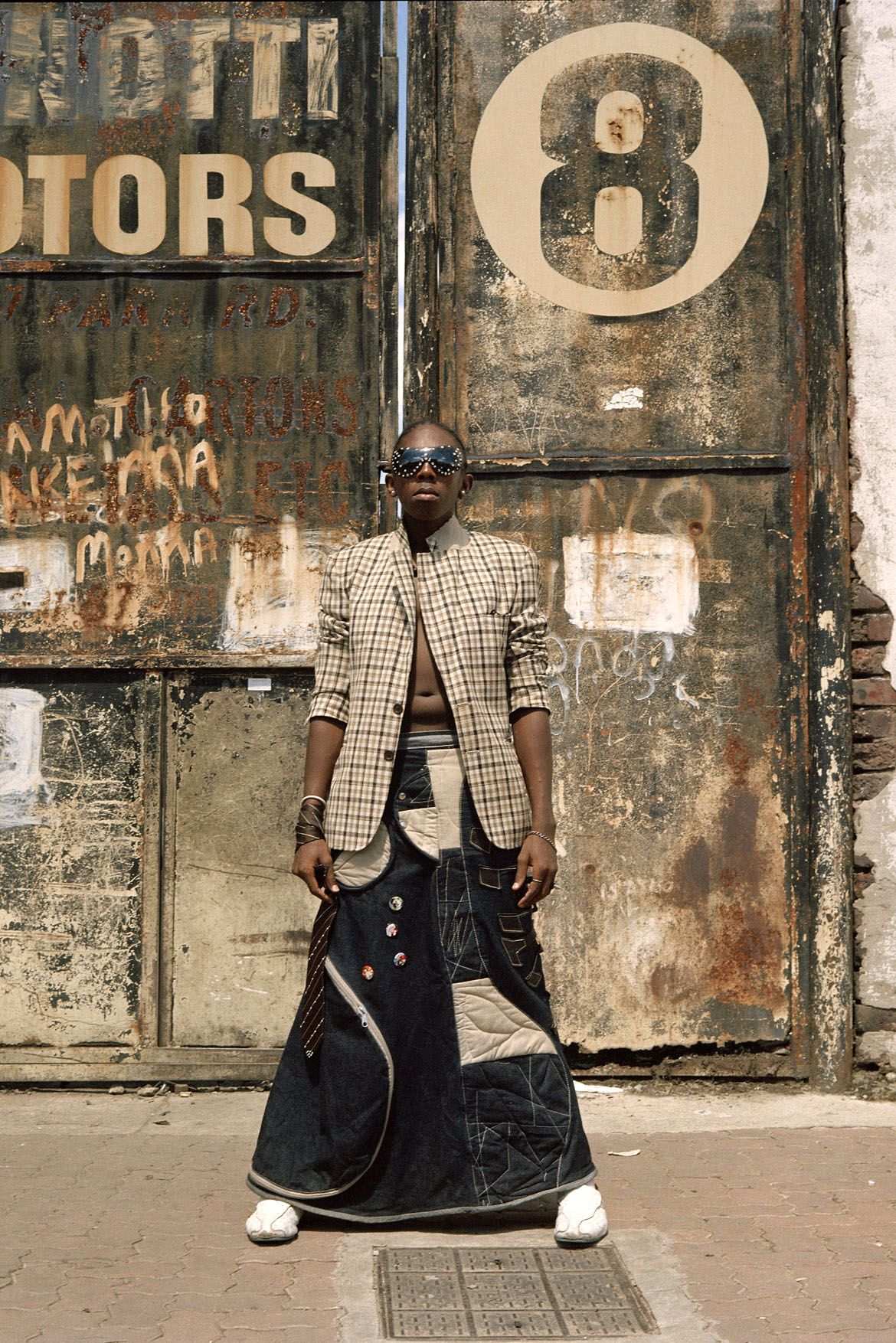
This area, shaped by its concentration of artists, designers, and cultural entrepreneurs, produces a deliberately experimental street style. Vintage pieces mix with contemporary local design. Textures, prints, and unconventional layering appear more frequently.
The logic here is not rooted in tradition or corporate structure but in creative exploration.
Clothing becomes a medium for expression in a way that is closer to art practice. Outfits are assembled to test ideas, push boundaries, and create visual statements that may not translate to other environments.
There is also a stronger presence of independent South African designers within this space. Garments are often sourced directly from local creators, reinforcing a loop where production and consumption remain within the same community.
Maboneng’s style is less stable than that of Soweto or Sandton. It shifts quickly, responding to new influences and internal experimentation.
But that instability is part of its function.
Three Systems, No Shared Language
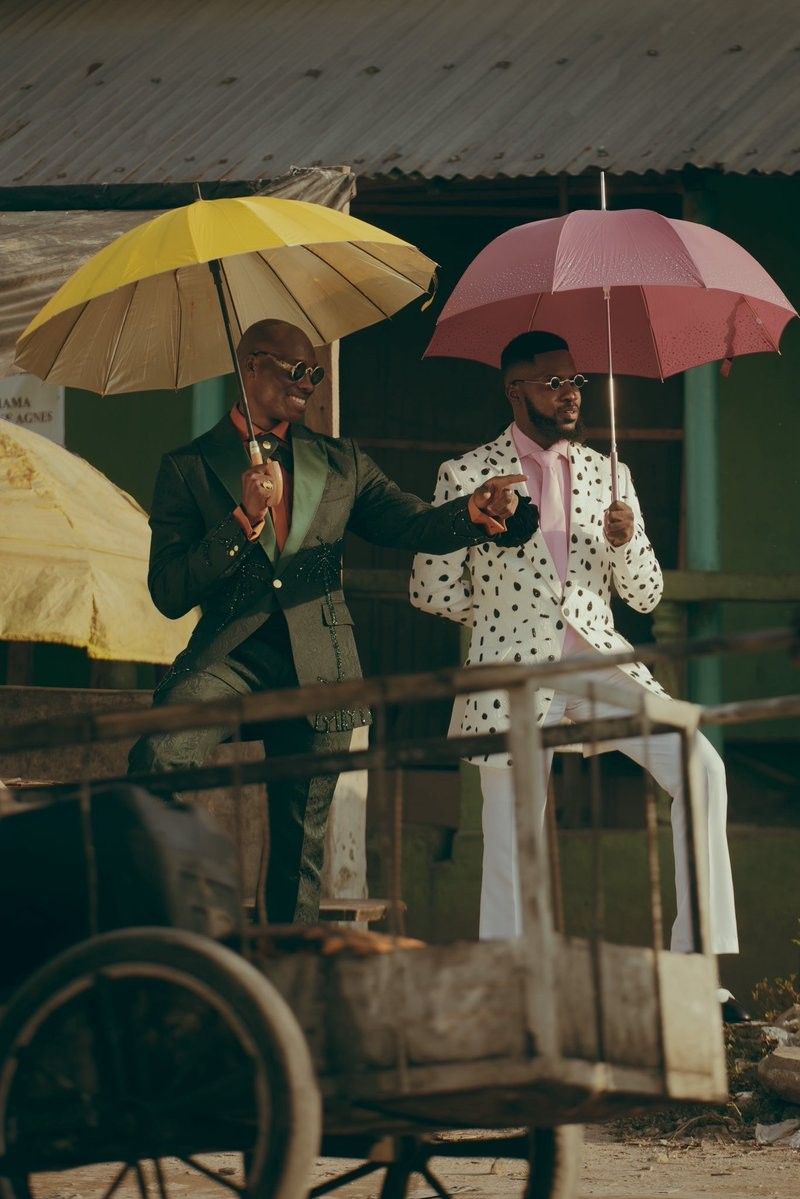
What becomes clear when these spaces are read together is that Johannesburg does not produce a single fashion language.
Soweto prioritises movement, visibility, and cultural continuity.
Sandton centres control, access, and alignment with global corporate aesthetics.
Maboneng operates through experimentation and creative production.
These are not overlapping categories. They are distinct systems with different rules.
A look that reads clearly in Soweto may not translate in Sandton. What signals status in Sandton may hold no value in Maboneng. What is considered innovative in Maboneng may appear out of place in Soweto.
The lack of a shared language is not a gap. It is the structure.
Why Flattened Narratives Fail Johannesburg Fashion
Global fashion coverage often seeks cohesion. It looks for patterns that can be summarised, trends that can be named, and aesthetics that can be exported.
Johannesburg resists that approach.
Any attempt to present the city’s street style as a unified whole requires ignoring the conditions that produce its differences. Class divisions, spatial separation, and cultural histories are not background factors. They are the primary forces shaping how people dress.
Removing them produces a version of Johannesburg that is easier to describe but less accurate.
This is the same pattern seen across African fashion coverage, where complexity is reduced to create a more digestible narrative. What is lost in that reduction is not just detail, but meaning.
Reading Johannesburg Through Class, Geography, and Culture
To understand Johannesburg fashion, you have to read it across multiple axes at once.
Class determines access to certain brands, spaces, and forms of visibility.
Geography shapes the environments in which style is performed and interpreted.
Culture provides the references that give clothing its meaning.
These factors do not operate separately. They intersect.
Soweto’s style cannot be understood without its cultural history and its relationship to visibility. Maboneng depends on its position within the city’s creative economy.
Each area produces fashion that responds to its own conditions.
READ ALSO:
- BUZIGAHILL: The Ugandan Label Shaping Global Upcycling
- Loza Maléombho: Redefining African Fashion for the Global Stage
Johannesburg as a Multi-System Fashion City
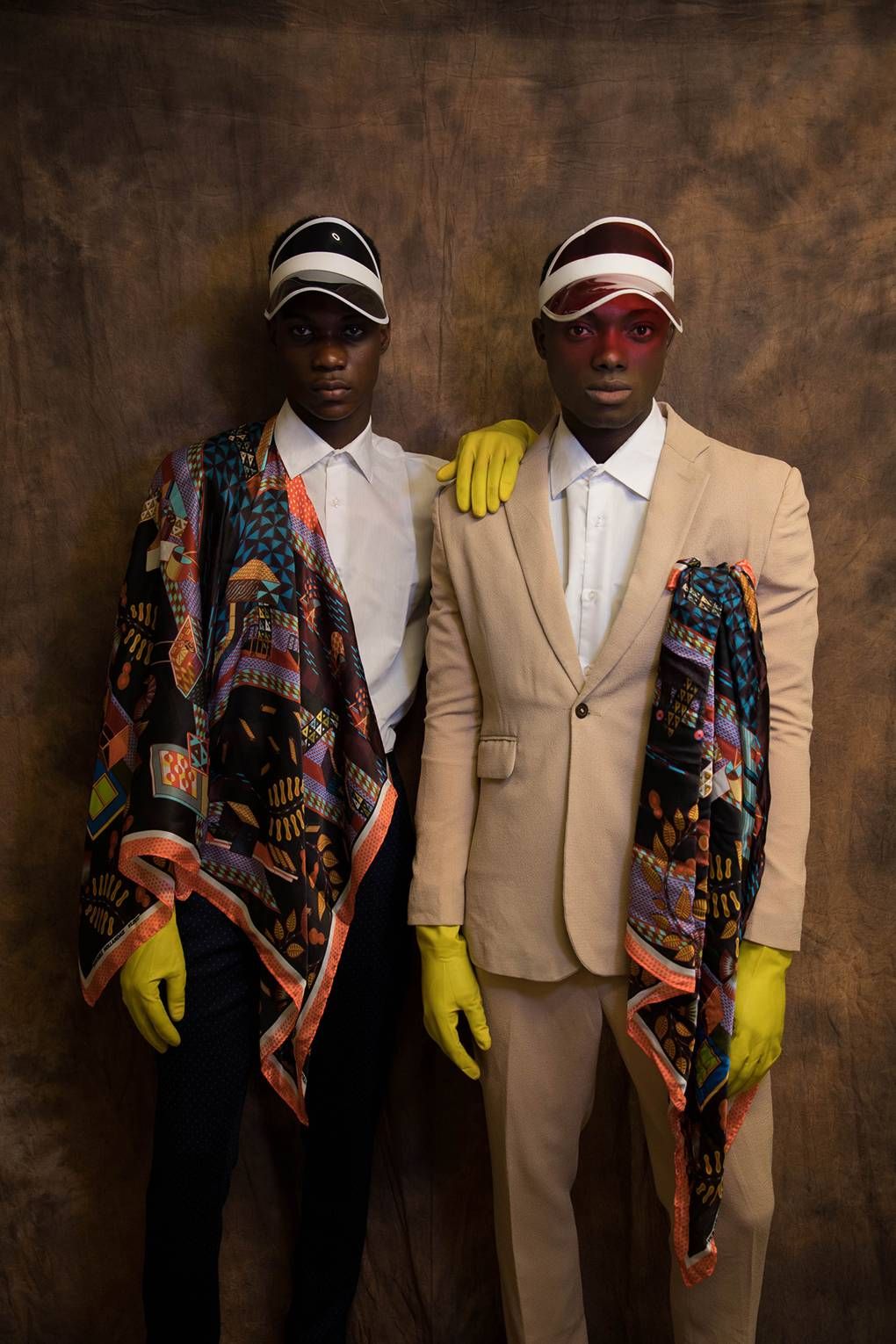
The Omiren position is not that Johannesburg lacks a unified style. It does not need one.
The city functions as a multi-system fashion environment, where different aesthetics develop in parallel rather than merging into a single narrative. This does not weaken its fashion identity. It strengthens it.
Because what Johannesburg offers is not a look, but a framework.
A way of understanding how fashion operates when shaped directly by social structure, rather than by the need for global legibility.
Three Arguments, One City
Soweto, Sandton, and Maboneng are not competing for dominance within Johannesburg fashion. They are articulating different answers to the same question.
What is fashion for?
- In Soweto, it is for visibility and movement.
- In Sandton, it is for signalling power and access.
- In Maboneng, it is for creative expression and experimentation.
Understanding Johannesburg requires holding all three answers at once.
Anything less turns a complex city into a simplified image.
FAQs
- What defines Johannesburg street style in 2026?
Johannesburg street style is defined by multiple systems, particularly in Soweto, Sandton, and Maboneng Precinct.
- How does Soweto influence South African street fashion?
Soweto’s style is shaped by Gqom and pantsula culture, with a focus on movement, coordination, and visibility.
- What kind of fashion is common in Sandton?
Sandton fashion leans toward structured, corporate-luxury aesthetics with tailored silhouettes and controlled branding.
- Why is Maboneng important to Johannesburg fashion?
Maboneng Precinct is a creative hub where experimental and independent fashion thrives.
- Why can’t Johannesburg street style be described as one trend?
Because class, geography, and culture create distinct fashion systems that operate independently rather than forming a single unified style.