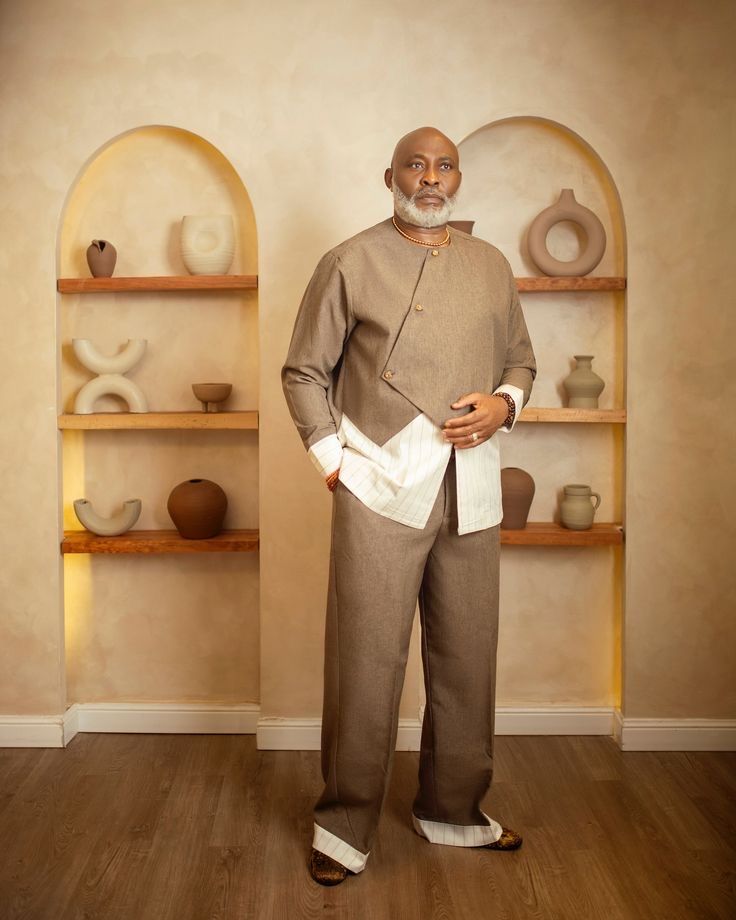
For much of the twentieth century, global menswear operated within a narrow framework. The suit dominated. Colour was restrained. Personal expression was tolerated only within tight boundaries. Paris, Milan, and London defined the rules, and masculinity was communicated through uniformity rather than individuality.
That system is now under pressure.
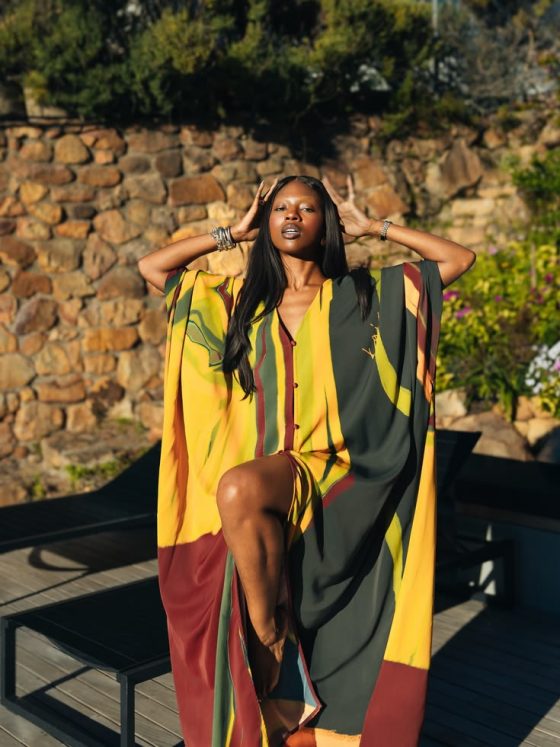
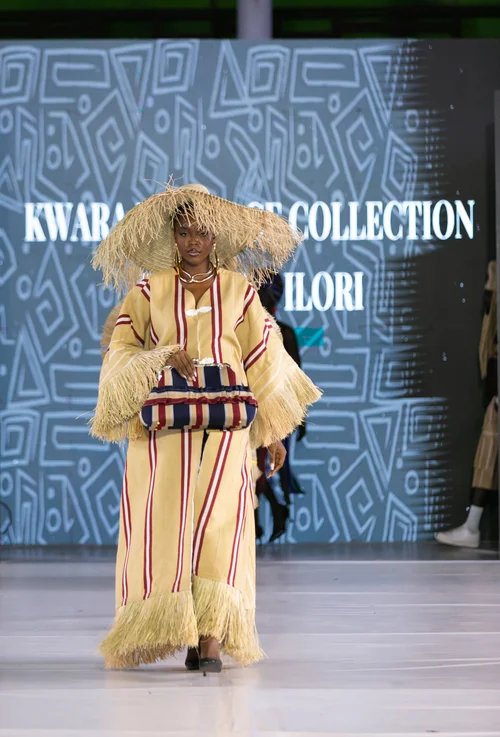
Across runways, street culture, music, and digital platforms, men are rethinking the relationship between clothing and identity. Tailoring is loosening, silhouettes are expanding, and garments rooted in African and diasporic traditions are increasingly visible in global fashion conversations.
This transformation is not simply aesthetic. It reflects a broader cultural reckoning around masculinity, heritage, and authorship. Menswear is beginning to acknowledge something long overlooked: that Black and African sartorial traditions have shaped the modern language of men’s fashion far more than the industry historically admitted.
Global menswear is undergoing a cultural shift as African and diasporic designers redefine tailoring, masculinity, and identity.
Expressive Masculinity Has Deep Roots in African Dress
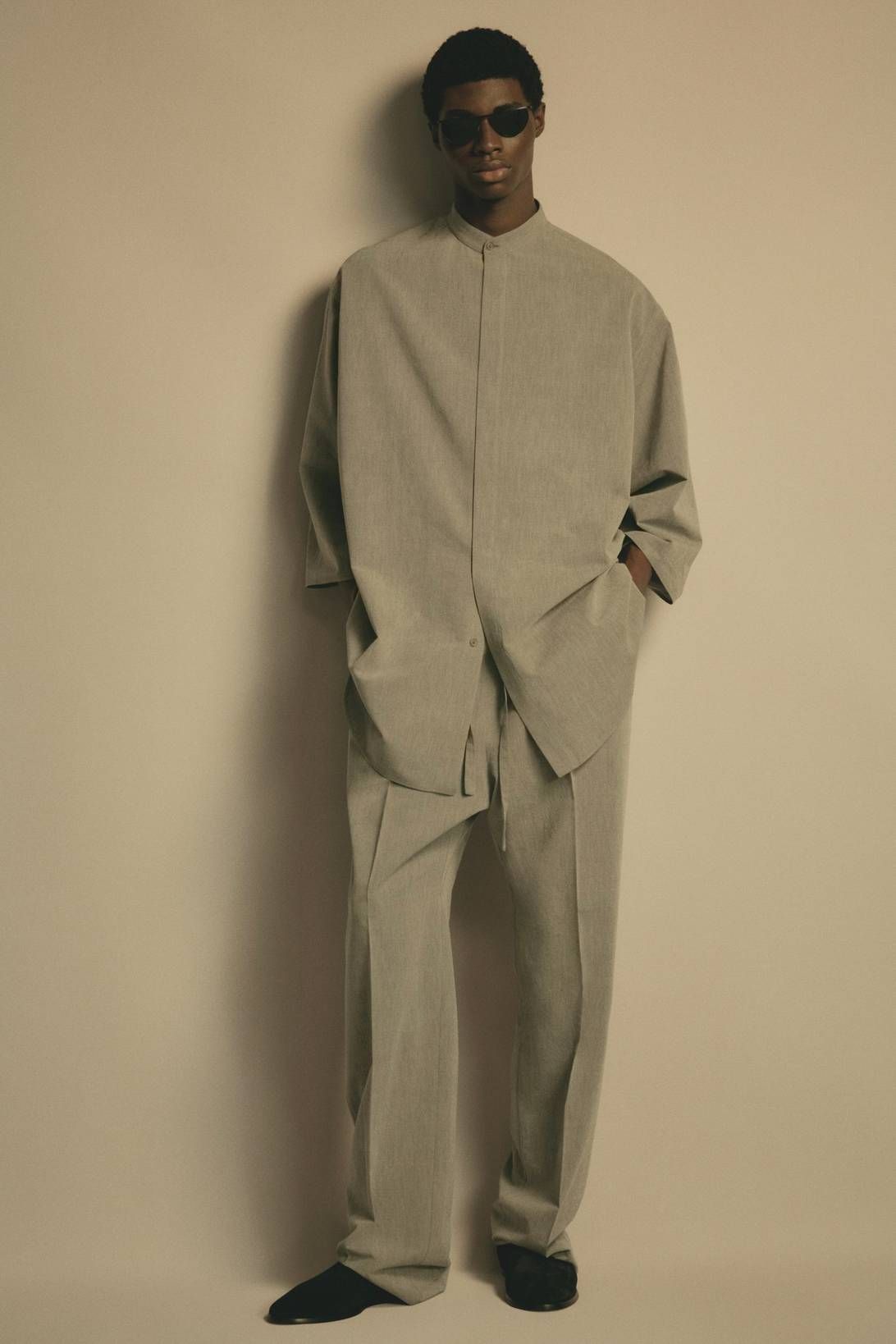
Long before contemporary fashion embraced relaxed tailoring and expressive silhouettes, African clothing traditions had already established a different philosophy of menswear.
Across West Africa and parts of North and East Africa, men’s garments have historically emphasised volume, movement, and intricate craftsmanship. Flowing robes, embroidered tunics, and layered garments communicate authority and dignity while allowing freedom of movement. Rather than restricting the body, these garments frame it, creating a sense of presence through scale and proportion.
Embroidery and decorative elements also play a crucial role. In many cultures, intricate stitching or woven motifs reflect status, lineage, or regional identity. Clothing becomes more than personal adornment; it acts as a visual language that communicates cultural meaning.
Today, many global designers are revisiting these ideas. Relaxed tailoring, oversized silhouettes, and layered styling, now staples of contemporary menswear, echo principles that African dress has practised for generations.
Designers From the Continent Are Redefining Tailoring
A new generation of designers from Africa and the global diaspora is actively reshaping how menswear is designed and perceived.
Among the most influential figures is Ozwald Boateng, whose work revolutionised traditional Savile Row tailoring. By introducing bold colours, vibrant linings, and African-inspired aesthetics into classic British suits, Boateng demonstrated that tailoring could be both precise and culturally expressive. His influence helped open the door for a broader reimagining of what formal menswear could look like.
South African designer Rich Mnisi represents another important voice in this shift. His collections blend sculptural silhouettes with narratives about identity, heritage, and masculinity. Through innovative cuts and bold presentation, Mnisi challenges conventional ideas of how men should dress and express themselves.
Similarly, Thebe Magugu integrates historical references and cultural storytelling into contemporary fashion. While known for both menswear and womenswear, his work often explores themes of African identity, memory, and political history, demonstrating that clothing can function as both a cultural artefact and a work of modern design.
Together, these designers illustrate how African creativity is no longer peripheral to global fashion; it is actively shaping its future.
Black Dandyism and the Politics of Dressing Well
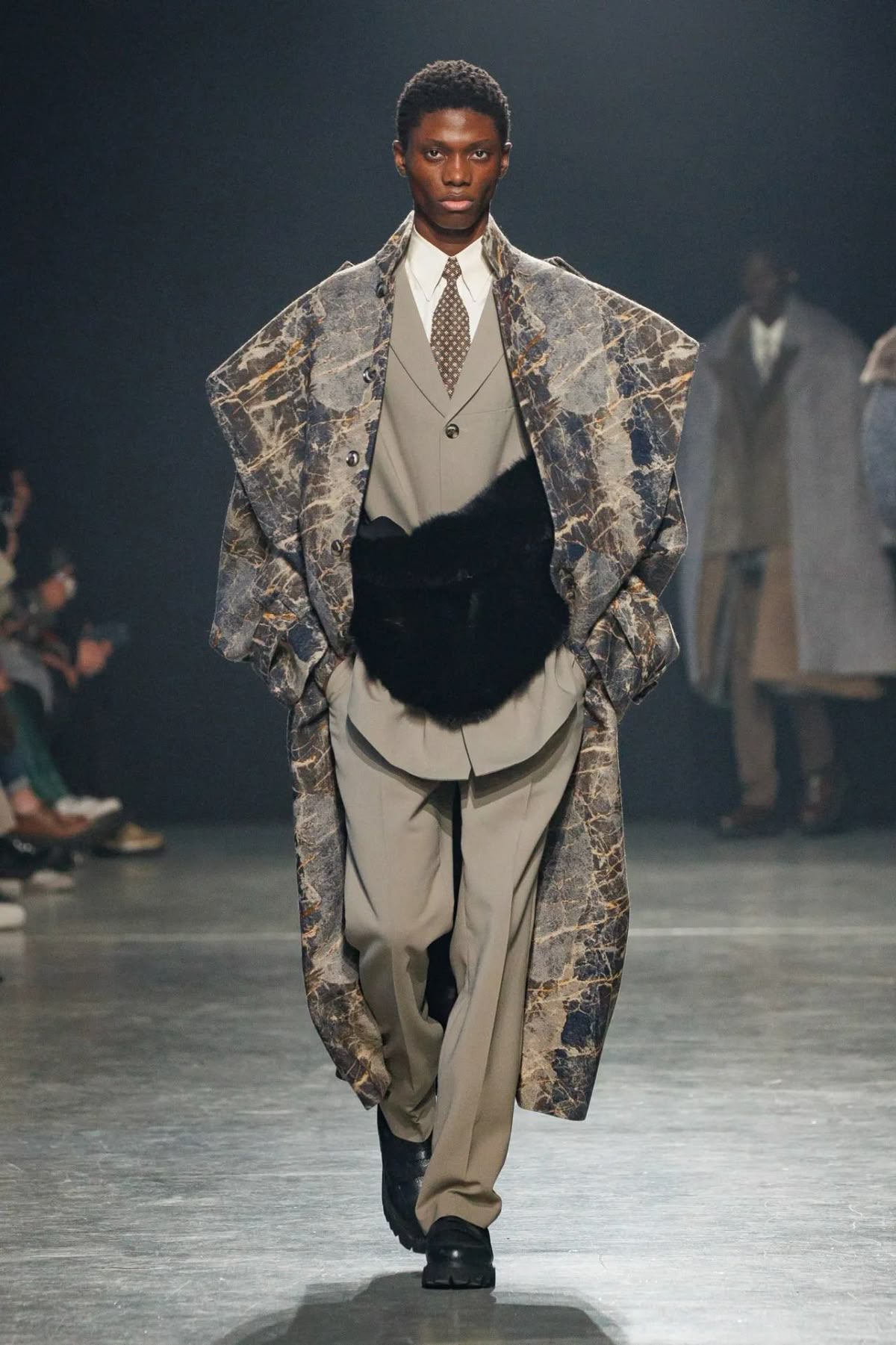
The current evolution in menswear is also connected to a deeper historical tradition: Black dandyism.
Emerging during the eighteenth and nineteenth centuries, Black dandyism used elegant dress as a form of resistance and dignity in societies that attempted to marginalise Black identity. Clothing became a way to challenge racial hierarchies and assert intellectual and cultural authority.
In 2025, this history gained renewed recognition through the exhibition Superfine: Tailoring Black Style, which examined centuries of Black menswear influence and positioned it as central to fashion history rather than as peripheral.
The exhibition highlighted how Black style, from Harlem’s tailored elegance to Congolese Sapeur culture, transformed menswear into a language of pride and political assertion.
Today’s menswear renaissance is deeply connected to this lineage. Modern designers and cultural figures continue to draw from these traditions, using clothing to challenge narrow definitions of masculinity and reclaim sartorial authorship.
READ ALSO:
- The Invisible Thread: How African Oral Tradition Shapes Fashion and Heritage Textiles
- When Dressing Becomes Declaration: Clothing as Cultural Identity
Street Culture Is Accelerating the Shift
Beyond runways and museums, the most dynamic changes in menswear are unfolding on city streets.
In Lagos, Johannesburg, Accra, and Nairobi, young creatives are blending traditional garments with global streetwear aesthetics. Tailored tunics appear with sneakers. Embroidered shirts are styled with relaxed trousers and contemporary accessories.
This hybrid approach reflects a generation comfortable moving between cultural worlds. Social media accelerates the spread of these visual languages, allowing local style movements to influence global fashion at unprecedented speed.
African streetwear labels and diaspora designers have embraced this momentum, merging urban fashion with local craftsmanship and heritage textiles. The result is a menswear landscape that is increasingly diverse, culturally grounded, and visually experimental.
The Economic Stakes of Menswear’s Evolution
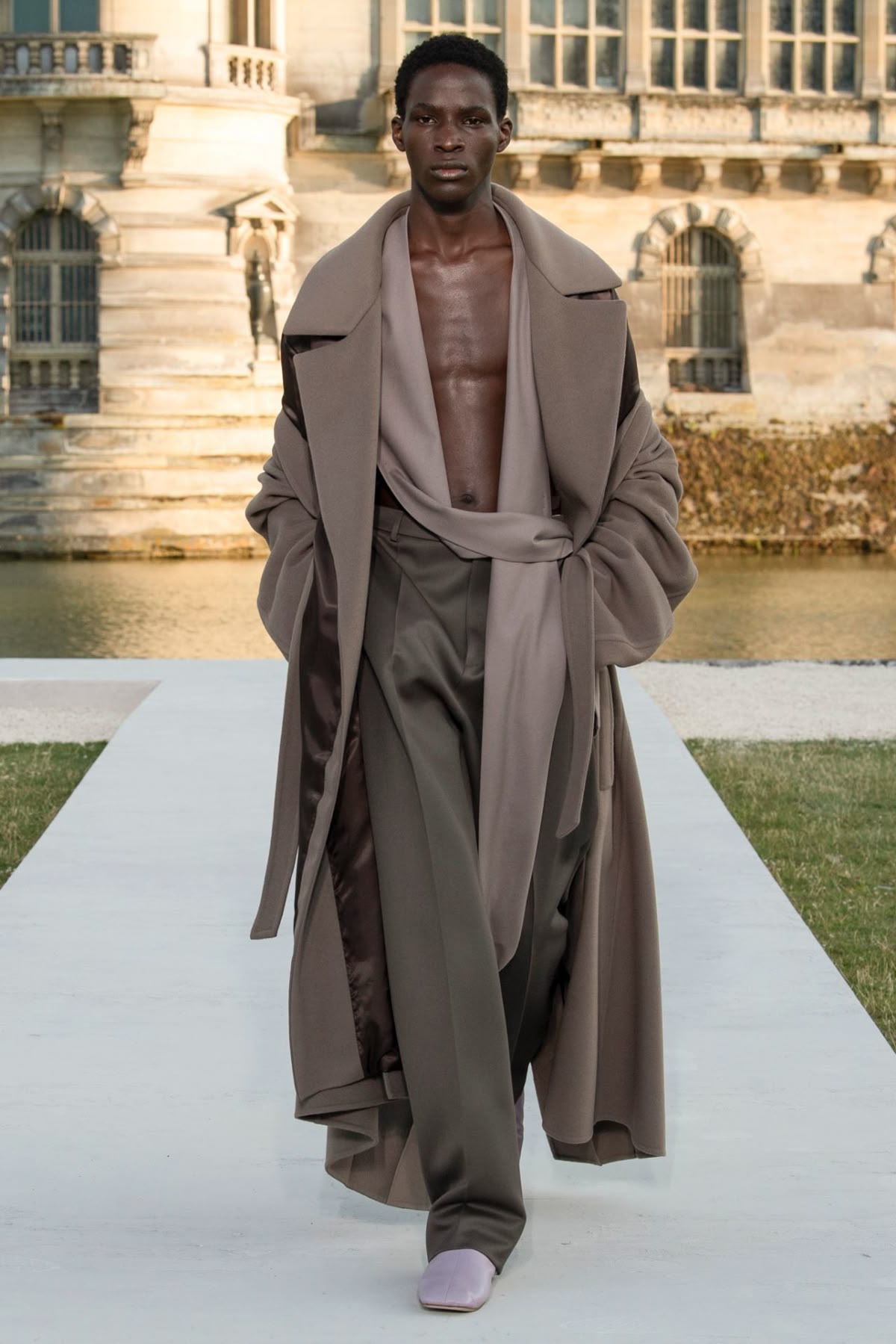
The transformation of menswear is not only cultural; it is economic.
The global menswear market continues to expand, and African fashion industries are becoming increasingly significant contributors to it. In Nigeria alone, the broader fashion sector is projected to reach billions of dollars in value as local designers gain international visibility and consumers embrace culturally rooted design.
Traditional garments once reserved for ceremonies are now integrated into everyday wardrobes. At the same time, diaspora designers are translating African aesthetics for international audiences, expanding the reach of these ideas within global fashion markets.
This economic shift reinforces the cultural one: African menswear is no longer niche. It is part of the industry’s structural future.
What the Reckoning Really Means
Menswear’s cultural reckoning ultimately asks a simple question: who has been shaping the way men dress all along?
For decades, fashion history has centred European tailoring while overlooking the influence of African, Caribbean, and Black diasporic style traditions. Today, the industry is beginning to recognise that many of its most dynamic ideas, from expressive tailoring to relaxed silhouettes, have long existed within these cultures.
The reckoning is not merely about inclusion. It is about accuracy.
Menswear is rediscovering that elegance does not belong to one geography. It emerges wherever culture, craft, and identity intersect.
And increasingly, the global wardrobe is learning from Africa.
FAQs
- What is driving the cultural shift in global menswear?
A growing emphasis on identity, cultural expression, and diversity in fashion has pushed menswear beyond traditional European tailoring norms.
- How are African designers influencing global menswear?
Designers such as Ozwald Boateng, Rich Mnisi, and Thebe Magugu are blending cultural heritage with contemporary tailoring, reshaping the aesthetics of modern menswear.
- What is Black dandyism in fashion history?
Black dandyism is a sartorial movement that uses elegant dress as a form of resistance, dignity, and cultural expression within Black communities.
- Why is African street style important to modern menswear?
Urban fashion scenes in cities like Lagos and Johannesburg merge traditional garments with global streetwear, creating new visual languages that influence global style.
- Is the African menswear market growing globally?
Yes. Increasing global interest in African design and craftsmanship is expanding the influence and economic power of African menswear brands worldwide.