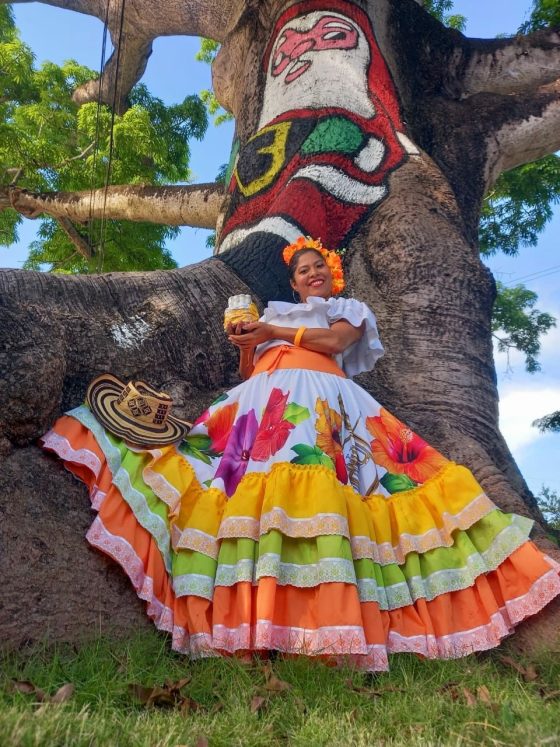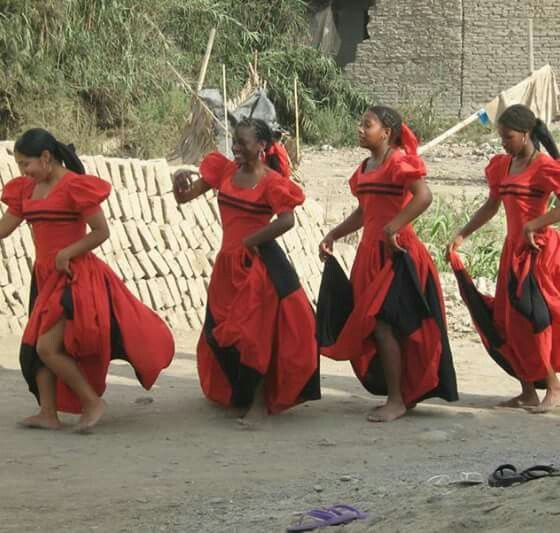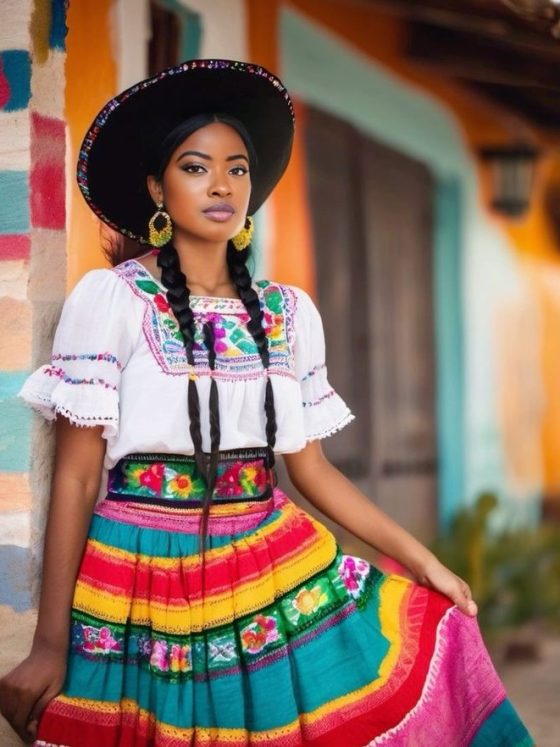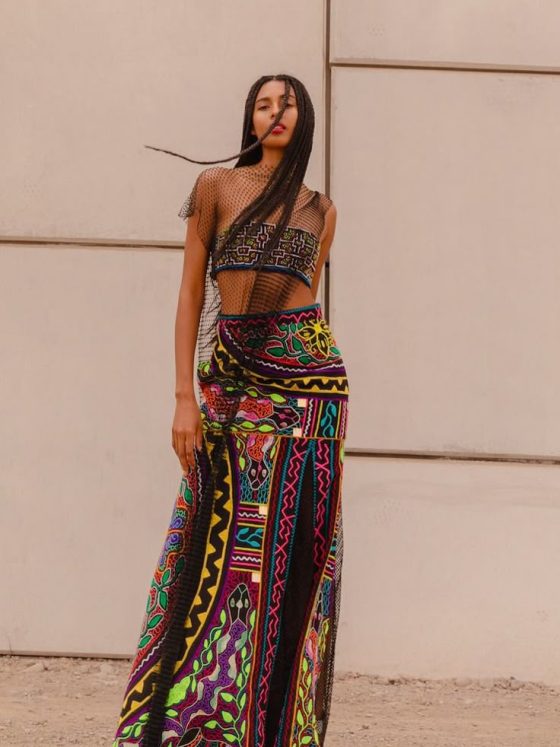
Across Latin America and the Caribbean, identity is being rewritten in public.
Hair once pressured into straightness now rises in curls and coils. Gold jewellery references ancestral aesthetics. Language itself is shifting as more people embrace a term that once sat quietly at the margins of mainstream identity: Afro-Latino.
For decades, many societies across the region celebrated mixed heritage while often minimising or overlooking African ancestry. Yet the African presence across Latin America is foundational, woven into music, religion, cuisine, language, and aesthetics. From the rhythms of samba to the spirituality of Santería and the visual language of carnival, African heritage has always been present, even when not fully acknowledged.
Today, a new generation is openly naming that heritage.
From Brazil to Colombia, from the Dominican Republic to Cuba, artists, writers, models, and cultural voices are embracing Afro-Latino identity as both affirmation and cultural clarity.
It is not a trend.
It is recognition long overdue.
Across Latin America and the Caribbean, a new generation is reclaiming Afro-Latino identity through beauty, culture, and heritage.
Naming Identity in a Region of Complexity
Latin America has always been defined by complex cultural mixtures. Indigenous civilisations, European colonisation, and African diasporic histories intersected to produce societies that celebrate mestizaje, the blending of cultures and ancestries.
Yet within this narrative of mixture, African heritage was often diluted in public discourse. Many countries celebrated diversity while simultaneously encouraging assimilation into lighter cultural ideals.
For younger generations, that silence no longer feels acceptable.
The term Afro-Latino allows individuals to acknowledge the full spectrum of their heritage rather than choosing between identities. It recognises African ancestry while maintaining a connection to Latin culture and language.
For many people, discovering the term can be transformative.
Beauty writer Celeste Polanco once described how embracing the label allowed her to honour every part of her heritage simultaneously. It was not about dividing identity. It was about finally seeing it clearly.
Across digital spaces, similar stories are emerging. Young creatives speak about discovering historical narratives that were absent from textbooks but alive within family memory.
Naming identity has become an act of cultural authorship.
Beauty as Cultural Language
One of the most visible expressions of this identity renaissance is happening through beauty.
Hair in particular carries deep symbolic weight. Across the Caribbean and Latin America, natural hair movements have gained visibility as people reclaim curls, coils, and textured styles once stigmatised by colonial beauty standards.
The shift is both aesthetic and emotional.
Afro-Latino beauty creators now produce tutorials celebrating protective styles, traditional braiding techniques, and skincare routines designed for melanin-rich skin. Their platforms reach millions across continents.
This visibility matters because beauty has always been more than appearance. It is a cultural language.
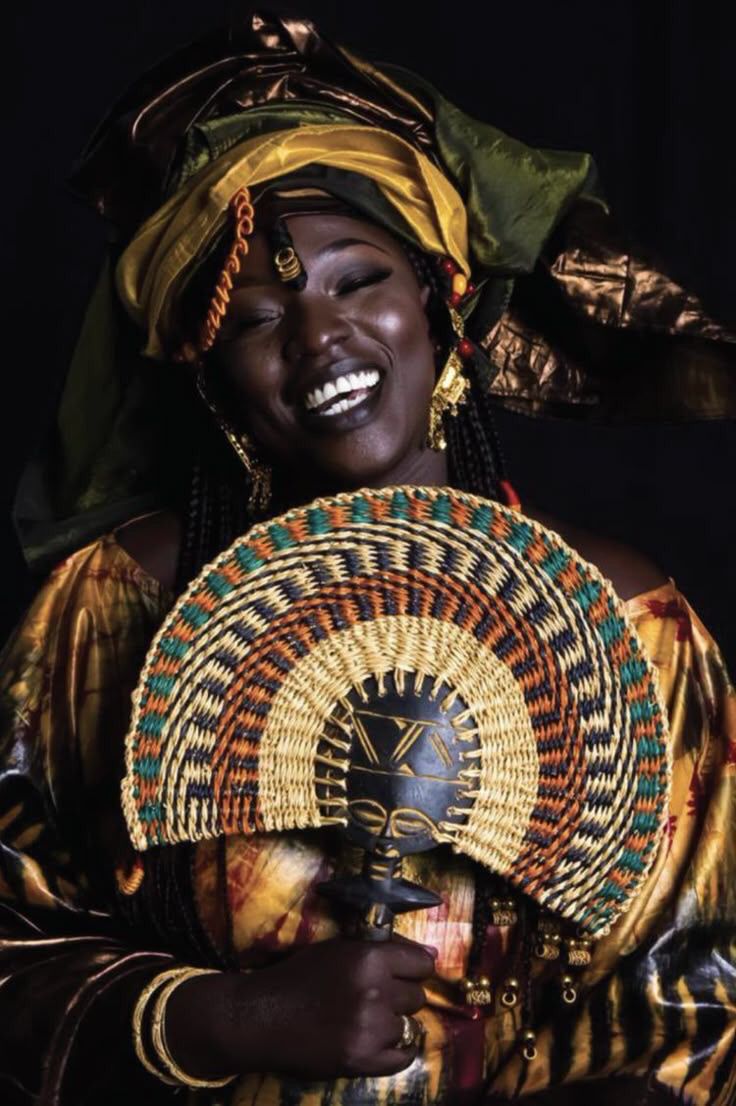
Through hairstyles, jewellery, and colour palettes, Afro-Latino creatives communicate belonging, history, and pride.
Fashion as Heritage Expression
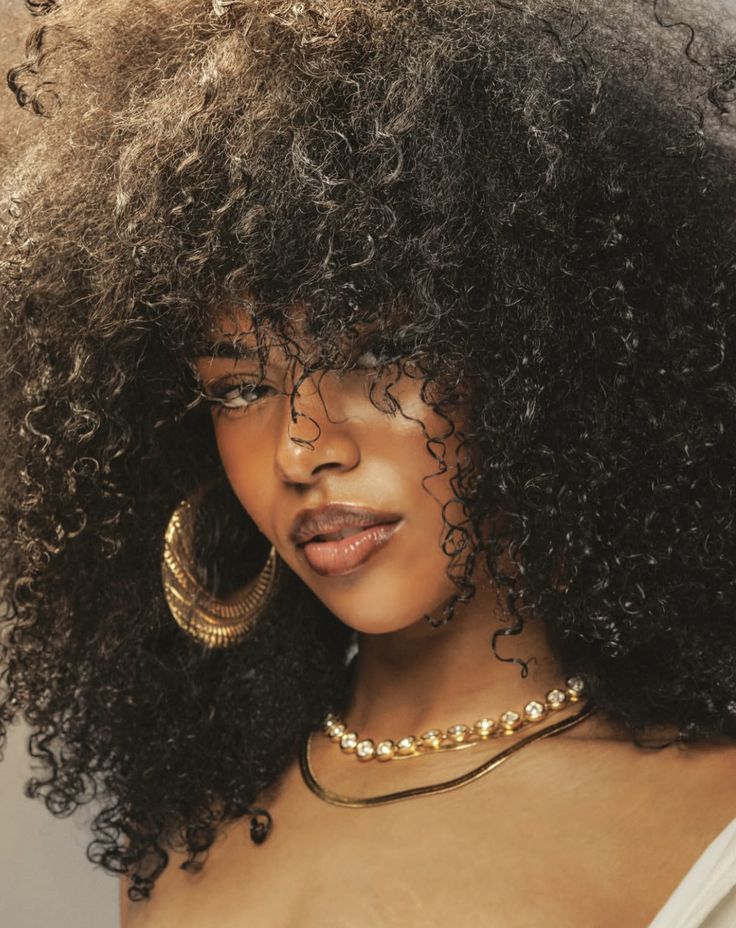
Fashion has become another arena where Afro-Latino identity is expressed boldly.
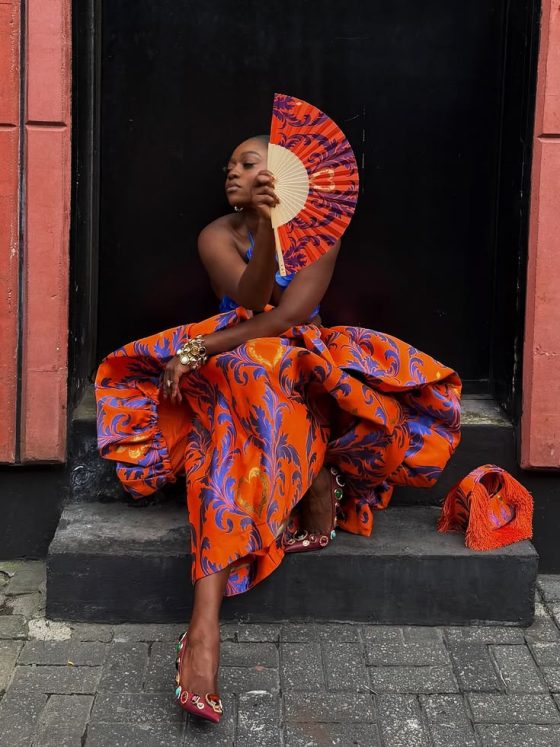
Designers across Latin America increasingly incorporate African-inspired silhouettes, textiles, and adornment into contemporary collections. Head wraps, layered gold, flowing cotton garments, and sculptural earrings appear on runways and in editorial photography.
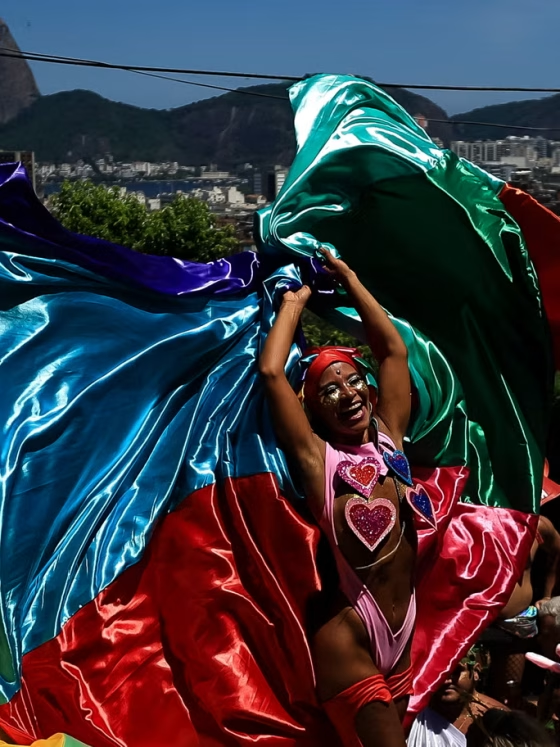
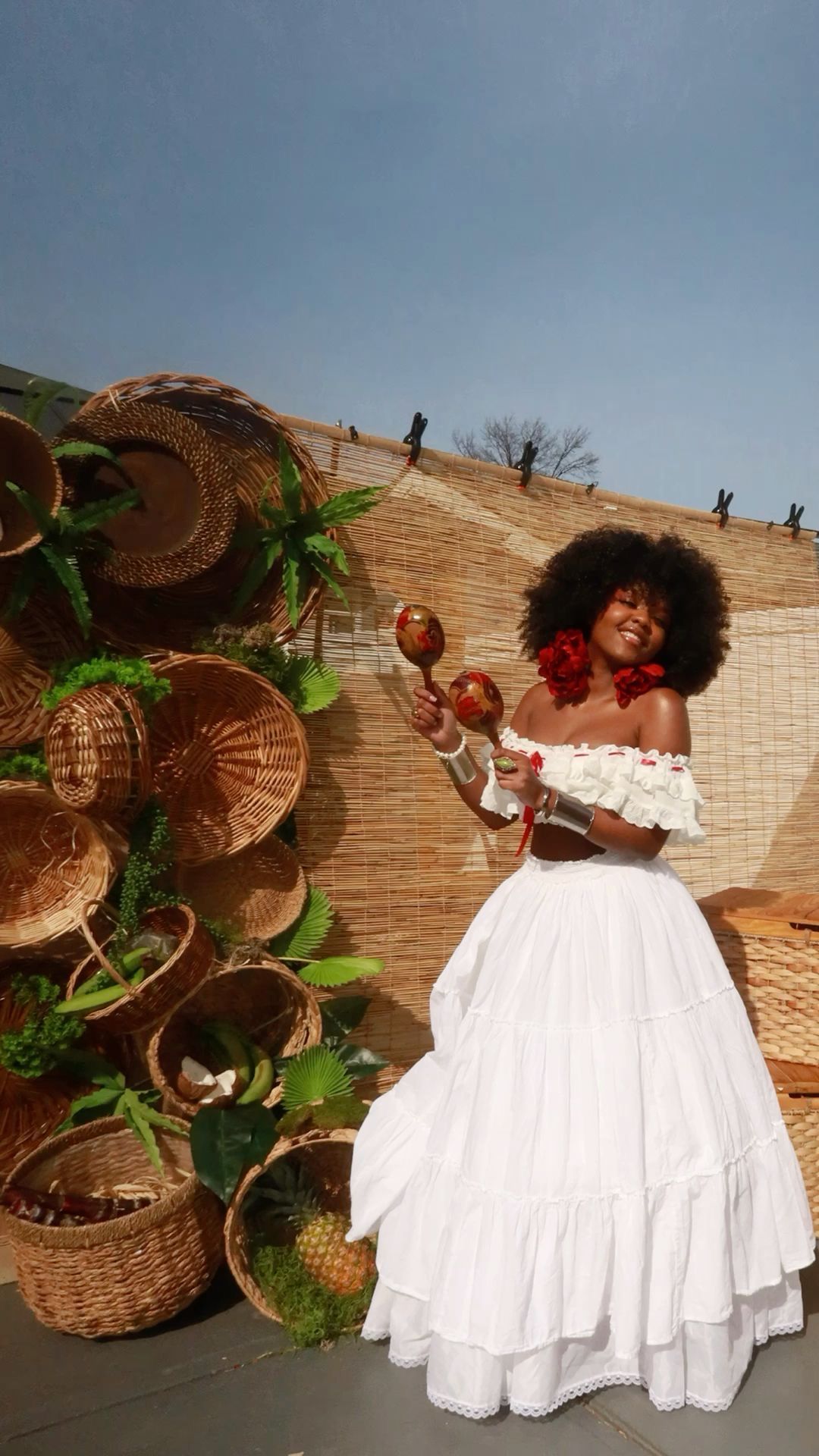
In places like Salvador, the cultural capital of Afro-Brazilian heritage, street style reflects centuries of cultural continuity. Flowing white garments reference spiritual traditions while vibrant prints echo West African textile aesthetics.
Similarly, designers from coastal regions of Colombia draw inspiration from Afro-Caribbean traditions found in towns along the Pacific coast.
Fashion becomes an archive. Each garment carries traces of migration, resilience, and celebration.
Social Media and the Visibility Shift
If previous generations struggled to find language for Afro-Latino identity, digital platforms have changed that dramatically.
Online communities allow creators to share stories, images, and cultural research that might otherwise remain hidden within local contexts.
Afro-Latino photographers document everyday beauty within their communities. Writers publish essays about family histories and cultural memory. Influencers discuss colourism, representation, and the importance of inclusive narratives.
The result is a growing archive of voices.
Visibility encourages recognition. Recognition encourages pride.
The Politics of Representation
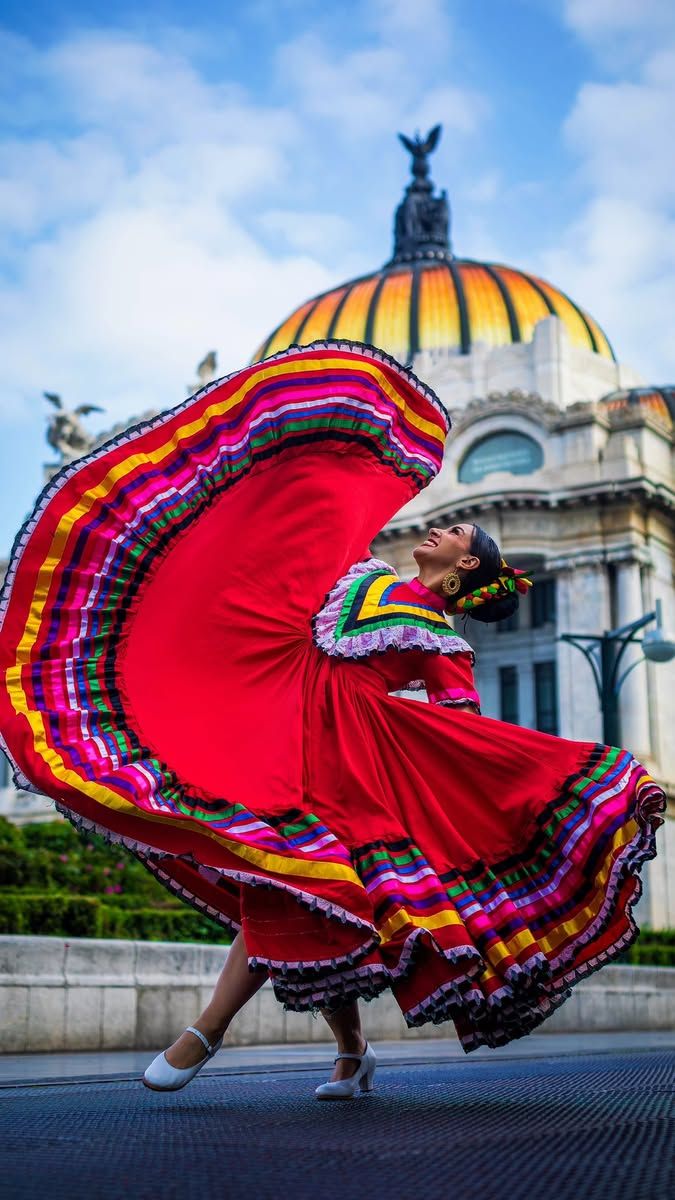
As Afro-Latino identity gains prominence, conversations about representation have also intensified.
Film, television, and fashion industries across Latin America historically centred on lighter complexions, even within countries where darker populations are significant.
Today, activists and creatives are challenging those patterns.
Casting directors face pressure to diversify representation. Beauty campaigns increasingly feature models reflecting the true diversity of the region.
This shift is not simply cosmetic. Representation influences how societies understand themselves.
When people see their heritage reflected in public imagery, identity moves from private acknowledgement to collective recognition.
READ ALSO:
- The Rise of Afrobeat: African Rhythms Shaping Global Music Culture
- Basslines of Resistance: Reggaetón, Caribbean Identity, and Global Pop Power
Cultural Pride and Global Influence
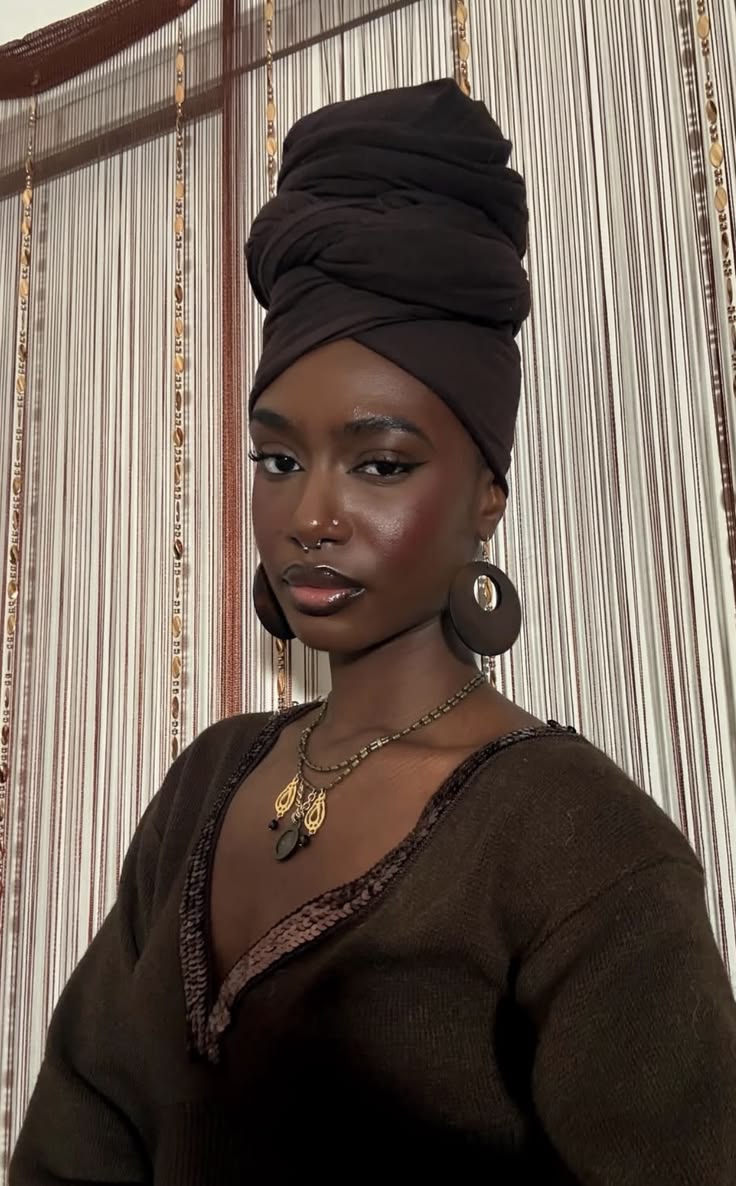
The resurgence of Afro-Latino identity is not limited to Latin America alone.
Diaspora communities across cities such as New York City, Miami, and Madrid have played significant roles in amplifying these conversations.
In multicultural urban centres, Afro-Latino creatives collaborate with African and Caribbean artists, forming new cultural dialogues that cross linguistic and geographic boundaries.
Fashion designers draw inspiration from both West African and Caribbean aesthetics. Musicians blend rhythms from across the Atlantic. Visual artists explore themes of migration and belonging.
This cross-cultural exchange highlights a powerful truth.
Identity within the diaspora is rarely singular. It moves, evolves, and adapts.
A Future Written in Full
The rise of Afro-Latino identity represents more than cultural celebration.
It signals a broader shift in how societies understand history and belonging. Rather than simplifying identity into narrow categories, younger generations are embracing complexity.
They acknowledge indigenous roots, African ancestry, European influences, and modern global connections simultaneously.
This layered identity reflects the true history of the Americas.
By embracing the term Afro-Latino, individuals are not dividing culture. They are clarifying it.
And in doing so they reshape the narrative of Latin identity itself.
The result is a cultural renaissance grounded in honesty, pride, and creative expression.
Across beauty studios, fashion ateliers, music stages, and digital platforms, Afro-Latino identity is emerging not as a footnote but as a central chapter of cultural history.
Roots once overlooked are now celebrated in full colour.
FAQs
- What does Afro-Latino mean?
Afro-Latino describes people in Latin America or the Caribbean who have African ancestry and identify with both African and Latin cultural heritage.
- Which countries have strong Afro-Latino communities
Countries such as Brazil, Colombia, Cuba, and the Dominican Republic have significant Afro-descendant populations.
- Why is Afro-Latino identity gaining attention now?
Social media, cultural activism, and younger generations embracing heritage have increased visibility and discussion.
- How does beauty connect to Afro-Latino identity?
Hair, skincare, and style have become powerful ways for people to celebrate ancestry and challenge old beauty standards.
- Why is this conversation globally important?
It highlights the cultural diversity of Latin America and strengthens connections between Africa, the Caribbean, and the wider diaspora.