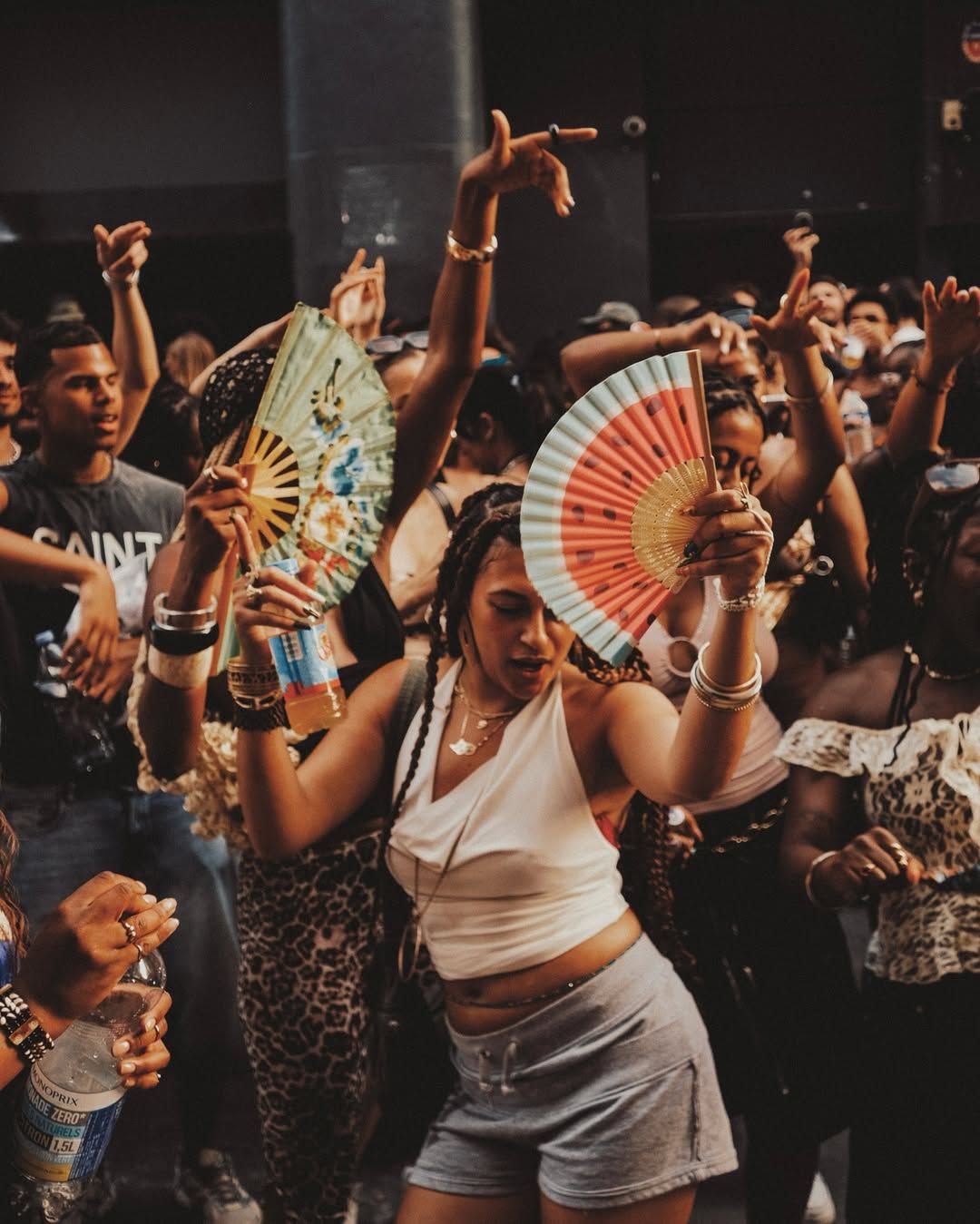
Long before reggaetón filled stadiums in Madrid, Lagos, and Tokyo, it moved through narrow streets in San Juan. Reggaetón’s journey from an underground Caribbean sound to a global force reveals how rhythm, migration, and identity show the power of modern pop.
It pulsed from cars with blown speakers. It rattled zinc rooftops. It travelled through cassette tapes passed hand-to-hand in neighbourhoods where mainstream radio was rarely listened to.
Reggaeton was not designed for global approval. It was born from survival, remixing, and migration.
Today, it is one of the most dominant forces in global pop music.
But its rise was neither accidental nor immediate.
It was built outward from the Caribbean.
Reggaetón’s journey from underground Caribbean sound to global force reveals how rhythm, migration, and identity redefine modern pop power.
The Sound Before the Spotlight
To understand reggaetón, you must leave the Billboard charts and return to the Caribbean basin.
In the 1980s, Panamanian artists were already recording Spanish versions of Jamaican dancehall tracks. Migration between Jamaica and Panama during the construction of the Panama Canal had created a deep cultural exchange. Rhythms travelled long before streaming platforms existed.
By the early 1990s, Puerto Rican producers began blending Jamaican dancehall riddims, Dominican dembow patterns, hip hop lyricism, and Spanish flow into something heavier and more urban.
The dembow rhythm became the heartbeat.
The barrios became the studio.
This was not a genre shaped by conservatories. Block parties, underground recordings, and community networks shaped it.
Authorities attempted to suppress it. Police raids confiscated mixtapes. Radio stations refused to air it.
Resistance only sharpened its identity.
From Underground to Global Stage

By the early 2000s, reggaetón could no longer be contained.
Daddy Yankee released “Gasolina”, and the world shifted. The track did not translate to fit global markets. It carried its rhythm unapologetically.
Soon after, Ivy Queen asserted a female voice in a male-dominated space, challenging expectations and carving out autonomy within the genre.
Reggaeton moved from pirate radio to MTV. From neighbourhood parties to international arenas.
Streaming platforms later amplified the movement. Algorithms did what radio once resisted.
Yet even as reggaetón entered luxury collaborations and global charts, debates emerged.
Who defines authenticity when a local sound becomes a global commodity?
What happens to a genre rooted in struggle once it enters fashion week playlists?
These questions remain central to its evolution.
Diaspora as Creative Engine
Reggaetón is not purely Puerto Rican. It is Caribbean by design.
Its structure is shaped by migration across islands and coastlines.
Jamaican dancehall rhythms laid the foundation. Dominican dembow sharpened cadence. Panamanian artists translated early flows into Spanish. Puerto Rican producers engineered a new sonic architecture.
Diaspora is not a background detail. It is the engine.
This is why reggaetón resonates far beyond its origin. Its construction mirrors global urban identity. It carries echoes of movement, border crossing, adaptation, and reinvention.
In cities like New York, Miami, and Madrid, it became a language for second-generation youth navigating a sense of dual belonging.
The bassline speaks before translation is needed.
Commercialisation and Cultural Negotiation
As reggaetón expanded, it entered corporate structures that once rejected it.
Luxury brands used their rhythms in runway shows. International pop stars collaborated for crossover appeal. Award shows created new categories.
Global recognition brought opportunity, but also negotiation.
Sound evolved. Production polished. Lyrics softened for broader audiences.
Some critics argue that the genre lost its rawness. Others see evolution as survival.
What remains consistent is the dembow pulse. Even in its most polished form, reggaetón retains its percussive backbone.
It refuses to assimilate fully.
Gender, Voice, and Rewriting Space
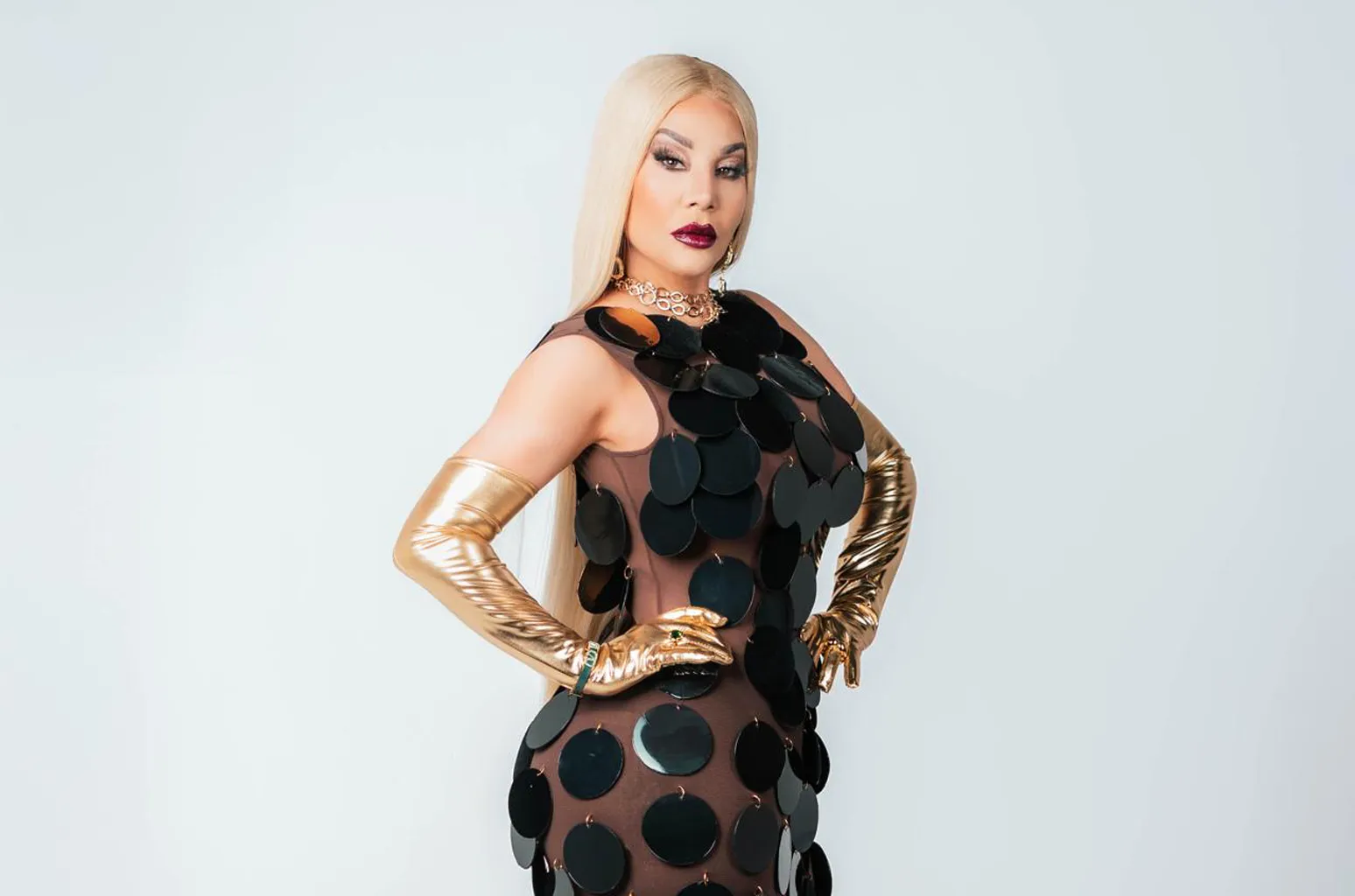
Reggaetón has often been critiqued for hypermasculine themes. Yet women have continually reshaped the narrative.
Artists like Ivy Queen demanded lyrical authority in the early era. Contemporary voices expand the genre’s emotional range, vulnerability, and social commentary.
This tension mirrors broader Caribbean social conversations about gender power and representation.
Reggaeton becomes a mirror, not merely a soundtrack.
Global South Dialogue
What makes reggaetón particularly powerful for OMIREN is its alignment with Global South creativity.
The genre did not originate in Western cultural capitals. It moved from Caribbean neighbourhoods into global dominance without abandoning its sonic identity.
In Lagos clubs, reggaetón blends seamlessly with Afrobeats. In São Paulo, it fuses with funk carioca. In London, it merges with grime.
This cross-pollination reveals a larger truth.
Cultural innovation increasingly flows laterally across the Global South rather than vertically through traditional Western gatekeepers.
Reggaetón is both a participant and proof of that shift.
INTERESTING READS:
- Opera Was Never White: Black Singers and the Truth About Classical Music
- How African Drums Shape Global Music: The Real Backbone of Modern Sound
The Politics of Language
Reggaeton maintained its Spanish roots even as it expanded internationally.
This choice matters.
Global pop historically pressures non-English genres to conform linguistically. Reggaetón resisted that pressure.
Audiences learnt the words. Clubs echoed lyrics phonetically across continents.
Cultural power no longer requires translation.
Sound as Archive
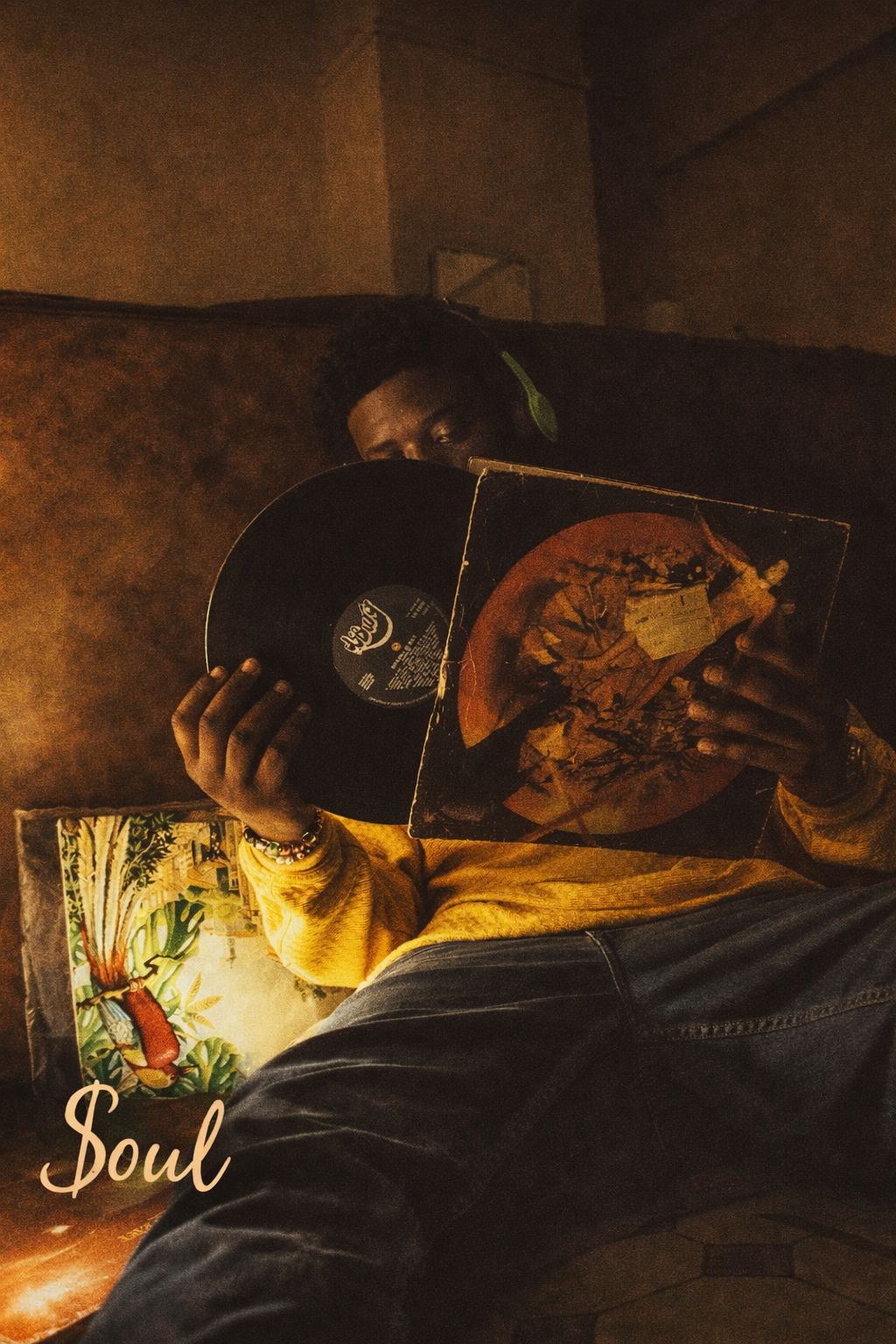
Reggaetón carries memory within rhythm.
It remembers migration between Jamaica and Panama. It remembers Puerto Rican barrios navigating economic marginalisation. It remembers the youth culture-building art without institutional funding.
When bass reverberates in a European stadium today, it carries those layers whether audiences recognise them or not.
That is why the genre feels bigger than trend cycles.
It is an archive in motion.
Why This Story Endures
Reggaetón is not fading into nostalgia.
It continues to influence fashion, dance, language, and global chart structures. It reshapes how streaming platforms calculate hits. It influences production styles across continents.
More importantly, it represents a broader cultural shift.
Creative authority no longer flows from traditional centres outward. It emerges from neighbourhoods, islands, and communities that were once peripheral to global industry maps.
Reggaetón’s journey from barrio to billboard is not simply about music.
It is about who gets to define modern culture.
And the bass is still rising.
FAQs
- Where did reggaetón originate?
Reggaetón developed in Puerto Rico in the 1990s, influenced by Jamaican dancehall, Panamanian Spanish reggae, and Dominican dembow.
- What is dembow?
Dembow is the rhythmic pattern that forms the backbone of reggaetón music.
- Why is reggaetón culturally significant?
It represents Caribbean innovation, diaspora identity, and grassroots creativity entering global pop dominance.
- Who helped popularise reggaetón globally?
Artists like Daddy Yankee and Ivy Queen played pivotal roles in its international expansion.
- Is reggaetón still evolving?
Yes. The genre continues to blend with Afrobeats, Latin pop, and global urban sounds while maintaining its rhythmic core.