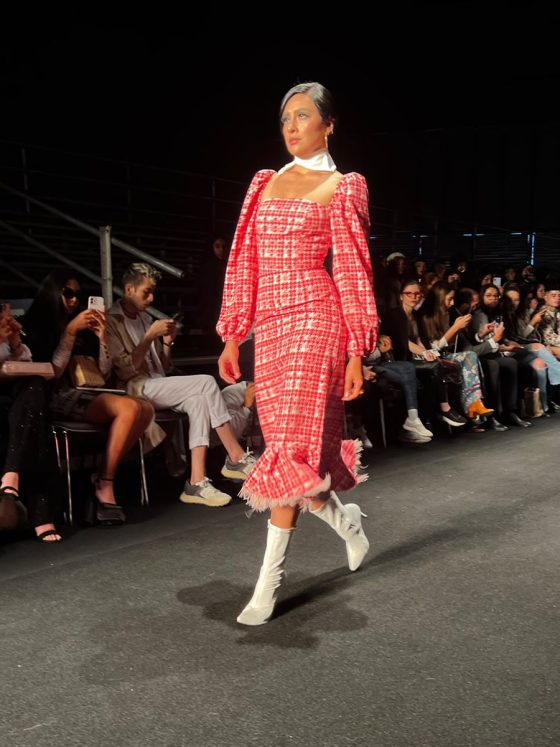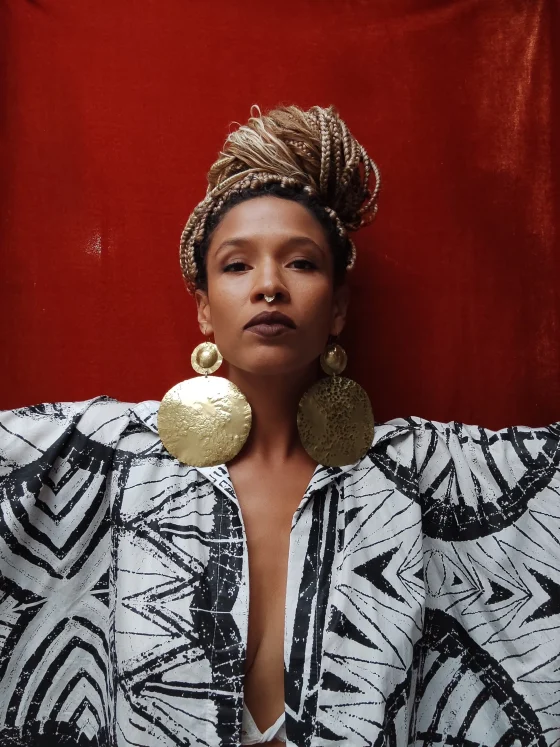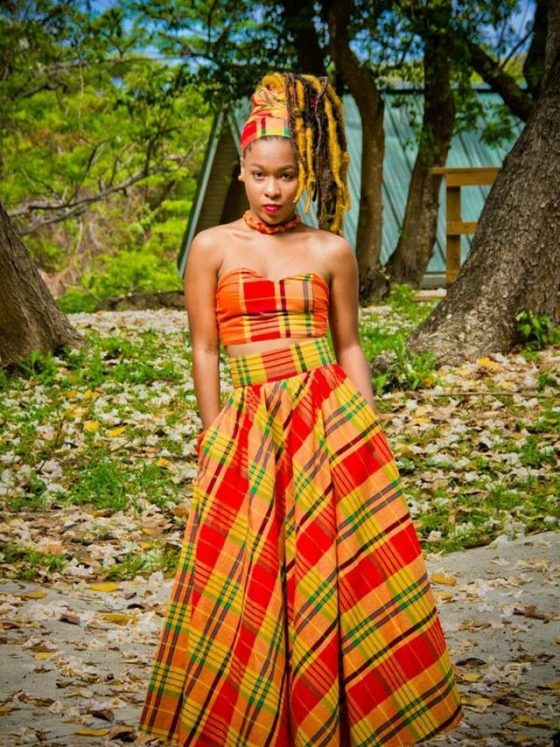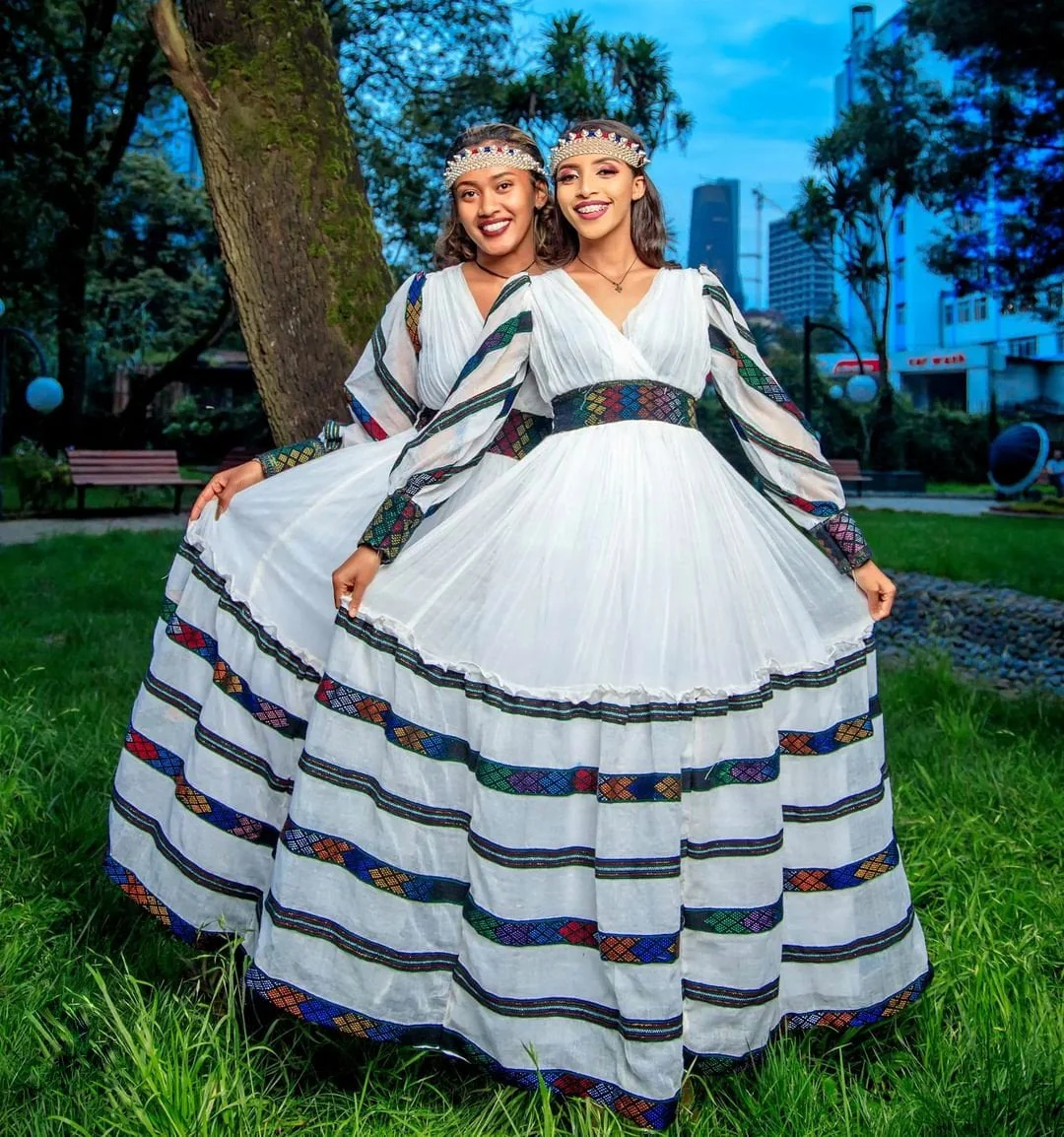
Fashion becomes most powerful when it does more than decorate the body, when it asserts presence, memory, and belonging. Clothing has long been a way for African communities to express their identity, origins, and values. In Ethiopia, a country of immense ethnic and cultural diversity, few traditions express this truth as vividly as Oromo fashion.
The Oromo people are the largest ethnic group in Ethiopia and the Horn of Africa. In this article, we will discuss Oromo fashion. Oromo clothing is not simply attire; it is identity rendered visible. Worn across ceremonies, daily life, political expression, and cultural remembrance, Oromo fashion carries centuries of philosophy, resilience, and communal values. Today, as Ethiopian fashion increasingly enters global conversations, Oromo style is emerging as one of its most influential and expressive forces, reshaping how Ethiopian fashion is understood, worn, and interpreted in contemporary spaces.
For Omiren Styles, Oromo fashion represents more than an aesthetic movement. It is a study in how clothing preserves dignity, resists erasure, and adapts without losing its soul.
Explore how Oromo heritage is shaping modern Ethiopian fashion. Discover the symbolic power of colour and traditional craftsmanship, as well as how contemporary designers are weaving identity, resilience, and community into today’s global stylistic narrative.
The Oromo People: Culture Rooted in Continuity
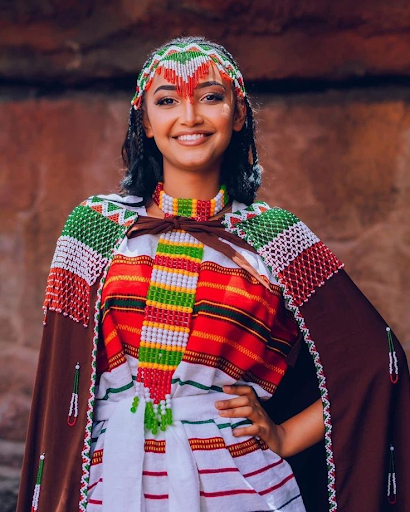
The Oromo are the largest ethnic group in Ethiopia, with a cultural presence that extends across the Horn of Africa. Their history is deeply intertwined with systems of governance, spirituality, and social organisation, most notably, the Gadaa system, an indigenous democratic structure recognised by UNESCO for its emphasis on leadership rotation, collective responsibility, and moral order.
Oromo material culture, including dress, reflects this philosophical grounding. Oromo clothing traditions evolved not in isolation, but in dialogue with land, climate, belief systems, and communal life. Garments were designed to be practical, symbolic, and expressive, serving both everyday needs and ceremonial significance.
Fashion in Oromo society has always been participatory. It is worn not to distinguish individuals above the collective but to affirm belonging within it.
Oromo Traditional Clothing: Beyond Fabric and Form
Deeply rooted in pastoral heritage, traditional Oromo attire is typically crafted from expertly worked leather or animal hides, forming the base for elaborate surface decoration. What sets Oromo fashion apart is its symbolic decoration, beadwork, and colour placement; each element carries layered meaning.
For women, traditional garments often include:
- Long dresses or wrap skirts
- Decorated bodices or cloaks
- Beaded necklaces and head adornments
For men, attire may include:
- Tunics or shirts with symbolic embroidery
- Wraps or trousers
- Accessories such as leather belts or beadwork
These garments are not static uniforms. Variations exist across regions, age groups, and ceremonial contexts, underscoring that Oromo fashion is dynamic rather than monolithic.
The Symbolic Power of Colour in Oromo Fashion
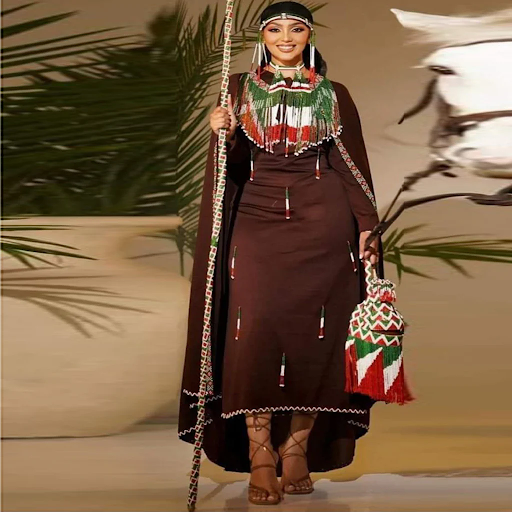
Colour plays a central role in Oromo visual language. Unlike trend-driven palettes, Oromo’s colour usage is deliberate and deeply coded.
- White symbolises peace, moral clarity, and harmony
- Red represents courage, sacrifice, and resistance
- Black signifies strength, depth, and continuity
- Green reflects land, fertility, and life
These colours often appear in beadwork or layered garments rather than dominating the base fabric. The result is a visual balance, restraint paired with meaning, that aligns seamlessly with modern minimalist fashion sensibilities.
Fashion as Social and Political Expression
Oromo fashion has long served as a form of expression that goes beyond aesthetics. During periods of political marginalisation, cultural dressing became a quiet but powerful means of resistance, asserting identity in spaces where it had otherwise been suppressed.
In recent decades, Oromo clothing has gained renewed visibility through:
- Cultural festivals
- Music and performance
- Social movements and public gatherings
Wearing Oromo attire in contemporary Ethiopia is often an intentional act—one that signals pride, remembrance, and solidarity.
RECOMMENDED:
- From Desert Dunes to Global Dreams: The Soulful Ascent of the Kaftan
- The Habesha Kemis, Reimagined: How Ethiopian Heritage is Transforming Global Fashion
- Woven by Monsoon Winds: Our Omani Legacy in Swahili Silhouettes in Zanzibar and Mombasa
The Contemporary Evolution of Oromo Fashion
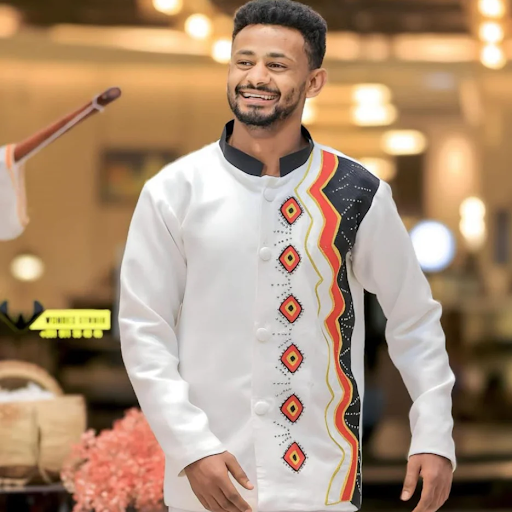
Today’s Oromo fashion is undergoing a thoughtful transformation. Designers, artisans, and cultural practitioners are adapting traditional forms to suit modern lifestyles while preserving symbolic integrity.
Modern Silhouettes and Urban Adaptation
Contemporary Oromo-inspired designs now include:
- Tailored dresses with traditional motifs
- Minimalist tunics suitable for urban wear
- Fusion pieces blend Oromo motifs with modern tailoring.
People are increasingly wearing these garments beyond cultural events, spotting them in creative industries, fashion editorials, and everyday urban settings.
From Ceremony to Street Style
What makes Oromo fashion particularly relevant today is its versatility. Traditional elements are being recontextualised into:
- Statement blouses
- Jackets with brocade panels
- Accessories inspired by beadwork traditions
This evolution allows Oromo aesthetics to travel across cities, diasporas, and fashion categories without losing cultural grounding.
Craftsmanship and Community
At the heart of Oromo fashion is artisanal knowledge, often passed down through generations. Families and communities typically learn the art of leather scraping, softening, and beadwork directly from their mothers and grandmothers, thereby reinforcing collective ownership of cultural expression.
This craftsmanship aligns naturally with global conversations around:
- Ethical fashion
- Slow production
- Cultural sustainability
Many Oromo garments remain community-produced rather than industrialised, transforming each piece into not just clothing but also cultural labour.
Oromo Fashion in the Diaspora
Among Oromo communities in the diaspora, clothing plays a crucial role in cultural preservation. In cities across Europe and North America, Oromo fashion is worn:
- At weddings and naming ceremonies
- During cultural festivals
- In political and cultural advocacy spaces
Diasporic designers are also contributing to the modern evolution of Oromo fashion, blending global fashion references with inherited design languages.
Designers and Cultural Reclamation
A new generation of Ethiopian designers is drawing inspiration from Oromo aesthetics, not as trend material, but as a cultural foundation. Their work often revolves around:
- Authentic collaboration with artisans
- Respect for symbolic meaning
- Innovation without appropriation
Through runway presentations, editorial features, and digital platforms, Oromo fashion is being repositioned as central to Ethiopian style rather than peripheral.
Styling Oromo Fashion Today
For contemporary wearers, styling Oromo-inspired pieces is an exercise in balance:
- Pair leather garments with neutral tailoring
- Let symbolic colours stand without being overlayered.
- Use accessories to echo, not overpower, traditional motifs.
The goal is not to modernise Oromo fashion beyond its recognition but to allow it to speak fluently in today’s fashion language.
Why Oromo Fashion Matters in Global Fashion Conversations
As global fashion grapples with issues of representation, cultural ownership, and sustainability, Oromo fashion offers a compelling model:
- Deeply rooted yet adaptable
- Symbolic yet wearable
- Communal rather than extractive
It challenges the idea that African fashion must be filtered through external validation to be considered contemporary.
The Omiren Styles Perspective
At Omiren Styles, fashion is approached as a cultural text. Oromo fashion is not simply an influence; it is an archive of worldview, ethics, and belonging.
Each stitch carries intention.
Each colour carries memories.
Each garment carries a community.
Style is Survival; Fashion is Continuity.
Oromo fashion has endured not because it resisted change, but because it understood adaptation as survival. Its current visibility in Ethiopian and global fashion is not a revival; it is long-overdue recognition.
As modern Ethiopian style continues to evolve, Oromo fashion stands as a reminder that the future of fashion does not lie in forgetting the past but in wearing it forward with clarity and pride.
For Omiren Styles, this is not simply a fashion story.
It is an identity story, still being written.
Frequently Asked Questions (FAQs)
1. What makes Oromo fashion unique within Ethiopian style?
Oromo fashion is identity rendered visible. It goes beyond aesthetics, serving as a visual language of belonging, history, and values. Rooted in the democratic Gadaa system, it uses symbolic colours, intricate embroidery, and community-based craftsmanship to express cultural philosophy, making it a profoundly meaningful and adaptable force in Ethiopian fashion.
2. What do the colours in Oromo’s traditional attire symbolise?
Colours in Oromo fashion are deeply coded:
- White: Peace, moral clarity, and harmony.
- Red: Courage, sacrifice, and resistance.
- Black: Strength, depth, and continuity.
- Green: Land, fertility, and life.
These colours are often used intentionally in embroidery and ornaments, balancing visual restraint with profound meaning.
3. How is Oromo fashion evolving for contemporary wear?
Modern Oromo fashion thoughtfully adapts tradition. Designers are creating tailored dresses with traditional embroidery, minimalist tunics for urban wear, and fusion pieces that blend iconic motifs with modern silhouettes. This allows Oromo aesthetics to move from ceremony to street style, worn proudly in everyday life and creative industries.
4. How has Oromo fashion served as a form of expression?
Historically and today, Oromo clothing has been a powerful tool for social and political expression. During periods of marginalisation, they asserted identity and resistance. Today, wearing Oromo attire is an act of cultural pride, solidarity, and remembrance, especially evident at festivals and gatherings and within diasporic communities.
5. Why is Oromo fashion relevant to global fashion conversations?
Oromo fashion presents a compelling model of cultural sustainability. It is deeply rooted yet adaptable, symbolic yet wearable, and built on communal craftsmanship rather than extraction. It challenges the need for external validation and aligns with global shifts toward ethical production, slow fashion, and authentic representation.
6. How can I style Oromo-inspired fashion respectfully today?
The key is balance. Pair embroidered statement pieces with neutral, modern tailoring. Let symbolic colours stand out without overlays. Use accessories to echo traditional motifs rather than overpower them. The goal is to let the garments’ cultural language speak fluently within a contemporary wardrobe.
7. What is the Omiren Styles perspective on Oromo fashion?
At Omiren Styles, we see Oromo fashion as a living cultural text, an archive of worldview, ethics, and belonging. Each stitch carries intention, each colour carries memory, and each garment carries community. We view it not merely as a fad but as an ongoing narrative of identity.