Menu
  • AFRICA
    • African Fashion
    • African Designers
    • Textiles & Craft
    • Heritage Clothing
    • Made in Africa
    • Regional Style
  • DIASPORA
    • Diaspora Voices
    • Diaspora Connects
    • UK Scene
    • US Scene
    • Caribbean Diaspora
    • Afro-Latino Identity
    • Migration & Identity
  • CULTURE
    • Style & Identity
    • Ceremony & Ritual
    • Art & Music
    • Cultural Inspirations
    • Black Culture
    • Heritage Stories
  • FASHION
    • Trends
    • Street Style
    • Runway
    • Sustainable Fashion
    • Tailoring
    • Luxury Fashion
  • INDUSTRY
    • Editorial Intelligence
    • Market Trends
    • Brand Strategy
    • Retail & Commerce
    • Partnerships
    • Reports
    • Insights
    • Omiren Style Index
  • BEAUTY
    • Skincare
    • Makeup
    • Hair & Hairstyle
    • Fragrance
    • Beauty Traditions
    • Natural Beauty
  • MEN
    • Men’s Style
    • Grooming Traditions
    • Traditional & Heritage
    • The Modern African Man
    • Menswear Designers
  • WOMEN
    • Women’s Style
    • Evening Glam
    • Workwear & Professional
    • Streetwear for Women
    • Accessories & Bags
    • Bridal
  • NEWS
    • Cover Stories
    • Fashion Weeks
    • Opinion & Commentary
    • Style Icons
    • Rising Stars
  • DIRECTORY
    • Designers
    • Brands
    • Boutiques
    • Stylists
    • Models
    • Photographers
    • Creative Teams
    • Events
    • Production
    • Materials & Suppliers
Subscribe
OMIREN STYLES OMIREN STYLES

Fashion · Culture · Identity

OMIREN STYLES OMIREN STYLES OMIREN STYLES OMIREN STYLES
  • AFRICA
    • African Fashion
    • African Designers
    • Textiles & Craft
    • Heritage Clothing
    • Made in Africa
    • Regional Style
  • DIASPORA
    • Diaspora Voices
    • Diaspora Connects
    • UK Scene
    • US Scene
    • Caribbean Diaspora
    • Afro-Latino Identity
    • Migration & Identity
  • CULTURE
    • Style & Identity
    • Ceremony & Ritual
    • Art & Music
    • Cultural Inspirations
    • Black Culture
    • Heritage Stories
  • FASHION
    • Trends
    • Street Style
    • Runway
    • Sustainable Fashion
    • Tailoring
    • Luxury Fashion
  • INDUSTRY
    • Editorial Intelligence
    • Market Trends
    • Brand Strategy
    • Retail & Commerce
    • Partnerships
    • Reports
    • Insights
    • Omiren Style Index
  • BEAUTY
    • Skincare
    • Makeup
    • Hair & Hairstyle
    • Fragrance
    • Beauty Traditions
    • Natural Beauty
  • MEN
    • Men’s Style
    • Grooming Traditions
    • Traditional & Heritage
    • The Modern African Man
    • Menswear Designers
  • WOMEN
    • Women’s Style
    • Evening Glam
    • Workwear & Professional
    • Streetwear for Women
    • Accessories & Bags
    • Bridal
  • NEWS
    • Cover Stories
    • Fashion Weeks
    • Opinion & Commentary
    • Style Icons
    • Rising Stars
  • DIRECTORY
    • Designers
    • Brands
    • Boutiques
    • Stylists
    • Models
    • Photographers
    • Creative Teams
    • Events
    • Production
    • Materials & Suppliers
  • Trends

Prudential Fashion Academy Awards 2025: Rising Stars Redefining Nigerian Style

  • Fathia Olasupo
  • November 27, 2025

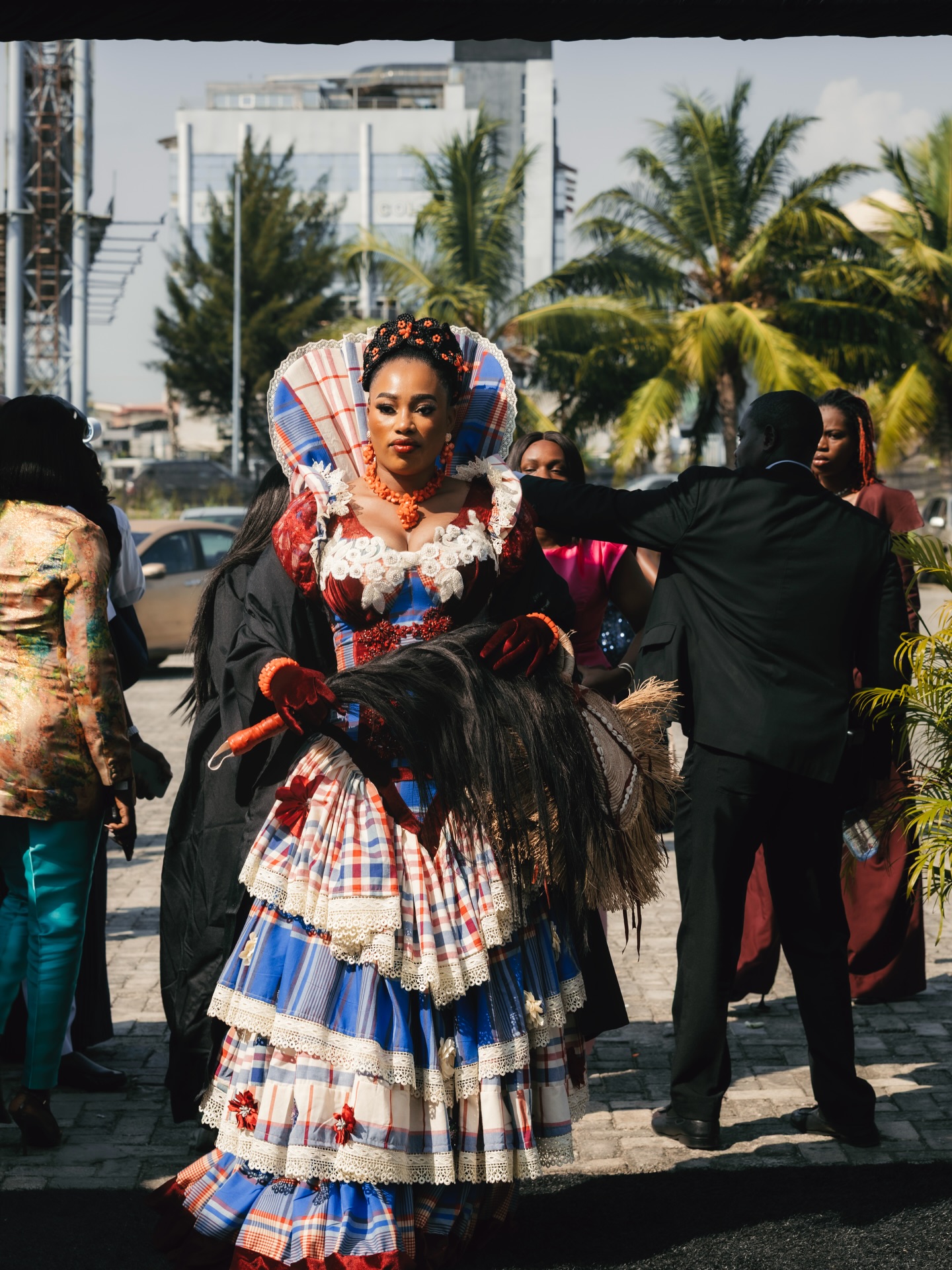
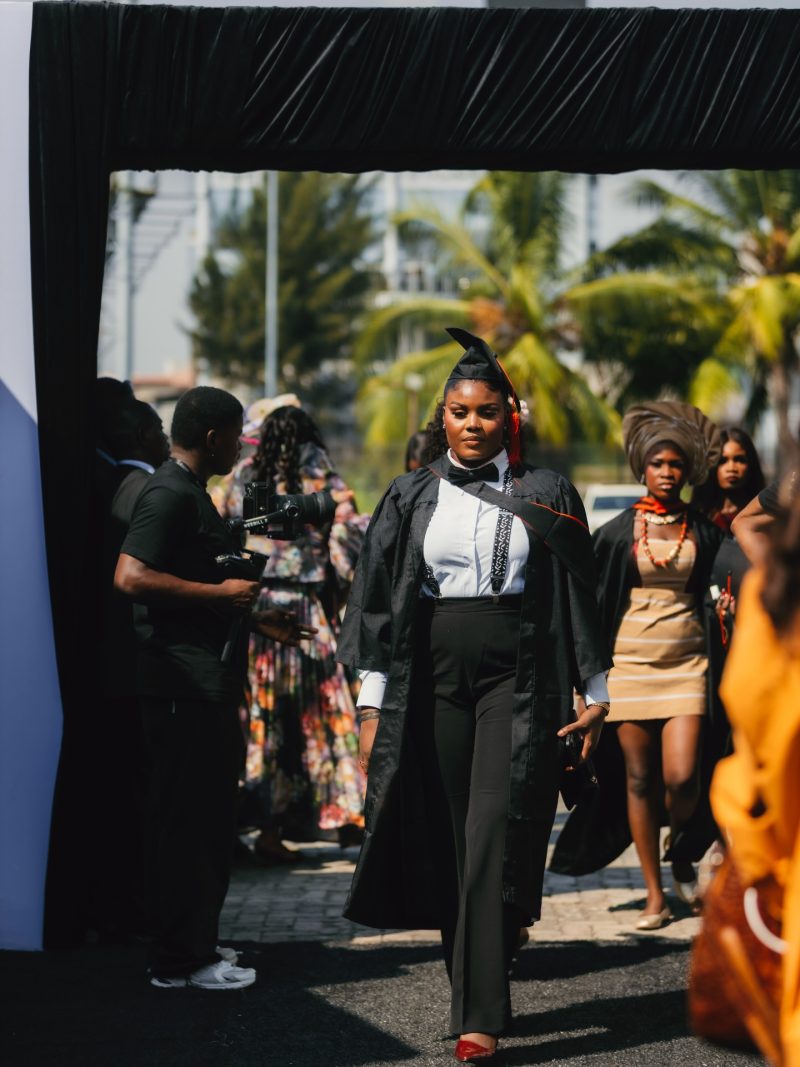
Nigeria’s fashion industry is experiencing structured growth and professionalisation, and the recent graduation of the Prudential Fashion Academy (PFA) Class of 2025 exemplifies this trend. The event highlighted the academy’s role in preparing emerging designers to enter the fashion sector with technical competence and business readiness by combining a runway showcase with the prestigious Designer of the Year 2025 awards.

Founded by Prudent Gabriel in 2020, PFA has become one of Nigeria’s leading institutions for fashion education, offering programs in design, patternmaking, sewing, and creative development. The Class of 2025 graduation reinforced the academy’s commitment to nurturing skilled, innovative, and commercially viable designers.

PFA Class of 2025 graduation highlights Nigeria’s growing fashion industry, showcasing new talent, structured education, and entrepreneurial opportunities.

Graduation and Awards: Structured Learning Meets Industry Recognition
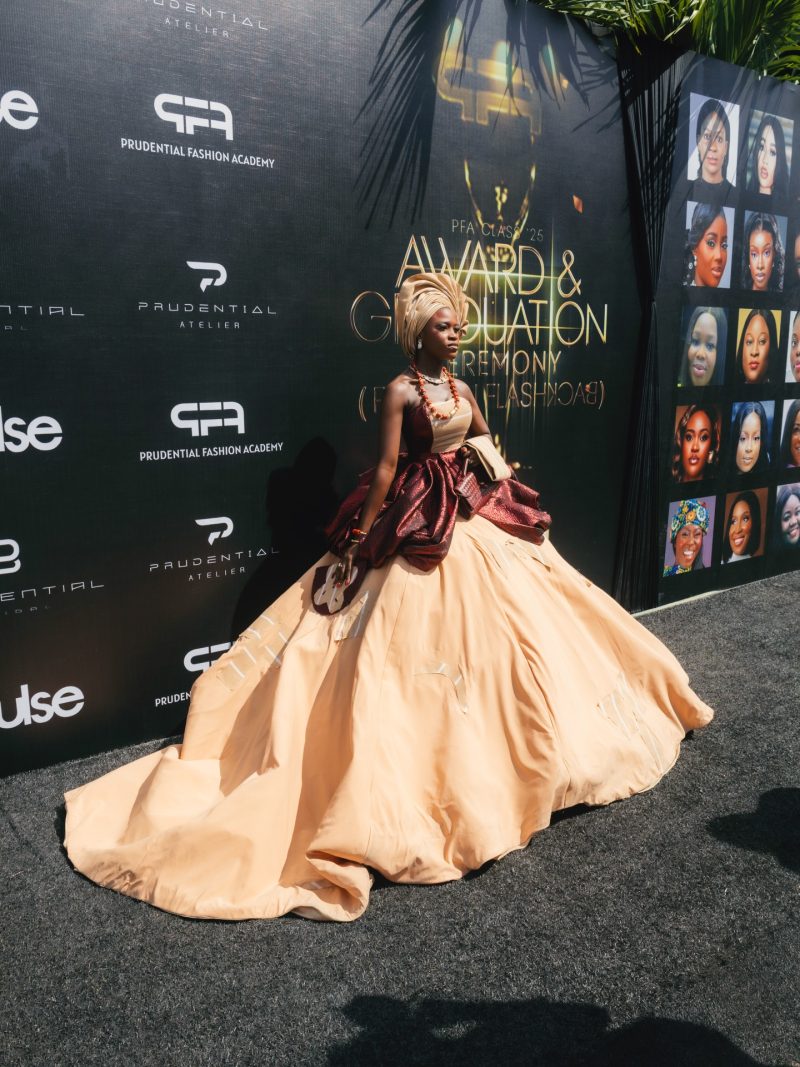
Graduation and Awards: Structured Learning Meets Industry Recognition
Photo: Prudential Fashion Academy.

The Fashion Flashback 2025 event featured final projects by graduates, who presented collections on the runway that demonstrated both technical skill and creative vision. The highlight of the programme was the Designer of the Year 2025 competition, which recognised outstanding talent within the cohort.

Prizes for the top positions were structured to facilitate entrepreneurial growth. The first-place winner received a sewing machine and a cash prize, while the second and third-place winners received cash prizes. These awards are intended to support the transition from student to professional designer, ensuring graduates have both the skills and resources necessary to launch their brands.

Beyond the awards, the graduation symbolises the academy’s systematic approach to fashion education. By providing comprehensive training in design, construction, and creative management, PFA prepares graduates to meet both local and global industry standards.

Significance for Nigeria’s Fashion Industry
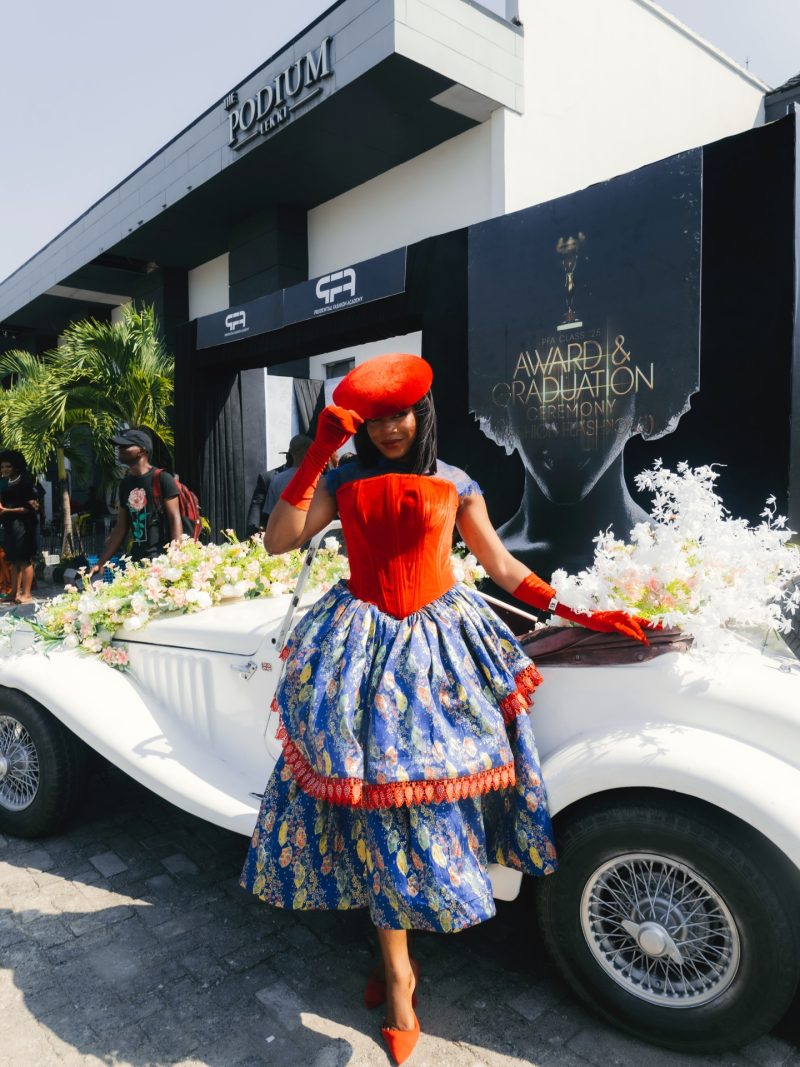
Significance for Nigeria’s Fashion Industry

The 2025 PFA graduation underscores several key developments in the Nigerian fashion sector:

1. Advancement of Structured Fashion Education

Formalised curricula allow designers to graduate with measurable competencies, bridging the gap between informal apprenticeships and professional practices. This approach enhances the quality and consistency of local fashion production.

2. Support for Emerging Entrepreneurs

Providing both technical resources and seed capital enables graduates to establish micro-brands or studios. This support addresses a common barrier in Nigeria’s creative industries: access to equipment and working capital.

3. Professional Recognition of Fashion Careers

Graduation ceremonies and industry awards elevate fashion’s perception as a legitimate profession. They signal that talent, discipline, and innovation are essential components of career success.

4. Promotion of Cultural and Creative Expression

PFA graduates engage with both contemporary and traditional Nigerian aesthetics, enabling the preservation and reinterpretation of cultural identity through fashion design.

5. Contribution to Youth Employment

By equipping graduates with skills and entrepreneurial support, the academy facilitates self-employment and small-scale enterprise, contributing to broader economic development within the creative sector.

Strategic Implications for Graduates and the Industry
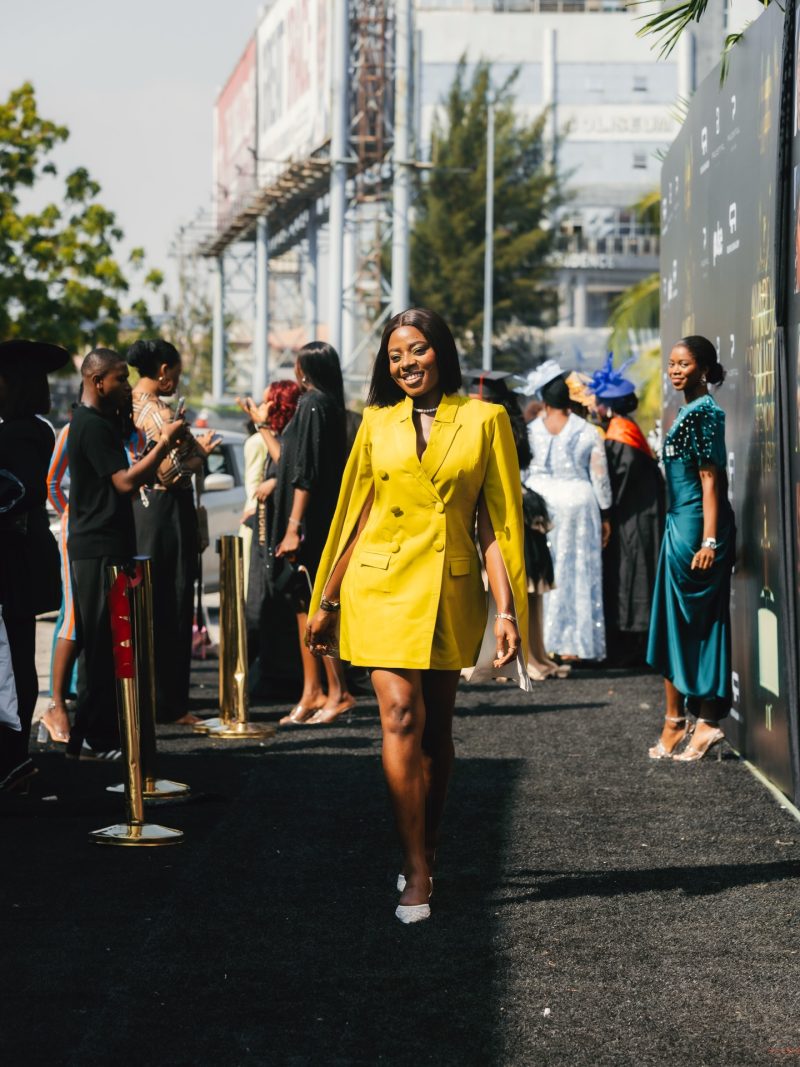
Strategic Implications for Graduates and the Industry

The graduation offers several strategic opportunities for designers and the broader fashion ecosystem:

  • Career Advancement: Graduates gain recognition and visibility, which can lead to collaboration, client acquisition, and media exposure.

  • Trend Influence: The collections presented reflect emerging design trends, potentially influencing consumer preferences and local fashion markets.

  • Industry Analysis: PFA’s structured approach serves as a model for other institutions, highlighting the benefits of professional training combined with practical experience.

  • Entrepreneurship: Access to equipment and seed capital enables graduates to establish viable fashion enterprises, fostering economic independence.

  • Cultural Leadership: By incorporating Nigerian heritage into designs, graduates contribute to the development of a distinctive national fashion identity.

Future Opportunities and Growth Areas for Nigerian Fashion
Future Opportunities and Growth Areas for Nigerian Fashion

While the PFA Class of 2025 graduates are well-equipped to enter the industry, several avenues exist to further strengthen their impact and the broader fashion ecosystem:

  • Expanding Market Reach: Graduates can leverage digital platforms, e-commerce, and social media to connect with national and international audiences and build sustainable brands.

  • Collaboration and Networking: Partnerships with established designers, fashion houses, and industry stakeholders can provide mentorship, market access, and shared resources.

  • Innovative Production Techniques: Embracing modern technologies, sustainable materials, and innovative design methods can enhance quality, efficiency, and appeal to discerning consumers.

  • Cultural Storytelling: Designers have an opportunity to embed Nigerian heritage further into their work, using fashion as a medium for cultural preservation and global storytelling.

  • Entrepreneurial Expansion: With skills, training, and seed capital, graduates can scale small studios into growing enterprises, contributing to employment and economic development.

This approach shifts the focus from limitations to strategic growth, highlighting how graduates and the Nigerian fashion industry can evolve together.

Conclusion

The Prudential Fashion Academy Class of 2025 Graduation and Awards represents a pivotal moment for Nigerian fashion. By combining rigorous training, talent recognition, and practical support, PFA demonstrates the value of professional education in shaping the next generation of designers. As graduates enter the industry, their skills, creativity, and entrepreneurial readiness are poised to influence both local and international markets, contributing to a more structured, competitive, and culturally expressive fashion sector.

FAQs

  1. What is Prudential Fashion Academy (PFA)?

PFA is a Lagos-based fashion school founded in 2020 by Prudent Gabriel. It provides training in design, sewing, pattern-making, and creative development for emerging designers.

  1. What happened at the PFA Class of 2025 graduation?

Graduates presented final projects on the runway and competed in the Designer of the Year 2025 awards, which included prizes to support entrepreneurial pursuits.

  1. How does PFA support emerging fashion entrepreneurs?

The academy provides technical training, recognition, and seed capital or equipment, enabling graduates to establish small brands or studios.

  1. Why is structured fashion education important in Nigeria?

Structured programmes enhance skill development, professional standards, and entrepreneurship, bridging gaps between informal learning and industry requirements.

  1. What challenges remain for Nigerian fashion graduates?

Challenges include accessibility to education, the development of infrastructure for production, and the need to balance formal training with creative individuality.

Post Views: 1,822
Related Topics
  • African Style Trends
  • Fashion Awards Nigeria
  • Nigerian Fashion Industry
  • Rising Nigerian Designers
Fathia Olasupo

olasupofathia49@gmail.com

You May Also Like
Nollywood's Costume Department Is the Most Underreported Fashion Influence on How Nigerians Dress
View Post
  • Trends

Nollywood’s Costume Department Is the Most Underreported Fashion Influence on How Nigerians Dress

  • Rex Clarke
  • May 26, 2026
The Visual Language of Amapiano: How South Africa's Biggest Sound Built a Fashion Aesthetic From the Ground Up
View Post
  • Trends

The Visual Language of Amapiano: How South Africa’s Biggest Sound Built a Fashion Aesthetic From the Ground Up

  • Rex Clarke
  • May 26, 2026
Congolese Rumba and La Sape: The Music That Dressed a Movement
View Post
  • Trends

Congolese Rumba and La Sape: The Music That Dressed a Movement

  • Adams Moses
  • May 26, 2026
Why Afrobeats Music Videos Are Now the Most Influential Fashion Editorials in Africa
View Post
  • Trends

Why Afrobeats Music Videos Are Now the Most Influential Fashion Editorials in Africa

  • Adams Moses
  • May 25, 2026
View Post
  • Trends

From Lagos to London: How the Diaspora Is Styling Adire for the Modern City

  • Rex Clarke
  • April 22, 2026
East African Kikoi: The Coastal Fabric Making Waves in International Fashion
View Post
  • Trends

East African Kikoi: The Coastal Fabric Making Waves in International Fashion

  • Philip Sifon
  • April 9, 2026
Cultural Trends vs Tradition: Why Global Fashion Is Rooted in Continuity
View Post
  • Trends

Cultural Trends vs Tradition: Why Global Fashion Is Rooted in Continuity

  • Ayomidoyin Olufemi
  • March 25, 2026
View Post
  • Trends

Top 5 Ankara Styles for Nupe Women in 2026

  • Rex Clarke
  • March 25, 2026

Leave a Reply Cancel reply

Your email address will not be published. Required fields are marked *

The Omiren Argument

African fashion and culture are not emerging. They are foundational. We document, interpret, and argue for the full cultural weight of African and diaspora dress. With precision. Without apology.

Omiren Styles Fashion · Culture · Identity

All 54 African Nations
Caribbean · Afro-Latin America
The Global Diaspora

Platform

  • About Omiren Styles
  • Our Vision
  • Our Mission
  • Editorial Pillars
  • Editorial Policy
  • The Omiren Collective
  • Campus Style Initiative
  • Sustainable Style
  • Social Impact & Advocacy
  • Investor Relations

Contribute

  • Write for Omiren Styles
  • Submit Creative Work
  • Join the Omiren Collective
  • Campus Initiative
Contact
contact@omirenstyles.com
Our Reach

Africa — All 54 Nations
Caribbean
Afro-Latin America
Global Diaspora

African fashion intelligence, in your inbox.

Editorial features, designer profiles, cultural commentary. No noise.

© 2026 Omiren Styles — Rex Clarke Global Ventures Limited. All rights reserved.
  • Privacy Policy
  • Editorial Policy
  • Terms of Use
  • Accessibility
Africa · Caribbean · Diaspora
The Omiren Argument

African fashion and culture are not emerging. They are foundational. We document, interpret, and argue for the full cultural weight of African and diaspora dress. With precision. Without apology.

Omiren Styles Fashion · Culture · Identity
  • About Omiren Styles
  • Our Vision
  • Our Mission
  • Editorial Pillars
  • Editorial Policy
  • The Omiren Collective
  • Campus Style Initiative
  • Sustainable Style
  • Social Impact & Advocacy
  • Investor Relations
  • Write for Omiren Styles
  • Submit Creative Work
  • Join the Omiren Collective
  • Campus Initiative
Contact contact@omirenstyles.com

All 54 African Nations · Caribbean
Afro-Latin America · Global Diaspora

African fashion intelligence, in your inbox.

Editorial features, designer profiles, cultural commentary. No noise.

© 2026 Omiren Styles
Rex Clarke Global Ventures Limited.
All rights reserved.

  • Privacy Policy
  • Editorial Policy
  • Terms of Use
  • Accessibility
Africa · Caribbean · Diaspora

Input your search keywords and press Enter.