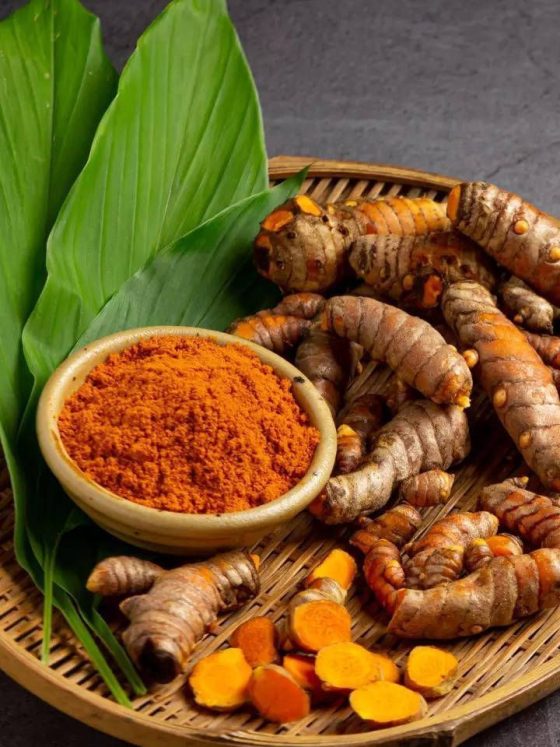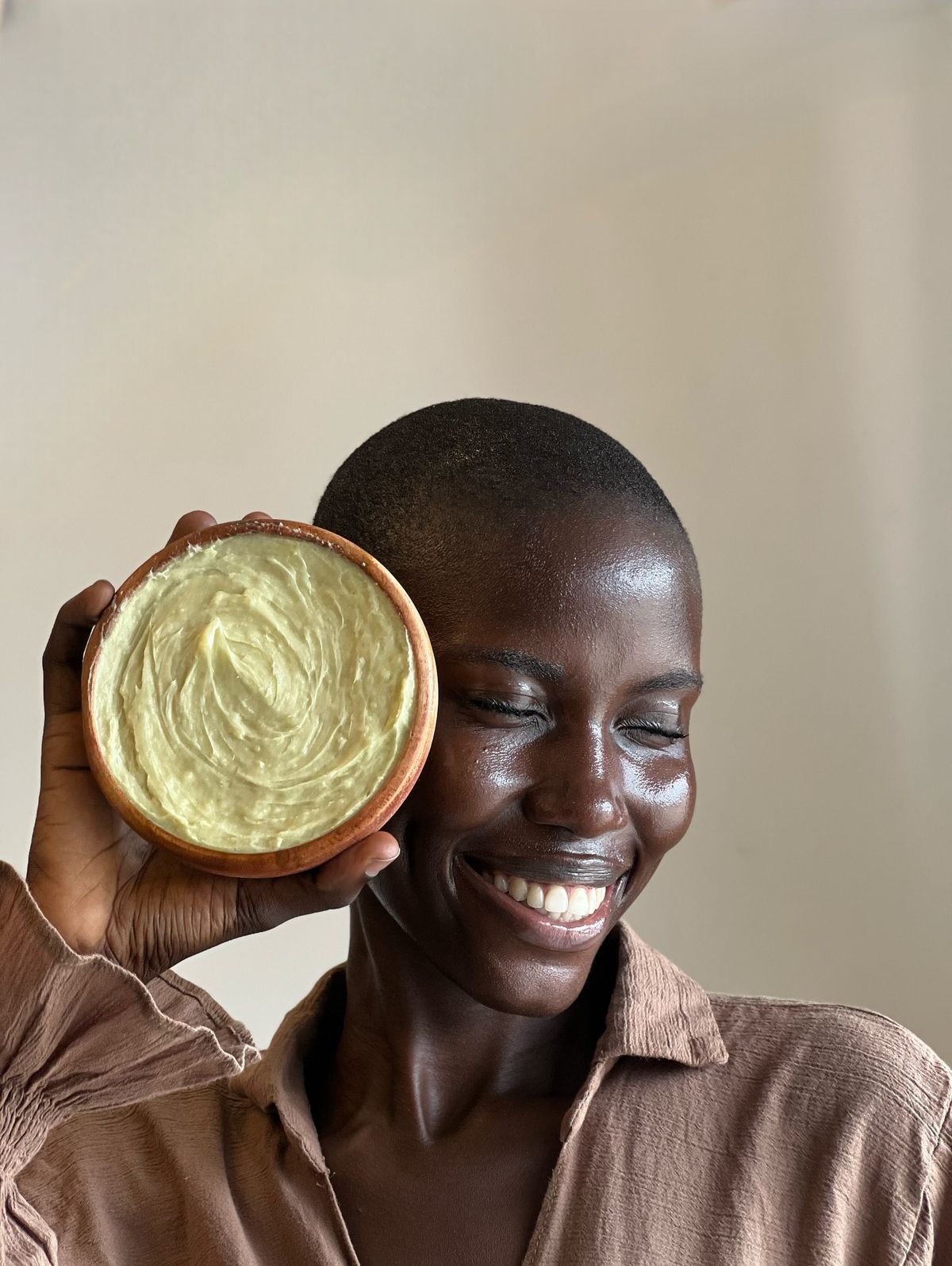
I’m melanin. Growing up, my mother never used to stress about buying skincare. I, in fact, didn’t understand what skincare meant until I became a teenager. This is simply because the only equivalent to skincare I knew of was “Ori” shea butter. And regardless, I had glass skin even when I was going through puberty. Before serums were bottled and before “clean beauty” became a global trend, African women were already blending botanicals, oils, and plant ashes into powerful skin remedies. Their methods were passed down like heirlooms, not because they were trendy, but because they worked.
Today, the world is finally catching up. African ingredients, once tucked inside village markets and family rituals, now walk the same global stage as retinol, ceramides, and hyaluronic acid. And their renaissance is not just about skincare. It is shaping identity, rewriting narratives, and opening new possibilities for Nigeria’s beauty and fashion ecosystem.
Discover the history, science, and cultural power of African skincare ingredients and how they are shaping modern beauty and Nigeria’s growing fashion industry.
A History Written in Oils, Roots, and Rituals
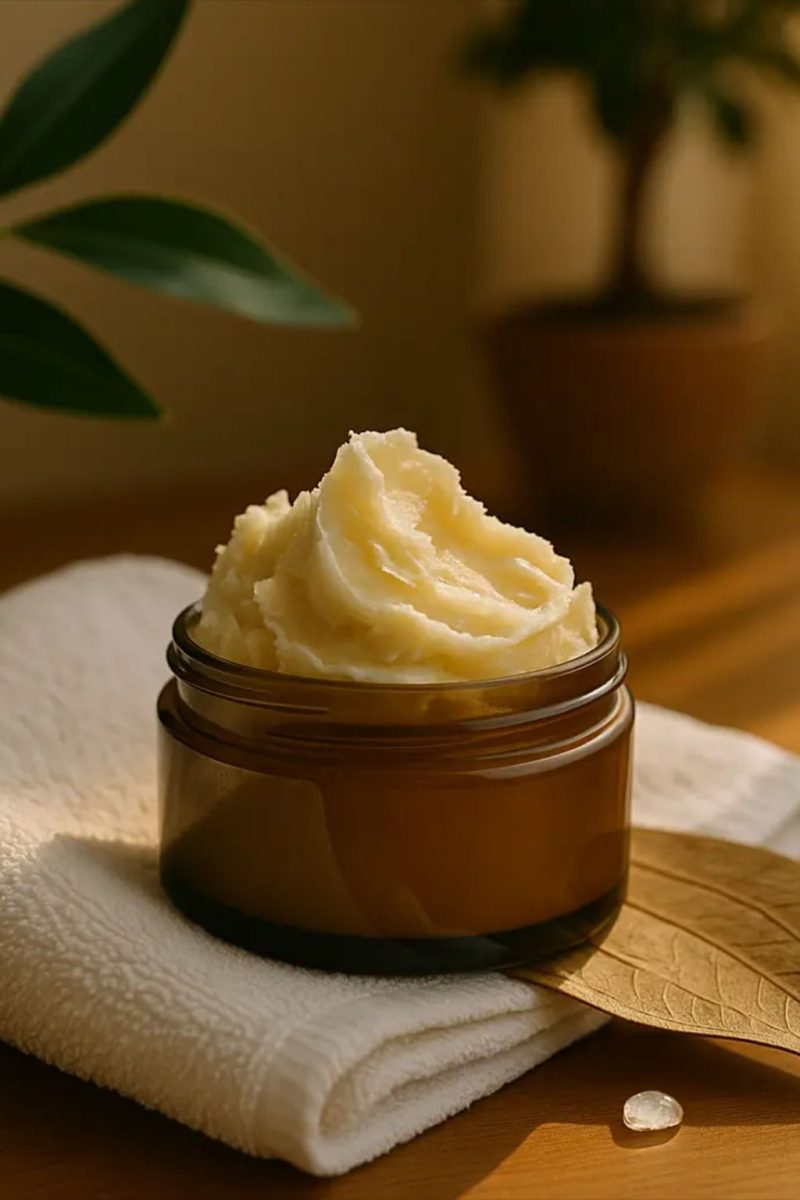
Long before beauty brands began using the word “heritage”, Africa had already defined it. Shea butter, often called “women’s gold”, has been crafted for centuries by communities across Northern Nigeria, Ghana, and Mali. Its use went far beyond moisturization; it protected skin from harsh climates, treated wounds, and prepared brides for marriage ceremonies.
In North Africa, Berber women preserved argan kernels the same way jewellers guard their precious stones. Baobab oil, hibiscus petals, moringa seed oil, African black soap, and kigelia extracts were part of everyday life from the Sahel to the Cape — natural, effective, and deeply cultural. Readers interested in incorporating African botanical ingredients into a contemporary skincare routine can explore African botanical skincare products on Etsy, particularly handmade soaps, body oils and botanical formulations.
Despite this rich archive, colonial beauty standards pushed African formulas aside for decades. But history has a way of resurfacing when the world needs it most. As the global industry searches for authenticity, sustainability, and plant-powered efficacy, African ingredients have become impossible to ignore.
For readers interested in exploring shea-based skincare products, browse shea butter skincare products on Amazon and look for listings that clearly identify the ingredients, formulation and intended use.
Read Also:
Science Meets Tradition—And the Results Are Powerful
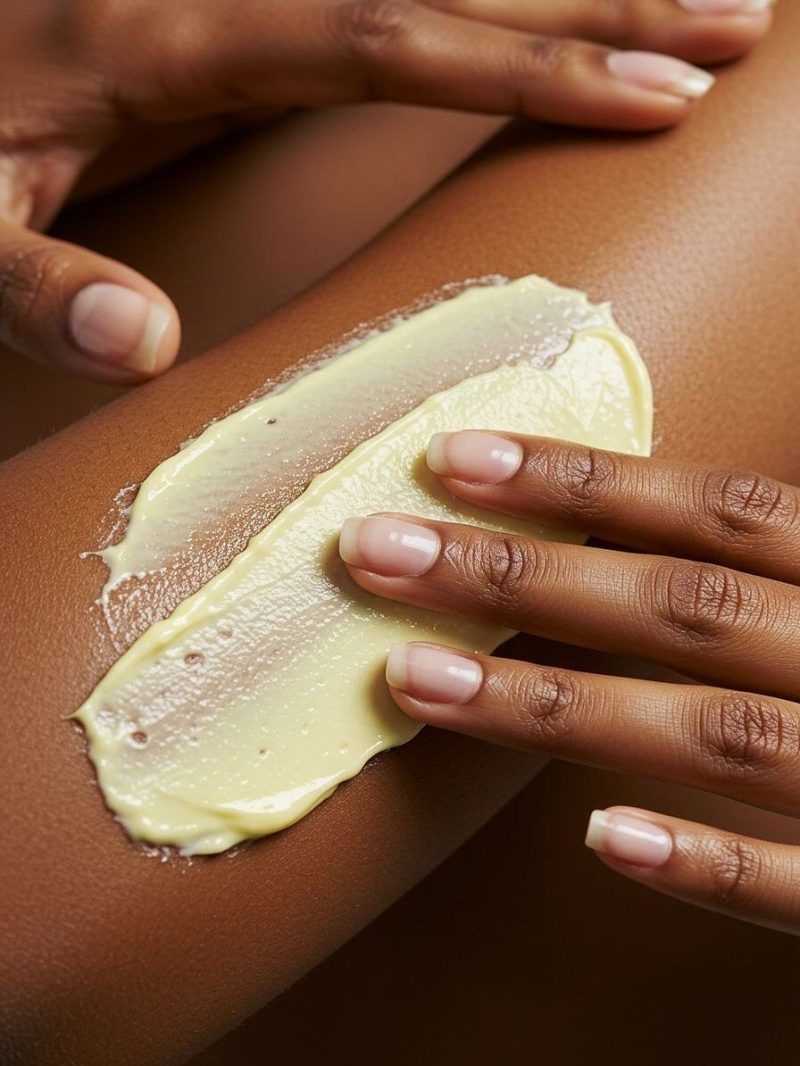
Modern research is validating what generations knew intuitively. Shea butter’s fatty-acid profile makes it one of the world’s most effective natural moisturisers. Argan oil delivers antioxidants that rival high-end serums. Baobab and marula oils soothe dry or inflamed skin and strengthen the skin barrier. Hibiscus offers gentle exfoliation with its natural alpha-hydroxy acids. Rooibos is a powerhouse of polyphenols. For readers who want to explore oil-based skincare inspired by these botanical traditions,browse baobab, argan and botanical facial oils on Etsy for products from independent makers.
These are not myths. They are measurable benefits supported by dermatological research and growing clinical studies.
Even African black soap, a staple of Yoruba and Ghanaian communities, is gaining recognition for its glycerin content, antimicrobial properties, and gentle cleansing capabilities when formulated appropriately. For readers curious about trying African black soap, explore African black soap products on Amazon and pay attention to the ingredient list and formulation, especially if the product is intended for facial use.
African ingredients are no longer positioned as “alternatives”. They are emerging as global contenders: clean, potent, culturally grounded, and economically empowering.
Beyond Beauty: How This Movement Strengthens the Nigerian Fashion Industry
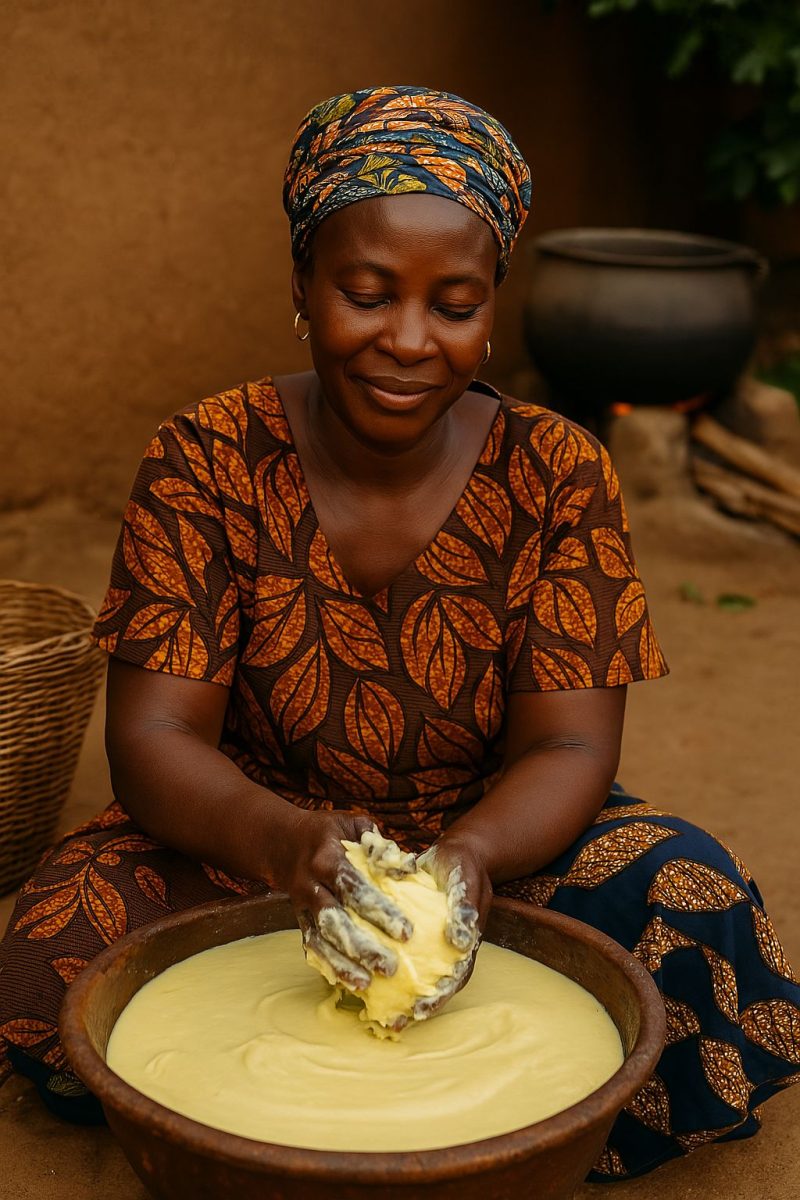
Skincare has become a silent partner in fashion. A glowing face elevates editorial shoots, runway moments, and street-style statements. As Nigeria’s fashion industry expands — with designers exploring Afro-luxury aesthetics and content creators pushing bold narratives — a renewed interest in African beauty essentials strengthens the ecosystem.
Here’s how:
1. Aesthetics and Editorials
Nigerian beauty brands using shea, moringa, baobab, or hibiscus create products that deliver the skin clarity needed for HD photo shoots, beauty campaigns, and high-fashion moments. Editorial teams are increasingly choosing homegrown skincare because it reflects authenticity in storytelling.
For beauty enthusiasts interested in bringing some of these botanical ingredients into their own routines, explore African-inspired skincare and beauty products and compare formulations based on the ingredients rather than the marketing language alone.
2. Economic Power and Local Sourcing
When beauty brands source shea or baobab oil locally, rural cooperatives—many led by women—benefit. This kind of commerce fuels economic mobility, supports families, and creates long-term sustainability for fashion-related industries such as modelling, photography, and brand production.
3. Strengthening the Afro-Luxury Movement
Imported textures no longer define African luxury. Brands like Omiren Styles now find synergy with skincare brands showcasing indigenous ingredients. Together, they present a unified African aesthetic: luxurious, rooted, and global.
4. Beauty and Fashion Events
Runways, exhibitions, and fashion weeks increasingly collaborate with skincare brands. Nigerian formulations built on African botanicals offer pre-runway prep, backstage treatments, and after-show care, further merging both worlds.
The Future: More Research, More Innovation, More Ownership
The next chapter of African skincare is not just about exporting ingredients but building homegrown brands driven by science and storytelling. Nigeria’s creative economy is ripe for this evolution, as chemists, aestheticians, farmers, and fashion creators can collaborate to build an industry that is both lucrative and culturally respectful.
Imagine: African luxury skincare houses standing beside global heritage brands. Editorial spreads that pair aso-oke couture with marula-infused radiance. There are beauty campaigns that honour the women who formed these traditions.
Such an evolution is not wishful thinking — it is already happening.
Conclusion
African ingredients are not trends; they are timeless. Their journey from ancestral wisdom to global acclaim reflects a continent reclaiming its narrative, one product at a time. And as Nigerian fashion continues its rise, these botanicals are becoming more than skincare staples; they are part of a cultural reawakening.
Beauty rooted in Africa is beauty with history, science, and soul, and the world is finally paying attention.
5 FAQs
- Are African skincare ingredients suitable for all skin types?
Yes. Many, such as shea butter, marula, and baobab oil, work for dry or sensitive skin, while lighter oils like Kalahari melon suit oily or acne-prone skin.
- Is African black soap safe for the face?
It can be, but it depends on the formulation. Some versions are drying. Always patch-test and follow with a moisturiser.
- Are these ingredients backed by science?
Yes. Their fatty acid profiles, antioxidants, and anti-inflammatory properties are supported by growing dermatological research.
- How do these ingredients support Nigeria’s fashion industry?
They improve model-ready skin, create economic opportunities through local sourcing, reinforce Afro-luxury narratives, and enhance fashion-editorial storytelling.
- Are African botanical ingredients sustainable?
Most are sourced, mainly through cooperatives that practice responsible harvesting. Ethical brands prioritise fair trade and environmental protection.