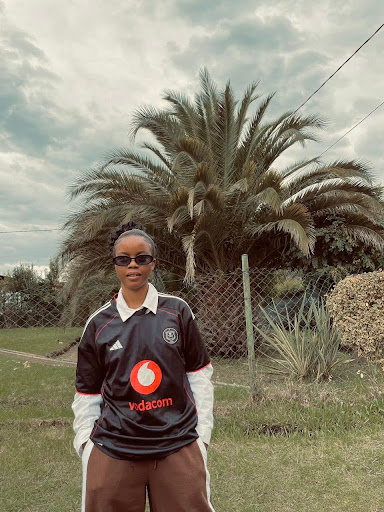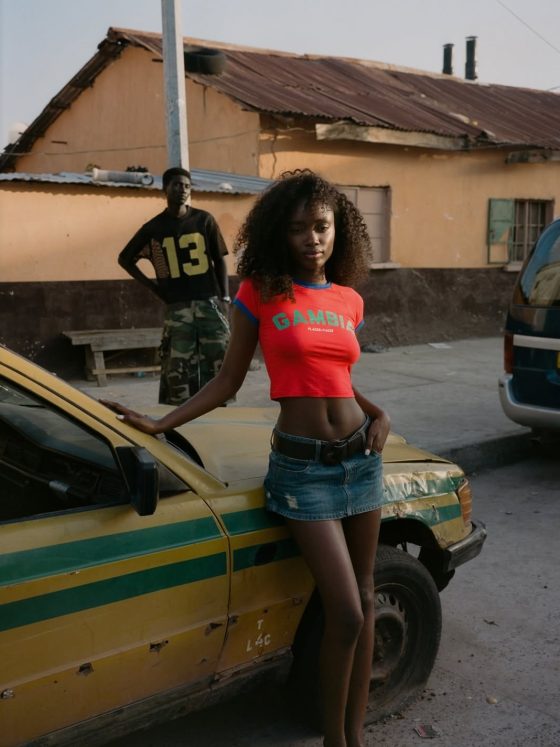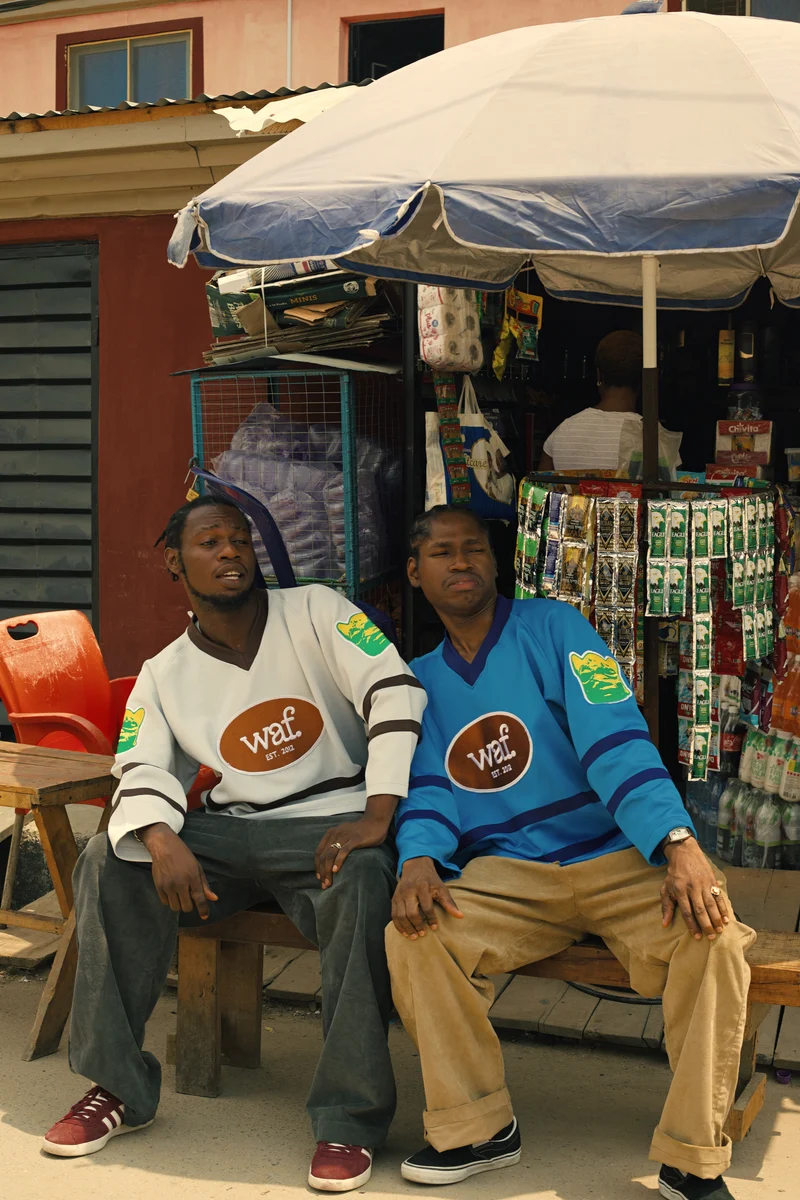
WAFFLESNCREAM was supposed to travel from Lagos to Tokyo in April 2020. The occasion was Japsule, a collection the Nigerian skatewear label planned to launch in partnership with Awa’Tori. The pandemic stopped the trip, but the project still reached audiences in Tokyo. In a November announcement, WAFFLESNCREAM reported that the product launch took place on 17 October with Pizza Slice and the Oasics Skateboarding team. The collection brought together a raincoat, reversible bucket hat, waterproof shorts, socks and a graphic T-shirt. Its title was direct: “Japsule, Made in Japan”. The announcement paired Japanese manufacturing with a Tokyo launch, while the label behind the clothes remained based in Lagos.
Those details offer a concrete starting point for exploring Japanese and African streetwear. You don’t need to infer a relationship from similar silhouettes or familiar graphics. Japsule had named participants, identifiable products and a documented event. The more interesting question is how that international appearance fits into the life of a label built around skating in Lagos.
Inside WAFFLESNCREAM’s Japanese-made Japsule collection and Tokyo launch, with the Lagos skate community and its clubhouse shop at the centre of the story.
Before the Collection, a Place to Gather
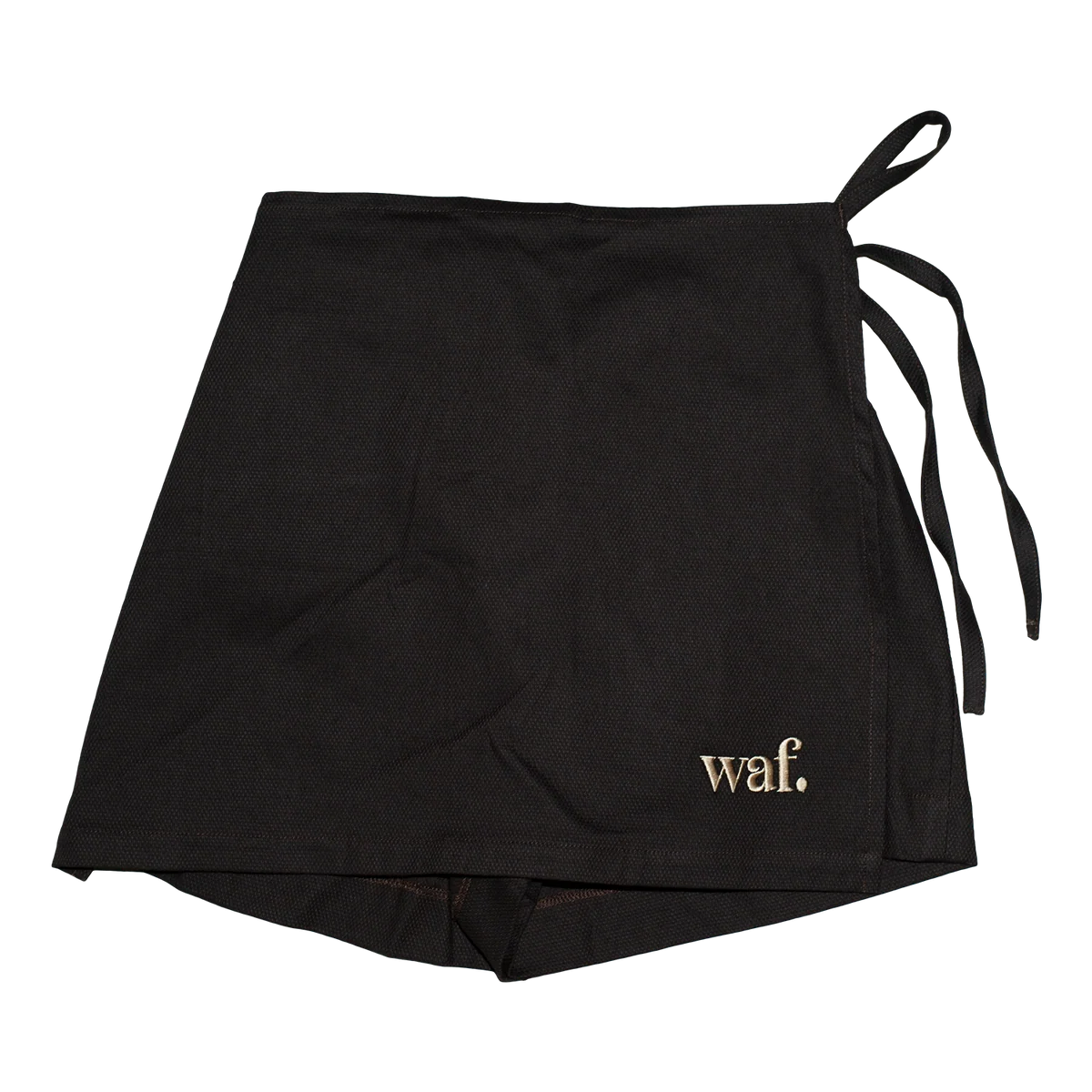
WAFFLESNCREAM describes itself as a streetwear label expressing itself through skateboarding. Its account of its beginnings recalls an art exhibition organised with friends and family to support the opening of a flagship space on Victoria Island. The shop became a gathering place for creatives. Independent reporting supplies a clearer picture of what that meant in practice. In 2017, Vogue’s Chioma Nnadi visited a shop displaying made-in-Africa decks and photographs of the crew. Cofounder Jomi Marcus-Bello explained that skaters could come there to escape the heat and spend time together. “It’s actually more like a clubhouse than a store,” he said.
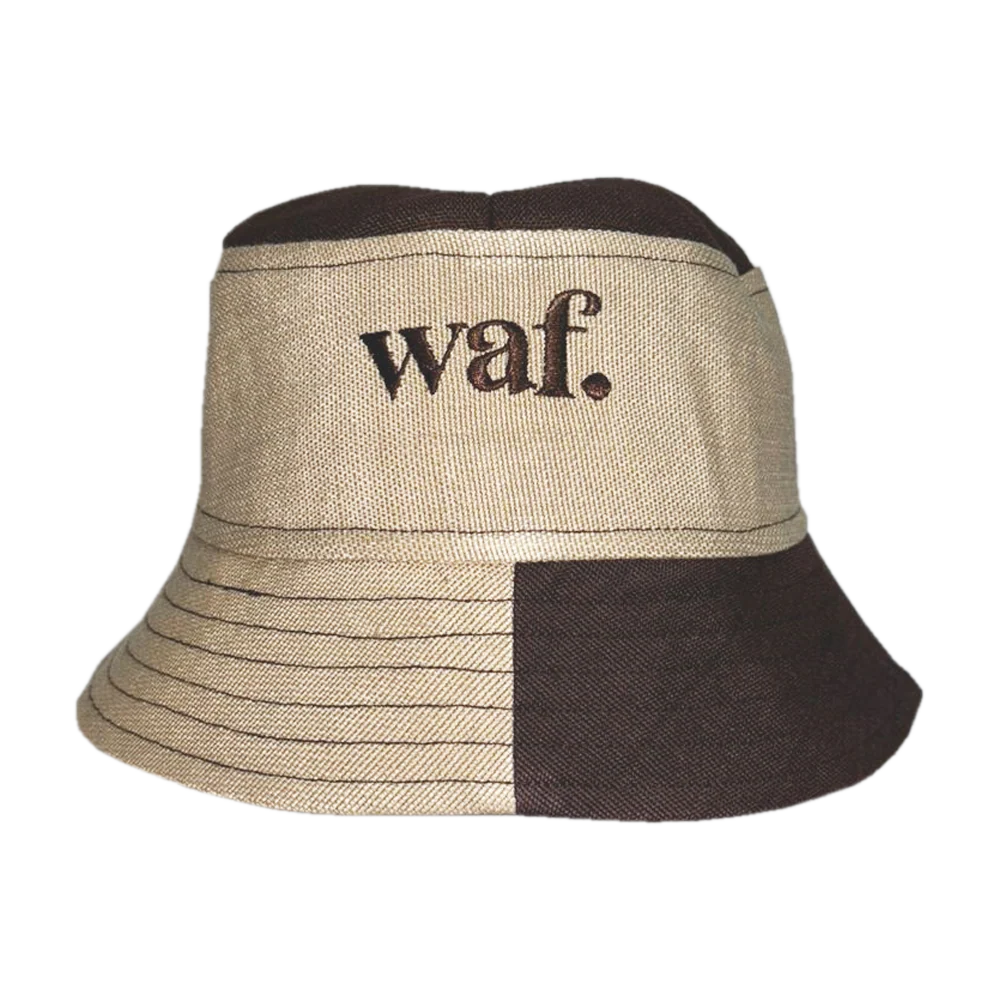
A clubhouse has a different relationship with clothing from a shop concerned only with moving stock. People return because of who else is there, what they do together and the activities around which the space is organised. In Nnadi’s account, the products sat within that social setting rather than substituting for it. Her reporting also followed connections between skating, surfing and Tarkwa Bay. Bucket hats bearing the location’s name were among the products tied to the crew’s relationship to the area. A Lagos place became part of the clothing because it belonged to the community’s experience.
This was already part of WAFFLESNCREAM’s history before Japsule. The label did not arrive at the Tokyo project as an abstract expression of “African creativity”. It had a shop, people who used it and local references carried through its products.
What Happened Between Lagos and Tokyo
The Japsule announcement identifies two stages in the release. There was the planned April trip, associated with the Awa’Tori partnership, and the subsequent October launch, for which Pizza Slice and the Oasics Skateboarding team received separate credits. The published account does not set out who handled design development, production coordination or each aspect of the launch. It is therefore a record of the project’s participants and events, rather than a complete production history. Nevertheless, the involvement of a skateboarding team gives the Tokyo presentation a specific connection to WAFFLESNCREAM’s own practice. The label was not simply showing skate-associated clothes in an unrelated setting. Its announcement placed another skate community within the release.
That is where the story becomes more precise than a general claim about Japanese influence. A manufacturing location tells us where a collection was made. A launch tells us where it was presented. Named collaborators tell us something about the people involved. None of those facts, on its own, explains the origin of every design decision. Keeping them separate allows the exchange to remain interesting without making it carry an argument the evidence cannot support.
Reading the Clothes Without Inventing Their Meaning
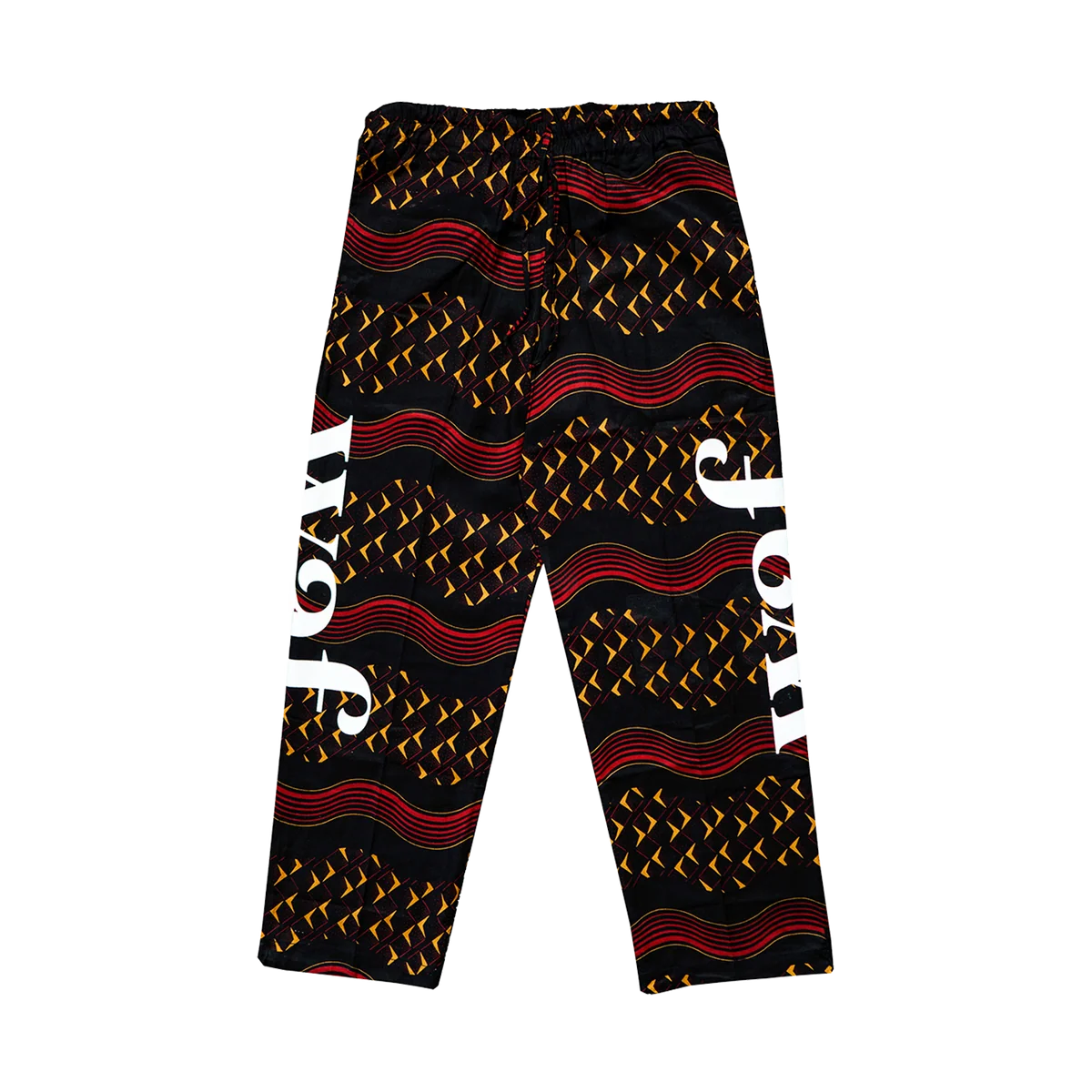
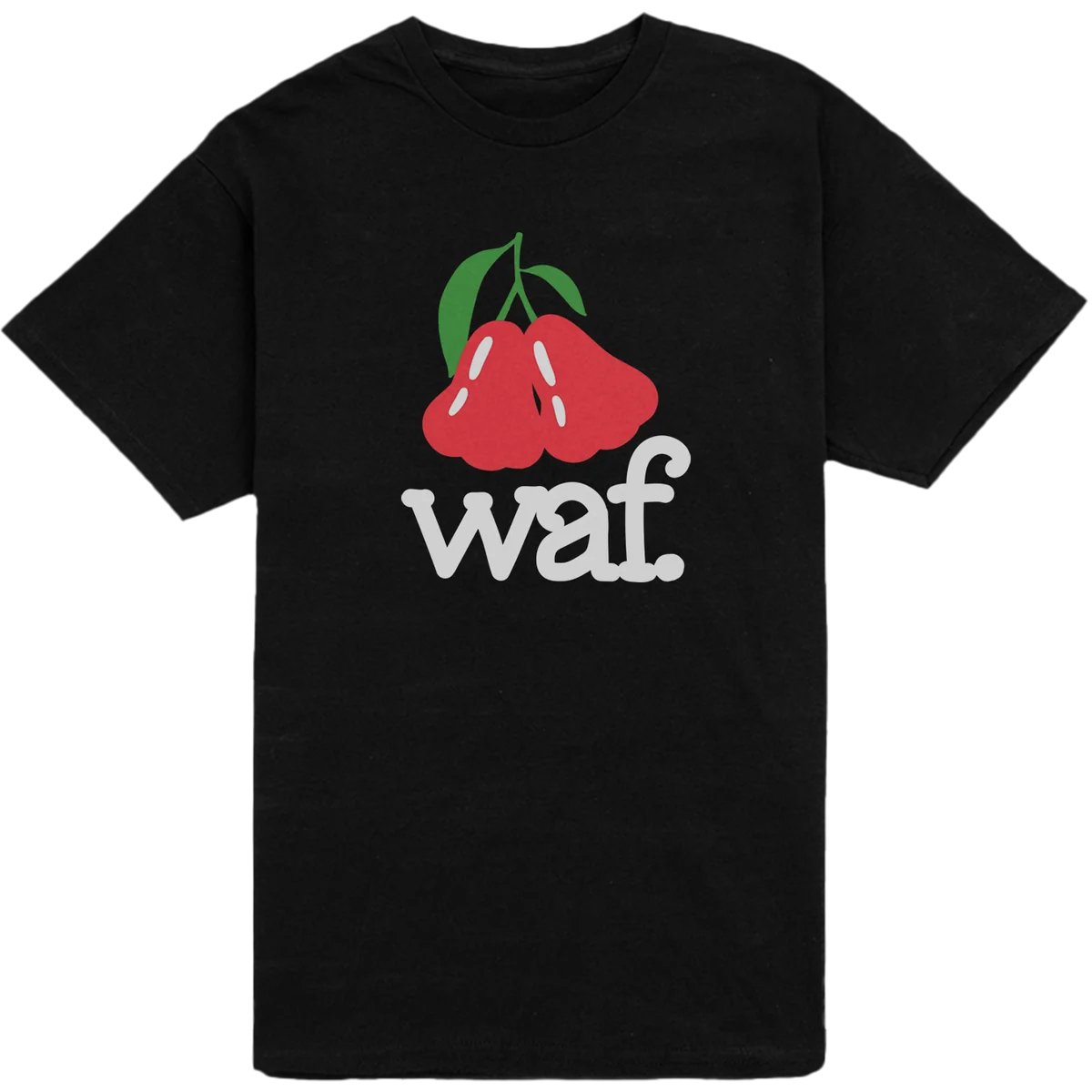
Japsule’s product list suggests a collection intended to be encountered through individual pieces: outerwear, shorts and accessories rather than one prescribed head-to-toe outfit. The raincoat and waterproof shorts introduced weather-related functions into the offer, while the reversible bucket hat provided a distinctive product feature. The graphic T-shirt was identified as the “buddha peace, love and unity” tee. These details establish what WAFFLESNCREAM offered. They do not provide enough information to attribute a particular construction method or design language to Japan. A bucket hat cannot establish a line of influence simply because it appears in the wardrobes of skaters in different cities. Nor does a graphic’s name tell us who developed it or how its meaning was discussed during production.
The collection is better understood here through its release context. These were garments and accessories presented by a Lagos skate label, identified as Japanese-made and launched in Tokyo with named collaborators. The connection is documented even where the design process remains less visible. That distinction also keeps the clothing from disappearing beneath a broad cultural metaphor. Japsule was a specific capsule, not evidence that two continents shared a single streetwear aesthetic.
A Release Addressing More Than One Audience
Tokyo was not the only destination in the announcement. WAFFLESNCREAM directed customers to its then-international store while identifying an ITA T-shirt as exclusive to Nigeria. The distinction is worth retaining. The release communication did not offer precisely the same thing to every audience: it combined an international sales route with a Nigeria-specific item. That doesn’t explain how the collection sold or the commercial reasoning behind the exclusivity. It does, however, prevent the Tokyo event from becoming the entire story. Nigeria remained an explicitly named part of the release.
For a label whose shop had functioned as a clubhouse, that detail placed the international project alongside an ongoing address to customers at home. The announcement looked outward without speaking only to an overseas audience.
The Lagos Work Continued
WAFFLESNCREAM’s later activity extended the connection between products and places to skate. In July 2022, it announced a skatepark project in partnership with Freedom Park, outlining proposed workshops, competitions, lessons, camps and screenings. Reporting by The NATIVE in September 2026 described the concrete park as having opened in 2024 and hosting skate sessions, competitions, film screenings and music events. The proposed infrastructure had become a working gathering place. The park cannot explain what motivated Japsule several years earlier. It does show why an account of the label should look beyond individual releases.
The clubhouse and skatepark are different spaces, but both put gathering at the centre of the story. Clothes circulated alongside an effort to provide somewhere for the activity itself. That is a more substantial local context than treating Lagos as a name attached to internationally circulating products. It also offers a specific entry point into Omiren’s wider coverage of Lagos street style: not a claim about how an entire city dresses, but an example of how one community organises part of its clothing culture.
Another Tokyo Setting
Five years after Japsule, WAFFLESNCREAM appeared in the organiser’s listing for Tokyo Africa Selection 2025. The temporary event at Seibu Shibuya was scheduled for 16–22 September and also listed PITH Africa, OBIDA and AAKS among its participants. This was a different kind of appearance: a multi-brand department-store event rather than the launch of Japsule with a skateboarding team. It records another route through which a Tokyo audience could encounter the label. It should remain a separate chapter. The listing does not establish that the 2020 partnership continued, but it does add a later retail setting to the documented Lagos–Tokyo connection.
The Omiren Argument
Japsule is strongest as a story about relationships, not as proof of a sweeping influence. WAFFLESNCREAM named a partner, identified the collection as made in Japan and documented a Tokyo launch involving a skateboarding team. Those particulars are more useful than a broad declaration that African streetwear was looking east. The Lagos history gives those particulars their context. Before Japsule, the label’s shop already served as a clubhouse, and its products referenced places within the crew’s experience. The international appearance belongs within that history rather than replacing it.
For Omiren, the critical task is to follow those connections closely: who participated, what was released and where people encountered it. Japsule does not need to explain every relationship between Japanese and African fashion. A specific collection linking a Lagos skate label with Japanese manufacture and a Tokyo launch is worth documenting on its own terms.
Also Read:
- Nigeria’s Streetwear Revolution: Culture, Craft & Afrofuturism
- Lagos vs Accra: Two Cities, Two Dress Philosophies, One Contested Crown
- Afrocentric Streetwear as Cultural Argument: Why Dakar, Kampala, and Monrovia Are Setting Global Youth Style
- When Style Becomes Language: Africa’s New Fashion Movements
Frequently Asked Questions
What was WAFFLESNCREAM’s Japsule collection?
It was a collection documented in November 2020 titled “Japsule, Made in Japan”. The listed products included a raincoat, reversible bucket hat, waterproof shorts, socks and a graphic T-shirt identified as the “buddha peace, love and unity” tee. The announcement linked Japanese manufacturing with a Tokyo launch, while the label remained based in Lagos.
Who participated in the project and launch?
WAFFLESNCREAM identified Awa’Tori as its partner for the planned launch. It separately credited Pizza Slice and the Oasics Skateboarding team in connection with the October Tokyo event. The published account does not set out who handled design development or production coordination, so it records participants and events rather than a complete production history.
When did the Tokyo launch take place?
According to WAFFLESNCREAM’s announcement, the product launched on 17 October 2020, after the pandemic prevented the planned April trip from Lagos to Tokyo. That trip was associated with the Awa’Tori partnership. The announcement itself was published in November and credited Pizza Slice and the Oasics Skateboarding team for the launch.
Where is WAFFLESNCREAM based?
WAFFLESNCREAM identifies Lagos, Nigeria, as its base and skateboarding as the activity through which the label expresses itself. Its account of its beginnings recalls an art exhibition supporting the opening of a flagship space on Victoria Island, and Vogue’s 2017 report quoted cofounder Jomi Marcus-Bello describing the shop as more like a clubhouse than a store.