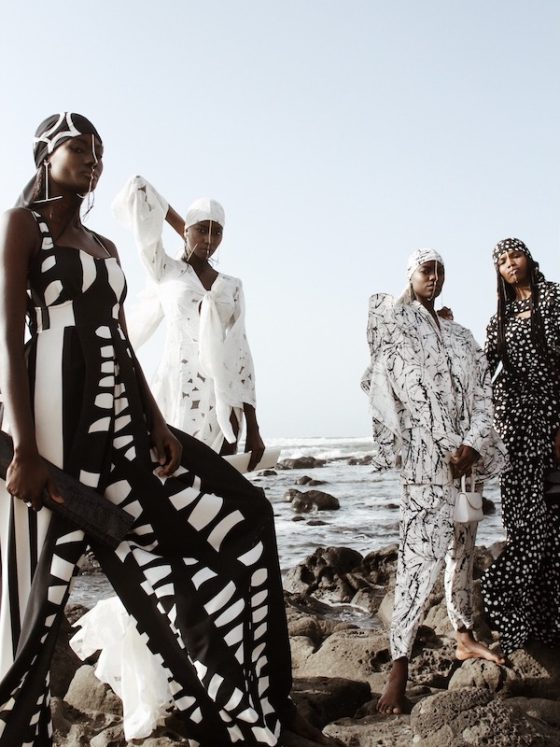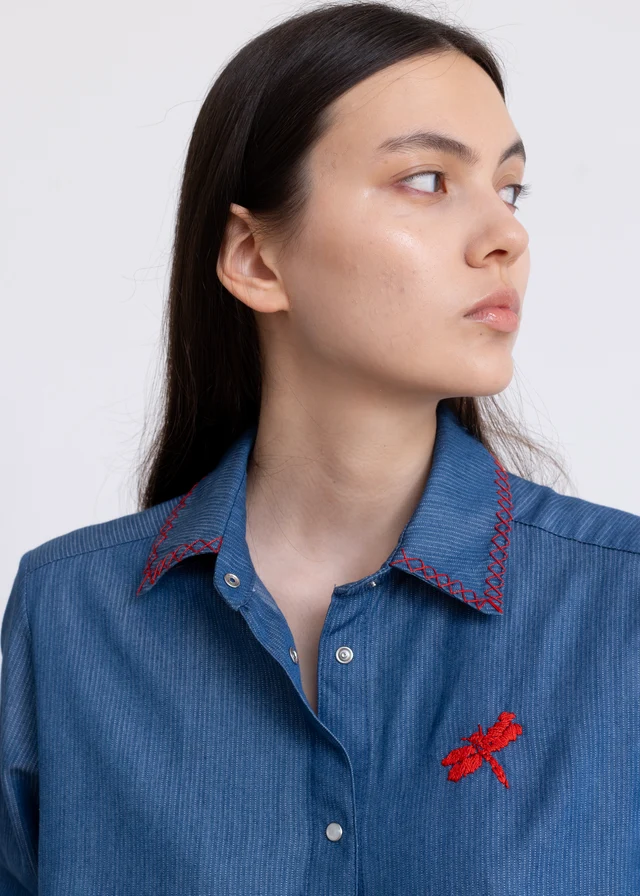
Michal Mangisto’s label connects contemporary design with embroidery and community collaboration. Its durability depends on how that relationship works: for the designer, the makers and the customers who return.
Reporting status: This provisional analysis draws on AKAL’s website and Mangisto’s published interview. It does not include new interviews with the founder, a participating embroiderer or an independent Ethiopian-Israeli specialist. Independent verification of employment arrangements, production capacity, and commercial performance has not been conducted.
Michal Mangisto’s account of AKAL begins with women’s collective work. The label’s website recalls her mother and other women picking cotton, weaving and embellishing white dresses with colourful fabrics and patterns. Mangisto later named the fashion house after her mother, linking the business to the person who first introduced her to that practice. According to her published account, she established AKAL in 2018 and introduced it on the runway at Tel Aviv Fashion Week in 2019.
“A heritage story can open the door to a collection. The working arrangements behind it decide whether the business stays open.” Omiren Styles Editorial Intelligence
That history provides a creative starting point, but the business question concerns how the relationship operates today. AKAL describes women from the Ethiopian community embroidering pieces under Mangisto’s guidance and presents fair employment as a central value. The proposition joins a designer’s individual direction with knowledge held and practised by others. Assessing it requires looking at how those contributions become garments, how the work is organised, and whether sales can sustain the people involved.
In this context, cultural stewardship is not separate from the commercial model. If embroidery contributes to a label’s identity and value, the arrangements behind that embroidery belong at the centre of its business analysis. The founding narrative explains why Mangisto wants to do the work. Ownership, credit, compensation and demand determine how that intention can endure.
It is worth being plain about what this piece can and cannot do. It reads the published material closely and asks what a durable business would need to show. It does not claim to know how AKAL actually operates day to day, because the people best placed to say it, the makers themselves, have not yet been heard in this reporting.
Michal Mangisto’s AKAL connects contemporary design with embroidery by women from the Ethiopian community. Here is what the published record shows, and what a durable business model still needs to prove.
From Family Memory to Design Practice
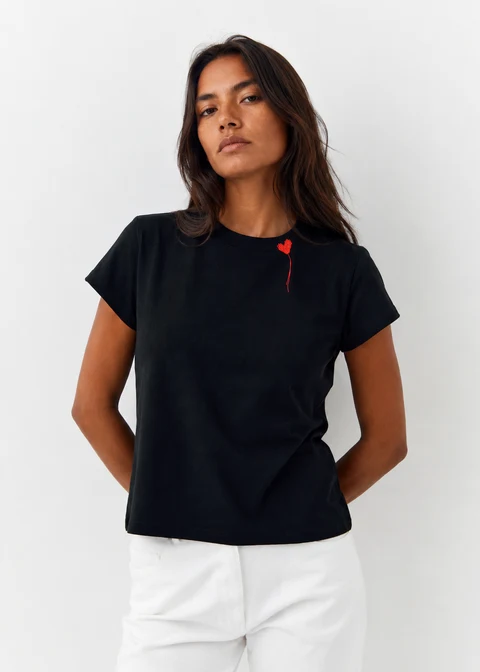
In a March 2023 interview on JewishArts.org, Mangisto described her first collection as rooted in ideas of movement, shelter, and comfort. She used substantial amounts of fabric and circular patterns to suggest protection for someone moving between places, an approach she linked to earlier research on roaming and transitions. This gives AKAL a more particular design language than the broad description “heritage-inspired”. It highlights choices about form and the relationship between clothing and the body, rather than relying solely on embroidery’s cultural associations.
That distinction matters both creatively and commercially. Mangisto’s childhood memories inform her work, but they don’t prove that Ethiopian dress has one fixed aesthetic. A useful assessment must therefore stay close to the pieces she designs and the references she identifies, rather than treating every silhouette or pattern as representative of an entire culture. Her account supports reading AKAL as an individual practice shaped by inherited knowledge; it does not justify calling the label the first, only, or definitive expression of Ethiopian-Israeli fashion.
The same specificity is needed when evaluating the product. A founding story can introduce a customer to a collection, but the garment must also succeed through its fit, construction, finish and use. Those qualities cannot be established from the designer’s intentions alone. The available interview explains what Mangisto wanted her early work to communicate, while leaving room for the next stage of reporting: examining a named piece and understanding how its design, embroidery and production contribute to the finished result.
Who Makes the Work, and on What Terms?
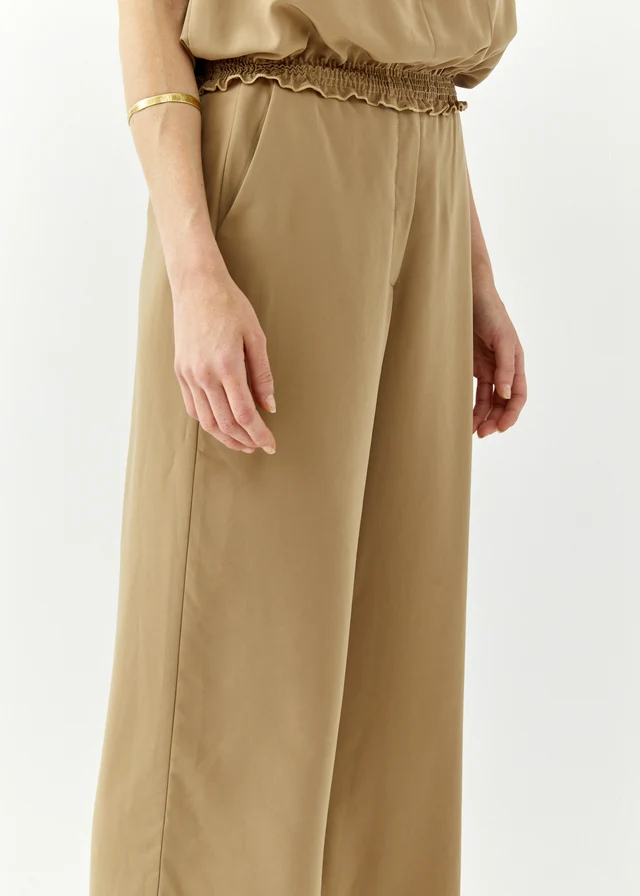
AKAL’s published descriptions place participating women within the making process, but do not establish the full distribution of creative authority. The website describes embroidery produced under Mangisto’s guidance; her interview links this involvement to opportunities for women in the Ethiopian community. Those statements identify a relationship without specifying whether an embroiderer executes a finished pattern, interprets a brief, develops motifs or proposes changes during production. Each arrangement can involve substantial skill, but they should not be described as interchangeable forms of authorship.
Following one garment from initial brief to completion would clarify that relationship. The relevant account would identify who develops the pattern, chooses colours, resolves technical problems and approves revisions, then explain how those contributions are acknowledged if the design is produced again. This is not an attempt to diminish Mangisto’s role as founder and designer. It describes that role accurately alongside collaborators’ knowledge and decisions. Recognition should also reflect participants’ preferences: public naming is one possibility, but meaningful credit must be agreed rather than imposed.
Payment requires an equally practical account. AKAL presents fair employment as a value, and Mangisto repeats that commitment in her published interview. This analysis has not independently verified the claim through contracts, payment records or testimony from participating makers. The distinction is between an articulated intention and an assessed working arrangement, not between an assumed promise and an assumed failure. An interview with a maker would need to establish how assignments are offered, how payment is calculated, whether sampling and revisions are compensated and how reliably work becomes available.
Regularity matters because occasional commissions, predictable freelance work, and employment provide different kinds of security. A satisfactory payment for one piece does not, by itself, establish dependable income; nor does a flexible arrangement necessarily have the same value for every participant. The maker’s account must therefore stand as evidence in its own right, including what she finds useful, difficult or open to improvement. Without that perspective, the model’s social purpose remains described primarily through the founder and the company.
Can the Product Support the Model?
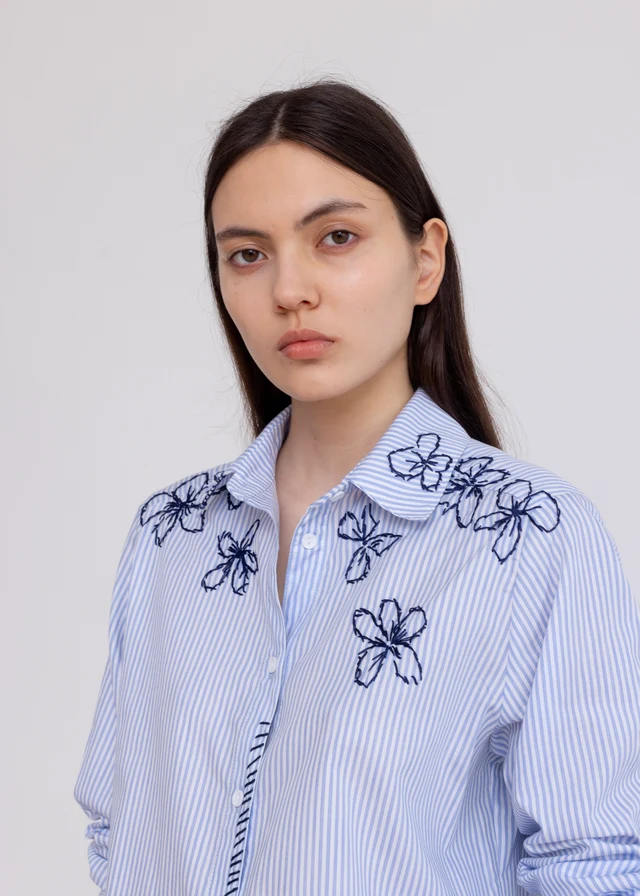
AKAL’s online shopfront establishes a direct public-facing sales channel. Still, the material retrieved for this analysis does not support a verified assessment of product margins, sales volumes or repeat purchasing. Individual prices could not be reliably matched to every garment in the extracted page, so they should not be used to construct a financial comparison. The next useful unit of analysis is not a collection of uncertain price points but one identifiable garment with a confirmed selling price and a documented production process.
For that piece, the reporting should connect materials, making time, embroidery, finishing and selling costs. This would show how the retail proposition relates to the work behind it, without assuming that a high price proves generous compensation or that a discount proves financial difficulty. A visible selling price is not a margin, and neither is it a reliable measure of what a particular maker receives. The more consequential question is whether the amount customers actually pay supports the production arrangements the brand says it values.
Capacity belongs in the same discussion. AKAL’s website emphasises handcrafted work and clothing intended to resist seasonal limitations. Still, this analysis has not verified production schedules, lead times or the number of pieces participating makers can reasonably complete. A durable model need not pursue maximum volume. It does need to align accepted orders with available time, agreed payment and consistent quality. Increased demand helps only if the business can respond without making unrealistic commitments to customers or shifting pressure onto makers.
That alignment also depends on demand patterns. Mangisto’s account of the 2019 runway introduction establishes a milestone in AKAL’s public development, not continuing commercial performance. Repeat customer purchases, renewed stockist orders, and seasonal revenue would better show durability, but those measures aren’t verified here. Cultural meaning may be part of what customers value; it should be examined alongside the garment’s design and quality, not treated as a substitute for sales evidence.
Put simply, a label can be admired and still be fragile. The test of durability is not how well the story is told, but whether orders, payment, and the production timeline align season after season.
The Omiren Argument
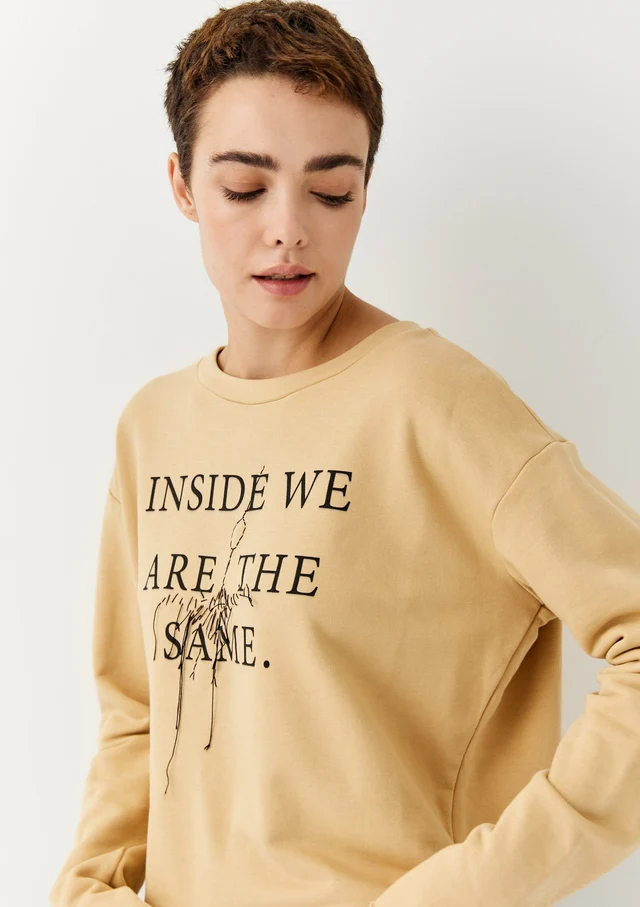
AKAL’s stated ambition connects Mangisto’s design practice with embroidery knowledge and opportunities for women from the Ethiopian community. That is a coherent proposition, but you cannot assess its cultural and commercial claims separately. If collaborative making helps distinguish the clothes, the people doing that work are central to the label’s economics as well as its identity. The business analysis must therefore move between creative decisions, working arrangements and the prices customers are willing to pay.
The next stage of reporting needs to establish those connections through a garment, a maker’s account and practical business evidence, with an independent Ethiopian-Israeli specialist providing context beyond the company’s narrative. Until then, AKAL offers a clearly articulated ambition rather than a verified account of a durable model. The decisive test is whether the business can sustain the people and knowledge that give its cultural proposition substance.
Also Read on Omiren Styles: