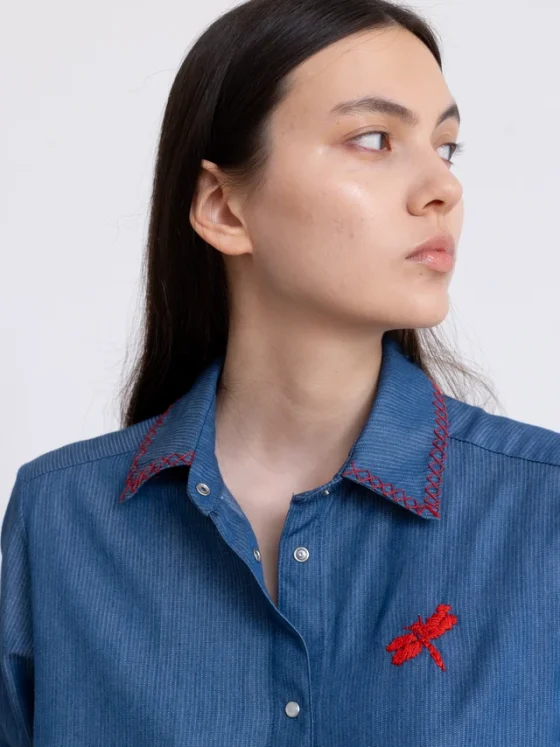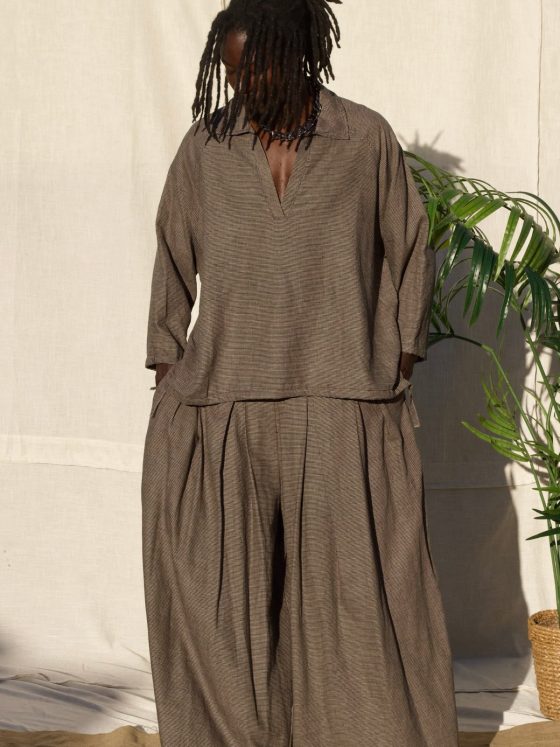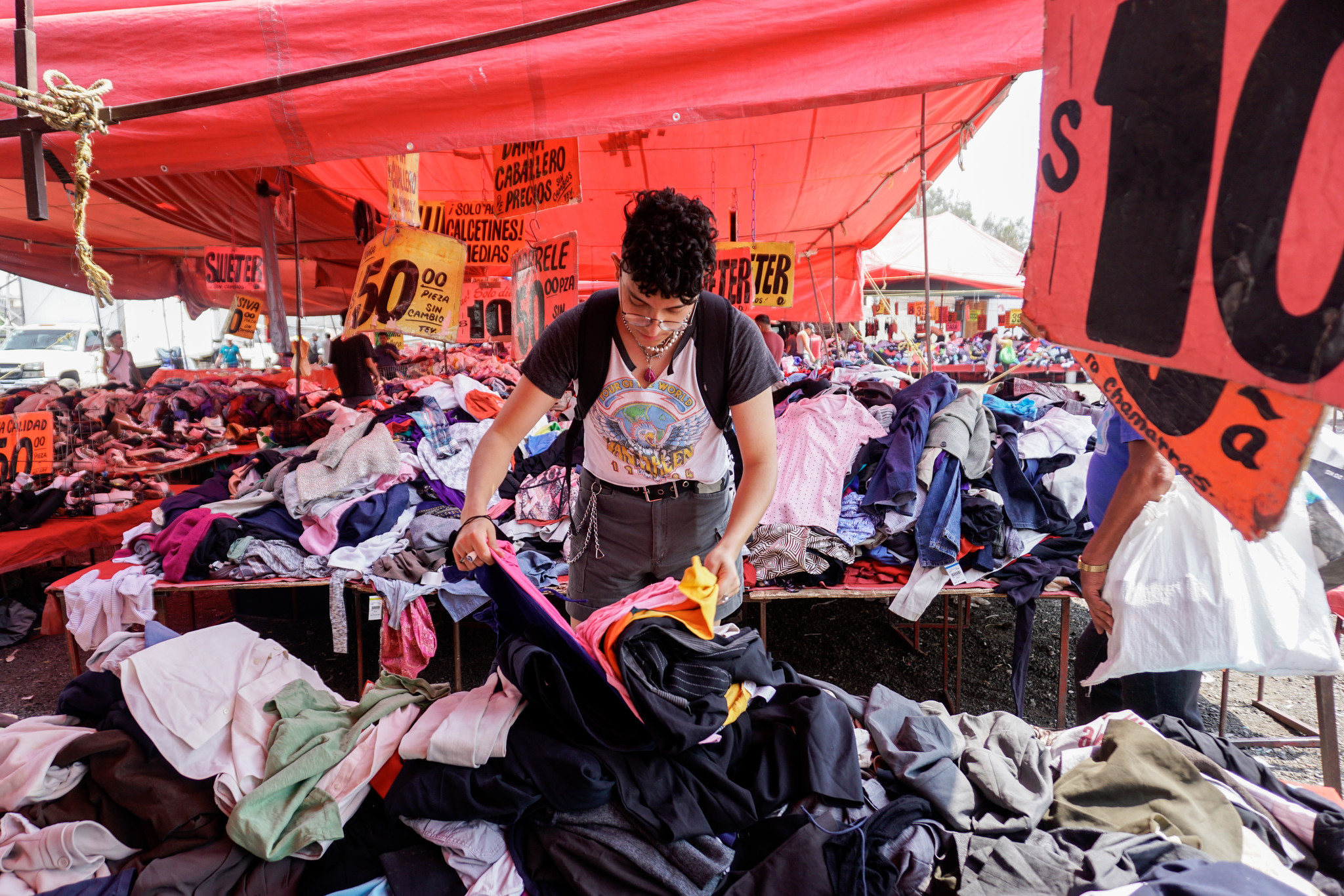
When a garment doesn’t work out, the customer must start another journey, and the retailer must decide how much of the cost to absorb.
An online fashion purchase in Mexico can end with three different propositions. Zara offers free store returns but deducts MXN69 per request for returns through a delivery point. H&M lists an MXN60 parcel-return charge. Mango advertises free home collection. The policies, checked on 18 October 2026, attach different costs and practical demands to the same outcome: a customer has received something they cannot keep.
“An online sale should not be judged complete merely because the parcel arrived. Its commercial value also depends on what happens when the customer cannot keep it.” Omiren Styles Editorial Intelligence
The differences extend beyond price. Zara and Mango calculate their published online return windows from shipment; H&M starts its window at delivery. A seemingly similar 30-day policy does not necessarily give customers the same time to decide.
Together, these terms expose three connected pressures in online fashion: uncertainty about the garment before purchase, the cost of returning it, and the wait for the transaction to be resolved. Retailers must address all three without making their next sale less attractive. The commercial problem is not simply that clothes come back. It is who carries the cost when the original purchase fails.
Zara, H&M and Mango charge differently for returns in Mexico. Industry data points to sizing, product information and fulfilment failures as the real drivers. Here is what the evidence actually shows.
A Popular Category Under Pressure

Fashion’s prominence in Mexican e-commerce should not be mistaken for uninterrupted growth. Reporting published by Modaes on 19 March 2026, drawing on the Asociación Mexicana de Venta Online’s Estudio de Venta Online 2026, said fashion lost relative weight in Mexican shoppers’ online purchasing basket during 2025 as other categories grew more strongly. That describes a change in its position, not necessarily a fall in its absolute sales.
In October 2026, AMVO market research and business intelligence director Daniela Orozco said purchase frequency had stagnated for about two years, according to Milenio reporting republished by Zócalo. For retailers, the question is not only how to attract shoppers, but how to give them a reason to return.
At Fashion Digital Talks, Orozco cited fashion return rates ranging between 20% and 40% in some cases, depending on discount periods. The published account does not disclose enough methodology to treat that range as an annual national benchmark. It establishes an industry concern, not proof that a fixed proportion of all Mexican fashion orders comes back.
That distinction matters to the response. A problem concentrated in certain products or promotional periods requires a more specific diagnosis than a headline about shoppers returning too much. The aggregate figure may be accurate and still point in the wrong direction if it obscures where the failures are actually happening.
Before Purchase: What Can the Customer Know?
Sizing sits at the centre of that diagnosis, but an item that “does not fit” does not always show the shopper chose carelessly. In the October reporting, Orozco attributed more than 70% of fashion returns to product errors or discrepancies, principally garments not fitting. The published summary does not separate those causes sufficiently to describe the figure as a sizing-only statistic.
Steve Madden e-commerce operations representative Dante Sánchez offered a more operational account at the same event. He identified differences between photographs and the delivered product, inadequate descriptions, and sizing problems as issues retailers need to investigate. His account places the product page inside the returns process. A garment can be delivered correctly but still fail to match the expectation created before checkout.
The response should follow the cause. Measurements address one uncertainty; descriptions of cut, material and construction address others. A customer may need more than a nominal size to understand how a garment is intended to fit. This is worth dwelling on: sizing guides and size charts help, but they don’t replace information about how a cut sits on the body, whether a fabric has stretch, or how a collar behaves in practice.
Sánchez also cautioned against judging products solely by return rates. A popular item may return often because it sells often. Retailers need to relate returns to sales and examine the reasons before deciding that a product is the problem. The objective is not to eliminate the possibility that a customer dislikes something. It is to identify which disappointments better information could have prevented.
After Delivery: The Second Journey
Other failures begin with fulfilment rather than fit. Sánchez identified delays in order fulfilment or delivery among the issues requiring attention. He distinguished problems that should go back to product teams from those requiring warehouse or transport changes. That separation prevents the wrong remedy. A better size guide cannot repair a late dispatch, just as faster transport cannot correct an inaccurate photograph.
Once a return is requested, the retailer must manage a second movement of goods. Orozco identified inventory handling, customer service, and potential margin losses as consequences for brands. The published accounts do not provide a costed, end-to-end example of a returned garment in the Mexican market. They therefore cannot establish a typical reverse-logistics cost. They do show that returns involve more than paying a courier: the retailer must also receive, assess, and account for an item previously recorded as sold.
The return route determines how much of that second journey the customer organises. Zara’s Mexican policy permits free store returns or a paid return through an Estafeta delivery point. H&M provides store and parcel options. Mango advertises home collection without a collection charge. These are different service designs, not merely different prices.
A store return may suit a customer already visiting a branch. Someone making a dedicated trip faces another calculation. Home collection removes that journey but requires arrangements for handing over the parcel. “Free” consequently describes a specified retailer charge, not the customer’s entire experience. Travel, packaging, and time still matter, but policy documents alone can’t quantify their burden.
After Return: When Does the Purchase End?
The return deadline is only one clock. Refund processing creates another. H&M’s Mexican policy states that refunds go to the original payment method and describes a bank-dependent period before the amount appears. Mango likewise specifies the original payment method and says the timetable varies with the return route.
Receiving a parcel, approving a return, and making the money available again are distinct events. A clear process needs to explain which has happened. That visibility is also an operational challenge. Reebok e-commerce head Adriana Rivera Contreras described earlier procedures that involved checks across separate platforms and manual updates before moving to integrated returns management, according to October 2026 reporting.
Integration can help employees trace a transaction and communicate its status. It does not, by itself, prove that every refund becomes immediate. For customers, predictable information may matter as much as the headline return window: where the item is, whether it has been accepted, and what remains outstanding. Published policies establish the retailer’s promise. They don’t establish how consistently the retailer fulfils it. Without documented shopper cases, public sources can’t measure the gap between those two.
An Exchange Can Solve the Problem or Preserve It

Retailers have a commercial reason to offer alternatives to refunds. In October reporting, Reebok and Steve Madden representatives said they prioritise exchanges, including replacement products and incentives such as free shipping. An exchange can satisfy both sides when a customer wants the garment in another size. The retailer retains the purchase; the customer receives something usable.
But retained revenue is not a sufficient measure of resolution. A customer who no longer wants the item needs a clear refund route, not only an attractive replacement offer. This distinction should shape how you assess performance. Converting a refund request into an exchange may preserve an order. Whether it preserves the relationship depends on whether the alternative answers the customer’s actual problem.
There is also a longer-term consideration here. A customer who gets a satisfactory resolution to a difficult return is more likely to buy again than one who feels steered away from a refund they were entitled to. The exchange proposition works when the customer genuinely wants to exchange. When they do not, the conversation needs a different outcome. Retailers that conflate these two scenarios will measure retention without measuring satisfaction.
The Omiren Argument
Mexico’s online fashion market lacks a uniform returns experience. Retailer policies differ in their charges, deadlines and collection arrangements, while industry accounts identify failures spanning product information, fulfilment and post-purchase administration.
The useful test is therefore not simply whether fewer garments come back. It is whether retailers prevent avoidable disappointment and make the remaining failures straightforward to resolve. That requires accurate information before payment, workable options after delivery and a refund process customers can follow.
An online sale is not complete merely because the parcel arrived. Its commercial value also depends on what happens when the customer cannot keep it. The stagnation in purchase frequency Orozco described likely relates to this point. Shoppers who have had a difficult returns experience do not always leave a formal complaint. They sometimes just buy less.
Also Read on Omiren Styles: