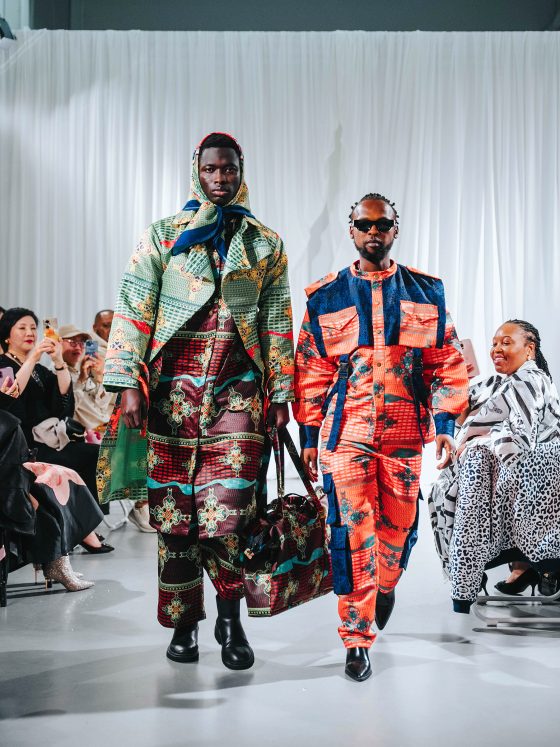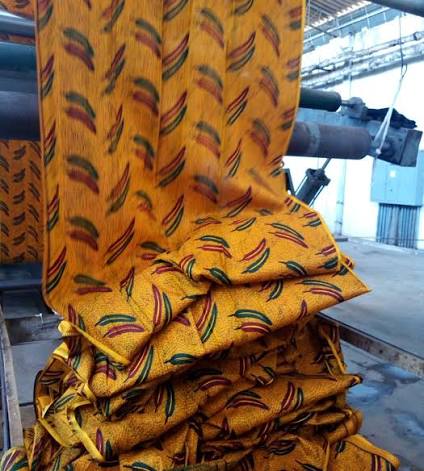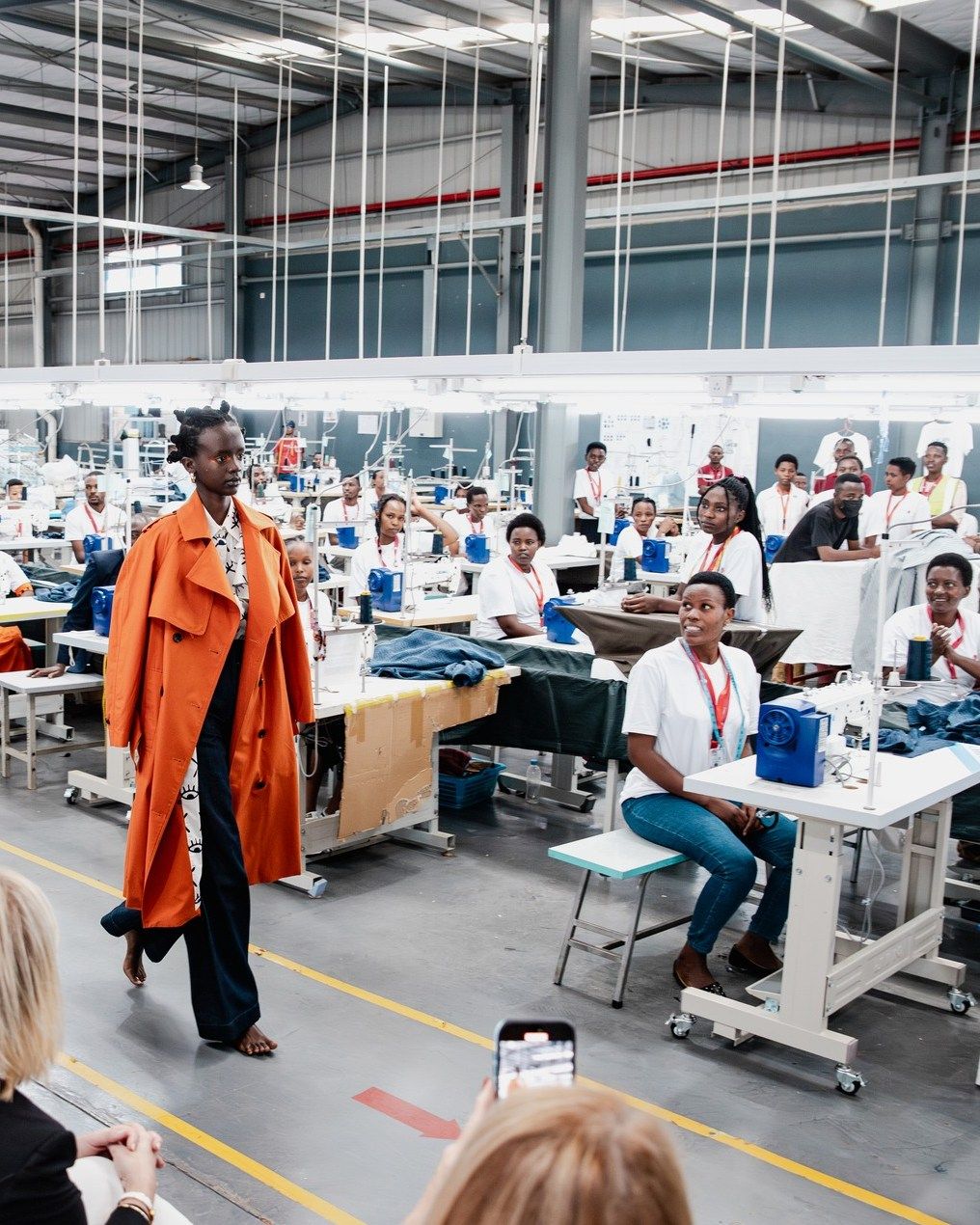
By 2025, small-batch, high-frequency production had begun to replace the traditional mass-production model as the dominant direction in global fashion manufacturing.
As Greendimple Fashion documented in March 2026, customers no longer merely inquire about price but are more concerned with response speed, communication efficiency, and the ability to engage in long-term cooperation. The industrial model built for maximum volume at minimum unit cost is being supplemented, in many market segments, by a specialist model built for maximum quality and responsiveness at the unit quantities that characterise most fashion brand production outside the mass-market tier. That shift is global. In the context of African fashion, it is particularly significant, because it validates the production model that most African fashion brands have been operating not by choice but by necessity, and reframes that necessity as a structural advantage.
Most African fashion brands are not operating at industrial manufacturing scale. They are not going to reach industrial manufacturing scale in the near term. The minimum order quantities, power requirements, capital costs and logistics complexity of industrial-scale production create a threshold that most African fashion businesses cannot currently meet. This has been described, routinely and inaccurately, as a development problem: the suggestion that African fashion’s failure to industrialise is a sign of immaturity, inadequacy or structural underdevelopment that better policy and investment will eventually correct.
The argument this article makes is different. Specialist manufacturing, which builds quality and production intelligence at small-batch scale through atelier, workshop, and craft production, is not a consolation prize for brands that cannot access industrial manufacturing. It is the correct production model for the market stage, cultural outpu,t and commercial position at which most African fashion brands currently operate. The evidence base for treating it seriously as a development pathway, rather than as a temporary compromise until industrial capacity arrives, is substantial and growing.
Small-batch, high-frequency production has become the norm globally. The manufacturing model that African fashion has been characterised as falling short of is itself being replaced by the model that African fashion’s specialist producers have been operating. The question is not when African fashion will catch up with industrial manufacturing. It is how African fashion’s specialist producers can build the quality standards and commercial infrastructure that make small-batch production globally competitive.
The industrial manufacturing model is not the right mfitfor most African fashion brands at their current stage of commercial development. Specialist manufacturing at small-batch scale is not a compromise. This is the case for treating it as the correct model.
What Specialist Manufacturing Is
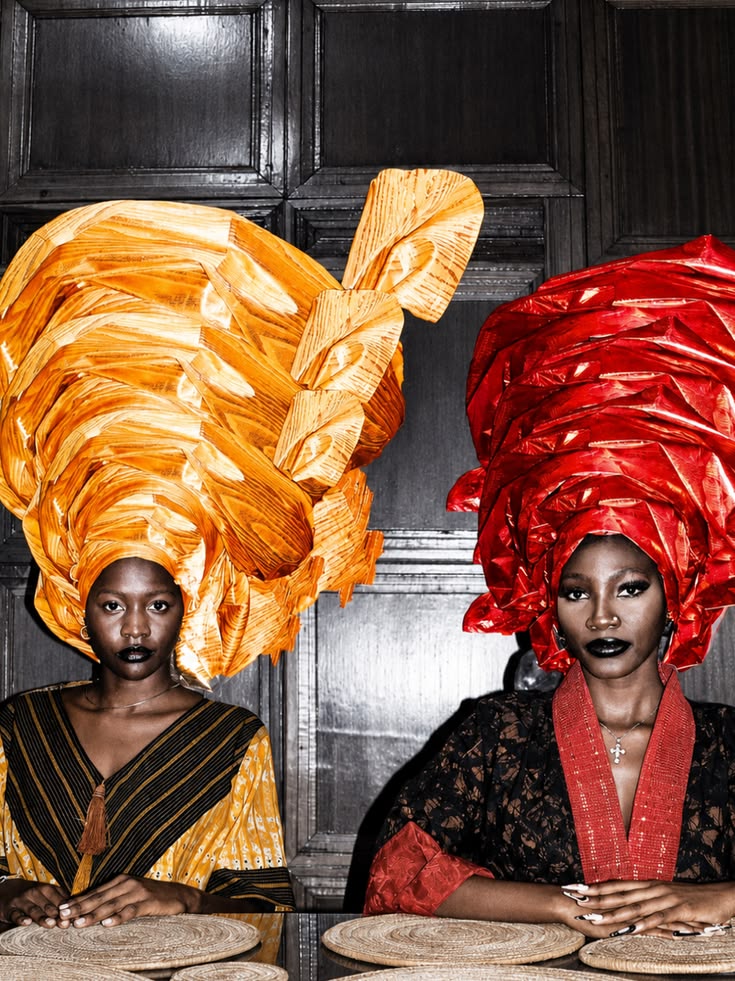
Specialist manufacturing in the African fashion context means production that prioritises craft skill, cultural knowledge, and production quality over volume, with batch sizes calibrated to the brand’s commercial stage rather than to the minimum economic unit of an industrial production run.
It includes the single-artisan atelier, which produces garments individually by hand, with the maker’s specific technical knowledge embedded in every piece. It includes the small workshop, employing between five and thirty people with complementary specialist skills: cutters, sewists, embroiderers, finishing specialists. It includes the craft production system, organised around a specific technique or material tradition whose quality is inseparable from the specific human knowledge that the technique requires. And it includes the hybrid model, in which a brand’s design and quality control functions are managed locally, while specific production processes, pattern making, specialist fabric treatments, or technical construction are managed through partnerships with producers whose specific skills complement the brand’s core production capabilities.
What specialist manufacturing does not mean, in the context of this argument, is production that excuses low standards on the grounds of scale. The small-batch designation describes volume. It is not a description of quality expectations. A garment produced in a ten-piece batch in a Lomé atelier should meet the same quality standard as a garment produced in a five-hundred-piece industrial run in a certified factory. The difference is the production model, not the standard. The argument for specialist manufacturing is precisely that the scale does not change the standard.
The Evidence From the Brands That Have Built It
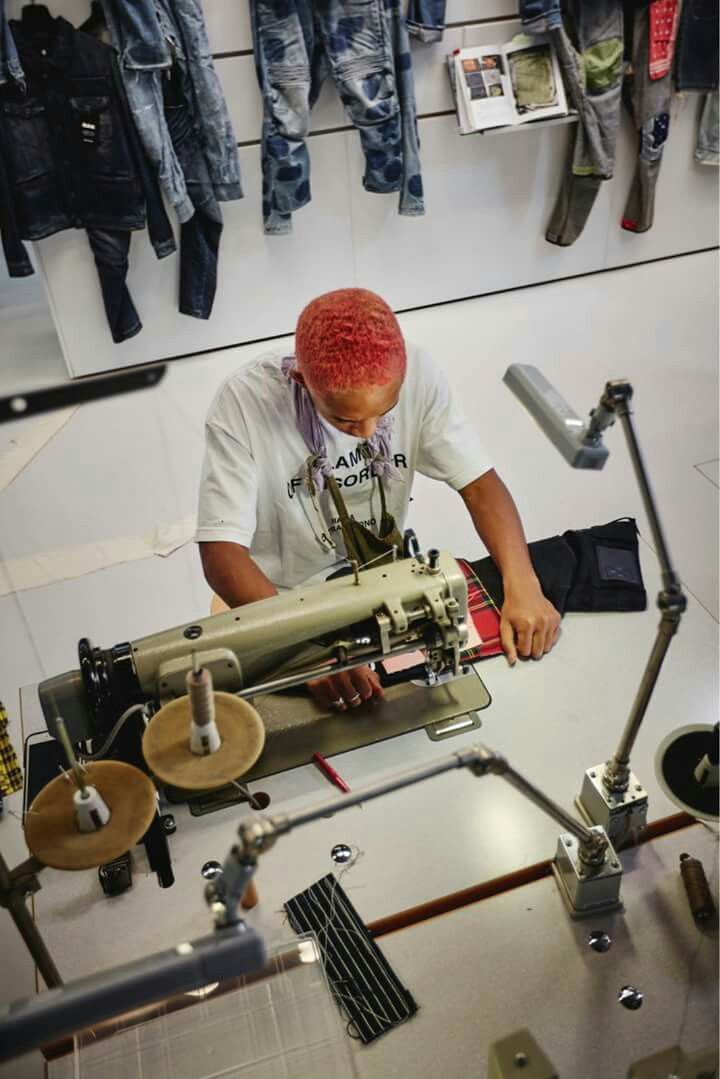
The most compelling evidence for the viability of specialist manufacturing in African fashion is the commercial record of brands that have built it to a standard recognised by international markets.
Nawal Rmili’s YZA, based in Marrakech’s Guéliz district, built its practice around a 100% women’s atelier, where each piece requires between two and seventy hours of production time, depending on its complexity. The brand produces six collections annually. It debuted at TRANOÏ in Paris, the international trade fair where buying decisions for premium international retail are made. It offers a lifetime repair guarantee on every garment it produces. The commercial positioning that those commitments produce, specifically a garment whose production story is inseparable from its quality story, is not available from an industrial manufacturer at any order quantity. It is available only from a specialist producer whose craft knowledge is the product’s primary commercial asset.
Samson Feli, the Togolese fashion brand, produces everything within a forty-kilometre radius of Lomé by hand, using deadstock cotton sourced from major brands’ end-of-series runs, upcycled using the tie-and-dye technique. The brand acts at every level of the garment lifecycle: the cut, recyclability, production methods, and quantities produced. That total production commitment is not possible in an industrial manufacturing environment whose efficiencies depend on standardisation and scale. It is possible, and commercially credible, in a specialist workshop whose production decisions are made by the person who designs the garment, sources the fabric and oversees the making.
Bazara’Pagne, the Togolese brand founded by Lodia Kpodzro, built its commercial presence in Paris on garments produced by fourteen Togolese artisans, each described as unique and handcrafted using wax, kente, and other African fabrics. The brand shipped approximately 150 kilograms of garments monthly to its Paris boutique at prices ranging from 60 to 160 euros. That commercial model is sustained by the artisan production standard. An industrial equivalent at the same price point would not carry the same cultural authority, production story, or quality signal to the customers who pay those prices.
Each of these brands demonstrates that specialist manufacturing in Africa, at its most developed, is not a lower standard of production. It is a different standard of production, one calibrated to cultural specificity, craft knowledge, and commercial quality rather than to production volume, and one whose outputs are legible to international buyers and retail markets that have demonstrated a willingness to pay for those qualities.
The Global Context: Small Batch Is the Direction, Not the Compromise
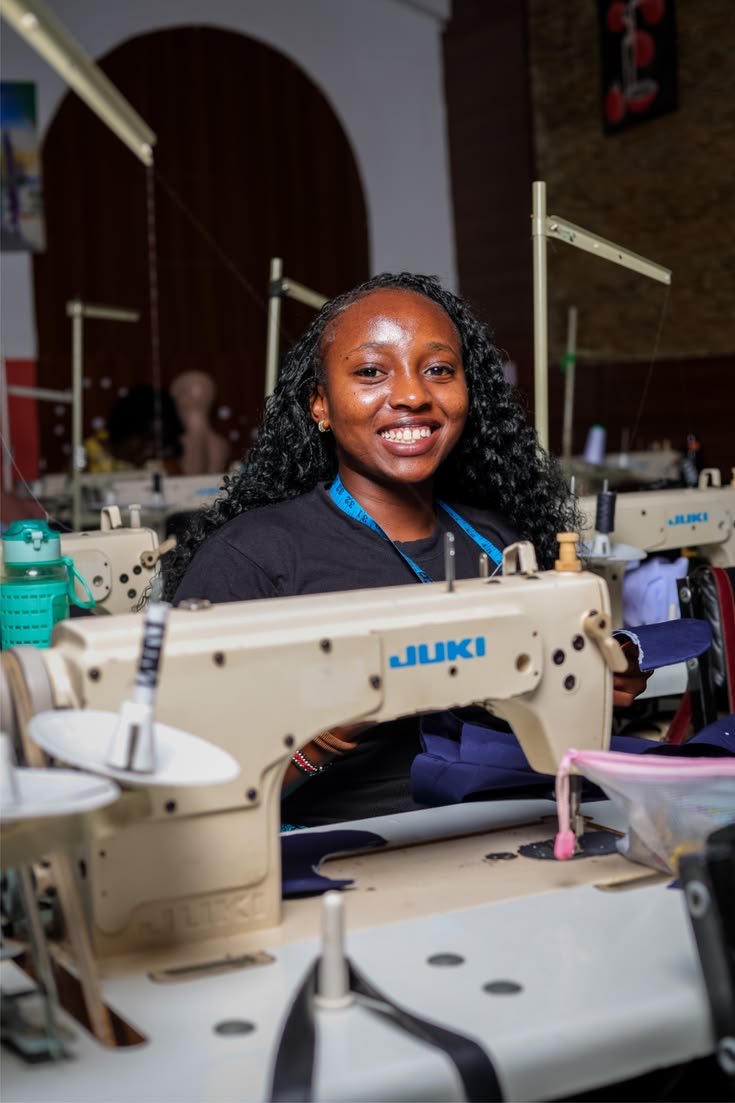
The argument for specialist manufacturing in African fashion is strengthened by the direction of the global manufacturing market rather than undermined by it.
Portugal’s textile sector, which employs 130,000 workers across approximately 12,000 companies, operates with typical minimum order quantities of 50 to 200 units per style and lead times of four to eight weeks for European customers. The Portuguese specialist manufacturing model is explicitly positioned as a competitive alternative to mass production in Asia, and its competitive advantage is exactly what specialist manufacturing in Africa should be arguing for: quality, response speed, communication efficiency, and the cultural specificity of the made-in-location story.
The global fashion brands that are driving the shift toward small-batch production are not doing so because industrial manufacturing has failed. They are doing so because their customers are demanding response speed, product specificity, and production-story transparency that industrial manufacturing at maximum volume cannot provide. The brands winning in this environment are those that can produce accurately and quickly in the quantities their market actually requires, rather than overproducing to reach the minimums of an industrial production run and managing the resulting inventory surplus.
For African fashion brands, this shift creates a specific commercial opportunity. The production model they have been operating, not by choice but by the structural conditions of their market, is the production model that premium global buyers are actively seeking. The question is whether African specialist producers can build the quality standards and commercial infrastructure that would make their production offer recognisable to those buyers at the moment of sourcing.
What Serious Standards Means in the Small Batch Context

The argument for specialist manufacturing carries a specific obligation: the small-batch designation cannot be an excuse for inconsistent quality, missed deliveries, or inadequate specification documentation. Serious standards in the small-batch context mean everything that serious standards mean in the industrial context, applied to the specific production environment of the atelier and the workshop.
It means consistent quality across the batch: all pieces in a ten-unit run meeting the same quality standard as the approved sample, with the same construction, the same finishing, the same measurements within agreed tolerance. The difference between a credible specialist producer and an uncredible one is precisely this: the specialist producer can deliver consistent quality across their batch, however small. The producer who cannot is not providing specialist manufacturing. They are providing irregular production with unpredictable outputs.
It means accurate specification documentation: the technical flat, the construction specification, the measurement chart and the materials specification that allow a buyer to understand what they have ordered and to verify that what they received matches it. The artisan who produces a beautiful garment but cannot provide the documentation required by a buyer’s quality control process has built production skill without building production intelligence. Both are required.
It means delivery reliability: the commitment to a production timeline and the capacity to meet it. A specialist producer who cannot reliably deliver within the agreed timeline is not a production partner for a brand whose buyer relationships are built on delivery performance. The small batch size does not shorten the production timeline automatically. It reduces the number of units in the batch. The time required to produce each unit at the quality standard the specialist model promises may be longer, not shorter, than industrial production. The timeline commitment must reflect that reality and be kept.
As Omiren Styles has documented in its analysis of what production intelligence means for African fashion brands, production intelligence is the specific knowledge that converts creative output into commercially deliverable fashion products. For specialist manufacturers, that knowledge includes the ability to document their practice accurately, communicate their production capabilities to buyers in language buyers can act on, and deliver on their commitments reliably. Those capabilities are not guaranteed by craft skill. They require additional investment in the commercial intelligence layer that sits above the production skill.
Standards Infrastructure for Specialist Producers
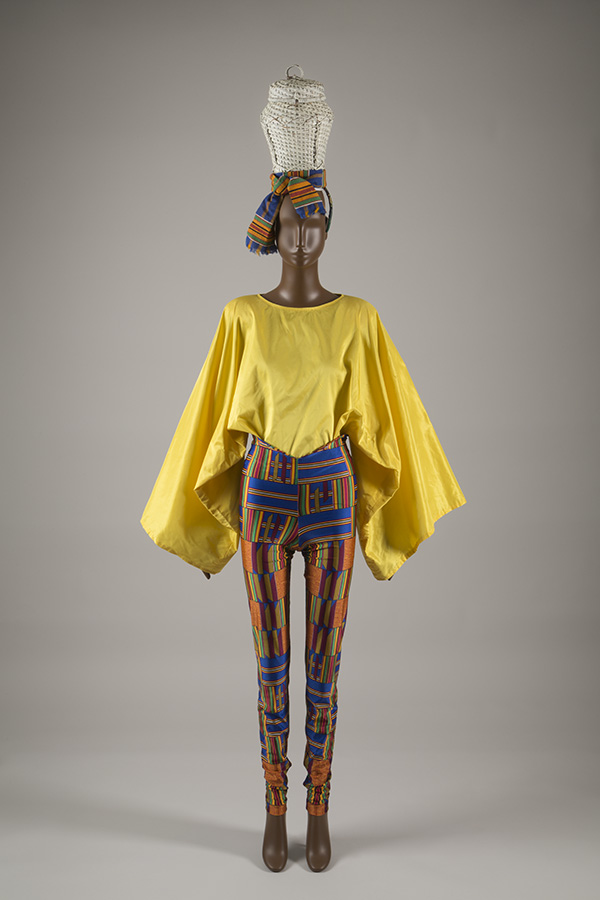
The development of standards infrastructure specifically designed for small-batch and specialist fashion producers in Africa is an institutional gap whose closure would significantly strengthen the commercial position of producers already operating at serious quality levels.
The Ghana Standards Authority’s awareness workshop in September 2026, held in collaboration with the African Organisation for Standardisation (ARSO) and Eco Mark Africa under the AfCFTA framework, represents exactly the kind of institutional investment that African fashion specialist production needs. Harmonised African sustainability standards for cotton, textiles, leather and fashion, applicable under AfCFTA, would give African specialist producers a certification pathway whose scope is calibrated to African production conditions rather than to the industrial export standards that most African specialist producers cannot currently meet.
The peer-reviewed research on Ghana’s apparel production sector, published in the American Journal of Industrial and Business Management in 2025, identified several specific institutional gaps that affect small-batch and specialist producers: limited standard operating procedures, quality assurance systems that are underdeveloped relative to international requirements, vocational training that lacks alignment with industrial production demands, and high employee turnover in small production operations. Each of these gaps has a specific institutional response. Standard operating procedure frameworks tailored to small-scale production operations; quality management certification pathways accessible to businesses below the industrial-scale threshold; vocational training curricula that cover both the craft skills and the production intelligence required for commercial operation; and workforce retention practices relevant to atelier and workshop environments. These are all investable, buildable and scalable institutional interventions. They require the same institutional attention and the same development finance that has been directed toward industrial manufacturing infrastructure, applied to the specialist producer context.
As Omiren Styles has established in its practical framework for fashion manufacturer verification, verifying a production facility’s quality, social compliance, and commercial reliability requires specific evidence fields that most small specialist producers in Africa cannot currently populate through formal certification pathways. Building certification frameworks accessible to specialist producers is the specific institutional gap whose closure would allow buyers to verify the quality of African specialist production using the same evidence standards they apply to industrial producers elsewhere in the world.
The Commercial Argument

The commercial argument for specialist manufacturing in African fashion is not simply that it is the only available model. It is that it is the model appropriate to the products that African fashion is building and the markets it is building them for.
The buyers who are placing orders with African designers through platforms like Industrie Africa, CANEX trade events, and the international buyer missions that Lagos Fashion Week and Colombiamoda facilitate are not buying industrial minimums. They are buying specific pieces in limited quantities at prices that reflect the cultural specificity and the craft quality of the work. They are placing buyers’ bets on the cultural authority and production intelligence of specific brands, not on a factory’s production volume. The commercial conversation is a specialist conversation. The production model should match it.
The brands that have reached the LVMH Prize semi-finals, the Earthshot Prize shortlist and the international retail floors where African fashion is increasingly present have almost all done so through production models that prioritise quality and specificity over volume. That is not a coincidence. It is evidence that the international commercial market for African fashion, at its most commercially ambitious, is a specialist market with specialist production requirements.
The standard that is required to participate in that market is serious. It demands consistent quality, accurate documentation, reliable delivery and the production intelligence to manage all three. What it does not demand is industrial minimum order quantities. The brand that can meet the first three requirements, in batches of twenty, fifty, or a hundred units, is better positioned commercially for the current international African fashion market than the brand that is waiting for the industrial infrastructure that would allow it to meet five-hundred-unit minimums.
The Omiren Argument
African fashion does not need to wait for industrial manufacturing scale before it can be taken seriously by international buyers. It needs to build the quality standards and production intelligence that make specialist manufacturing commercially credible at the scale it currently operates.
The atelier in Marrakech that produces between two and seventy hours of craft per garment. The workshop in Lomé that makes everything by hand within forty kilometres. The artisan practice that has maintained a specific technique across generations and whose output is both culturally specific and commercially distinctive. These are not pre-industrial production systems waiting to be upgraded. They are specialist production systems whose outputs are appropriate to the cultural products they make, the commercial markets they serve and the quality standards they can credibly commit to.
What they need is not to be replaced by industrial alternatives. They need the standards infrastructure that allows their quality to be certified and therefore legible to international buyers, the production intelligence training that converts their craft skill into commercially deliverable product, and the institutional recognition that small-batch, serious-standards production is not a development gap but a development pathway.
As Omiren Styles has argued throughout this series, the Global South made fashion and never got credit. The specialist manufacturers of African fashion have built a production model that the global manufacturing market is now moving toward as its premium tier. The argument is not to wait for the world to notice. It is to build the standards infrastructure that makes the quality of what is already being produced in African ateliers and workshops verifiable, documentable, and commercially accessible to buyers ready to source from them.
ALSO READ
- Nawal Rmili Built YZA So Marrakech Craft Would Not Remain a Souvenir
- Samson Feli: The Togolese Designer Making Handmade Fashion a Story You Can Wear
- African Fashion Does Not Need Another Marketplace. It Needs Production Intelligence.
- What Makes a Fashion Manufacturer Verified? A Practical Framework for Emerging Brands
- From Market Stall to Export Order: What It Takes to Scale Fashion Manufacturing in Africa
Frequently Asked Questions
What is specialist manufacturing in the African fashion context?
Specialist manufacturing in African fashion means production that prioritises craft skill, cultural knowledge and production quality over volume, at batch sizes calibrated to the commercial stage of the brand rather than to the minimum economic unit of an industrial production run. It includes the single-artisan atelier, the small workshop employing between five and thirty people with complementary specialist skills, the craft production system organised around a specific technique or material tradition, and the hybrid model in which design and quality control are managed locally while specific production processes are managed through specialist partnerships. What specialist manufacturing does not mean is production that excuses low standards because of its scale. The small-batch designation describes volume, not quality expectations.
Why is small-batch specialist manufacturing becoming more commercially relevant globally?
As Greendimple Fashion documented in March 2026, small-batch, high-frequency production has become the norm in global fashion manufacturing, replacing the traditional mass production model. Customers are more concerned about response speed, communication efficiency and long-term cooperation than about price alone. The global fashion brands driving this shift are doing so because their customers demand product specificity, transparency in production stories, and response speed that industrial manufacturing at maximum volume cannot provide. For African fashion, this global shift reframes the production model that most African brands have been operating by necessity as a structural advantage in the direction the premium global market is moving.
What quality standards must African specialist manufacturers meet to be commercially credible?
Serious standards in the small-batch context require consistent quality across the batch, accurate specification documentation, and delivery reliability. Consistent quality means all pieces in a batch meet the same quality standard as the approved sample, with the same construction, finishing, and measurements within agreed tolerances, regardless of how small the batch is. Accurate specification documentation means the technical flat, construction specification, measurement chart and materials specification that allow a buyer to verify what they received against what they ordered. Delivery reliability means committing to a production timeline that reflects the real time required to produce each piece at the quality the specialist model promises, and meeting that timeline consistently. These requirements are not reduced by the small batch size. They apply with full force to a ten-unit batch as to a five-hundred-unit run.
What institutional support do African specialist manufacturers need?
As the Ghana Standards Authority’s September 2026 workshop on harmonised African sustainability standards demonstrates, the most critical institutional gap for African specialist manufacturers is a certification framework calibrated to small-scale production operations rather than industrial export standards. Specifically: standard operating procedure frameworks for small-scale production operations; quality management certification pathways accessible below the industrial-scale threshold; vocational training curricula that cover both craft skills and production intelligence; and workforce retention practices relevant to atelier and workshop environments. The harmonised African standards being developed under AfCFTA, with ARSO and Eco Mark Africa involvement, represent the beginning of that institutional framework.
How does specialist manufacturing relate to the commercial markets where African fashion is gaining traction?
The buyers placing orders with African designers through platforms like Industrie Africa, through CANEX trade events and through international buyer missions are buying specific pieces in limited quantities at prices reflecting cultural specificity and craft quality, not industrial minimums. The brands that have reached the LVMH Prize semi-finals, the Earthshot Prize shortlist and international retail floors have almost all done so through production models that prioritise quality and specificity over volume. The commercial market for African fashion, at its most ambitious, is a specialist market whose production requirements align with the specialist manufacturing model. A brand that can deliver consistent quality, accurate documentation and reliable delivery in batches of twenty or fifty units is better positioned for this market than a brand waiting for the industrial infrastructure that would allow it to meet five-hundred-unit minimums.
EXPLORE MORE
Read the full Industry and Infrastructure, Institutions and Creative Power sections at Omiren Styles for ongoing analysis of African fashion manufacturing, specialist production standards and the commercial infrastructure that would allow African specialist producers to build verifiable, internationally legible quality. Discover travel and heritage intelligence across Africa at Rex Clarke Adventures.