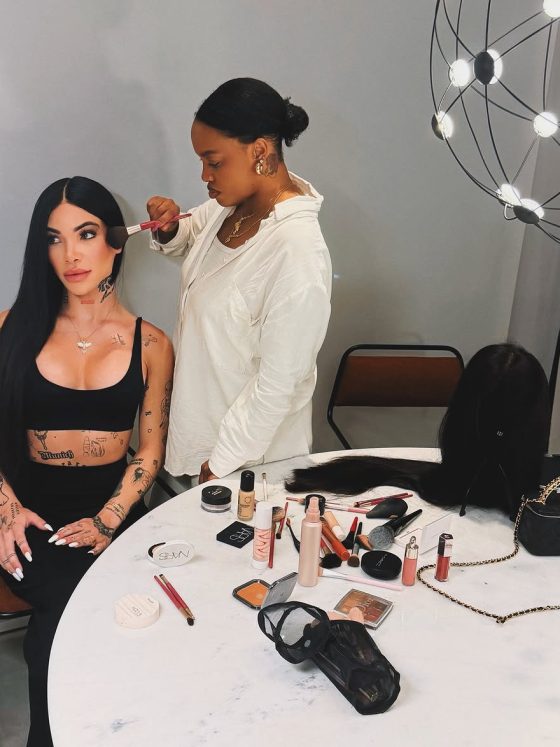
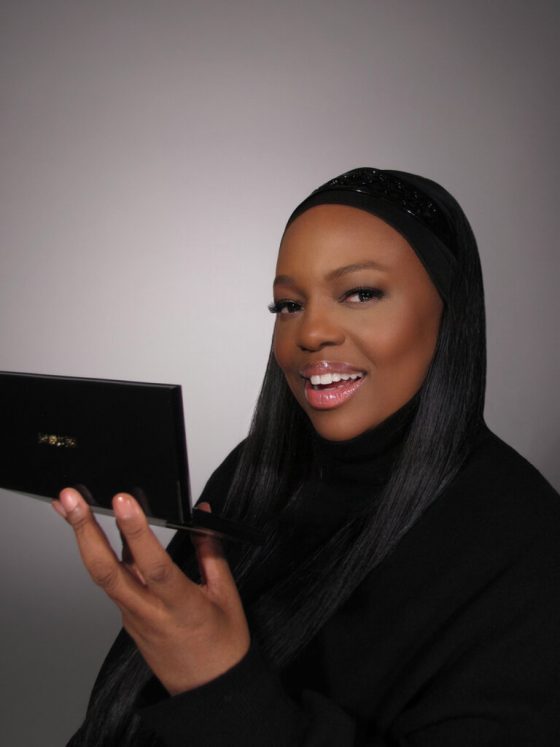
At AMVCA 2026, when Osas Ighodaro walked out in a crimson sculptural gown by Veekee James, the beauty conversation was specific: makeup was by Damola Adeniji, photography by Felix Crown.
Those two credits did not happen by accident. As Omiren Styles documented in its analysis of AMVCA 2026, Funke Akindele declared Ighodaro the winner on sight. Social media reached consensus in twenty minutes. The look was discussed, dissected and shared internationally. Damola Adeniji’s name was attached to it in the Nigerian entertainment press because the Nigerian entertainment press understands that makeup at that level is not a service. It is a creative practice. A named practice, by a named practitioner, whose specific contribution to the look is as accountable as the designer’s.
The global beauty industry does not consistently operate at that standard.
When a European brand runs a campaign “inspired by African ritual beauty,” the ochre reference, the geometric face marking, the body paint technique, the specific cultural context from which the visual was drawn: none of these is credited to the communities, the practitioners or the knowledge systems that produced them. The inspiration is free. The practice that produced it is not.
This is the credit gap that the beauty industry has not closed. African makeup artistry has named practitioners, documented traditions, specific cultural origins and a professional economy with training, clientele and commercial rates. As Omiren Styles has shown in its analysis of African body paint traditions in runway fashion, most fashion interpretations focus on visual impact rather than cultural meaning. The consequence is an industry that has taken the visual authority of African makeup traditions and returned nothing to the communities and practitioners whose knowledge built it.
African makeup artistry is not a mood board. It is a named practice with named practitioners and documented techniques. The beauty industry’s habit of calling it “inspiration” rather than crediting it as practice is an extraction pattern with a name.
What African Makeup Artistry Actually Is

African makeup artistry is not a single practice. It is a continent of distinct traditions, each with its own materials, techniques, cultural functions and social knowledge systems.
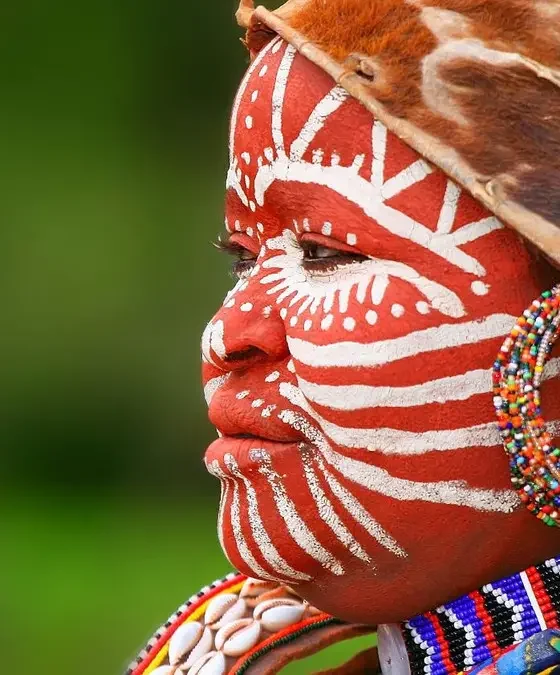
The Maasai use of red ochre, mixed with animal fat and applied to both men and women, is one of the most frequently referenced African beauty practices in global fashion editorials. Ochre communicates social status, ceremonial participation and cultural affiliation within the Maasai system. The specific shade, the combination method, the application context and the social meaning of wearing or not wearing it are all specific to the Maasai knowledge system. A fashion editorial that uses ochre-toned face makeup as a reference to this tradition has borrowed the colour. It has not borrowed the knowledge, the meaning or the right to present the reference as its own creative origin.
The Wodaabe Gerewol festival in Niger and Chad includes one of the world’s most sophisticated male cosmetic traditions. Wodaabe men apply white powder to their teeth, kohl to their eyes, and yellow-red pigment to their faces, then spend days in public competition assessed on beauty, character and refinement by women judges. The cosmetic practice is inseparable from the competitive structure, the social values it expresses and the specific gender dynamics of a society in which men’s beauty is formally and publicly assessed. A reference to “African male beauty” in a fashion campaign that draws on the Gerewol’s visual vocabulary without acknowledging that context has taken a practice and discarded its entire intellectual structure.
The Surma and Mursi peoples of Ethiopia’s Lower Omo Valley develop body and face painting practices using white clay, charcoal and ochre in compositions that are individually created, documented by anthropologists as non-repeating, and understood within the community as expressions of individual creativity within a shared aesthetic vocabulary. The painter is the author. The composition is their work. A fashion editorial that reproduces a similar aesthetic without acknowledging the authorship of the tradition from which it draws has not paid homage. It has taken credit.
Yoruba makeup traditions, including the historical use of uli body painting among Igbo women, the specific cosmetic practices associated with Yoruba ceremony, and the contemporary professional makeup artistry that has developed from those traditions into a fully formed professional industry, are documented in Nigerian beauty media and practice. As Omiren Styles documents in its analysis of African tribal makeup and haute beauty, African beauty traditions are rooted in craftsmanship, with materials sourced from the land and application techniques that demanded skill, patience, and deep cultural knowledge. The modern professional Nigerian makeup artist is working within a tradition of aesthetic sophistication that predates the European beauty industry’s engagement with African visual culture.
The Practitioner the Caption Never Names
Two kinds of African makeup artistry receive consistently different treatment from the global beauty industry.
The first is African makeup artistry carried into international settings by individual practitioners: the Nigerian celebrity makeup artist whose work appears on international red carpets, the Kenyan beauty professional whose editorial work reaches international publications, the Ghanaian makeup artist whose bridal clients include diaspora women living across Europe and North America. These practitioners are named within their professional communities, credited in local media, and their commercial rates reflect years of skill development and a specific professional knowledge that is not generic.
The second is African makeup artistry as a visual reference: the ochre that appears in a French cosmetics brand’s autumn campaign, the geometric face marking that a European makeup artist replicates for a magazine editorial, the body paint aesthetic that a high-fashion runway show incorporates as a visual statement. This version of African makeup artistry is rarely credited to a specific practitioner, community, or knowledge tradition. Instead, it is credited to the European makeup artist who translated it, the European brand that commissioned the campaign, or the editorial concept that set the direction.
The credit gap between those two treatments is precise. When an African makeup artist does the work, the Nigerian, Kenyan, or Ghanaian press names them to an audience that knows their name. When African makeup artistry is the reference for a non-African practitioner’s work, the knowledge tradition disappears and the credit moves to the practitioner doing the translation.
Damola Adeniji’s AMVCA 2026 credit is the professional standard. Damola Adeniji is named. The work is attributed. The specific contribution, makeup for Osas Ighodaro’s Veekee James look, is documented in a record that will outlast the night. That is what professional credit looks like when an industry applies it properly. As the Omiren Creative Directory documentation of photographers building an ethical record of African street style shows, naming practitioners creates a record—one that changes history rather than simply acknowledging a gap in it. The beauty industry needs to apply the same standard to makeup artistry that the photography community is building for street style documentation.
What “Inspiration” Costs
“Inspired by African beauty traditions” is the caption that costs African makeup practitioners the most.
The caption appears on brand campaigns, fashion editorials, makeup collections and product launches that draw on African beauty visual culture to establish a specific aesthetic authority: ancient, natural, rooted, powerful, connected to something more than a season. These are commercially valuable associations. Brands pay significant sums to develop campaigns that carry them. The African beauty traditions whose visual vocabulary produces those associations receive no payment and no credit.
The mechanics of this extraction follow the same pattern this series has documented across every territory it has examined. The beauty brand identifies a visual reference in an African makeup tradition. It hires a non-African makeup artist, photographer and art director to execute the campaign. The campaign is described as “inspired by African ritual beauty.” The specific community, tradition, and knowledge practitioners who produced the visual vocabulary the campaign draws on appear nowhere in the credits. The brand receives the commercial benefit of the cultural association. The community receives nothing.
As Omiren Styles has established in its analysis of Black beauty market ownership, the beauty industry has become fluent in using Black and African visual culture as a commercial asset while maintaining structural barriers to Black and African ownership of the companies that profit from it. The “inspiration” caption is part of that fluency: it acknowledges the cultural origin just enough to feel legitimate, while retaining the commercial benefit for the brand and paying nothing toward the community whose knowledge built the visual authority the campaign is selling.
The economic consequence is specific. When a European beauty brand uses Maasai ochre reference in a campaign and does not credit, commission or compensate Maasai practitioners or Maasai community institutions, it converts cultural knowledge into brand equity without payment. That brand equity has a commercial value that compounds across the brand’s subsequent marketing. The community whose knowledge produced the raw material for that equity receives nothing from its accumulation. As Credit Is Not Compensation established, the seven categories of obligation are acknowledgement, documentation, consent, compensation, commissioning, continuity and accountability. “Inspired by African beauty traditions” meets none of them.
The Professional African Makeup Artist and the Knowledge Economy

The professional African makeup artist is not a conduit for traditional knowledge. They are contemporary practitioners who have developed a specific skill set through training, practice, professional relationships, and market experience, often in contexts that blend inherited cultural knowledge with contemporary professional technique.
Nigerian celebrity makeup artists like Bimpe Onakoya have built professional careers with named celebrity clientele, documented work histories and commercial rates that reflect their market position. The Nigerian bridal makeup market, which operates at the intersection of Yoruba ceremonial aesthetic traditions and contemporary professional beauty practice, is a fully formed professional economy with its own training pathways, professional networks and quality standards. A makeup artist who works in that market is not simply applying traditional cosmetics. They bring decades of accumulated professional knowledge, a specific understanding of how to work with their clients’ facial structures and skin tones, and an aesthetic intelligence developed within and beyond the Yoruba ceremonial tradition.
This professional community is the downstream practitioner economy of the knowledge traditions the global beauty industry calls “inspiration.” The Yoruba ceremonial aesthetic that informs contemporary Nigerian professional makeup artistry is the same aesthetic tradition that a European beauty brand references when it produces a campaign “inspired by African ritual beauty.” The community of practice is continuous. The credit is not. As Omiren Styles shows in its analysis of cornrows and the African diaspora braiding economy, when mainstream beauty takes knowledge that sustained a Black cultural practice for generations and calls it a trend, the practitioners who developed and maintained that knowledge are excluded from the commercial premium it created. The pattern in braiding is the same in makeup artistry: community knowledge becomes a brand claim, the brand claim generates revenue, and the community that held the knowledge remains outside the margin.
What Credited Practice Looks Like
Credited practice has a specific structure. It is not simply mentioning a cultural reference in a press release. It is building a commercial relationship that acknowledges the source of the knowledge, compensates the practitioners who hold it, and creates ongoing accountability for how that knowledge is used.
For an African makeup tradition appearing in a brand campaign, credited practice means naming the specific tradition, the specific community and the specific cultural context from which the reference comes. It means commissioning African makeup artists and creatives to lead the execution rather than directing non-African practitioners to replicate the reference. It means paying community institutions or practitioner organisations for the use of the knowledge, not just for executing the campaign. It means maintaining a commercial relationship across subsequent campaigns rather than treating the reference as a single-use aesthetic resource.
For an editorial that draws on African body paint traditions, credited practice means naming the specific community, naming the cultural function of the practice and naming the practitioners whose knowledge informed the creative direction. It means the editorial record shows who contributed what and on what terms. It means the makeup artist who translated the tradition into a contemporary editorial context is identifiable and accountable, and the community whose tradition they translated is acknowledged in a record that persists beyond the magazine issue.
As Omiren Styles has documented in its analysis of West African fragrance knowledge and ceremony, ceremonial beauty knowledge in African communities is specific, accumulated and not interchangeable with generic “African inspiration.” The knowledge of which materials communicate which social meanings, which application contexts are appropriate for which occasions, and which aesthetic choices carry which cultural weight is held by specific practitioners in specific communities. Treating that knowledge as available to any brand that finds it visually appealing removes the accountability that makes credit meaningful.
African Beauty Media Is Already Doing This Work

The Nigerian, Ghanaian and Kenyan beauty press already applies the credit standard that international beauty media does not.
When Damola Adeniji works on a major Nigerian celebrity look, his name appears in the caption, in the post, in the media coverage. When Bimpe Onakoya works with a bridal client, her studio is credited, and her portfolio grows. When a Nigerian beauty brand launches a product line that draws on Yoruba beauty traditions, the Nigerian beauty press covers the launch with the specific cultural context intact: which tradition, which community, which practitioners, which materials. The professional accountability structure is functioning within the African beauty media ecosystem.
The failure is not in African beauty media. It is in the international beauty industry’s refusal to apply the same credit standard when it crosses into African beauty knowledge territory. An international brand that commissions a campaign “inspired by” traditions that Nigerian beauty media credits with specificity and accountability has chosen to abandon that standard when applying it would cost money and constrain brand freedom.
The remedy is also already documented in the African beauty media’s practice. International beauty brands commissioning campaigns that draw on African beauty traditions should apply the same credit standard that the African press applies to African practitioners: name the tradition, name the community, name the practitioners who contributed knowledge, commission African creative leadership for the execution, and maintain accountability for how the knowledge is used in subsequent campaigns. As African and diaspora fashion workers in London, beauty workers are listed alongside designers, stylists and photographers as contributors to London fashion who have historically been undervalued in the institutional record. The institutional record changes when the credit standard changes. The credit standard changes when practitioners demand it, the media document it, and the communities whose knowledge is being used require it.
The Omiren Argument
“Inspired by African beauty traditions” is a choice. “Makeup by Damola Adeniji” is a credit. The distance between those two phrases is the distance between a brand that has taken something and a brand that has built a relationship.
African makeup artistry has named practitioners. It has documented traditions. It has specific cultural contexts that produce specific aesthetic authorities, not interchangeable with any other beauty tradition. The ochre that communicates Maasai social status is not a shade of terracotta. The Wodaabe Gerewol face decoration is not a reference for a European brand’s autumn look. The Surma body paint composition is not a pattern for a fashion editorial concept. Each is a specific practice, held by specific people, with specific knowledge that took generations to develop and specific consequences when removed from its context and used without credit.
The $31 billion African fashion and beauty market includes professional makeup artists, ceremonial knowledge practitioners, contemporary beauty brands, and the media infrastructure that documents them all with the credit they deserve. As the Global South made fashion and never got credit, the beauty industry’s version of the same pattern has a specific name in the makeup category: “inspired by.” The correction has a specific name too: credit. Not a mention in a press release footnote. A credit in the caption, a commission for African creative leadership, a compensation structure that reaches the community whose knowledge the campaign is using, and a commitment to maintain that relationship across subsequent work rather than treating African beauty knowledge as a single-use visual resource. The practice exists. The practitioners are named. The credit should follow.
ALSO READ:
- From Ritual to Runway: How African Tribal Makeup Shapes Haute Beauty
- The Cultural History and Impact of African Body Paint Traditions in Runway Fashion
- Cornrows Were a Map: The African Intelligence Behind Diaspora Braiding
- Credit Is Not Compensation: What Fashion Owes Beyond Naming a Cultural Source
- Scent Before the Ceremony: The West African Fragrance Practices Fashion Still Fails to Document
Frequently Asked Questions
What is the difference between crediting African makeup artistry as practice versus calling it inspiration?
Calling African makeup artistry “inspiration” attributes the aesthetic authority of the work to the brand or practitioner using the reference, while the community and knowledge tradition that produced it receive no acknowledgement, compensation or commercial benefit. Crediting it as practice names the specific community, tradition and practitioners whose knowledge made the reference possible, compensates them for that knowledge, commissions African creative leadership for the execution, and builds a commercial relationship that acknowledges ongoing accountability. The difference is not semantic. It is the difference between a brand that takes something and a brand that builds a relationship. The credit standard that Nigerian beauty media applies to African practitioners — named practitioner, named tradition, named cultural context — is the standard the international beauty industry should apply when it draws on African beauty knowledge.
What African makeup traditions are most frequently used without credit by the global beauty industry?
The most frequently extracted African makeup traditions include: the Maasai use of red ochre, which communicates social status and ceremonial participation within the Maasai knowledge system, and which appears routinely in fashion editorial and cosmetics campaigns described as “earthy” or “tribal” without naming its origin; the Wodaabe Gerewol face decoration, which is part of a competitive beauty culture in which male cosmetic practice is formally assessed by women judges, and which is referenced in “African male beauty” editorials without acknowledging this social structure; the Surma and Mursi body and face painting practices of the Lower Omo Valley, which are individually authored compositions extracted into fashion editorial without crediting the authorship tradition; and the broader Yoruba and West African ceremonial cosmetic traditions, including historical uli body painting, that inform contemporary Nigerian professional makeup artistry and are referenced internationally as generic “African beauty.”
Who are examples of named African makeup artists whose work demonstrates credited practice?
As Omiren Styles documented at AMVCA 2026, Damola Adeniji is a named Nigerian makeup artist whose work on Osas Ighodaro’s crimson sculptural gown for AMVCA 2026 was credited specifically in Nigerian entertainment media alongside photographer Felix Crown. Bimpe Onakoya is a Nigerian celebrity makeup artist with a named professional practice, documented celebrity clientele and a professional profile in Nigerian beauty media. These practitioners demonstrate what credited practice looks like when an industry applies it properly: the practitioner is named, the specific contribution is attributed, and the professional record persists in a way that builds the practitioner’s career rather than dissolving their contribution into a brand’s aesthetic narrative.
How should international beauty brands engage with African makeup traditions?
International beauty brands drawing on African makeup traditions should apply the credit standard that African beauty media applies to African practitioners. This means: naming the specific tradition, the specific community and the specific cultural context from which the reference comes; commissioning African makeup artists and creative directors to lead the execution rather than directing non-African practitioners to replicate the aesthetic; compensating community institutions or practitioner organisations for the use of the knowledge, not only for the labour of execution; obtaining consent from community representatives before using specific cultural practices as campaign references; maintaining a commercial relationship across subsequent campaigns rather than treating the reference as a single-use aesthetic resource; and publishing the credit structure in the campaign materials so that the community contribution is visible in the public record.
How does the “inspiration” credit gap in makeup connect to the wider argument about African cultural credit?
As Omiren Styles has established across this series, the “inspired by” caption is the beauty industry’s version of a pattern this series has documented in fashion, fragrance, textiles and supply chains: cultural knowledge from African and Global South communities generates commercial value for the brands, publications and platforms that mediate it. In contrast, the practitioners and communities whose knowledge makes the reference possible receive neither credit nor proportionate economic return. In makeup artistry, the pattern is especially clear because the gap between “inspired by African beauty traditions” and “makeup by Damola Adeniji” appears in a single caption field. One acknowledges a cultural mood. The other names a practitioner and builds a professional record. The beauty industry can apply the second standard to African makeup traditions. It has consistently chosen not to.
EXPLORE MORE
Read the full Beauty and Opinion sections at Omiren Styles for ongoing analysis of African beauty credit, makeup artistry, cultural knowledge ownership and the professional practitioners whose work deserves named accountability. Discover travel and heritage intelligence across Africa at Rex Clarke Adventures.