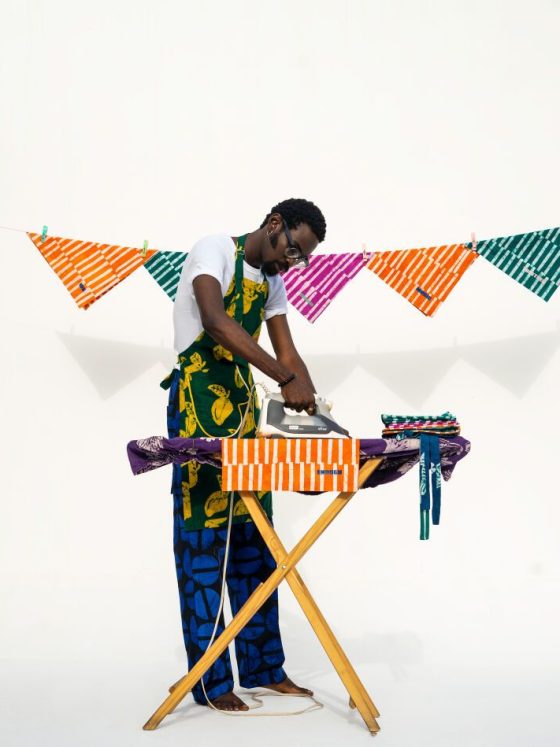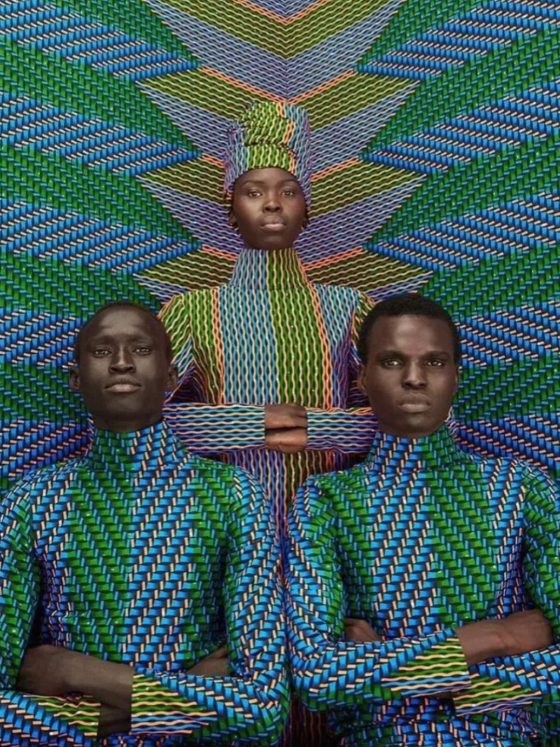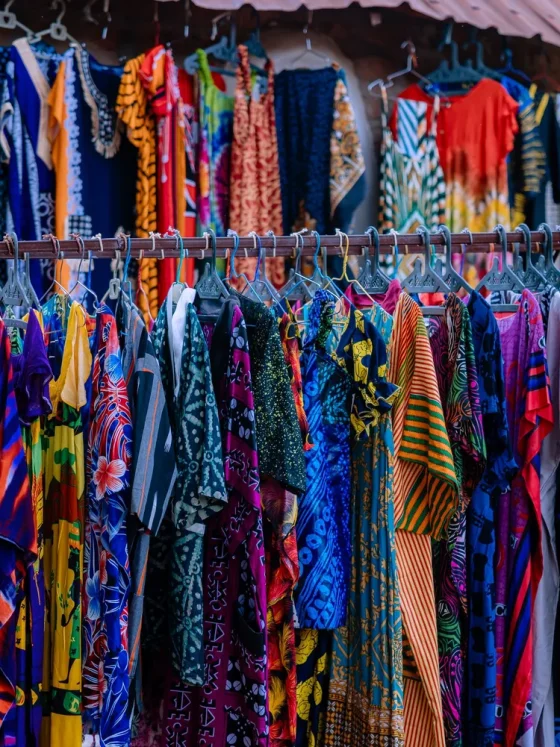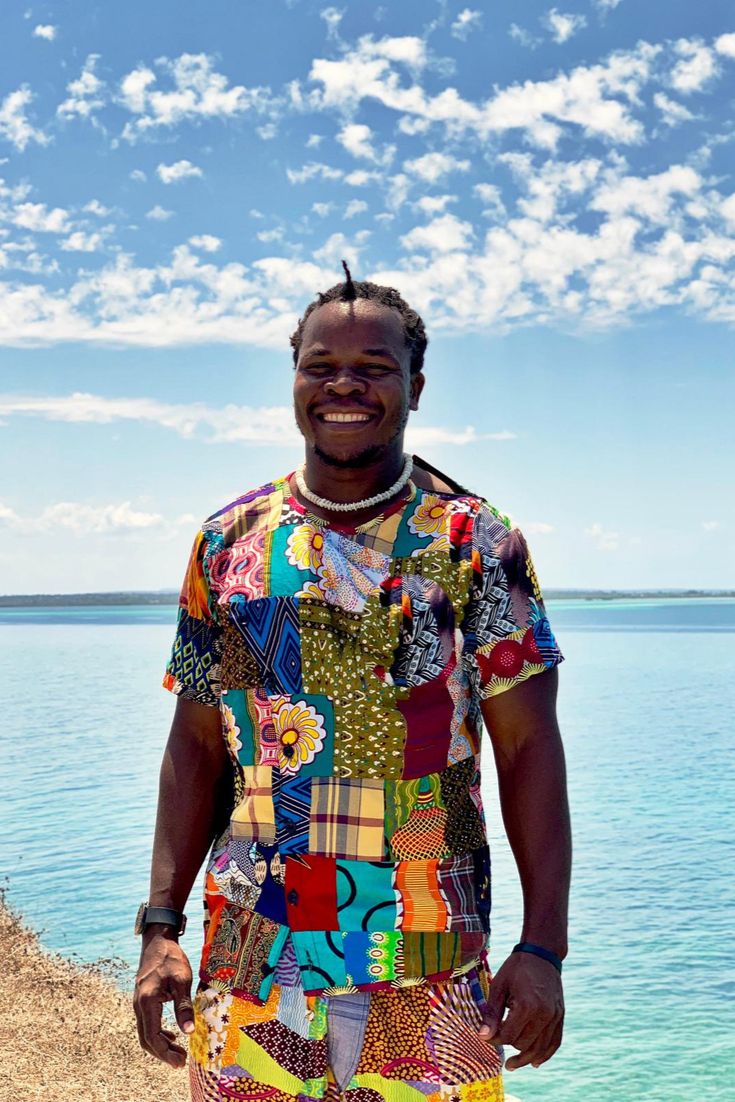
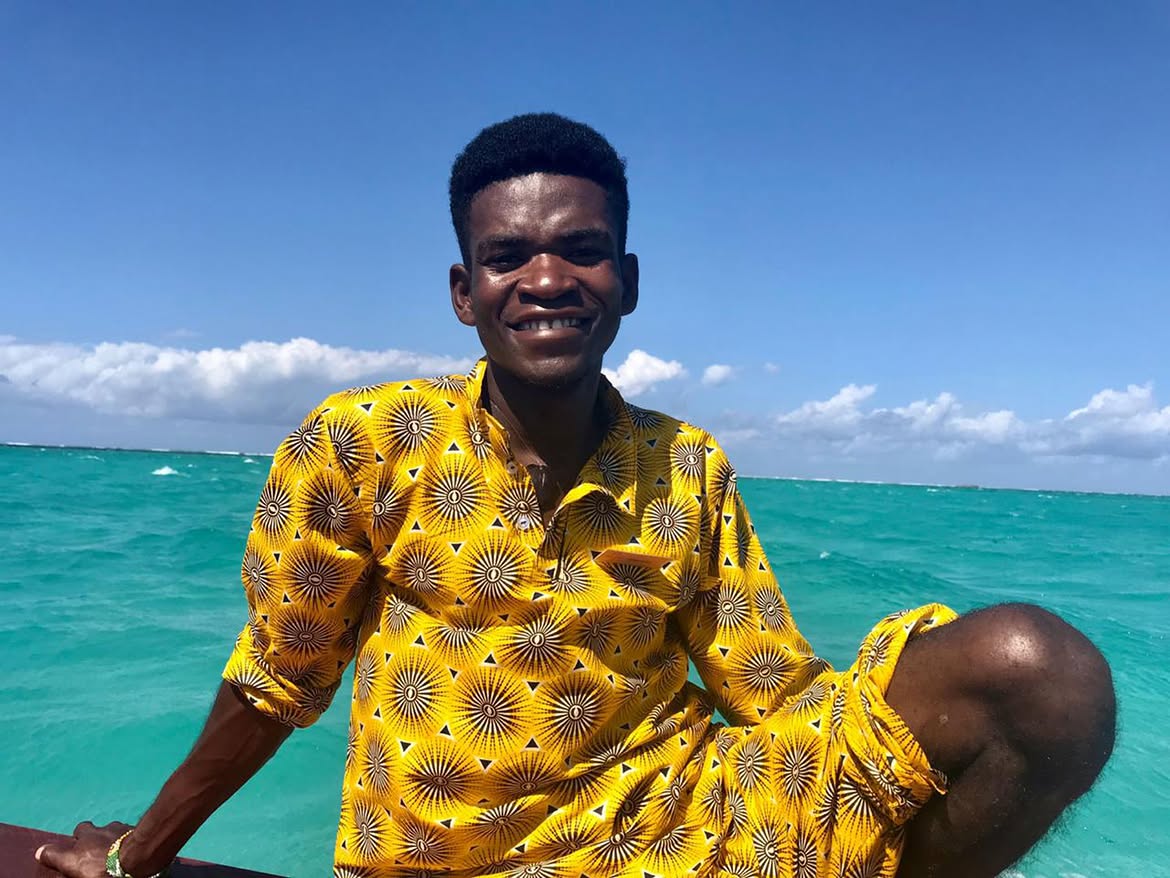
A Mozambican man wearing a capulana shirt to the office is making no more of a cultural statement than any other man dressing for work. The shirt is made from capulana fabric, the brightly patterned cotton cloth that is the most distinctive textile in Mozambican material culture. The fabric carries its history into the everyday: its trade-route origins, its coded colour symbolism, its regional design vocabulary, its capacity to serve simultaneously as a garment, a gift, a currency, a carrier, and a cultural declaration. The man wearing it may be aware of all of that or none of it. The cloth knows.
The African fashion market is worth 31 billion dollars. Within southern and eastern Africa, capulana is one of the textile forms whose cultural weight and functional versatility most clearly demonstrate the inadequacy of treating African cloth as simply a fashion reference. Capulana is a material system. It encodes trade history, social status, regional identity, spiritual practice, and ceremonial occasion within a 2-metre rectangle of printed cotton. As NationalClothing.org’s documentation of capulana’s history in Mozambique confirms, capulana became the local folk attire of Mozambique centuries ago, replacing traditional animal skins, and it has not lost its centrality to Mozambican dress culture since.
Capulana is Mozambique’s most versatile cloth. Here is how men wear it: as shirts, wraps, accessories, and everyday dress across regions, occasions, and generations.
Mozambican Men’s Capulana: The Cloth and Its Origins

Capulana, also spelt kapulana, and known in Changana as nguvu or vemba, is a rectangular piece of fabric measuring approximately 2 metres by 1 metre. The cloth is associated primarily with Mozambique but is found across southeastern Africa. Variants of the same garment form exist across the continent: the Kitenge in Zambia, the Chitenge in Namibia, the Kanga along the Kenyan and Zanzibari Swahili coast, and the Pano in Angola. Each carries a distinct local design vocabulary and cultural grammar. Still, they share the structural proposition that a length of cotton cloth is one of the most complete garments available: wrap it, tie it, knot it, drape it, and it covers, carries, declares, and protects.
The earliest written documentation of capulana comes from an 1890 account of Delagoa Bay (modern-day Maputo Bay). But the textile’s presence in Mozambique predates this by centuries. As Casa Babi’s documentation of capulana’s cultural history confirms, long before the Portuguese arrived in the late 15th century, fabric trade with Asia had already introduced various textiles to Mozambique through Arab-Indian trade routes. Indian traders introduced capulanas as a form of currency in exchange for gold, ivory, and other goods. The cloth arrived as a commodity and became a cultural institution.
The original capulana palette was limited to three colours, each with precise meanings: white represented the protection of the ancestors; black represented evil; red represented the spirit of war. These were not decorative associations. They were cosmological ones. The colour of the cloth worn at a specific ceremony or occasion communicated both a spiritual and a social position. Early designs included ndjiti (a white-and-red geometric pattern), xithango (plaid, the word meaning ‘shield’), and ximangelani (a black-and-white wild bird design). These traditional styles are now used primarily by tinyanga, traditional spirit healers and curandeiros, who maintain the cloth’s original symbolic vocabulary.
The capulana is 2 metres of cloth. Mozambican men have turned it into a shirt, a sash, a wrap, a ceremonial tunic, a beach cover, and a daily statement of cultural belonging. The cloth does not change. The intelligence of how it is worn does.
How Men Wear Capulana: Rural, Urban and Ceremonial
The conventions of men’s capulana dress are regional, contextual, and generational. As Outfiten’s documentation of traditional clothing in Mozambique confirms, in rural areas, capulana is commonly worn by men as a loincloth or wrap, offering comfort and practicality in a hot climate. In urban settings, the fabric may be worn as a tunic or over simple trousers for special events or ceremonies. Traditional shirts and tunics made from capulana fabric are loose-fitting and designed for ease of movement. They are worn during ceremonial occasions, festive events, and for everyday wear, with the loose fit making them practical for Mozambique’s climate while maintaining a level of formality appropriate for cultural gatherings.
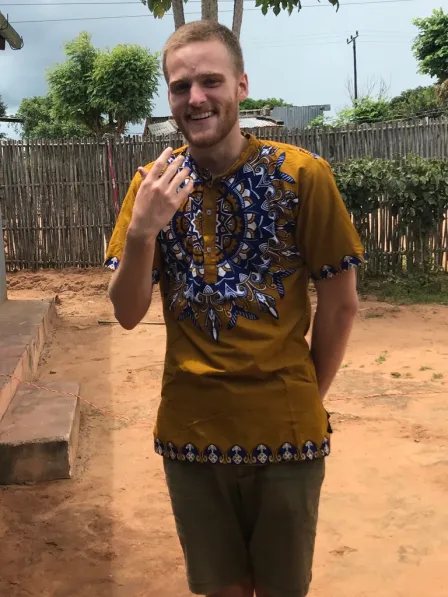
The capulana shirt is the most common form of men’s capulana dress in urban Mozambique. The standard form is a short-sleeved button-down: a short sleeve is dominant because a long-sleeved shirt requires two lengths of capulana fabric rather than one, making it more expensive, and because the short sleeve is better suited to Mozambique’s heat. The shirt is cut in the same relaxed, loose-fitting silhouette that characterises capulana garments across their applications. It can be worn untucked over trousers for everyday use or tucked and pressed for more formal settings. The same shirt serves the office, the market, the ceremony, and the beach, distinguished by how it is worn rather than by what it is.
Accessories amplify the capulana statement for men. Hats, whose styles vary by region and occasion, are frequently worn alongside capulana garments. Beads and jewellery, including necklaces and bracelets, appear particularly at celebrations and important events. The sash: a length of capulana tied or draped rather than sewn, functions as a belt, a waist wrap, or a shoulder accent. Regional variation in how the cloth is tied and worn means that a knowledgeable observer can infer the wearer’s region from the way the capulana is arranged. A man from the South wears it differently from a man from the Centre or the North. The cloth carries a regional address.
Capulana as Social Currency
The cultural significance of capulana extends beyond its function as clothing into its role as social currency. As Afroculture’s documentation of capulana’s role in Mozambican social life confirms, the number of capulanas a person possesses is a measure of their social status. Capulanas are traditionally given as gifts by husbands to wives, by sons returning from work in the Transvaal mines, and by sons-in-law seeking the approval of a prospective wife’s family. A man who gives capulanas simultaneously demonstrates his economic capacity, his cultural literacy, and the seriousness of his social intentions.
The social currency dimension of capulana extends into political life. During election campaigns, capulanas are printed with the faces of political candidates and distributed to supporters. When Pope Francis visited Mozambique in 2019, commemorative capulanas bearing his portrait were produced. The portrait of Josina Machel, the revolutionary and national hero, appears on a widely recognised capulana design. The cloth is not neutral. It is one of the most immediate surfaces available in Mozambican public life for declarations of affiliation, commemoration, and solidarity. The man who wears a specific capulana pattern at a political gathering is wearing a public declaration.
A special category of capulana called ntehe is traditionally purchased at the birth of a child for carrying the infant on the mother’s back. The cloth that a man selects as a gift for a newborn, or that he wears at a naming ceremony, carries the weight of this specific cultural occasion. The pattern chosen is not arbitrary. It corresponds to the meaning the occasion requires: protective, celebratory, or commemorative depending on the event.
Contemporary Men’s Capulana Fashion
The contemporary capulana fashion market for men has expanded significantly as Mozambican designers and producers have developed collections specifically tailored to men’s dress. As Mwani Store’s men’s collection demonstrates, contemporary capulana fashion for men now includes shirts, T-shirts, shorts, and boxers, along with accessories, each combining culturally rich capulana fabric with modern design. Mwani Store describes its approach as celebrating Mozambican tradition while providing style and comfort for the contemporary man. The collection is produced by skilled artisans using eco-friendly, ethical practices and is available for international shipping.
The contemporary capulana shirt sits within a broader southern African menswear tradition that navigates the relationship between African textile heritage and global fashion language. The capulana shirt is not a costume. It is daily wear made from a cloth with a layered cultural history. The men who wear it to work, to market, and to ceremony are not self-consciously performing cultural identity. They are dressing for their environment with the most appropriate and culturally coherent material available.
This is the same dynamic that Omiren Styles has documented in West and East African men’s dress traditions. As Omiren Styles’ documentation of the grand boubou and its social grammar confirms, West African men’s formal garments communicate formality, occasion, and cultural intelligence through the specific visual grammar of the cloth and cut. The capulana shirt operates within a comparable logic: it is a culturally specific garment whose meaning is legible to those within the tradition and invisible to those outside it, requiring no translation for the community it serves.
Capulana in the Wider East and Southern African Textile Context
Capulana sits within a family of eastern and southern African printed cotton cloth traditions whose similarities are as important as their differences. The kanga of the Kenyan and Tanzanian Swahili coast, for example, is a printed cotton cloth of comparable dimensions that is worn on many occasions by men and women and carries a text element in many of its forms: the Swahili jina inscribed along the border. As Omiren Styles’ documentation of East African textiles, kikoi, and kanga confirms, kanga and kikoi represent the coastal East African textile tradition that runs parallel to Mozambique’s capulana culture: both are cloth traditions with deep roots in the Indian Ocean trade network, both serve multiple functions across daily and ceremonial life, and both carry regional and cultural meaning within the way they are worn rather than only in the cloth itself.
The capulana’s origins in the Arab-Indian trade route place it within the same Indian Ocean textile exchange that shaped the kanga, the kikoi, and the sarong traditions across the coast. The cloth that became capulana in Mozambique arrived through the same trade networks that brought kanga to the Swahili coast and sarong to Southeast Asia. Each community absorbed the cloth into its own material culture and built a distinct dress tradition from it. The capulana that Mozambican men wear today is neither the cloth that arrived from India nor the cloth the Portuguese encountered in 1890. It is what several centuries of Mozambican cultural intelligence have made it.
The Omiren Argument
The Mozambican man who throws on a capulana shirt for work is wearing centuries of trade history, three original colours whose meanings were cosmological rather than aesthetic, a design vocabulary built from shields and leopards and wild birds, a regional address embedded in how the cloth is knotted, and a social currency system in which the number of capulanas a person owns is a measure of their standing in their community. The African fashion market is worth 31 billion dollars. The capulana is one of the most complete garments in that market: a 2-metre rectangle of cotton that functions simultaneously as a shirt, a wrap, a loincloth, a sash, a baby carrier, a gift, a commemorative object, a political declaration, a ceremonial garment, and an everyday piece of clothing. Mozambican men’s capulana dress has been systematically underdocumented in the global fashion conversation, which has been more interested in the cloth’s association with women’s dress and its surface patterns than in the full male dress practice that has developed around it. That practice is specific: the short-sleeved button-down shirt dominant in urban settings, the wrap and loincloth in rural areas, the tunic over trousers for ceremony, the accessories of hats and beads calibrated to occasion and region. Omiren Styles documents it here as what it is: an African men’s dress tradition with a millennium of history, a clear contemporary form, and a cultural intelligence that requires no external validation to be considered complete.
Also Read:
- West African Dress as a Living Record: What Oral History Reveals About Cloth
- Traditional Clothing in the Benin Republic: Culture, Royalty, and Identity
- From Ritual to Runway: How African Fashion and Ceremony Are Inseparable
Frequently Asked Questions
What is capulana?
Capulana (also spelt kapulana, or known as nguvu or vemba in Changana) is a rectangular piece of brightly patterned cotton cloth measuring approximately 2 metres by 1 metre, worn across Mozambique and parts of southeastern Africa. The cloth has been present in Mozambique since the Arab-Indian trade routes brought it from Indian traders as a form of currency, centuries before Portuguese arrival in the late 15th century. It is one of the most versatile garments in Mozambican culture, serving as a sarong, shirt fabric, dress, baby carrier, ceremonial cloth, and social gift, depending on the occasion and context.
How do men wear capulana in Mozambique?
Men wear capulana in several ways depending on region, occasion, and context. In rural areas, it is typically worn as a loincloth or wrap for comfort and practicality. In urban settings, the most common form is the capulana shirt, typically a short-sleeved button-down made from capulana fabric, worn for both everyday and formal occasions. Capulana tunics worn over trousers are common for ceremonies and cultural gatherings. Accessories including capulana sashes, hats, and beads further integrate the cloth into men’s daily presentation. How the cloth is knotted and worn identifies the wearer’s regional origin to those who can read the dress language.
What are capulana shirts?
Capulana shirts are garments made from capulana fabric, the brightly patterned printed cotton cloth of Mozambique. The most common form is a short-sleeved button-down in a loose, relaxed fit suited to Mozambique’s climate. Short sleeves are dominant because a long-sleeved shirt requires two lengths of fabric rather than one and is therefore more expensive to produce. Capulana shirts are worn for everyday use, work, ceremony, and casual occasions. Contemporary Mozambican brands, including Mwani Store, now produce dedicated men’s capulana collections covering shirts, T-shirts, shorts, and accessories.
What is the cultural significance of capulana for men?
For Mozambican men, capulana functions as everyday dress, ceremonial garment, and social currency simultaneously. The cloth is given as a gift by men to women in their families, demonstrating economic capacity and cultural commitment. Historically, the number of capulanas a person possessed indicated their social status. At ceremonies, the pattern chosen carries specific meaning: protective, celebratory, or commemorative depending on the occasion. Men’s capulana accessories, particularly the way the cloth is knotted or sashed, communicate regional origin and cultural literacy to other Mozambicans who can read those signals.
Where did capulana come from?
Capulana arrived in Mozambique through the Arab-Indian Ocean trade routes, introduced by Indian traders as a form of currency in exchange for gold, ivory, and other goods, centuries before Portuguese colonisation in the late 15th century. The earliest written documentation dates to an 1890 account of Delagoa Bay. The original cloth came primarily in three colours with specific meanings: white for ancestral protection, black for evil, and red for the spirit of war. Mozambicans adopted capulana in place of traditional animal skins. They developed their own design vocabulary around it, including the geometric ndjiti pattern, the plaid xithango (meaning shield), and the ximangelani bird design.
Explore More
Read the full Culture > Heritage & Identity section for Omiren Styles’ documentation of African men’s dress traditions, textile cultures, and the material intelligence of everyday cloth across the continent.
Discover travel and heritage intelligence across Mozambique and southern Africa at Rex Clarke Adventures.