Apartheid required South Africa’s Black population to present itself in specific ways in specific spaces. The pass book controlled movement. The job reservation system controlled economic access. The Group Areas Act controlled where people could live. And the entire apparatus of racial classification, the Identity Document that determined whether you were African, Coloured, or Indian, shaped every interaction with state authority. The body was administered. Its appearance was managed. The state had built an elaborate system for determining what a Black body in South Africa was permitted to be and where it was permitted to go.
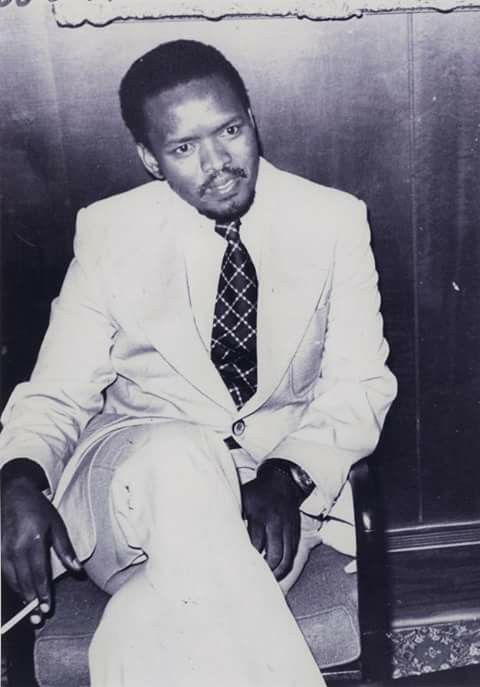
Into this system, Steve Biko introduced an argument whose consequences extended to the skin’s surface. Black Consciousness, the philosophy he developed from 1968 through his writings in the South African Students Organisation Newsletter under the pseudonym Frank Talk, held that the first site of liberation was not the legislature, not the economy, not the township, but the Black person’s own mind. As Britannica’s documentation of the Black Consciousness Movement confirms, Biko defined Black consciousness as the awakening of self-worth in Black populations, aiming to replace the external identity imposed by an oppressive society with an internal sense of dignity and pride. That internal sense of dignity had an immediate external expression. If the Black mind was to be liberated from the inferiority complex that apartheid had constructed, the Black body’s presentation was one of the most immediately available surfaces on which to stage that liberation.
Wearing an Afro in apartheid South Africa was not a style choice. Black Consciousness gave dress its most precise political grammar. Here is what was at stake.
Black Consciousness Dress and the Political Grammar of the Body
The African fashion and beauty market is worth $ 31 billion. The politics of dress under apartheid, like the politics of dress under all systems of racial hierarchy, were not incidental to the system’s operation. They were part of it. The apartheid state required Black South Africans to perform deference not only through movement and speech but through appearance. The relaxed hair, the Western business dress, the visual assimilation to European norms: these were not neutral choices. They were, in the context of apartheid’s racial hierarchy, concessions to the system’s definition of what was acceptable and what was threatening. As the LSE Africa at LSE documentation of Biko’s philosophy confirms, Biko saw the power struggle in South Africa as a microcosm of the confrontation between the third world and the first world. That confrontation was expressed on the body as much as in the courtroom or the street.
Biko’s intellectual formation drew on Negritude (Aimé Césaire and Léopold Sédar Senghor), on Frantz Fanon’s analysis of the psychopathology of colonial identity in The Wretched of the Earth, and on the Black Power movement in the United States. All three of these sources understood the dressed, presented, publicly visible body as a political text. Fanon had analysed how colonialism produced a Black person who looked at themselves through the coloniser’s eyes. Negritude had reclaimed African beauty and African cultural expression as counter-arguments to colonial aesthetics. Black Power in the United States had made the Afro a symbol of precisely that reclamation. Biko’s Black Consciousness synthesised these currents in the specific conditions of apartheid South Africa.
Apartheid was a system that managed the Black body: where it could go, what it could do, how it had to present itself to a white authority that had defined it as inferior. When Steve Biko argued that psychological liberation must precede political liberation, he was arguing that the Black person’s relationship to their own body and appearance was itself a site of political contest. The Afro was the body asserting its right to take up space.
The Afro Look: What the Hairstyle Was Arguing
The Afro hairstyle, which rose to political prominence in the United States through the Black Power movement and was adopted by Angela Davis, Huey P. Newton, and the Black Panther Party, carried a specific argument: that the natural growth pattern of Black hair did not require alteration to be acceptable, presentable, or beautiful. This was a direct counter to Eurocentric beauty standards that had defined straightened or relaxed hair as appropriate and natural Afro-textured hair as unprofessional, unruly, or threatening. Wearing an Afro was a refusal to perform that concession.
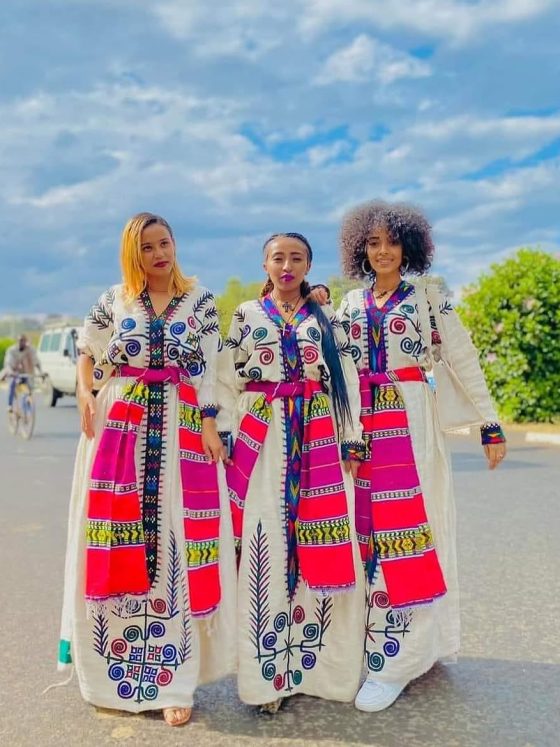
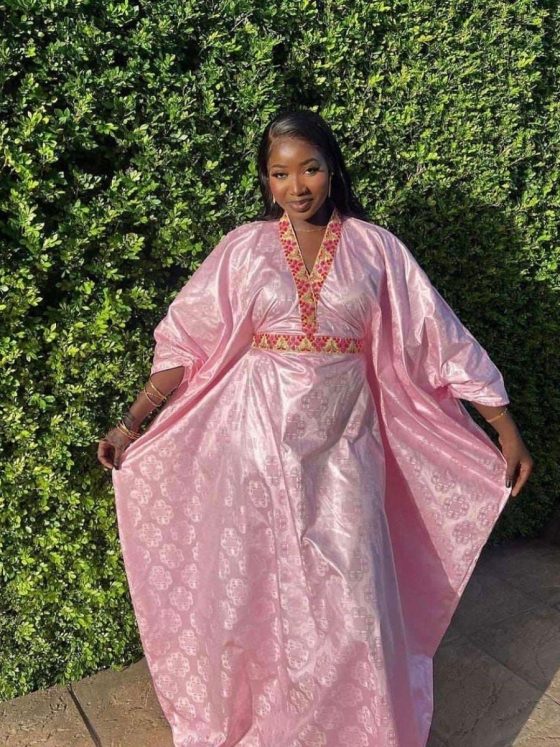
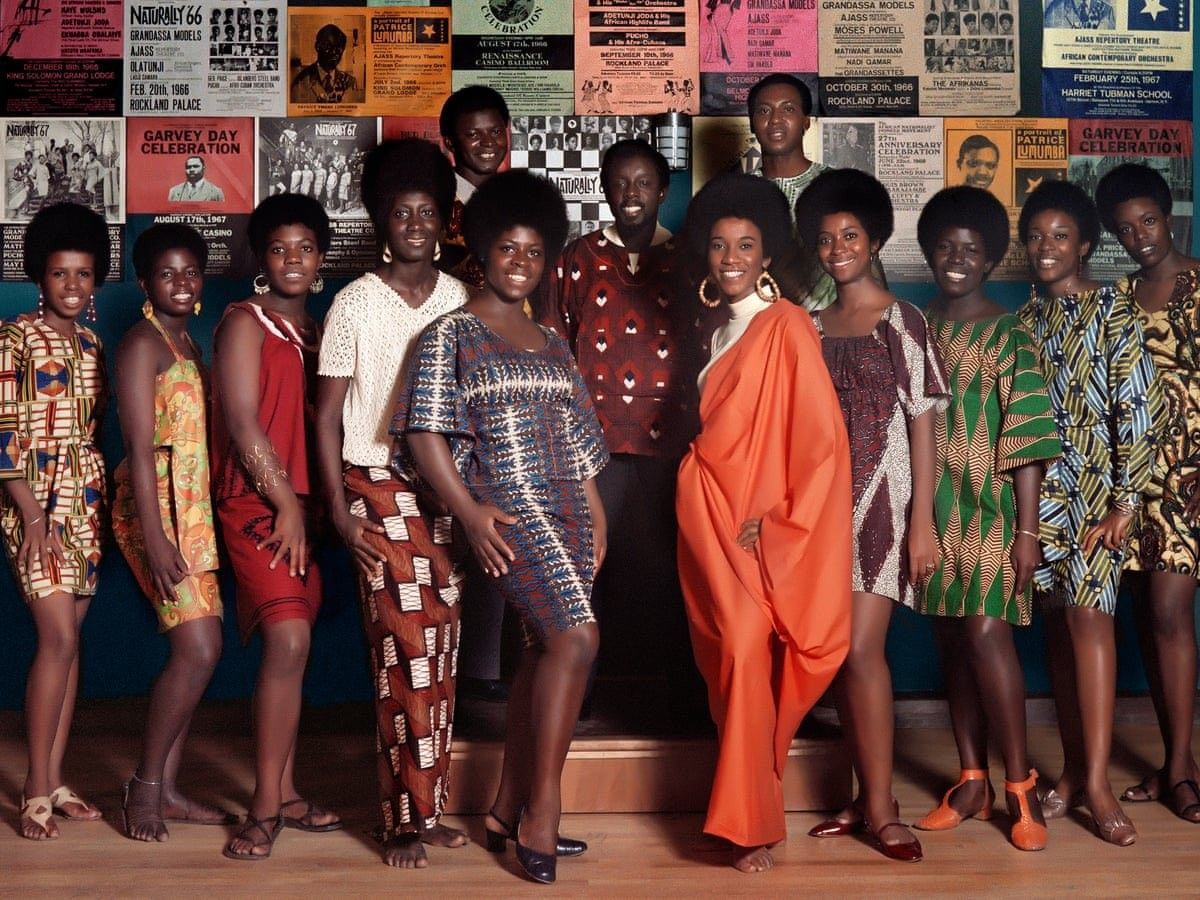
In apartheid South Africa, that refusal carried additional weight. The state’s racial classification system attempted to determine who was Black, in part, through physical observation. The appearance of a Black South African was never purely personal. It was evidence, read by state officials, employers, and police. A person who wore their natural hair unaltered, who dressed in African print rather than Western business clothing, who carried themselves with the visible confidence that Black Consciousness encouraged, was presenting a body that the state’s visual management system had not anticipated and did not know how to absorb.
The semiotics of this dress practice are documented in academic scholarship. As the peer-reviewed SciELO analysis of Steve Biko in post-apartheid design confirms, focusing on the semiotics of fashion and dress style among South Africans, scholars have considered how seemingly trivial forms of self-styling script bodies in ways that reflect embodied responses to prescribed social identification. The Afro was not trivial. It was a response to a specific system of prescribed identification, and it scripted the body in precisely the way that Biko’s argument for psychological liberation required: as a body that recognised its own dignity without waiting for the state to grant it.
SASO and the Cultural Programme
When Biko co-founded the South African Students Organisation in 1968 with Barney Pityana, the organisation’s philosophical core was Black consciousness: an assertive affirmation of Black identity. As South African History Online’s documentation of I Write What I Like confirms, Biko wrote from 1969 through 1972, when banning orders imposed by the apartheid government silenced him from publishing and from contributing columns to the SASO Newsletter under the pseudonym Frank Talk. Those writings articulated the conviction that Black South Africans could not achieve genuine liberation without first reclaiming their psychological freedom and cultural identity. Cultural identity included aesthetic identity. The way the Black person dressed, held their hair, and moved through public space were all dimensions of the cultural identity that BCM argued had to be reclaimed before political liberation was possible.
SASO’s programme explicitly included cultural reclamation as a dimension of political resistance. Community arts, music, drama, and cultural events that celebrated Black identity were organisational priorities alongside political consciousness-raising. The aesthetic and political arguments were not parallel streams. They were the same argument in different registers. A Black South African who wore traditional African dress to a SASO gathering and maintained their natural hair in the face of an environment that read that choice as threatening was doing what Biko’s philosophy required: enacting the psychological liberation from internalised inferiority that made broader political liberation possible.
The Specific Threat of Black Confidence
The apartheid state’s reaction to the Black Consciousness Movement confirmed what the movement already understood: that confident Black self-presentation was a direct political threat. Biko was officially censured in 1973 and placed under a banning order that restricted his movement, his publications, and his ability to attend gatherings. Police began appearing in force at BCM events. The state’s consistent response to Black confidence, whether expressed through organised politics, cultural events, or the visible public presence of people who had stopped performing inferiority, was suppression. That response confirmed that confidence was dangerous.
Biko died in police detention on 12 September 1977, after sustaining brain injuries while in custody. He was 30 years old. The state’s account of his death described injuries consistent with a fall. The medical and legal evidence established that he had been beaten. His death became one of the most internationally documented cases of apartheid brutality precisely because his life had made the political stakes so clear. A man who had argued that the first act of liberation was to look at yourself without the coloniser’s eyes had been killed by the coloniser’s police.
The Soweto Uprising and the Body in the Street
The Soweto Uprising of 16 June 1976 is the most concentrated single moment of the relationship between Black Consciousness politics and the visible, moving, refusing body in apartheid South Africa. Students, many of them shaped by BCM’s political philosophy, took to the streets in Soweto to reject the enforced use of Afrikaans as a language of instruction. The image of those students in the street, in their school uniforms, natural hair, and their refusal to accommodate the state’s demands, is one of the most politically charged dress images in South African history. The uniform is the state’s attempt to standardise the student body. The Afro, in the uniform photograph, is the body’s assertion that the standardisation is incomplete.
The connection between BCM ideology and the dressed, presented body in the street is not a metaphor. It is documented political history. As Omiren Styles’ documentation of how cultural resistance shaped global style movements confirms, the corrective gesture that dress can make against systems that attempt to use clothing and appearance as instruments of subordination is one of the oldest arguments in the record. Biko articulated it with particular precision because he understood that psychological and aesthetic liberation were the same act.
The Post-Apartheid Afterlife and the Commodification Problem
After Biko’s death and through the 1980s, his image circulated on activist T-shirts and as a symbol of anti-apartheid resistance internationally. In post-apartheid South Africa, that image was absorbed into commercial fashion in ways that raise the same questions that Black Consciousness itself had raised about the relationship between Black culture and the systems that profit from it. Designer brands produced clothing featuring Biko’s portrait and imagery from Drum magazine, the mid-twentieth-century magazine that documented Black urban township life at its most culturally confident.
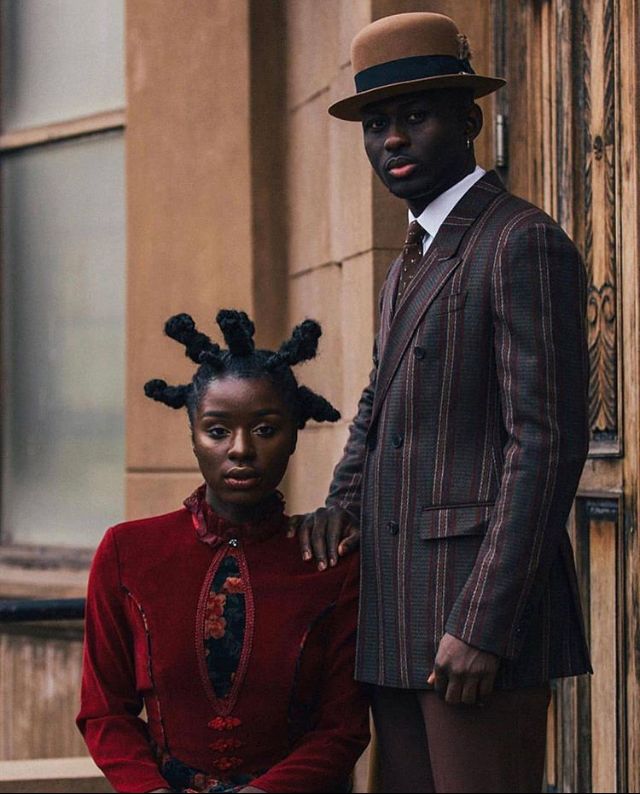
The Stoned Cherrie label, which produced fashion drawing on Drum imagery in the early 2000s, made the visual vocabulary of Black confidence available as commercial fashion. The academic literature on this process notes that Biko’s emancipatory message and work may be sidelined and his image depoliticised and de-historicised when it is worn and discarded as fashion dictates. This is the tension that Biko himself would have recognised: the same cultural confidence that the Black Consciousness Movement expressed through dress can be repackaged by a commercial system that strips the politics from the aesthetic and sells back the appearance of liberation without the liberation itself.
The Omiren Argument
Dress under apartheid South Africa was never politically neutral. The Black Consciousness Movement, as articulated by Steve Biko from 1968 through the SASO Newsletter writings collected posthumously as I Write What I Like, made the Black person’s relationship to their own body and appearance a primary site of political argument. The African fashion and beauty market is worth $ 31 billion. The Afro hairstyle that Black South Africans wore in the 1970s, that Angela Davis and the Black Panther Party wore in the United States, that the students of Soweto wore when they walked out of their classrooms on 16 June 1976, was the body enacting the psychological liberation that Biko’s philosophy required before political liberation was possible. The apartheid state’s response to visible Black confidence, to Biko’s banning order, to police appearing at BCM cultural events, to the suppression of the Soweto Uprising with live ammunition, confirmed that the state understood exactly what confident Black self-presentation meant politically. You cannot read the history of dress in apartheid South Africa without reading Biko. And you cannot read Biko without understanding that the first act of liberation he described was visible on the surface of the body every time a Black South African refused to dress in the inferiority the system had assigned them.
Also Read:
- Queen Nzinga’s Battle Dress: Royal Power and Angolan Resistance
- When Dressing Becomes Declaration: Clothing as Cultural Identity
- Yaa Asantewaa’s War Dress: What Ashanti Royal Regalia Meant in the War of the Golden Stool
Frequently Asked Questions
What did Steve Biko say about Black identity?
Steve Biko defined Black consciousness as the awakening of self-worth in Black populations, aiming to replace the external identity imposed by an oppressive society with an internal sense of dignity and pride. Writing in the SASO Newsletter under the pseudonym Frank Talk from 1969 to 1972, Biko argued that Black South Africans could not achieve genuine liberation without first reclaiming their psychological freedom and cultural identity. He saw the inferiority complex produced by apartheid and colonial racism as the primary internal obstacle to liberation, and Black Consciousness as the philosophical and psychological tool for dismantling it.
Why was the Afro a political statement?
The Afro hairstyle, worn as natural, unaltered growth of Afro-textured hair, was a political statement because it rejected Eurocentric beauty standards that had defined straightened or relaxed hair as acceptable and natural Black hair as threatening or unruly. Wearing an Afro signalled that the wearer was no longer willing to alter their appearance to satisfy white supremacist aesthetic norms. In the United States, Angela Davis, Huey P. Newton, and the Black Panther Party wore Afros as part of the Black Power movement’s assertion of Black pride and dignity. In South Africa, the Afro carried similar meaning within the Black Consciousness context: the body refusing to perform the inferiority that the apartheid system required.
How did the Black Consciousness Movement use dress?
The Black Consciousness Movement used dress and appearance as extensions of its core philosophical argument: that psychological liberation from the internalised inferiority produced by apartheid must precede political liberation. SASO’s cultural programme included events, art, music, and community activities that celebrated Black identity, and the movement’s members wore natural hairstyles and African traditional dress as part of a coherent aesthetic and political position. Wearing your natural hair, wearing African-print clothing, and presenting yourself with visible confidence rather than deferring to European aesthetic standards were all practices that enacted Black Consciousness’s core argument at the level of the body.
What is the connection between the Afro and Black Power?
The Afro rose to political prominence as a symbol of the Black Power movement in the United States in the late 1960s and early 1970s. Activists, including Angela Davis, and members of the Black Panther Party wore Afros as a direct rejection of Eurocentric beauty standards and a celebration of Black identity. The Black Power movement’s influence was one of the intellectual sources for Steve Biko’s Black Consciousness philosophy in South Africa, alongside Negritude and Frantz Fanon’s analysis of colonial psychology. Both movements understood the dressed and presented Black body as a political text, and both used the Afro as the most visible expression of that political argument.
What was the significance of dress under apartheid South Africa?
Under apartheid, the Black South African body was subject to state management at every level: where it could move (pass laws), where it could live (Group Areas Act), what work it could do (job reservation), and how it was classified (racial identity documents). The presentation of that body, its hair, its clothing, its public bearing, was never politically neutral. The apartheid state read Black appearance as evidence, and confident Black self-presentation, including natural hairstyles and African traditional dress, was perceived as threatening. The Black Consciousness Movement understood this and deliberately used dress and appearance as a site of resistance: presenting a body that claimed dignity without waiting for the state to grant it.
Explore More
Read the full Culture > Heritage & Identity section at omirenstyles.com for Omiren Styles’ documentation of African resistance through dress, the politics of the presented body, and the communities who used clothing as the most immediate site of political argument.
Discover travel and heritage intelligence across Africa at rexclarkeadventures.com.