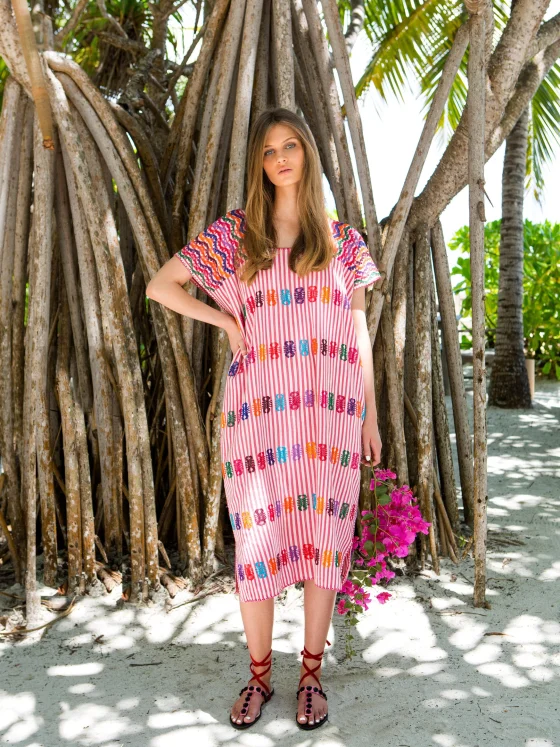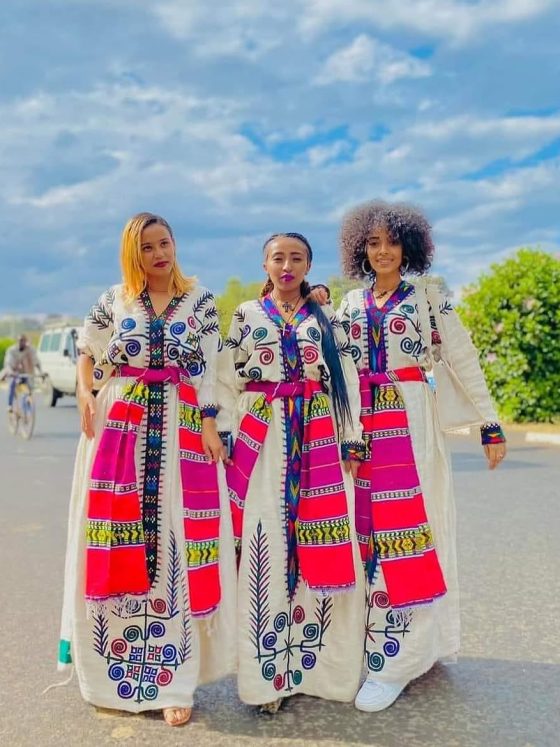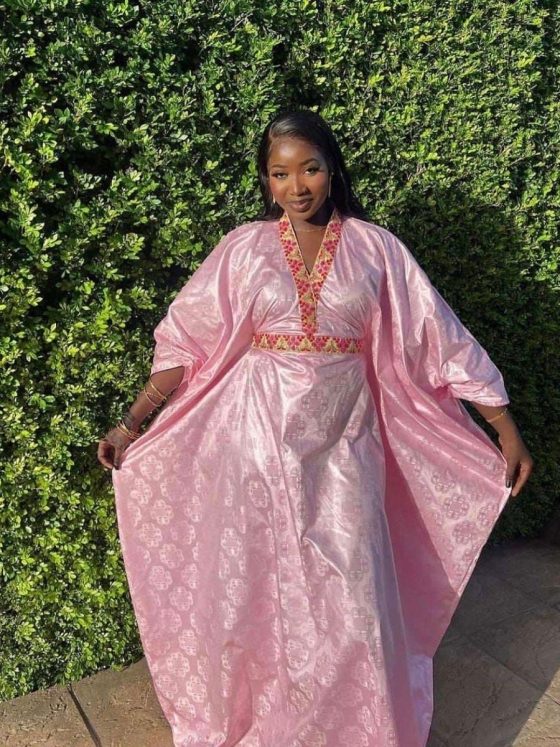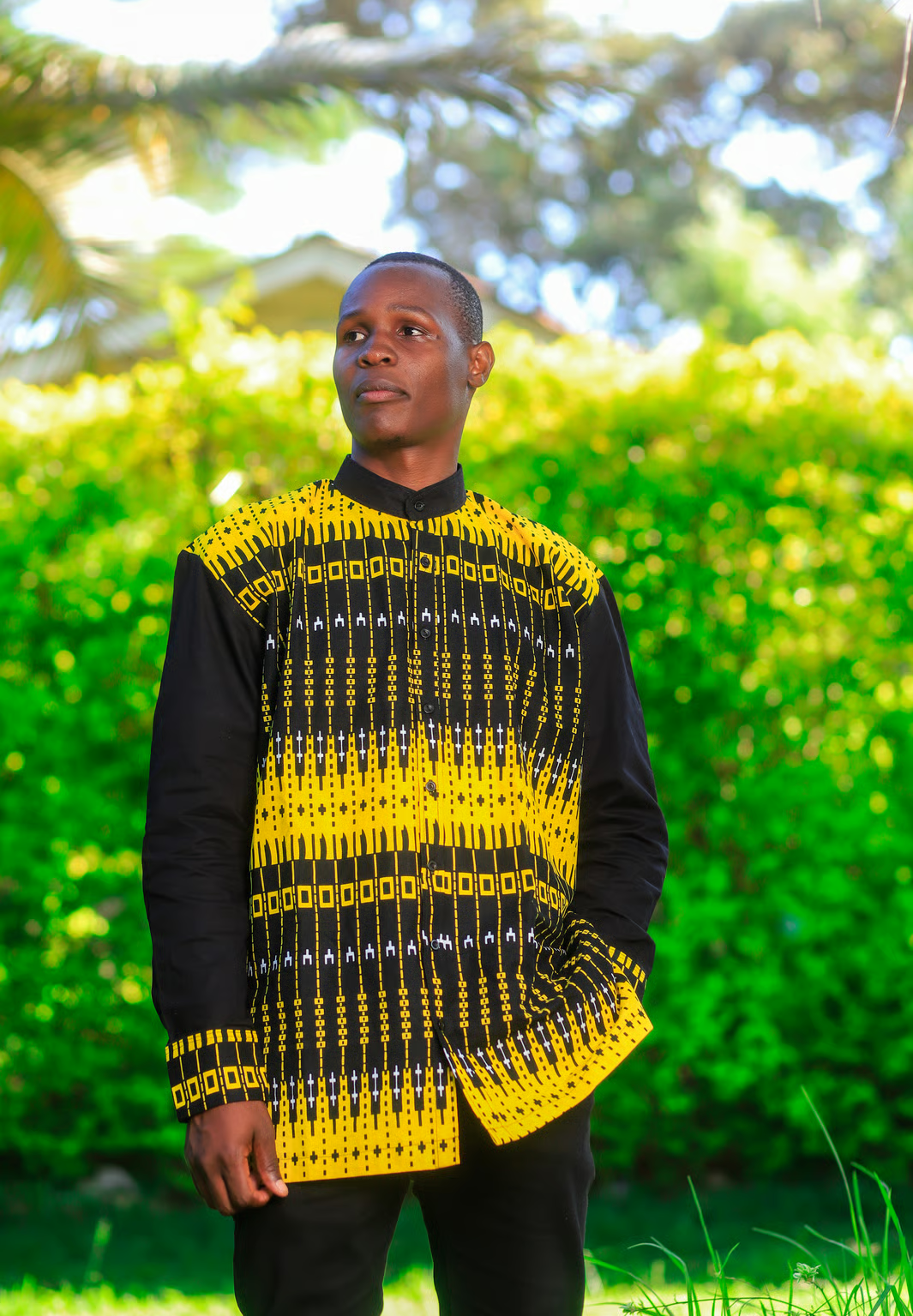
The most useful thing to bring to your first custom-clothing appointment is not certainty about every detail. It is a clear explanation of what you want the outfit to achieve. A photograph may show a neckline you love, a sleeve you dislike and a fabric whose behaviour you cannot identify. The brief begins by separating those things, rather than treating the whole image as a single instruction. The maker then has a design task, not merely a measuring task. Caroline Bruce describes sketching while a client explains an idea and assessing whether the proposed design will work for them. Ceris Davies similarly turns discussion and inspiration pictures into sketches that can be developed together. The reference starts the conversation; the agreed proposal gives the commission its direction.
This guide follows particular dressmaking and bespoke-tailoring practices. They illuminate related decisions, but they do not establish one sequence for every garment. Ask the maker which stages their service includes, what each appointment is intended to resolve and when work moves beyond a decision that remains open.
Turn a reference image into a clear garment brief, understand what fittings test and agree on revisions before your custom outfit moves to the next stage.
From Reference Image to Agreed Brief
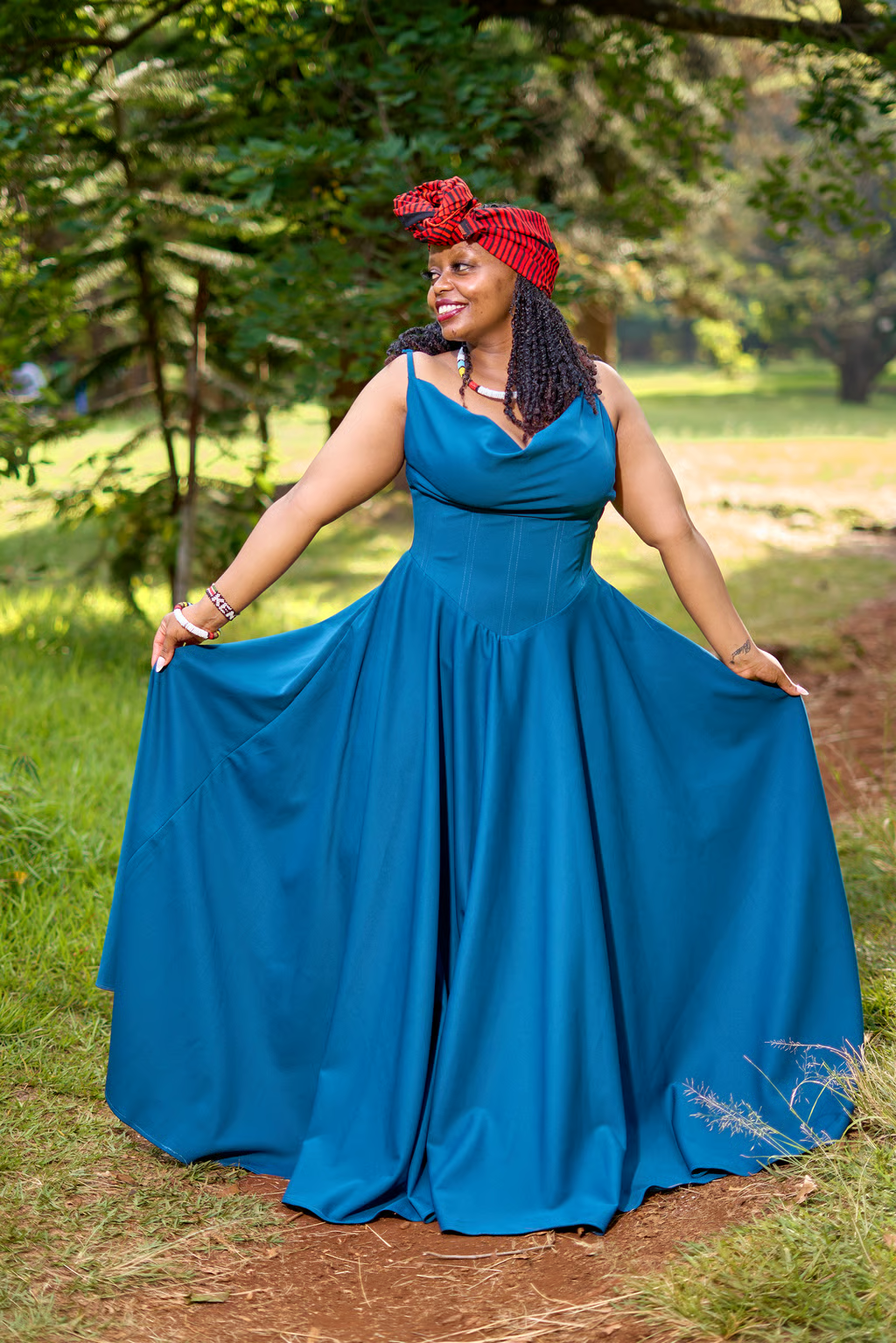
Before the consultation, identify what attracts you to each reference. Is it the overall outline, the relationship between fitted and loose areas, a particular detail or simply the colour? Also identify what you would change. Davies explicitly invites inspirational pictures and ideas, then develops sketches and quotes from the discussion. Her process allows parts of the design to be added or changed before proceeding. Explain the intended use as clearly as the appearance. Cad & The Dandy begins by asking what a suit is for, distinguishing among a wedding, shooting and a frequently worn jacket. That is the house’s tailoring process, but the question has wider relevance: what must your outfit allow you to do, and in what setting? A garment for a brief appearance and one intended for repeated wear may begin with different priorities.
Before approving work, summarise the proposal with the maker: garments included, silhouette, important details, fabric direction and intended completion date. Ask which elements are confirmed and which remain provisional. Discuss what the quote covers and how additional work is approved. This is a practical discussion record, not a universal contract template. Its purpose is to prevent the same sketch or phrase from carrying two different expectations.
What the Fabric Changes
Fabric selection is part of the design, not simply a choice of shade. Bruce’s account describes sourcing samples in different types and weights, considering hang and drape, and testing how the selected material responds to stitching and pressing. A reference photograph cannot establish that another cloth will produce the same result. If you want to supply your own fabric, have it assessed before treating the design as settled. Ask what changes the proposal makes and what else the garment requires. Bruce identifies linings, fastenings, threads and trims among the components that may need sourcing. She also explains that printed cloth requiring matching and lace with a scalloped edge need careful placement when cutting. The material can affect both the appearance and the work involved.
A useful question is, “What will this fabric change about the version we have discussed?” The answer may involve a different detail, revised construction or another cloth. Accepting that advice need not mean abandoning the idea. It may be the point at which the reference becomes a garment that can actually be made for its intended use.
What the First Fitting Is Testing
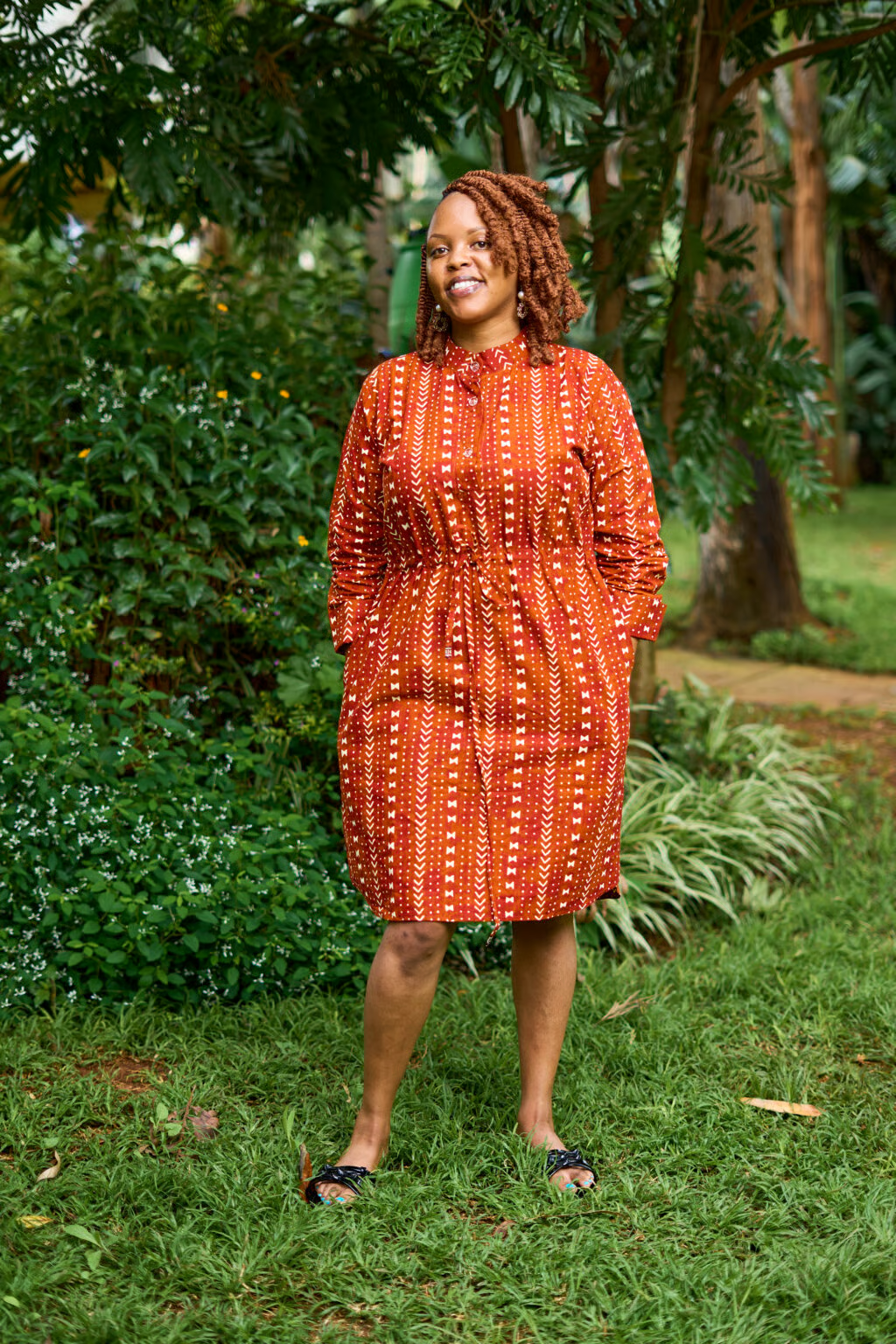
A toile is a trial version used to assess a garment before final construction. Davies describes making hers in cotton calico, pinning it on the client and transferring modifications back to the paper pattern. She notes that a complicated design may need more than one toile fitting, with design and fabrics finalised before the dress proceeds in its actual materials. Bruce’s account gives the stage several purposes: checking fit, hang, proportions and the appearance of the design on the client. She describes correcting both the toile and paper pattern, and making another toile where changes require it. Cad & The Dandy also starts a new suit with a toile, reviewing fit and styling before recutting the pattern. These are the makers’ stated methods, not a rule that every legitimate custom service must include the same trial garment.
Ask what you are being invited to approve. The outline, body fit and placement of a feature may be ready for a decision while another aspect remains dependent on the final cloth. A trial garment should make those distinctions clearer. You do not need to guess whether an unfinished edge is temporary or whether a particular proportion is intended to remain.
Give Feedback That Can Be Acted On
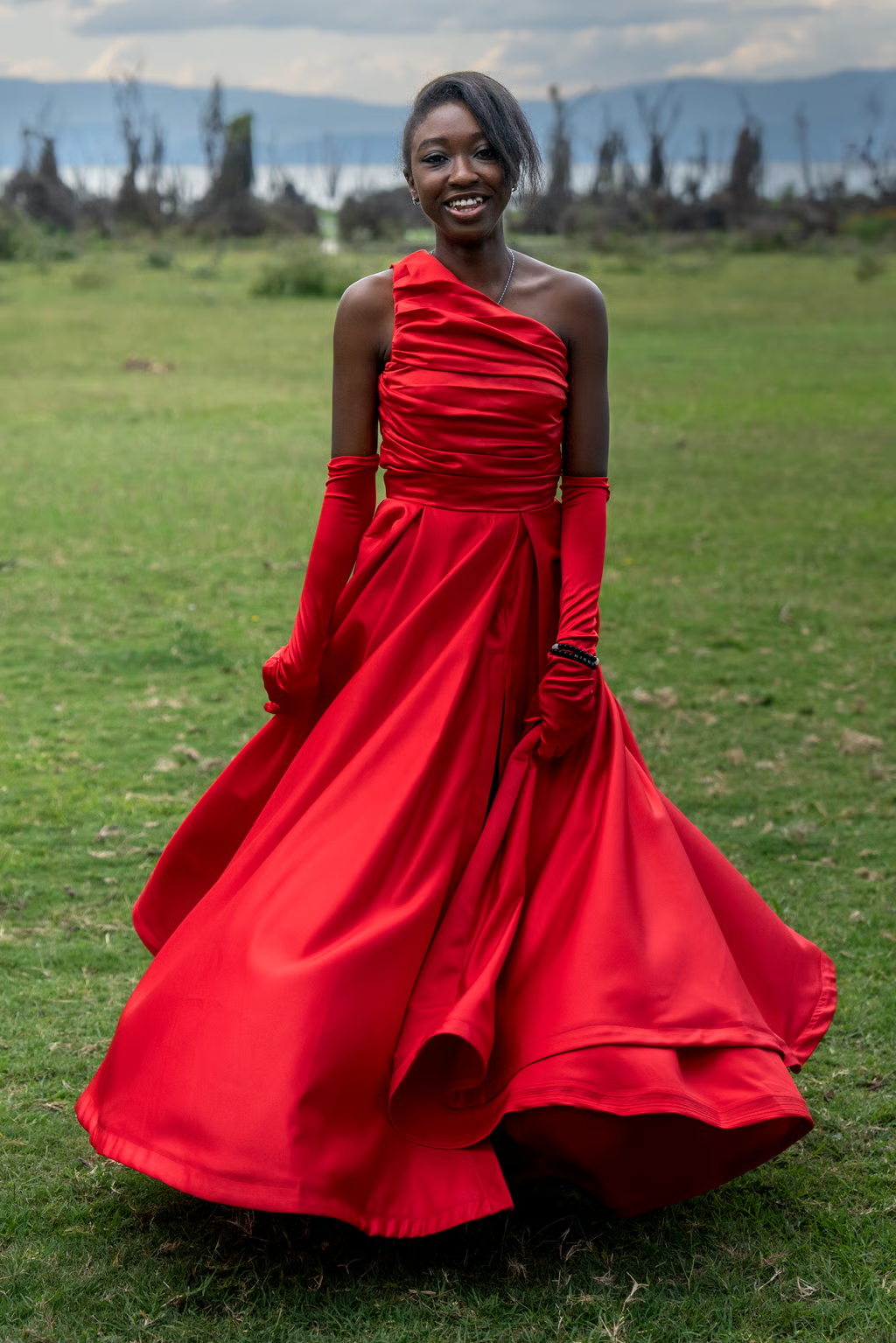
Describe what you experience before prescribing a technical solution. Useful feedback might be, “It pulls here when I sit,” rather than, “Make the whole garment bigger.” Likewise, “I expected the neckline to finish higher” identifies a visual concern without assuming how it should be corrected. These are illustrative phrases, not recorded fitting dialogue. Their purpose is to separate sensation, preference and proposed solution. Prepare as the maker directs. Bruce asks for correctly fitting undergarments when taking measurements and, where necessary, shoes that establish the relevant height. Confirm the requirements for your commission and keep the maker informed if the clothing or footwear intended for the outfit changes. Do not assume that different fitting conditions are immaterial.
Before leaving, confirm the next steps together. Omiren recommends a short record covering:
- What has been approved.
- What will change.
- What remains provisional.
- Whether the change affects the agreed price or completion date.
- What you need to bring or decide before the next appointment.
Photographs can support that record if permitted, but they do not replace an explanation of what the maker intends to do.
Agree on the Revision Before Proceeding
“Something needs changing” can describe several different situations. The maker may be refining fit, the client may notice a difference from the agreed brief, or someone may propose a new direction. Those conversations should not be collapsed into one category. An adjustment to achieve the approved garment is not automatically the same request as replacing its sleeve or changing its silhouette. Bruce’s 2016 account explicitly warns that major style changes after the first toile can create additional costs because of the work required. Davies places design and fabric finalisation at the toile stage, while still describing client input during later fittings. The two accounts show why approval points matter without establishing a universal revision policy.
If you change your mind, explain what you now want and ask about the effect before authorising more work. If something appears inconsistent with the agreed proposal, identify that feature and refer back to the record. A maker-proposed revision should be discussed with the same clarity. These are practical distinctions for managing a commission, not legal definitions of responsibility or entitlement.
| Discussion | What to clarify |
|---|---|
| Fit refinement | What this fitting is intended to resolve |
| Difference from the brief | Which agreed feature appears inconsistent? |
| New preference | What you now want changed |
| Maker-proposed revision | Why a departure from the earlier plan is recommended |
| Consequences | What happens to the work, timing and price |
The Final Fitting and Handover

The final fitting is an opportunity to check the agreed garment, not simply celebrate its completion. Revisit the appearance and intended use, try the relevant fastenings and raise any remaining concerns. Where appropriate, ask the maker how to assess sitting, reaching or other movements the outfit needs to accommodate. A still mirror view is only one part of that conversation. The practitioners describe different finishing sequences. Bruce usually completes the garment before arranging the final fitting, while allowing that minor changes may remain. Cad & The Dandy describes follow-on fittings as needed, followed by finishing and collection. Ask how any outstanding work will be recorded and completed rather than assuming the word “final” closes the discussion. A fitting is not a guarantee of performance over months of wear.
At handover, obtain garment-specific care advice and clarify any aftercare offered. Cad & The Dandy says it emails care instructions when garments are collected and offers ongoing services; Bruce describes establishing washing and pressing guidance during making. Confirm your maker’s arrangements, including how future alterations are handled. The commission should end with an outfit you understand how to wear and maintain, not only one that looks finished.
The Omiren Argument
The principle is agreement. A successful commission depends on knowing which decisions are settled, which remain provisional and what the next stage is intended to resolve.
The reference image does not disappear from that process, but it stops being the only authority. The wearer’s priorities, the maker’s expertise and the evidence of each fitting progressively define the garment. That is how an appealing appearance becomes a shared, workable brief, and eventually an outfit.
Also Read:
- How Seyi Vodi Built a Luxury Tailoring Brand Before He Had a Shop
- REIMMS by Petr Konyé: The Founder Turning Lagos Denim Into a Luxury Language
- Radical Tailoring for Men Is Reshaping Style in 2026
- Naadu and the Art of Designing for the Modern Woman
Frequently Asked Questions
What should I bring to the first appointment?
Bring relevant references and explain the intended occasion or use. Ask in advance whether the maker needs particular undergarments, shoes or fabric. Davies welcomes inspiration pictures; Bruce identifies undergarments and, where relevant, footwear as part of accurate measurement preparation. Cad & The Dandy begins by asking what the garment is for.
What if I cannot describe the design technically?
Explain what attracts you, what you dislike and how you want the garment to function. Both dressmaking accounts describe translating discussion into design, with the maker sketching as the idea is explained. You do not need to arrive knowing how to draft the pattern.
What if I change my mind after approving the toile?
Raise the request before work proceeds further and ask what it changes. Bruce’s account warns that substantial style revisions can add work and cost, while Davies places design and fabric finalisation at the toile stage. The applicable arrangement must be confirmed with your maker rather than assumed from another practitioner’s process.
How many fittings should I expect?
Ask for the maker’s proposed sequence. Davies describes potentially multiple toile fittings and fittings in the final fabric; Cad & The Dandy allows follow-on appointments according to need. Bruce usually completes the garment before arranging the final fitting. Neither account establishes a universal number for every custom outfit.