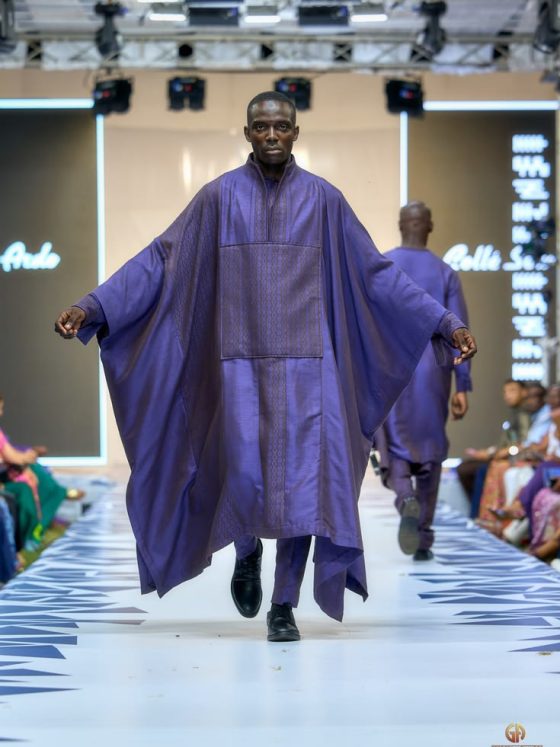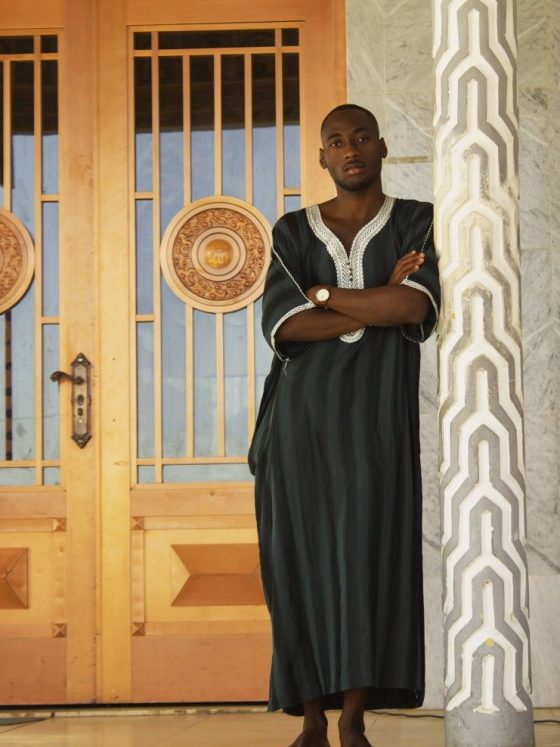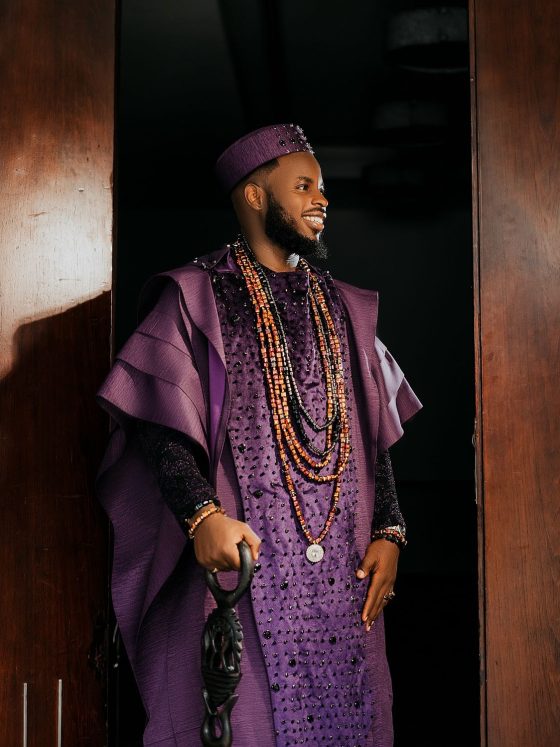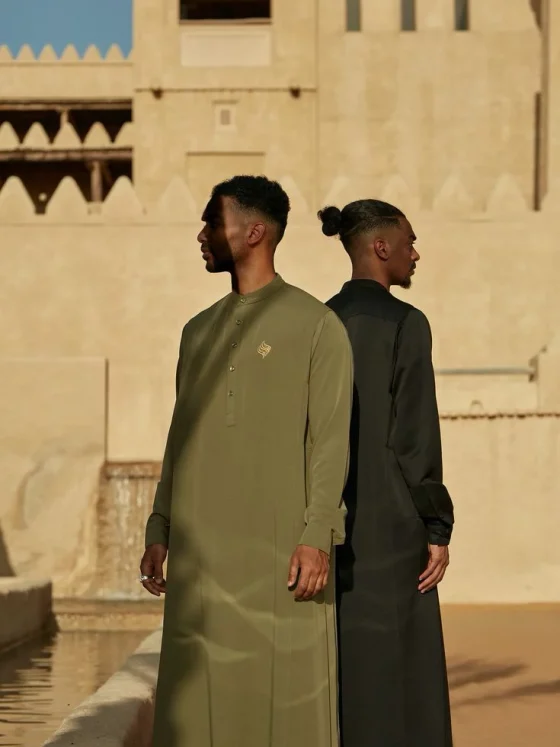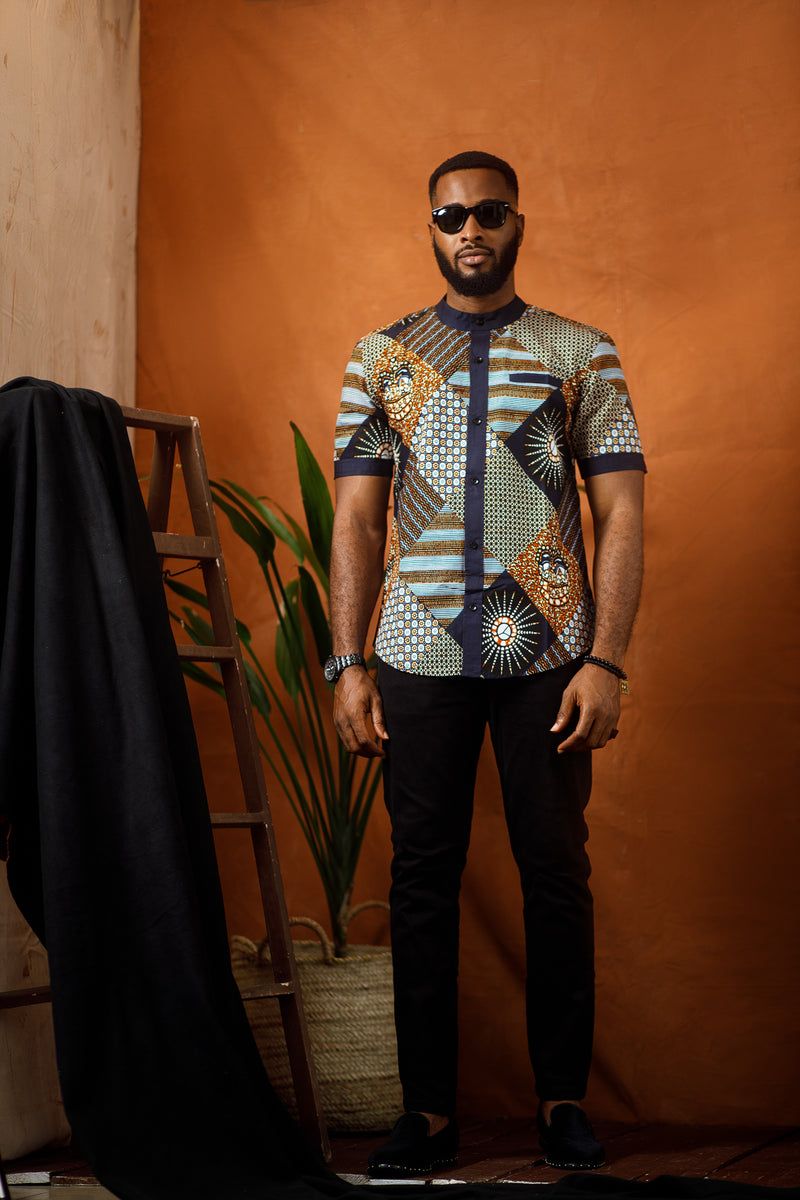
The phrase “African print” is doing too much work. It covers chitenge in Zambia, kitenge in Kenya and Tanzania, ankara in Nigeria and Ghana, and vlisco-derived wax print across the continent, treating them as a single aesthetic tradition when they are, in practice, distinct local expressions of a shared global textile history with different tailoring conventions, different community meanings, and different relationships to men’s dress. Zambian chitenge menswear is not Nigerian ankara menswear dressed in different colours. It is a specific tradition with a specific tailoring history and a specific contemporary menswear argument that the continent’s fashion press, overwhelmingly oriented toward West African fashion capitals, has not documented with the specificity it deserves.
This article begins that documentation, drawing on a 2024 peer-reviewed academic study by a Zambian scholar, “Tailoring Modernity and Wrapping Tradition: Chitenge Class and Culture in Zambia” (published in Fashion Theory: The Journal of Dress, Body and Culture), on the documented history of tailoring in Northern Rhodesia, on contemporary Zambian designers including Mainga Sanderson of Vitenge Nivatu and the Nkanda Yatu fashion house, and on the specific formal vocabulary that chitenge menswear has developed for shirts, blazers, and modern masculine styling in Zambia.
Zambian chitenge menswear has a documented tailoring history that predates its elevation to fashion. It is not Ankara, and the distinction matters more than the continent assumes.
Chitenge and Ankara: The Distinction That Matters
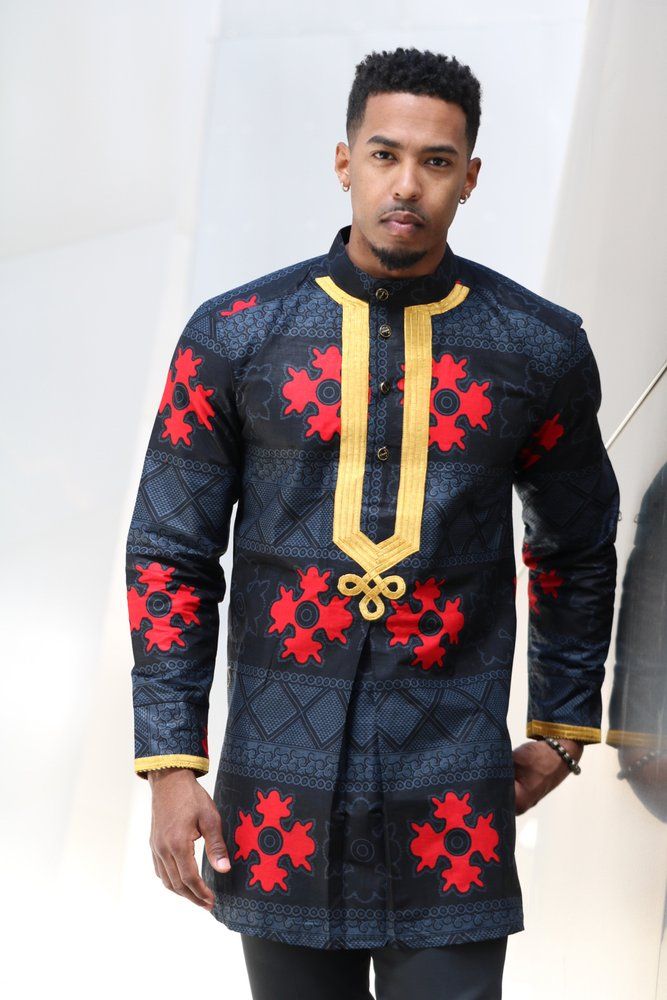
Chitenge and Ankara share a common ancestor in the Dutch-manufactured wax-resist printing technology developed in the nineteenth century for the Indonesian batik market, subsequently redirected toward West and Central Africa, and now produced predominantly in China for consumption across the continent. As Nkwazi Magazine’s documentation of chitenge origins confirms, African print fabric as a category is “an amalgam of various artistic cultures, namely Indonesian, Indian, Chinese, Arab, Dutch and European,” with questions of authenticity unresolved but the global hybrid character of the textile form documented consistently across scholarship.
The distinction between chitenge and ankara is not primarily material. Both are printed cotton fabrics in bold patterns. The distinction is linguistic, geographic, and cultural: chitenge is the Zambian Bantu-language name for the fabric in Zambia (and variants of the term are used across Central and East Africa); ankara is the West African name, deriving from the Turkish city whose printed fabrics were among the colonial trade items that shaped the fabric’s West African market presence. The tailoring conventions, the occasions, the gendered norms, and the community meanings of the fabric differ significantly between Zambia and Nigeria. Describing both as “African print” flattens that difference into a generic continental aesthetic that serves no one who actually produces or wears either tradition.
The 2024 Tandfonline study makes the case for why this specificity matters: chitenge in Zambia “reflects wider global trends of local dress positioned as ‘traditional’ contrasting with Western styles perceived as ‘modern’,” and is “desirable when tailored into Western-style attire customised for individual use.” The tailoring relationship, the specific act of taking a fabric associated with wrapping and domestic use and having it made into a fitted shirt, a structured blazer, a pair of tailored trousers, is where the cultural argument about modernity and identity is made in Zambian men’s dress. That argument is specific to Zambia. It is not the same argument being made in Lagos or in Accra with their respective fabrics.
“Our research reveals conflicting perceptions — from being labelled as backwards to its proud representation as national dress during special occasions, chitenge in Zambia reflects wider global trends of local dress positioned as ‘traditional’ contrasting with Western styles perceived as ‘modern’.” — Tailoring Modernity and Wrapping Tradition: Chitenge Class and Culture in Zambia, Fashion Theory, 2024
The Tailoring History: Northern Rhodesia to Zambia
The tailoring tradition that makes contemporary chitenge menswear in Zambia possible was established during the colonial period of Northern Rhodesia, as documented in the 2024 academic study. Sewing machines were initially owned by White missionaries and traders who taught Northern Rhodesian men to sew and employed them as tailors. Customers would buy fabric from Indian traders and commission tailors to construct garments to their specification. This colonial-era tailoring economy established the made-to-measure convention that remains central to Zambian chitenge clothing: the fabric is purchased first, the tailor is found second, and the garment is constructed to the specific measurements and preferences of the individual customer. This sequence, which Zambian fashion scholars describe as the dominant mode of chitenge acquisition even as ready-to-wear options have expanded, is structurally distinct from the ready-to-wear distribution model that dominates Nigerian ankara retail.
Chitenge arrived slowly into men’s wardrobes in Zambia. The 2024 study notes that the majority of chitenge buyers are women, and that men who purchase chitenge tend to be tailors displaying sample outfits or men buying gifts for women in their lives. The association of chitenge with femininity and domesticity, with the wrapped cloth used for carrying babies and doing household work, created a specific barrier to its adoption in men’s formal dress that the tailoring tradition has been working to dismantle for several decades. The early 2000s mark the period when chitenge began to be elevated in Zambia’s fashion world, as confirmed by Nkwazi Magazine, shifting from an association with the underclass and domestic work to a high-end fabric recognised on runways.
The political use of chitenge in Zambia adds a specific dimension to its menswear history. As See Africa Today’s documentation of Zambian chitenge fashion confirms, chitenge fabric has historically been used as a political tool: prints engraved with the images of electoral candidates, traditional art in fabric form used to push political narratives. Politicians wearing chitenge in public made the fabric available as a masculine formal garment in contexts where men’s dress conventions were already being negotiated: the public rally, the state occasion. This political adoption of chitenge in Zambian public life is one documented pathway through which the fabric entered the masculine wardrobe as more than an informal or domestic item.
The Contemporary Menswear Argument
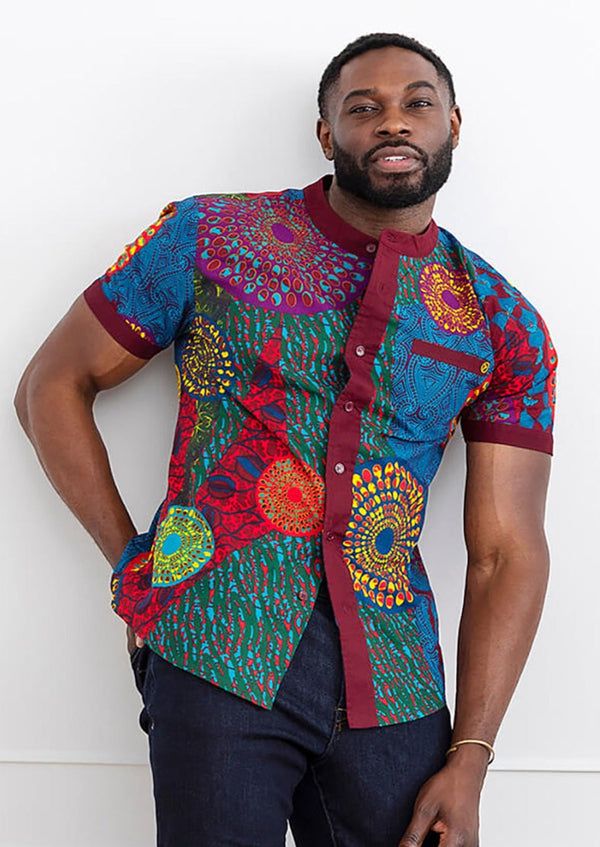
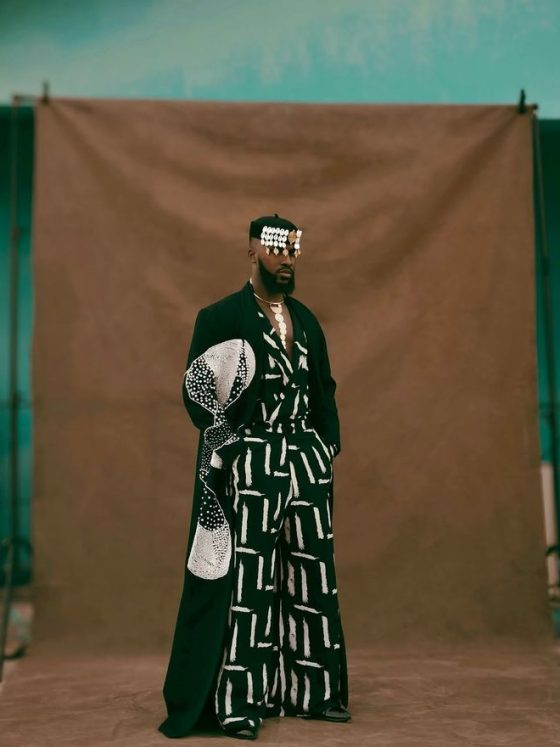
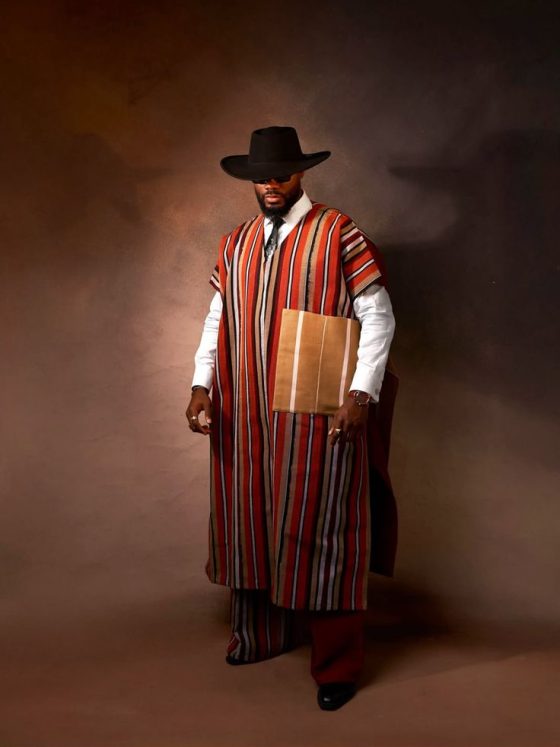
Contemporary Zambian chitenge menswear is built around three garment categories: the shirt, the blazer, and the trouser. The chitenge shirt, whether in a formal button-front cut or a more relaxed camp-collar construction, is the entry-level garment through which chitenge enters the masculine wardrobe. It makes no claim to replace the suit jacket: it works alongside Western trousers and shoes as a single expressive element in a mixed-register outfit. The chitenge blazer makes a stronger claim: it takes the most institutionally serious garment in the Western masculine wardrobe. It constructs it in a fabric whose associations in Zambia are domestic, communal, and female. The assertion that this works, that a chitenge blazer worn to a formal occasion is appropriate dress rather than a cultural contradiction, is the contemporary menswear argument that Zambian tailors and designers are making.
Mainga Sanderson of Vitenge Nivatu (Chitenge is Ours), named in the 2024 academic study as one of the Zambian designers working at the intersection of tradition and contemporary fashion, represents the design-for-elite end of the Zambian chitenge market. The brand name itself is an argument: Chitenge is Ours. The possessive is political in the context of a fabric that arrived through colonial trade networks, that for decades was associated with class inferiority, and that is now being reclaimed as a marker of specifically Zambian identity by designers who refuse the distinction between chitenge as traditional and Western dress as modern.
Nkanda Yatu, a Zambian fashion house, has carried that argument to its furthest institutional expression: exhibitions in Paris and Milan, as confirmed by Nkwazi Magazine’s origin documentation. The fashion cities that function as the global arbiters of what counts as luxury fashion have hosted Zambian chitenge collections. The argument that chitenge menswear belongs on those stages rather than only on Lusaka’s tailoring streets is the contemporary Zambian fashion industry’s most ambitious claim. It is consistent with what Omiren Styles has argued about African craft and design as a knowledge system that belongs on international stages not because international validation makes it legitimate, but because its legitimacy has always existed. The stages are merely the most recently available venue for demonstrating it.
The Gender Transition and What It Means
As Nkwazi Magazine’s evolution piece documents, chitenge “has gone from something African women wore while they did chores in the home to high fashion featured on the runways of Zambia and the world, being worn by a wider array of people than ever before.” The inclusion of men in this trajectory, the creation of what the same source describes as “men’s chitenge outfits ranging from trousers, shorts, pyjamas and shirts,” is not a recent innovation imposed on the fabric from outside. It is the latest development in a decades-long negotiation about what chitenge can be and who can wear it.
The gender transition of chitenge into menswear is documented as happening on multiple levels simultaneously. At the high-fashion end, designers produce chitenge blazers and structured chitenge suits for formal occasions and runway shows. At the everyday tailoring end, men commission shirts and trousers from neighbourhood tailors in fabrics they have selected from market stalls. At the occasion-wear end, men wear chitenge to weddings, funerals, church services, and public events where the fabric signals national identity and cultural belonging. These are not the same garment or the same occasion or the same social argument. They are a spectrum of adoption that reflects the fabric’s genuine integration into Zambian masculine dress culture.
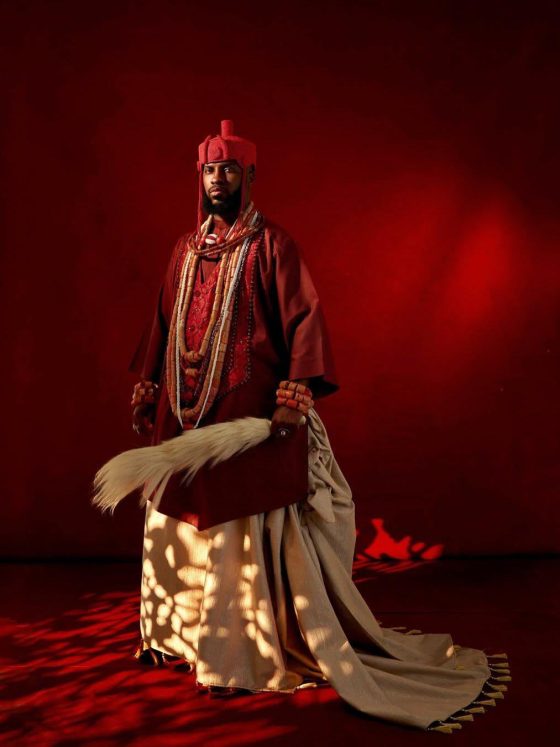
The comparison with Ankara menswear in Nigeria is instructive here. Nigerian Ankara menswear, particularly in the agbada and senator suit tradition, has a longer documented history of formal masculine adoption. The agbada, worn across the Hausa, Yoruba, and Fulani communities of Nigeria in Ankara and other fabrics, established the formal African print menswear garment as a political and ceremonial uniform long before contemporary fashion discourse made it visible internationally. As Omiren Styles has documented in its analysis of the agbada and boubou across West Africa, the silhouette carries specific political and social meanings in its original contexts that cannot be abstracted into a generic “African formal wear” category. The same specificity applies to chitenge menswear in Zambia: its meanings, its occasions, and its tailoring conventions are Zambian, not continental.
What the Lusaka Tailoring Economy Produces
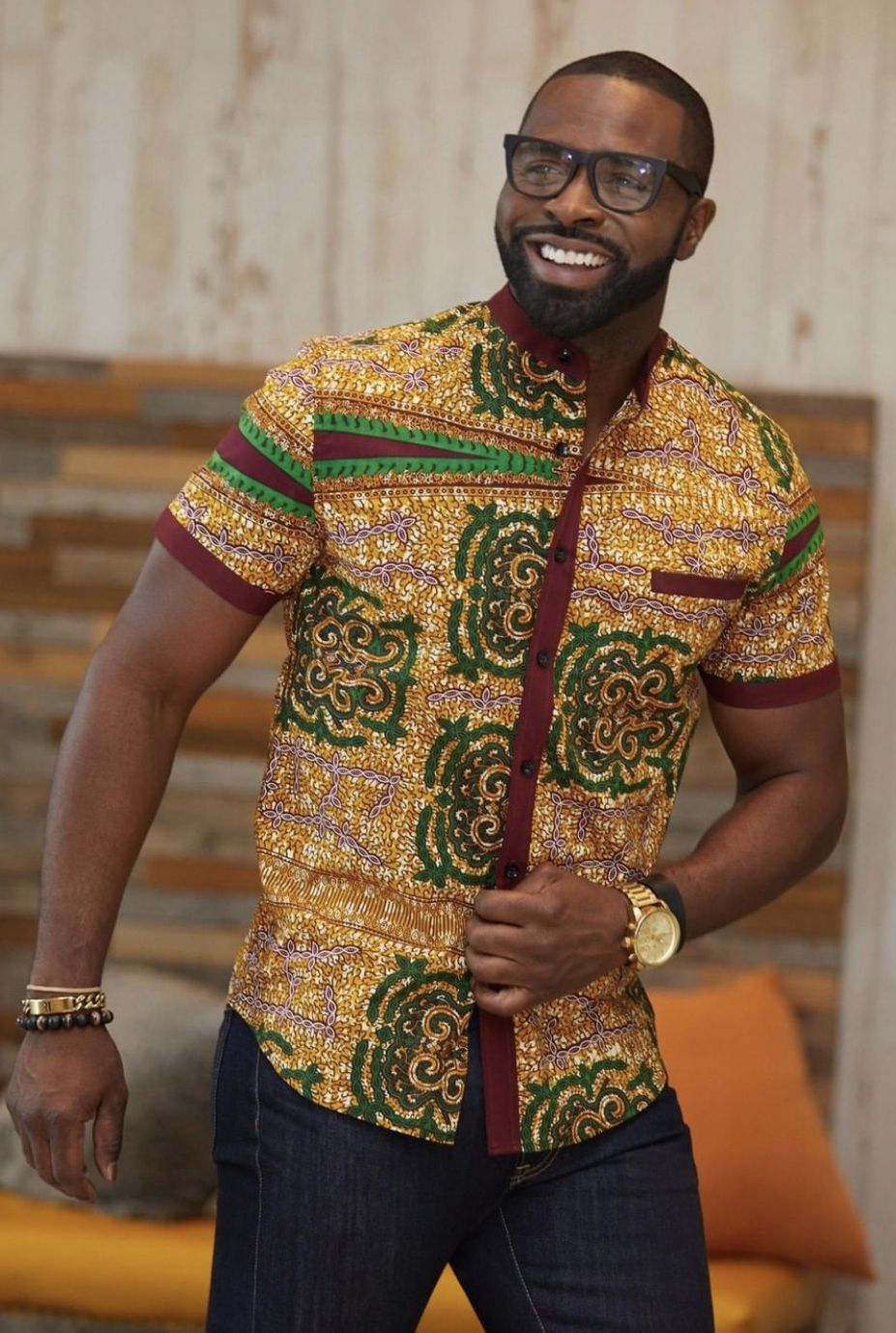
The Zambian tailoring economy that produces chitenge menswear operates at two speeds that are not always in dialogue with each other. The neighbourhood tailor, working from a small shop or a market stall, produces made-to-measure chitenge garments on short lead times for customers who bring their own fabric and a photograph or a verbal description of the garment they want. This tailor economy is where most Zambian men’s chitenge clothing is actually produced, and it is the economy in which the fabric’s tailoring conventions, the specific ways chitenge drapes and is cut for shirts and blazers, have been developed and refined across generations. As the 2024 academic study documents, “tailors are limited in their skills and offer services to average Zambians while fashion designers like Mainga Sanderson of Vitenge Nivatu design for the elite.” The two-tier structure of the Zambian chitenge economy is not a flaw. It is a reflection of the fabric’s genuine penetration across class lines.
The fashion designer end of the economy, represented by Vitenge Nivatu, Nkanda Yatu, and the growing number of Lusaka-based designers producing seasonal collections in chitenge, is building the brand infrastructure that would allow Zambian chitenge menswear to reach international buyers. As Omiren Styles has documented in its analysis of African fashion brands and global market access, the structural conditions for international market access- consistent production quality, appropriate pricing architecture, and documented cultural narrative- require years of investment to build. Zambian chitenge menswear has the cultural narrative. The production quality at scale and the pricing architecture for international wholesale are the conditions that the designer end of the economy is still developing.
The Omiren Argument
The case for treating Zambian chitenge menswear as a distinct tradition rather than as a regional variation of continental “African print fashion” is both a cultural argument and a commercial one. Culturally, chitenge in Zambia carries specific meanings, tailoring conventions, and relationships to masculine identity that differ from Ankara in Nigeria, kitenge in Tanzania, and kente in Ghana in documented and important ways. Treating them as interchangeable under the “African print” label is the same category error that treats Lagos and Lusaka as interchangeable under the “African city” label. Both errors erase the specific in favour of the generic and produce a version of Africa that serves the observer’s convenience rather than the subject’s reality.
Commercially, the distinction matters because the international fashion market’s appetite for specifically documented African design traditions is greater than its appetite for a generic African aesthetic, as Omiren Styles has documented across its analysis of African brand strategy. The brands that have built international traction, from KAHINDO to lemlem to Nkanda Yatu’s Paris and Milan exhibitions, have done so by being specific: this fabric, this community, this tailoring tradition, this cultural argument. Zambian chitenge menswear has the specificity that international market access requires. Documenting that specificity is what this article begins with and what the Zambian fashion industry needs more of.
Chitenge is not Ankara with a different name. It is a specific Zambian textile tradition with a colonial-era tailoring history, a political masculine adoption narrative, a two-tier production economy, and a contemporary designer generation making an argument about what Zambian masculinity looks like when it dresses itself on its own terms.
ALSO READ
- Agbada, Boubou, Grand Boubou: One Silhouette, Four Countries, Four Arguments About Power
- The Ankara Economy: Who Is Actually Capturing the Value?
- African Jewellery Brands That Go Global Do Not Get Lucky. They Get These Four Things First.
- African Fashion Is Not Emerging. It Has Always Been Here.
Frequently Asked Questions
What is chitenge and how is it different from Ankara?
Chitenge is the Zambian Bantu-language name for African print fabric, the printed cotton textile whose origins trace to Dutch-manufactured wax-resist printing adapted from Indonesian batik traditions. As Nkwazi Magazine documents, the fabric is now produced predominantly in China for consumption across the continent. “Ankara” is the West African name for the same fabric category, deriving from its trade history in West Africa. The distinction is linguistic, geographic, and cultural: chitenge in Zambia carries specific tailoring conventions, community meanings, gendered norms, and historical associations that differ from Ankara in Nigeria. The 2024 peer-reviewed study in Fashion Theory describes chitenge as “an amalgam of various artistic cultures, namely Indonesian, Indian, Chinese, Arab, Dutch and European” — a global hybrid with specifically Zambian cultural meanings.
What is the history of chitenge tailoring in Zambia?
The tailoring tradition that makes contemporary chitenge menswear possible was established during the Northern Rhodesian colonial period, as documented in the 2024 academic study in Fashion Theory. Sewing machines were owned by White missionaries and traders who taught Northern Rhodesian men to sew. Customers would buy fabric from Indian traders and commission tailors to construct garments to their specification. This made-to-measure convention remains central to Zambian chitenge clothing. The early 2000s mark the period when chitenge began to be elevated from an association with domesticity and the underclass to a high-end fabric recognised on runways.
How has chitenge entered Zambian men’s fashion?
Through multiple pathways over several decades. Politicians wearing chitenge at public events established a masculine formal register for the fabric. Tailors producing chitenge shirts and trousers for men at market stalls built everyday adoption. Designers including Mainga Sanderson of Vitenge Nivatu and the Nkanda Yatu fashion house, which has exhibited at Paris and Milan, built the high-fashion end. As Nkwazi Magazine documents, chitenge is now worn by men in “trousers, shorts, pyjamas and shirts,” with the chitenge blazer as the contemporary garment that most forcefully asserts chitenge’s place in Zambian masculine formal dress.
Which Zambian designers are working with chitenge menswear?
Mainga Sanderson of Vitenge Nivatu (whose brand name translates as “Chitenge is Ours”) is named in the 2024 Fashion Theory study as designing for the elite end of the Zambian chitenge market. Nkanda Yatu has exhibited chitenge collections in Paris and Milan, as confirmed by Nkwazi Magazine. The neighbourhood tailor economy, which is where most Zambian men’s chitenge is actually produced, represents a less formally documented but commercially larger tier of the same tradition.
Why does the distinction between chitenge and Ankara matter commercially?
The international fashion market’s appetite for specifically documented African design traditions is greater than its appetite for a generic African aesthetic. As Omiren Styles has documented, the brands that have built international traction have done so by being specific: this fabric, this community, this tailoring tradition, this cultural argument. Zambian chitenge menswear has that specificity: a colonial-era tailoring history, a political masculine adoption narrative, a specific two-tier production economy, and a designer generation building international presence. Documenting that specificity is what gives it a commercially distinct identity from Ankara in international markets.