Two African footwear and leather goods brands turned up in this research with unusually specific, independently corroborated evidence of international wholesale infrastructure. Several others have real craft merit and stated international ambitions. Still, the evidence for actual wholesale accounts, as opposed to direct-to-consumer online sales or aspirational company messaging, does not meet the same evidentiary standard. Both categories are worth naming. Keeping them separate is the point.
Which African footwear and leather goods brands have verifiable international wholesale accounts in 2026? The evidence is specific, and this piece says where it runs out.
Brands With Verified International Wholesale Evidence
AAKS (Ghana)
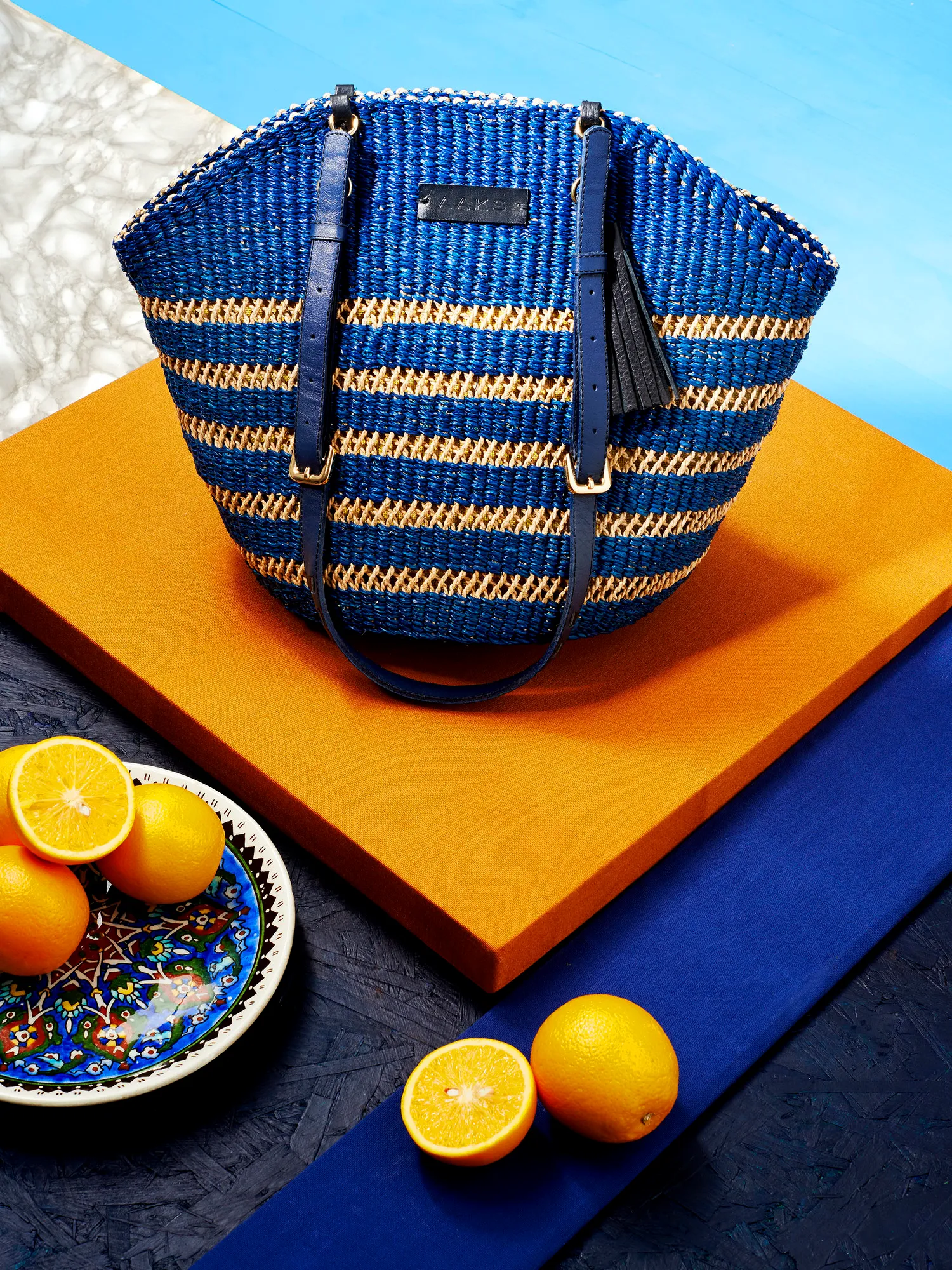
AAKS, the Ghanaian luxury handbag brand founded in 2014 by Akosua Afriyie-Kumi in Kumasi, has the strongest documented case in this category, even though it is a handbag rather than a footwear label specifically. Aspire Luxury Magazine’s reporting on African luxury brands names AAKS as sold in 60 stores across 18 countries, including the US retailers Anthropologie and Urban Outfitters, a specific, verifiable claim rather than general marketing language. The brand’s baskets are woven by artisans in northern Ghana using the raffia-weaving tradition of the Upper East and Upper West regions. This documented craft practice provides a direct economic benefit to the community. AAKS is the clearest documented case in this research of an African accessories brand that has built a genuine international retail infrastructure rather than simply international visibility.
A note on sourcing precision: the 60-store, 18-country figure originates in Aspire Luxury Magazine rather than a primary stockist document or AAKS’s own verified current listings page. Readers planning commercial engagement should confirm current stockist arrangements directly with the brand. The figure is included here because it is the most specific independent claim in this category, not because it has been verified using primary AAKS materials.
Veldskoen (South Africa)
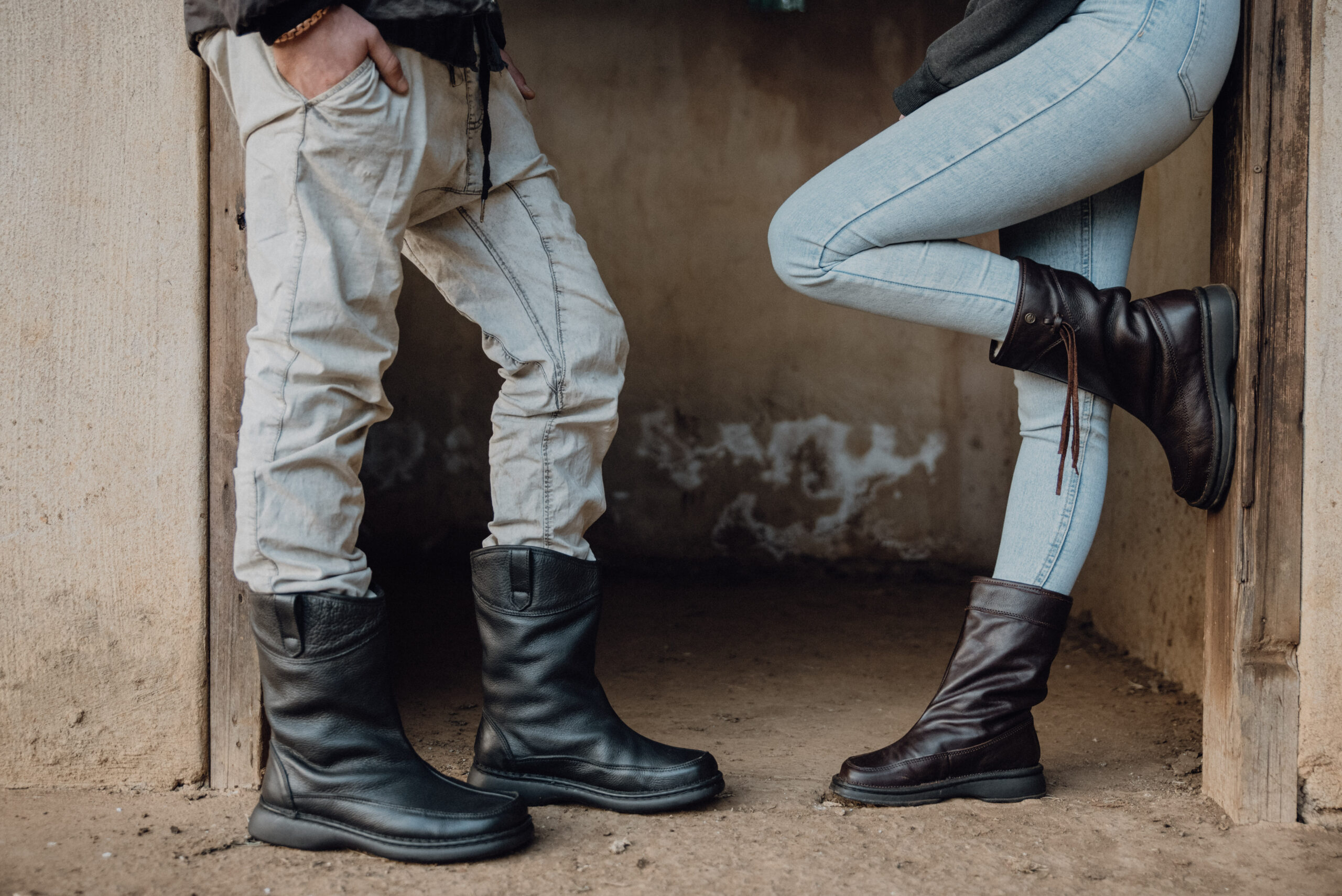
Veldskoen, the South African leather shoe brand founded in 2016 by Nick Dreyer and Ross Zondagh, has the clearest documented footwear-specific case in this research. The brand takes its name from the Afrikaans word for the traditional South African leather work shoe, a practical footwear form historically made from rawhide or tanned leather that predates the modern sneaker by centuries. The contemporary Veldskoen updates that construction with natural tanning, local South African leather sourcing, and a design language that has proven legible to international buyers.
The brand was previously 50% owned by Ashton Kutcher and Mark Cuban between 2018 and late 2023, before Dreyer and Zondagh reacquired full ownership. It has since established a dedicated US headquarters in Atlanta, with Global Atlanta reporting a visit from US Ambassador Reuben Brigety as part of a formal reciprocal trade delegation. The company told Yahoo Finance/Sourcing Journal that it aims to grow its US share from 20% to as much as 70% of total global business within 18 months. Veldskoen’s own website claims “distribution partners on every continent,” a company-sourced rather than independently verified claim, but one consistent with the scale of investment and infrastructure documented elsewhere in the reporting.
Brands With Real Craft Credentials but Unconfirmed Wholesale Reach
The following brands are included because they represent genuine African footwear and leather goods crafted with documented engagement with communities and artisans. The distinction between them and the two brands above is evidentiary, not qualitative: the sourcing found for these labels describes craft merit, founder ambition, and, in some cases, media recognition. Still, it does not name any specific international stockist or retail account. That is a statement about available documentation, not about the brands’ commercial potential.
Maliko (Nigeria)
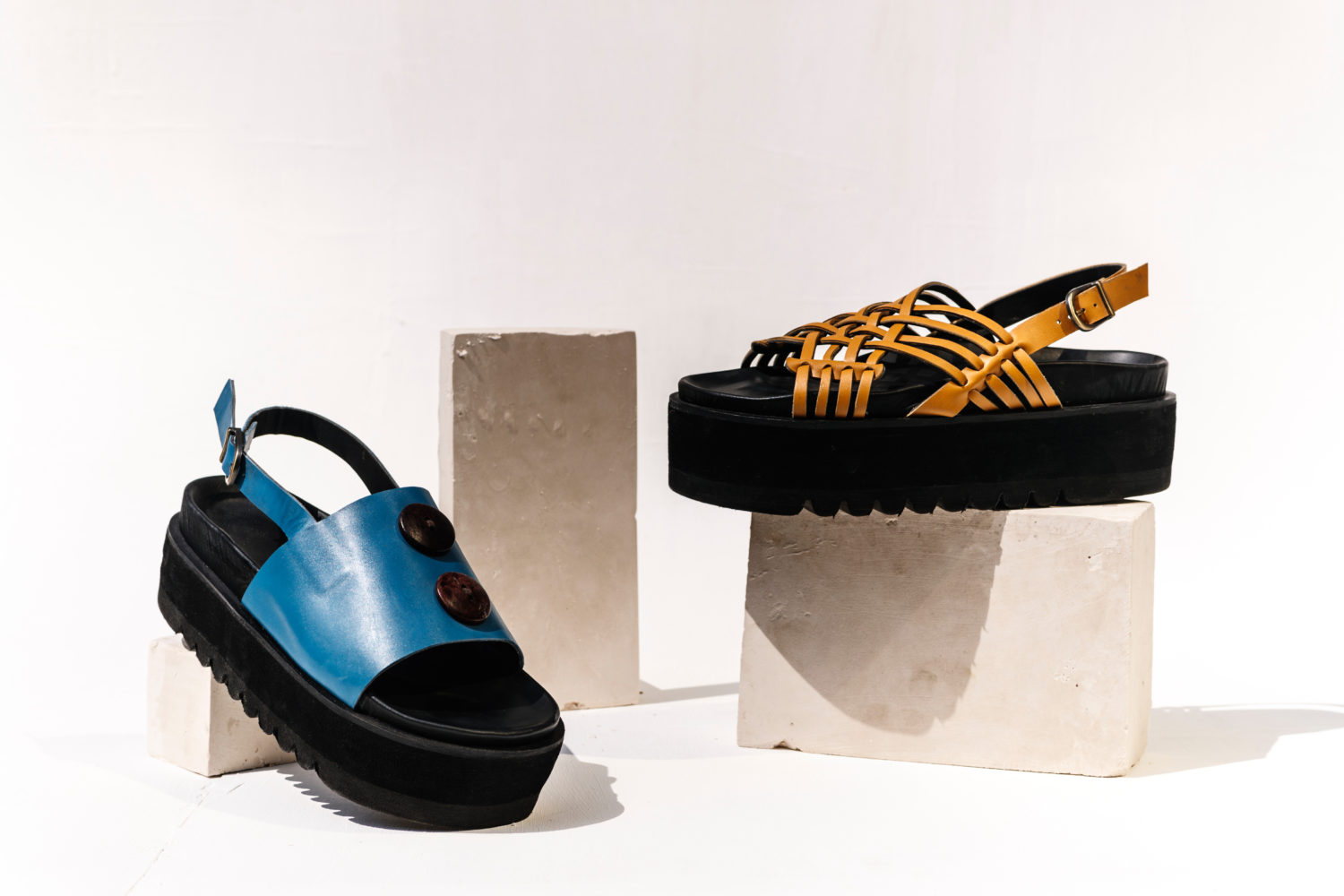
Maliko, founded by Ebuka Omaliko in Lagos (with sourcing conflicts over the exact founding year, with one source citing 2015 and another 2017), makes handcrafted unisex footwear using recycled leather and aso-oke fabric. Essence’s reporting names it among six brands “championing” African footwear, and FPN’s sustainable-brands coverage describes Omaliko’s work with local artisans in detail. Neither source names a specific international stockist or wholesale account. Omaliko’s own stated goal, per FPN’s reporting, is “elevating global recognition” rather than a confirmed present-tense wholesale presence. The founding-year conflict is noted rather than resolved: one date is correct rather than both; the discrepancy is worth flagging for anyone planning editorial or commercial engagement.
Coast and Koi (South Africa)
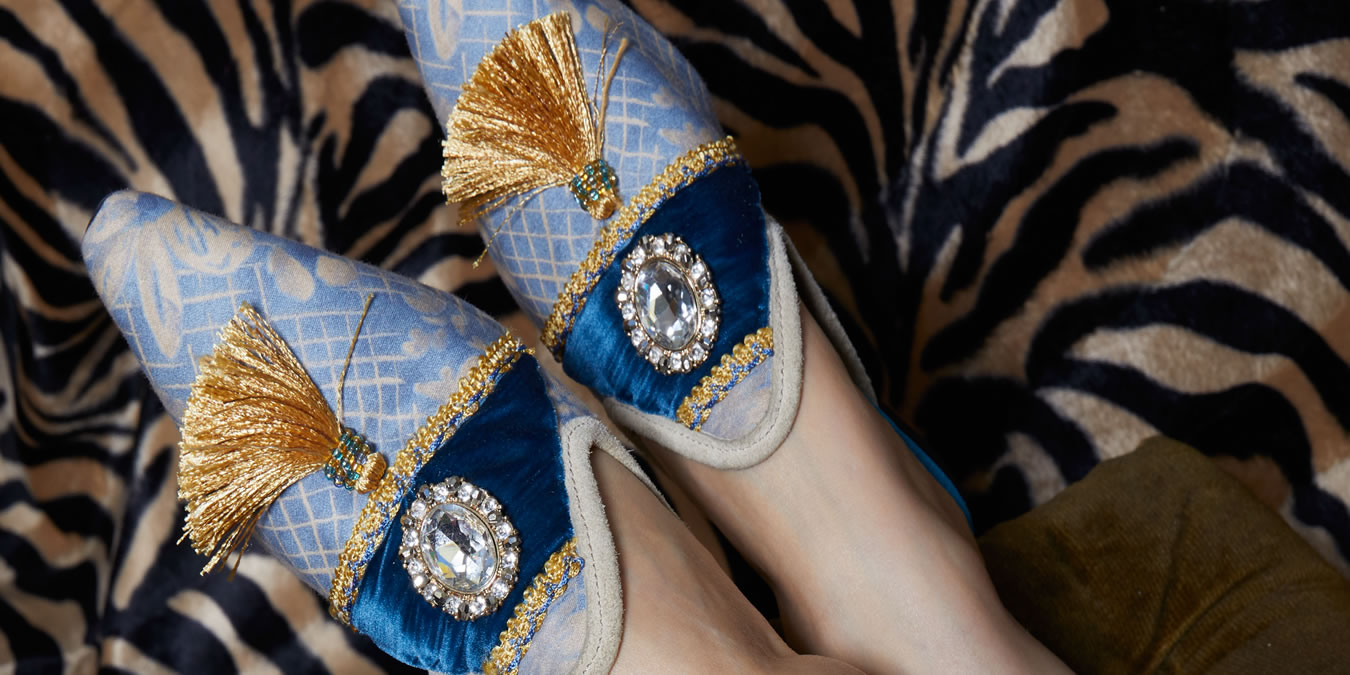
Coast and Koi, founded by Caryn Wilensky in South Africa in 2005 after she identified a market gap for stylish, locally handmade footwear, is described in the same Essence piece as “exploring her potential in luring an international market.” That language, read precisely, describes an ongoing effort rather than a fully realised, wholesale presence. The brand’s longevity in the South African market is well documented, and its craft credentials in locally handmade footwear align with what is needed for international wholesale. Evidence of achieved international wholesale placement was not found in this research phase.
Tsonga (South Africa)
Tsonga, a South African footwear and accessories brand, describes itself on its own site as having “a strong global reach” and the ambition to be “an international footwear and accessories brand with humble roots and a strong African heritage.” This is self-description language rather than a claim corroborated by an independent source naming specific markets or stockists. Company website claims of global reach are a different evidentiary category from named stockist relationships, as Omiren Styles has documented in its analysis of e-commerce versus physical retail for African brands. Tsonga’s own brand narrative and craft credentials in South African leather goods are well documented. The evidence for the specific international wholesale infrastructure the company describes was not independently confirmed in the sourcing available here.
Groundcover Leather Company (South Africa)
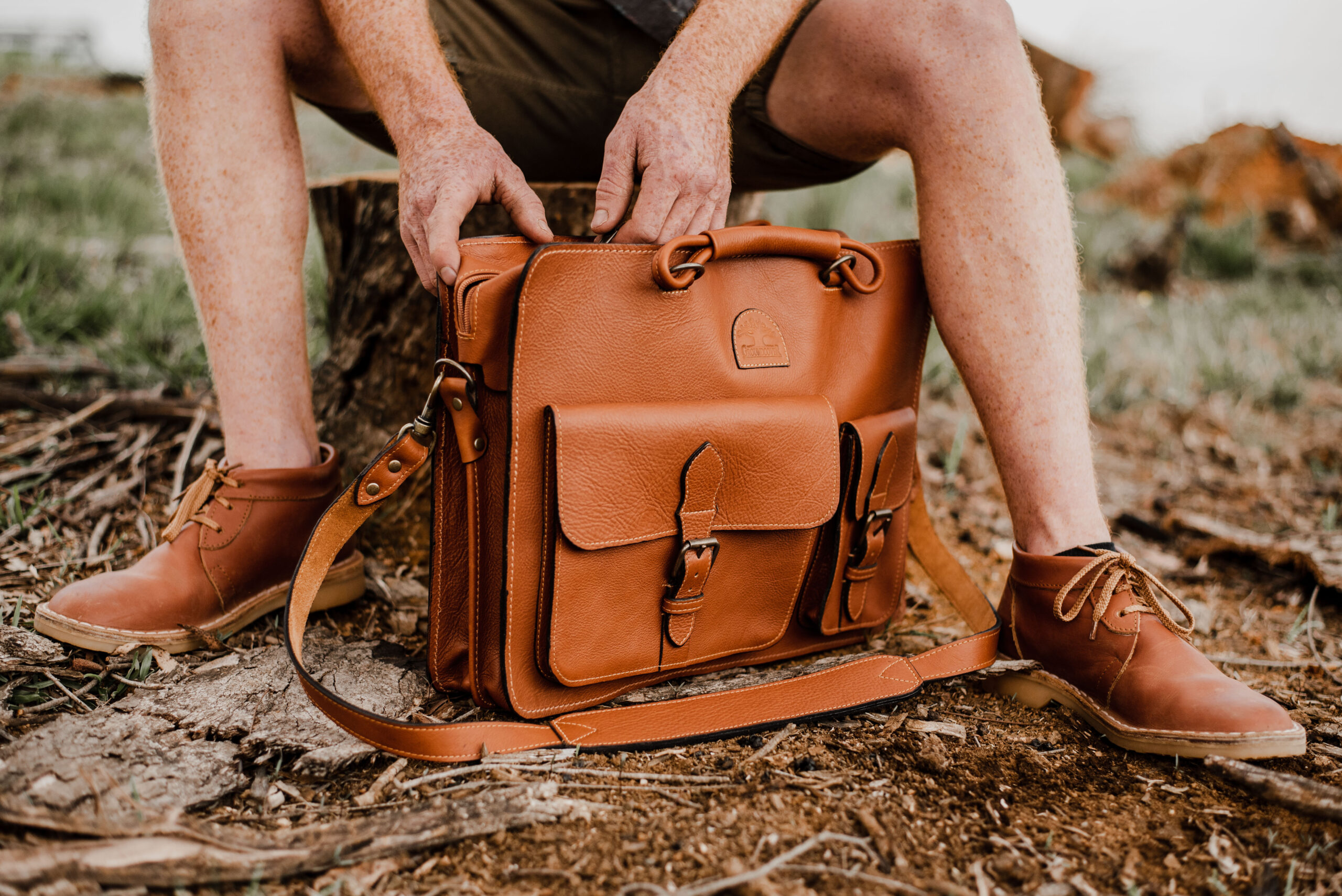
Groundcover Leather Company has been handcrafting leather footwear and accessories in the KwaZulu-Natal Midlands since 1990, giving it 36 years of continuous South African craft production. Its longevity is itself a form of documented commercial viability. Omiren Styles’s sourcing guide for African fabric markets and leather goods identifies KwaZulu-Natal as one of South Africa’s primary leather craft production regions. No international wholesale evidence was found for Groundcover in the research available for this piece.
What the Broader Market Data Shows
The wider category is growing. Mordor Intelligence’s market research projects that the Middle East and Africa leather goods market will reach $21.23 billion by 2025, growing at a compound annual rate of 7.06%, with the market segmented into footwear, luggage, and accessories. It is worth being precise about what that figure actually represents: the same report names LVMH, Kering, Hermes, Chanel, and Capri Holdings as the major companies operating in that regional market. The headline growth figure primarily reflects established global luxury conglomerates’ regional sales, not African-owned brand revenue specifically. Citing that market size as evidence of African-owned brands’ growth would misrepresent what the underlying data measures.
Structural headwinds are also real. Wholesale footwear industry reporting for 2026 describes conditions any brand in this category is operating against, regardless of origin: raw material costs rose 12 to 18% in 2025, according to World Footwear data cited in trade press; container shipping rates remain above pre-pandemic levels, and emerging-market currencies can move 10 to 15% against the dollar in short periods. These are not Africa-specific challenges. They are the operating conditions for any African brand attempting to scale into international wholesale, and they deserve to be named alongside the market opportunity figures rather than treated as separable facts.
The Omiren Argument
The distinction between “international” and “wholesale” is the distinction this piece exists to draw. A brand’s own website claiming global reach, or a press feature describing a founder’s international ambitions, is not the same evidentiary category as an independent source naming a specific retailer carrying the product. As Omiren Styles has documented in its analysis of African jewellery brands and global market access, the structural conditions for international wholesale, consistent production at retail volumes, appropriate packaging and documentation, wholesale pricing architecture, and documented sell-through evidence in specific markets take years to build and require more than media recognition to achieve.
AAKS and Veldskoen demonstrate that African footwear and leather goods brands can build the infrastructure for genuine international wholesale. Both did it differently: AAKS through artisan craft with documented community sourcing and platform-driven discovery, Veldskoen through investor partnership, international headquarters investment, and quantified market share targets. Neither path is replicable without the structural conditions that enabled it. For the brands in the second category, those conditions are either still being built or not yet documented in publicly available sourcing. The market data shows the opportunity is real. The structural work required to access it is specific and demanding. Both facts belong in the same sentence.
The strongest signal of international wholesale readiness is not a marketing claim. It is a named stockist in a named city. That standard is the one this piece applies to, and the one every brand in this category should be held to.
ALSO READ
- E-Commerce Access and Physical Retail Are Not the Same Achievement. Here Is What Separates Them.
- African Jewellery Brands That Go Global Do Not Get Lucky. They Get These Four Things First.
- African Fabric Markets and Textile Cooperatives: Wholesale Sourcing Guide for Designers
Frequently Asked Questions
Which African footwear brand has the strongest documented international wholesale presence?
Veldskoen, a South African leather shoe brand, has the clearest footwear-specific evidence: a dedicated US headquarters in Atlanta, a prior 50% investment by Ashton Kutcher and Mark Cuban (reacquired by the founders in late 2023), and a stated goal of growing US sales from 20% to 70% of total global business, confirmed in Sourcing Journal reporting. Within the broader leather goods category, AAKS, the Ghanaian luxury handbag brand, has the strongest documented evidence, with confirmed placements in 60 stores across 18 countries, according to Aspire Luxury Magazine.
Is AAKS a footwear brand?
No. AAKS, founded in 2014 by Akosua Afriyie-Kumi in Kumasi, Ghana, is a luxury handbag brand whose pieces are woven by artisans in northern Ghana using the raffia weaving tradition. It is included here under the broader leather goods and accessories category rather than footwear specifically. It has the strongest documented wholesale evidence in this research, with confirmed placement in 60 stores across 18 countries, including Anthropologie and Urban Outfitters, according to Aspire Luxury Magazine. Readers planning commercial engagement should verify current stockist arrangements directly with the brand.
How big is the African leather goods market?
Mordor Intelligence projects the Middle East and Africa leather goods market to reach $21.23 billion by 2025, growing at a compound annual rate of 7.06%. It is important to note that the same research names LVMH, Kering, Hermes, Chanel, and Capri Holdings as the major companies driving that market. The headline figure reflects global luxury conglomerates’ regional sales, not African-owned brand revenue specifically. As Omiren Styles has documented, the opportunity is real, but the structural work required to access it as an African-owned brand is specific and demanding.
Why does this list have fewer than ten confirmed brands?
Available sourcing produced strong, independently verifiable evidence of international wholesale accounts for two brands. Several other African footwear and leather goods labels have genuine craft credentials and stated international ambitions. Still, the evidence found for them describes aspiration, media recognition, or self-reported global reach rather than confirmed wholesale placement with named stockists. This piece states that distinction directly. The absence of a brand from the verified category here is a statement about available documentation, not a claim that the wholesale accounts do not exist.
What structural conditions do African footwear brands need to build international wholesale accounts?
Consistent production quality at wholesale volumes, appropriate packaging and documentation for international retail standards, a wholesale pricing architecture that gives stockists a workable margin, documented sell-through evidence in the specific markets targeted, and distribution partnerships matched to the brand’s tier and aesthetic. As Omiren Styles has documented in its analysis of e-commerce versus physical retail, these conditions take years to build and require more than media recognition or a brand’s own claims of international presence to establish. AAKS and Veldskoen demonstrate that it is achievable. Both required sustained structural investment to get there.