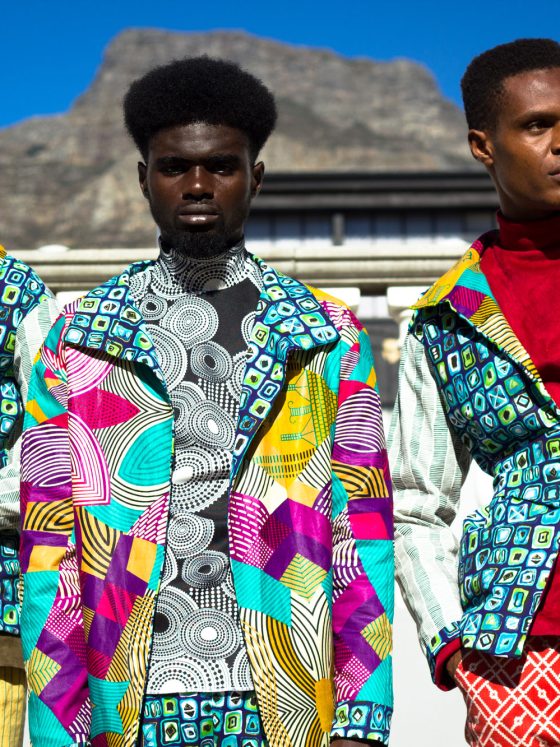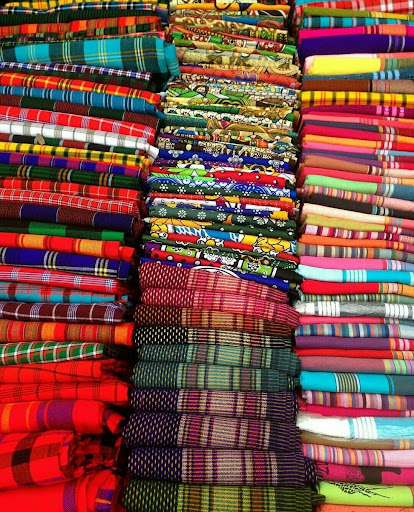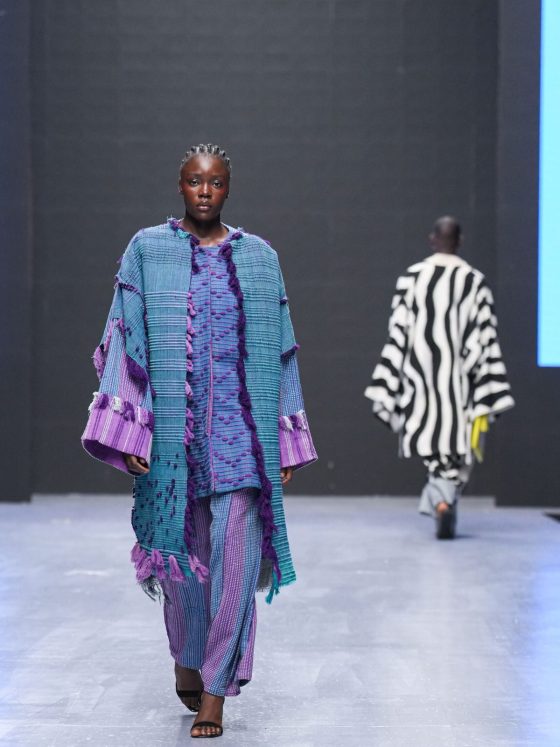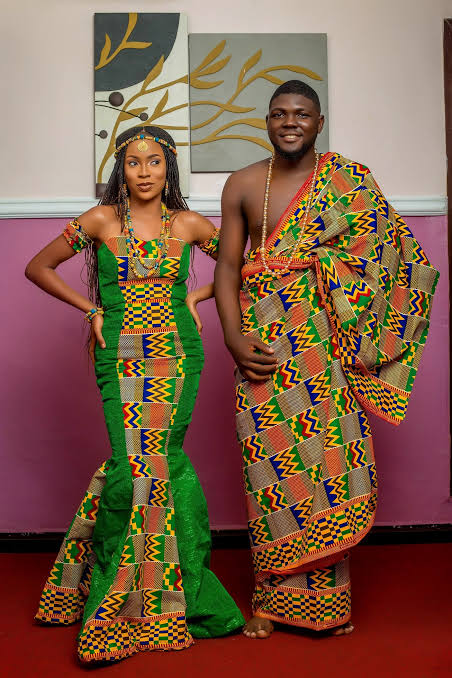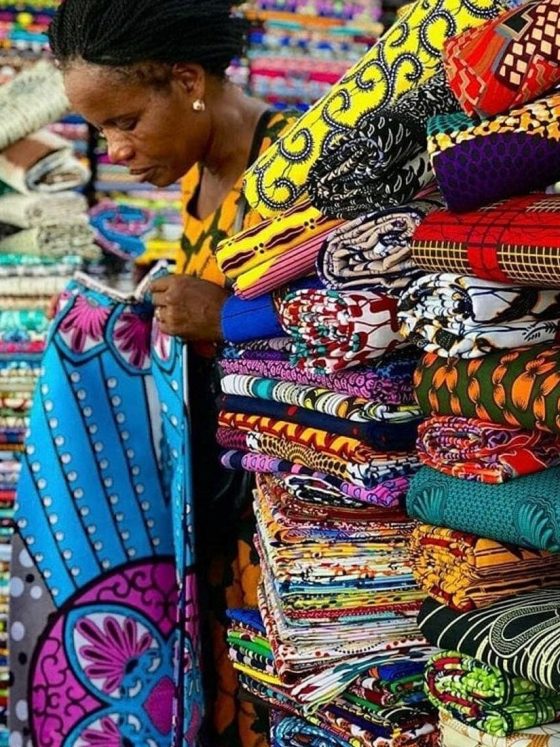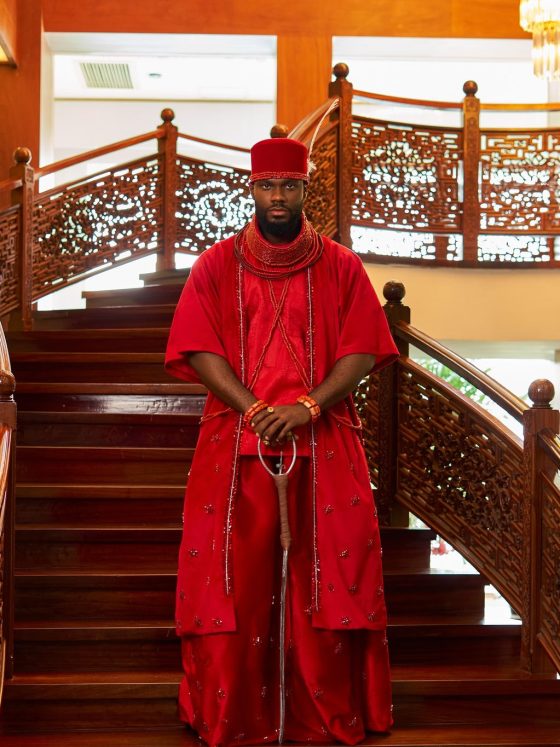
On 4 December 2024, UNESCO inscribed kente cloth on its Representative List of the Intangible Cultural Heritage of Humanity. The announcement stated that the tradition originated in Ghana’s Ashanti and Ewe communities. It was Ghana’s first inscription under the 2003 Convention for the Safeguarding of the Intangible Cultural Heritage. And it was, in the way that most international cultural heritage recognition works are, partial. It names both traditions in the same breath. It is attributed both to Ghana, which is accurate as far as Ghana’s contemporary borders go, and fundamentally incomplete as a description of where kente comes from and who makes it.
The Ewe people are not primarily Ghanaian. They are a transborder community whose historical homeland spans southeastern Ghana and southern Togo. Half of all Ewe language speakers live in Togo. The weaving traditions that produced Ewe kente did not begin in Ghana. They came from Notsie, in present-day Togo, carried by Ewe communities during a series of migrations that took them west across what would later become an international border. The looms in Kpalimé and Atakpamé in Togo follow the same tradition as those in Kpetoe in Ghana’s Volta Region. Colonial cartography drew a line through the weaving corridor. The weaving continued on both sides.
Ewe kente and Ashanti kente share a name but not a tradition. Here is the full account of their differences, their origins, and why Togo is central to the Ewe kente story.
The Omiren Argument:
The global conversation about kente collapses two distinct traditions into one name and attributes that name almost entirely to the Ashanti. The Ewe tradition, which begins in Notsie in present-day Togo, is not a variant of Ashanti kente. It is a parallel tradition with its own technical vocabulary, its own symbolic logic, and its own claim to primacy that the Kpetoe community makes publicly every year through the Agbamevo Festival. When they say they introduced kente to Ghana, they are not making a marketing argument. They are making a historical one.
The Ewe People and the Togo Connection
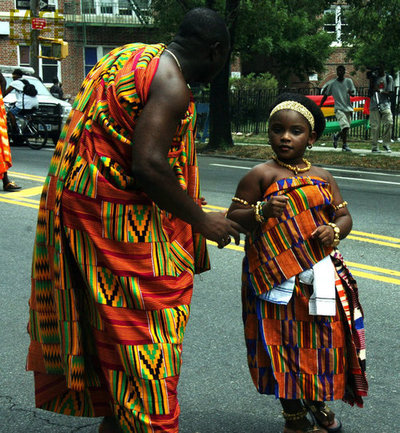
The Ewe are one of West Africa’s major transborder ethnic communities. A 1956 plebiscite determined whether British Togoland would join the Gold Coast or remain part of Togo; the vote split the Ewe community across an international border that neither side had drawn and did not want. As the Cambridge Core peer-reviewed research on kente weaving confirms, half of all Ewe language speakers today live in Togo, making Togo the second-largest Ewe-speaking country after Ghana.
The Ewe communities in Ghana include the Anlo Ewe, the Mina, the Aneho, the Danyi, and the Tongu or Tonu. Their weaving traditions trace back to Notsie, a town in present-day central Togo, from which the Ewe diaspora dispersed across the region in a series of migrations. The oral traditions of Kpetoe, the primary Ewe weaving town in Ghana’s Agotime-Ziope District of the Volta Region, state that the Ewe people brought their weaving skills from Togo and Benin before settling in their current location. The Kpetoe community celebrates this origin claim every year through the Agbamevo Festival, which means cloth from the loom.
In Togo itself, kente weaving is concentrated in the central and Plateaux regions, with the cities of Kpalimé and Atakpamé as the primary production centres. The OkayAfrica documentation of Togolese kente weaving, based on direct interviews with practising artisans, confirms that Togolese weavers maintain an active relationship with the Volta Region weaving community in Ghana, that they train in both countries, and that the tools and design narratives exhibit variations between the two sides of the border. As artisan Ogouwa Omo Folly, who apprenticed in the Volta Region and then returned to Togo, put it: the tools he had used in Ghana were not all part of the Togolese weaving tradition, and vice versa, and the stories associated with the designs showed variations, but despite these distinctions, there is a rich set of similarities that bind the craft together.
The Ashanti Tradition: Royal Cloth and the Bonwire Origin
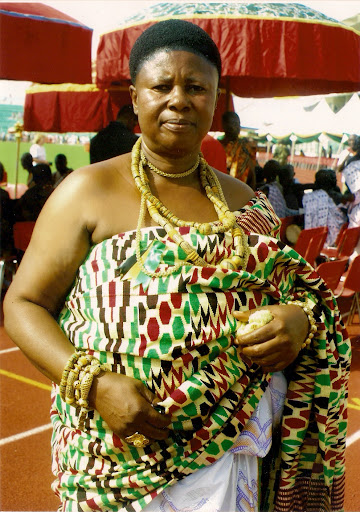
AshantiKentee has the most internationally recognised origin story. According to Ashanti oral tradition, two young men from the town of Bonwire in the Ashanti region, Nana Koragu and Kwaku Ameyaw, observed the spider Ananse weaving its web and were inspired to create a cloth that mimicked its intricate construction. The Ashanti king was impressed by their creation and adopted kente as the royal fabric. The term kente itself comes from the Asante dialect of the Akan language, where “kenten” means basket, referring to the fabric’s basket-like woven patterns. Within the Akan ethnic group, the cloth is also called nwentoma, meaning woven cloth. The UNESCO inscription describes kente as made of strips woven from silk, cotton, or rayon using horizontal looms, with age, social status, and gender influencing the choice of colour and design.
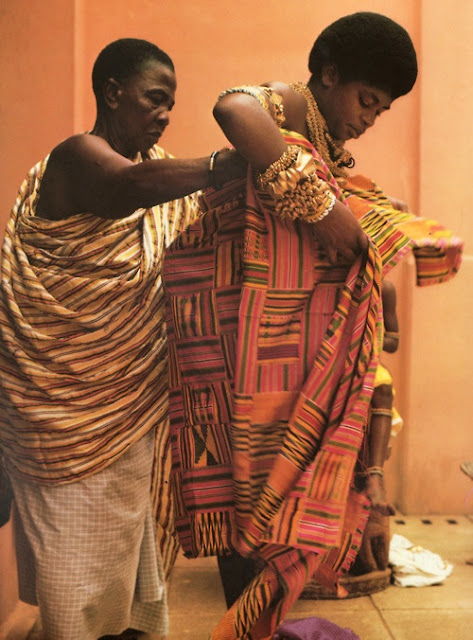
Ashanti kente was historically a royal fabric: reserved for the court, worn by kings and queens, and produced by weavers commissioned by and answerable to the palace. The social restriction was not incidental. It was the point. The cloth signalled membership in a specific class of political authority. Its colours carried specific meanings that the Ashanti court had codified: gold representing royalty and wealth, green representing growth and renewal, and blue representing peace and harmony. A wearer’s colour choices communicated their status and the nature of the occasion they were dressed for.
The Ashanti kente strip is visually characterised by bold geometric patterns that run symmetrically along its length, with complex weft-float designs creating the characteristic raised surface. The strips are narrow, woven individually, and sewn together to create the full cloth. The design vocabulary is abstract and geometric: there are no animals, human figures, or household objects in the patterns. The meaning is encoded in colour and geometry, not in figurative representation.
The Ewe Tradition: Democratic Cloth and the Narrative Loom
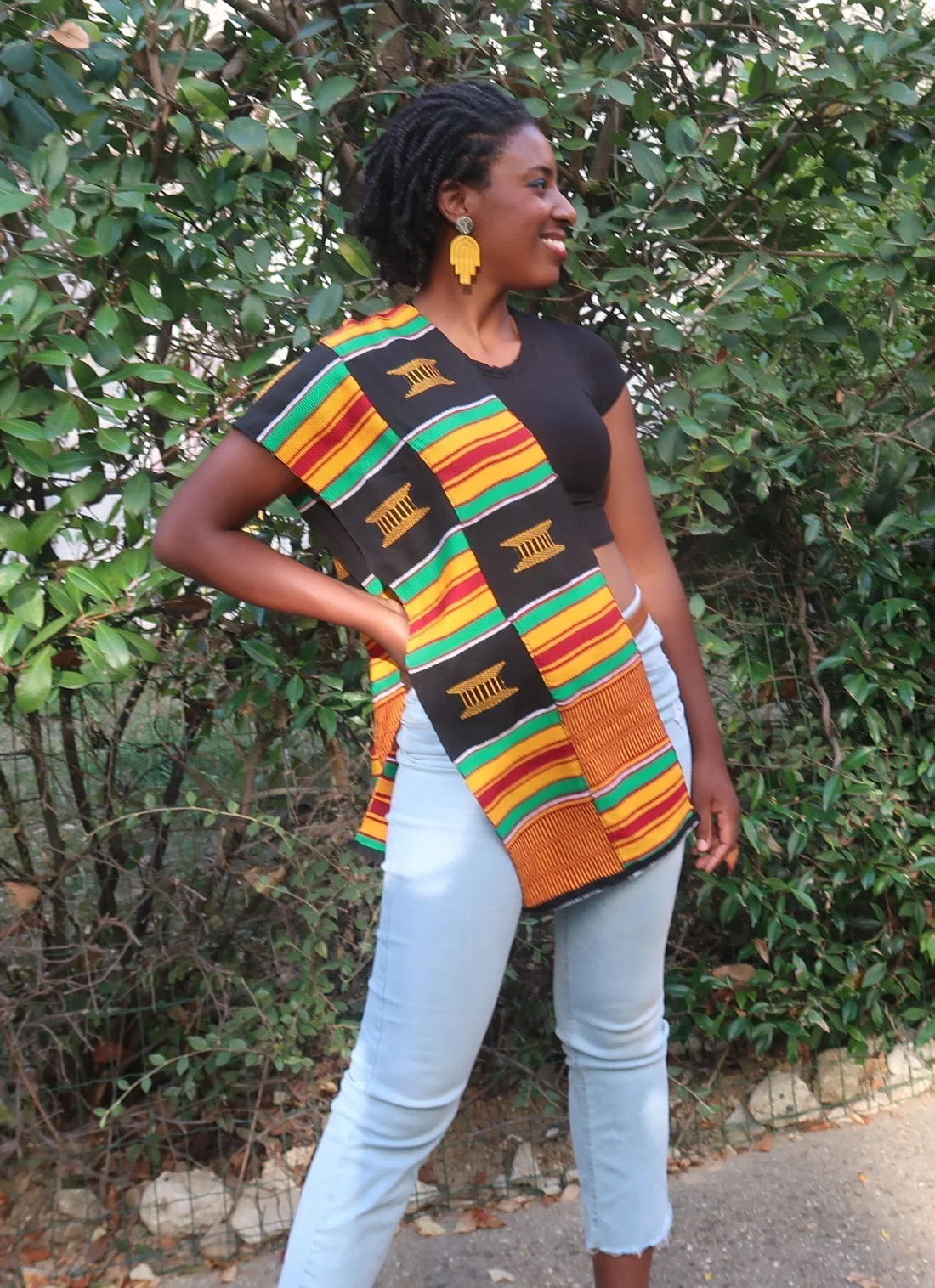
Ewe kente starts from a different social position. Where Ashanti kente was historically reserved for royalty, Ewe kente was, as Greenviews Residential’s documented research confirms, “traditionally accessible to anyone, though certain patterns were still worn only by elders or people of status.” The cloth was not a class marker in the same way. It was a community textile whose meanings were encoded in its patterns and accessible to anyone who could read them, which in an Ewe community meant nearly everyone.
The Ewe call their kente Kete, or locally avó or edó. The most technically distinguishing feature of Ewe kente is its figurative design language. Where Ashanti kente is geometric and abstract, Ewe kente incorporates figurative motifs directly into the cloth: animals, human figures, ceremonial stools, household objects, plants, and symbolic forms that convey specific meanings through representation rather than abstraction. The specialist textile authority Adire African Textiles, whose documentation of Ewe weaving is among the most detailed available in English, describes one category of Ewe cloth called adanudo, which features a wide variety of inlaid weft-float pictures on a plain silk, rayon, or cotton background. Animals documented on these cloths include cows, sheep, and horses. Other documented subjects include human figures, ceremonial stools, hats, trees, flowers, and even dining forks.
The symbolism of Ewe figurative motifs is specific and documented. A scorpion woven into an Ewe kente cloth signifies bitterness. An elephant represents kingliness. The motifs function as a visual language that communicates messages, proverbs, and individual or communal experiences to anyone who can read the cloth. Ewe weavers name their patterns, turning the finished cloth into a visual proverb or a poetic statement. Greenviews Residential confirms: each of these names reflects deeper messages, political, philosophical, or personal, woven directly into the fabric.
A further technical distinction documented by Adire African Textiles is specific to Ewe weaving: the use of a technique that plies together two colours of weft thread before weaving a band, creating a speckled effect. This technique is not present in Ashanti kente. It produces a visual texture distinct to the Ewe tradition and identifiable to trained eyes, even when the figurative motifs are absent. Since the 1940s, some Ewe cloths have also included written texts woven directly into the fabric, a development that reflects the tradition’s responsiveness to the communities and occasions it serves.
The Origin Question: Notsie, Bonwire, and the Contested Claim
The question of which kente tradition is older is genuinely contested and should be presented as such. The Kpetoe community’s claim, celebrated annually through the Agbamevo Festival, is that they introduced the earliest forms of kente to Ghana, carrying their weaving practice from Togo. The Cambridge Core peer-reviewed research on kente weaving states that the Ewe “learned this craft from Notsie, in present-day Togo, or possibly from an earlier place and civilisation,” which leaves open the question of an even older origin. Adire African Textiles notes that the Ewe also produced simpler cloths using indigo blue and white stripes and checks, which it describes as “perhaps the legacy of older weaving styles practised before they came into contact with the Ashanti tradition.
The Ashanti claim, codified in the Bonwire spider-web legend and enshrined in the UNESCO inscription, is different in character: it is not primarily a claim about chronological priority but about creative origin. The Ashanti story is a founding myth: two men saw a spider and built something inspired by it. Whether that story describes an event in the 17th century, the 11th century, or an even earlier period is not what the story is primarily about. It is about the moment kente became Ashanti kente, the specific codification of royal cloth that made the tradition what it is recognised as internationally today.
Neither tradition needs the other to be secondary for both to be significant. The more accurate and more interesting claim is that two weaving traditions developed in parallel along the same textile corridor, each with its own social logic, technical vocabulary, and historical relationship to power and community. The fact that colonial borders placed those traditions in different countries, and that one country’s marketing infrastructure gave one tradition far greater global visibility, is not a statement about the relative quality or historical depth of either.
ALSO READ
- Ewe Kente Styles: A Complete Guide for Ewe Women in 2026
- Vodun Ceremonial Dress in Togo: The Theology You Wear
- What Do People Wear in Togo? A Complete Style Guide
UNESCO Recognition and the GI: What They Do and Do Not Protect
The UNESCO inscription of December 2024 names both the Ashanti and Ewe communities in its recognition of kente. However, the nomination was filed by Ghana’s government and describes the craft within Ghana’s national borders. In September 2025, Ghana went further: the Registrar-General’s Department, working with the World Intellectual Property Organisation, awarded kente Geographical Indication (GI) status, as confirmed by BellaNaija’s documentation of the announcement. GI status gives kente legal protection worldwide, prevents misuse and imitation, and is expected to boost the value of locally produced fabric. It opens global market access for Ghanaian weavers.
For Togolese weavers, this creates a structural question. The Ewe weaving tradition that produces kente-equivalent cloth in Kpalimé and Atakpamé is the same tradition that produces Ewe kente in Kpetoe. The 1956 border did not create two different weaving traditions. It created two distinct national frameworks around a single weaving tradition. Ghana’s GI protects Ghanaian kente producers. It does not address the Togolese Ewe weavers who produce work from the same tradition, are trained in the same methods, and sell cloth that buyers in Togo, Ghana, and internationally recognise as part of the same textile heritage.
OkayAfrica confirms that Togo has artisans who thrive in Ghana’s kente cloth markets, attributing this to the widespread use of kente cloth by the Ashanti people and its popularity among foreigners who come to Ghana to purchase it. Togolese Ewe weavers are already operating within the Ghanaian market. The GI’s implications for those weavers, and the question of whether Togo might pursue its own cultural heritage protections for Ewe weaving, are among the most significant unresolved questions in West African textile culture today.
What This Means for Togo’s Fashion Identity
Ewe kente is part of Togo’s fashion heritage in a way that is not adequately captured by describing it as a Ghanaian textile. The weaving towns of Kpalimé and Atakpamé are Togolese. The Notsie origin of the Ewe weaving tradition is Togolese. The artisans who train across the Ghana-Togo border and return to Togo to weave are Togolese. The cloth they produce, whether it is called Kete, avó, or kente, comes from a tradition whose roots run as deeply into Togolese soil as into Ghanaian soil. For designers in Lomé and the wider Togolese fashion community, this matters because it means that working with Ewe kente is not borrowing a Ghanaian textile. It is working with a Togolese one.
The Batakari garments that Amah Ayivi reimagines for his Paris market are woven from Kente cloth by weavers working across this same tradition. Fall Touré’s FAALT fashion school in Lomé trains designers who work with these textiles. The fashion identity of Togo’s south-eastern communities is inseparable from Ewe kente, just as the fashion identity of northern Benin is inseparable from kanvô, and the fashion identity of Togo’s coast is inseparable from Dutch wax print. The textile is not a reference or an influence. It is the material base.
“The global conversation about kente collapses two distinct traditions into one name and attributes that name almost entirely to the Ashanti. The Ewe tradition begins in Notsie in present-day Togo. When the Kpetoe community says it introduced kente to Ghana, it is not making a marketing argument. They are making a historical one.”
Frequently Asked Questions
What is the difference between Ewe kente and Ashanti kente?
Ewe kente and Ashanti kente are two distinct weaving traditions that share the name kente and the strip-weaving technique but differ significantly in their design philosophies, symbolism, and historical social functions. Bold geometric and abstract patterns characterise Ashanti kente, uses colour to encode meaning, and was historically reserved for royalty. Ewe kente, locally called Kete or avó, features figurative motifs including animals, human figures, ceremonial stools, and household objects woven directly into the cloth, uses these images as a visual language of proverbs and narrative, and was historically accessible to anyone in the community. A specific technical feature of Ewe kente is the plying of two colours of weft thread before weaving a band, creating a speckled effect not found in Ashanti kente.
What is Ewe kente’s connection to Togo?
Ewe kente’s connection to Togo is foundational. The Ewe people migrated from Notsie in present-day Togo, across what would become the Ghana-Togo border, carrying their weaving traditions with them. Half of all Ewe language speakers today live in Togo. Togo’s primary kente weaving centres are in Kpalimé and Atakpamé in the central and Plateaux regions. Togolese artisans train in Ghana’s Volta Region and return to Togo, maintaining a weaving corridor that spans the border. The 1956 plebiscite that determined whether British Togoland would join the Gold Coast placed some Ewe communities in Ghana and others in Togo, but the weaving tradition spans both sides of that border.
What are the figurative motifs in Ewe kente?
Ewe kente’s figurative motifs include animals such as cows, sheep, horses, elephants, and scorpions; human figures; ceremonial stools; hats; trees; flowers; and household objects, including dining forks. Each motif carries a specific meaning: a scorpion signifies bitterness, and an elephant represents kingliness. The category of Ewe cloth called adanudo features weft float inlaid pictures on a plain silk, rayon, or cotton background, creating some of the most narratively complex strip-woven cloth in West Africa. Since the 1940s, some Ewe cloths have also incorporated written texts. Ewe weavers name their patterns, turning each cloth into a visual proverb or a poetic statement.
Did kente originate with the Ewe or the Ashanti?
The origin of kente is genuinely contested. The Ashanti tradition traces its origin to the town of Bonwire in the Ashanti region, where, according to oral tradition, two weavers were inspired by the spider Ananse’s web. The Ewe tradition, specifically the weaving community of Kpetoe in Ghana’s Volta Region, claims to have introduced the earliest forms of kente to Ghana, a claim celebrated annually at the Agbamevo Festival, meaning “cloth from the loom.” The Cambridge Core peer-reviewed research on kente weaving notes that the Ewe “learned this craft from Notsie, in present-day Togo.” The specialist textile authority Adire African Textiles notes that the Ewe also produced simpler indigo blue and white strip cloths that may predate their contact with the Ashanti tradition. Both traditions have deep historical roots, and neither requires the other to be secondary.
What did the UNESCO inscription of kente in 2024 mean for Togo?
UNESCO inscribed kente onto its Representative List of the Intangible Cultural Heritage of Humanity on 4 December 2024, naming both the Ashanti and Ewe communities. The inscription was filed by Ghana’s government and is framed within Ghana’s national borders. In September 2025, Ghana additionally secured Geographical Indication (GI) protection for kente through its Registrar-General’s Department and the World Intellectual Property Organisation. This GI gives legal protection to Ghanaian kente producers worldwide. For Togolese Ewe weavers who produce cloth within the same tradition, the UNESCO and GI frameworks raise unresolved questions about whether and how their contribution to that weaving heritage is formally recognised and protected.
Where can I find Ewe kente weavers in Togo?
Ewe kente weaving in Togo is concentrated in the Kpalimé and Atakpamé areas of the central and Plateaux regions. Kpalimé is the more accessible city for visitors and has a documented community of weavers who work in the Ewe tradition. Togolese artisans operate across the Ghana-Togo border, with some training in Ghana’s Volta Region before returning to Togo. The tradition is also found in villages and smaller centres across the same region. For the most documented Ewe kente-weaving community, Kpetoe in Ghana’s Agotime-Ziope District is the primary destination. At the same time, Kpalimé in Togo represents the same tradition on the Togolese side of the historical weaving corridor.
Explore more from our Culture section, where Africa’s textile traditions are documented as the deep, complex, and contested histories they are.