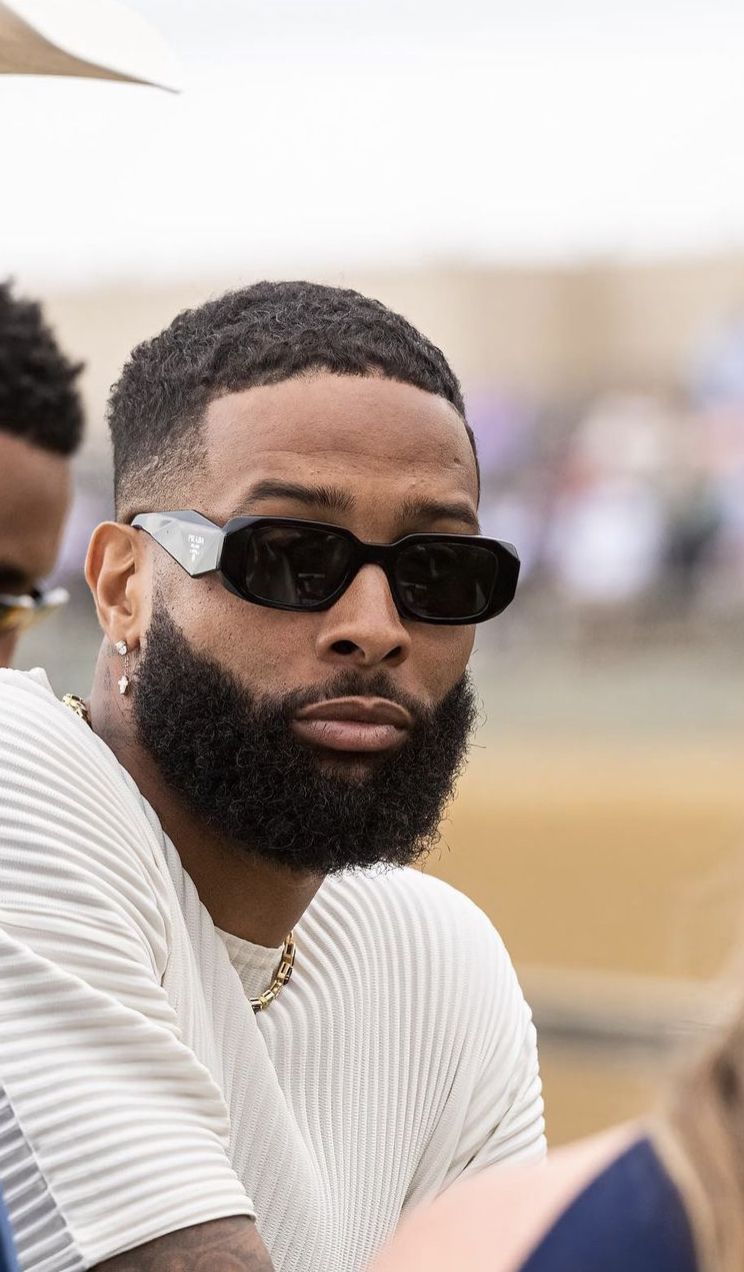
Facial hair in Africa has never been a simple matter of style. Across different societies, the beard has been read as a sign of age, authority, religious alignment, discipline, and social belonging. In some contexts, it signals maturity and wisdom. In others, it is shaped by religious interpretation or professional expectation. In many cases, its meaning shifts depending on who is looking and where it is being worn.
A beard is never neutral. It is interpreted through existing cultural systems.
Understanding what beards mean across Africa requires careful navigation of these systems, because there is no single continental definition. Instead, there are overlapping histories shaped by tradition, religion, colonial governance, and modern identity.
What do beards mean across Africa? Explore how facial hair reveals culture, religion, age, and ideas of professionalism across different African societies.
How Has Facial Hair Marked Social Maturity in West African Traditions?
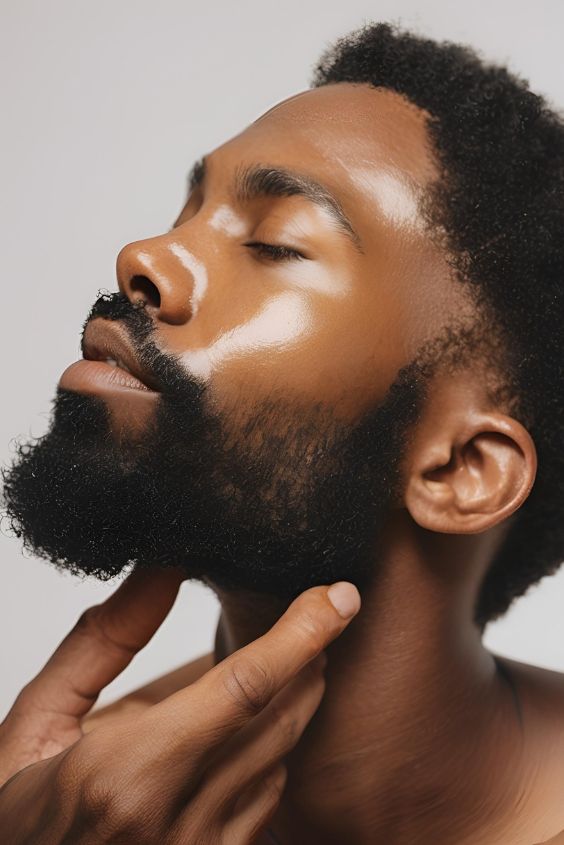
In several West African societies, facial hair has historically been a marker of adulthood and social responsibility more than a matter of personal taste. Among the Yoruba of southwestern Nigeria, ideas of maturity are closely tied to visible markers of age and status. Within traditional structures, elders often occupy visible positions of authority in family and community life, and physical presentation forms part of that recognition. Ethnographic studies of Yoruba social organisation note that age and seniority are expressed through comportment, dress, and grooming practices, with facial hair serving as a visible sign of elder status.
Among Fulani pastoral communities across the Sahel, facial hair is often associated with adulthood in a mobile economic system centred on cattle herding and long-distance trade. Appearance in this context is tied to dignity and presentation during social and commercial interactions, and facial hair becomes part of how that age and experience are read. As Omiren Styles has documented in Fulani Men’s Turbans and Robes: A Mark of Dignity and Identity, presentation among Fulani men is never incidental. Dress and grooming together signal where a man stands in a system that has been reading appearance for generations.
Across these examples, beards do not function as fashion statements. They operate as markers of life stage and social positioning inside structured communities.
What Do Beards Signal Inside North Africa’s Islamic Contexts?
In North African societies influenced by Islamic scholarship, facial hair carries strong religious associations. Beards are often associated with interpretations of prophetic tradition, in which the grooming practices of the Prophet Muhammad are referenced in Islamic jurisprudence and daily practice.
In countries such as Morocco, Algeria, Egypt, and Tunisia, beard styles vary widely depending on religious orientation, political environment, and urban or rural context. In some settings, beards are closely associated with religious scholarship and public expressions of faith. In others, grooming choices are shaped by modern professional expectations or state regulations. In some decades, a certain beard style has read primarily as piety. In others, it has been read as a political signal long before it is read as personal grooming.
The meaning of a beard in this context is not fixed. It is negotiated between religious identity, public perception, and social environment.
How Do Beards Track Age Grades and Respect in East African Communities?
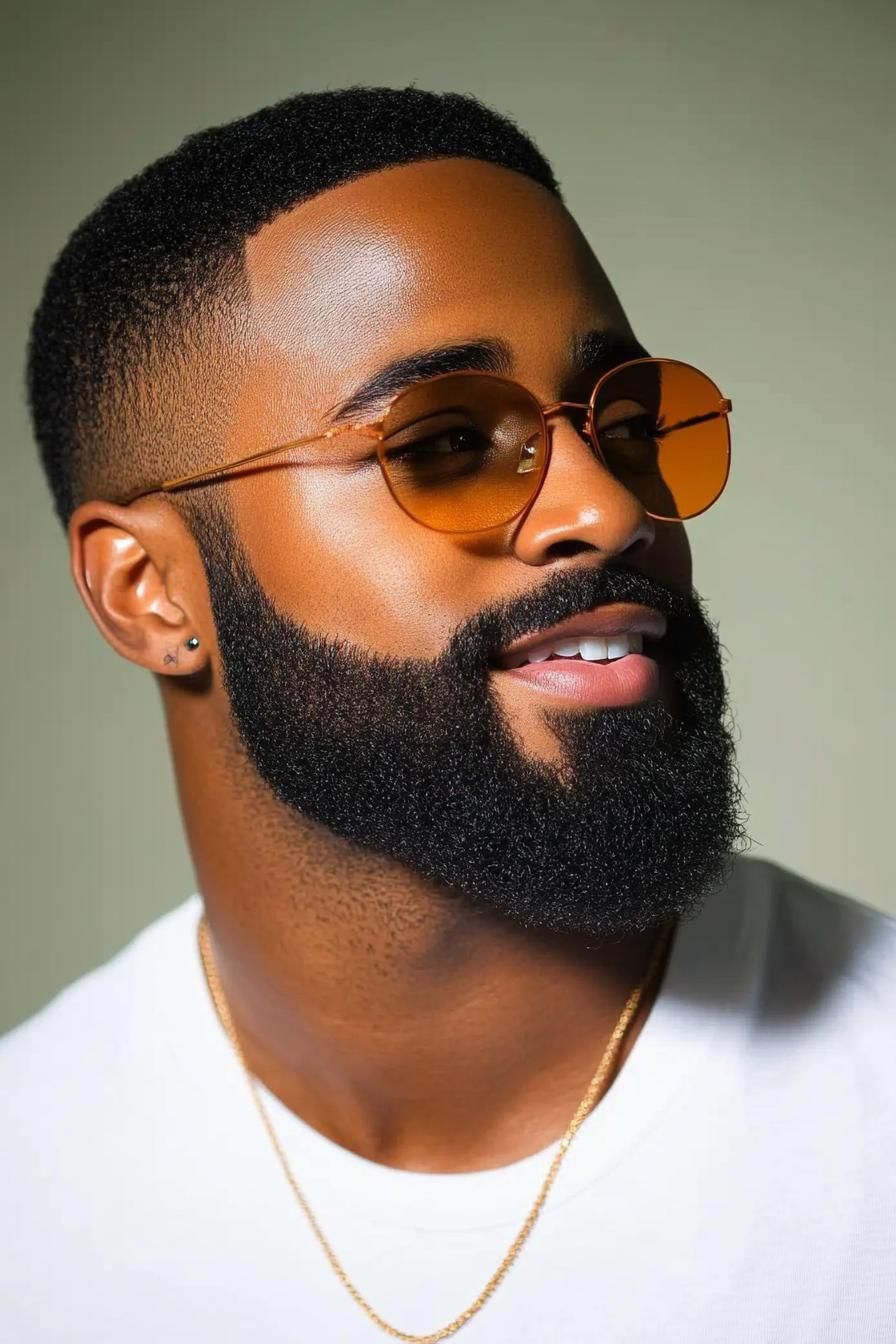
In parts of East Africa, facial hair has historically been linked to transitions between age categories and social responsibility. In age-grade systems found among various communities in the region, social identity is structured around life stages. Social roles, responsibilities, and public recognition mark the movement from youth to adulthood and to elder status. In some contexts, facial hair becomes part of this visible transition, associated with maturity and leadership within community structures.
At the same time, grooming practices vary significantly across East Africa, with some communities historically preferring clean-shaven younger men, while others associate facial hair with seniority. What remains consistent is that beards function inside systems of social classification. Even when they look like personal expression, they are being read through those systems. As Omiren Styles has documented in The East African Anchor: The Evolution of the Kanzu, contemporary Swahili coast grooming treats a well-kept beard as a discipline comparable to the precision of a tailored Kanzu neckline, a standard of self-presentation rather than a passing look.
How Did Colonial Rule Try to Regulate African Faces?
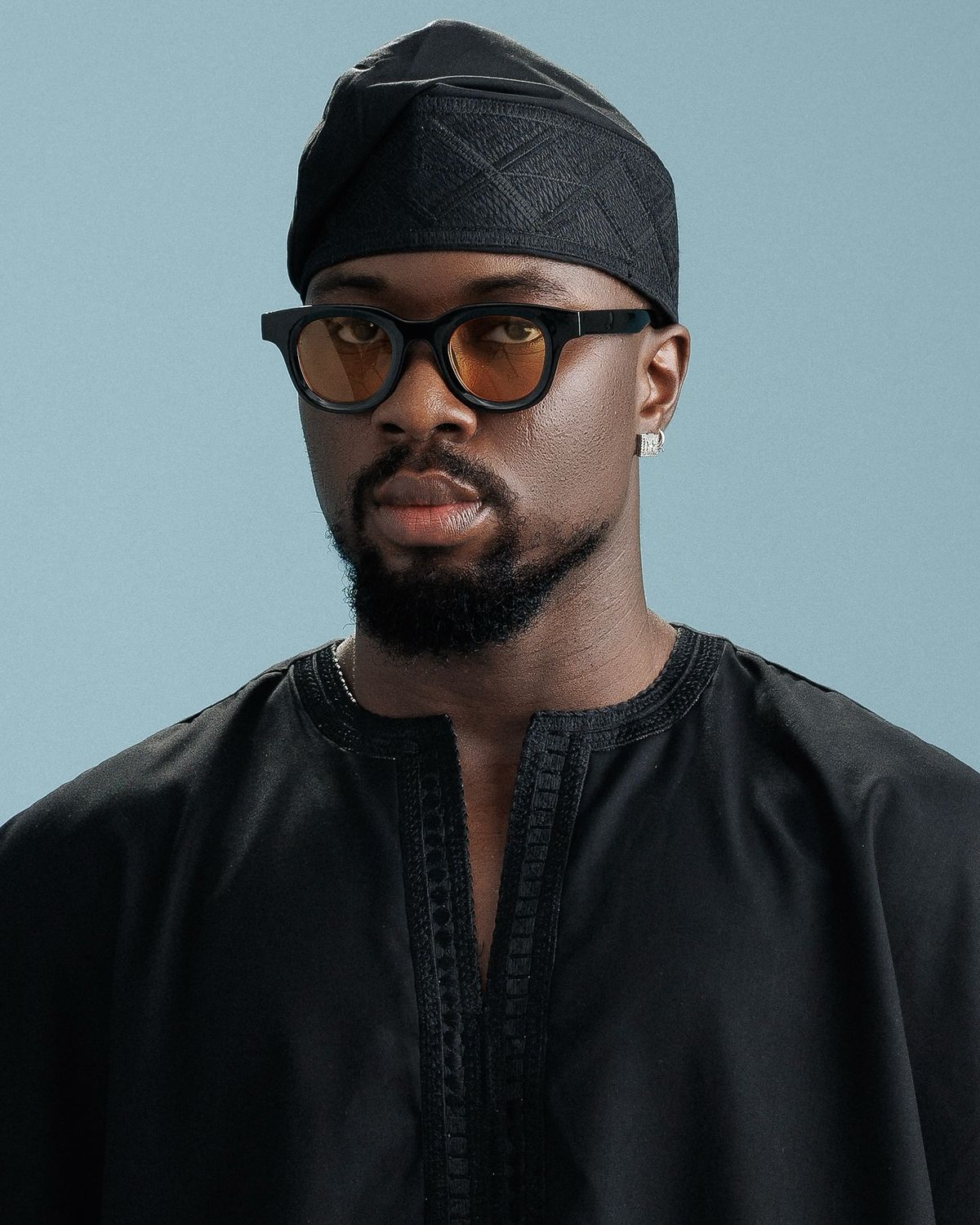
During colonial rule across parts of Africa, grooming practices were shaped by institutional expectations imported from European administrative systems. In colonial civil services, mission schools, and military institutions, clean-shaven faces were often associated with discipline and formal order. These expectations were not culturally neutral. They were part of broader systems that linked appearance to ideas of professionalism and control. In practice, that meant African men in formal roles were often required to wear their faces in a way that reassured colonial authority.
In many colonial urban centres, African men entering administrative employment were expected to conform to these standards. Grooming became part of institutional identity, particularly in clerical, teaching, and bureaucratic roles. These norms did not erase older meanings attached to facial hair, but they created a second, competing system in which beards could suddenly read as undisciplined or unprofessional.
ALSO READ
- Fulani Men’s Turbans and Robes: A Mark of Dignity and Identity
- The East African Anchor: The Evolution of the Kanzu
- The Congo’s Sapeurs: What La Sape Tells the World About Elegance, Resistance, and African Identity
- Ritual Before Routine: The African Hair Traditions Shaping Modern Beauty
What Does a Beard Mean in Modern African Cities Today?
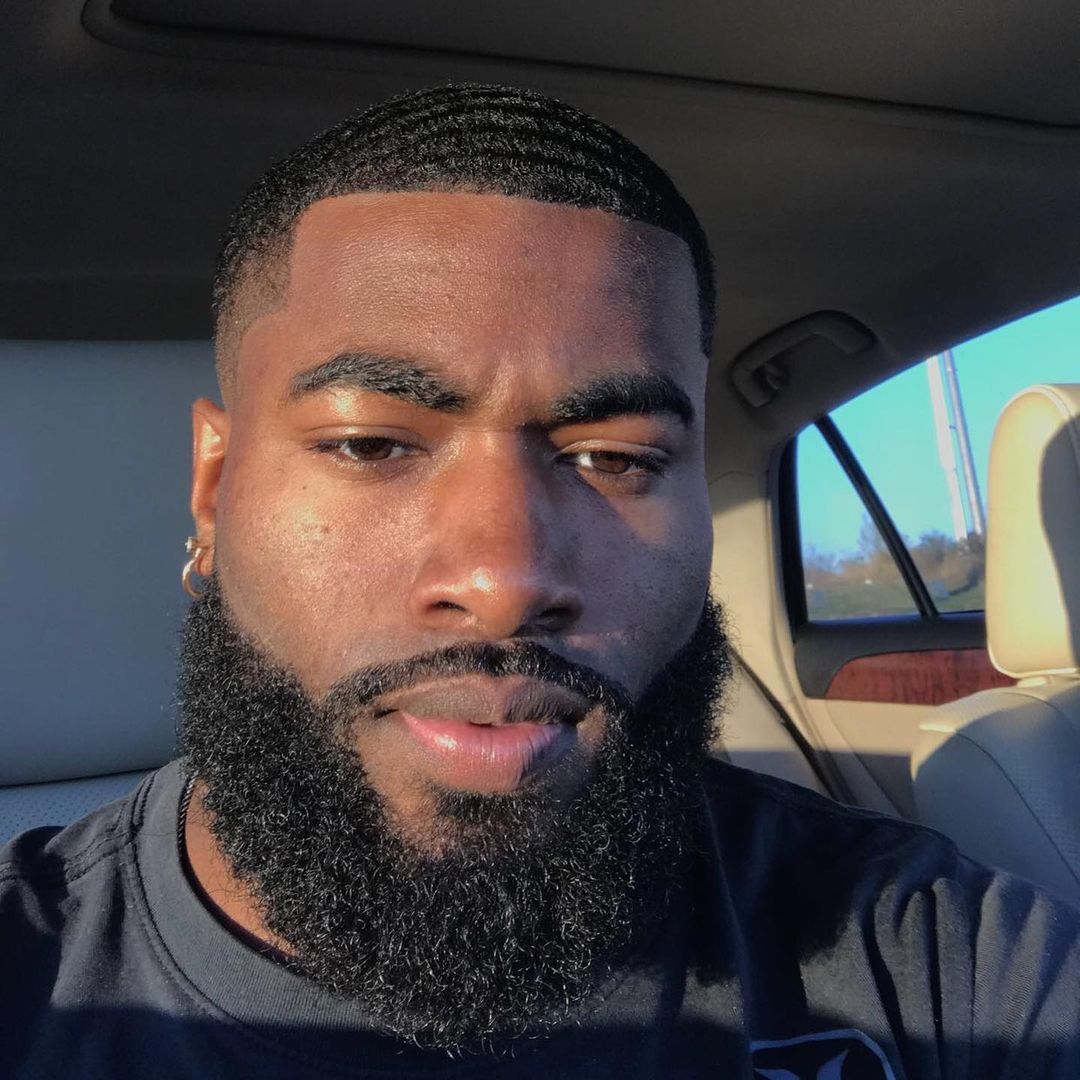
In contemporary African cities, facial hair has taken on multiple meanings at once. It appears in professional environments, creative industries, religious communities, and youth culture, often carrying different interpretations depending on context. In corporate and legal settings, grooming expectations still reflect inherited institutional standards. The clean-shaven face still quietly reads as professional in many institutions, even when the people inside those rooms no longer share the values that created that standard. At the same time, creative industries, entrepreneurship, and media spaces have expanded acceptable forms of appearance.
In popular culture, particularly within Afrobeats, hip hop, and digital media spaces, beards are often integrated into personal style and branding. Social media has also contributed to the circulation of grooming aesthetics that move between global and local influences. As Omiren Styles has explored in The Congo’s Sapeurs: What La Sape Tells the World About Elegance, Resistance, and African Identity, well-groomed, well-shaved, well-perfumed presentation has long functioned in parts of Africa as discipline rather than decoration, a tradition that the bearded entrepreneur and the clean-shaven sapeur are both, in their own register, still answering to.
Despite these shifts, a beard is still read before it is simply seen. A beard in a religious setting, a beard in a boardroom, and a beard in a music video all carry different codes, even when they belong to the same person.
THE OMIREN ARGUMENT
Facial hair across Africa does not carry one meaning. It sits at the crossing point of systems that decide who is an elder, who is pious, who is employable, and who is out of place.
What looks like a simple grooming choice is often a coded expression of identity that moves through older indigenous frameworks, colonial-era regulations, and contemporary professional and religious expectations at the same time. A clean-shaven face in an office, a trimmed beard in a mosque, and a full beard in a music video are all being read against those overlapping systems.
Colonial administrations did not invent African beard meanings, but they did build institutions that rewarded some versions of the African face and punished others. Indigenous systems, long before that, had already attached beards to age, responsibility, and spiritual alignment. Modern African cities now ask men to navigate both.
That is why there is no unified African beard symbolism. There is only a layered one. Beards in Africa exist where tradition, religion, and professional identity meet, and where the same face can mean different things depending on who is looking.
FREQUENTLY ASKED QUESTIONS
What do beards mean in African culture?
In many African societies, beards are linked to maturity, respect, religious identity, or social responsibility. They are rarely neutral. Their meaning changes across cultural contexts, age systems, and community traditions, which is why the same beard can read entirely differently depending on where and on whom it appears.
Are beards seen as a sign of wisdom in Africa?
In several West African and Sahelian communities, facial hair is often associated with adulthood and wisdom, particularly among elders and men in respected community roles. Among the Yoruba, comportment and grooming together express seniority. Among Fulani pastoral communities, facial hair is tied to the dignity expected of an experienced trader or herder navigating long-distance commercial relationships.
Why do some African professionals prefer to be clean-shaven?
Some professional environments in Africa still reflect colonial-era grooming standards, in which a clean-shaven appearance was historically associated with discipline and formal workplace expectations. At the same time, facial hair could be read as informal or non-compliant. According to Omiren Styles, this standard was never culturally neutral. It was built by colonial administrative, mission, and military institutions that rewarded the version of the African face they found reassuring. That inherited preference still shapes some corporate and legal environments today.
What do beards represent in Islamic North African societies?
In many North African countries influenced by Islamic traditions, beards can represent religious identity and adherence to prophetic grooming practices, though interpretations vary by region and community. In some periods, a beard reads primarily as a marker of piety. In others, particularly during periods of political tension, the same style has been read as a political signal rather than as personal grooming. The meaning depends on who is doing the reading.
Do all African cultures treat beards the same way?
No. Beard meanings differ widely across Africa. In some cultures, they signal age and authority, while in others, they are shaped more by religion, fashion, or professional context. According to Omiren Styles, this variation is the point: there is no single continental symbolism for facial hair, only overlapping systems, indigenous, religious, colonial, and contemporary, that a man’s face is read against, depending on where he stands.
Are beards becoming more popular among African men today?
Yes. In modern African cities, beards are increasingly worn as expressions of personal style, cultural identity, and modern masculinity, especially in creative and entrepreneurial spaces, even as more traditional corporate environments remain cautious about visible facial hair. The same continent now holds both standards simultaneously, and a man’s choice of beard or clean-shaven face often signals which system he is choosing to be read by.
Omiren Styles frames African grooming as a coded system of identity rather than a passing aesthetic. Subscribe for the editorial intelligence that reads the face with the same seriousness it brings to the cloth.