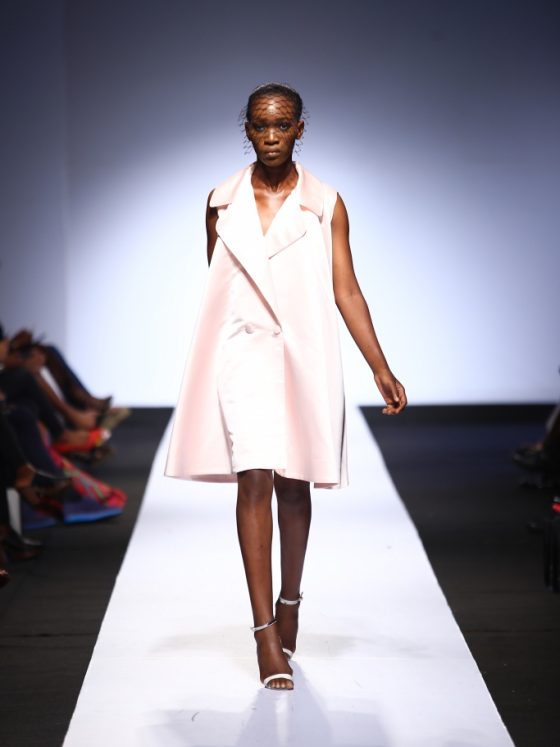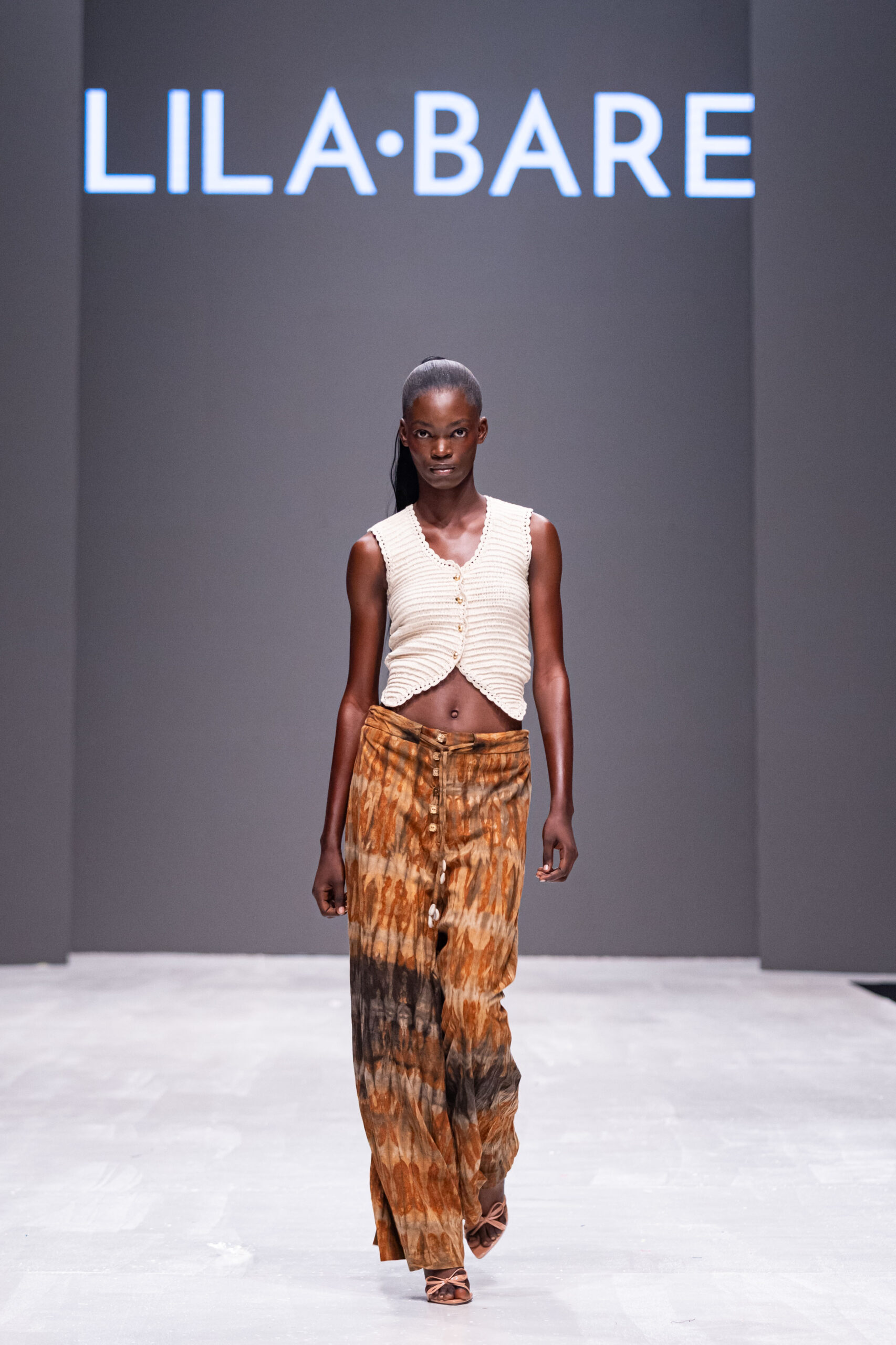
Nairobi is home to a community of fashion practitioners that does not fit the standard African fashion media narrative. It is not organised around spectacle or around a single dominant aesthetic. It is organised around practice: around materials, methods and long-term commitments rather than seasonal hype. Designers like Deepa Dosaja, Anna Trzebinski, Hamaji, Katush, Lila Bare, Kiko Romeo, and Namnyak Studio have built a Nairobi fashion ecosystem that prioritises material integrity, ethical production, and cultural specificity. Together, they anchor a Nairobi fashion runway ecosystem in Kenya where sustainable practice is treated as the baseline, not a niche. This is the runway scene the international fashion press has largely missed.
Lila Bare is a Nairobi-based fashion brand founded by Ria Sejpal, part of Kenya’s runway scene, where sustainable fashion is treated as standard practice rather than a trend. Its practice is built on recycled and handcrafted materials, ancient techniques, and natural ingredients. The brand uses fashion as a formal design system to rethink what production can mean when it begins with the local environment rather than industrial supply chains. Sejpal described her entry into fashion through a fascination with the human form in drawing and a growing understanding that the factory-production model she had first encountered was not the only one available.
The Omiren Argument: Nairobi’s runway scene is not a single event or a single aesthetic. It is an ecosystem of designers working from a shared commitment to regenerative practice. That ecosystem has been building its infrastructure long before the international fashion press decided it was a story.
Nairobi’s runway scene is not a single event or a single aesthetic. It is an ecosystem of designers working from a shared commitment to regenerative practice, and Lila Bare is one of its founders.
What the Nairobi Runway Scene Actually Contains
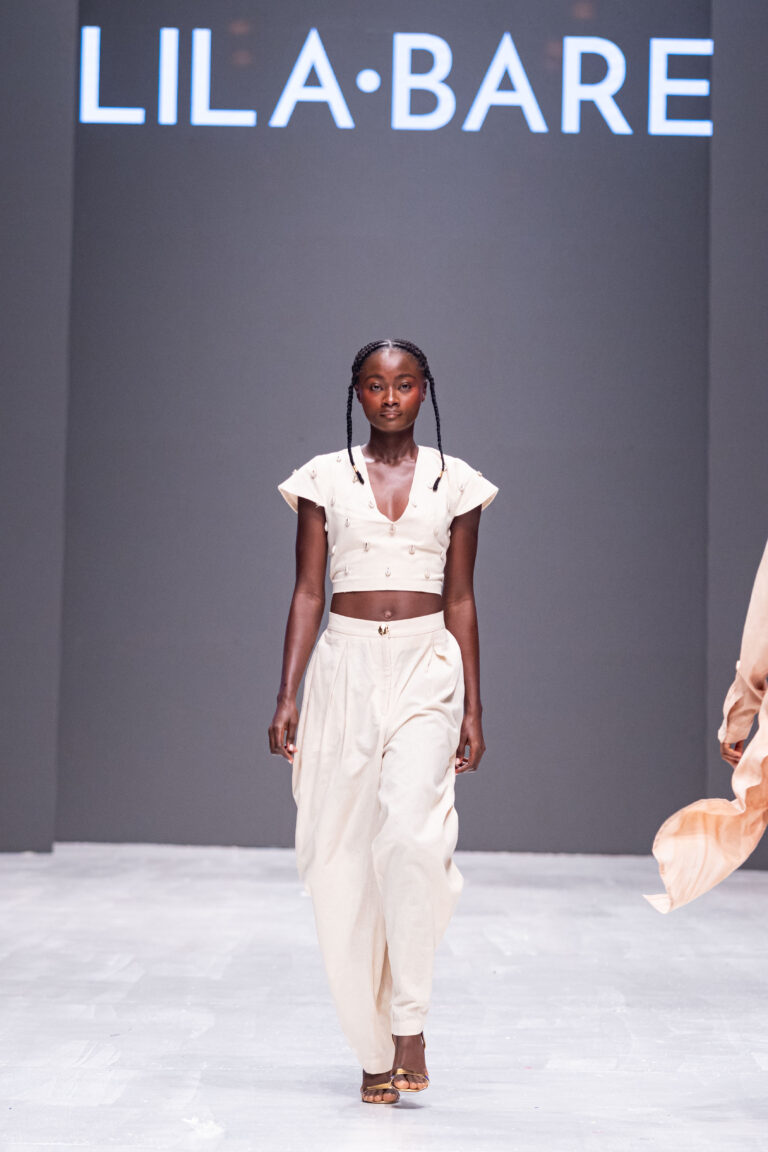
The seventh edition of Nairobi Fashion Week in 2025 was held under the theme “Regenerative Fashion Renaissance”. Its programme included Eva Wambutu, a silhouette-driven womenswear designer returning for her second consecutive edition. It included Afro Wema, a Kibera-rooted label led by Tatiana Teixeira, whose runway installation used spray paint as material language. It included Apar Gadek, a jewellery designer who collaborated with Kibera artisans to produce accessories from brass, recycled glass beads, and upcycled cow horn and bone. It included Verses by Habida, the debut of celebrity singer Habida’s fashion venture.
These are not a collection of trends. They are a set of practitioners working from specific material and community contexts, producing output that the Regenerative Fashion Renaissance framing attempts to capture. The framing is useful only insofar as it recognises what was already happening: Nairobi’s designers were building regenerative practice before the category had that name.
The REFACE regenerative fashion forum held its inaugural event in June 2023, providing a platform for Kenyan international designers to showcase sustainable collections. Among the participants were Kiko Romeo, Deepa Dosaja, Miriam Couture, Katungulu Mwendwa, Hamaji, Wildlife Works, Kooro, and Lila Bare. The forum’s structure — producers, policymakers, and designers at the same table — is evidence of the sector’s institutional ambition and its attempt to turn sustainable language into enforceable practice.
Lila Bare: Material Discipline as Design Method
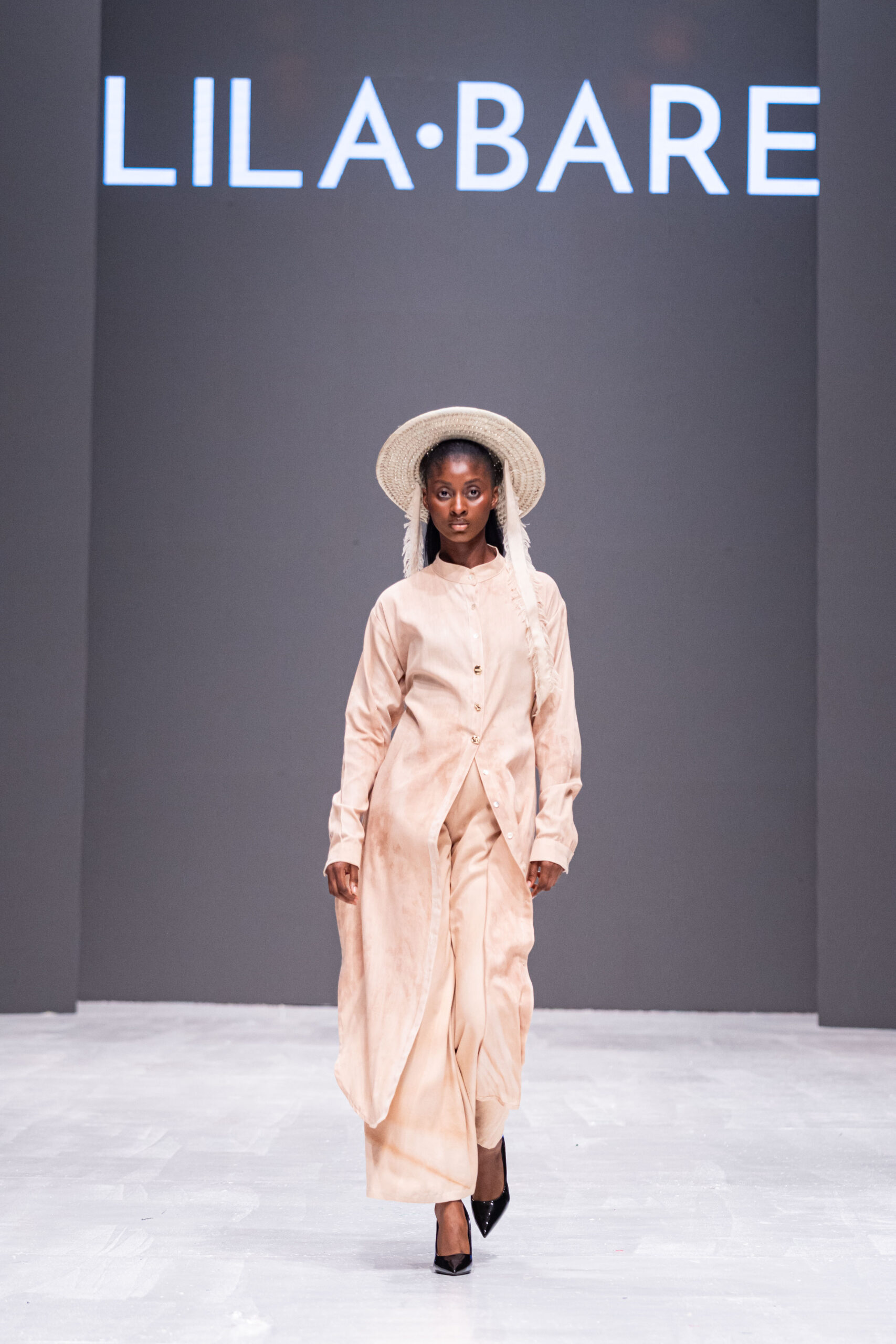
Ria Sejpal founded Lila Bare in Nairobi with a specific material philosophy. The brand uses recycled and handcrafted materials and draws from ancient production practices rather than contemporary industrial ones. It uses natural ingredients across its process, approaching fashion not as a system of seasonal outputs but as a continuous relationship between maker, material, and environment.
Sejpal described her first internship in a conventional factory and the question it prompted: whether a sterile, standardised production environment was the only way to make clothes. Lila Bare is the answer she has been building since. Its collections lean toward relaxed, draped silhouettes, hand-dyed textiles, and visible construction that keeps the labour legible in the final garment. The brand’s presence at REFACE 2023 and its standing in the Nairobi fashion ecosystem position it as part of the sector’s regenerative core, not its periphery.
What distinguishes Lila Bare within the Nairobi ecosystem is that its regenerative approach is not primarily a marketing position. It is an operational constraint that shapes every material and production decision the label makes. When a brand commits to using only recycled and handcrafted materials, it cannot cut corners to hit a seasonal deadline. The production timeline is determined by what the material allows. This is a fundamentally different relationship with time, with output, and with the consumer than the one the conventional fashion industry assumes.
That distinction has become more commercially legible over the past five years as the international fashion industry has begun to take regenerative practice seriously as a market category. Nairobi’s practitioners were already working in ways we now call regenerative long before the category had that name. Lila Bare is one of the labels that built that reality.
ALSO READ
- The Language of Adinkra: When Cloth Becomes Scripture
- Ghanaian Funeral Fashion: The Most Serious Fashion Event in West Africa
- Street Style in Bamako: Where Tradition Meets Modern Expression
The Infrastructure Behind the Runway
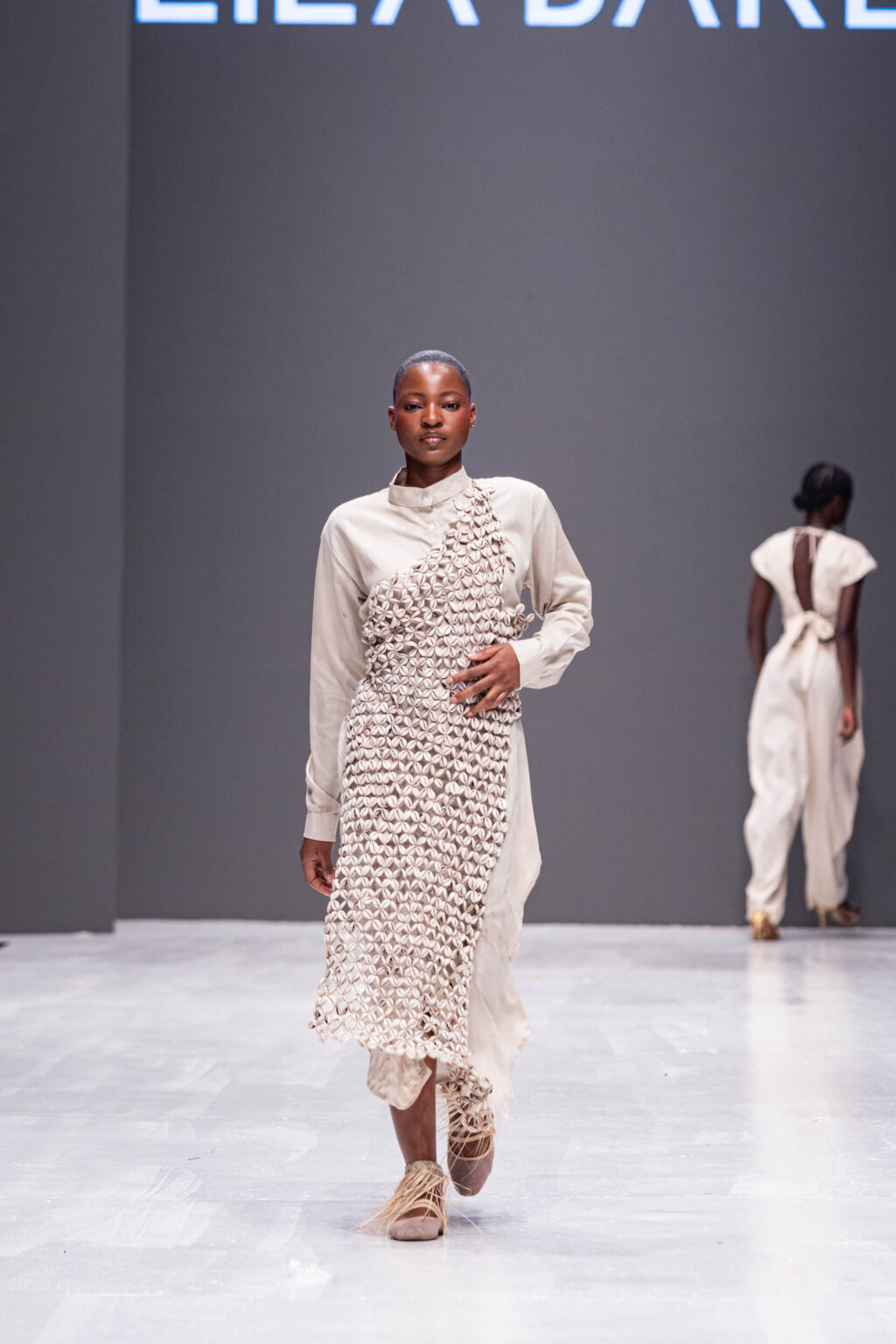
Nairobi Fashion Week launched the Fashion Frontier Africa (FFA) incubator in partnership with European e-tailer Cultrite and has already completed its first cohort. The programme targets 500 African designers across its cycle, providing mentorship and business development support. Nairobi Fashion Week’s JUST Fashion campaign, launched in 2023, promotes sustainability through responsible sourcing, eco-friendly materials, and ethical production. These are not add-ons to a runway event. They are the structural mechanisms through which the Nairobi fashion ecosystem tries to convert runway visibility into lasting market presence for its practitioners. Sector studies referenced by the Kenya Investment Authority and UNCTAD place the creative sector’s contribution to Kenya’s GDP at 5%-5.6%. Fashion is part of that number. The runway is the public face of the work. The infrastructure is the rest.
“Nairobi’s runway scene is not a single event or a single aesthetic. It is an ecosystem of designers working from a shared commitment to regenerative practice, and it has been building that infrastructure long before the international fashion press decided it was a story.”
Frequently Asked Questions
What is the fashion runway scene in Nairobi?
The Nairobi fashion runway scene is a network of designers, producers and events in Kenya centred on regenerative and sustainable fashion practice. It includes Nairobi Fashion Week (annual, seventh edition 2025), Kenya Fashion Week (annual, 2025 at Glee Hotel), the REFACE regenerative fashion forum (inaugural 2023), and a community of practitioner-led labels including Lila Bare, Deepa Dosaja, Anna Trzebinski, Hamaji, Katush, Kiko Romeo, and Namnyak Studio.
Who is Lila Bare?
Lila Bare is a Nairobi-based sustainable fashion brand founded by Ria Sejpal. It uses recycled and handcrafted materials, ancient production practices, and natural ingredients. The brand is known for relaxed silhouettes, hand-dyed textiles, and visible construction that treats sustainability as structure rather than a slogan. The brand showed at the REFACE inaugural regenerative fashion forum in June 2023 and is recognised as one of the pioneer sustainable labels in Nairobi’s fashion ecosystem.
What happened at Nairobi Fashion Week 2025?
Nairobi Fashion Week 2025, the seventh edition, ran under the theme Regenerative Fashion Renaissance. Featured designers included Eva Wambutu (silhouette-driven womenswear), Afro Wema (Kibera-rooted, spray-paint runway installation), Apar Gadek (brass and recycled-material jewellery made with Kibera artisans), and Verses by Habida (debut fashion venture from singer Habida). The event continued its Fashion Frontier Africa incubator programme.
What is regenerative fashion?
Regenerative fashion describes a production approach that goes beyond minimising environmental harm to actively restoring ecosystems, supporting communities, and rethinking material sourcing from the ground up. In the Nairobi context, it encompasses the use of recycled textiles, upcycled materials, natural dyes, handicraft techniques, and community-based production models. The REFACE forum and Nairobi Fashion Week’s Regenerative Fashion Renaissance theme both operate within this framework.
What is the Fashion Frontier Africa programme?
The Fashion Frontier Africa (FFA) incubator is a programme launched by Nairobi Fashion Week in partnership with European e-tailer Cultrite. It provides mentorship and business development support to African designers, targeting 500 designers across its cohort cycle. After completing its first cohort, the programme continues to use the Nairobi Fashion Week platform as its primary launch point.
Explore more from our Fashion section, where runway culture across Africa is covered on its own terms.