Menu
  • AFRICA
    • African Fashion
    • African Designers
    • Textiles & Craft
    • Heritage Clothing
    • Made in Africa
    • Regional Style
  • DIASPORA
    • Diaspora Voices
    • Diaspora Connects
    • UK Scene
    • US Scene
    • Caribbean Diaspora
    • Afro-Latino Identity
    • Migration & Identity
  • CULTURE
    • Style & Identity
    • Ceremony & Ritual
    • Art & Music
    • Cultural Inspirations
    • Black Culture
    • Heritage Stories
  • FASHION
    • Trends
    • Street Style
    • Runway
    • Sustainable Fashion
    • Tailoring
    • Luxury Fashion
  • INDUSTRY
    • Editorial Intelligence
    • Market Trends
    • Brand Strategy
    • Retail & Commerce
    • Partnerships
    • Reports
    • Insights
    • Omiren Style Index
  • BEAUTY
    • Skincare
    • Makeup
    • Hair & Hairstyle
    • Fragrance
    • Beauty Traditions
    • Natural Beauty
  • MEN
    • Men’s Style
    • Grooming Traditions
    • Traditional & Heritage
    • The Modern African Man
    • Menswear Designers
  • WOMEN
    • Women’s Style
    • Evening Glam
    • Workwear & Professional
    • Streetwear for Women
    • Accessories & Bags
    • Bridal
  • NEWS
    • Cover Stories
    • Fashion Weeks
    • Opinion & Commentary
    • Style Icons
    • Rising Stars
  • DIRECTORY
    • Designers
    • Brands
    • Boutiques
    • Stylists
    • Models
    • Photographers
    • Creative Teams
    • Events
    • Production
    • Materials & Suppliers
Subscribe
OMIREN STYLES OMIREN STYLES

Fashion · Culture · Identity

OMIREN STYLES OMIREN STYLES OMIREN STYLES OMIREN STYLES
  • AFRICA
    • African Fashion
    • African Designers
    • Textiles & Craft
    • Heritage Clothing
    • Made in Africa
    • Regional Style
  • DIASPORA
    • Diaspora Voices
    • Diaspora Connects
    • UK Scene
    • US Scene
    • Caribbean Diaspora
    • Afro-Latino Identity
    • Migration & Identity
  • CULTURE
    • Style & Identity
    • Ceremony & Ritual
    • Art & Music
    • Cultural Inspirations
    • Black Culture
    • Heritage Stories
  • FASHION
    • Trends
    • Street Style
    • Runway
    • Sustainable Fashion
    • Tailoring
    • Luxury Fashion
  • INDUSTRY
    • Editorial Intelligence
    • Market Trends
    • Brand Strategy
    • Retail & Commerce
    • Partnerships
    • Reports
    • Insights
    • Omiren Style Index
  • BEAUTY
    • Skincare
    • Makeup
    • Hair & Hairstyle
    • Fragrance
    • Beauty Traditions
    • Natural Beauty
  • MEN
    • Men’s Style
    • Grooming Traditions
    • Traditional & Heritage
    • The Modern African Man
    • Menswear Designers
  • WOMEN
    • Women’s Style
    • Evening Glam
    • Workwear & Professional
    • Streetwear for Women
    • Accessories & Bags
    • Bridal
  • NEWS
    • Cover Stories
    • Fashion Weeks
    • Opinion & Commentary
    • Style Icons
    • Rising Stars
  • DIRECTORY
    • Designers
    • Brands
    • Boutiques
    • Stylists
    • Models
    • Photographers
    • Creative Teams
    • Events
    • Production
    • Materials & Suppliers
  • Grooming Traditions

The History of the African Barbershop: Why It Has Always Been a Cultural Institution, Not Just a Haircut

  • Fathia Olasupo
  • June 5, 2026
The History of the African Barbershop: Why It Has Always Been a Cultural Institution, Not Just a Haircut

A man may walk into a barbershop for a haircut, but that is rarely the only thing that happens there. Across Africa, the barbershop has long functioned as a place where conversations are exchanged, reputations are built, news travels, and community relationships are maintained. The haircut is often the reason for arrival, but the social institution surrounding it is what gives the space its lasting significance.

Modern discussions about grooming often focus on products, techniques, and trends. Yet the African barbershop tells a different story. It reveals how grooming spaces have historically served as cultural centres where identity, masculinity, politics, commerce, and community intersect. To understand the African barbershop is to understand that grooming has never been merely cosmetic.

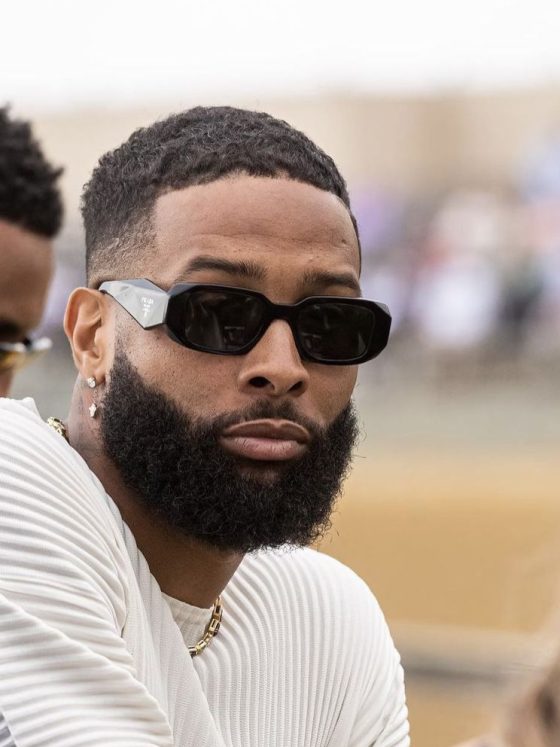
The African barbershop has long been more than a place for haircuts, serving as a centre for community, conversation, and identity.

Long Before Modern Salons, Grooming Was a Social Practice
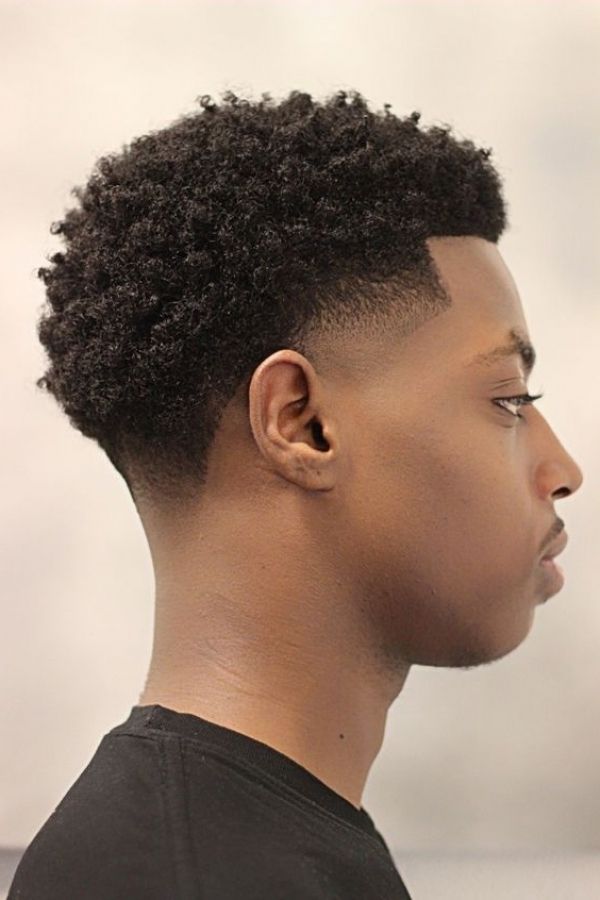
Long Before Modern Salons, Grooming Was a Social Practice

Hair grooming has existed across African societies for centuries. Historical accounts, oral traditions, and visual records show that hair carried social meaning connected to age, status, occupation, spirituality, and community belonging.

Because hair communicated information, the act of cutting, styling, or maintaining it often occurred in communal settings. Grooming was rarely isolated from social life. People gathered, talked, exchanged information, and participated in the wider rhythms of community while hair was being cared for.

The modern barbershop inherited much of this communal function. While the tools changed, the social role remained remarkably consistent.

The Barbershop as an Information Network

Before smartphones, social media, and twenty-four-hour news cycles, local information often travelled through physical gathering spaces. Markets, religious centres, transport hubs, and barbershops all played important roles.

In many African communities, the barbershop became a reliable place to hear local developments, discuss politics, analyse football matches, debate current affairs, and exchange business opportunities.

This role persists today. A customer entering a barbershop may find conversations ranging from elections and music releases to entrepreneurship and neighbourhood concerns. The haircut creates the gathering, but the gathering itself sustains the institution.

The barbershop remains one of the few places where people from different professions, generations, and economic backgrounds regularly share the same space.

Masculinity Is Negotiated in the Barber’s Chair
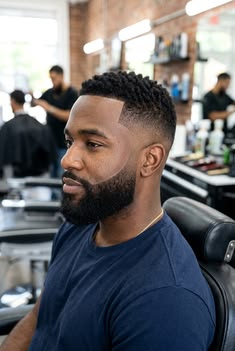
Masculinity Is Negotiated in the Barber’s Chair


Barbershops also function as spaces where ideas about manhood are discussed, challenged, and reinforced. Conversations about work, relationships, fatherhood, ambition, and responsibility often unfold naturally while clients wait their turn.

This does not mean every barbershop promotes the same understanding of masculinity. Different communities produce different expectations. However, the barbershop consistently provides a setting where men observe one another and exchange perspectives about adult life.

The significance of this role becomes clearer as many societies experience a decline in communal spaces where men regularly gather outside work or family environments.

In this sense, the African barbershop remains one of the continent’s most enduring informal social institutions.

READ ALSO:

  • Rumba, Son, and Sacred Ceremony: How Afro-Cuban Performance Arts Produce Dress
  • Steelband, Calypso, and Cloth: How Trinidad’s Performance Arts Produce Dress Culture

The Rise of Contemporary Barber Culture
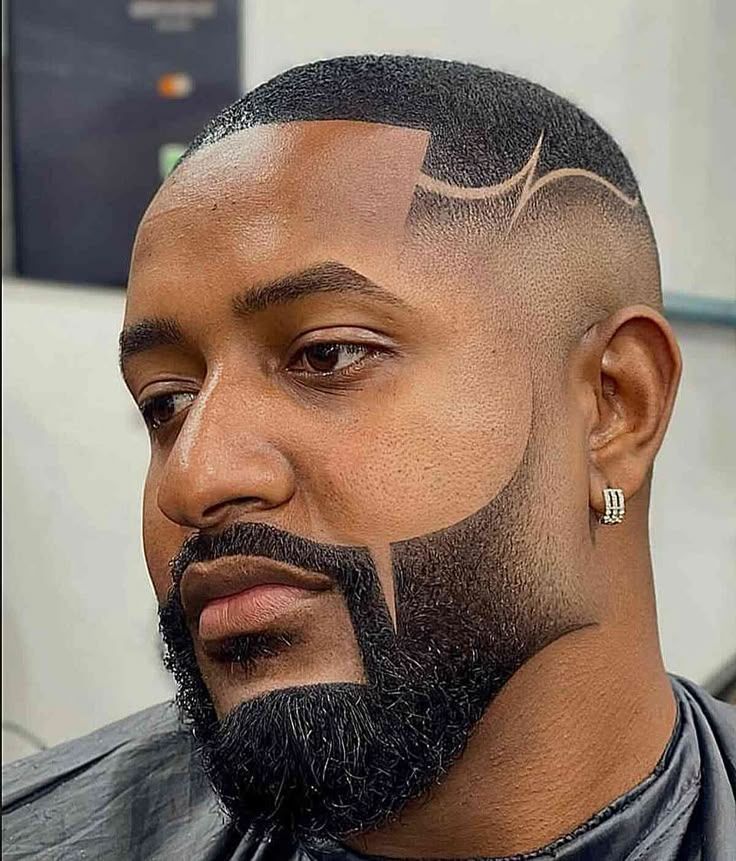
The Rise of Contemporary Barber Culture

In recent years, barbering has evolved into a visible creative profession across many African cities. Skilled barbers build personal brands, attract loyal clients, and use social media to showcase their work.

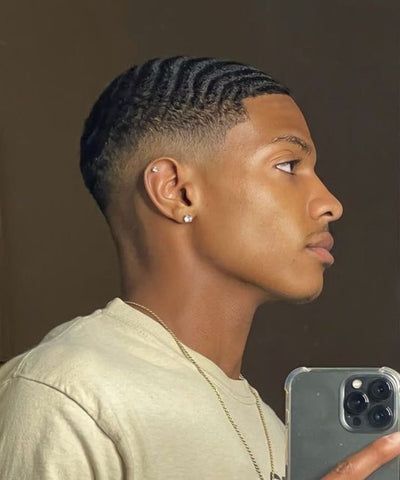
Contemporary barber culture combines craftsmanship with entrepreneurship. Precision fades, detailed line work, beard shaping, and personalised styling have expanded clients’ expectations of grooming services.

Yet despite these developments, the strongest barbershops still maintain their social character. Technology has changed how businesses operate, but it has not replaced the conversations that make the space culturally significant.

The modern African barbershop succeeds because it continues to offer something many digital platforms cannot: physical community.

The Omiren Argument

The African barbershop is often described as a grooming business that also facilitates conversation. This interpretation understates its historical importance. The conversations are not incidental to the institution. They are part of its core purpose.

For generations, African barbershops have functioned as community spaces where information circulates, relationships develop, and ideas about identity are negotiated. Haircuts provide the economic foundation, but the cultural value comes from the social infrastructure built around them. The barbershop survives because it offers far more than grooming. It offers belonging.

FAQs

  1. Why are barbershops important in African communities?

They function as social spaces where people exchange information, build relationships, and discuss community issues.

  1. Did traditional African societies have organised grooming practices?

Yes. Hair grooming often carried social and cultural significance connected to identity and status.

  1. How has barber culture changed in Africa?

Modern barbering increasingly combines technical skill, entrepreneurship, branding, and social media visibility.

  1. Are barbershops still important in the digital age?

Yes. They continue to provide physical community spaces that digital platforms cannot fully replace.

  1. Why is the barbershop considered a cultural institution?

Because its influence extends beyond grooming into community life, conversation, and social connection.

Post Views: 8
Related Topics
  • African Cultural Heritage
  • African men's fashion
  • community and identity
  • grooming and personal style
Fathia Olasupo

olasupofathia49@gmail.com

You May Also Like
TG Omori: The Boy Director Redefining Naija Hairstyle Fashion
View Post
  • Grooming Traditions

TG Omori: The Boy Director Redefining Naija Hairstyle Fashion

  • Adams Moses
  • June 9, 2026
How Men’s Grooming Is Elevating the Nigerian Fashion Industry
View Post
  • Grooming Traditions

The Modern Man’s Grooming Essentials: A New Era of Nigerian Masculine Elegance

  • Heritage Oni
  • November 25, 2025
The Omiren Argument

African fashion and culture are not emerging. They are foundational. We document, interpret, and argue for the full cultural weight of African and diaspora dress. With precision. Without apology.

Omiren Styles Fashion · Culture · Identity

All 54 African Nations
Caribbean · Afro-Latin America
The Global Diaspora

Platform

  • About Omiren Styles
  • Our Vision
  • Our Mission
  • Editorial Pillars
  • Editorial Policy
  • The Omiren Collective
  • Campus Style Initiative
  • Sustainable Style
  • Social Impact & Advocacy
  • Investor Relations

Contribute

  • Write for Omiren Styles
  • Submit Creative Work
  • Join the Omiren Collective
  • Campus Initiative
Contact
contact@omirenstyles.com
Our Reach

Africa — All 54 Nations
Caribbean
Afro-Latin America
Global Diaspora

African fashion intelligence, in your inbox.

Editorial features, designer profiles, cultural commentary. No noise.

© 2026 Omiren Styles — Rex Clarke Global Ventures Limited. All rights reserved.
  • Privacy Policy
  • Editorial Policy
  • Terms of Use
  • Accessibility
Africa · Caribbean · Diaspora
The Omiren Argument

African fashion and culture are not emerging. They are foundational. We document, interpret, and argue for the full cultural weight of African and diaspora dress. With precision. Without apology.

Omiren Styles Fashion · Culture · Identity
  • About Omiren Styles
  • Our Vision
  • Our Mission
  • Editorial Pillars
  • Editorial Policy
  • The Omiren Collective
  • Campus Style Initiative
  • Sustainable Style
  • Social Impact & Advocacy
  • Investor Relations
  • Write for Omiren Styles
  • Submit Creative Work
  • Join the Omiren Collective
  • Campus Initiative
Contact contact@omirenstyles.com

All 54 African Nations · Caribbean
Afro-Latin America · Global Diaspora

African fashion intelligence, in your inbox.

Editorial features, designer profiles, cultural commentary. No noise.

© 2026 Omiren Styles
Rex Clarke Global Ventures Limited.
All rights reserved.

  • Privacy Policy
  • Editorial Policy
  • Terms of Use
  • Accessibility
Africa · Caribbean · Diaspora

Input your search keywords and press Enter.