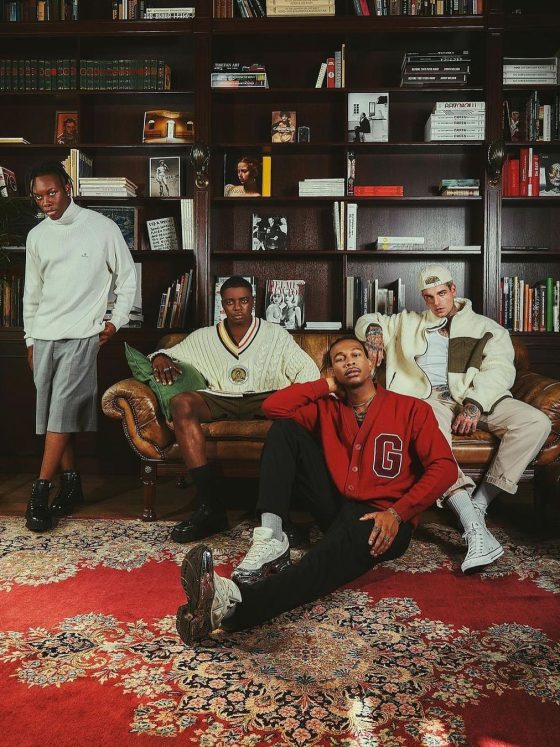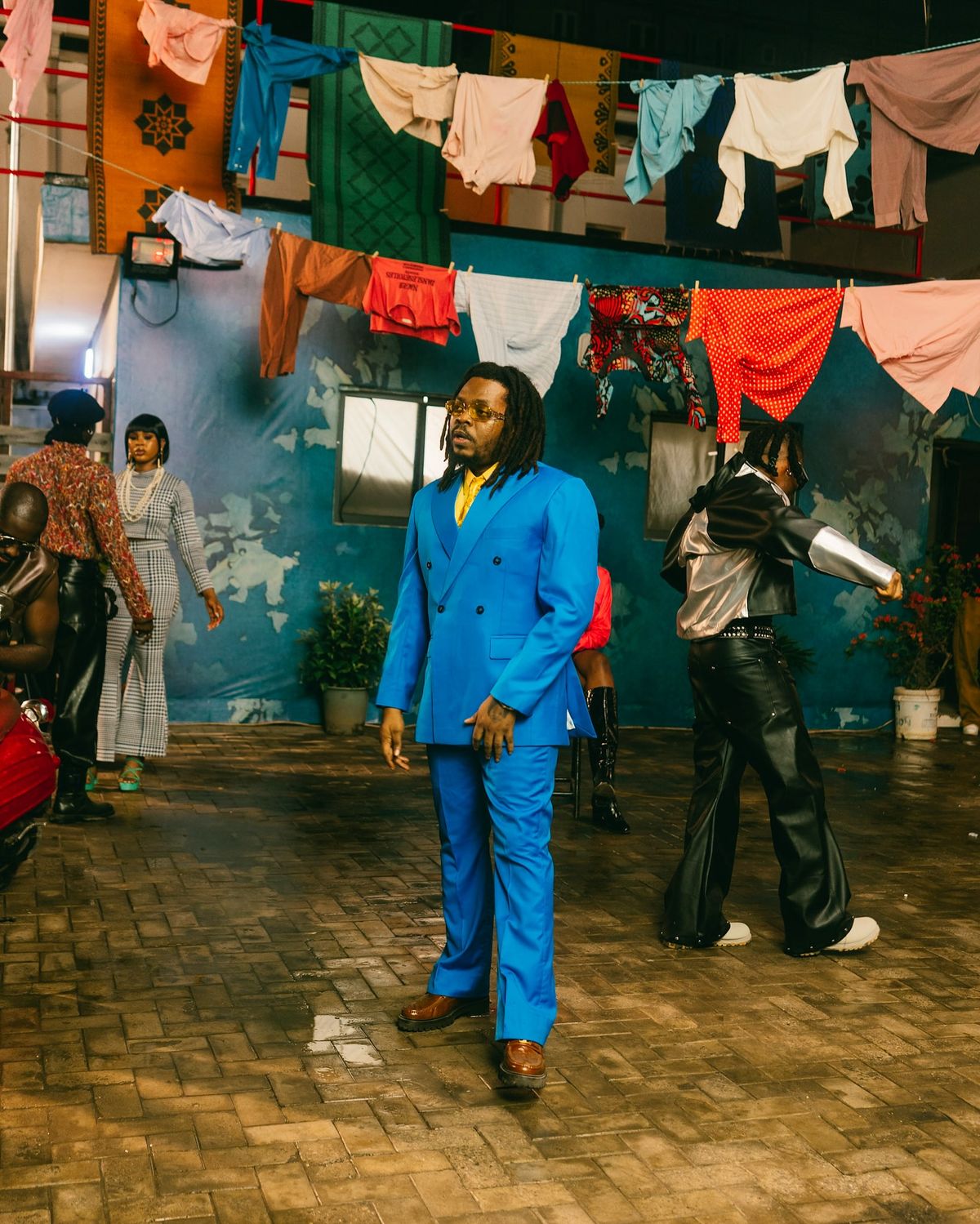
A stylist makes decisions about what is on the body. An art director makes decisions about what the image is saying. These are different questions requiring different kinds of intelligence, and collapsing one into the other produces images that are beautifully dressed and conceptually empty.
The confusion between these two functions is one of the most common and costly errors in African fashion production. When art direction is assumed to be handled by the stylist’s taste or the photographer’s visual instincts, the result is consistent: every element is well-executed, and nothing says anything together.
The fashion projects that produce the most coherent and culturally significant work treat art direction as a distinct function with a specific mandate: to own the concept and ensure that every other creative decision serves it.
What art direction brings to a fashion project that goes beyond styling: concept, spatial logic, cultural argument, and visual coherence in African and diaspora fashion production.
The Four Creative Roles and What Each One Owns
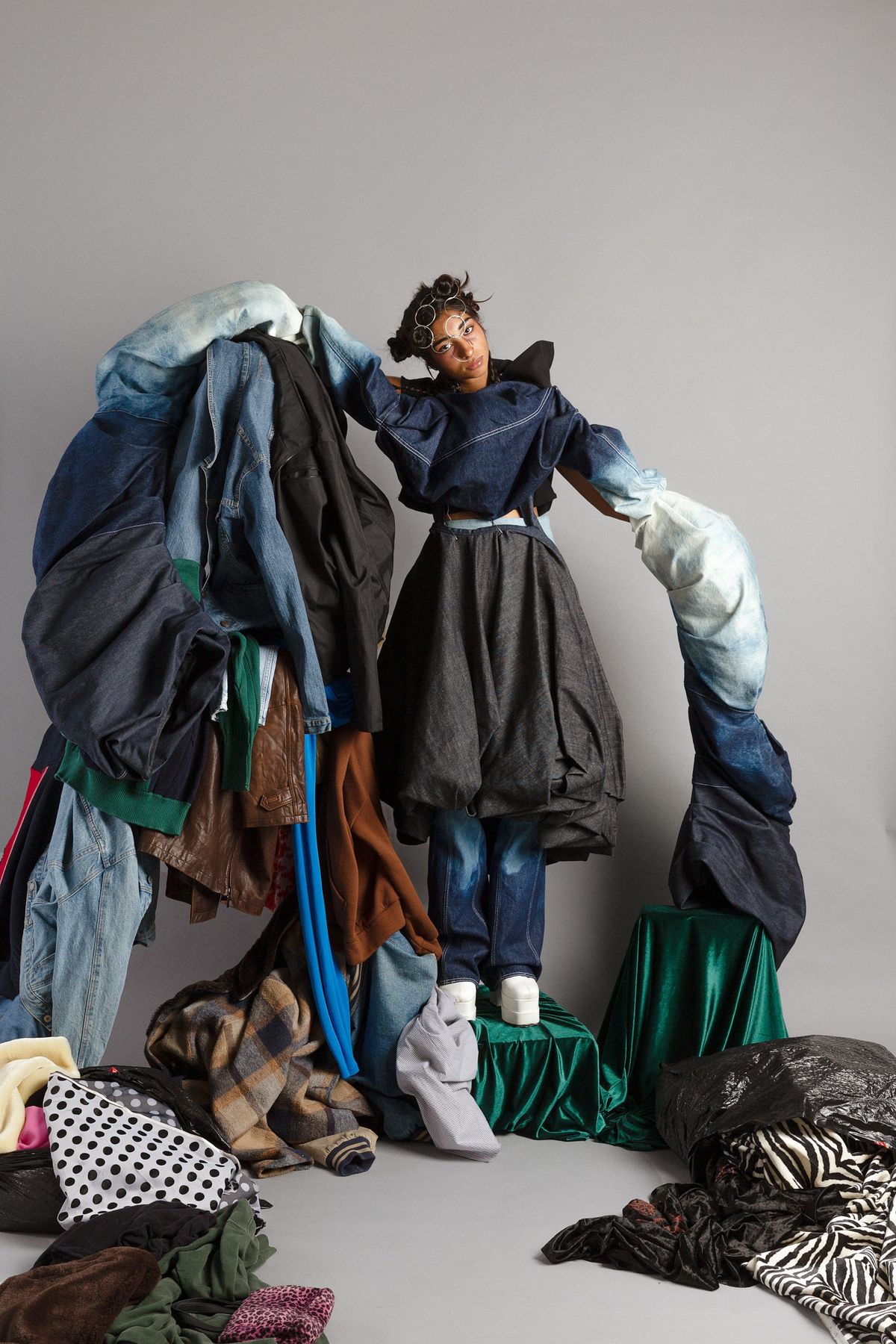
In a well-structured production, four creative functions need to be clearly assigned. Each one operates at a different level of the work.
Stylist: What is on the body: garment selection, fit, accessory choices, look presentation
Art director: What the image is saying: the concept, the visual argument, the cultural positioning
Photographer: How the image is made: light, composition, technical execution within the concept
Brand: What the image must achieve: commercial objectives and final approval
Art direction operates between the brand’s commercial requirements and the photographer’s technical execution. It is the intelligence that translates a commercial brief into a specific visual argument and then carries that argument through the production process, ensuring every other creative decision serves it.
Without art direction, the brief goes directly to execution without being translated into a concept. The result is execution without argument.
What Art Direction Changes: Two Campaigns
Example one: the Adire collection
A Lagos womenswear brand commissions a campaign for a new Adire collection. The photographer is technically strong. The stylist presents the garments beautifully. No art director is involved.
The images come back: one in a white studio, one on a Lagos street, one in a garden. Individually strong. Collectively incoherent. The brand asks why it does not feel like a campaign. The answer is that no one was responsible for ensuring it felt like one.
The same brief, this time with art direction: the concept is established before the shoot. Adire is not a ceremonial cloth. It is a cloth for every register of Lagos professional and creative life. Every location is chosen because it represents a specific register of that life, not because it is visually attractive. The lighting approach is consistent across all locations. The images cohere into a single argument about the collection.
The concept was the difference. The concept required art direction.
Example two: the quiet luxury campaign
A Lagos accessories brand wants to position a new leather goods collection in the premium market. The brief asks for images that communicate understated authority. The photographer and stylist are excellent. Without art direction, the images will communicate quality. They will not necessarily communicate authority.
The art director makes four decisions before the shoot begins. Location: a private Lagos architectural environment with clean lines and natural materials, chosen because the spatial density communicates what money looks like when it does not need to announce itself. Spacing: wide negative space around the subject in every frame, so the product is not competing for attention. Casting: a model whose bearing communicates ease rather than aspiration, someone who looks as though they already own this kind of thing. Visual rhythm: a consistent shot pace and image sequence that never accelerates, because urgency is not the register the brand is building.
None of these is styling decisions. All of them determine what the campaign says about the brand.
What Art Direction Delivers
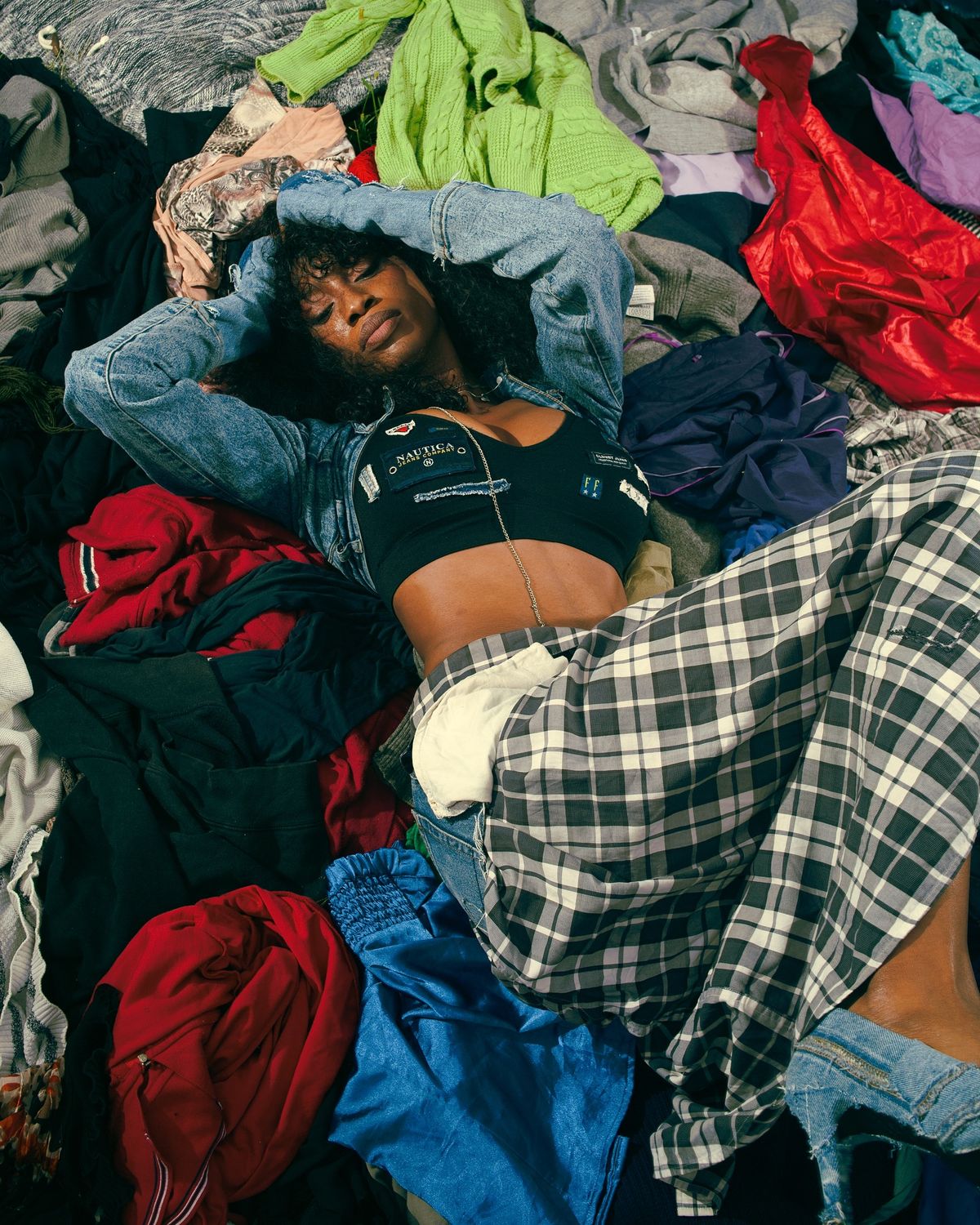
Concept development
Art direction begins with the question: What is this image trying to say, and to whom?
The brief tells you what the campaign needs to achieve commercially. Art direction translates that commercial objective into a visual argument. A brief that says the campaign should position the brand as a premium label for the Lagos professional market does not tell you what the images should look like. The art direction question does.
The concept is the art director’s primary deliverable. Everything else, the mood board, the reference images, the location choices, the casting direction, is in service of establishing and protecting the concept through the production process.
Visual reference and language
Art direction establishes the visual language of a project before the shoot begins. This means identifying the specific images, environments, cultural references, and aesthetic registers that define the territory the campaign inhabits.
A mood board is the most common tool, but it is only useful when it serves a genuine conceptual purpose rather than merely aggregating attractive images. A mood board that shows images the art director finds beautiful is not art direction. One that establishes a specific argument about the visual territory the campaign occupies is.
Negative references, the territories the campaign should explicitly avoid, are often more useful than positive ones in establishing the concept’s boundaries.
Cultural positioning
In African and diaspora fashion, art direction carries a function that most photography training does not address: the cultural positioning of the image.
Every image in African fashion is making arguments about cultural identity, about who this fashion is for, and about what it means to dress in this tradition in this moment. These arguments are made whether or not the production is conscious of making them. Art direction ensures they are made deliberately, not by default.
A campaign that deploys Adire without conceptual clarity about what it is claiming for Adire is, by default, making an argument about the cloth. That default argument may reproduce exactly the assumptions the brand wants to challenge. The question of who this fashion is for and what it is claiming is an art direction question before it is a styling question. The art director who has thought through the cultural positioning is protecting the brand from accidentally saying the wrong thing.
ALSO READ
- How Fashion Campaign Teams Divide Responsibility from Concept to Final Image
- Who Actually Owns Ankara: The Legal and Cultural Argument the Fashion Industry Has Been Avoiding
- The Egungun Masquerade and Yoruba Fashion: Dress, Identity, and Spiritual Authority
- African Luxury Fashion and the Problem with Silence
How Art Direction Works on Set
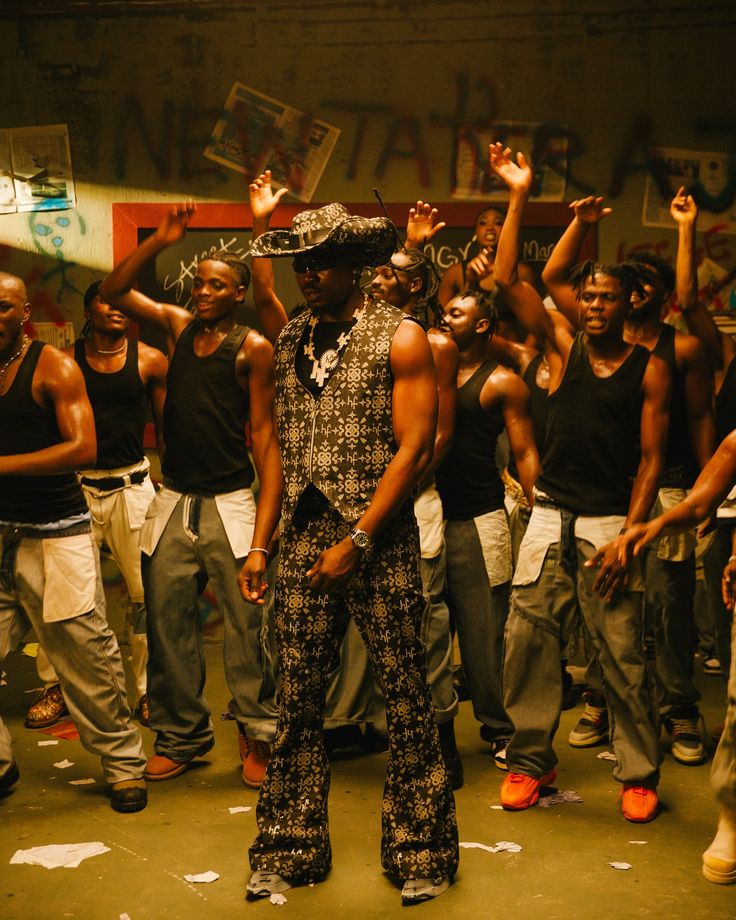
With the photographer
The art director establishes what the image needs to say. The photographer determines how to make the image convey its meaning. Both are making creative decisions, but at different levels.
When this relationship works, the concept gives the photographer’s technical decisions a clear purpose. The creative conversation between the art director and the photographer produces images that neither would have made alone.
When it does not work, the art director is either absent, leaving the photographer to make conceptual decisions that are not their responsibility, or micromanaging execution in ways that produce worse images.
With the stylist
The art director establishes the visual argument. The stylist ensures that the garment presentation serves that argument.
This structure does not constrain the stylist’s creativity. It is given a specific purpose. A stylist who knows what argument the image is making can make garment-presentation decisions that actively advance that argument, rather than decisions that are independently strong but conceptually neutral.
Art direction is not the most beautiful version of the brief. It is the most intelligent translation of the brief into a visual argument.
Art Direction in African Fashion: Why It Matters More Here
For creative teams working in African and diaspora fashion, art direction is the mechanism by which the cultural significance of the work is protected rather than accidentally diluted.
The garments being shot often carry histories, textile traditions, and community meanings that are not self-evident to every viewer. An image that deploys culturally significant cloth without conceptual clarity is not culturally neutral. It is making an argument by default, and that default argument may be precisely the one the brand has spent years working against.
Art direction is what gives that cultural weight intentional direction. The decision about whether to photograph an Egungun-inspired textile in a traditional or contemporary context is not a styling decision. It is an argument about what the textile means and where it belongs. The complexity of that argument requires someone on the production team whose primary responsibility is to ensure it is correct.
For African fashion brands building international visibility, conceptual incoherence is not just aesthetically weak. It is commercially damaging because it undermines the brand’s claim to authority in a market where that claim is still being established.
The brands that have built the most coherent international presence from African fashion markets have almost invariably invested in art direction as a distinct function. The silence that commands attention in African luxury fashion is not accidental. It is the product of rigorous conceptual intelligence applied consistently across every image the brand produces.
What Art Direction Produces for a Fashion Project
Art direction produces conceptual coherence: the quality that makes a series of images feel as if a single intelligence made them, with a clear point of view.
This coherence is what transforms a collection of good images into a campaign. It is what transforms a campaign into a brand argument. And it is what transforms a brand argument into a cultural position that can be held across seasons, markets, and changing creative teams.
For African and diaspora fashion brands, this cultural position is the most valuable long-term asset the creative work can produce. It cannot be purchased with larger budgets or more talented contributors. It requires the specific intelligence that art direction brings: someone whose primary responsibility is the concept, who holds it through the entire production process, and who ensures that every creative decision serves the argument the brand needs to make.
Art direction is not the most creative role on a fashion production. It is the role that ensures all other creative roles work toward the same argument.
FAQs
What is the difference between an art director and a stylist in fashion?
A stylist makes decisions about what is on the body: garment selection, fit adjustments, accessory choices, and look presentation. An art director makes decisions about what the image is saying: the concept, the visual argument, the cultural positioning, and the spatial logic of the shoot. Both are essential—neither substitutes for the other. The confusion between them produces images that are beautifully dressed but conceptually empty, because the stylist’s intelligence operates at the level of the garment. In contrast, the art director’s intelligence operates at the level of meaning in the image.
Can a stylist and an art director be the same person on a shoot?
They can, and sometimes are, on smaller productions. But combining both functions in one person requires holding two different kinds of attention simultaneously: the detailed, hands-on attention to the garment that styling requires, and the wide-angle conceptual attention to the whole image that art direction requires. Many stylists with strong conceptual intelligence effectively art-direct their own shoots. The risk is that the physical work of execution crowds out the conceptual attention the art direction function requires on productions where conceptual coherence matters; separating the functions is almost always worth the additional resource.
Why is art direction particularly important for African fashion brands?
Every image in African fashion makes arguments about cultural identity, textile tradition, and what it means to dress in this culture in this moment. Without art direction, those arguments are made by default: by habit, by the accumulated assumptions embedded in photography training, and by the visual language of whatever references the photographer found most attractive. With art direction, they are made deliberately by someone whose primary responsibility is to ensure the image makes the right argument about the brand and the culture it belongs to. In a market where those arguments have been made carelessly for decades by outside observers, a brand that makes them carefully and consistently has a significant competitive advantage.
CONTINUE READING