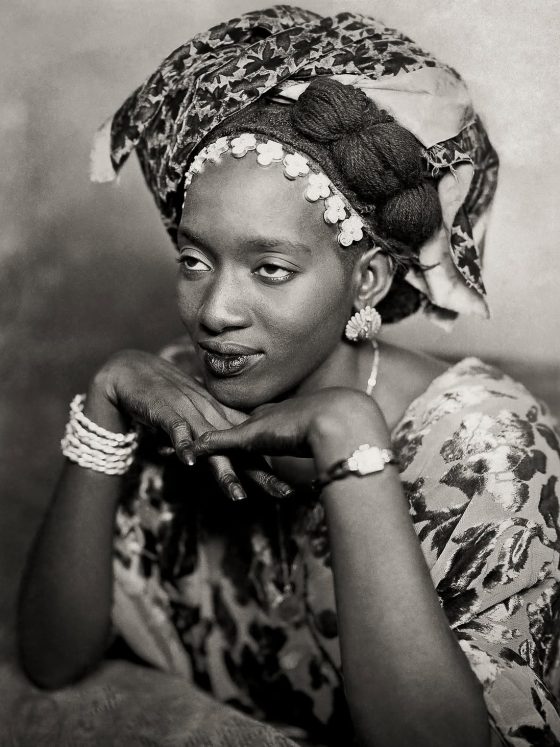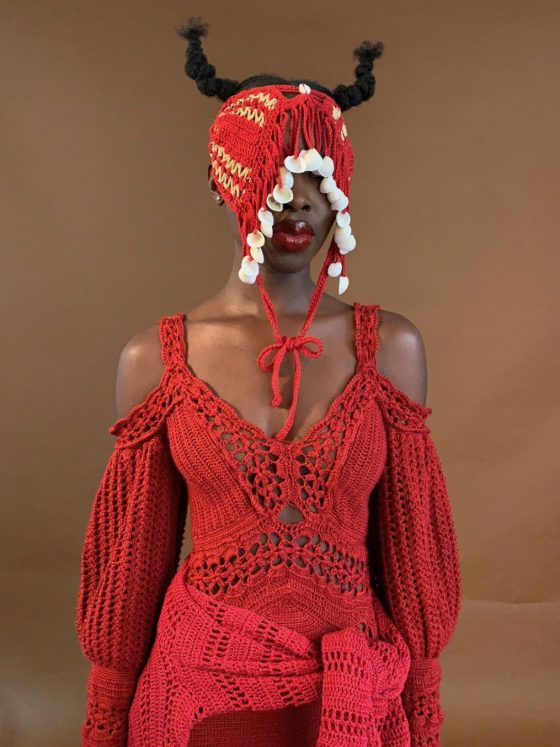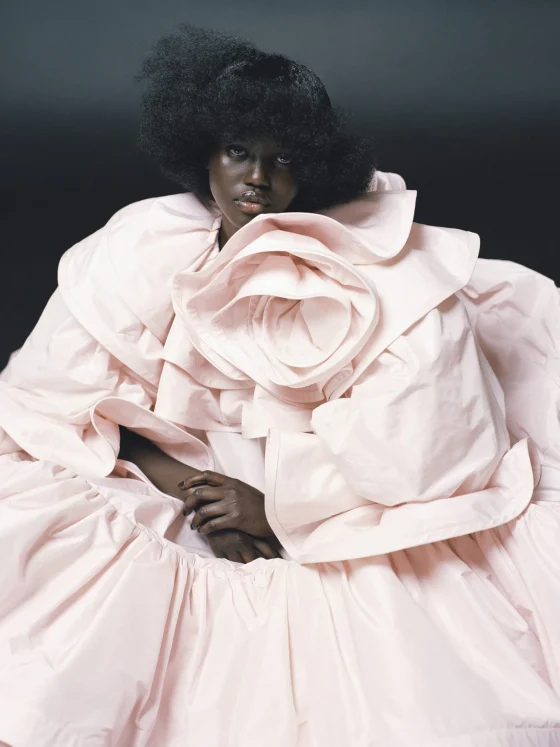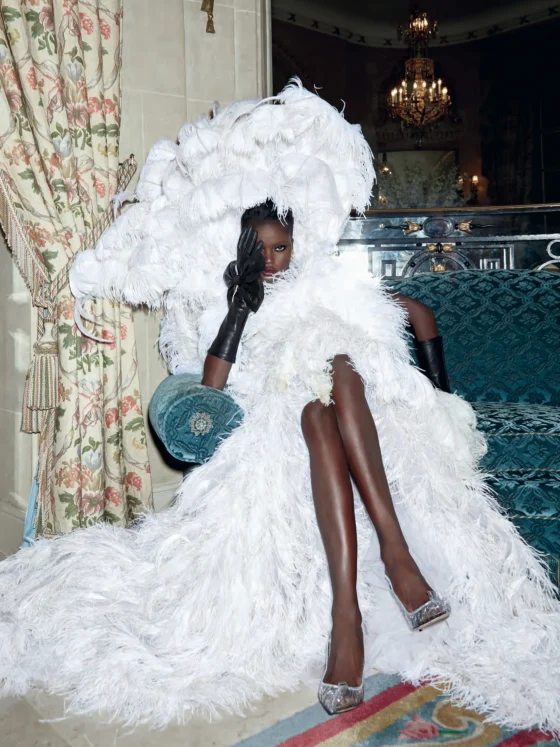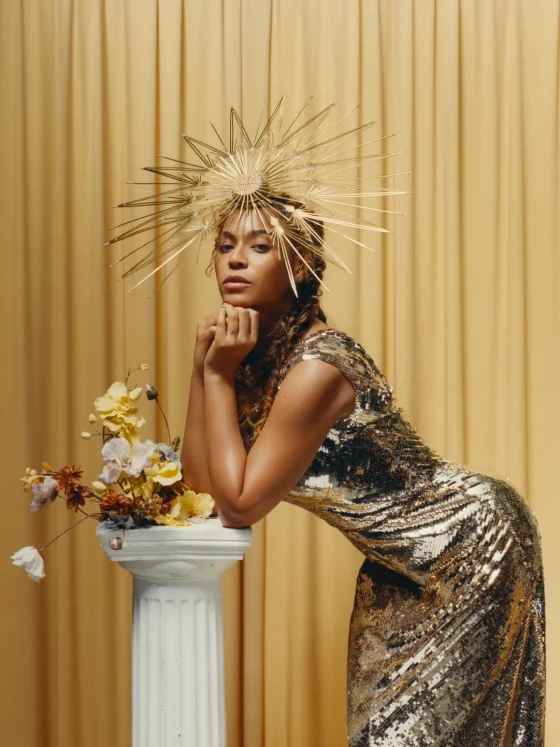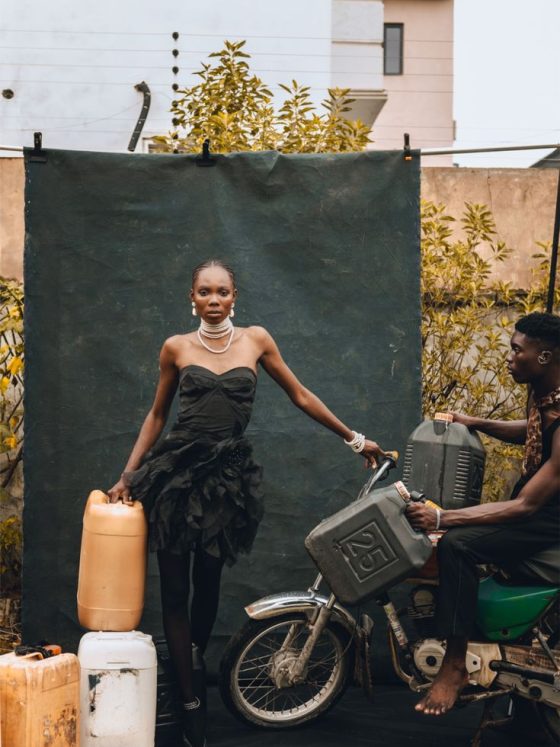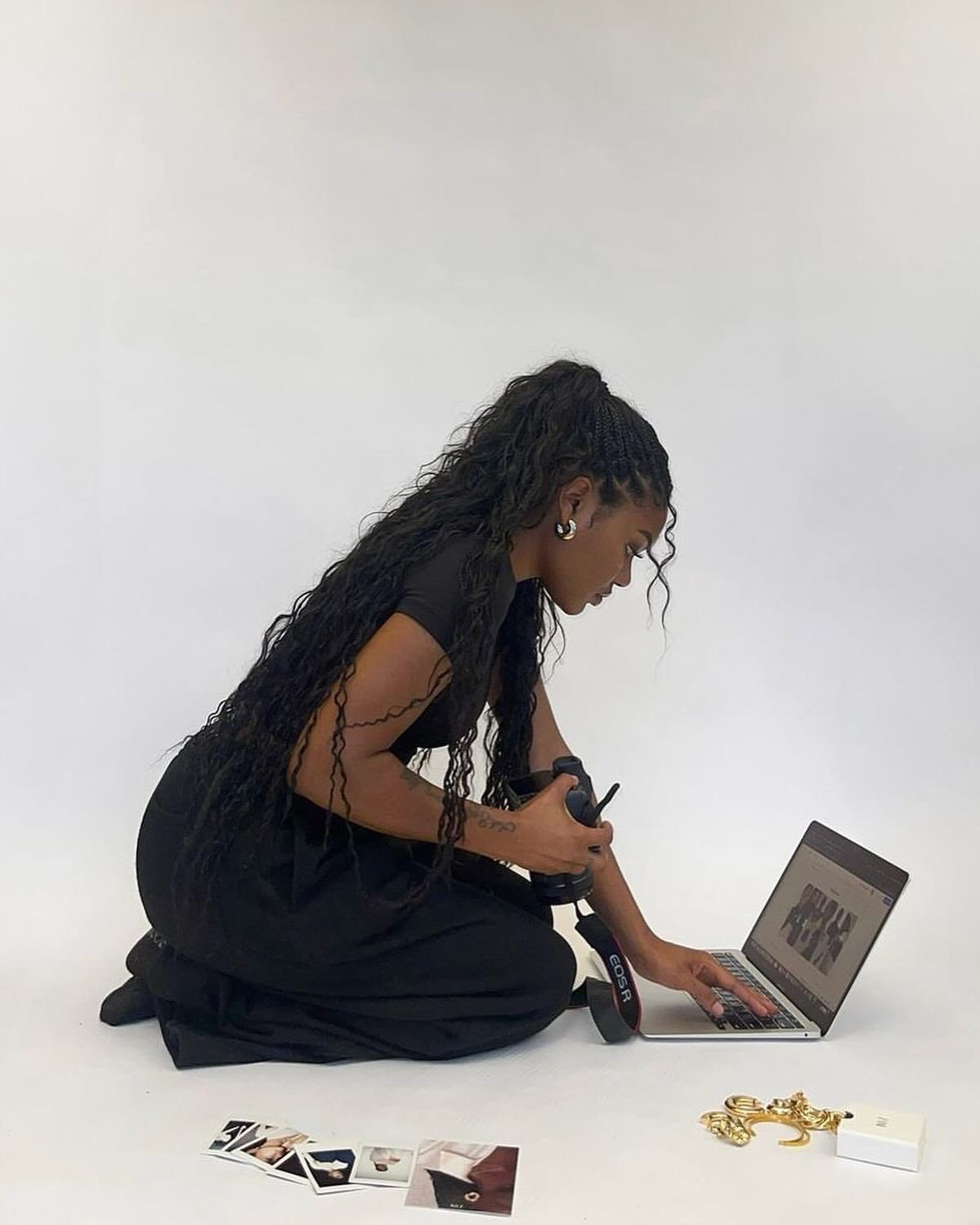
Put two photographers in the same location with the same model in the same clothes, and you will get two different bodies of work. Not because one is more skilled than the other, but because each brings a different set of structural creative commitments to the frame.
Those commitments, accumulated across hundreds of images and dozens of projects, are a visual signature. They are not the same as style, though style is their most visible symptom. A style can be imitated. A signature cannot, because a signature is not an aesthetic decision. It is the product of a practice.
The photographers who build lasting careers in African and diaspora fashion are almost invariably the ones who developed a signature rather than a style. Their work is recognisable not because it looks consistent, but because it thinks consistently.
How fashion photographers working in African and diaspora contexts develop a distinctive visual signature: the choices, habits, and creative discipline behind a recognisable body of work.
Signature versus Style: The Distinction That Matters
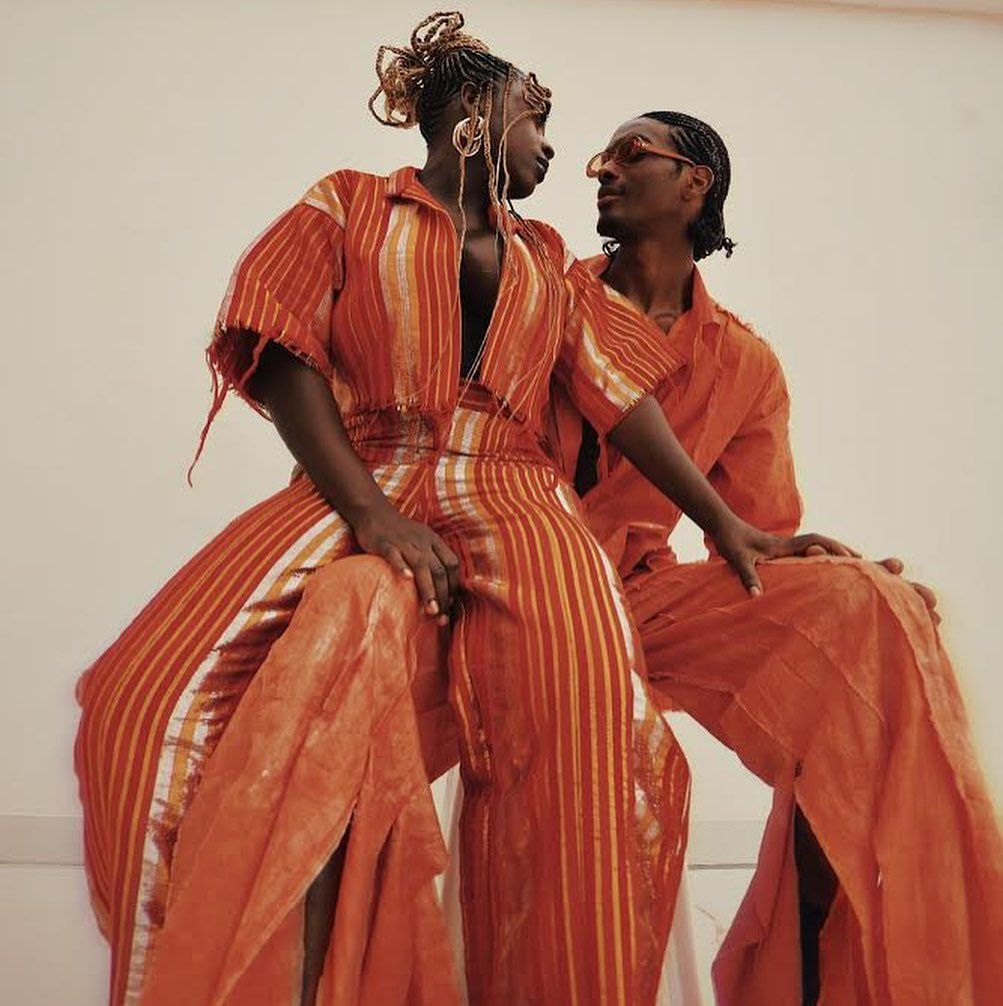
Style is the surface quality of a photographer’s work: the aesthetic choices a viewer notices immediately.
A preference for high contrast. A tendency toward warm tones. A recurring use of architectural environments. These are visible, describable, and imitable.
A signature is the structural logic underneath the style: the consistent set of decisions about how the photographer relates to their subject, how they use light as an editorial tool, and what they consistently choose to say with an image rather than merely show.
Two photographers can share a similar style and have entirely different signatures. Their images may look similar on the surface, but the thinking beneath is different, and that difference becomes visible over time as each body of work accumulates in distinct territory.
A style can be imitated. A signature cannot. A signature is not an aesthetic decision. It is the product of a practice.
A signature cannot be built by deciding what you want your work to look like and then executing in that direction. It is built by returning to the same creative territory with increasing rigour: making the same kinds of decisions across many different projects, noticing what those decisions produce, and developing a deeper understanding of your own creative logic over time.
Most photographers who try to develop a signature by working backwards from an aesthetic get stuck. The photographers who develop genuine signatures are usually the ones who spent years shooting what interested them without worrying about consistency, and then looked back at the work and found the consistency already there.
Two Photographers, Same Subject, Two Different Signatures
Consider two Lagos-based photographers, each shooting a model in a structured Aso-oke jacket in the same market environment.
Photographer A: The environment as an active participant
Photographer A consistently frames garments against a strong environmental context. The Aso-oke jacket is photographed with the market’s textures, colours, and spatial depth fully present in the background. The garment sits within its cultural environment. The image argues: this is where this cloth comes from and belongs.
Across thirty of this photographer’s images, the pattern is consistent. Architecture, street texture, human activity: the environment is always given visual weight equal to or greater than the garment. Every image places fashion in a specific place and time.
Photographer B: The garment in clean negative space
Photographer B consistently isolates the garment. The same Aso-oke jacket is photographed against a minimal background: a plain wall, a clean studio field, an environment stripped of competing information. The garment stands alone as a visual object. The image argues: look at what this cloth can do.
Across thirty of this photographer’s images, the pattern is equally consistent. Environmental detail is eliminated. The garment is the entire argument. Every image places fashion outside of context, asking the viewer to judge it on its own terms.
Neither approach is correct. Both produce strong work. But they are different signatures, built from distinct structural creative commitments consistently maintained over time.
The signature is visible in the pattern of decisions, not the quality of any single image.
How Visual Signatures Are Built
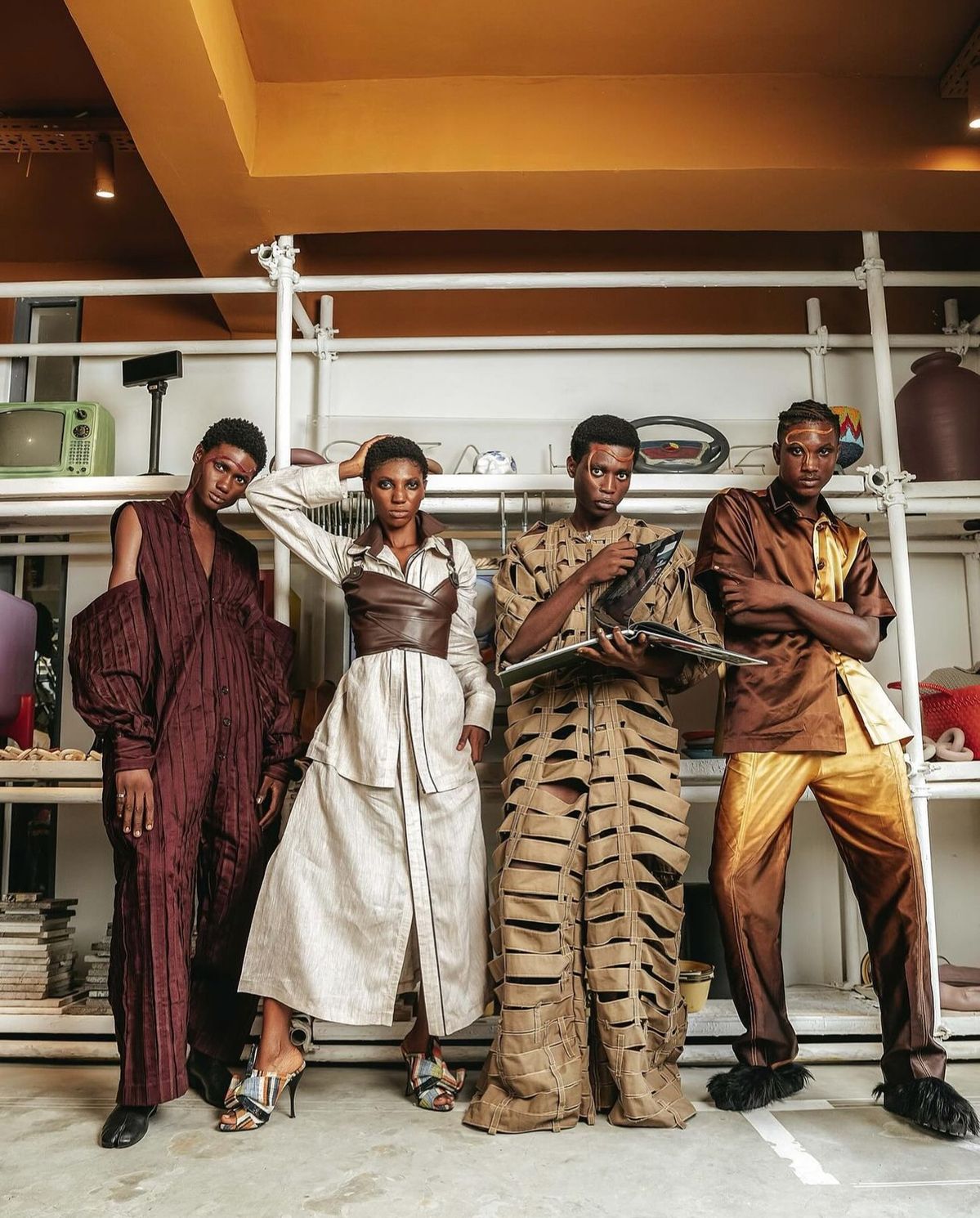
Shooting what genuinely interests you
The signature develops most clearly in work not compromised by external requirements. Commission work and client briefs impose legitimate constraints, but they are not where the signature reveals itself most honestly.
The work that most clearly demonstrates an emerging signature is personal: test shoots, self-initiated projects, images made without a client or publication in mind. In this work, the photographer makes decisions based entirely on their own creative logic.
A photographer who rarely makes personal work is a photographer who rarely discovers what their signature actually is, because they are always making decisions in response to a brief rather than in response to their own creative instincts.
Reviewing the work over time
The signature is rarely visible in any single image. It becomes visible across a body of work as it is reviewed over time.
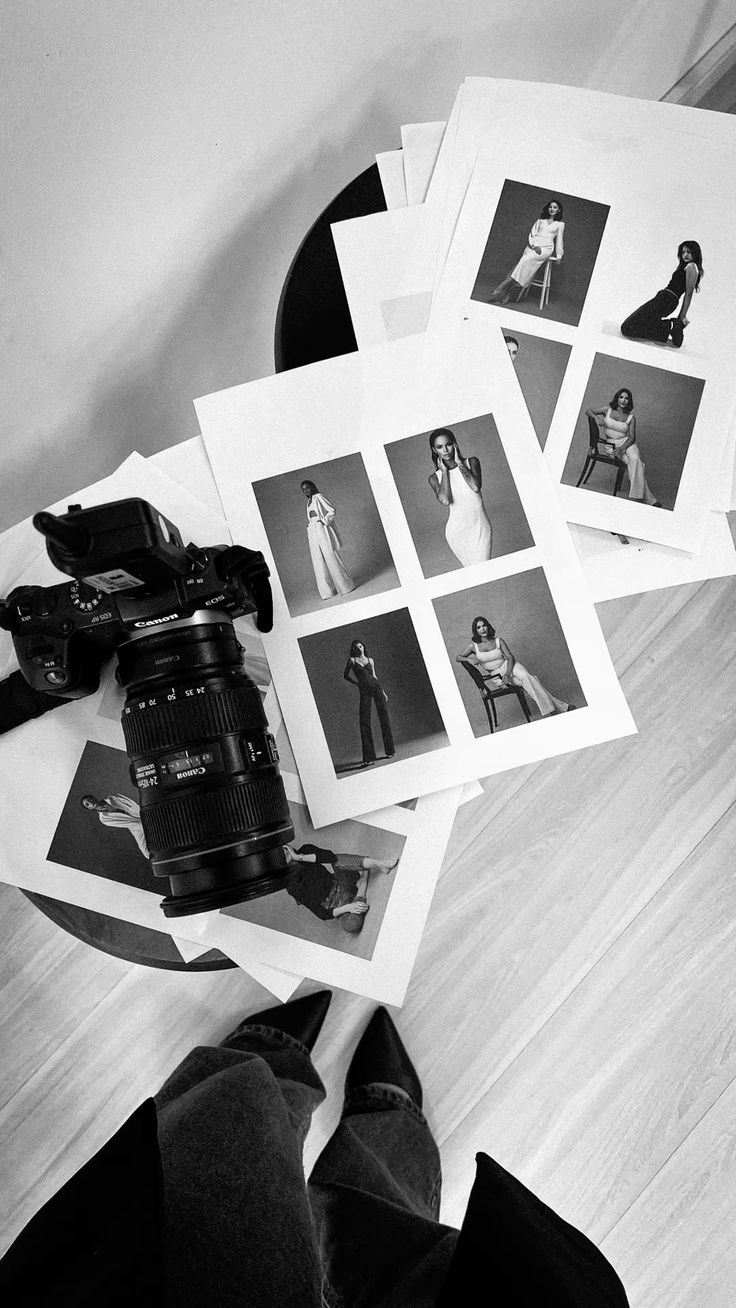
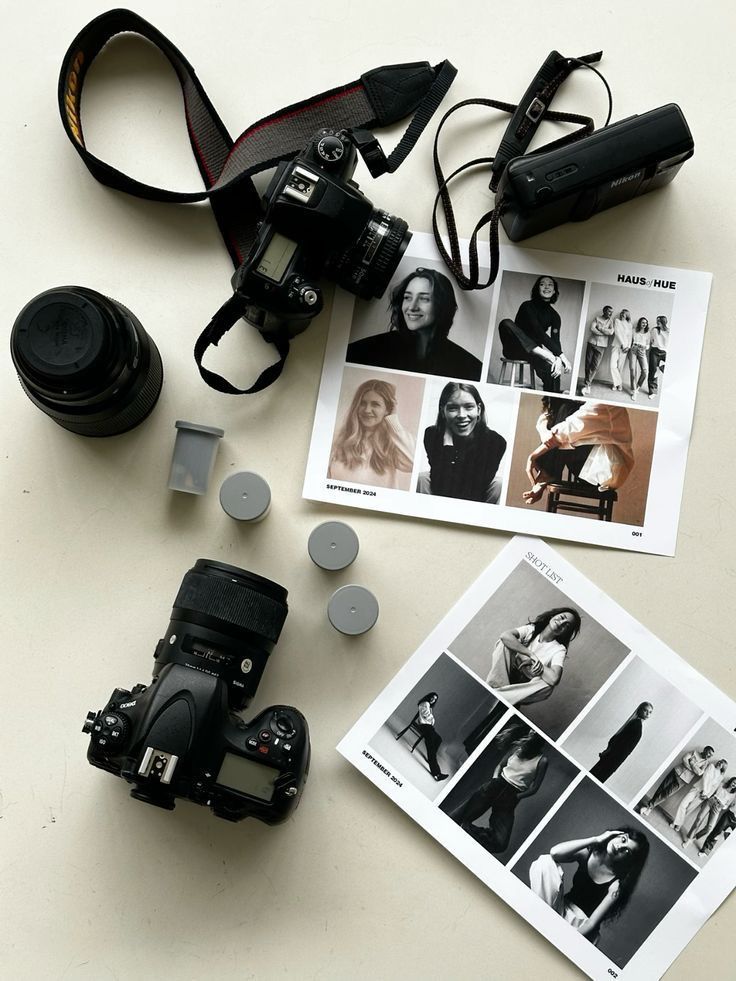
The photographer who prints and pins their work, who looks at a hundred images from the past year and asks what decisions they consistently make, will find their signature in that review. The patterns are usually not where the photographer expects them: not the obvious stylistic choices, but the recurring spatial relationships, the consistent quality of attention brought to a specific kind of light, the images chosen not to make rather than the ones chosen to make.
This review practice requires honesty. The images that feel most like you are not always the ones you are most proud of. The signature sometimes shows most clearly in technically imperfect images that are creatively specific in ways polished images are not.
Resisting premature consistency
One of the most common errors is locking into a look before the signature has had time to reveal itself naturally. The result is a portfolio that looks consistent but feels imposed rather than arrived at.
Genuine signatures develop over three to five years of sustained practice, not three to five months of deliberate aesthetic positioning. The photographer, still genuinely exploring in year two, is in a better position than the one who declared their signature at six months and has been executing it since.
A signature is not a decision. It is a discovery. The work that reveals it is not the work made with a signature in mind. It is the work made without one.
The Technical Choices That Define a Signature
The relationship between the subject and the environment
One of the clearest differentiators between photographers is how they understand the relationship between the human subject, the garment, and the environment. Some photographers consistently treat the environment as a neutral field, allowing the subject to dominate. Others consistently treat the environment as an active participant with its own visual weight.
Neither approach is correct. But the photographer who has developed a consistent position on this relationship and can articulate why they have made the choices they have made is demonstrating signature thinking rather than a stylistic habit.
Light as a recurring editorial choice
A photographer’s consistent approach to light is one of the clearest markers of signature. Not just the technical quality, but the emotional and editorial register that light quality communicates.
A photographer who consistently uses the last hour of afternoon light is not just making a technical choice. They are making a recurring argument about the emotional register their images inhabit. When these choices appear across an entire body of work, across different countries, garments, and subjects, they have become a signature.
What is left out of the frame
Exclusion is as defining as inclusion. What a photographer consistently chooses not to include, what they crop out, what they refuse to let compete with the primary subject, defines their visual logic as clearly as what they choose to keep.
A photographer who consistently produces clean, decluttered frames is making a recurring argument about attention: that the viewer’s eye should be directed rather than invited to wander. A photographer who consistently allows environmental complexity into the frame is making a different argument about the richness of context.
For fashion photographers specifically, the question of what to exclude often comes down to the relationship between the garment and everything else in the image. The intimacy of tailored clothing changes how it reads in an image, depending on how much the photographer allows the environment to speak alongside it. A recurring decision about that relationship is a signature.
ALSO READ
- Fashion Photography Planning: Light, Location, and Composition for Clothing-Led Stories
- Editorial vs Commercial Fashion Photography in Africa
- The Aso-Oke Weaver Crisis: What Happens When Nigeria’s Most Important Cloth Can No Longer Be Made
- What the Numbers Say About Lagos, Accra, and Nairobi as Fashion Business Cities
Building a Signature in African Fashion Photography
The specificity of African environments as a creative resource
The environments of African cities are editorial resources that no photographer working from London, Paris, or New York has direct access to.
The specific quality of afternoon light in Lagos. The textures of architecture in Accra. The spatial relationships in Nairobi’s fashion districts. These are not generic backgrounds. They are specific places with specific visual characteristics that produce specific kinds of images.
A photographer who builds their signature using these environments is building something that cannot be replicated by photographers working elsewhere. The specificity is the competitive advantage.
The visual identity that African fashion cities are building through their editorial output is inseparable from the photographers making images in those cities. As Lagos, Accra, and Nairobi develop as fashion business cities, the photographers whose work is rooted in those environments are building a visual archive that will define how African fashion is seen internationally—the photographer who understands these stakes stakes a claim in a territory that is specific to them.
Cultural knowledge as a creative resource
A photographer working in African fashion with genuine cultural knowledge of the traditions, textile histories, and social contexts of the work they are shooting makes different creative decisions from one without that knowledge.
The cultural knowledge does not manifest as accuracy or authentication. It manifests as creative instinct: knowing intuitively which spatial relationship between a model and an Aso-oke garment is respectful and which is reductive, knowing which light quality honours a hand-woven textile and which flattens it.
This is why cultural investment is not separate from photographic development for photographers working in this space. Understanding the crisis facing Aso-oke weavers is not background information. It is creative information that changes how a photographer approaches a garment made from that cloth. That knowledge, accumulated across many subjects and shoots, becomes part of the signature.
Signature and the African fashion visual record
The photographers building the most distinctive signatures in African fashion photography are making a contribution that goes beyond any individual body of commercial work. They are building a visual language for African fashion: a way of seeing that is specific to this place, this culture, this moment.
That visual language does not develop through technical excellence alone. It develops through the accumulation of specific, culturally intelligent creative decisions made consistently across a career.
What a Visual Signature Produces for a Career
A recognisable visual signature produces something no marketing effort can manufacture: a reason for specific clients, publications, and collaborators to choose a specific photographer rather than simply finding someone competent.
The photographer without a signature is competing on technical ability and price. Both are competitive grounds where there are always cheaper, technically equal alternatives.
The photographer with a signature is competing on creative specificity. They are offering something that cannot be reproduced because it is the product of their specific practice, their specific territory, and their specific creative intelligence accumulated over years.
For photographers building careers in African and diaspora fashion, this durability matters more than it might elsewhere. The market is growing; the competition is growing with it, and the photographers who will hold their position through that growth are those whose work cannot be replicated by anyone arriving later with equal technical skill and a similar aesthetic.
A signature is the work only you can make. Building it is not a branding exercise. It is the result of a practice sustained long enough to reveal what is irreducibly yours.
FAQs
How long does it take a fashion photographer to develop a recognisable visual signature?
Three to five years of sustained, attentive practice is a realistic timeline. The signature is rarely visible in the first year and rarely fully formed before the third. Photographers who try to declare their signature early tend to produce work that looks consistent but feels imposed. The signature that reveals itself through sustained practice feels earned rather than chosen, and tends to be more distinctive because it reflects the photographer’s actual creative logic rather than an aesthetic they decided to adopt.
How do photographers know when they have developed a signature?
The clearest signal is when other people start describing your work in consistent terms you did not give them. When a casting director, editor, or collaborator who has seen your work across different projects uses specific language to describe what makes your images recognisable, you are hearing your signature described from the outside. A secondary signal is when you look at a body of work from the past two or three years and find the same structural decisions appearing consistently: the same approach to the subject-environment relationship, the same recurring light quality, the same instinct about what to leave out of the frame. If those patterns are there without you having deliberately constructed them, the signature is developing.
What technical choices most define a photographer’s visual signature?
The three areas where signature most visibly accumulates are the relationship between subject and environment, the consistent approach to light as an editorial register rather than a technical tool, and the recurring decisions about what to exclude from the frame. These are not the most obvious stylistic choices: they are the structural decisions that produce the style. A photographer who consistently makes these three kinds of decisions across many different projects is building a signature, whether they intend to or not.
How does a photographer balance client requirements with developing a personal visual identity?
The signature develops most honestly in personal work made outside client requirements. Commission work imposes legitimate constraints that are not conducive to signature discovery. The discipline is to maintain a personal practice alongside commercial work: test shoots, self-initiated projects, and images made without a brief. The creative decisions made in that personal work reveal the signature. The commission work then becomes where the signature is applied to external requirements rather than being discovered.
What distinguishes an African fashion photographer’s signature from a general fashion photography style?
A signature rooted in African fashion photography draws on specific environments, light qualities, cultural contexts, and textile traditions that are inaccessible to photographers working outside those contexts. The specific quality of light in Lagos, the cultural authority of a garment made in a specific tradition, the spatial relationships particular to African urban environments: these produce images no photographer working from elsewhere can replicate. The African fashion photographer whose signature is built from these resources is building something with inherent geographic and cultural specificity that functions as a competitive advantage.
How do African fashion photographers build a body of work demonstrating a clear visual signature?
By shooting consistently within a defined creative territory and reviewing that work over time to identify the structural patterns in their decision-making. Consistency within that territory, across editorial, commercial, and personal projects, produces a recognisable body of work. The review practice matters as much as the shooting practice: looking at a hundred images from the past year and asking what you consistently choose and consistently refuse is how the signature reveals itself.
CONTINUE READING