Editorial fashion photography and commercial fashion photography are distinct disciplines with different purposes, audiences, and criteria for success.
A photographer who treats them as interchangeable produces work that fails both. The editorial images lack the creative risk they need. The commercial images lack the legibility they require.
Understanding the distinction precisely changes how a photographer prepares for each shoot, what they negotiate in the brief, and how they build a portfolio that can represent both.
The professional distinction between editorial and commercial fashion photography in Africa: what each requires, how they differ in brief and portfolio, and what photographers need to know about both.
Five Areas Where Editorial and Commercial Photography Differ
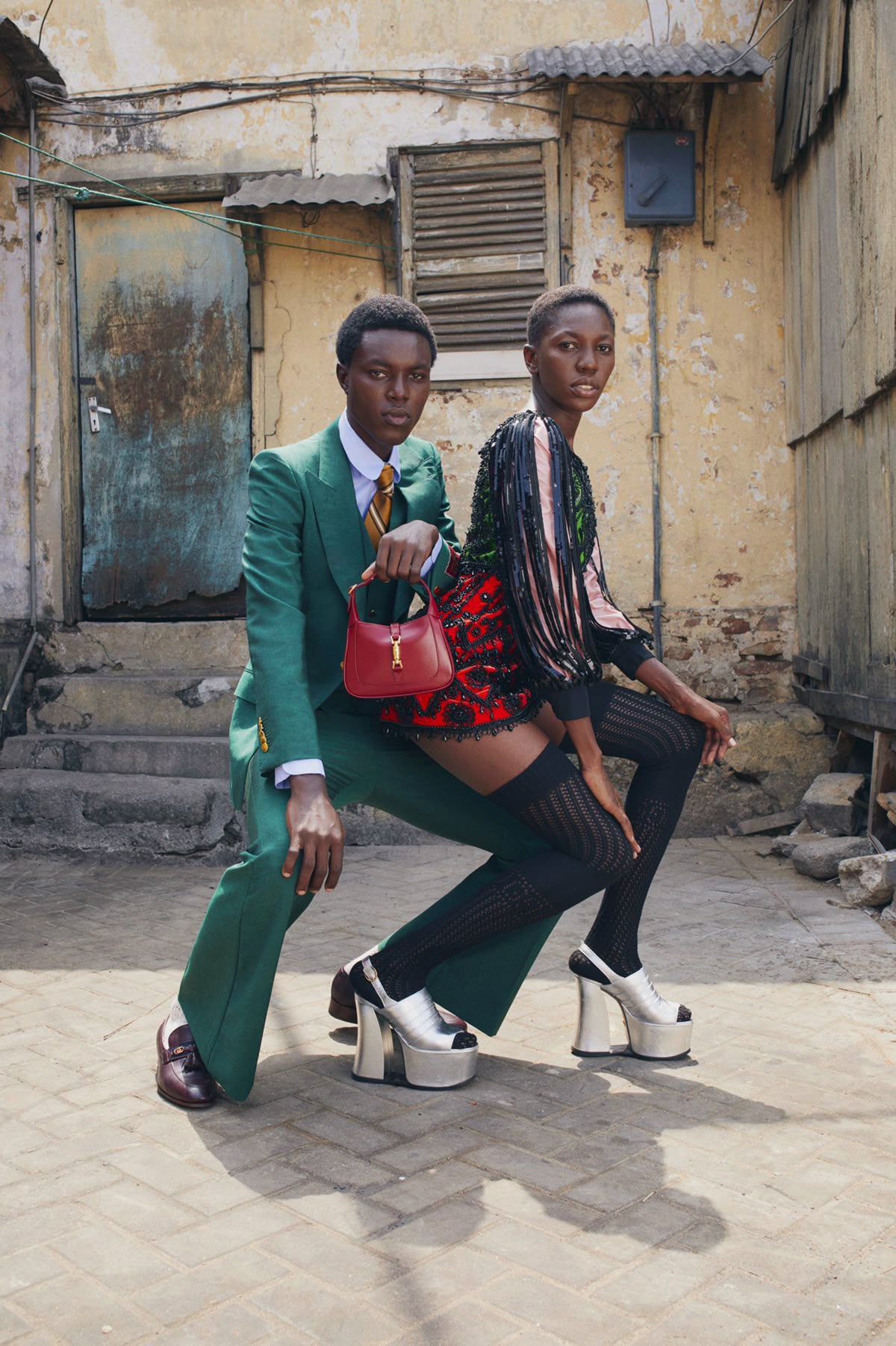
The differences run through every stage of the work.
Purpose: editorial serves a publication’s audience and editorial vision; commercial serves a brand’s commercial objectives
Brief: Editorial briefs are concept-led and relatively open; commercial briefs are outcome-specific and formally structured.
Creative control: editorial offers the photographer more latitude; commercial involves more stakeholders and client approval at each stage
Success criteria: editorial images are judged by whether they say something interesting; commercial images are judged by whether they communicate something commercially useful
Portfolio logic: editorial demonstrates creative intelligence and point of view; commercial demonstrates reliable, legible execution
Both modes require genuine creative skill. The skill is applied differently because the objectives are different.
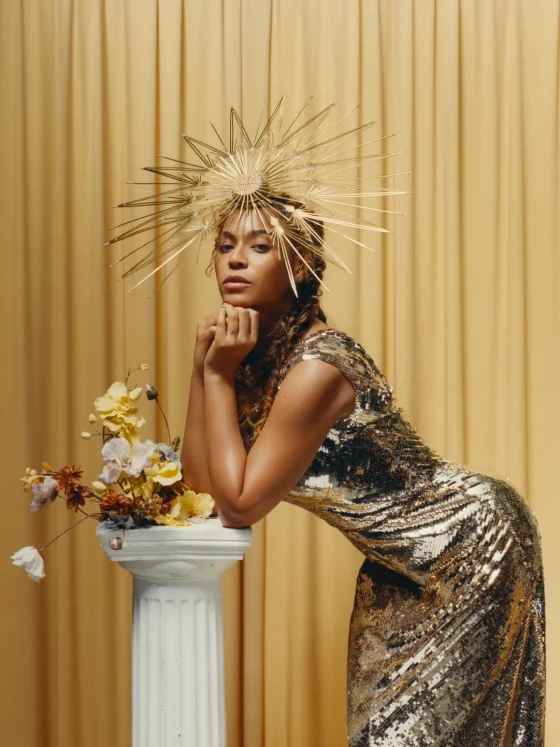
Editorial photography is evaluated by whether it says something interesting. Commercial photography is evaluated by whether it communicates something of commercial value.
Two Garments, Two Different Briefs
Example one: the Kente jacket
A Lagos fashion publication asks for a six-image editorial story around a structured Kente jacket. The concept is open. The photographer has input into casting, location, and styling.
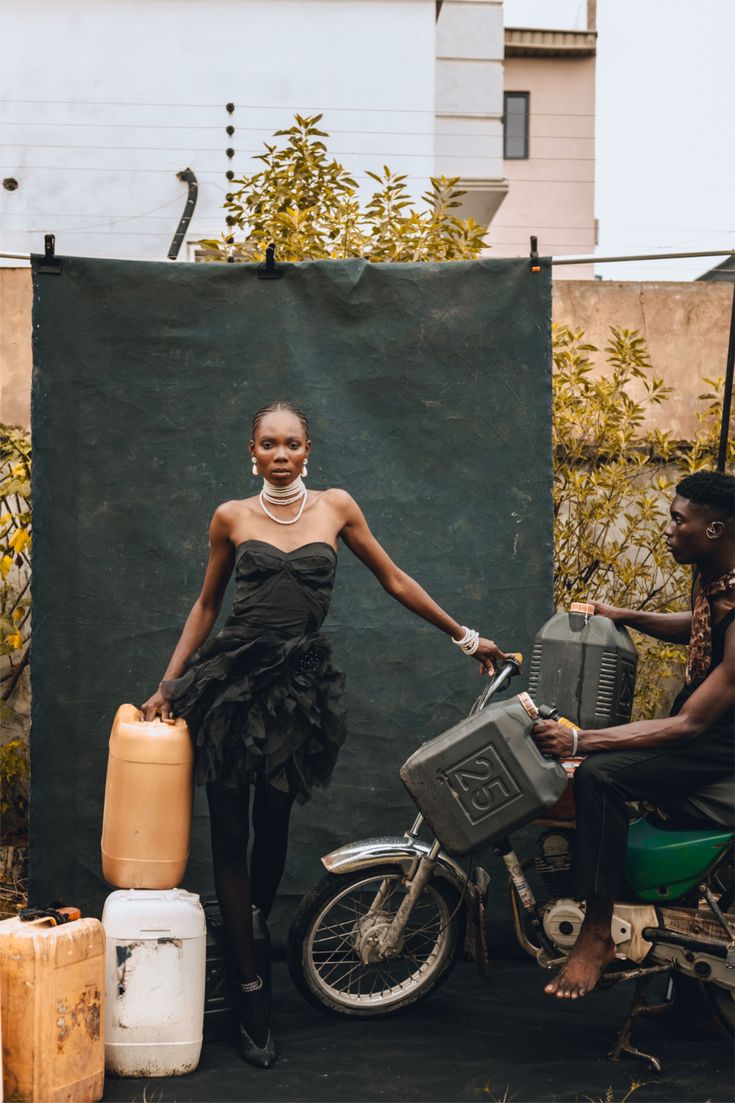
The photographer shoots on location in a specific Lagos neighbourhood. The model is not in a conventional stance. Two of the six images do not show the jacket in full. The sequence tells a story.
The publication runs the editorial because the images have a point of view.
The brand behind the jacket needs campaign images for its e-commerce site and social channels. The brief specifies: the jacket must be clearly visible in every image; there must be at least three front-facing shots; and images must work cropped to a square.
The same photographer shoots in the studio. The jacket is shown in full in every frame. The images are clean, legible, and reproducible at multiple sizes.
The brand runs the campaign because the images communicate what the jacket is and where to buy it.
Example two: the garment obscured
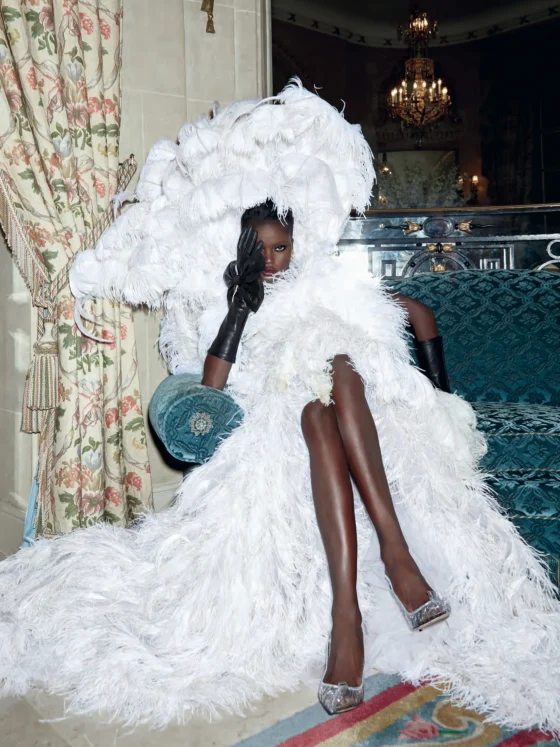
An editorial portrait shoot for a culture magazine features a model in a hand-embroidered Adire dress. The photographer crops the image at the waist. The dress is partly out of frame. The image is about the person, the mood, and the cultural moment. The dress is present as context, not subject.
The editor approves the image because it serves the story.
The same dress, shot for a brand campaign, must be fully visible. The embroidery, the hem, the silhouette: all of it needs to read clearly for a customer deciding whether to buy. Cropping at the waist would make the image commercially unusable.
The art director rejects the crop. The full-length frame runs.
Editorial can obscure the garment in the service of the story. The commercial must show the garment completely in service of the sale.
What Editorial Fashion Photography Requires
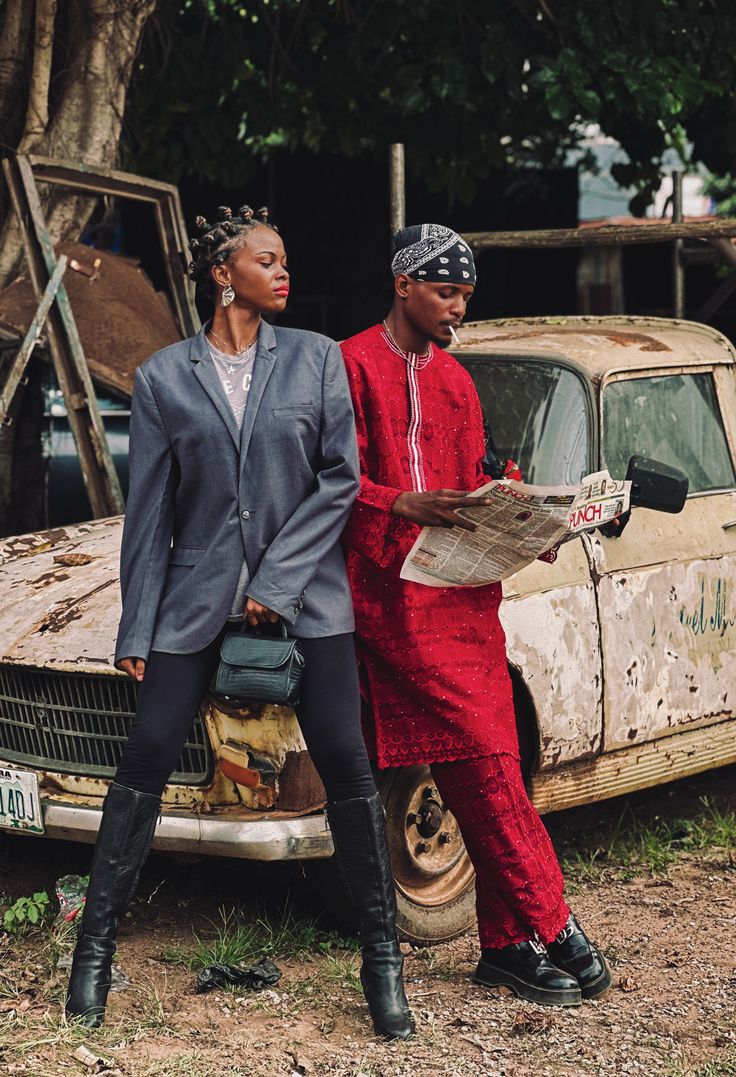
Creative freedom with editorial responsibility
Editorial photography typically offers more creative latitude than commercial work. The photographer may have significant input into concept, casting, location, and styling.
This latitude is not freedom to pursue a personal aesthetic regardless of the publication’s needs. It is freedom to serve the publication’s editorial identity. A photographer working for a publication known for cultural intelligence is being given the freedom to produce images that demonstrate those qualities, not their own preferred style, at the publication’s expense.
The editorial brief
Editorial briefs tend to be less formally structured than commercial ones. The concept may be open, the direction more suggestive than prescriptive.
This informality can mislead less experienced photographers into thinking the brief matters less. It does not. The editorial brief is where the photographer establishes what story the images are serving. An editorial shoot without a clear story produces images that are visually accomplished and editorially purposeless.
What editors are looking for
Editors are looking for images that add something to the publication’s conversation. Not technically correct representations of garments. Images that make the reader feel something, understand something, or see something they had not seen before.
An editorial image that is technically strong and intellectually inert has failed its primary purpose. The technical execution is assumed. The editor is evaluating whether the image has a point of view.
For photographers working with African fashion publications, this editorial intelligence requirement carries specific weight. Publications building an Afrocentric visual vocabulary are looking for images that contribute to that vocabulary. The way African fashion brands have built their own visual authority is inseparable from the editorial photography that has helped build it. The photographer who understands the publication’s project contributes to it. The one who does not produce images that sit outside it.
ALSO READ
- Fashion Photography Planning: Light, Location, and Composition for Clothing-Led Stories
- African Luxury Fashion and the Problem with Silence
- The Problem with Calling Every African Designer One to Watch
- The State of African Fashion 2026: Investment, Manufacturing, Retail, and Export
What Commercial Fashion Photography Requires
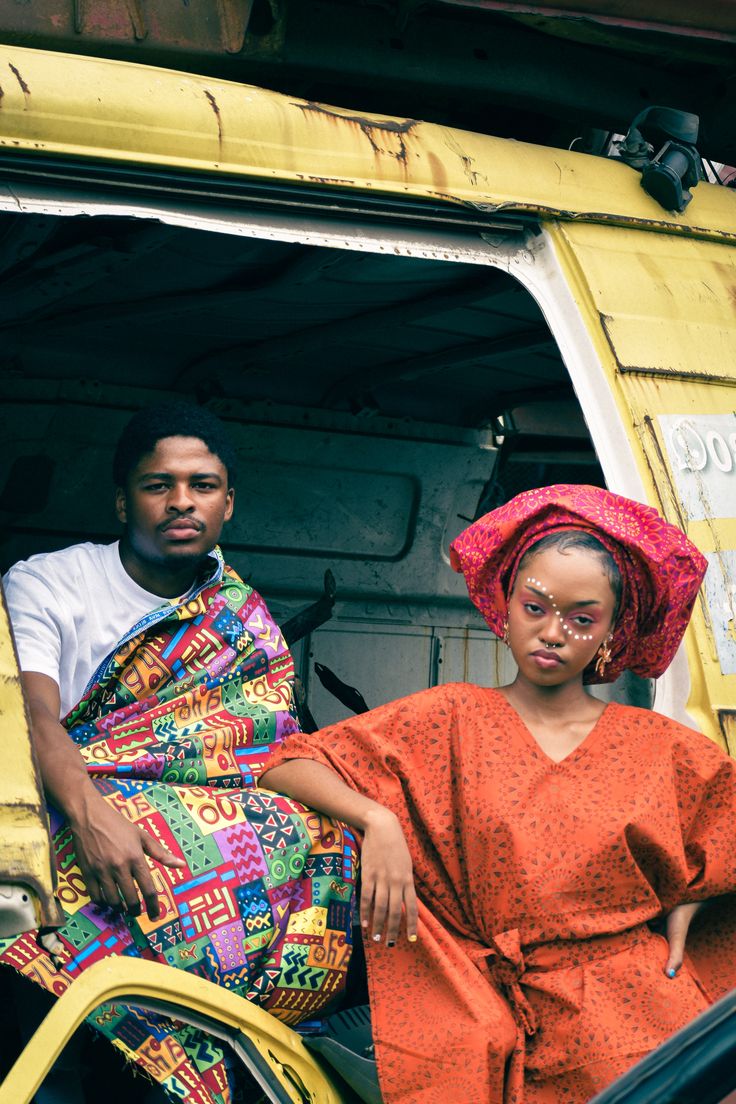
The campaign brief
A campaign brief is typically more structured than an editorial one. Understanding it fully is the most important preparation a commercial photographer can make.
A complete campaign brief covers the garments to be featured and how they must be shown, the markets and channels the campaign will reach, the brand attributes the images need to communicate, the technical specifications for image sizes and colour accuracy, and the approval process.
The brief is not a list of technical requirements. It is a description of what the brand needs the images to accomplish commercially. A photographer who reads it as a technical specification and ignores its commercial logic will produce images that are beautifully executed and commercially useless.
Creative control and stakeholder management
Campaign shoots typically involve more stakeholders than editorial shoots: art directors, brand managers, marketing teams, and sometimes executives with final approval of the image.
The photographer who produces excellent campaign work has learned to balance their creative vision with the client’s legitimate commercial requirements. They bring creative ideas to the brief rather than waiting to be directed. They communicate the rationale for their choices in terms that the client can evaluate.
A photographer who treats client feedback as interference will not be rebooked.
Image legibility across channels
Campaign images need to work across multiple channels: digital advertising, social media, print, in-store, and website. An image that works perfectly as a full-page print advertisement may fail as a cropped digital banner.
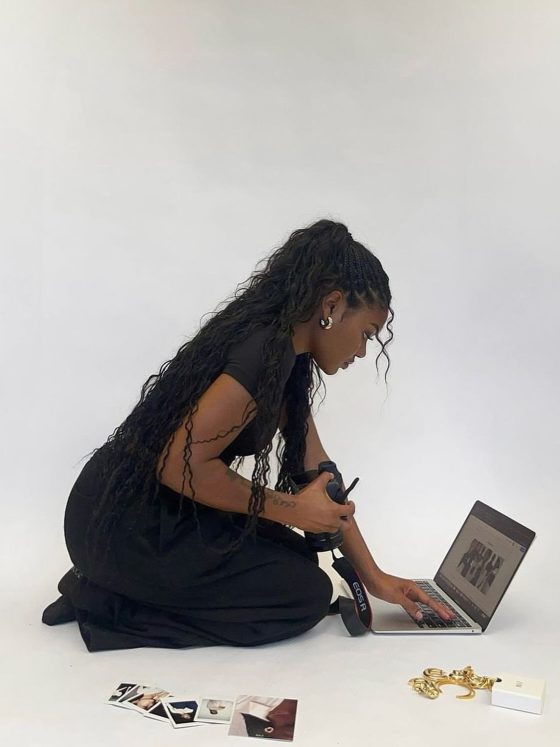
Commercial photographers plan for multi-channel use in pre-production. They discuss with the creative team how images will be cropped, resized, and deployed, and they plan the shooting approach accordingly.
Campaign photography is not constrained by creativity. It is creativity directed at a specific commercial target. The direction is the discipline.
How the Distinction Plays Out in African Fashion
African fashion publications and the editorial space
The African fashion publication ecosystem is building something with genuine cultural stakes. Publications in Lagos, Accra, Cape Town, and London are developing editorial vocabularies that situate African fashion in its own context rather than against European or American standards.
The photographers contributing to this project are not just shooting clothes. They are building a visual record of African fashion that will shape how the next generation of viewers understands what this fashion is and what it can do.
A photographer working with these publications needs to understand the cultural project they are contributing to, not just the technical requirements of the individual shoot. The way African designers have built their own narrative authority is visible in the editorial photography that has accompanied it. The photographer who understands this makes images that serve a project larger than any individual garment or issue.
African fashion campaigns and commercial legibility
The campaign photography market for African fashion brands is growing. Lagos-based brands with international e-commerce operations, diaspora labels selling across multiple markets, and African fashion weeks with commercial sponsors all require campaign photography meeting international professional standards.
The photographers building careers in this space need portfolios demonstrating campaign competence: images that are legible at small sizes, that show garments clearly and completely, and that communicate brand positioning without ambiguity.
The editorial photographer whose work is conceptually rich but commercially unclear will not be booked for campaign work, regardless of their editorial reputation.
Building a portfolio across both modes
The most commercially resilient photographers working in African fashion can move fluently between editorial and commercial modes. This requires two distinct portfolio sections that make different arguments.
The editorial section demonstrates creative intelligence, cultural engagement, and a clear point of view. The commercial section demonstrates commercial legibility, reliable execution, and the ability to communicate a brand message clearly across different formats.
A portfolio that blurs the two modes confuses the casting director about what the photographer actually does. Showing clearly that you understand both and apply different disciplines to each is what gets you called for both.
What Understanding Both Modes Produces
A photographer who understands the editorial-versus-commercial distinction avoids the most common errors in each mode: applying commercial caution to editorial work and creative ambition to commercial work without adaptation.
More practically, understanding both modes opens more of the market. The photographer who can only work in one mode is competing in half the available space.
For photographers building careers in African and diaspora fashion, this fluency is particularly valuable because both markets are growing simultaneously. African fashion publications are expanding. African fashion brands are building commercial operations requiring professional campaign photography. The photographer who understood both disciplines early and built a portfolio demonstrating both is well-positioned in a market only increasing in scale and ambition.
The photographer who understands both modes is not doing two different jobs. They are applying two different disciplines to the same fundamental skill: making images that fully serve their purpose.
FAQs
What is the difference between editorial and commercial fashion photography?
Editorial photography serves a publication’s audience and editorial vision. It is evaluated by whether it says something interesting. Commercial photography serves a brand’s commercial objectives. It is evaluated by whether it communicates something useful across its deployment channels. Both require creative skill and technical execution. The skill is applied differently because the objectives are different. A photographer who treats them as interchangeable produces work that underperforms in both.
Can one shoot serve both editorial and commercial purposes?
Not with the same images. An editorial image can obscure or partially reveal a garment to serve a narrative. A commercial image must show the garment completely so a customer can assess it. An editorial image prioritises point of view. A commercial image prioritises legibility. Attempting to produce images that serve both purposes simultaneously produces images that are mediocre in both: not interesting enough for editorial, not clear enough for commercial.
How do photographers build a portfolio for campaign work?
A campaign portfolio needs to demonstrate commercial legibility, reliable execution, and the ability to communicate a brand message clearly across different formats and sizes. Include images that show garments clearly and completely, that work at both small digital sizes and large print sizes, and that demonstrate consistent quality across a full shoot rather than a single exceptional frame. Keep this section distinct from your editorial section. Clients evaluating commercial work are looking for dependable execution, not creative unpredictability.
Who controls a commercial shoot?
Final approval on commercial images belongs to the brand. The photographer brings creative ideas and executes them with professional skill, but within the commercial requirements specified by the brand. The shoot typically involves more stakeholders than editorial work: art directors, brand managers, marketing teams, and sometimes executives. The photographer who produces excellent campaign work holds their creative vision while accommodating the client’s legitimate commercial requirements. The one who treats client oversight as interference will not be rebooked.
How do African photographers build credibility in both editorial and commercial markets?
By building the portfolio systematically in both directions. Editorial credibility comes from consistent, high-quality work with respected African fashion publications: publications whose standards are recognised, whose visual vocabulary is developing, and whose credits carry weight with casting directors and agencies. Commercial credibility comes from demonstrated ability to deliver legible, reliable images under client direction. The skills overlap, but the demonstrations are different. The photographer who can show both clearly is competitive across the full market rather than half of it.
CONTINUE READING
Read next in The Visual Frame: How Photographers Develop a Recognisable Visual Signature.