There is a version of visibility that is easy to produce and nearly useless: high follower counts, consistent posting, a face that appears everywhere but reads as nothing specific to anyone who matters.
And there is a version that actually translates into a sustained modelling career: the kind where casting directors call before the brief is finalised, where agencies in multiple cities know the name, where the model’s professional narrative reads clearly across markets with different standards and priorities.
The first version is about presence. The second is about legibility. They are not the same thing, and the confusion between them is where most emerging models lose their strategic direction.
How emerging African and diaspora models build visibility across local and international fashion markets: the strategy, sequencing, and professional mechanisms that actually work.
The Five Pillars of a Model Visibility Strategy
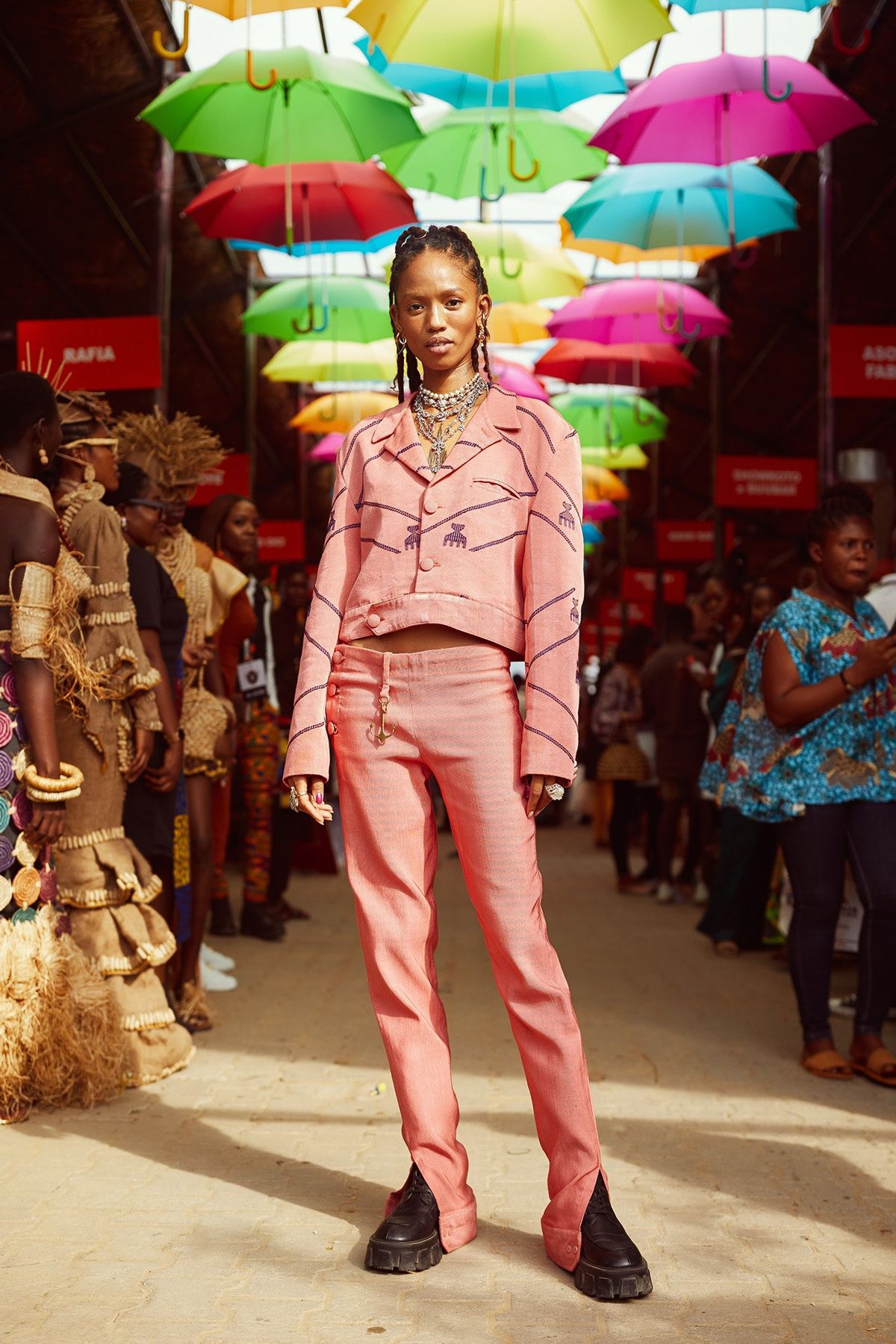
Building visibility that translates into sustained work across local and international markets requires attention to five distinct areas. Each one does a specific job that the others cannot replace.
- Visibility versus legibility: understanding the difference between being seen and being professionally understood
- Local market foundation: building the home market credentials that make international expansion possible
- Professional mechanisms: editorial credits, agency relationships, and casting reputation
- International market transition: what the move from local to international requires
- Dual-market management: maintaining professional coherence across multiple markets simultaneously
Most emerging models focus on the first pillar and skip the second. The models who build lasting international careers almost always do the opposite: they invest heavily in the local market foundation before pursuing international visibility, because that foundation is what makes the international argument legible.
What the Sequence Looks Like in Practice
Consider a Lagos-based model at the start of her career.
In her first year, she focuses entirely on the local market. She submits to open castings at Lagos Fashion Week. She approaches three photographers whose editorial work she respects and proposes test shoots with them. Two respond. The shoots produce six strong images across editorial and African fashion contexts. She joins a mid-sized Lagos agency with a track record of placing models in Nigerian commercial and editorial work.
By the end of year two, she has four published editorial credits in respected Nigerian fashion publications, a comp card reflecting her current appearance, and a professional reputation built through consistent, prepared conduct at every fitting and show.
An international casting director for a London-based label that works with African designers is looking at portfolios. They see her name come up through the Lagos agency, pull the portfolio, and read it in four minutes. The editorial range is clear. The African fashion credits are specific and from recognised sources. The comp card matches the portfolio. The director knows immediately where she fits and why she is relevant to their project.
The international booking did not come from social media. It came from the professional narrative her local market work had already built.
This is the sequence that works. Not the most immediately exciting one, but the one that produces lasting results.
Visibility versus Legibility: Why the Distinction Matters
Legibility, in the professional sense, means that the right decision-makers can look at a model’s work history and immediately understand what the model offers, which markets it belongs in, and why it is relevant to a specific project.
That clarity does not come from follower counts or posting frequency. It comes from the accumulation of the right credits, in the right contexts, in a sequence that builds a readable professional narrative.
A model with fifty thousand followers has visibility. Whether they have the legibility to a casting director in Lagos, an agency in Paris, or a designer in London is a separate question. Legibility in those professional contexts is shaped by the quality of portfolio credits, the reputation built through professional conduct, and the relationships cultivated with photographers, agents, and creative directors whose opinions matter in the relevant market.
Visibility is about being seen. Legibility is about being understood. Only one of them produces bookings.
The model who spends significant time and energy building social media presence at the expense of professional credits is investing in the wrong asset. A casting director who cannot find a compelling portfolio behind a social media profile has not been given the professional argument they need to make a booking.
Why the Local Market Is the Foundation
For African and diaspora models, the sequencing error is common: treating the local market as a stepping stone to the international market rather than as the foundation that makes the international market possible.
A model who pursues international visibility before building a credible local career arrives in new markets without the professional context that makes them legible. They compete on the same ground as local models who have spent years building relationships, credits, and reputation within that market.
What the local market provides
The local market provides three things that cannot be acquired any other way:
- Portfolio credits shot by photographers whose work is respected within the market
- Agency relationships that come with professional infrastructure and market knowledge
- A professional reputation built through consistent conduct across castings, fittings, and shows
These are the materials from which an international career is constructed. The Lagos model, with four strong Nigerian editorial credits, a relationship with a well-regarded Lagos agency, and a reputation for professionalism, has a professional narrative that reads clearly to an international casting director. The same model with a large Instagram following and no equivalent professional history does not.
The African fashion market’s growth makes this argument more urgent, not less. As Lagos, Accra, and Nairobi develop as serious fashion business cities, the editorial and commercial work produced in those markets carries increasing professional weight internationally. The emerging model that invests in the home market is investing in an asset whose value is rising.
Building the home market portfolio
The practical work of building local market visibility begins with identifying the photographers, designers, and creative directors whose work is genuinely respected in the market and pursuing collaboration with them. This is not passive.
It requires sending portfolios, attending open castings, and maintaining professional conduct that builds a reputation over time. The model known in the Lagos fashion community as reliable, prepared, and easy to work with will be called for projects ahead of models with less professional standing, regardless of follower counts.
Test shoots are the primary mechanism for building portfolio credits early. The discipline is to be selective: a test shoot with a photographer whose work adds genuine portfolio value is worth far more than one that produces attractive images without professional weight. Before any test shoot, the question to ask is whether the images will add something to the portfolio argument that is not already there.
The Professional Mechanisms That Create Visibility
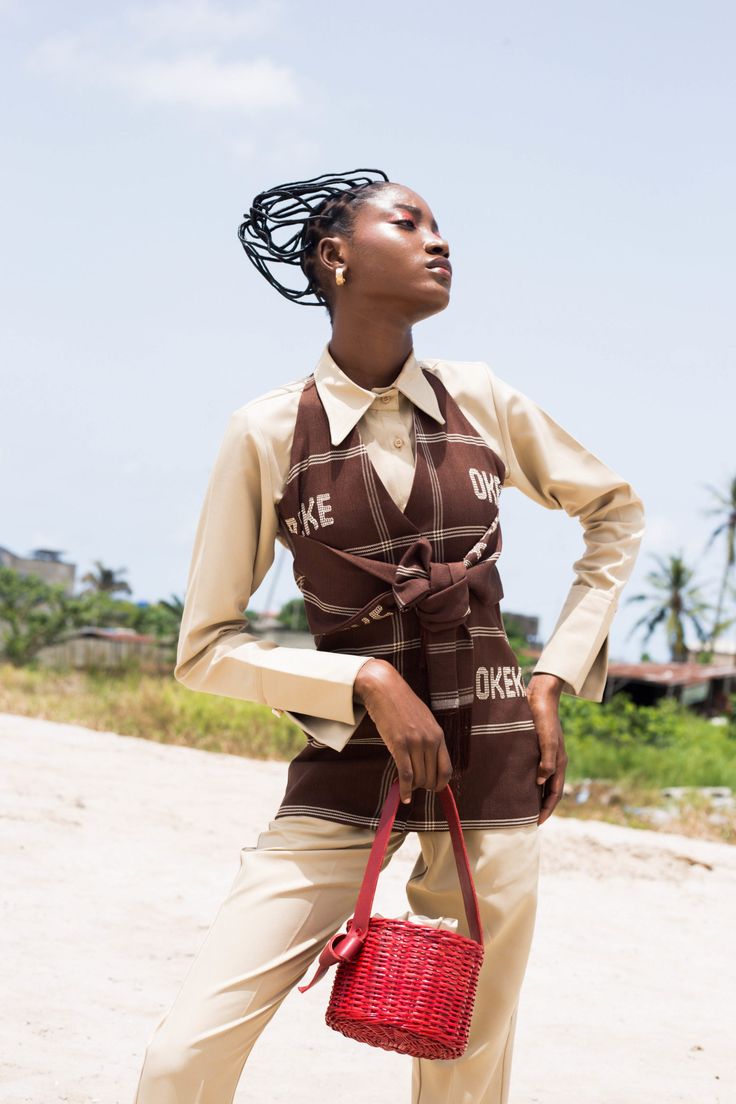
Editorial credits
An editorial credit in a respected publication is the most durable unit of professional visibility available. It is permanent, searchable, and independently verifiable by any casting director who encounters the model’s name.
The accumulation of editorial credits across different publications, photographers, and contexts tells a professional narrative over time. A casting director who sees a model’s name appear across three or four respected credits over two seasons is seeing evidence of a consistently built career.
Agency representation
Agency representation provides the infrastructure that the individual model cannot build alone:
- Relationships with casting directors across multiple projects
- Knowledge of which projects are in the market and which models are being considered
- Negotiation of rates and terms
- The credibility signal that comes from being on a respected agency’s roster
For African and diaspora models, building a relationship with a strong local agency first, before pursuing international representation, is almost always the correct order. The local agency provides the credits and documentation that an international agency needs to evaluate a model seriously.
Approaching an international agency without that foundation is to present an incomplete argument. The model with a strong local agency relationship, a current portfolio, and a track record of professional conduct has a compelling case. The one without that foundation is asking the agency to take a risk on potential rather than evaluate demonstrated performance.
Casting reputation
Reputation is built one casting, one fitting, one show at a time. The model who arrives prepared, communicates precisely, and delivers without needing to be managed accumulates a professional reputation that circulates through the casting community through word of mouth rather than social media.
The model who is easy to work with, prepared for every context, and reliable across every project will be called before the brief is written. That is what professional visibility actually produces.
Social media as a supporting tool
Social media serves one specific function in a professional visibility strategy: it provides a searchable record that casting directors and agencies can find when they encounter a model’s name through professional channels.
The content that matters most is documentation of actual work: published editorial features, show credits, campaign images. This demonstrates professional activity in a way that lifestyle content does not.
Follower growth is not a substitute for editorial credits. Engagement is not a substitute for agency relationships. Social media extends the reach of a professional foundation. It cannot replace one.
ALSO READ
- How Models Prepare for Castings, Fittings, and Runway Shows in African Fashion
- How to Build a Model Portfolio for African Fashion Casting Directors
- The African Fashion Week Circuit Is Broken — Here Is How to Fix It
- What the Numbers Say About Lagos, Accra, and Nairobi as Fashion Business Cities
Crossing into International Markets
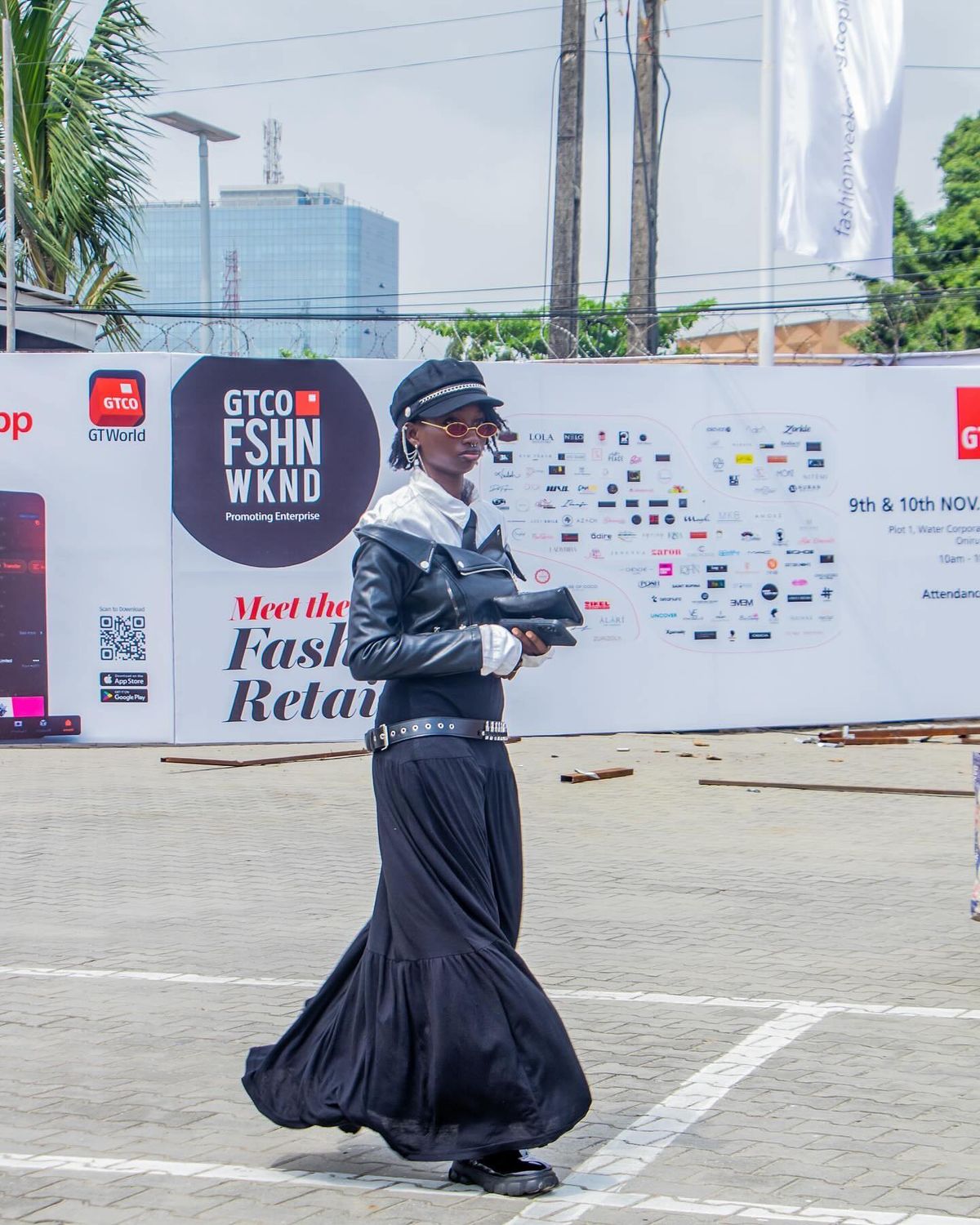
The transition from local to international visibility is a sequence of decisions about where to be seen, by whom, and in what context.
Identifying the right markets
The markets offering the most relevant opportunities for African and diaspora models are those where African designers, publications, and creative teams have a genuine presence: London, Paris, New York, and increasingly Toronto and Amsterdam.
The African fashion week circuit provides specific international visibility opportunities where African market credentials are an asset. The circuit’s structure means that a model who has built a strong presence at Lagos Fashion Week, ARISE Fashion Week, or Dakar Fashion Week has access to international press, buyers, and agency scouts who attend specifically to discover African talent. These are directly relevant opportunities, not generic international exposure.
What international agencies need to see
International agency evaluation of an emerging model follows a specific logic. They are assessing whether the model can be placed in their market: whether the model’s look, portfolio, and professional history position them clearly for the kinds of work that the market generates.
The materials that matter most:
- The portfolio: current, sequenced, making a clear professional argument
- The comp card: accurate measurements and a current image that matches the portfolio
- Existing credits: published work from respected sources in the home market
- Home agency reference: a relationship with a local agency whose standards the international agency recognises
The specific credits carrying the most weight are those from respected African publications and photographers, from internationally recognised African fashion weeks, and from any existing work with international brands or publications demonstrating that the model can operate across market contexts.
Managing dual-market presence
For models building careers across African and international markets simultaneously, the challenge is maintaining professional coherence in both without becoming diffuse in either.
The practical discipline: treat each market as having its own professional requirements. The relationships, communication norms, and expectations of a Lagos casting director are not identical to those of a London one.
This is not about presenting differently in different markets. It is about ensuring what is presented meets each market’s specific requirements, rather than offering a generic professional presentation and hoping it works everywhere.
The Sequencing That Builds a Lasting Career

The visibility strategy that produces a lasting career is not the most immediately gratifying one. Building local market legibility before pursuing international visibility requires patience and a willingness to invest in professional work that may not feel as immediately exciting as international ambition.
But it is the strategy that works. The models who have built sustainable careers across African and international markets over the last decade have almost invariably followed this sequence: home-market foundation, agency relationship, editorial credits, professional reputation, then international expansion built on that foundation rather than despite its absence.
The model that pursues international visibility before the home market is solid, but it arrives without the professional context that makes it readable to the decision-makers who matter. They compete on the ground where they have no advantage.
Build the foundation before you build the reach. The international career that lasts is the one built on something solid.
FAQs
How do African models get international work?
The most reliable route is to build a credible local market career first: strong portfolio credits with respected local photographers, agency representation in the home market, and a professional reputation built through consistent conduct across fittings, castings, and shows. International agencies evaluating African models are looking for demonstrated performance in a professional context. The model who arrives with a documented local career gives them the material they need to make a placement decision.
How do African models get signed internationally?
International agency signings for African models almost always follow a local agency relationship. The local agency provides the credits, professional development, and documentation that an international agency needs to evaluate a model seriously. A model approaching an international agency directly, without a local agency relationship and without a documented credit history, is asking the agency to take a risk on potential rather than evaluate demonstrated performance. Build the local foundation first.
Should models be tested locally before entering international markets?
Yes. The local market provides the three things an international career requires: portfolio credits shot by photographers whose work is respected in the market, agency relationships that come with professional infrastructure, and a professional reputation built through consistent conduct. International casting directors and agencies need this material to evaluate a model seriously. Pursuing international markets before the local foundation is solid means arriving without the professional context that makes you legible to the decision-makers who matter.
What makes a model legible to casting directors?
Legibility is produced by three things: the quality of credits in the portfolio, the reputation built through professional conduct at castings and fittings, and the relationships cultivated with photographers, agents, and creative directors whose opinion matters in the relevant market. A casting director who encounters a model with four strong editorial credits, a respected agency relationship, and a reputation for being prepared and easy to work with can immediately understand where that model fits. That is legibility. A large social media following without this professional foundation is not.
Does social media help a model get more work?
Social media serves a specific, limited function: it provides a searchable record that casting directors and agencies can access when they encounter a model’s name through professional channels. The content that matters most is documentation of actual professional work, published editorial features, show credits, and campaign images. Follower growth and engagement are not substitutes for editorial credits and agency relationships. Social media extends the reach of a professional foundation. It cannot replace one.
What markets should African models target for international work?
The markets offering the most relevant opportunities are those where African designers, publications, and creative teams have a genuine presence: London, Paris, New York, and increasingly Toronto and Amsterdam. The African fashion week circuit also provides specific international visibility opportunities where African market credentials are an asset: international press, buyers, and agency scouts attend these events specifically to discover African talent. These are directly relevant opportunities, not generic international exposure.
How do models manage careers across multiple markets?
By treating each market as having its own professional requirements rather than assuming the same approach works everywhere. The relationships, communication norms, and professional expectations of a Lagos casting director are not identical to those of a London one. A model who operates in multiple markets effectively has learned the specific requirements of each and manages them as distinct professional relationships. This is not about presenting differently in different markets. It is about ensuring that what is presented meets each market’s specific requirements.
What is the most important editorial credit an emerging African model can build?
Credits in publications and with photographers who are genuinely respected within the African fashion market carry the most professional weight in building a home-market foundation. The publication’s editorial standards determine respect, the technical and artistic quality of the photographer’s work, and the standing of the featured brands and designers. A credit in a well-regarded African fashion publication or with an established African fashion photographer is more professionally valuable than a feature in a less rigorous publication with higher circulation.
CONTINUE READING