Before a model speaks, their portfolio has already spoken. By the time a casting director reaches the end of a book, they have formed a professional impression that no amount of personality in the room will substantially alter. The portfolio has made its argument. The conversation that follows confirms it or fails to.
Most models think of their portfolio as a collection of their best photographs. Casting directors do not read it that way. They are looking for specific professional information: evidence of range, consistency, commercial legibility, and currency.
The model who understands what the portfolio is actually communicating builds a different kind of book from the one built by a model who is simply trying to look good in every image.
What casting directors read in a model’s portfolio before any conversation begins, and how African and diaspora models should build one that works—a practical guide.
The Four Things a Model Portfolio Communicates
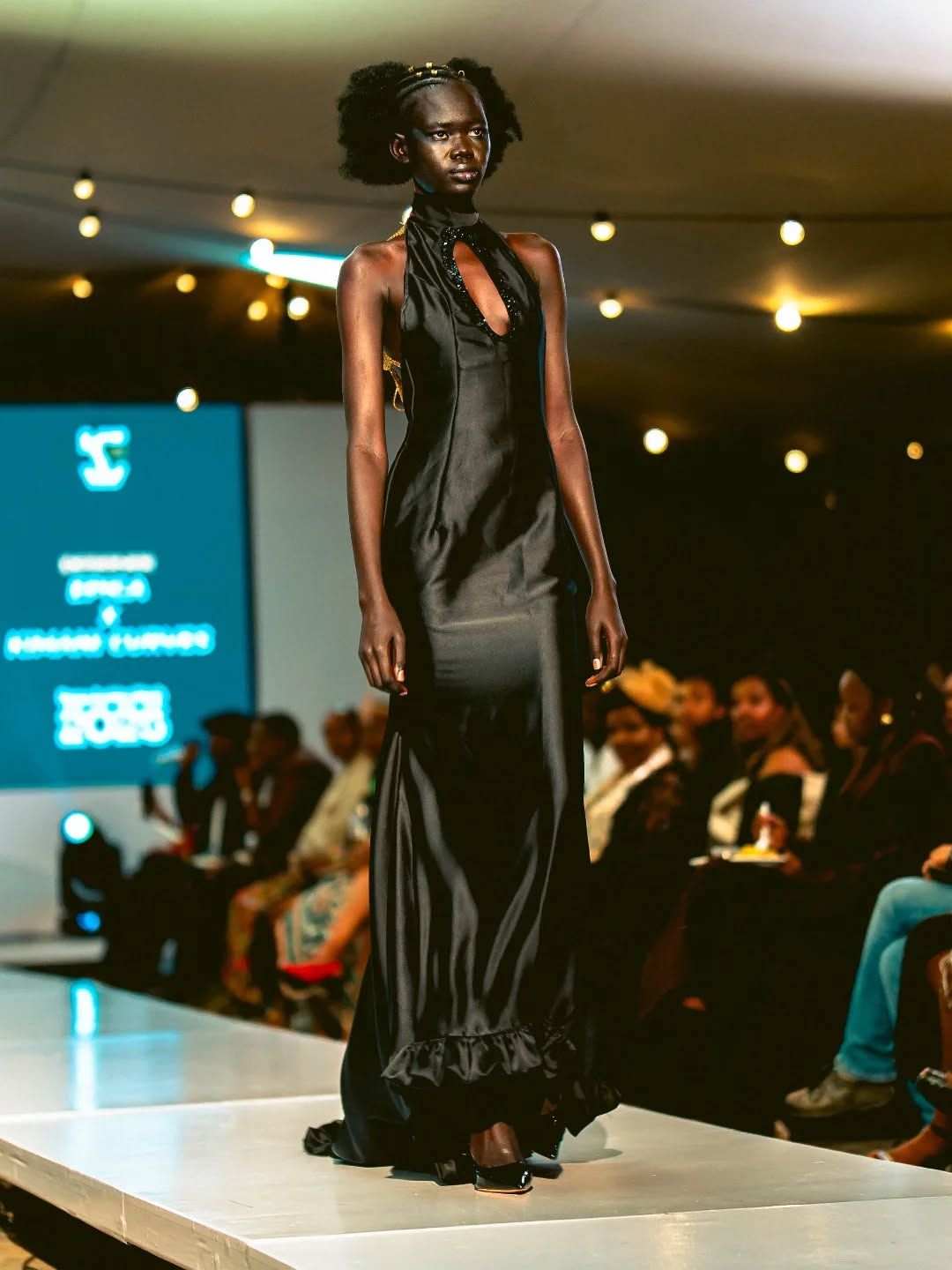
Every portfolio communicates four things before the casting director has read a single measurement on the comp card.
- Range: Can this model inhabit different registers, from commercial to editorial, casual to formal? Or are they essentially one image?
- Consistency: across different photographers, different lighting, and different contexts, does the quality hold? Or does it depend on specific conditions?
- Commercial legibility: Is it clear what kind of work this model is suited to? Can a casting director imagine them in a specific project?
- Currency: Do these images reflect how the model looks now? A portfolio built on shoots from two years ago is showing a model who may no longer exist.
Most models focus on the first point: range. They worry about having enough variety. Consistency and commercial legibility are the two that most often determine whether a portfolio actually works.
A portfolio that demonstrates range but lacks consistency tells the casting director that the model can produce strong images under specific conditions but cannot be relied upon under different ones. A portfolio with strong, consistent images that are too similar tells the director that the model has depth but no range. Both are problems the model cannot see if it is only thinking about how good each image looks.
The portfolio is not a collection of your best photographs. It is a professional argument about your range, consistency, and commercial value.
How a Casting Director Actually Reads a Portfolio
Consider a portfolio brought to a Lagos casting for a Nigerian womenswear label known for structured Ankara tailoring.
The portfolio opens with three editorial images: clean, high-contrast, strong silhouette work. The casting director immediately registers that the model can hold an editorial register. That is the opening argument made.
The next four images are commercial. Product-facing, clear brand communication, the model’s expression is directed toward the viewer rather than into a concept. The casting director notes the range. This model can do both.
Then, two images in an African fashion editorial. One in hand-dyed Adire, one in structured Kente tailoring. Both were shot in Lagos by a photographer the casting director recognises. The model is carrying the garments with genuine authority, not as props.
The director closes the portfolio. Before the model has introduced themselves, the director already knows: this is a model who works across editorial and commercial registers, who has specific experience in African fashion, and whose images are consistent across different photographers and contexts.
That reading took four minutes. The impression it formed will determine whether the model gets the booking.
This is how a portfolio functions in practice, not as a showcase, but as an argument made in sequence.
What Casting Directors Look for in a Model Portfolio
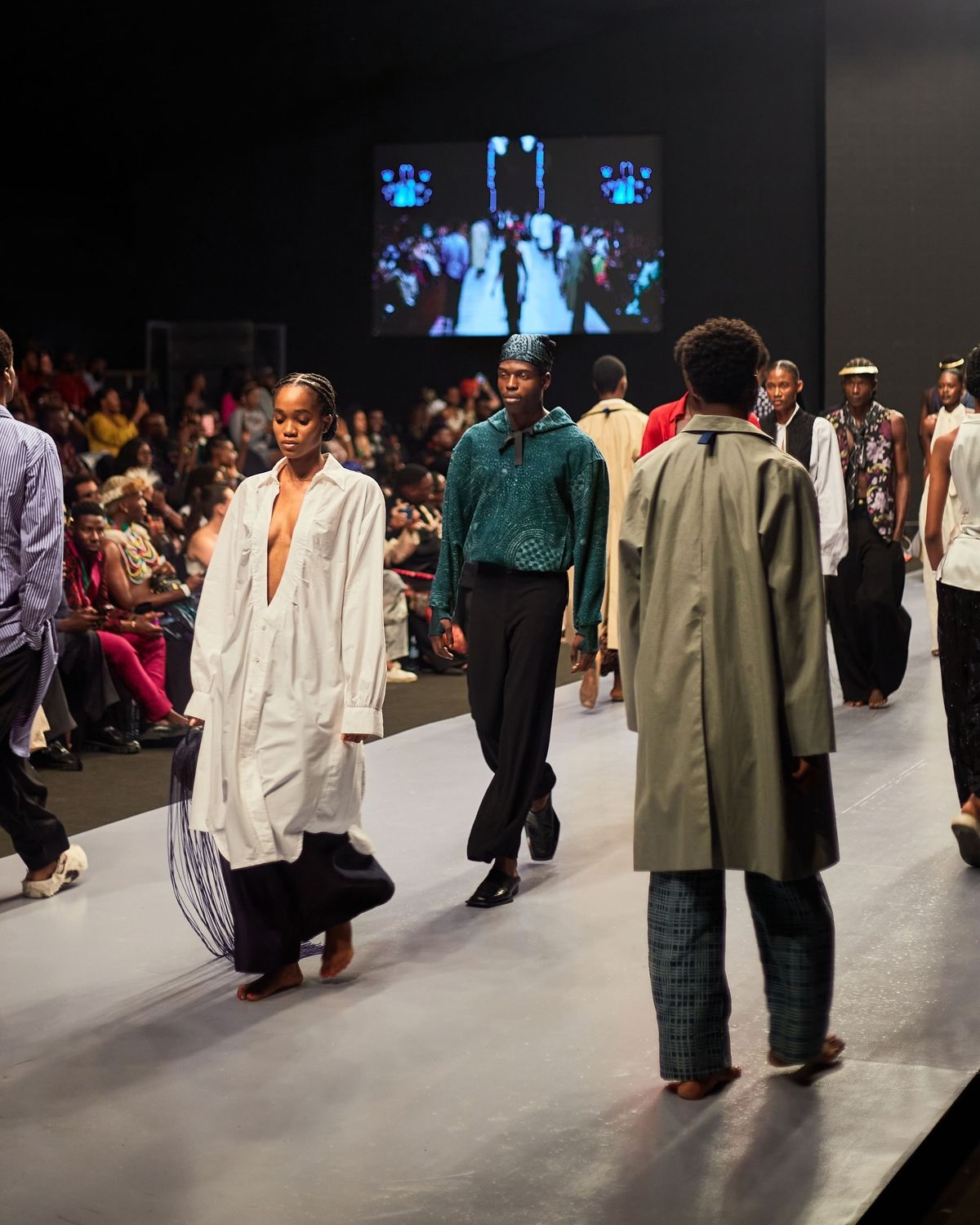
The opening images
The first two or three images determine whether the casting director reads the rest carefully or scans it. These images need to establish the model’s core quality immediately.
They should not be the most experimental or conceptual images in the book. They should be the images that most clearly communicate what the model is and what it can do. The experimental work belongs further in, where the director already has a foundation to read it against.
The sequence logic
The order of the images tells the casting director something about how the model understands their own work. A portfolio that groups images by register, moving from editorial to commercial to editorial, demonstrates that the model has thought about how their range is being communicated.
A portfolio assembled in shoot-date order, regardless of how the images read against each other, looks like a filing system rather than an argument.
The gaps
What is not in the portfolio is as readable as what is. A model with strong editorial work and no commercial images has told every commercial casting director that they have not pursued that market. A model with all outdoor, natural-light images and no studio conditions has revealed a possible limitation.
These gaps are not necessarily problems. But they are information, and the casting director will read them.
What is absent from a portfolio is as readable as what is present. The casting director will notice both.
The comp card
The comp card is the portfolio argument compressed to a single card: the model’s most castable image on the front, key physical data on the back.
It should be updated whenever the portfolio is updated. A comp card showing a different version of the model from the portfolio creates a dissonance that the casting director will register.
Height, measurements, eye colour, hair colour, agency contact, and a current headshot are the standard minimum. Everything on it should be accurate and up to date. A casting director who books based on a comp card and discovers the data was wrong has had a professional experience they will remember.
What Should Go in a Model Portfolio
Size: ten to sixteen images
Fewer than ten can feel incomplete. More than twenty dilutes the argument: the casting director’s attention diminishes over the course of a long book, and a mediocre image late on can undo the strong impression made early on.
The selection principle is ruthless. Each image must earn its place. An image that is technically competent but does not add range, consistency, evidence, or commercial legibility that is not already present in the book should be cut.
Content: three contexts minimum
A working portfolio needs images across at least three contexts: editorial, commercial, and a third specific to the model’s positioning.
For African and diaspora models, this third context is often the most powerful differentiator. Strong images in African fashion editorial, shot by respected photographers and featuring designers with genuine market standing, communicate a level of cultural and professional specificity that no generic editorial work can replicate.
A model who has six editorial images, three commercial images, and two strong African fashion looks has built a portfolio that makes a specific argument. The casting director reading it knows exactly what the model brings and why they are relevant to African fashion projects.
Currency: update regularly
Review the portfolio every six months and replace any image that no longer reflects the model’s current presentation or professional level.
The discipline is ongoing. A portfolio that has not been updated in a year is making an argument about a model that may no longer exist. The model’s body, hair, and overall presentation change. The industry’s visual vocabulary changes. Images that looked fresh eighteen months ago now read differently.
The digital and physical portfolio
For most working models today, the portfolio exists in both digital and physical form.
The digital portfolio, whether a website, an agency profile, or a curated PDF, is often the first thing a casting director encounters. It needs to load quickly, display clearly on screen, and communicate the same professional argument as the physical book.
The physical portfolio still matters for in-person castings, particularly for runway and fitting work. It should be maintained to the same standard: current, clean, and professionally presented.
ALSO READ
- How Models Prepare for Castings, Fittings, and Runway Shows in African Fashion
- The State of African Fashion 2026: Investment, Manufacturing, Retail, and Export
- The Problem with Calling Every African Designer One to Watch
- What the Numbers Say About Lagos, Accra, and Nairobi as Fashion Business Cities
How African and Diaspora Models Should Think About Their Portfolio
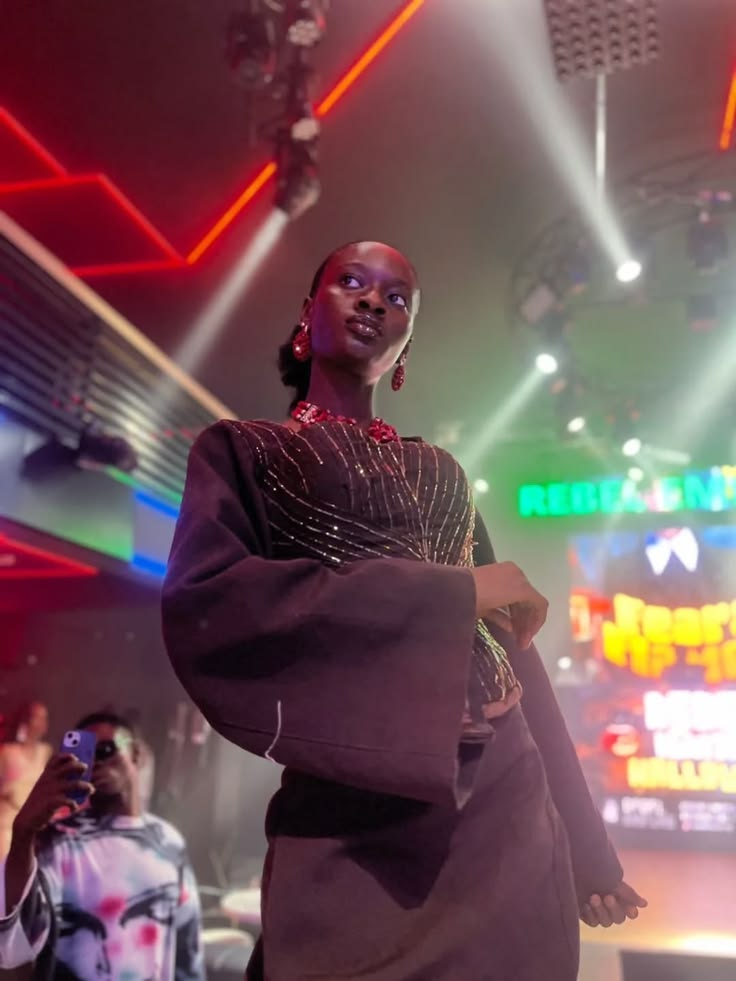
In markets where African fashion is asserting its professional authority, a model’s portfolio is one of the clearest signals of whether they meet the standards those markets require. A portfolio built with strong African editorial credits, shot by respected photographers working in Lagos, Accra, Nairobi, or Johannesburg, and featuring designers with genuine market standing, positions the model as part of a professional ecosystem that is building its own visual standards rather than deferring to external ones.
This matters commercially because it determines which casting directors see the model as a natural fit for their projects. A model whose portfolio demonstrates sustained engagement with African fashion work communicates something that cannot be manufactured: a career built in this space, on these terms.
The practical implication is that African and diaspora models should prioritise building portfolio credits in African fashion markets rather than waiting to build an international portfolio first. The international casting directors who work with African fashion brands are looking for models who know this territory, not models who are new to it.
For models working across both African and diaspora markets, the portfolio needs to speak to both contexts without losing coherence. This means selecting images that work across registers: strong enough for international editorial eyes, specific enough to communicate cultural fluency to African and diaspora designers. How Senegalese fashion has built a visual identity that is legible both locally and internationally offers a useful example: the models whose portfolios reflect that dual fluency carry it as a professional asset.
Build the African market portfolio first, not last. The model who arrives at an international casting with a portfolio rooted in African fashion work has something specific to offer. The one who arrives with generic work is competing on ground where they have no advantage.
What a Strong Portfolio Actually Produces
A portfolio that functions as a professional argument produces something a beautiful portfolio alone cannot: a clear picture in the casting director’s mind of where this model belongs and what they can do there.
That picture translates directly into bookings. The casting director who can imagine the model in their project does not need to take a risk on them. The model has already been placed in the director’s imagination before casting even begins.
For emerging models in African and diaspora fashion, this clarity is worth more than any single strong image. The model whose portfolio tells a coherent story about who they are as a professional is the one casting directors return to season after season.
The casting director forms a complete impression before the model has said a word. The portfolio’s job is to ensure the impression is the right one.
FAQs
What should go in a model portfolio?
A working model portfolio needs images across at least three contexts: editorial work that demonstrates creative range and photogenic authority, commercial work that shows the model can deliver a clear brand-facing product, and a third category specific to the model’s positioning. For African and diaspora models, that third category is often African fashion editorial: strong images in significant textiles, shot by respected photographers, that communicate cultural and professional specificity no generic editorial work can replicate.
How do I choose the best images for my model book?
Apply one test to every image under consideration: is this image earning its place by adding range, consistency evidence, or commercial legibility that is not already present in the book? If the image is technically strong but adds nothing new to the argument, it does not belong. The sequence logic matters as much as the individual images. Open with the images that most clearly establish your core quality, build range in the middle, and close with your strongest statement image.
Do models still need a physical portfolio?
Yes, particularly for runway and fitting work where casting directors and designers want to see the scale and quality of printed images in person. The physical portfolio matters most at in-person castings and agency meetings. The digital portfolio, whether a website, agency profile, or PDF, is often the first thing a casting director sees and should convey the same professional argument as the physical book. Both need to be current and maintained to the same standard.
How many images should be in a model’s portfolio?
Between ten and sixteen images is the functional range. Fewer than ten can feel incomplete. More than twenty dilutes the argument: a mediocre image late in a long book can undo the strong impression made early. The discipline is to include only images that are earning their place, and to cut every image that is not adding range, consistency, evidence, or commercial legibility not already present elsewhere in the book.
How often should a model update their portfolio?
Any time the model’s current appearance differs significantly from the portfolio images, it needs to be updated. As a practical minimum, review the portfolio every six months and replace any image that no longer reflects the model’s current presentation or professional level. The discipline is ongoing rather than periodic. A portfolio that has not been updated in a year is making an argument about a model that may no longer exist.
What is a comp card, and why does it matter?
A comp card is a single card with the model’s most castable image on the front and their key physical data on the back: height, measurements, eye colour, hair colour, and agency contact. It is the business card version of the portfolio argument, left behind at castings so the casting director can reference the model after they have left. It should be updated whenever the portfolio is updated. A comp card showing a different version of the model from the portfolio creates a dissonance that the casting director will register.
How should African and diaspora models build their portfolio for international markets?
Build the African market portfolio first, not last. International casting directors working with African fashion brands are looking for models who know that territory. A portfolio built on strong African editorial credits, featuring respected photographers and designers, conveys professional credibility that a generic international portfolio cannot match. The model who arrives at an international casting with a portfolio rooted in African fashion work has something specific to offer. The one who arrives with generic work is competing on ground where they have no advantage.
CONTINUE READING