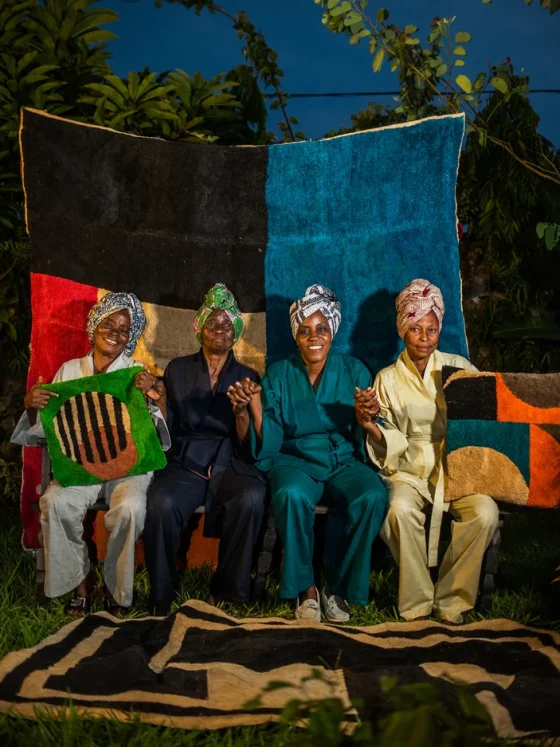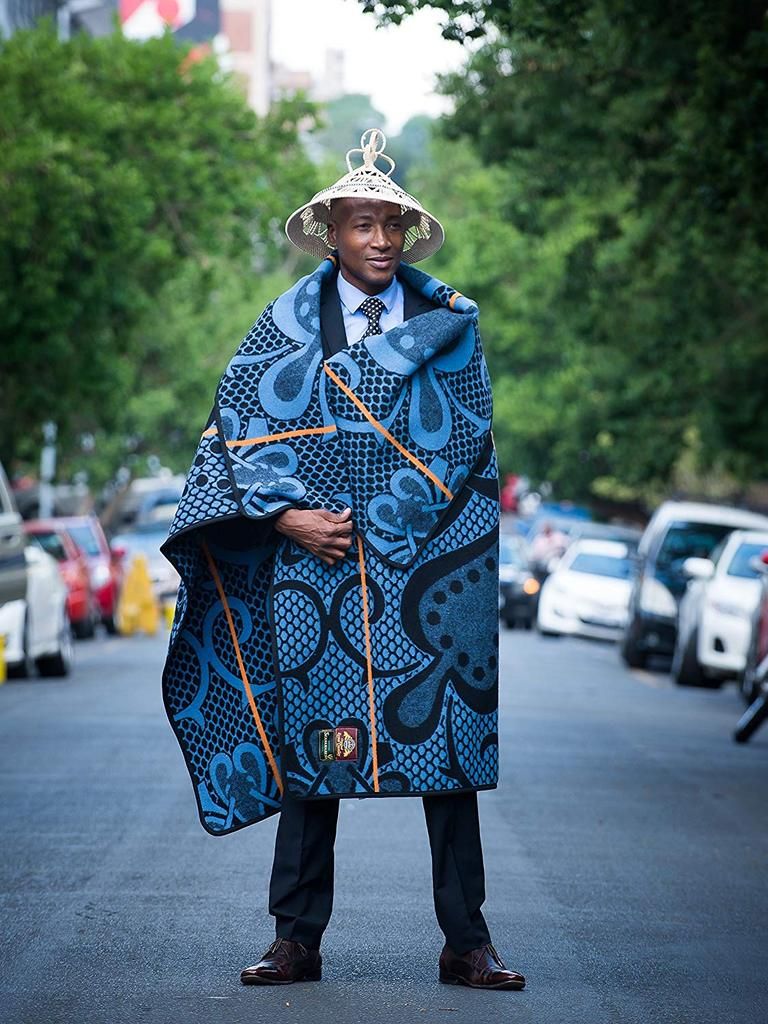
The Basotho blanket of Lesotho is one of the clearest examples of how African communities have taken borrowed materials and turned them into powerful expressions of identity. Across the continent, cultural objects introduced through trade, empire, or colonial exchange have often been remade into local symbols with new meanings. The Basotho blanket stands out because that transformation is so complete. It began as a foreign textile, entered Basotho life through royal adoption, and became one of the strongest expressions of Basotho blanket Lesotho cultural identity in the country’s history.
King Moshoeshoe I, founder of the Basotho nation, is said to have received an early blanket around 1860 from a trader, possibly named Howel. He wore it across his shoulders in place of the kaross, the traditional skin garment he had previously worn, and the court soon followed his example. What began as a practical object quickly gained royal legitimacy. In Basotho culture, that mattered enormously. Once the king wore the blanket, it was no longer just a foreign textile. It had entered the language of authority.
Seven years later, when Moshoeshoe appealed to Queen Victoria for protection, he used blanket imagery to describe that relationship, linking royal authority, protection, and the garment already associated with Basotho identity. The metaphor was politically significant. The blanket became a way of speaking about power, legitimacy, and survival. Long before it became a global symbol, it was already functioning as a local language of sovereignty.
The Basotho blanket began as a colonial trade good in Lesotho, then became a powerful symbol of national identity, sovereignty, and cultural memory.
The Basotho blanket and Lesotho’s national identity
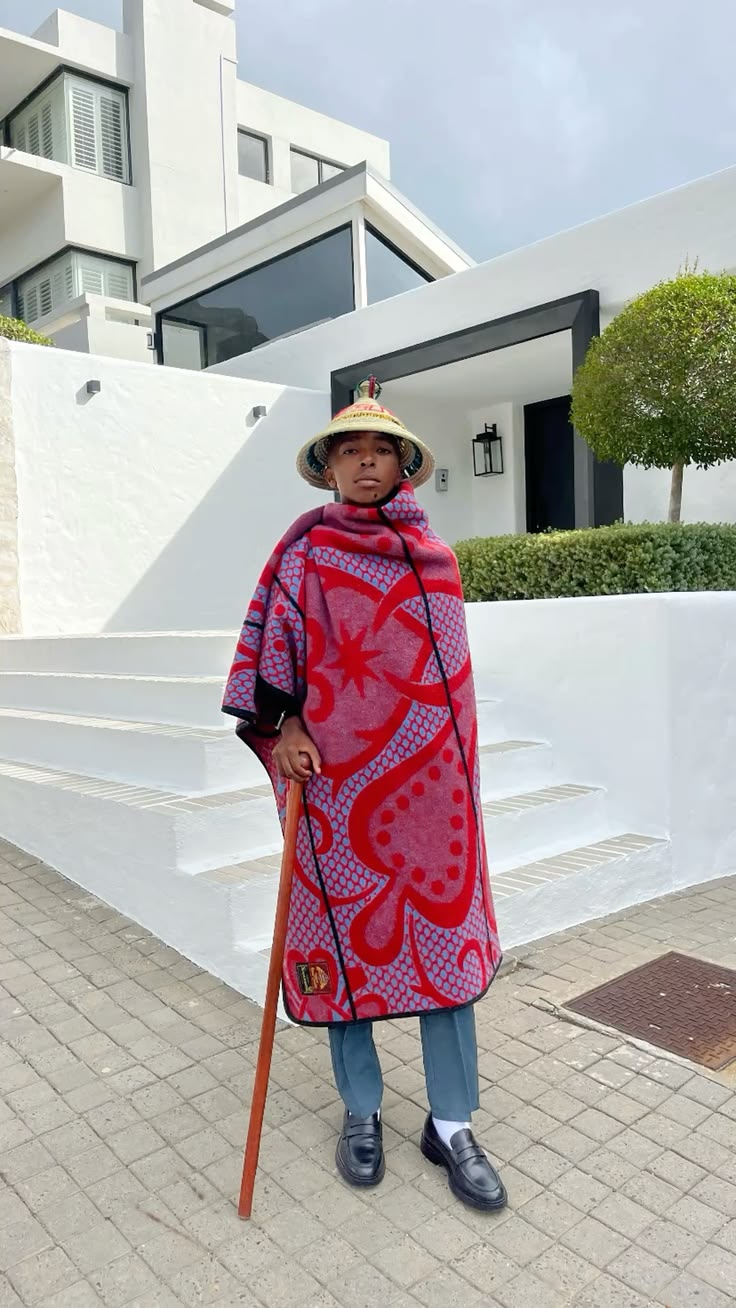
Basutoland became a British protectorate in 1868 and remained under that status until independence in 1966. That history matters because it shaped the Basotho blanket in ways that are unusual in African textile history. The Basotho were not subjected to the same level of cultural erasure seen in many other colonial contexts, and the blanket was able to remain a living cultural form rather than becoming a static museum object.
According to the documented history of the Basotho blanket, the first commercial versions in Victoria, England, were produced in Yorkshire by Wormald and Walker and introduced in 1897 to mark Queen Victoria’s Diamond Jubilee. As the documented history of the Basotho blanket confirms, the early commercial design reportedly used leopard print to echo the royal skins it was replacing. The colonial manufacturer understood the symbolism of what it was doing, even if it could not control how the Basotho would eventually transform the object.
What happened next is the more important story. Over time, the blanket became a record of Basotho history in textile form. Many major national events were later marked through new blanket patterns. The Spitfire blanket, for example, is associated with the Basotho people’s wartime fundraising effort for Spitfire aircraft during World War II. It is now one of the most recognised designs in the Victoria England range. A British aircraft, funded by a Southern African kingdom, became part of the kingdom’s national dress. That is history made wearable.
The same logic appears in other designs. The Eiffel Tower, royal visits, coronation references, and the spiral aloe of the Maluti mountains all became part of the blanket’s pattern vocabulary. The textile absorbed the wider world and made it Basotho.
What the patterns mean
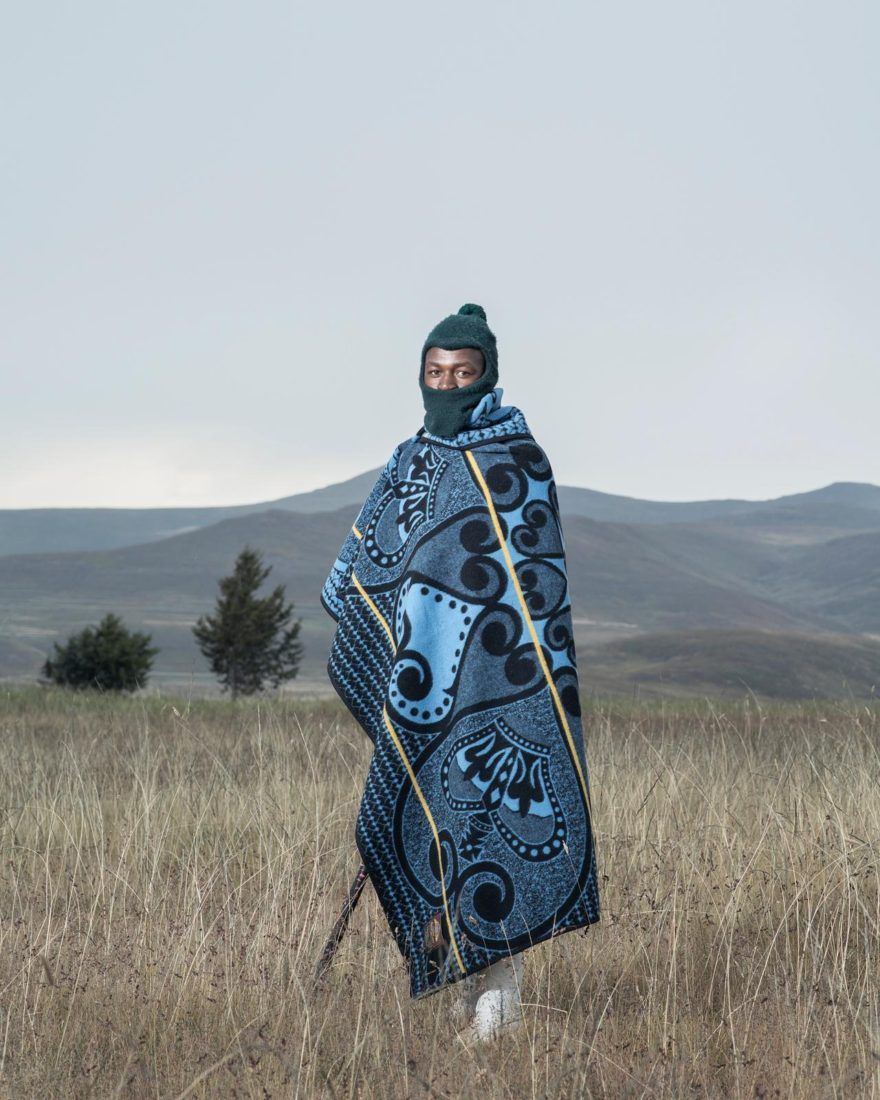
The Basotho blanket is not simply worn. It is read.
One of its most distinctive features is the pin-stripe. This detail is widely understood to have begun as a weaving fault that was later absorbed into the blanket’s cultural meaning. When worn correctly, the pin-stripe runs vertically, symbolising growth. A manufacturing imperfection became a cultural rule. That is an unusually precise example of how design can become instruction.
The corncob motif carries a similarly dense meaning. Maize is a staple food in Lesotho, and the corncob is associated with fertility and wealth. The pattern is not decorative in a neutral sense. It tells the community what it values and what it honours.
That is why the Basotho blanket should be understood as a visual language rather than merely a garment. Its motifs are not random embellishments. They are cultural memories made visible, which is one reason the history of the Basotho blanket remains so relevant today.
Ceremonial life and social meaning
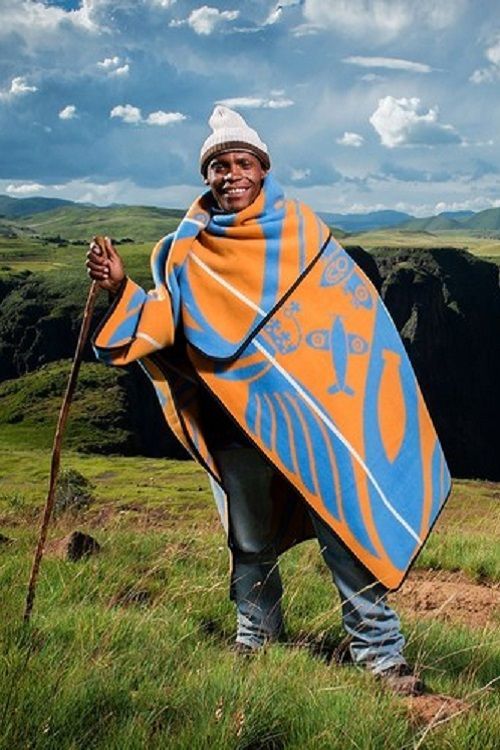
The blanket is part of everyday life in Lesotho, worn in urban and rural settings alike and draped over the shoulders for warmth. But its deepest meaning appears in ceremonial use.
As CGTN Africa’s documentary coverage of the blanket confirms, the garment is central to important life events. At weddings, the bride receives a blanket from her husband’s family, a gesture that signals incorporation into the new family. The exchange is not a speech or a legal document. It is a garment, and the garment carries the message.
The blanket marks birth, initiation, marriage, and death. In each case, its quality communicates status and occasion. The blankets are commonly described in three broad quality tiers: acrylic for everyday wear, a mid-range option, and Royal Quality made of wool and cotton. The Moshoeshoe blanket, named after the founding king, belongs to the highest category. When worn at a ceremony, it does more than dress the body. It declares the meaning of the event and the social place of the wearer.
This logic is familiar elsewhere in African dress culture. It is similar to what Adinkra cloth does for the Akan and what aso-ebi does for the Yoruba. Clothing becomes social communication. But the Basotho blanket is especially powerful because its ceremonial use is so closely tied to national identity.
Resistance, continuity, and royal memory
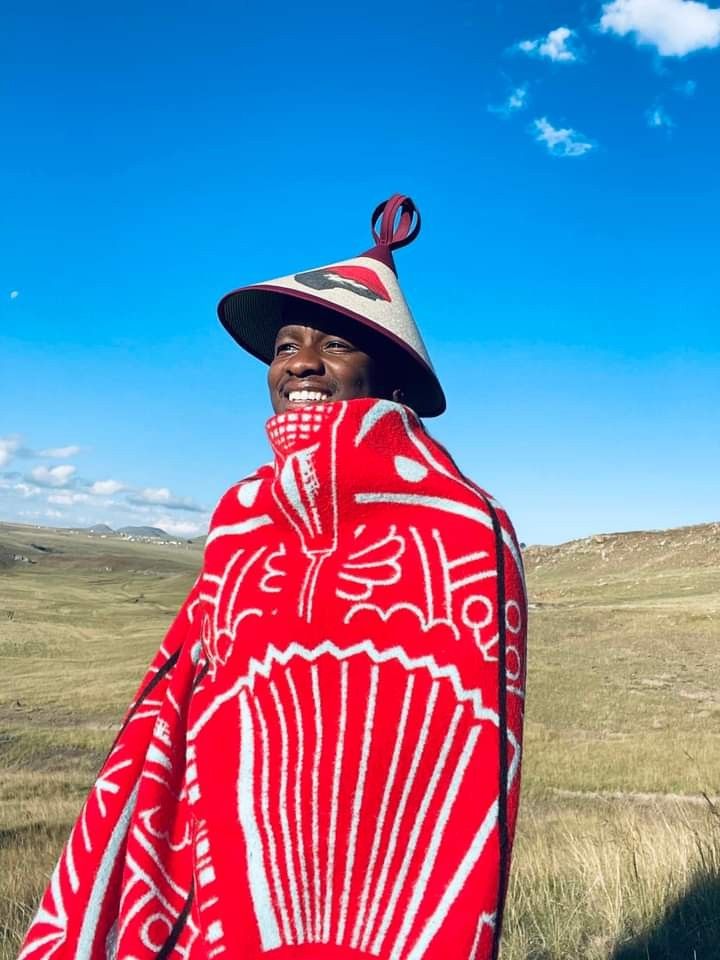
The blanket also carries political memory that outsiders often miss. The Spitfire blanket is sometimes read only as a military tribute. In Basotho history, it is also a record of agency. The kingdom raised money for those aircraft. The pattern remembers that action.
The same is true of the blankets that mark royal milestones. They preserve a monarchic continuity that survived the colonial era and continued into independence in 1966. Lesotho is among the African states that retained a monarchy through the colonial era and into independence. The blanket patterns that document kings and national events also serve as a visual archive of that continuity.
When Moshoeshoe appealed to Queen Victoria for protection in 1867, he said she had spread her blanket over the Basotho nation. The Basotho took that metaphor, and the blanket that came with it, and made both entirely their own.
Also Read:
- The Language of Adinkra: When Cloth Becomes Scripture
- Yoruba Naming Ceremony Dress: The Aso-Ebi System as Community Declaration, Not Fashion Choice
- The Significance of White in African Mourning: Why the Continent’s Grief Dress Is Not What the West Assumes
Global visibility and cultural ownership
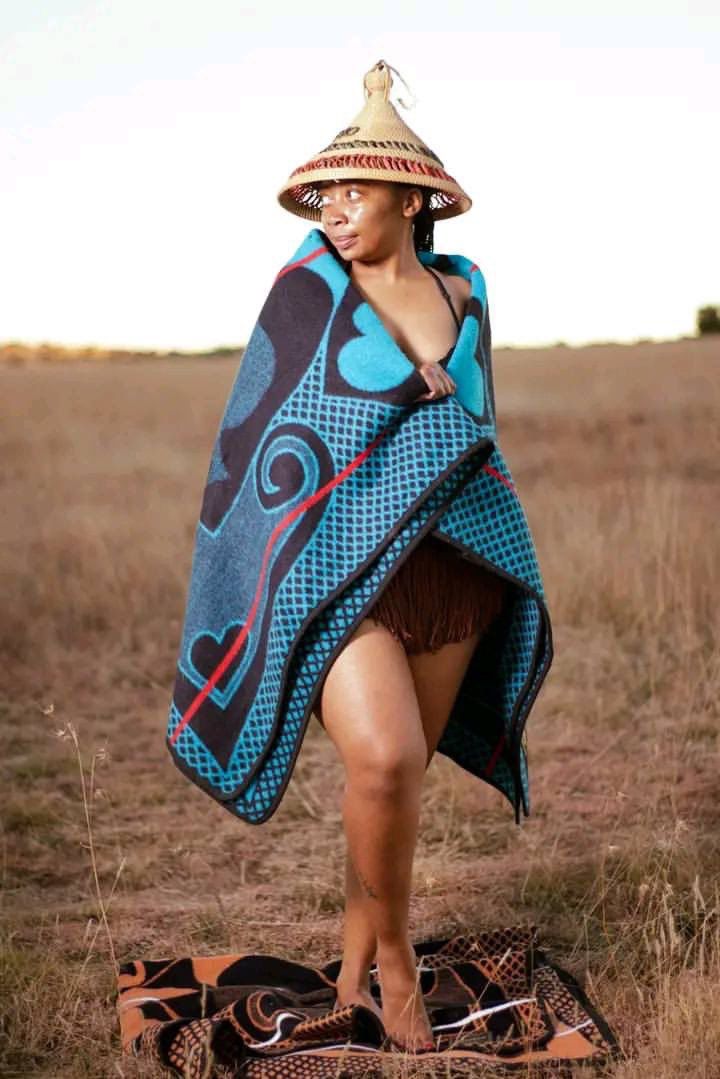
The Basotho blanket became more visible internationally after its patterns appeared in the Wakandan aesthetic of the Black Panther films. For many viewers, that was the first time the garment, or even Lesotho, entered the global imagination. As Your Luxury Africa’s documentation of the blanket’s cultural trajectory confirms, a 2025 colloquium at the University of Cape Town’s Centre for African Studies examined the blanket’s role in the Basotho diaspora, its symbolism, and its continuing importance as a marker of identity and resistance.
But the academic conversation arrived long after the Basotho had already done the cultural work. The meaning was not invented in a conference room. It was lived, worn, and transmitted across generations.
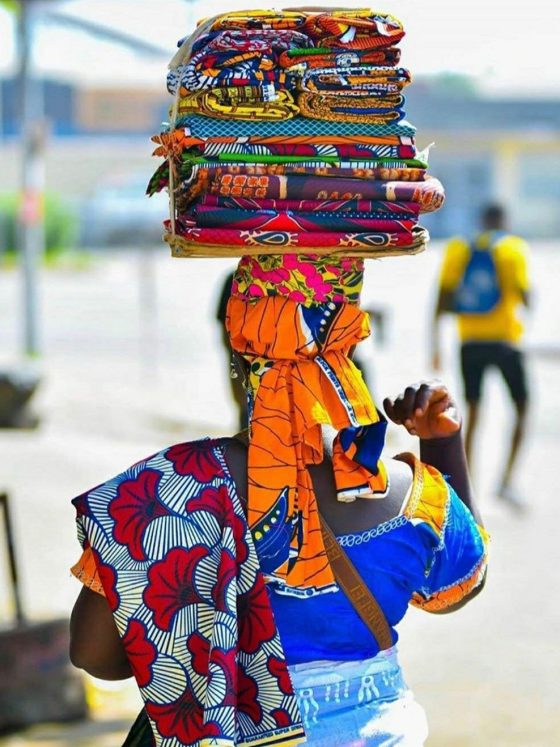
That matters because the blanket also exposes a larger problem in the global textile economy. It is still manufactured outside Lesotho, including by AW Hainsworth in Yorkshire, which has handled the Victoria England brand. A defining national symbol of a Southern African kingdom is produced in West Yorkshire. That separation between cultural ownership and manufacturing profit is familiar across the industry. Kente is often mass-produced outside Ghana, Ankara is manufactured in the Netherlands, and the Maasai shuka is produced in China.
The Basotho blanket makes that contradiction especially visible because its colonial origin and its manufacturing history are part of the same story. Yet the Basotho have never needed the factory to prove ownership of the meaning. They made the blanket Basotho through the meanings they attached to it, the ceremonies in which they used it, and the history they encoded into its patterns.
The Omiren argument
The Basotho blanket is one of the most complete examples in African fashion history of a people taking a foreign object and making it speak their own language. It did not begin as a Basotho creation. It began as a colonial trade good from Yorkshire, introduced to a Southern African kingdom as a gift to a king. What happened next is the story Omiren Styles documents here. The Basotho encoded the blanket with their history, cosmology, royal lineage, ceremonial life, and aesthetic intelligence.
The pin-stripe that began as a weaving error became a symbol of growth. The corncob, already rooted in Basotho life, became one of the most recognisable motifs in the textile. The Spitfire blanket turned wartime contribution into ceremonial dress. Royal events became patterns. Historical memory became wearable.
That is why the blanket belongs in the Heritage & Identity series. It shows that African cultural identity is not static, not preserved in amber, and not dependent on outside validation. It is active, strategic, and continuously creating.
Moshoeshoe I received a trade good and turned it into a royal garment. His subjects turned it into national dress. Successive generations turned it into a record of the nation itself. The blanket is not a relic. It is a living archive.
The broader African fashion economy is substantial, yet its cultural and economic value remains undercounted in mainstream coverage. The Basotho blanket’s contribution to that story is underacknowledged, and long overdue for the kind of serious editorial coverage Omiren Styles is built to provide.
Frequently Asked Questions
What is the Basotho blanket, and why is it significant?
The Basotho blanket is the defining national dress of Lesotho. It is worn daily across urban and rural settings and carries deep cultural, ceremonial, and historical significance. It began as a colonial trade good but was transformed by the Basotho into a symbol of identity, memory, and sovereignty.
How did the Basotho blanket originate?
Around 1860, King Moshoeshoe I is said to have received an early blanket from a trader, possibly named Howel. He wore it in place of the kaross, and the court followed. The blanket later became associated with the kingdom’s history and royal identity.
What do Basotho blanket patterns mean?
The patterns encode history, cosmology, and national events. The corncob represents fertility and wealth, the pin-stripe symbolises growth, and designs like the Spitfire blanket commemorate specific historical moments.
What is the Spitfire blanket?
The Spitfire blanket is a popular Victoria, England, Basotho blanket associated with the Basotho people’s wartime fundraising effort for Spitfire aircraft during World War II.
Who makes the Basotho blanket and where?
The Basotho blanket is manufactured in Yorkshire, England, by AW Hainsworth, which has handled the Victoria England brand. Cultural ownership remains with the Basotho people, even though production takes place outside Lesotho.
Explore more
Read the full Culture > Heritage & Identity section at Omiren Styles for documentation of the dress traditions, textile histories, and cultural identity systems that African communities have built, adapted, and defended over centuries, each one a complete argument about who they are and what they have survived.