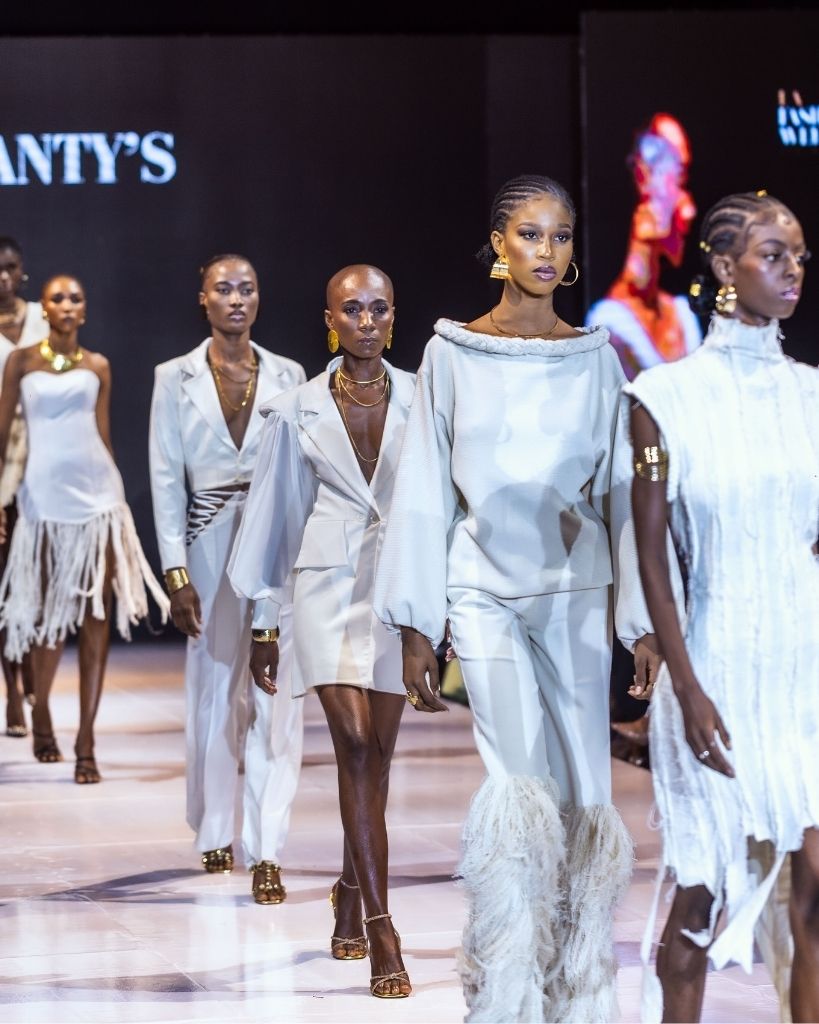
The future of fashion in Côte d’Ivoire is taking shape in Abidjan through the practical efforts of its young creatives. Abidjan youth fashion is driven by limited resources, strong tailoring skills, and the need to create clothing that fits local economic and social realities.
Young designers operate small studios, sell directly through social media, and experiment with available materials. They combine traditional tailoring techniques with selective modern elements to produce garments suited to Ivorian urban life.
This activity represents the current direction of the industry rather than a future promise.
The future of fashion in Côte d’Ivoire is being shaped by Abidjan youth through material innovation. This article examines the current realities and emerging directions in the industry.
Youth as the Driving Force in the Future of Fashion in Côte d’Ivoire
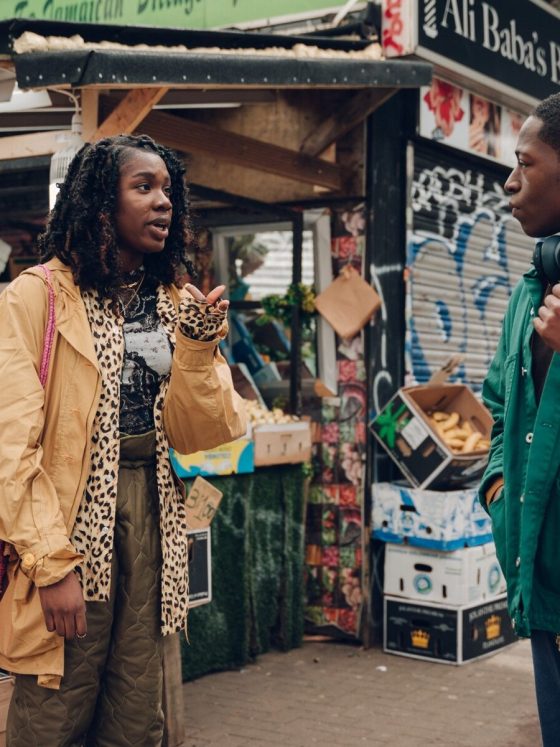
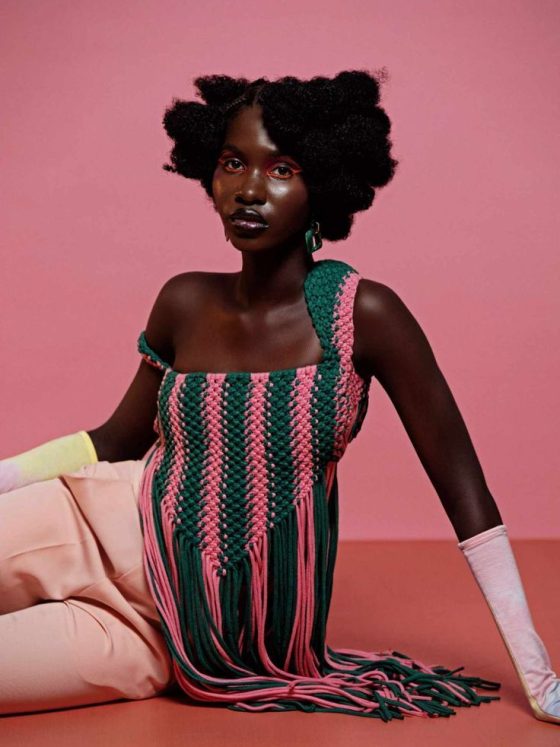
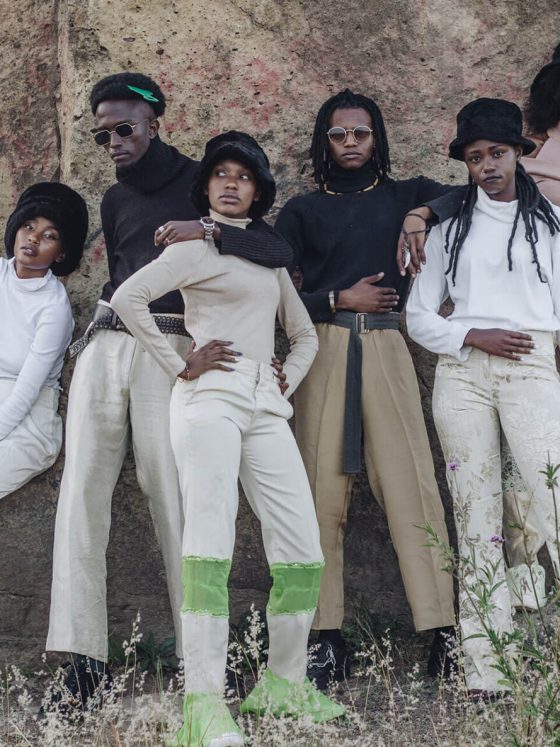
Young creatives form the most active part of the future of fashion in Côte d’Ivoire. In Abidjan, many run small studios, manage their own production, and sell directly to customers using social media platforms.
They develop collections that respond to local tastes while working within the constraints of capital and infrastructure. This hands-on involvement allows them to test designs quickly and adjust to customer feedback.
Their approach relies heavily on existing tailoring expertise and the use of resourceful materials rather than on large industrial setups. These current practices by Abidjan youth fashion are the most visible drivers of change in the Ivorian fashion sector today.
Innovation in Materials and Production Methods
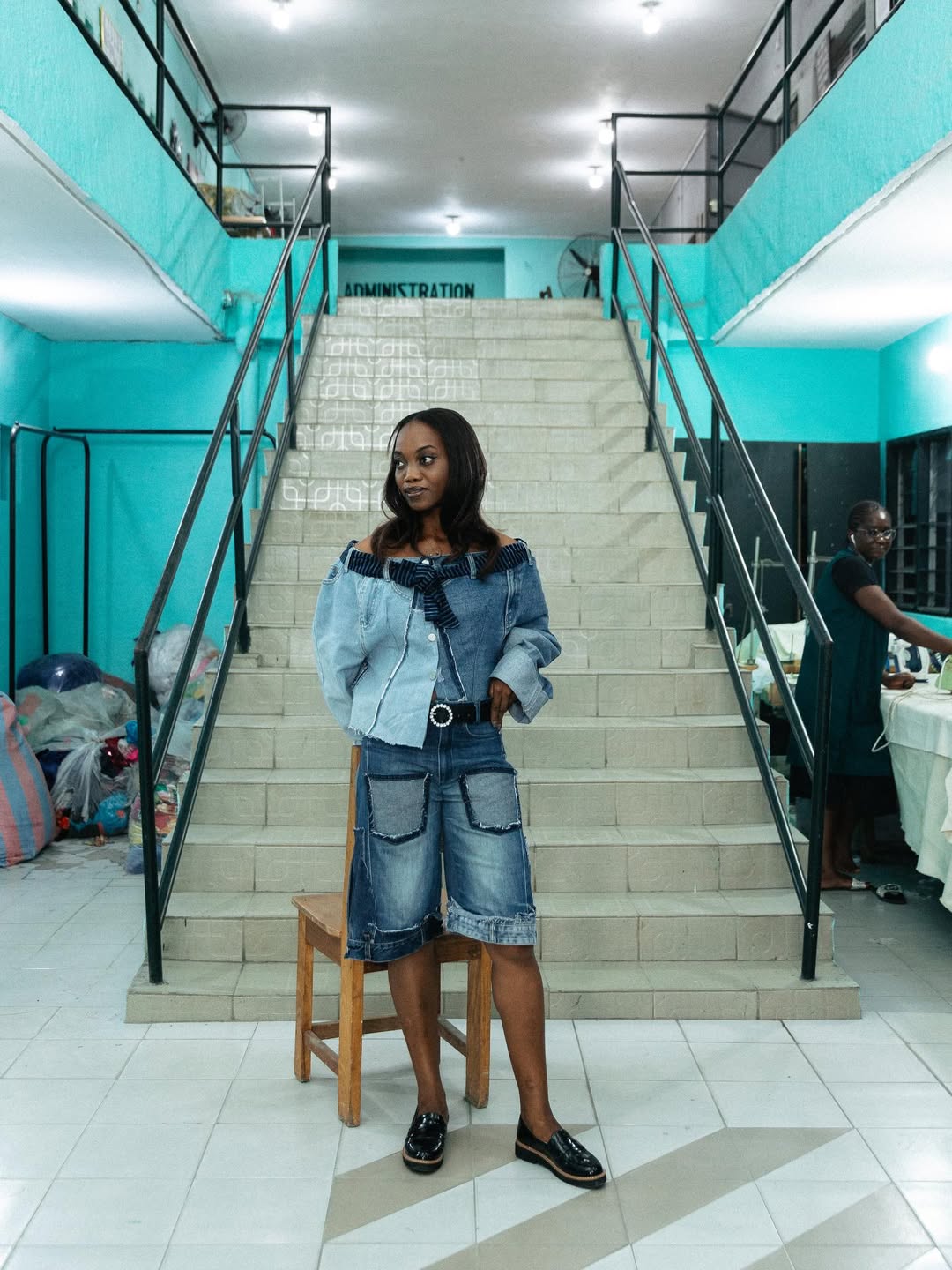
Ivorian fashion innovation is currently concentrated in small-scale experimentation with materials and production.
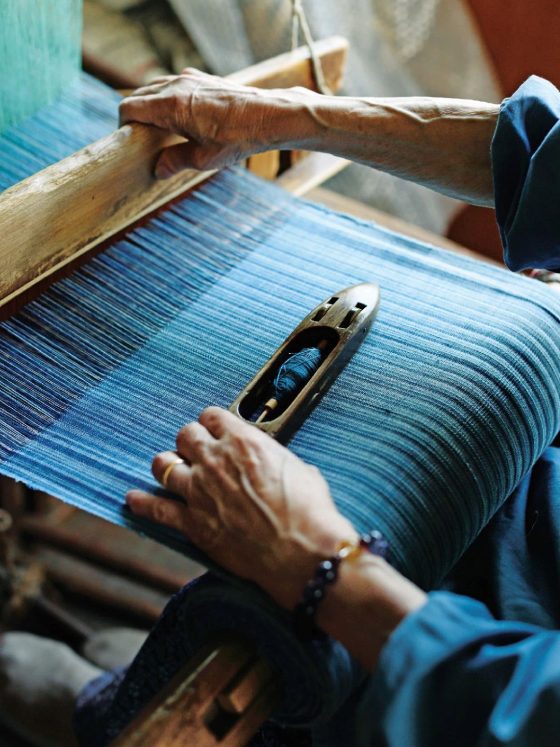
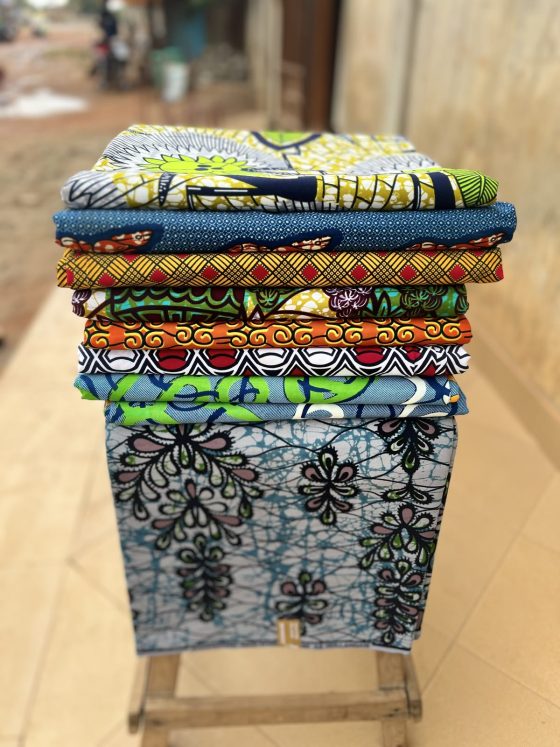
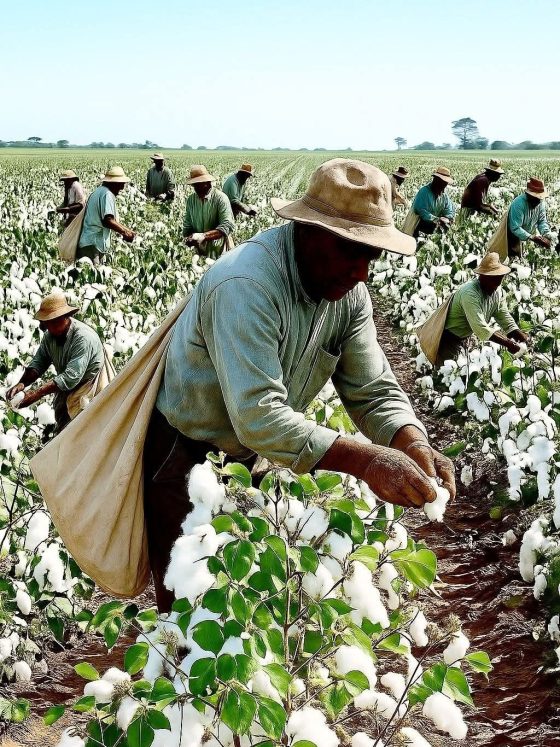
Many designers in Abidjan use textile waste and discarded clothing for upcycling, while others fuse local handwoven cotton with imported fabrics to create new textures and reduce costs.
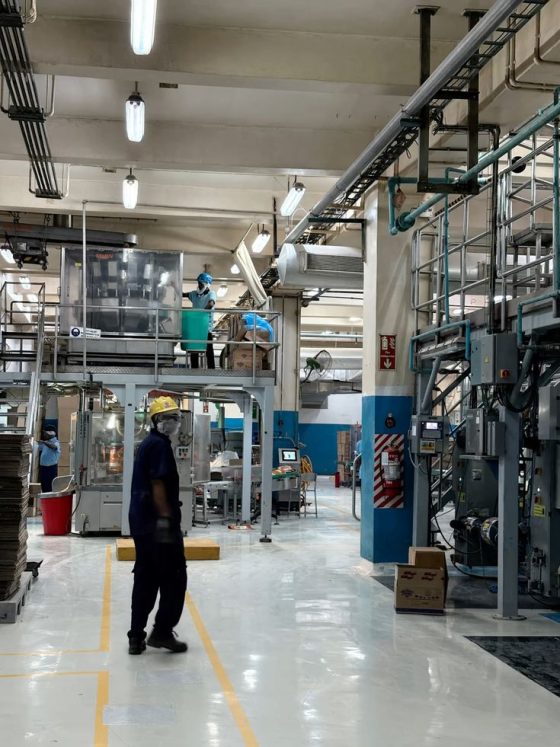
They also test improved pattern cutting and small-batch production methods to minimise waste. These techniques build directly on Côte d’Ivoire’s established tailoring skills and allow for more flexible output suited to irregular demand.
Such material and production practices are already observable in several Abidjan studios and represent the most realistic path forward for the future of fashion in Côte d’Ivoire.
Digital Platforms and Business Adaptation
Digital platforms are playing an important role in the future of fashion in Côte d’Ivoire. Many young designers in Abidjan now sell directly to customers through Instagram and WhatsApp, reducing reliance on physical shops and intermediaries.
This allows them to test designs faster and reach clients both in the diaspora and locally. Some modern Ivorian designers have developed made-to-order systems and small collections that respond quickly to demand.
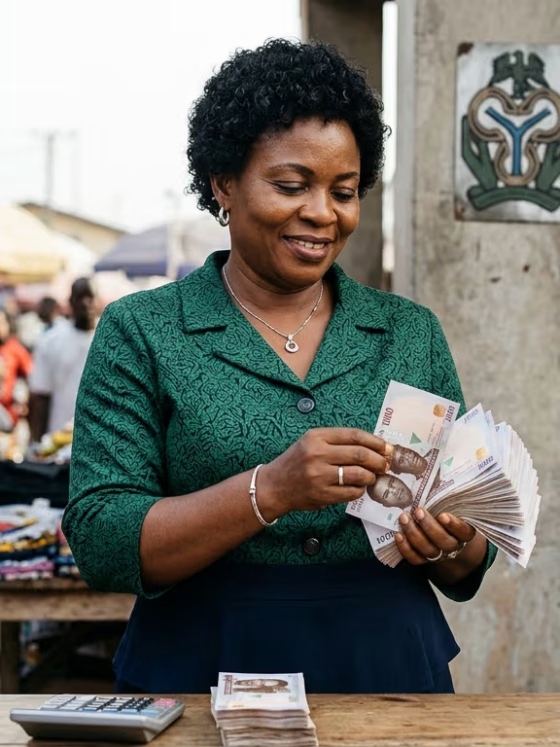
These methods help manage limited capital and reduce the risk of overproduction. However, most operations remain small-scale due to challenges with logistics and payment systems.
This shift toward digital business adaptation is a practical response to current conditions in the Côte d’Ivoire fashion industry. It shows how Abidjan youth fashion is evolving through available tools rather than waiting for large infrastructure improvements.
Structural Opportunities and Persistent Challenges
The future of fashion in Côte d’Ivoire faces clear structural limitations. They face limited access to capital, unreliable electricity supply, high cost of imported equipment, and weak local manufacturing infrastructure.
These limitations continue to restrict growth for most modern Ivorian designers. They also make scaling production difficult, even for successful small studios in Abidjan.
However, some opportunities are visible. The country’s strong tailoring base, growing digital connectivity, and strategic location in West Africa offer advantages for regional trade and diaspora markets.
A small number of designers are leveraging these factors through better-organised supply chains and partnerships with local artisans. The Côte d’Ivoire fashion industry is therefore progressing slowly.
Its long-term direction will depend on how effectively these structural constraints are addressed alongside the current innovation coming from Abidjan youth fashion.
Emerging Regional Ambition and Collaborative Models
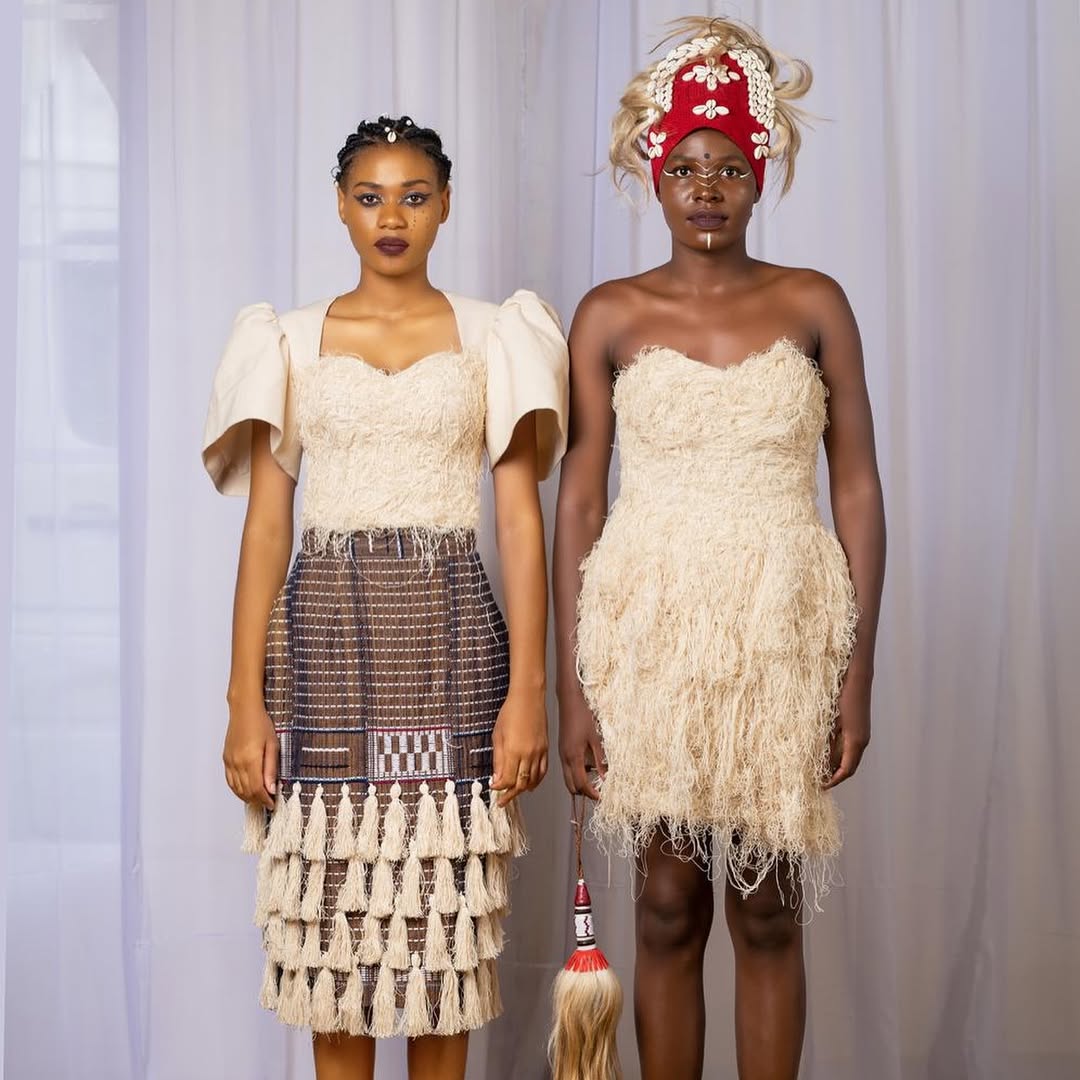
A limited number of modern Ivorian designers are attempting to build regional networks as part of the future of fashion in Côte d’Ivoire.
They are forming partnerships with producers and artisans in neighbouring countries and exploring cross-border sales, especially in Ghana, Senegal, and Nigeria.
Some are also testing cooperative production models to share resources and reduce individual costs.
These initiatives remain small-scale and face serious challenges in logistics, financing, and consistency.
However, they represent one of the few current strategies attempting to move beyond Abidjan-based operations within the Côte d’Ivoire fashion industry.
This trend suggests that the future of fashion in Côte d’Ivoire may rely more on pragmatic regional collaboration and individual designers’ initiative than on large-scale national infrastructure development.
Also Read:
- Ivorian Designers Taking African Fashion to the Global Stage
- Top Senegalese Fashion Designers Influencing Global Style
- Abidjan Streetwear: The Rise of Urban Fashion in Côte d’Ivoire
Education, Skills and the Next Generation
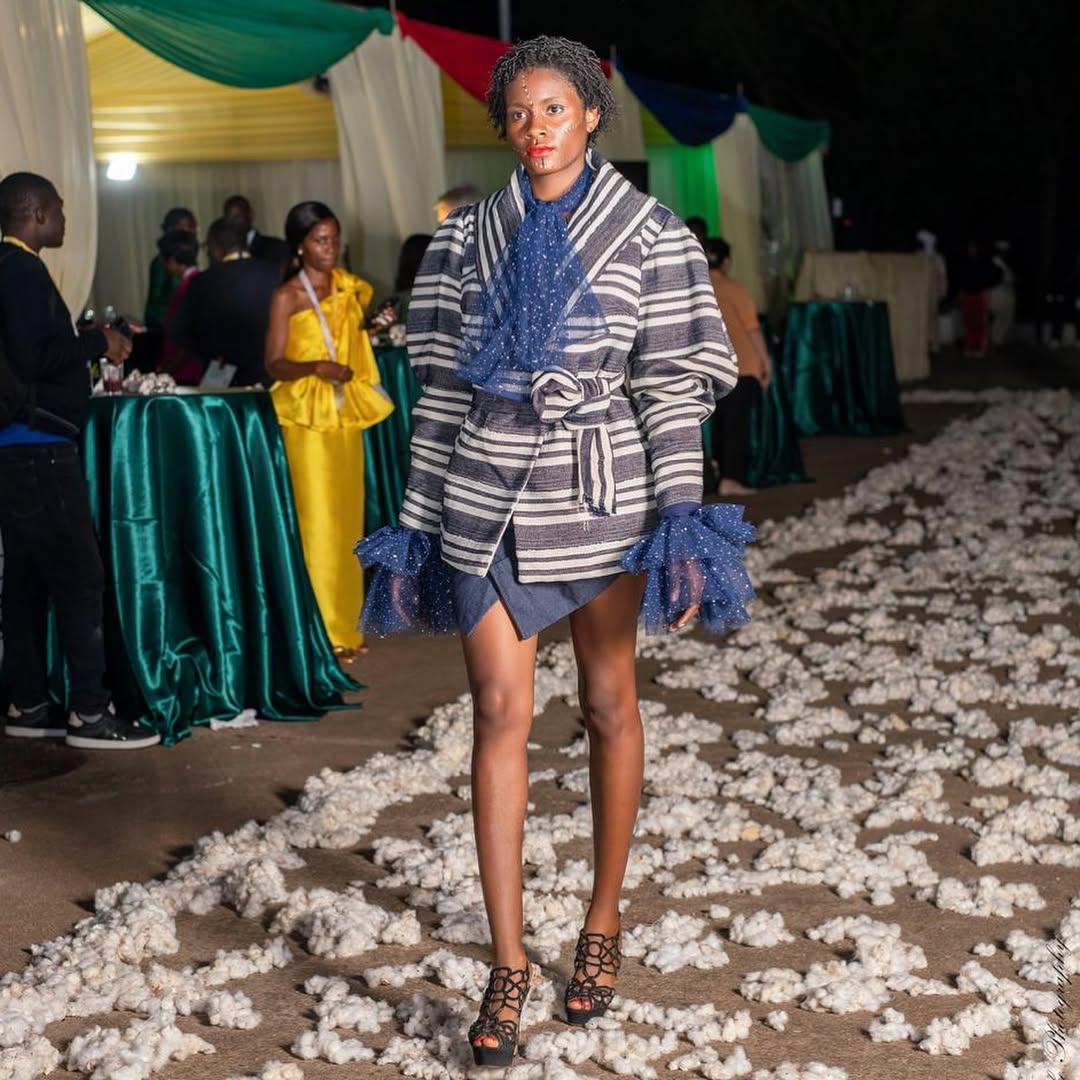
Skills development for the next generation remains a weak point in the future of fashion in Côte d’Ivoire. In Abidjan, a small number of modern Ivorian designers currently run informal workshops and apprenticeships to teach young tailors how to combine traditional techniques with digital tools and basic business practices.
Most training still happens through unstructured apprenticeships rather than formal programmes. Due to the limited number of workshops, the speed at which new talent can enter the industry with both technical and entrepreneurial skills is limited.
With this, the gap between current innovation and structured skills transfer continues to shape how fast the Côte d’Ivoire fashion industry can expand.
Policy Environment and Institutional Support
Government and institutional support for the future of fashion in Côte d’Ivoire remains modest. The Ministry of Culture has organised occasional fashion events and offered limited grants to selected creatives.
However, there is still no comprehensive national policy framework that addresses financing, export support, infrastructure improvements, or skills development for the fashion sector.
A few designers have benefited from partnerships with international organisations or short-term government programmes. However, the vast majority of modern Ivorian designers in Abidjan operate without consistent institutional backing or access to structured funding.
This limited policy environment continues to constrain the Côte d’Ivoire fashion industry’s ability to move beyond small-scale, individual efforts.
The Omiren Argument
The future of fashion in Côte d’Ivoire will not be decided by talent or creativity alone. It will be determined by the country’s ability to address its structural constraints while building on the practical innovation already coming from Abidjan youth.
Many assume that strong cultural heritage and youthful energy will automatically lead to industry growth. In reality, limited access to capital, unreliable infrastructure, and weak policy support continue to restrict most designers despite their resourcefulness.
This situation disrupts the optimistic narrative that African fashion futures depend mainly on individual brilliance. The current efforts by young creatives in materials, digital adaptation, and regional networking show promising directions. However, these efforts remain small in scale.
The decisive insight is this: the future of fashion in Côte d’Ivoire depends on whether practical improvements in financing, infrastructure, and policy can support the existing energy of Abidjan youth fashion. Without these foundations, innovation will stay fragmented.
Frequently Asked Questions
- What are the innovations of the fashion industry?
Major innovations in 2026 include AI-driven design, agentic commerce, and smart textiles with self-regulating and energy-harvesting capabilities. Bio-based materials, mycelium leather, and scalable recycled fibres are becoming mainstream due to regulatory pressure and sustainability demands. Digital Product Passports and 3D sampling are also reducing waste and improving transparency.
- Why is fashion important for the youth of today?
Fashion serves as a powerful tool for self-expression and identity formation for today’s youth. It helps young people signal belonging, values, and personal style in social environments. For Gen Z and Gen Alpha, fashion is closely linked to cultural relevance, social issues, and digital self-presentation.
- What will be the future of fashion?
The future of fashion (2026–2030) is expected to be defined by greater sustainability, AI integration, and circular business models. Personalisation through agentic AI, smart materials, and traceability via Digital Product Passports will become standard. Growth will be slower and more value-driven, with emphasis on durability, transparency, and regional supply chains.
- How do clothing trends influence younger generations?
Clothing trends strongly influence younger generations by shaping their sense of identity, belonging, and social status. Trends spread rapidly through social media, allowing youth to align with peers or express individuality. They can also reinforce or challenge social norms, affecting self-confidence and consumption behaviour.
- What are the four factors that influence fashion trends?
The four main factors are:
- Social and cultural factors (values, identity, subcultures).
- Economic factors (consumer spending power and market conditions).
- Technological advancements (new materials, production methods, digital tools).
- Environmental and sustainability concerns (demand for ethical and circular practices).