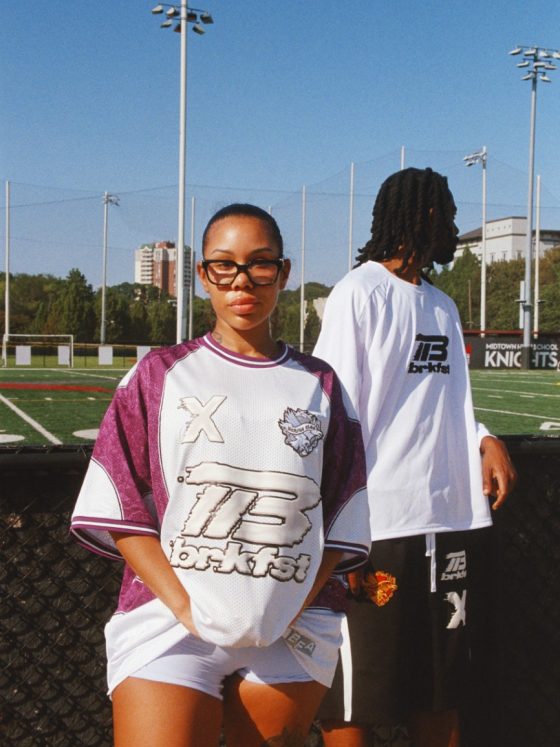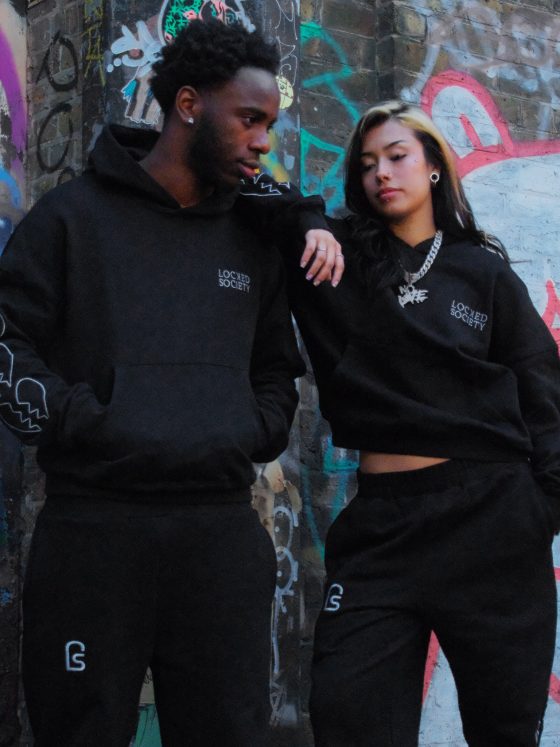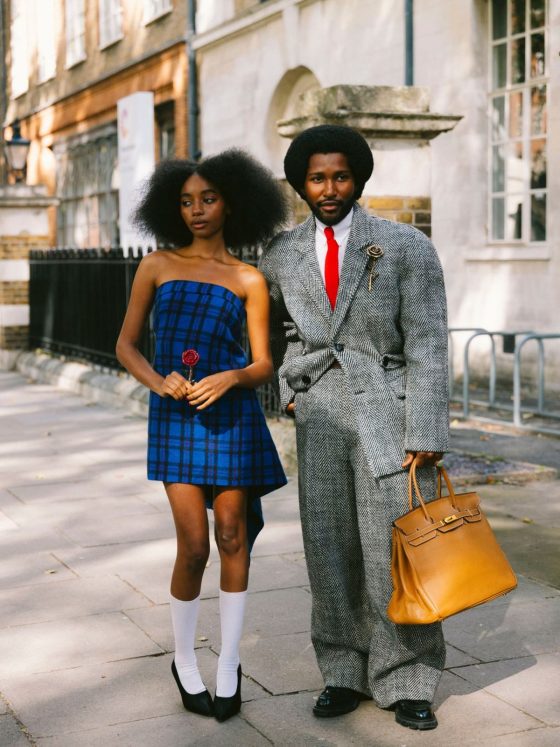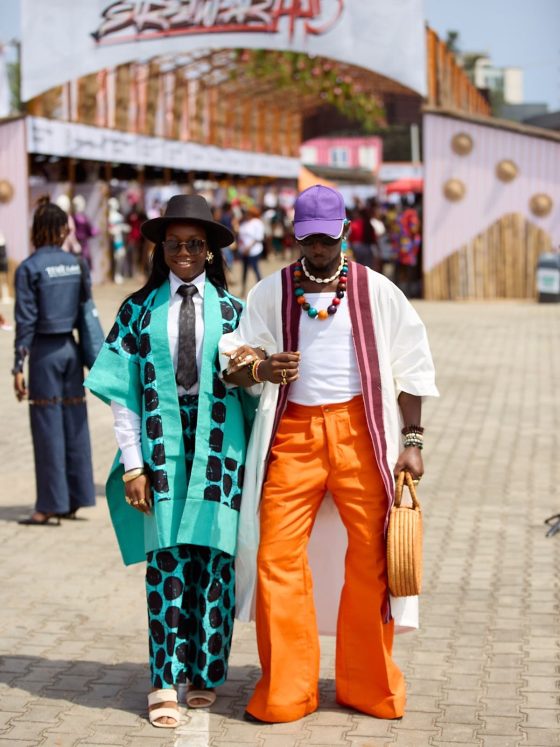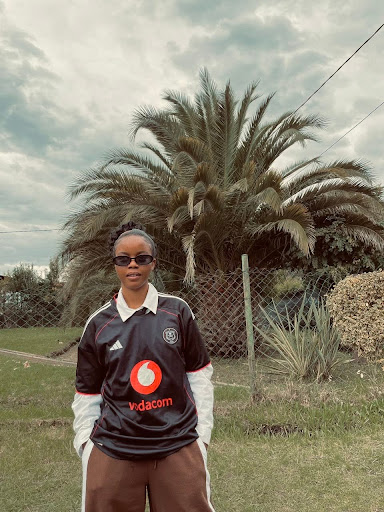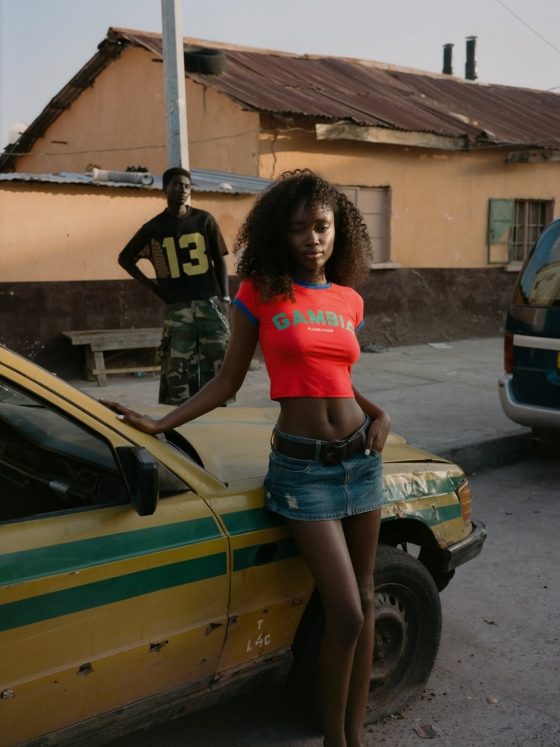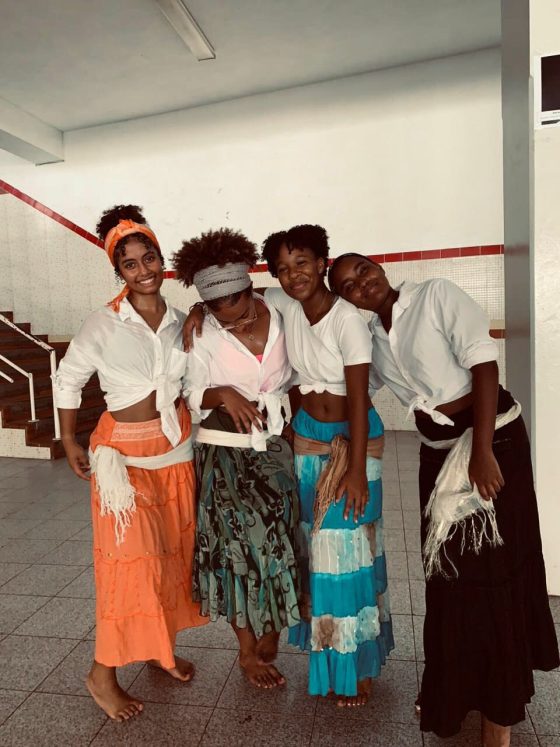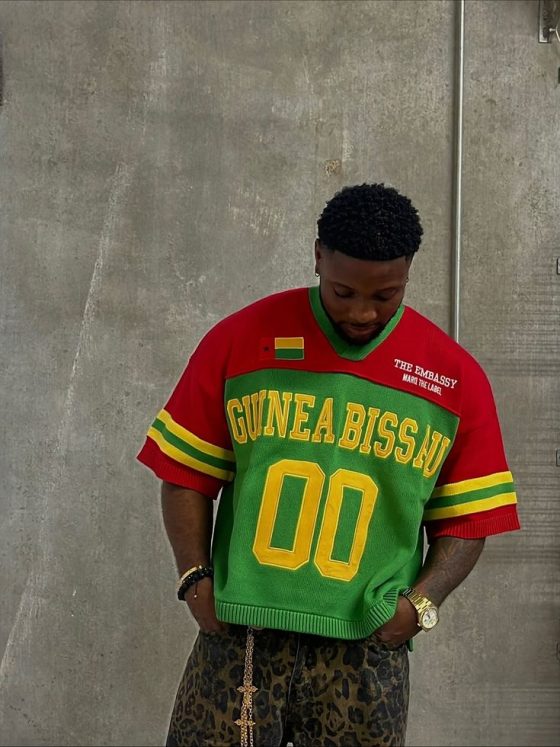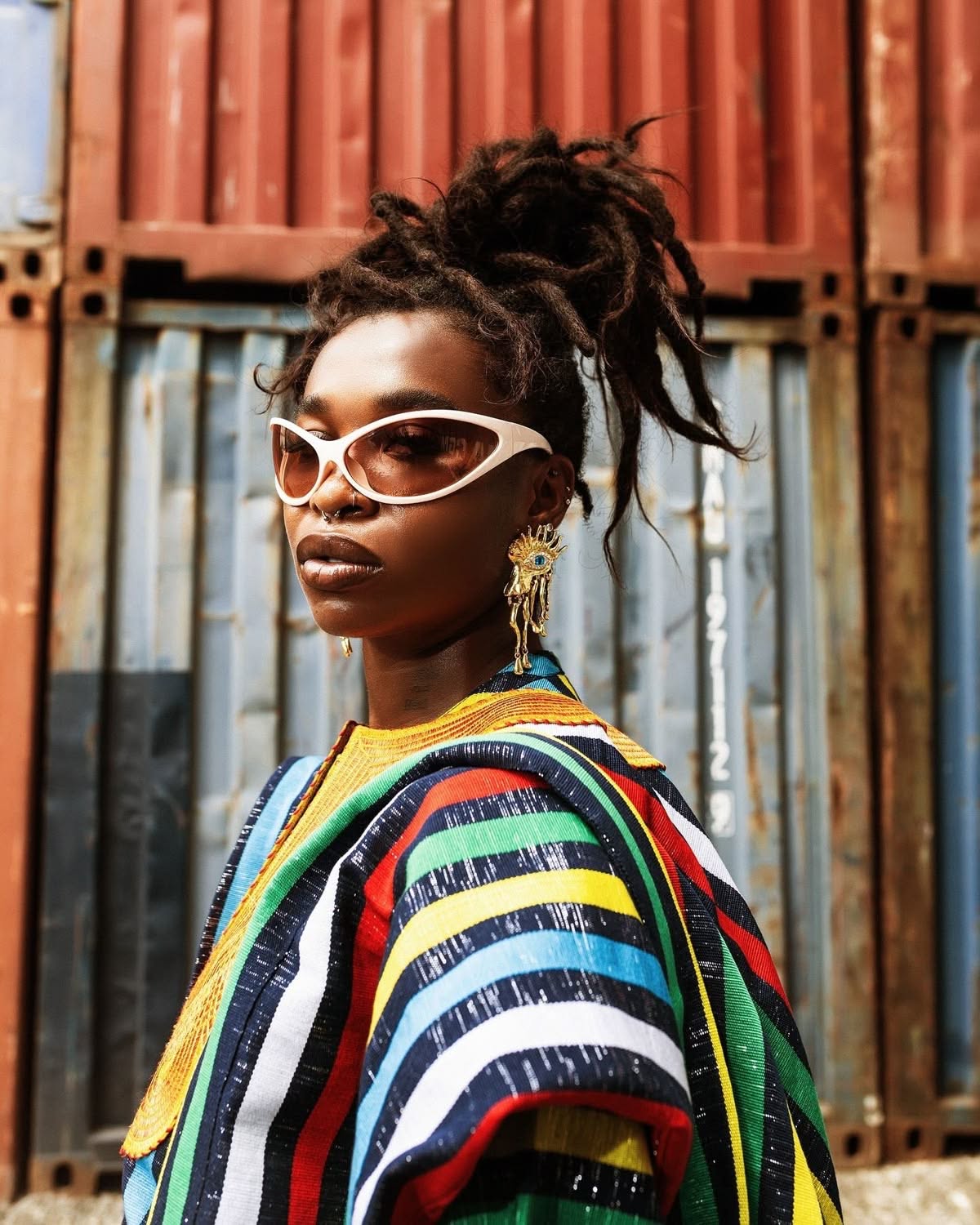
Walk through Monrovia’s Waterside Market or into a nightclub off Tubman Boulevard on a Friday night, and the fashion is immediate. Oversized silhouettes cut and tapered by local tailors—sneakers sourced from second-hand bales. Graphic tees layered under vintage outerwear, restyled into something that reads specifically Liberian. This is Monrovia streetwear, not a replica of American hip-hop aesthetics, not an imitation of Lagos or Accra, but a distinct urban fashion culture shaped by the specific pressures and creativity of life in Liberia’s capital.
Monrovia streetwear is frequently discussed as though it arrived from outside — carried in by diaspora returnees or downloaded from international music videos. That framing misreads the process. Liberian youth did not have access to a fashion system. They built one, using whatever materials were available: second-hand imports, local tailoring shops, music culture, and the social logic of a city still reconstructing itself after two civil wars.
Monrovia streetwear is a Liberian-built system shaped by second-hand markets, local tailoring, music, and diaspora movement — not a copy of Western urban fashion.
Second-Hand Markets and Music Made the First Rules
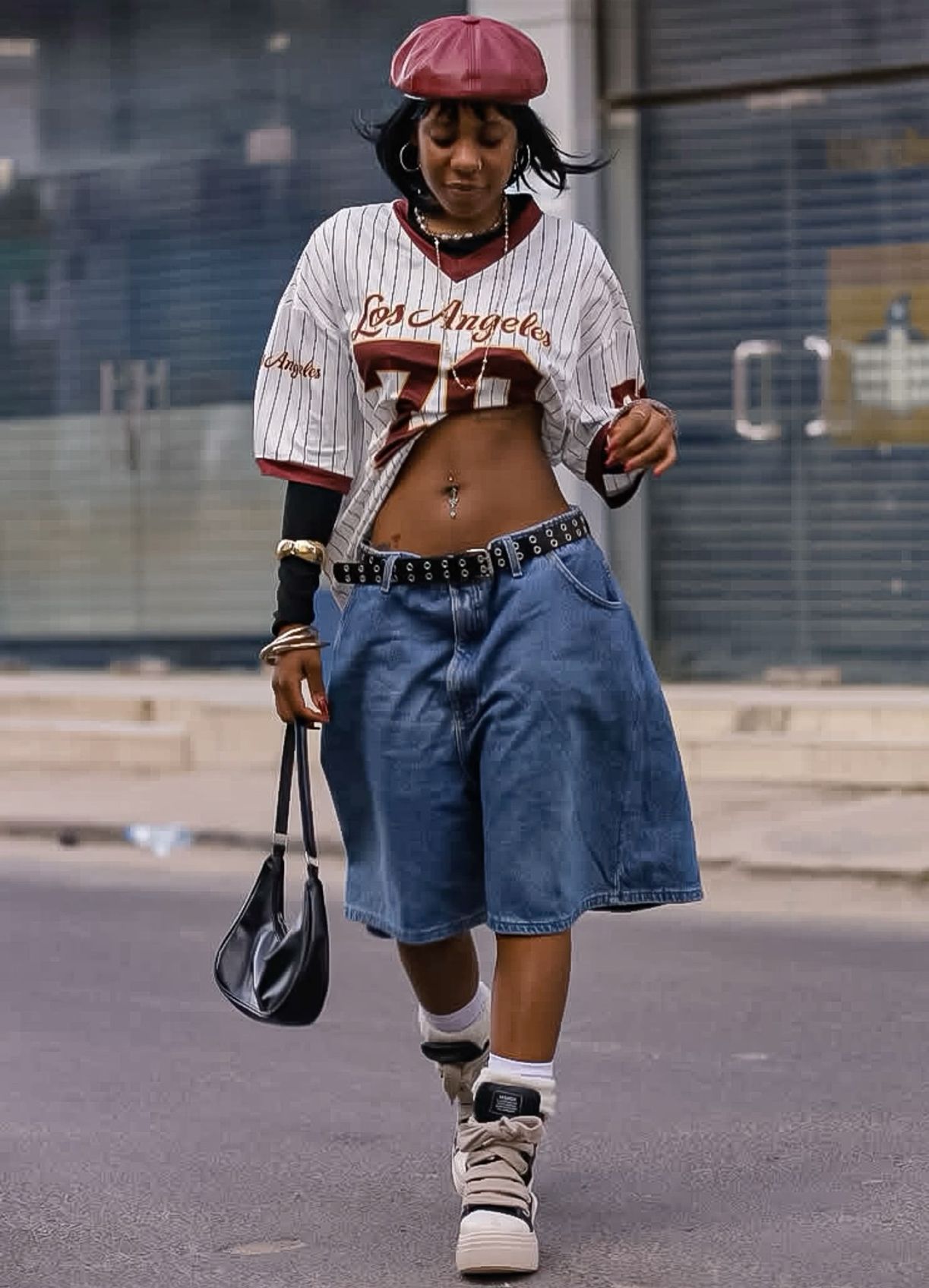
The infrastructure of Monrovia streetwear starts at the market. Through commercial bale trade, imported clothing from the US and Europe floods into Liberia’s urban centres — sports jerseys, graphic T-shirts, cargo pants, fitted caps, vintage outerwear, oversized denim. Cost is the first filter. Style is the second. Young men and women move through stalls at Waterside and Red Light Market with a trained eye, selecting not just for fit but for how a piece can be modified.
That step of modification is where fashion culture separates from simple import consumption. A Liberian tailor does not just hem a pair of jeans. He breaks the silhouette, tapers the leg, and sometimes adds panel stitching or a custom waistband. The result reads streetwear, but it is tailored — a distinction invisible to anyone who assumes African urban fashion is just recycled Western clothing.
Music set the tone for what was desirable. Liberian hip-hop, Afrobeat crossovers, dancehall, and trap gave young people a visual language before social media gave them an audience. Artists dressed a certain way. Audiences adapted it, pushed it further, and made it local. Fashion moved through nightlife, music videos, and entertainment events before Instagram gave it a wider stage.
Diaspora returnees from the United States brought sneaker culture, varsity jackets, and durags — but they brought them as personal expression, not instruction. Liberian youth absorbed those references and used them selectively. The same adaptive logic appears in our coverage of Afro-diasporic dress in the Colombian context, where migrant clothing culture is transformed rather than transplanted.
Brands like Daily Paper and WAFFLESNCREAM point to a wider pattern across African cities: streetwear rooted in local youth experience, not in ceremonial heritage or Western licensing.
Tailors, Photographers, and Instagram Gave the Scene a Language
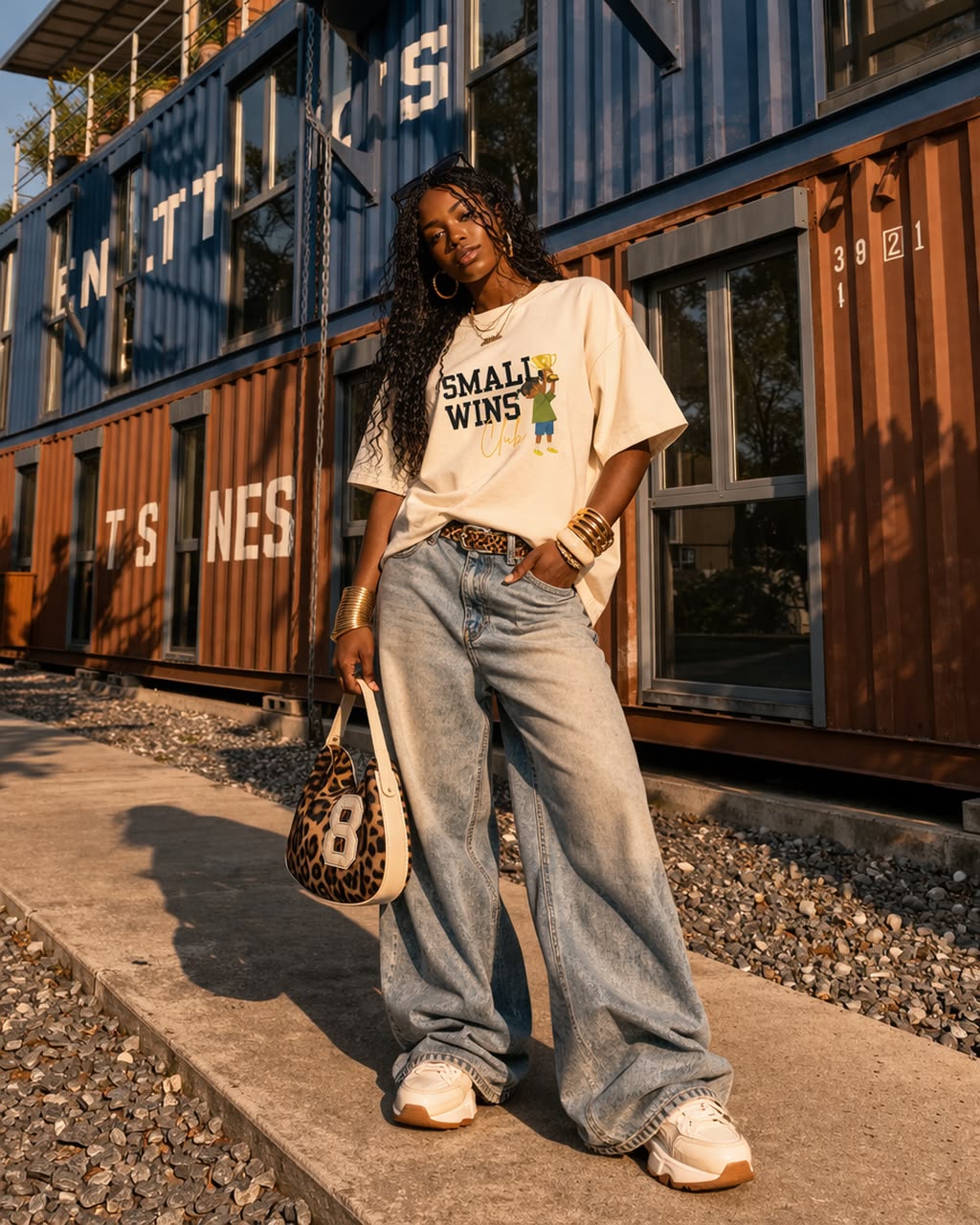
The creative infrastructure around Monrovia streetwear expanded as the city’s digital presence grew. Local photographers began documenting looks — not for international publications, but for Instagram feeds, music promotion materials, and nightlife branding. Stylists, barbers, musicians, and emerging designers started working together in loose creative networks, producing a visual culture with its own references and aesthetic standards.
Tailors remained central to this shift. While Western streetwear markets run on mass production and resale value, Monrovia’s scene runs on customisation. A young person in Sanniquellie Quarter does not buy identity off a rack. They commission it: tapered jeans, a reworked jacket, a T-shirt cut differently to fit local styling preferences. The tailor is not a supporting figure in this economy. They are a co-designer.
In Monrovia, a complete fashion identity does not require a luxury budget. It requires a good tailor, a sharp eye at the second-hand market, and the social confidence to put it together.
Up-and-coming Liberian brands and fashion entrepreneurs are now positioning Monrovia within a broader Afrocentric streetwear conversation, one shaped by local experience rather than external validation. Brands like Ashluxe and Boyedoe demonstrate how African urban identity operates as a design authority in its own right.
This is consistent with what we identified in our analysis of Togo’s urban fashion culture, where younger generations reject the assumption that authentic African dress is synonymous with ceremonial dress — and build contemporary fashion systems that prioritise local experience.
ALSO READ:
Clothing Is Economic Positioning as Much as Personal Style
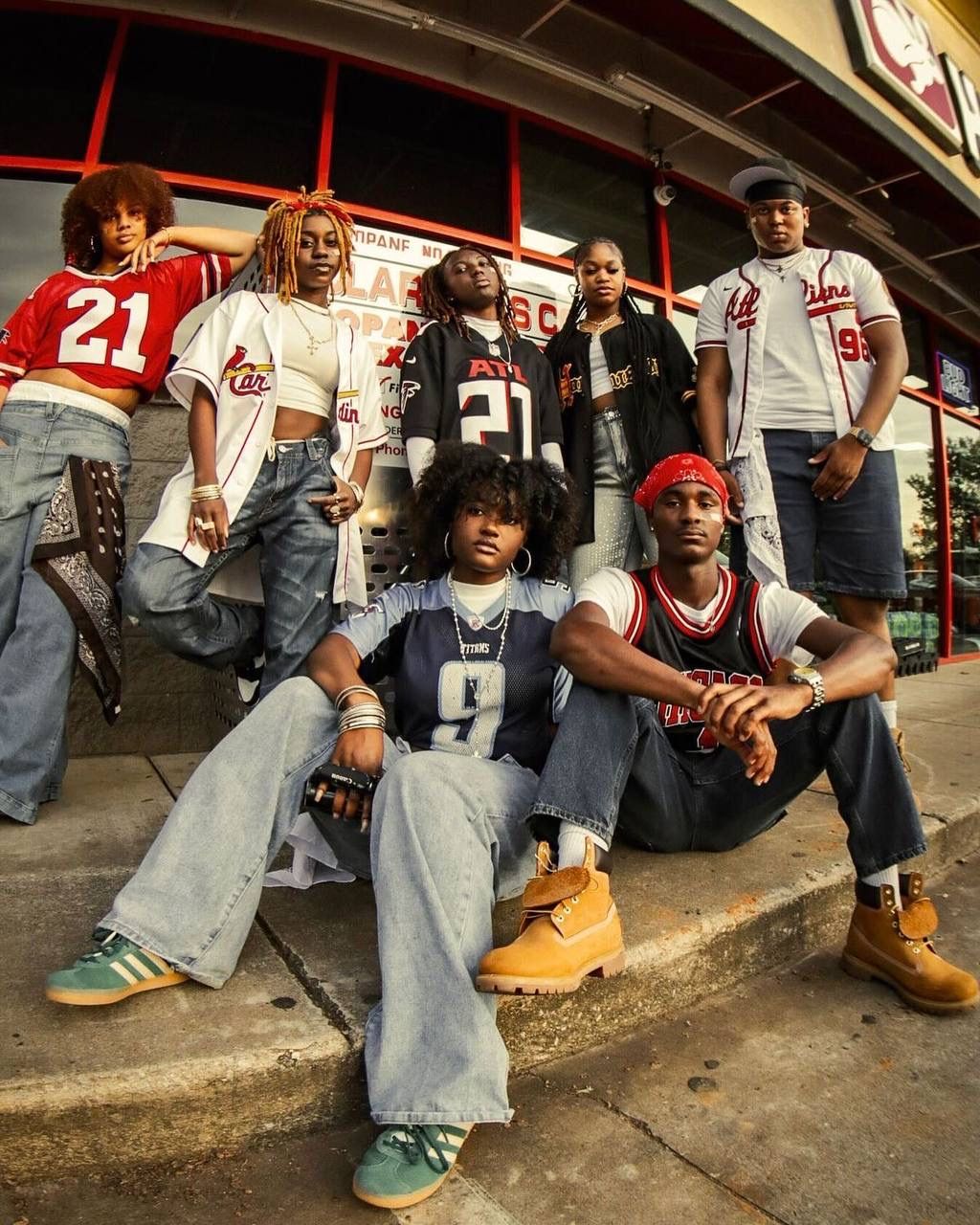
In a city where formal employment is limited and institutional pathways are uneven, presentation carries weight. In Monrovia’s nightlife, on university campuses, at commercial hubs like Broad Street and Carey Street, what you wear communicates before you speak. Fashion functions as personal branding, and young Liberians understand this with the precision of people who cannot afford to waste a first impression.
This is why second-hand markets are not a fallback. They are a skill set. Knowing how to source, select, and modify imported clothing into something that reads as current and original is a form of cultural competence. Economics drives creativity: when luxury consumption is out of reach, improvisation becomes the standard. Style emerges from constraint.
International media representations of African urban youth oscillate between poverty narratives and detached celebration. Monrovia streetwear fits neither frame. It is materially grounded and aspirationally charged at the same time. Liberian youth are not dressing despite their circumstances. They are dressing through them — making something specific and coherent from the resources available.
This tension between commerce, creativity, and cultural assertion runs through Liberian textile history as well, where fabrics like Country Cloth and Wax Print Lappa were never static heritage objects but active commercial and identity tools adapted across generations.
The broader direction is clear: African designers like Orange Culture and Kenneth Ize treat urban African experience as primary creative material. Monrovia’s streetwear scene operates by the same logic, without waiting for a runway to say so.
THE OMIREN ARGUMENT
Monrovia streetwear is not derivative. It is a Liberian-built fashion system that absorbed diaspora references, second-hand imports, and global music aesthetics — and converted all of them into something that answers to local experience, local economics, and local creative authority.
The persistent framing of African urban fashion as imitation is a category error. It assumes that cultural influence flows in one direction and that African youth are recipients rather than producers. Monrovia disproves that assumption every time a tailor reshapes an imported garment, every time a photographer turns a nightclub entrance into editorial, every time a young person builds an entire wardrobe identity from Waterside Market stock.
Liberian streetwear does not need Western recognition to be valid. Its value lies in the communities in Monrovia that have been assigning meaning to clothing for decades. That value precedes the coverage. It always has.
FREQUENTLY ASKED QUESTIONS
What is Monrovia streetwear?
Monrovia streetwear refers to the urban fashion culture developed by young people in Liberia’s capital city, influenced by music, second-hand clothing markets, tailoring culture, sportswear aesthetics, and social media visibility.
Why is streetwear important in Liberia?
Streetwear is important in Liberia because clothing serves as a form of identity, aspiration, creativity, and social visibility within urban culture. Fashion allows many young Liberians to express individuality and participate in wider cultural conversations despite economic challenges.
How did diaspora culture influence Monrovia fashion?
Diaspora movement between Liberia and countries such as the United States introduced sneaker culture, oversized silhouettes, sportswear aesthetics, and hip-hop influence into Monrovia’s urban fashion scene. Liberian youth later adapted those influences into locally specific streetwear culture.
Are local tailors important in Monrovia streetwear?
Yes. Tailors remain central to Monrovia streetwear because many young consumers customise, alter, and redesign garments locally. Tailoring helps transform imported clothing into personalised urban fashion styles suited to Liberian aesthetics.
How is Monrovia streetwear different from Western streetwear?
Monrovia streetwear differs because it developed through Liberia’s specific social realities, including post-war rebuilding, second-hand market economies, diaspora movement, local tailoring systems, and Afrocentric youth identity, rather than through luxury fashion culture alone.
EXPLORE MORE
Omiren Styles covers Afrocentric fashion, youth culture, textile heritage, and African creative industries through editorial focused on identity, labour, urban culture, and contemporary style movements. Explore more research-driven analysis at Omiren Styles.