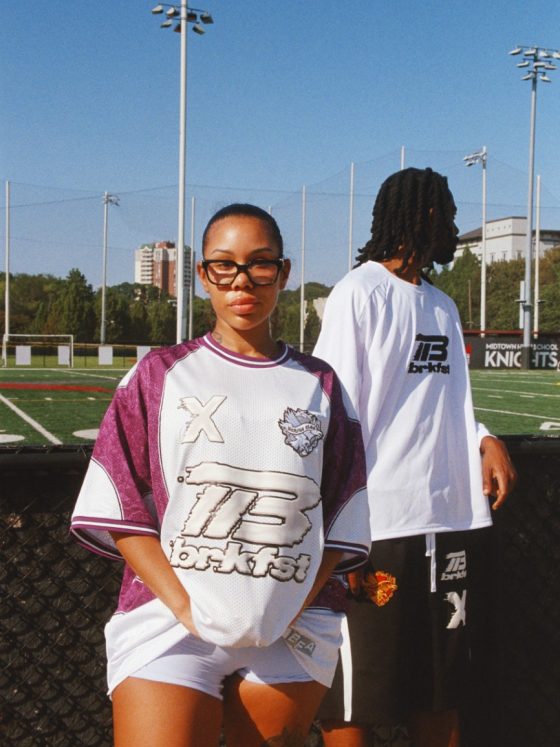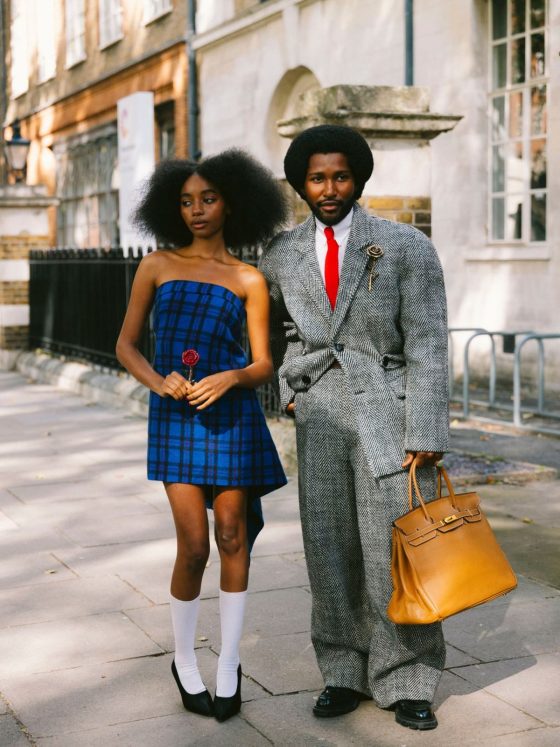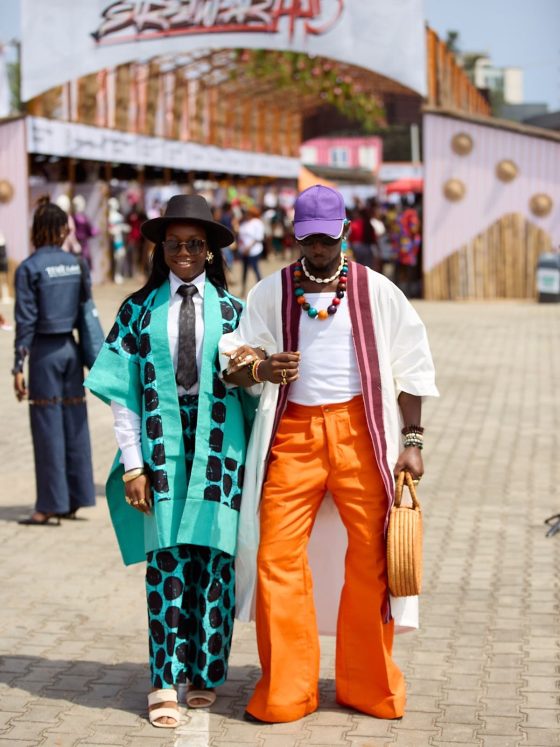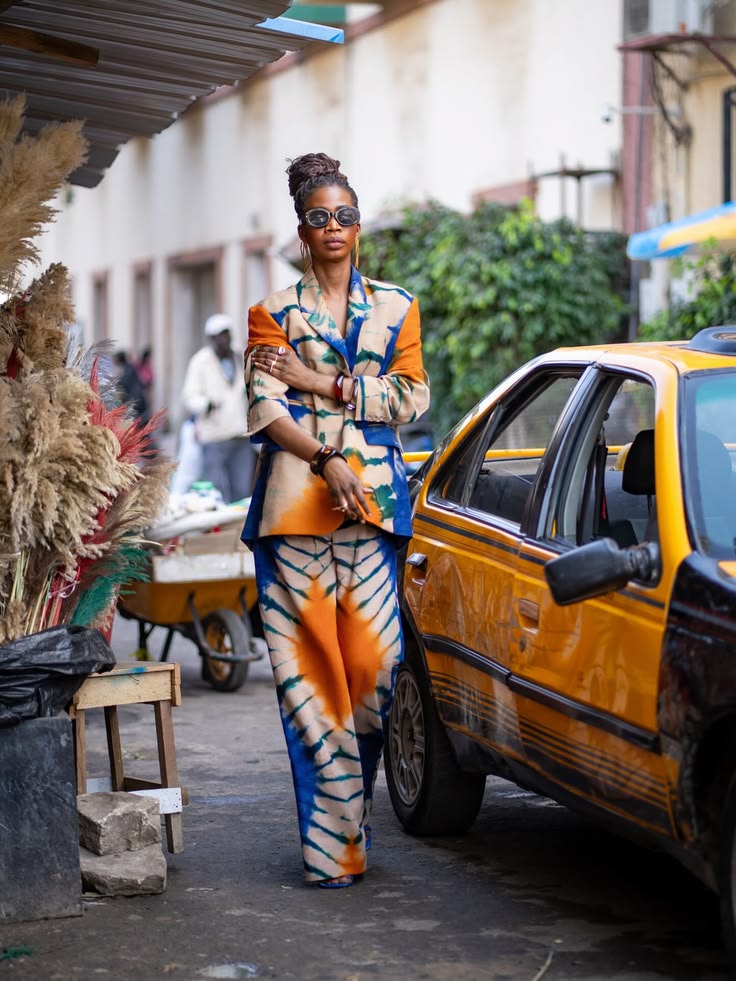
There is no Kigali moment in fashion, the way there is a Lagos moment or a Dakar moment. No single runway collection has gone globally viral. No Kigali designer has yet had the Met Gala instalment that Matthew Rugamba came closest to when Junior Nyong’o attended the Black Panther world premiere in a House of Tayo three-piece suit, and the brand’s website collapsed under international traffic within hours. That moment circulated. It was significant. But Kigali’s fashion identity was not built in that moment and did not depend on it. It was built steadily, without spectacle, through a combination of deliberate government policy, designers who chose cultural precision over trend acceleration, and a street culture that dresses with the kind of restraint that only comes from genuine confidence.
Walk through Kigali’s Kimihurura or Remera districts on a weekday afternoon. The dress code is not the city’s signature. The dress code is. Tailored linen separates in earth tones. Clean silhouettes. Occasionally, a jacket lapel bearing the geometric forms of Imigongo art. Footwear from Uzuri K&Y, the Rwandan shoe label that weaves braided leather using the country’s basket-weaving tradition. The city dresses as though it already knows who it is. That knowledge was not inherited. It was built.
Kigali is not trying to become Lagos. It is not trying to outpace Nairobi. It is not building toward a position on the continental fashion hierarchy defined by anyone else’s terms. That specific decision, made simultaneously across government, industry, and street culture, is what makes the city worth writing about at length.
Kigali built a fashion identity without volume, rivalry, or noise. Here is how Rwanda’s capital created one of the continent’s most precise dress cultures from the ground up.
Kigali Street Style and the Policy That Made It
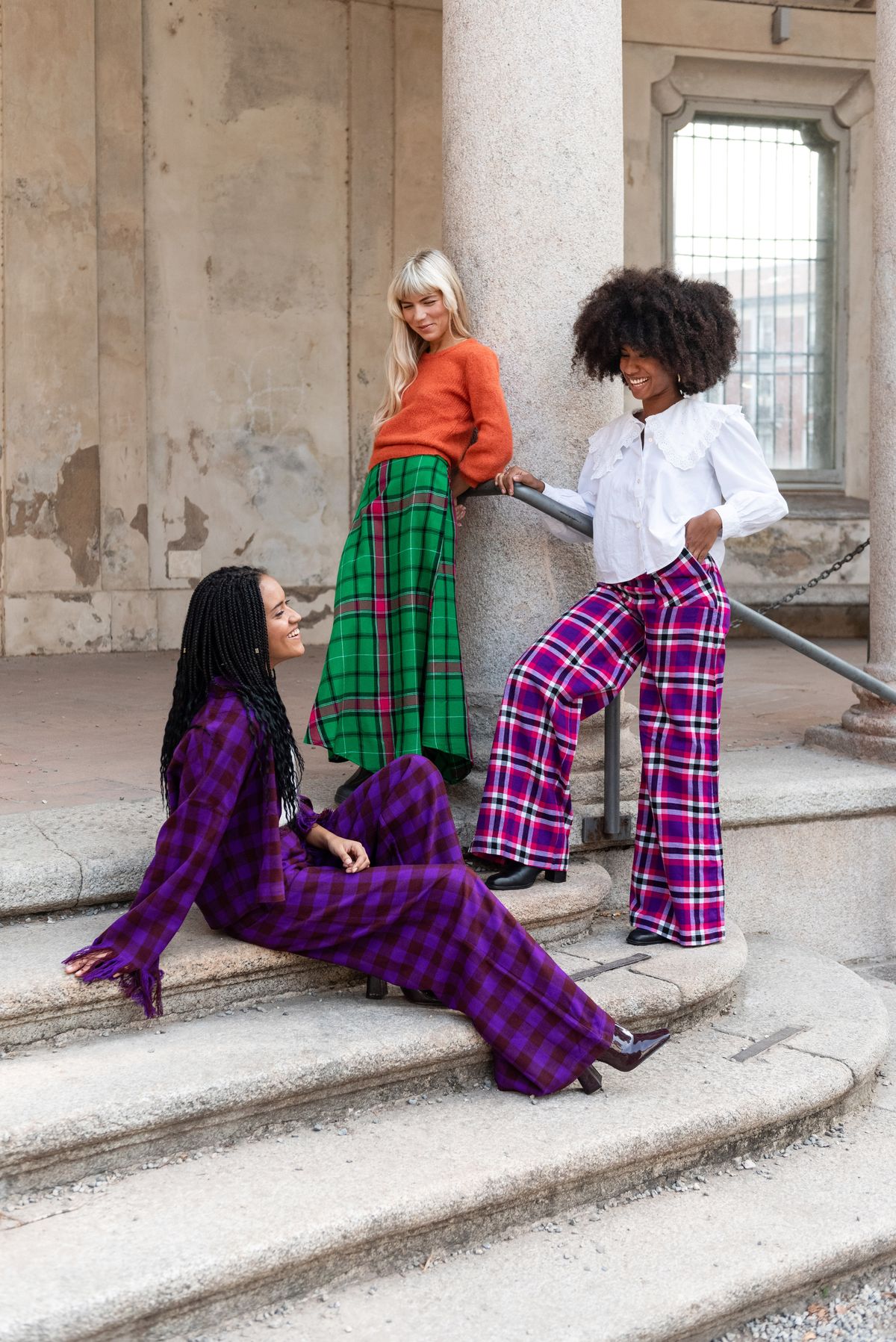
In 2016, Rwanda’s government made a decision that no other East African country had the political will to make. Import taxes on secondhand clothing, the mitumba trade that supplied most of the continent’s urban dress economies, were increased more than tenfold. The policy was designed explicitly to force local manufacturing. It generated international criticism and a trade dispute with the United States that briefly threatened Rwanda’s preferential trade status under AGOA. President Paul Kagame’s government held the position. The secondhand clothing market contracted. The local fashion industry grew into the space left by contraction.
The designers who benefited most were those who had already committed to local production. Joselyne Umutoniwase, founder of Rwanda Clothing, established in Kigali in 2012, now employs 45 full-time and over 50 part-time staff. Her design language draws from Imigongo art, the geometric painting tradition that uses cow dung and natural pigments and predates and survives colonisation. That specific visual vocabulary appears in her garments not as decoration but as structural identity. The policy created the economic conditions for that identity to sustain itself commercially. Without protected market space, local production of culturally specific garments cannot compete on price with imported secondhand clothing. Rwanda chose to protect the market. The market responded.
The government also allowed designers to import fabric tax-free, giving brands access to international textiles without the tariff burden that elsewhere makes premium local production economically unviable. The combination of import protection and material access subsidy is the policy infrastructure behind what the street presents as a natural aesthetic. It is not natural. It is the result of deliberate choices made at the highest level of government about what kind of country Rwanda would dress as.
The Designers Who Built the Street Before the Street Knew Their Names
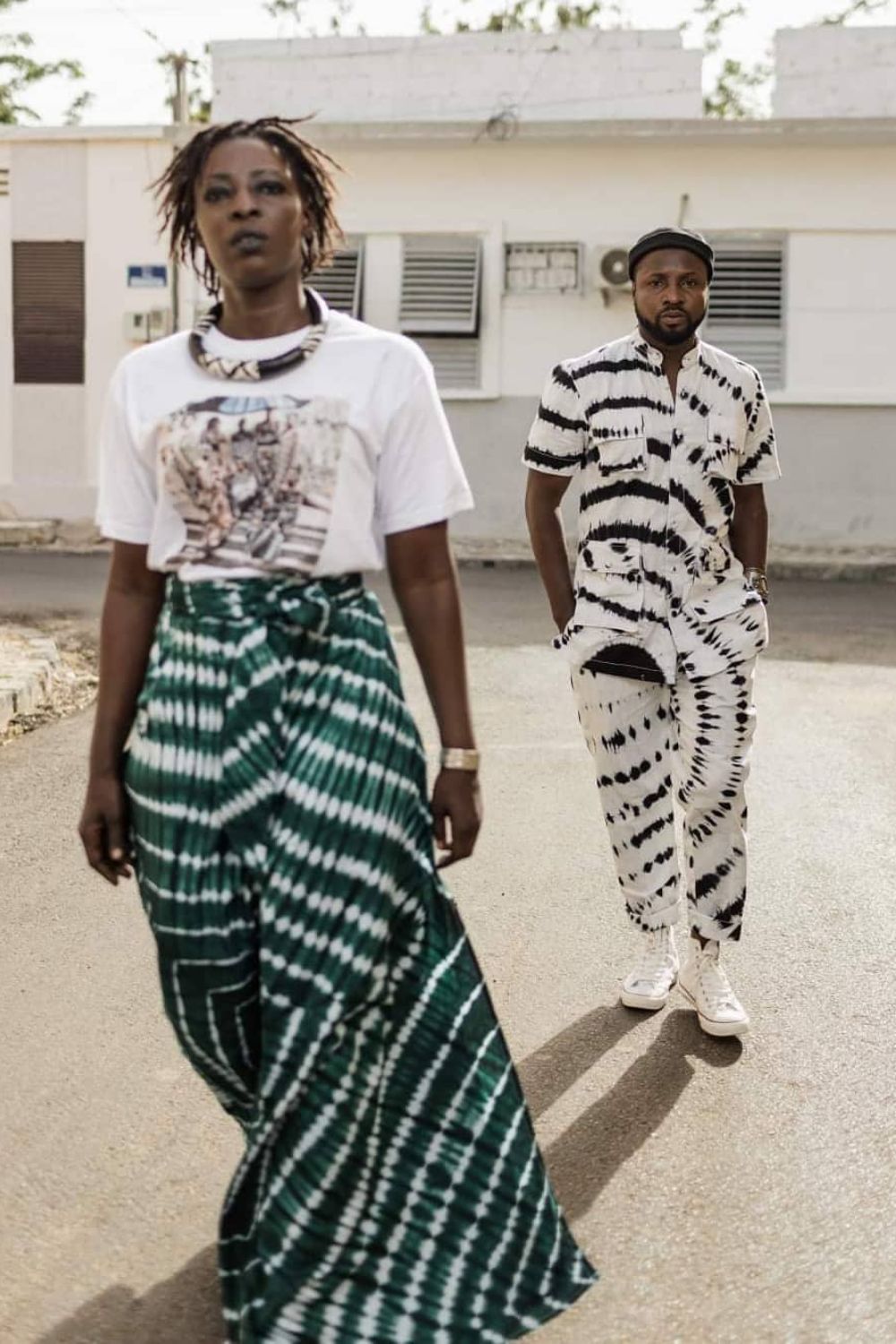
Moses Turahirwa founded Moshions in Kigali in 2015, trained in architecture before pivoting to fashion. The brand’s approach, documented in detail in the Omiren Styles Moshions profile, is built on three pillars: Rwandan cultural DNA as design source, precision tailoring as technical execution, and local economic participation as operating principle. Moshions does not use printed Ankara. It does not produce the visual shorthand most commonly associated with ‘African fashion’ in international editorial contexts. It produces garments that require you to know Rwanda’s cultural grammar to understand what they are saying fully. President Kagame has been photographed wearing Moshions. That is not a marketing strategy. It is the culture wearing itself.
Matthew Rugamba’s House of Tayo launched with a different register: African sophistication filtered through the tailoring discipline of British menswear and the visual energy of Motown-era American style. The Black Panther premiere moment did not create the brand. It revealed it to a global audience that had not been paying attention. Rugamba, who holds dual Rwandan and British nationality, built the label in Kigali precisely because he believed Kigali could produce work at the level international audiences associated only with European capital cities. The Black Panther moment confirmed that belief to everyone who had previously doubted it.
Linda Mukangoga’s Haute Baso takes a different position again: ethical production for the contemporary individual who wants garments that are simple, functional, and grounded in thoughtful design rather than conspicuous cultural signalling. Inzuki Designs, founded by designer Sina Matagi, works in jewellery and accessories, producing handmade pieces using local materials that translate traditional Rwandan craft into forms accessible to a global contemporary market. Uzuri K&Y, the shoemaking label founded by Alexandra Shimwe, crafts braided sandals inspired by Rwanda’s weaving traditions. When Shimwe started the brand eight years ago, she could not find skilled cobblers in the country. The genocide had created a skills deficit that entire industries had not recovered from. Shimwe trained her own workforce. Over 1,100 staff trained by her have since gone on to found their own labels, according to Africanews reporting. The brand did not just produce shoes. It produced a shoemaking industry.
Kigali does not dress to compete. It is dressed to mean something. That difference is the whole argument.
What Kigali’s Street Actually Looks Like
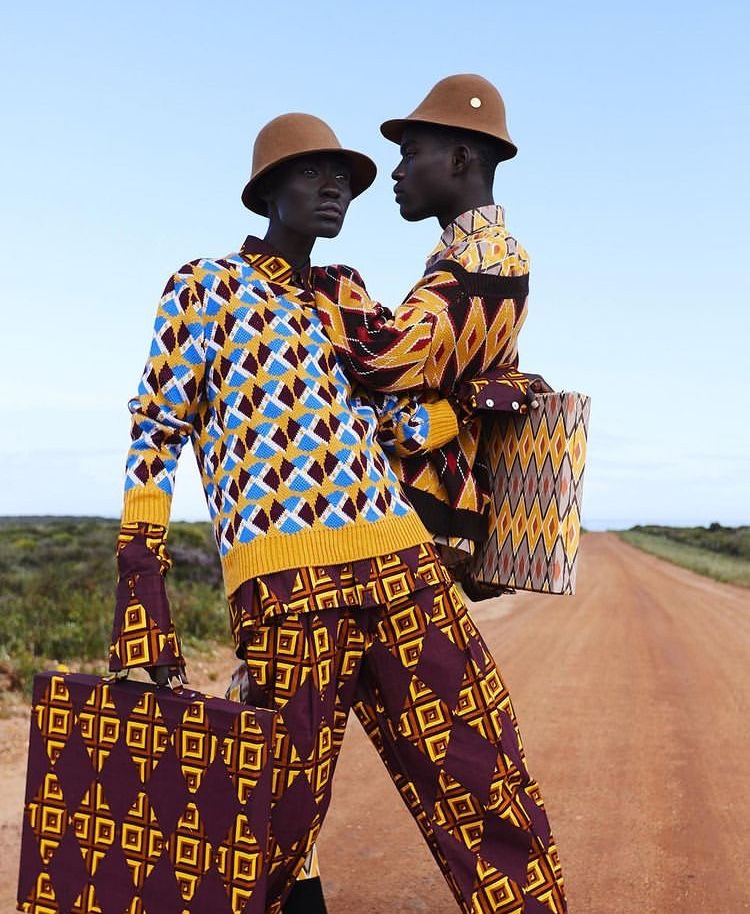
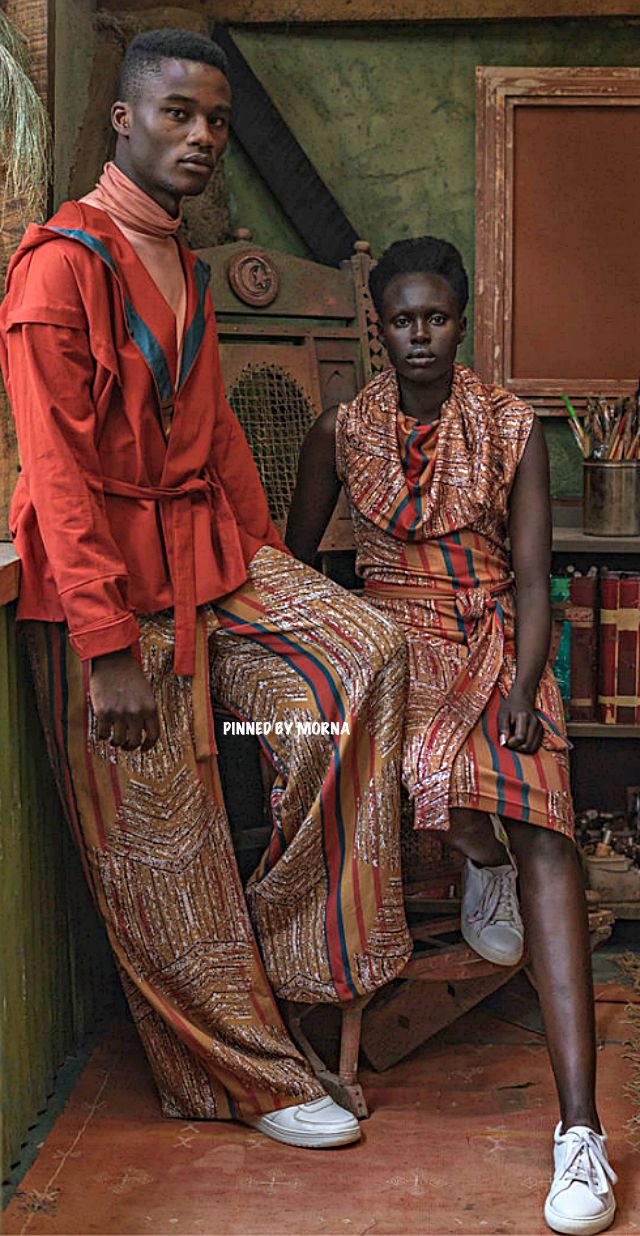
The street style that results from this ecosystem is quieter than Lagos, more deliberate than Accra, and less ceremonially anchored than Addis Ababa. Kimihurura, the district where Kigali’s diplomatic community, creative professionals, and younger entrepreneurs converge, produces a street register that is restrained. Tailored separates in neutral and earth tones—locally made leather. Clean footwear. The occasional printed fabric piece is worn with precise, minimal intent. Nothing is accidental. Nothing is loud for loudness’s sake.
This is not conservative dressing. It is considered dressing. The distinction matters. Conservative dress avoids risk. Considered dress makes choices and stands behind them without requiring external validation. The young professionals who fill Kigali’s coffee shops and co-working spaces in Kimihurura dress as though they have already answered the question of who they are. That settled quality is unusual in a city of its size and age. It comes from a design ecosystem that has spent a decade telling Kigali what it looks like from the inside, rather than importing that image from outside.
The Kigali Fashion Week, which runs annually and draws local and regional designers, operates at a smaller scale than Lagos Fashion Week or Accra Fashion Week. Its significance is not institutional scale. Its significance lies in its existence, its Rwandan identity, and its role as a formal annual reference point for a design community that does not need a fashion week to validate its work but benefits from the concentrated conversation it produces.
Also Read
- Lagos vs Accra: Two Cities, Two Dress Philosophies, One Contested Crown
- What Addis Ababa’s Street Style Owes to Its Fashion Week — and What It Doesn’t
- Nairobi Street Style: How Kenya’s Fashion Capital Builds Its Own Aesthetic Without Asking Permission
- Moshions: Kigali’s Brand Redefining Contemporary Rwandan Style
The Identity Kigali Has Built and What It Cost
Building a fashion identity without noise costs something. Rwanda’s import tax policy generated a real trade dispute—designers who chose local production over cheaper imported manufacturing absorbed real cost differentials. The secondhand clothing market, which had provided affordable dress options for low-income Rwandans, contracted, leaving a real affordability gap. The World Bank documented that over 80% of Rwanda’s population lives in rural areas. The designers whose work defines Kigali’s fashion identity are producing for a market that represents a small fraction of the country’s population. The aesthetic achievement does not resolve that tension. It is structural.
The honest account of Kigali’s fashion revolution includes this. The brands that make the city legible internationally, Moshions, House of Tayo, Rwanda Clothing, Haute Baso, are producing at price points accessible to expatriates, wealthy Rwandans, and international buyers. The street style that visitors observe in Kimihurura reflects an affluent, educated, cosmopolitan demographic. The question of what the city’s majority population wears and what their dress culture means is a different and less-told story. Kigali’s fashion identity is real. It is also partial.
The Omiren Argument
Kigali built a fashion identity through mechanisms that Lagos, Accra, and Nairobi either could not or chose not to deploy: a government willing to absorb international trade pressure to protect local manufacturing, a design community that refused the aesthetic shortcuts available to any city with access to printed Ankara and imported silhouettes, and a street culture that dresses as though its identity is settled rather than still being negotiated. The result is a city whose fashion conversation is quieter than its continental peers and more precise than almost any of them. That precision is not accidental. It is the product of choices that had real costs and produced real consequences.
What Kigali demonstrates for every African fashion city is that volume is not the only path to a credible identity. The cities most celebrated in international fashion editorial tend to be the loudest: the ones with the biggest fashion weeks, the most viral runway moments, the highest number of internationally placed designers. Kigali does not rank highly on any of those measures. It ranks extremely highly on the measure that matters more in the long run: cultural specificity. A fashion identity rooted in Imigongo geometry, precision tailoring, local leather craft, and government-protected manufacturing space is harder to replicate and harder to displace than one built on volume alone. Kigali dressed itself quietly. That quiet is going to last.
Frequently Asked Questions
What is Kigali’s fashion scene known for in 2026?
Kigali’s fashion scene is known for cultural precision, local manufacturing, and a restraint that distinguishes it from the higher-volume fashion cities of West Africa. Key labels including Moshions, House of Tayo, Rwanda Clothing, Haute Baso, Inzuki Designs, and Uzuri K&Y have built internationally recognised brands from Kigali without relocating to European capitals. The city’s street style reflects a settled cultural confidence, expressed through tailored silhouettes, locally made leather, and design references to Rwandan visual traditions, including Imigongo art.
How did Rwanda’s government policy shape Kigali’s fashion industry?
In 2016 and 2017, Rwanda multiplied import taxes on secondhand clothing by more than tenfold, effectively restricting the mitumba trade that had dominated East African urban dress economies. Simultaneously, the government allowed designers to import fabric tax-free. The combined effect created a protected market space for local manufacturers and reduced the material cost burden on designers choosing to produce domestically. The policy generated a trade dispute with the United States, but the government maintained it. Rwanda’s local fashion industry grew directly into the commercial space that the policy created.
Who are the key designers shaping Kigali’s fashion identity?
Moses Turahirwa of Moshions, founded in 2015, produces precision tailoring rooted in Rwandan cultural motifs. Matthew Rugamba of House of Tayo combines African identity with British tailoring discipline and has achieved international recognition, including the Black Panther premiere moment in 2018. Joselyne Umutoniwase of Rwanda Clothing, founded in 2012, incorporates Imigongo geometric patterns and employs over 45 full-time staff. Linda Mukangoga of Haute Baso produces ethical contemporary garments. Alexandra Shimwe of Uzuri K&Y builds footwear from Rwanda’s basket-weaving tradition and has trained over 1,100 workers who have since founded their own labels.
Is Kigali a major African fashion city?
Kigali does not rank among major African fashion cities by volume, fashion-week scale, or the number of internationally placed designers. It ranks as a significant African fashion city by cultural specificity, policy coherence, and the depth of creative identity its design community has built. The city’s fashion conversation is smaller than Lagos or Nairobi and more precise than almost any of them. For publications and buyers interested in what African fashion looks like when it operates from settled cultural authority rather than volume, Kigali is one of the continent’s most instructive cases.
What is Imigongo art, and how does it appear in Kigali fashion?
Imigongo is a Rwandan art form that uses geometric patterns painted with cow dung and natural pigments, predating colonisation and surviving it. The distinctive angular and spiral forms appear in fashion through designers such as Joselyne Umutoniwase of Rwanda Clothing, who incorporates Imigongo geometry into garment construction and surface design. The motif also appears on jacket lapels, accessories, and embellishment across the city’s broader design ecosystem. Its use in fashion is not decorative borrowing. It is the integration of a specific Rwandan visual language into contemporary dress.
Explore More
Omiren Styles covers street fashion across the continent at the depth it deserves. Read the full Street Fashion in Africa archive for ongoing coverage of how African cities build dress identities, what policy and culture each produce, and what it means when a city chooses precision over volume.