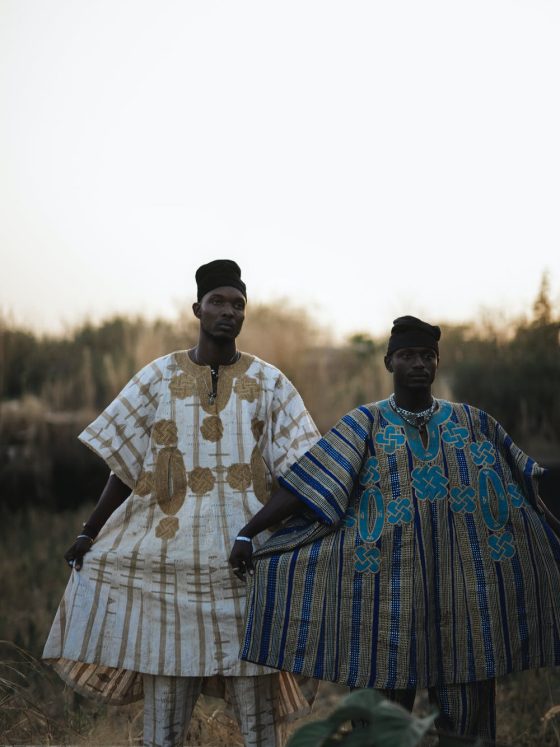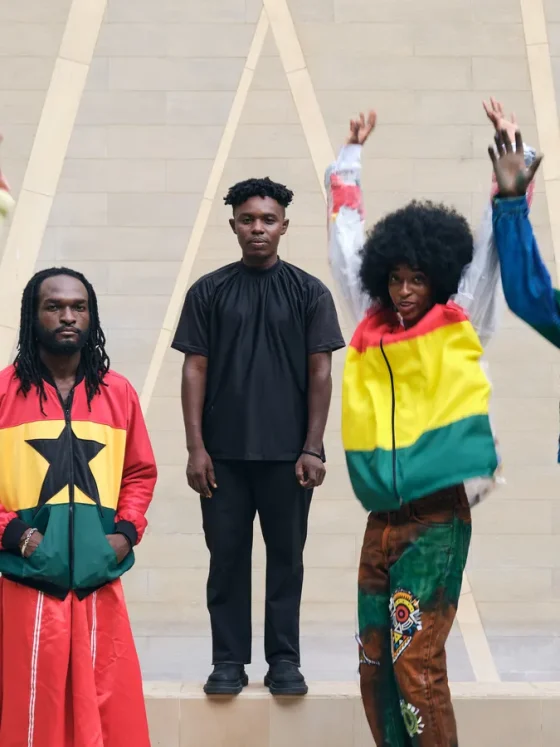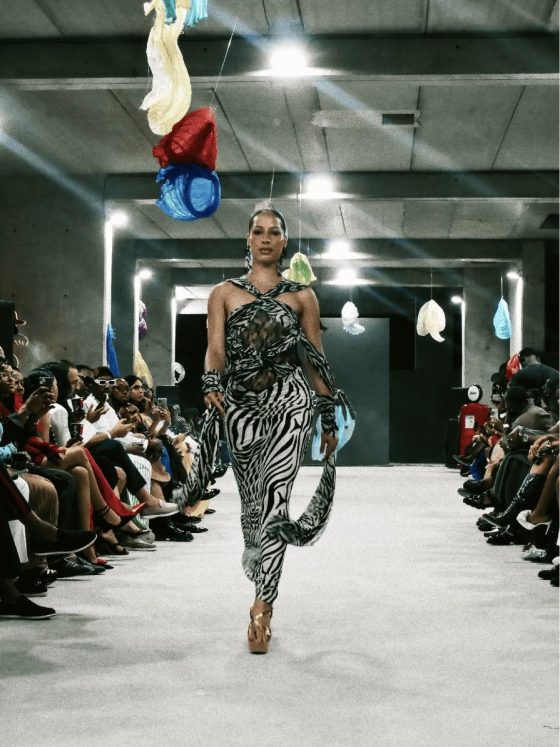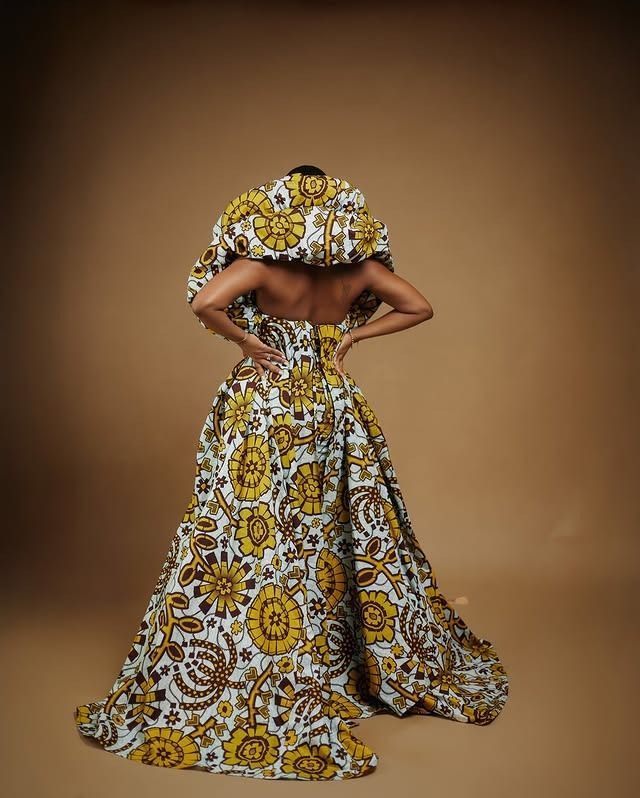
Every year, Business of Fashion and McKinsey & Company publish the State of Fashion. It is the report that the global fashion industry runs on. Senior executives quote it in board meetings. Investment analysts read it before deploying capital. Fashion schools assign it at the start of the term. It sets the terms of the conversation for the twelve months that follow. It is also a report that has never, in ten editions, treated Africa as a primary subject. The continent appears in its pages as a frontier market, a sourcing option, an emerging opportunity. Never as the centre. Never is the point from which the industry’s most important questions are being asked and answered.
The State of African Fashion 2026 begins from a different premise. Africa is the centre. The 54 nations of the continent, together with the diaspora networks that extend its commercial and creative reach into London, New York, Toronto, and Paris, constitute the primary subject of this report. Its purpose is to do what no institution currently does at scale: produce rigorous, continent-wide intelligence on African fashion’s designer output, retail performance, investment flows, and diaspora commerce, and publish that intelligence as the foundation on which the industry’s next decisions are made.
The State of African Fashion 2026 tracks designer output, retail performance, investment flows, and diaspora commerce across 54 African nations. Omiren Styles builds the intelligence the industry has always needed.
Why This Report Must Exist and Who It Is For
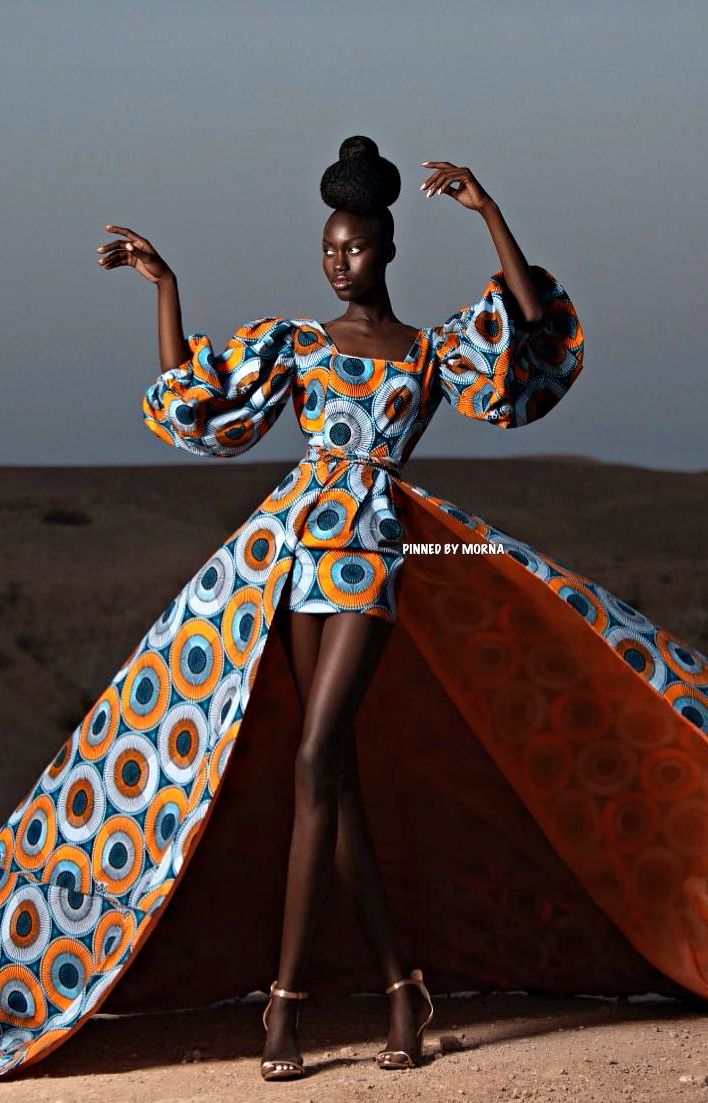
Africa’s apparel market reached US$73.59 billion in revenue in 2025. The continent’s fashion exports exceed US$15 billion per year according to UNESCO, and could triple within a decade if designers and brands benefit from a structured ecosystem and proper support. Africa’s e-commerce fashion market reached US$6.53 billion in 2025 and is growing at 7.96% annually. The IFC estimates that the continent’s e-commerce market could grow by US$14.5 billion between 2025 and 2030, with fashion among its fastest-growing categories. Thirty-two African countries have now held specialised fashion weeks. Over 80% of the workforce in the African fashion sector is women, making it one of the most consequential sectors for female economic empowerment across the continent.
These figures represent an industry that is functioning, growing, and commercially significant. They do not represent an industry with a recurring intelligence platform commensurate with its scale. The designers who drive this industry make sourcing decisions without comparative cost benchmarks. Brands that are scaling internationally do so without reliable consumer segmentation data for the markets they enter. The investors who are beginning to look at African fashion seriously have no structured annual review of the sector’s performance against which to measure their assessment. The governments designing creative economy policy have no sector-specific baseline from which to measure progress. The State of African Fashion 2026 is built to answer all of these needs simultaneously.
Designer Output: The Creative Engine Across 54 Nations
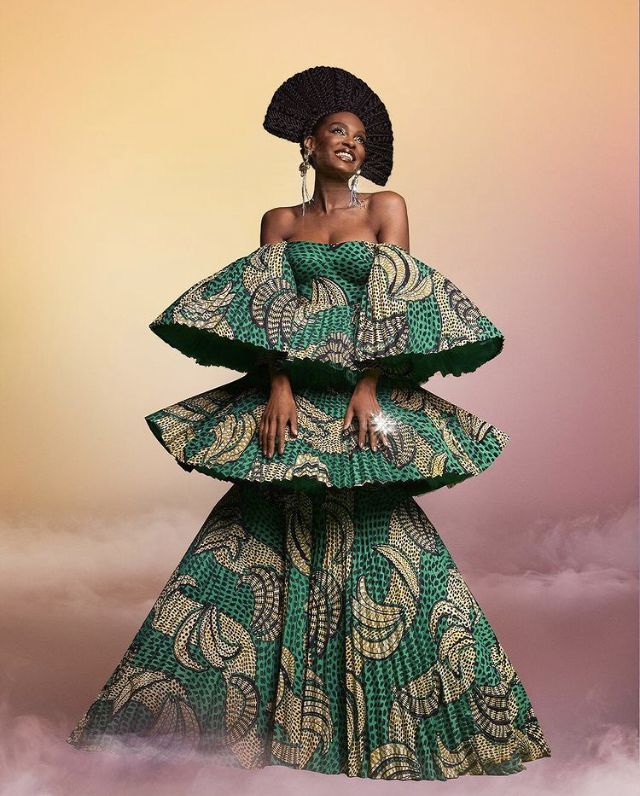
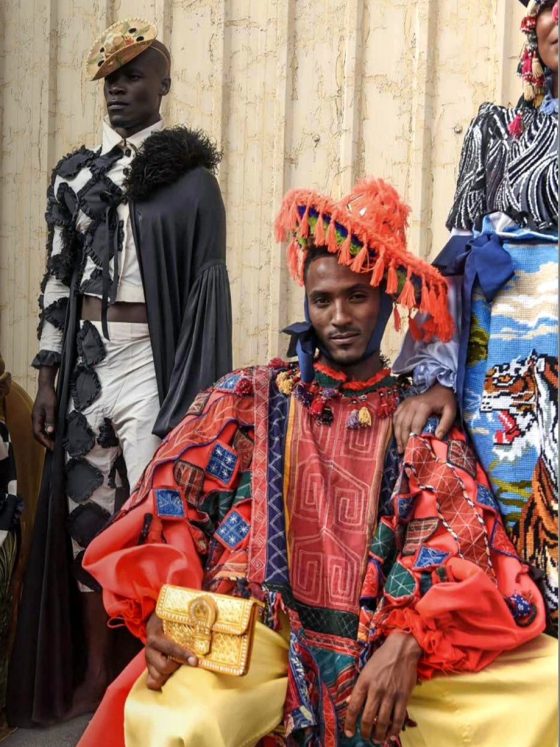
The most visible evidence of African fashion’s creative momentum in 2025 and 2026 is also its most selectively reported dimension. Global fashion media focuses on the designers who have broken through to international stockists and red-carpet placements: Tolu Coker, Thebe Magugu, Sevon Dejana, Orange Culture’s Adebayo Oke-Lawal, MMUSOMAXWELL, Christie Brown. These names matter. They are not, however, the full picture of Africa’s design output in 2026.
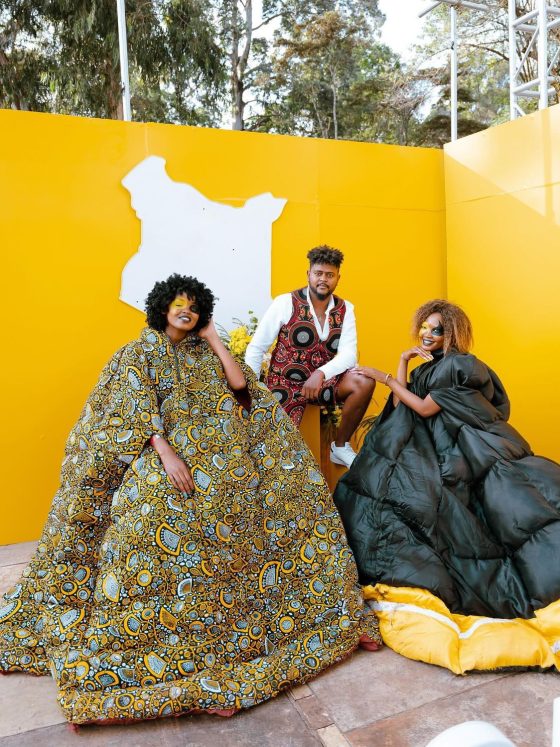
Collaborative collections between African designers and global brands increased by 50% between 2021 and 2023, according to industry tracking data. Africa Fashion Up, the Paris-based initiative dedicated to African designers, received over 300 applications for its 2025 edition, nearly double the previous year’s figure, demonstrating that the pipeline of serious design talent seeking international recognition is expanding faster than the infrastructure to support it. Dakar has established itself as a fashion and art capital. Lagos continues to function as West Africa’s primary creative industry hub. Nairobi, Accra, Abidjan, Cape Town, and Addis Ababa are each producing design output that is commercially significant within their regional markets and increasingly visible in diaspora markets abroad.
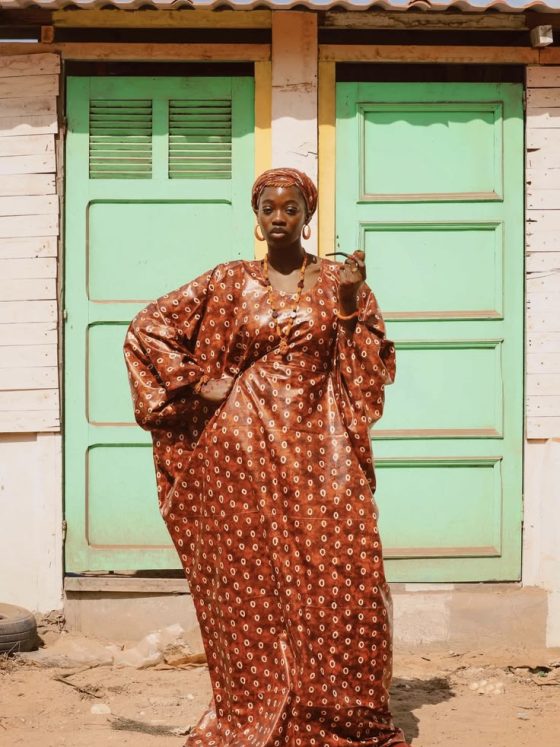
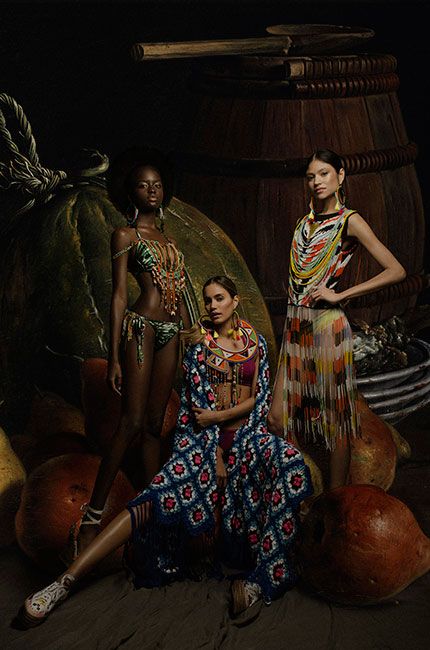
What this data does not capture is the performance of the thousands of designers and fashion businesses operating below the threshold of international visibility: the Ankara tailors in Kano who have moved to e-commerce; the wax-print houses in Dakar that are supplying both local markets and diaspora buyers in Paris; the beadwork and heritage textile producers in East and Southern Africa whose output feeds both ceremonial and commercial demand. A continent-wide intelligence framework must account for all of these, not just the names that have already attracted Western editorial attention.
Across 54 nations, Africa’s fashion industry is generating real revenue, real employment, and real creative authority. The intelligence to match that reality does not yet exist. This is the report that builds it.
Retail Performance: What the Numbers Show and What They Miss
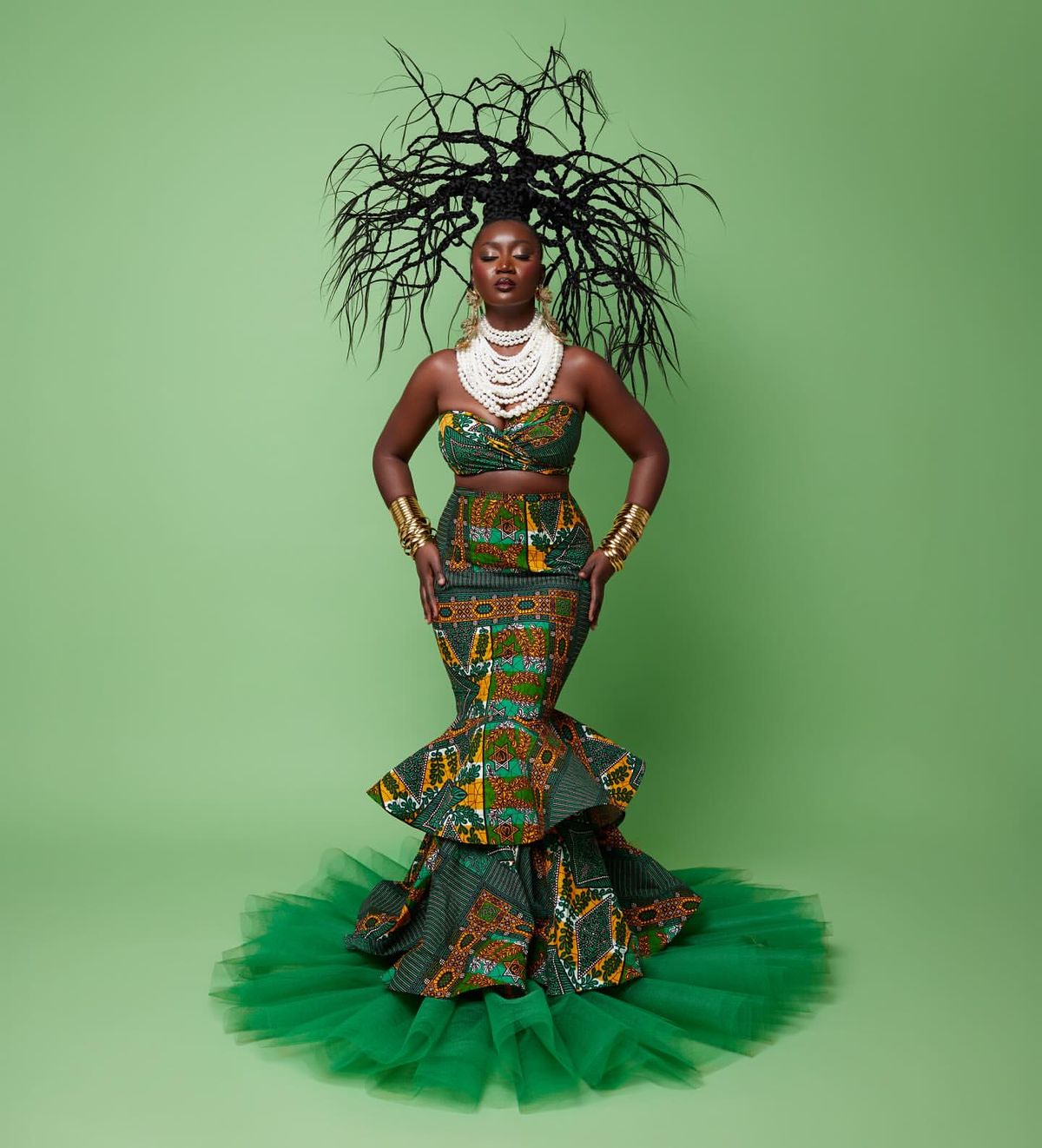
South Africa leads organised retail across Sub-Saharan Africa, with an apparel market valued at US$8 billion. Its e-commerce fashion market alone was valued at US$964 million in 2024, the largest online fashion market in the region. Nigeria’s fashion industry contributes approximately 0.47% to its national GDP, a figure that significantly understates the sector’s real economic contribution because it excludes the substantial informal tailoring and textile markets. West Africa’s fashion market as a whole stood at US$19.25 billion in 2023. Egypt’s apparel market reached approximately US$17 billion in the same year and is projected to grow at a 5.53% CAGR through 2028, supported by a fully integrated textile value chain and a sustained export pipeline to European markets.
The retail story across Africa in 2026 is not uniform. It is regional, fragmented, and, in several key markets, being disrupted by the same forces that are disrupting retail globally. Shein and Temu were the most-downloaded fashion-related apps in South Africa in 2023 and 2024, respectively, introducing pricing pressure and shifts in consumer behaviour that local designers and retailers are now navigating. Kenya’s second-hand clothing market, known as Mitumba, saw imports of US$218.2 million in the year ending March 2024, a 14.5% year-on-year increase, exerting structural downward pressure on locally produced fashion and creating complex dynamics for the retail operators who serve the same consumer base.
A continent-wide retail intelligence framework must distinguish between the organised retail story, the e-commerce story, and the informal market story. They are not the same story.
At the same time, mobile retail is reshaping the consumer landscape faster than fixed retail infrastructure can respond. Mobile money is used by 70% of apparel consumers in Kenya for fashion transactions. Nigeria’s e-commerce penetration in fashion is expected to reach 40% as mobile-first shopping becomes the norm for urban consumers. The African Development Bank projects that by 2025, consumer spending across the continent will surpass US$2 trillion, with fashion and textiles accounting for a substantial share of discretionary spending. These are not emerging-market projections. They are the operating environment that African fashion retailers are navigating right now.
Investment Flows: Who Is Committing Capital and What They Are Getting
The most consequential institutional development in African fashion investment in the current period is the entry of Cairo-based Afreximbank as an active funder of the sector. The bank runs a US$2 billion creative industries fund supporting export-focused initiatives. It has co-financed the construction of industrial parks in Nigeria, Benin, and other countries that house textile mills and garment factories. It funds an export market access programme for select African designers, underwriting the cost of trade shows and showrooms in Paris and other international markets, including a Paris pop-up for Ghanaian brand Boyedoe and Nigerian brand Wuman. It facilitates pitching sessions where designers present to angel investors. This represents a structural intervention that goes beyond visibility: it is building the commercial infrastructure through which African fashion can scale.
The IFC has also moved into direct investment in African apparel manufacturing. In January 2025, the IFC extended a US$15 million package to Kenya’s Royal Apparel EPZ to build an EDGE-certified factory, create 3,700 jobs, and adopt renewable energy infrastructure. In November 2024, the IFC loaned US$8 million to DTRT Apparel in Ghana to expand capacity and pilot recycled-fibre spinning. These are not soft commitments. They are hard capital deployed at the production end of the fashion supply chain, creating the manufacturing infrastructure that designer brands depend on when they scale beyond artisanal production.
What remains structurally absent is a dedicated private investment fund with a pan-African fashion mandate. The existing institutional capital is largely development-finance-led, meaning it is oriented toward employment creation and infrastructure rather than toward the brand equity, retail expansion, and intellectual property development that designer businesses need to grow. The State of African Fashion 2026 tracks both what investment is flowing and where the critical gaps between available capital and actual market need are most acute.
ALSO READ
- Africa’s $70 Billion Apparel Market Has No Editorial Authority: Why That Changes Now
- The African Fashion Investment Deficit: $70 Billion in Market Activity With No Dedicated Intelligence Infrastructure
- The Global South Fashion Alliance: Why Africa, the Caribbean, and Latin America Must Build Intelligence Together
Diaspora Commerce: The Revenue Stream African Fashion Cannot Afford to Measure Loosely
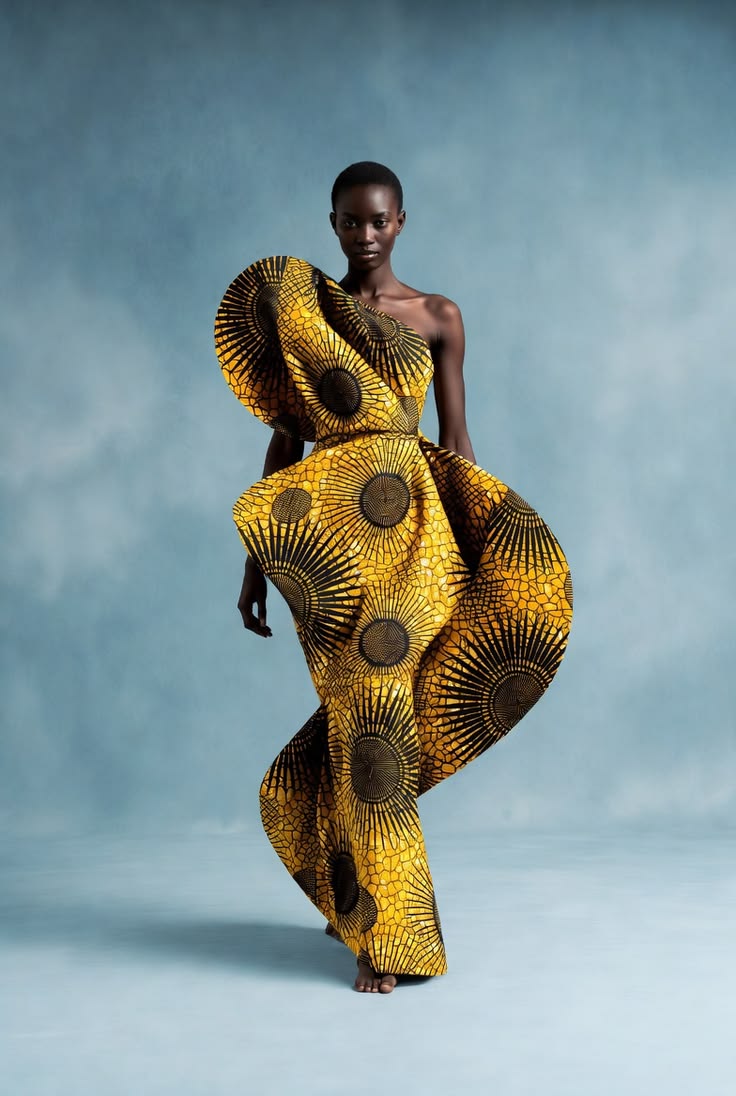
The African diaspora is one of the most commercially consequential but least precisely measured dimensions of the continent’s fashion economy. Fifty-five per cent of the African diaspora in the UK purchase at least one item of African-branded apparel per year, according to industry data compiled in 2026. Diaspora buyers in London, New York, and Toronto are driving demand for collections that reflect their lived experience and cultural identity, purchasing both directly from African designers and through international stockists, such as Ssense, Nordstrom, and Moda Operandi, that have begun carrying African brands. Christie Brown’s heritage-print collections specifically attract diaspora buyers in the US and the UK. The demand for African textiles and prints has driven Western and Asian luxury brands to actively seek out African partnerships, with global luxury brands increasing references to African prints in their collections by 15% since 2019.
Diaspora commerce is not simply a sales channel. It is an intelligence signal. The collections that perform well in diaspora markets indicate which design languages, which textile traditions, and which cultural narratives have the broadest commercial reach. The Brookings Institution’s Foresight Africa 2026 report on Africa’s creative economy identifies diaspora engagement as essential to the scaling of African creative goods, noting that the creative industries require the diaspora to invest in and consume African creative output as part of a broader strategy for Africa’s ownership and monetisation of its cultural renaissance. The State of African Fashion tracks diaspora commerce as a primary data category, not as a supplementary indicator of continental performance.
The Methodology: What Makes This Report African-First
The BoF-McKinsey State of Fashion is built on a global fashion executive survey, proprietary data from fashion industry participants, and McKinsey’s macroeconomic modelling capability. It produces authoritative global intelligence. It is not designed to produce African-first intelligence, and it does not do so. Its Africa coverage is structured around the questions that global fashion executives ask about Africa, which are not the same as those that African fashion executives, designers, investors, and policymakers are asking about their own industry.
The State of African Fashion 2026 is structured around the questions that the African fashion industry is asking about itself. It tracks designer output by region, not just by the names that have achieved international visibility. It measures retail performance across organised, e-commerce, and informal market channels, not just the segments that generate data in the formats international analysts are used to reading. It identifies investment flows by type of capital and by the specific needs of the businesses receiving it, not just by total volume. It measures diaspora commerce as a primary economic category, not as a cultural footnote. And it publishes all of this annually, creating a consistent data record that enables year-on-year analysis, trend identification, and strategic planning.
The absence of an annual State of African Fashion report is not a market failure. It is a structural decision that has been made repeatedly and by default by the institutions that define which industries are measured and which are not. When an industry is not measured, it is not taken seriously by capital, policy, or the global institutions that determine which markets receive investment, infrastructure, regulatory support, and institutional credibility. Africa’s fashion industry has spent decades proving its creative and commercial worth in the absence of the measurement infrastructure needed to make that worth legible to the institutions that deploy capital and build the policy frameworks the industry needs. That absence ends with this report.
Omiren Styles publishes the State of African Fashion as an annual flagship edition because the continent’s fashion industry generates the revenue, the employment, the creative output, and the diaspora commerce to justify a full institutional intelligence framework built around it, and because no other publication has built that framework from inside the continent on African-first terms. UNESCO estimates that the global market for African-inspired fashion could grow by 25% with stronger IP protection. Africa’s fashion exports could triple within a decade with a structured support ecosystem. The intelligence infrastructure to measure, narrate, and amplify that growth is not a supplementary service to the industry. It is one of the industry’s most urgent structural needs. This report is that infrastructure, published annually, built to last, and answers to Africa and no one else.
Frequently Asked Questions
What is the State of African Fashion 2026?
The State of African Fashion 2026 is Omiren Styles’ annual flagship intelligence report that covers the fashion industries across all 54 African nations. It tracks four primary data categories: designer output, retail performance, investment flows, and diaspora commerce. It is published as both a premium editorial report and an accompanying series of articles on omirenstyles.com. It is designed to be the authoritative annual reference for everyone who makes strategic decisions within or around the African fashion industry.
How large is the African fashion industry in 2026?
Africa’s apparel market reached US$73.59 billion in revenue in 2025. Sub-Saharan Africa’s apparel and footwear market is valued at US$31 billion and is projected to reach US$50 billion by 2030. Africa’s fashion exports exceed US$15 billion per year according to UNESCO, and the continent’s e-commerce fashion market reached US$6.53 billion in 2025. These figures span organised retail, e-commerce, and formal export channels and do not fully capture the informal tailoring and textile market, which is substantial across West and East Africa.
How does the State of African Fashion differ from the BoF-McKinsey State of Fashion report?
The BoF-McKinsey State of Fashion is a global industry report built on the priorities and data sources of the global fashion establishment, headquartered in London and New York. It covers Africa as a peripheral market within a global narrative. The State of African Fashion is built on African-first data sources and structured around the questions that African designers, investors, retailers, and policymakers are asking about their own industry. It covers the continent’s 54 nations across all market segments, including the informal economy that global reports consistently undercount.
What is the role of diaspora commerce in the African fashion economy?
Diaspora commerce is one of the most commercially significant and least precisely measured dimensions of the African fashion economy. Fifty-five per cent of the African diaspora in the UK purchase at least one item of African-branded apparel per year. Diaspora buyers in London, New York, and Toronto are driving demand for African collections. They are a primary reason why African designers are achieving placements at international retailers such as Ssense, Nordstrom, and Moda Operandi. The State of African Fashion tracks diaspora commerce as a primary data category in every annual edition.