Menu
  • African Style
    • Designers & Brands
    • Street Fashion in Africa
    • Traditional to Modern Styles
    • Cultural Inspirations
  • Fashion
    • Trends
    • African Fashion Designers
    • Afro-Latin American Designers
    • Caribbean Designers
    • Street Style
    • Sustainable Fashion
    • Diaspora Connects
  • Beauty
    • Skincare
    • Makeup
    • Hair & Hairstyle
    • Fragrance
    • Beauty Secrets
  • Lifestyle
    • Culture & Arts
    • Travel & Destination
    • Celebrity Style
    • Luxury Living
    • Home & Decor
  • News
    • Cover Stories
    • Designer Spotlight
    • Fashion Weeks
    • Style Icons
    • Rising Stars
    • Opinion & Commentary
  • Women
    • Women’s Style
    • Health & Wellness
    • Workwear & Professional Looks
    • Evening Glam
    • Streetwear for Women
    • Accessories & Bags
  • Shopping
    • Fashion finds
    • Beauty Picks
    • Gift Guides
    • Shop the Look
  • Events
    • Fashion Week Coverage
    • Red Carpet & Galas
    • Weddings
    • Industry Events
    • Omiren Styles Special Features
  • Men
    • Men’s Style
    • Grooming Traditions
    • Menswear Designers
    • Traditional & Heritage
    • The Modern African Man
  • Diaspora
    • Designers
    • Culture
  • Industry
    • Insights
    • Investment
    • Partnerships
    • Retail
    • Strategy
Subscribe
OMIREN STYLES OMIREN STYLES

Fashion · Culture · Identity

OMIREN STYLES OMIREN STYLES OMIREN STYLES OMIREN STYLES
  • Africa
  • Women
  • Men
  • Fashion
  • Beauty
  • Lifestyle
  • Diaspora
  • Industry
  • News
  • Women's Style

The Uniform as Symbol: Why Powerful Women Are Returning to Signature Dressing

  • Fathia Olasupo
  • March 17, 2026
The Uniform as Symbol: Why Powerful Women Are Returning to Signature Dressing
Total
0
Shares
0
0
0

In a world where fast fashion and constant trends dominate, many women are turning to signature dressing, a deliberate, almost uniform-like approach to personal style. From CEOs to creative directors, this method of dressing is not about restriction; it is a tool of empowerment.

The uniform signals consistency, authority, and identity. By wearing thoughtfully chosen, repeated ensembles, women eliminate daily indecision while communicating confidence and cultural literacy. Every garment becomes intentional, every combination purposeful.

Across African, Caribbean, and diaspora contexts, signature dressing has deeper significance. It is a way of anchoring professional authority while asserting cultural identity, allowing women to navigate global spaces without compromising their roots.

Powerful women are redefining style through signature uniforms. Explore how consistent dressing communicates authority, culture, and personal identity.

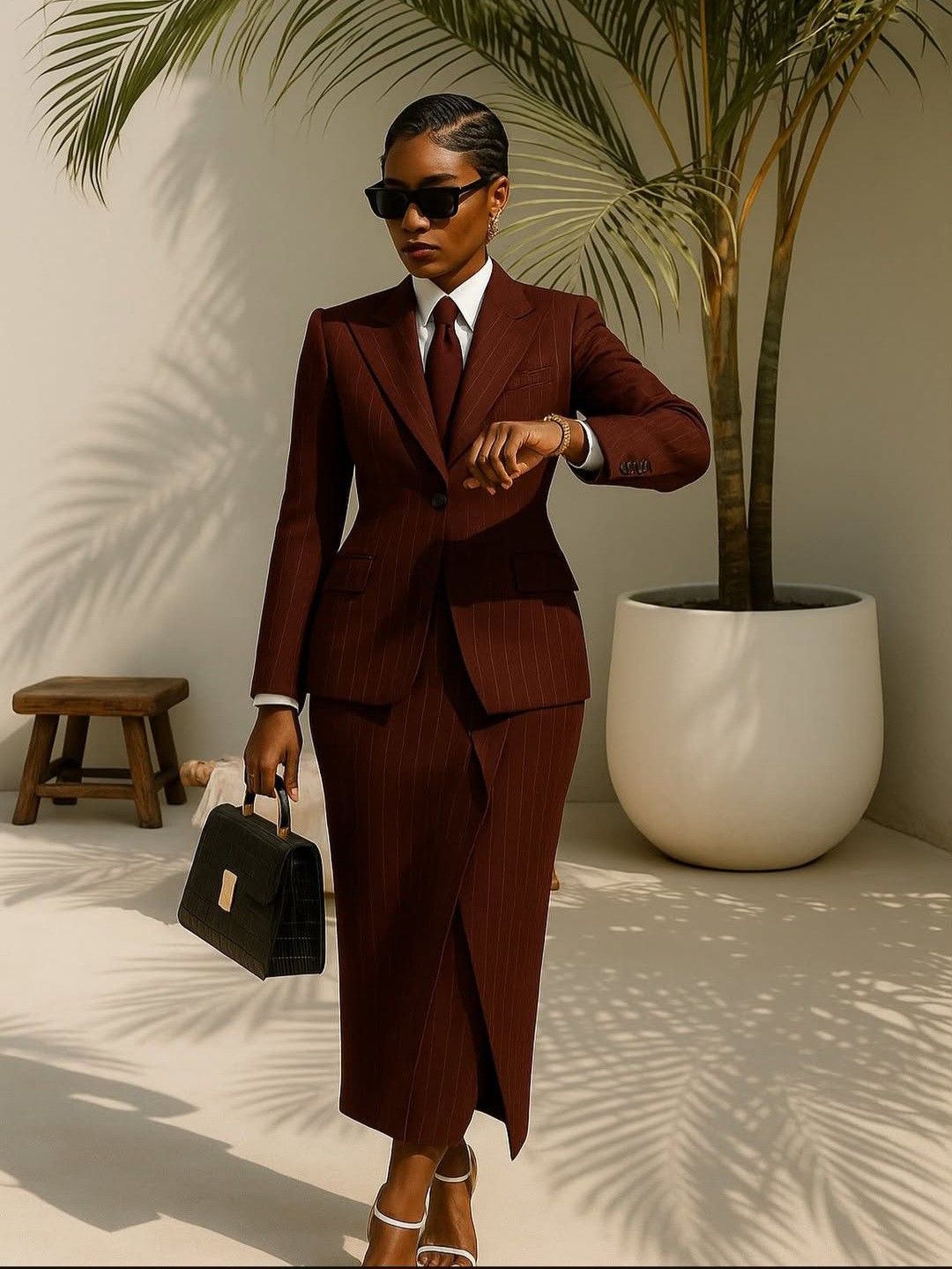
The Historical Power of the Uniform
The Historical Power of the Uniform

Uniforms have historically been a sign of power and social clarity:

  • African queens and female leaders used ceremonial attire and patterned wrappers to denote rank, authority, and lineage.
  • In the diaspora, clothing choices became coded expressions of resilience, ambition, and cultural pride.
  • European history offers examples such as the tailored suits worn by early 20th-century suffragettes, which projected seriousness in male-dominated spaces.

Today’s powerful women adopt similar principles but adapt them to contemporary contexts: repeating signature ensembles, curating limited wardrobes, and combining functionality with heritage-inspired pieces.

Signature Dressing as a Tool of Agency

The uniform is not about monotony. It is about agency, focus, and visibility:

  1. Eliminates trivial choices: simplifying daily decisions frees mental energy for leadership, creativity, and innovation.
  2. Strengthens personal brand: Repeated, recognisable styles communicate authority, intentionality, and consistency.
  3. Signals cultural literacy: Integrating heritage fabrics, patterns, and textures roots the wardrobe in identity while engaging global aesthetics.

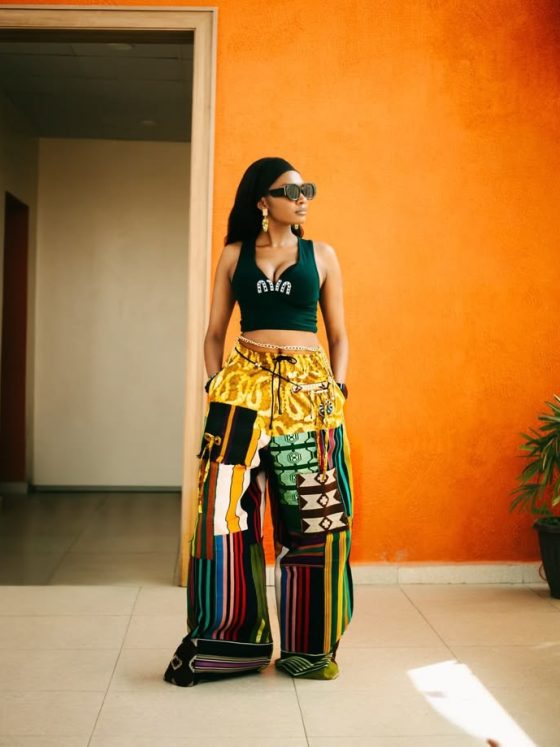
For example, a Lagos-based entrepreneur may favour handwoven Ewe Kente skirts paired with minimalist jackets, creating a look that is both culturally grounded and executive-ready. Similarly, Caribbean creatives might integrate hand-dyed cotton or batik prints in neutral silhouettes to express lineage while maintaining professional polish.

READ ALSO:

  • Why the Fabric You Choose Is the Most Important Fashion Decision You Will Ever Make
  • The Politics of Luxury Fashion: Who Gets to Wear What and Who Decides

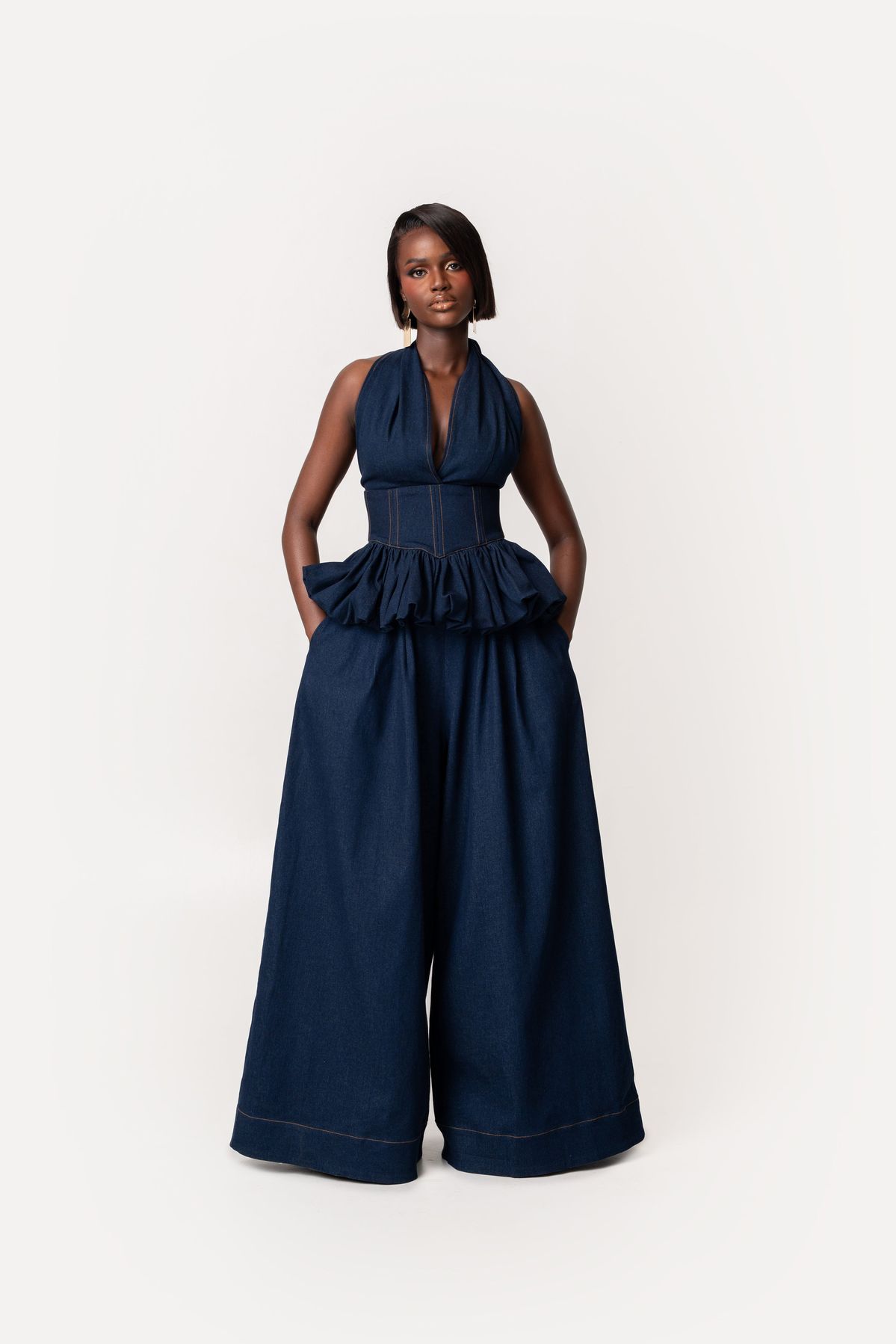
Beyond Fashion: The Cultural Implications
Beyond Fashion: The Cultural Implications

Signature dressing carries political and cultural weight. It challenges colonial and Western-centric norms of professional style by prioritising garments and fabrics that carry meaning. A well-curated uniform communicates that African, Caribbean, or Latin American heritage is not ornamental; it is authoritative.

By repeating culturally significant pieces, women reclaim wardrobe authority in spaces that often undervalue non-Western aesthetics. Their style becomes a silent yet undeniable declaration of presence, knowledge, and intent.

The Psychology of Uniforms

Psychological research shows that having a signature style can enhance confidence, reduce decision fatigue, and establish credibility. For women navigating high-stakes environments, these benefits are amplified: the uniform functions as an extension of professional strategy and personal narrative.

When combined with culturally rooted textiles or artisan-made pieces, the effect is transformative. It communicates sophistication, intentionality, and cultural fluency simultaneously.

The Future of Signature Dressing
The Uniform as Symbol: Why Powerful Women Are Returning to Signature Dressing


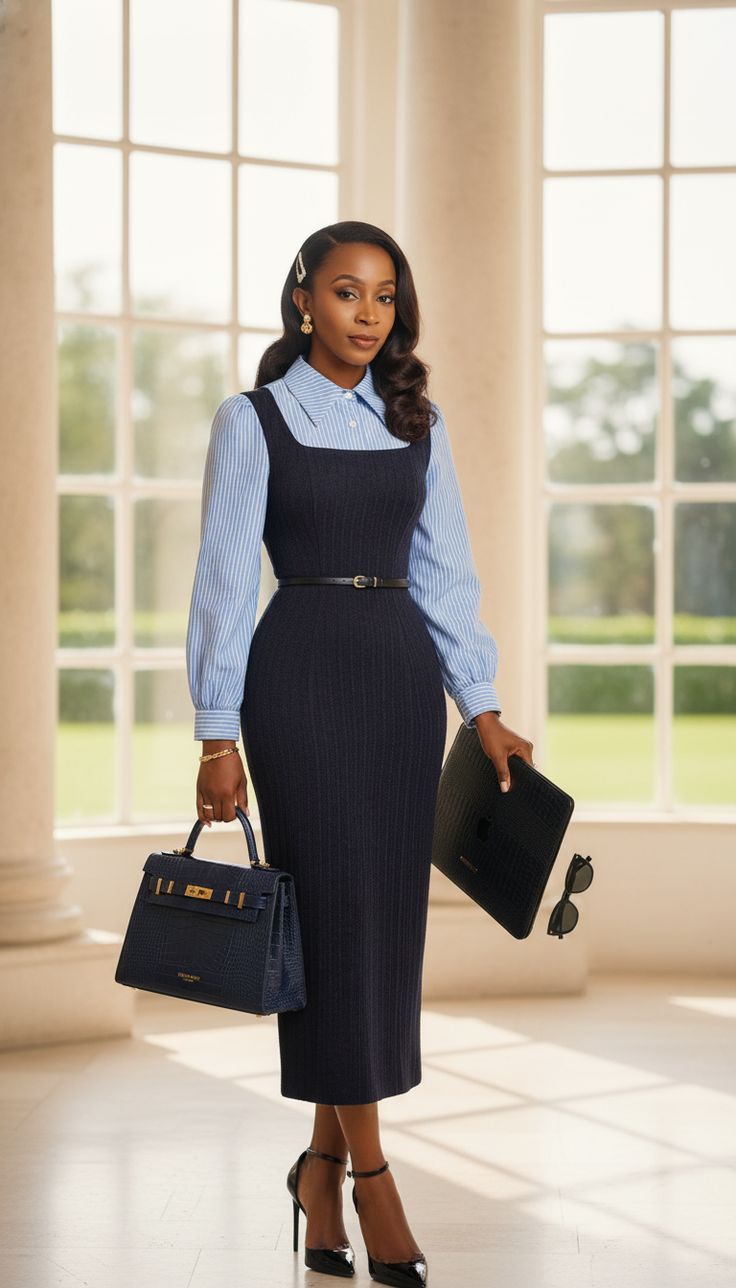
As global fashion becomes increasingly saturated, the power of the uniform will continue to rise. Designers and wardrobe consultants are helping women curate capsule wardrobes that respect heritage, align with professional ambition, and provide adaptability for global contexts.

Ultimately, signature dressing is not about conformity. It is about clarity, consistency, and cultural expression. Powerful women are not just dressing to impress; they are dressing to assert identity, claim authority, and create a lasting visual legacy.

FAQs

  1. What is signature dressing for powerful women?

Signature dressing involves creating a consistent, intentional wardrobe that communicates authority, identity, and professionalism.

  1. How does uniform dressing empower women?

Uniform dressing reduces decision fatigue, enhances confidence, and strengthens a personal brand while reflecting cultural identity.

  1. Can African and diaspora fabrics be part of professional uniforms?

Yes. Handwoven textiles, batik, and traditional prints can be integrated into contemporary professional wardrobes to convey heritage and authority.

  1. Why are CEOs and leaders adopting signature dressing?

Consistent style allows leaders to focus their mental energy on work, project authority, and maintain a recognisable personal brand.

  1. How does signature dressing challenge Western fashion norms?

By incorporating heritage fabrics and repeated culturally meaningful garments, women assert cultural authority and redefine professional style standards globally.

Post Views: 147
Total
0
Shares
Share 0
Tweet 0
Pin it 0
Related Topics
  • Personal Style Identity
  • signature dressing women
  • Women Power Dressing
Fathia Olasupo

olasupofathia49@gmail.com

You May Also Like
Top 5 Wax Print Styles for Baoulé Women in 2026
View Post
  • Women's Style

Top 5 Wax Print Styles for Baoulé Women in 2026

  • Rex Clarke
  • April 17, 2026
Dressed for Power: How African Women in Politics Turn Clothing Into a Political Language
View Post
  • Women's Style

Dressed for Power: How African Women in Politics Turn Clothing Into a Political Language

  • Philip Sifon
  • April 16, 2026
Why Some Clothes Are Kept Forever: The Emotional Value of What We Wear
View Post
  • Opinion & Commentary
  • Women's Style

Why Some Clothes Are Kept Forever: The Emotional Value of Clothing

  • Fathia Olasupo
  • April 10, 2026
Maternity Fashion in Africa: Celebrating the Changing Body, Challenging the Invisible
View Post
  • Cultural Inspirations
  • Women's Style

Maternity Fashion in Africa: Celebrating the Changing Body, Challenging the Invisible

  • Philip Sifon
  • April 10, 2026
Top 5 Tie-Dye Styles for Mandinka Women in 2026
View Post
  • Traditional to Modern Styles
  • Women's Style

Top 5 Tie-Dye Styles for Mandinka Women in 2026

  • Rex Clarke
  • April 9, 2026
Why Personal Style Takes Time: Identity, Memory, and Power
View Post
  • Opinion & Commentary
  • Women's Style

Why Personal Style Takes Time: Identity, Memory, and Power

  • Heritage Oni
  • April 7, 2026
Dressing for Transition: How Style Evolves When Your Life Is Changing
View Post
  • Trends
  • Women's Style

Dressing for Transition: How Style Evolves When Your Life Is Changing

  • Fathia Olasupo
  • March 30, 2026
View Post
  • Women's Style

The Omiren Woman’s Friday Reset: Luxury Rituals for a Powerful Weekend Release

  • Faith Olabode
  • March 14, 2026

Leave a Reply Cancel reply

Your email address will not be published. Required fields are marked *

The Omiren Argument

African fashion and culture are not emerging. They are foundational. We document, interpret, and argue for the full cultural weight of African and diaspora dress. With precision. Without apology.

Omiren Styles Fashion · Culture · Identity

All 54 African Nations
Caribbean · Afro-Latin America
The Global Diaspora

Platform

  • About Omiren Styles
  • Our Vision
  • Our Mission
  • Editorial Pillars
  • Editorial Policy
  • The Omiren Collective
  • Campus Style Initiative
  • Sustainable Style
  • Social Impact & Advocacy
  • Investor Relations

Contribute

  • Write for Omiren Styles
  • Submit Creative Work
  • Join the Omiren Collective
  • Campus Initiative
Contact
contact@omirenstyles.com
Our Reach

Africa — All 54 Nations
Caribbean
Afro-Latin America
Global Diaspora

African fashion intelligence, in your inbox.

Editorial features, designer profiles, cultural commentary. No noise.

© 2026 Omiren Styles — Rex Clarke Global Ventures Limited. All rights reserved.
  • Privacy Policy
  • Editorial Policy
  • Terms of Use
  • Accessibility
Africa · Caribbean · Diaspora
The Omiren Argument

African fashion and culture are not emerging. They are foundational. We document, interpret, and argue for the full cultural weight of African and diaspora dress. With precision. Without apology.

Omiren Styles Fashion · Culture · Identity
  • About Omiren Styles
  • Our Vision
  • Our Mission
  • Editorial Pillars
  • Editorial Policy
  • The Omiren Collective
  • Campus Style Initiative
  • Sustainable Style
  • Social Impact & Advocacy
  • Investor Relations
  • Write for Omiren Styles
  • Submit Creative Work
  • Join the Omiren Collective
  • Campus Initiative
Contact contact@omirenstyles.com

All 54 African Nations · Caribbean
Afro-Latin America · Global Diaspora

African fashion intelligence, in your inbox.

Editorial features, designer profiles, cultural commentary. No noise.

© 2026 Omiren Styles
Rex Clarke Global Ventures Limited.
All rights reserved.

  • Privacy Policy
  • Editorial Policy
  • Terms of Use
  • Accessibility
Africa · Caribbean · Diaspora

Input your search keywords and press Enter.