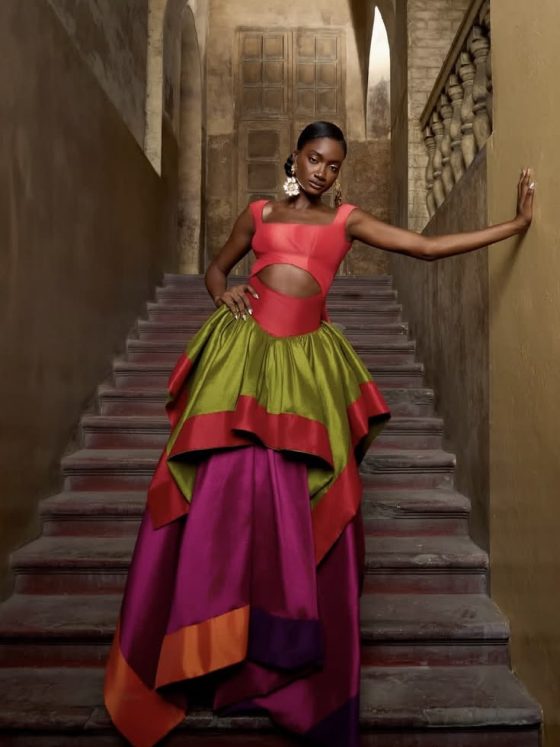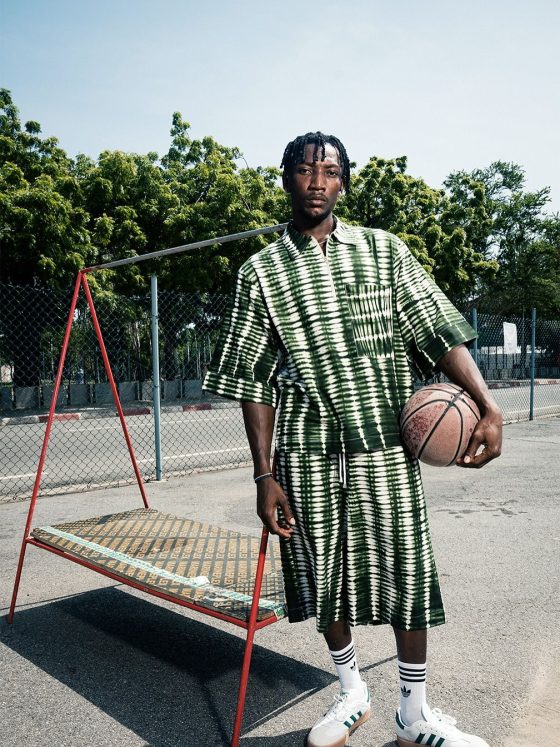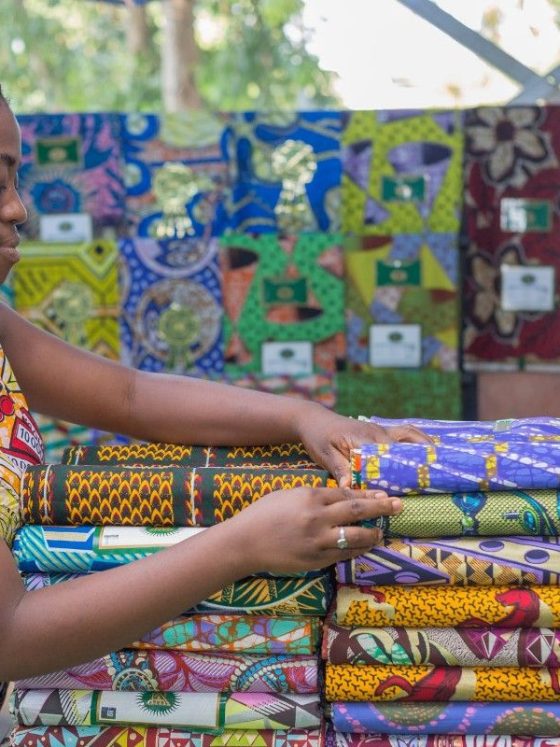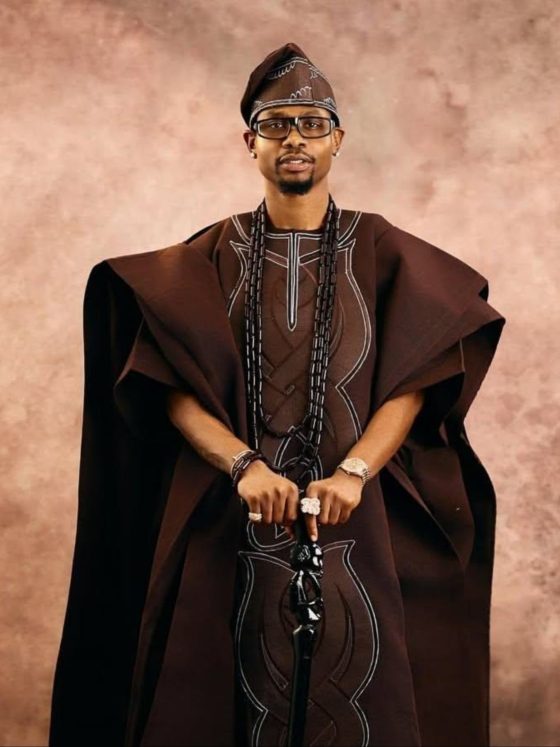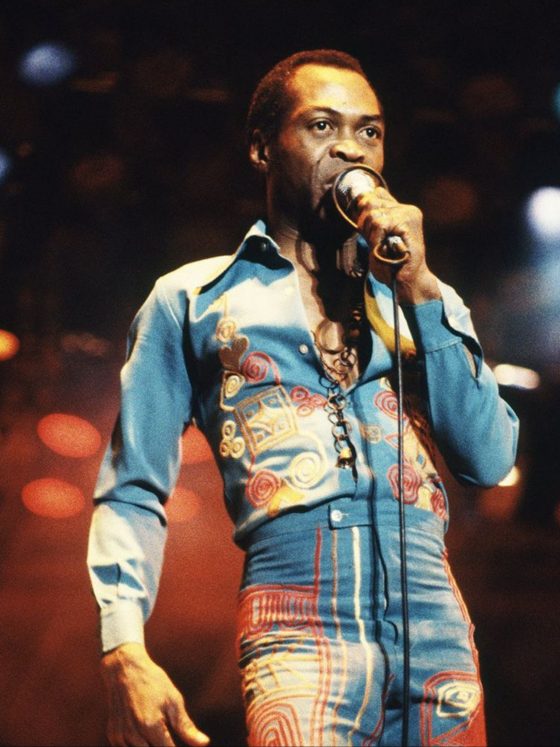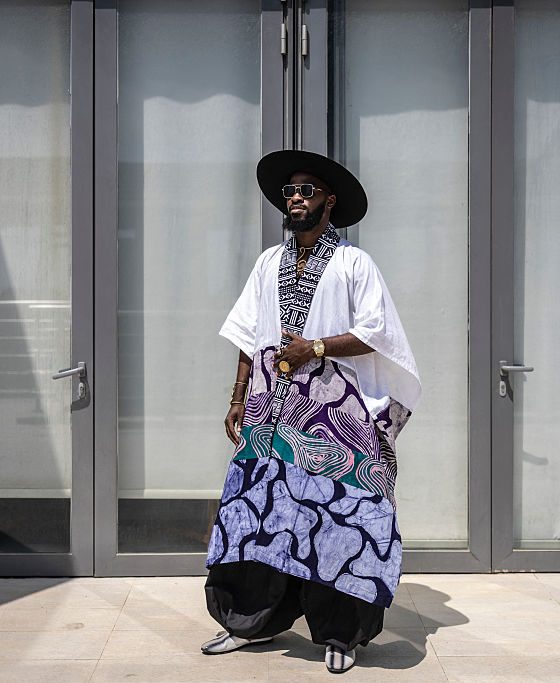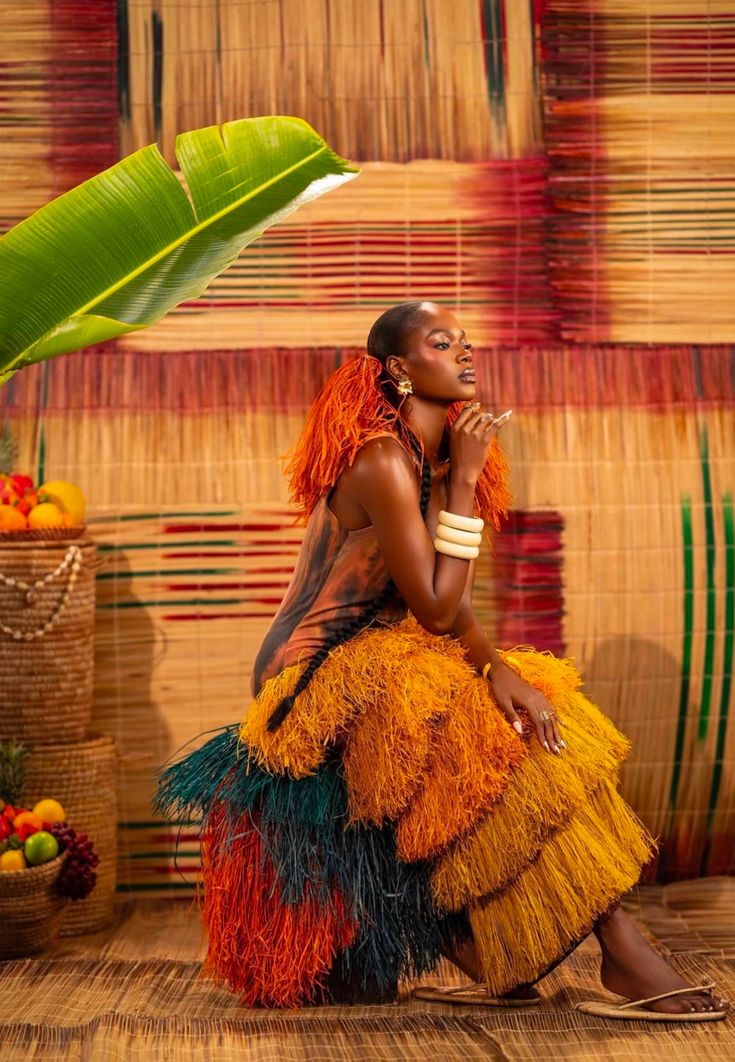
Belonging, at its most precise, is not always spoken.
It is recognised.
In the tilt of a silhouette. In the way the fabric falls just off the shoulder. In proportions that feel intentional, even when they appear instinctive. There is a moment—fleeting, almost imperceptible—when you see someone and understand something about them without needing language.
Not who they are, exactly.
But where are they coming from?
Style, in this sense, is not decoration.
It is orientation.
From runway to street, discover how style builds community, shapes identity, and creates belonging across borders in today’s global fashion culture.
The Precision of Recognition
There is a particular kind of recognition in fashion.
It happens in the details most people overlook. A sleeve cut slightly longer than expected. Trousers that break differently at the ankle. The deliberate tension between tailoring and ease—the kind often seen in collections that favour movement over rigidity.
These are not arbitrary.
They are informed. By what has been seen before. By references absorbed over time into the runway, the street, and memory until they become instinct.
When these details appear in unfamiliar places, they carry something with them.
A trace.
And for those attuned to it, that trace is enough.
Dressing in Translation
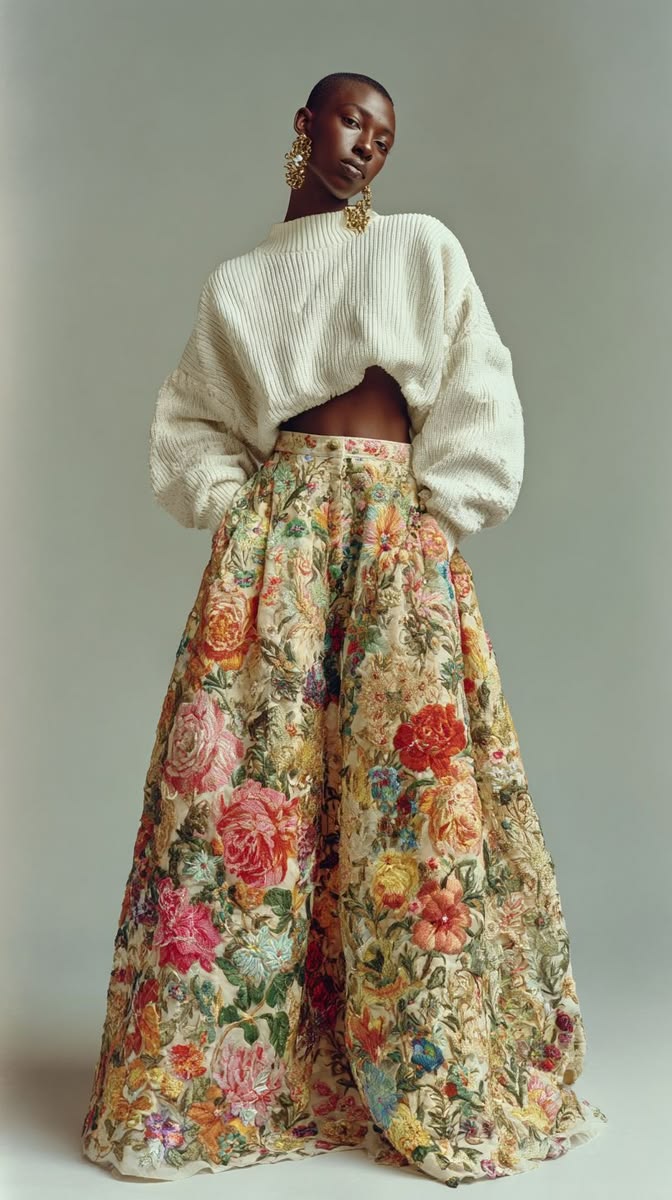
To dress across borders is to work in translation.
What reads as effortless in one city can feel sharply intentional in another. A look that belongs to everyday life in one context becomes editorial elsewhere—suddenly noticed, documented, reinterpreted.
This is where style becomes layered.
A sharply wrapped headscarf styled with contemporary tailoring. A traditionally draped garment paired with minimal, almost architectural accessories. The interplay is not random. It is edited and precise, closer to styling than to dressing.
The global wardrobe today is not about fusion.
It is about calibration.
Runway, Street, and the Space Between
For years, the runway dictated direction.
Now, the relationship is more fluid.
What appears on the runway often echoes what is already happening elsewhere—on the street, within communities, and in spaces not always visible to the industry. The difference lies in framing.
On the runway, it is named. Elevated. Positioned as forward-thinking.
Outside of it, it simply exists.
This exchange has created a new dynamic.
The distance between high fashion and lifestyle has narrowed, but not disappeared. Instead, it has become a loop: reference, reinterpretation, return.
And within that loop, belonging begins to circulate.
Community Without Proximity
There is a version of community that does not rely on place.
It forms through alignment.
A shared understanding of silhouette. A mutual preference for restraint over excess. The instinct to under-style rather than over-explain. These are not trends. They are sensibilities.
You see it across cities.
In Lagos, in London, in Paris, in New York—different environments, different contexts, but a familiar language. Not identical, but connected. The same attention to proportion. The same quiet confidence in execution.
No introduction is needed.
The recognition is immediate.
Style as Continuity, Not Performance
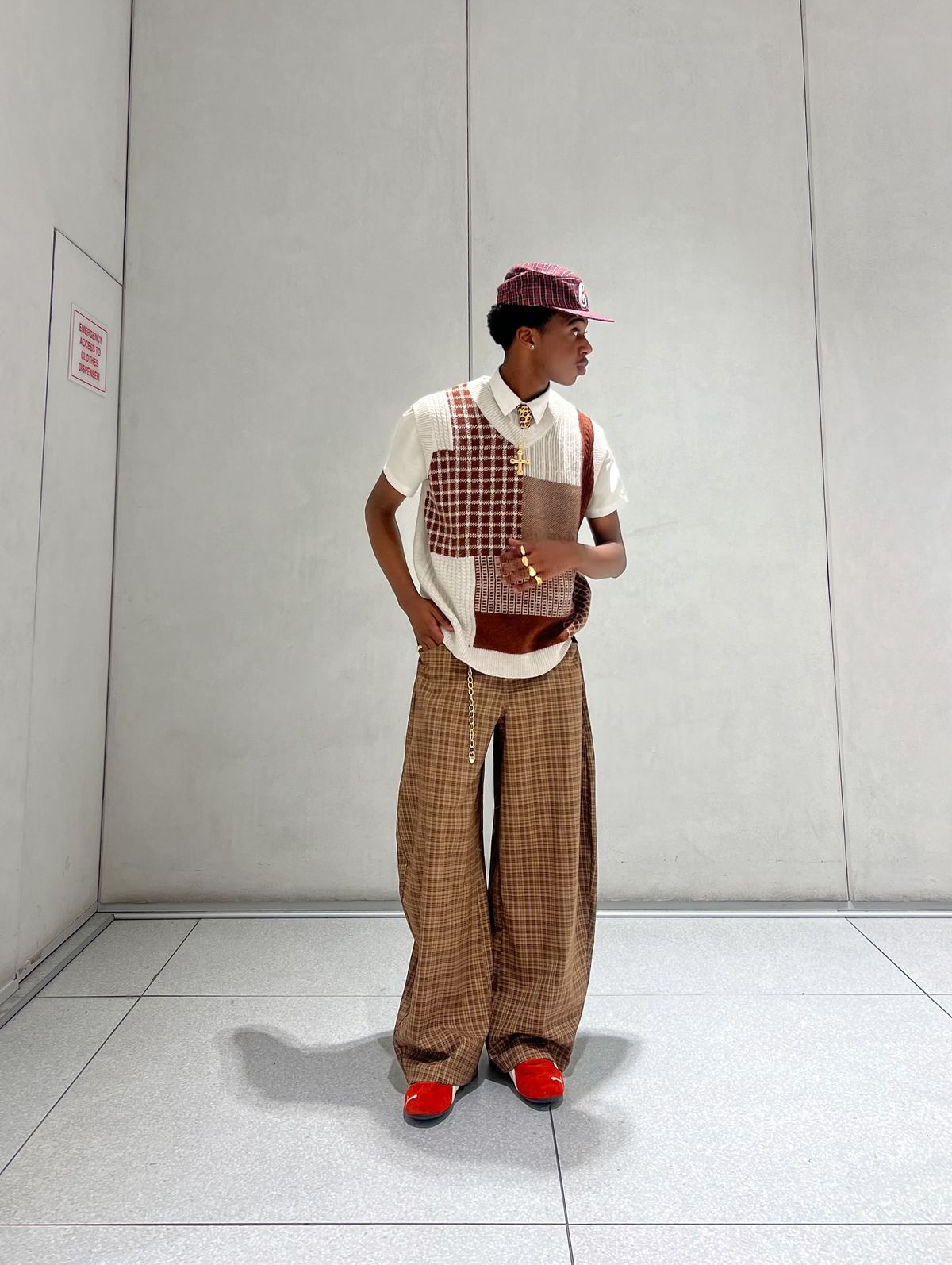
What defines this kind of dressing is its refusal to perform.
It does not chase visibility. It does not rely on validation. It exists independently of whether it is being watched.
This is what separates it from trend-driven fashion.
There is no urgency to it. No need to declare itself as current. It continues, season after season, context after context, adjusting without losing its core.
Continuity, here, is not about repetition.
It is about the consistency of perspective.
The Weight of Subtlety
In a fashion landscape that often rewards excess, subtlety becomes a statement.
A barely-there palette. A refusal to over-accessorise. The decision to let a garment speak without interruption. These choices require a certain confidence, one that does not depend on visibility to be effective.
This is where style becomes legible across borders.
Because subtlety does not need translation.
It reads the same, even when everything else changes.
READ ALSO:
- Cultural Trends vs Tradition: Why Global Fashion Is Rooted in Continuity
- The Caribbean Is Not a Mood Board: How Diaspora Designers Are Reclaiming the Runway
Between Individual and Collective
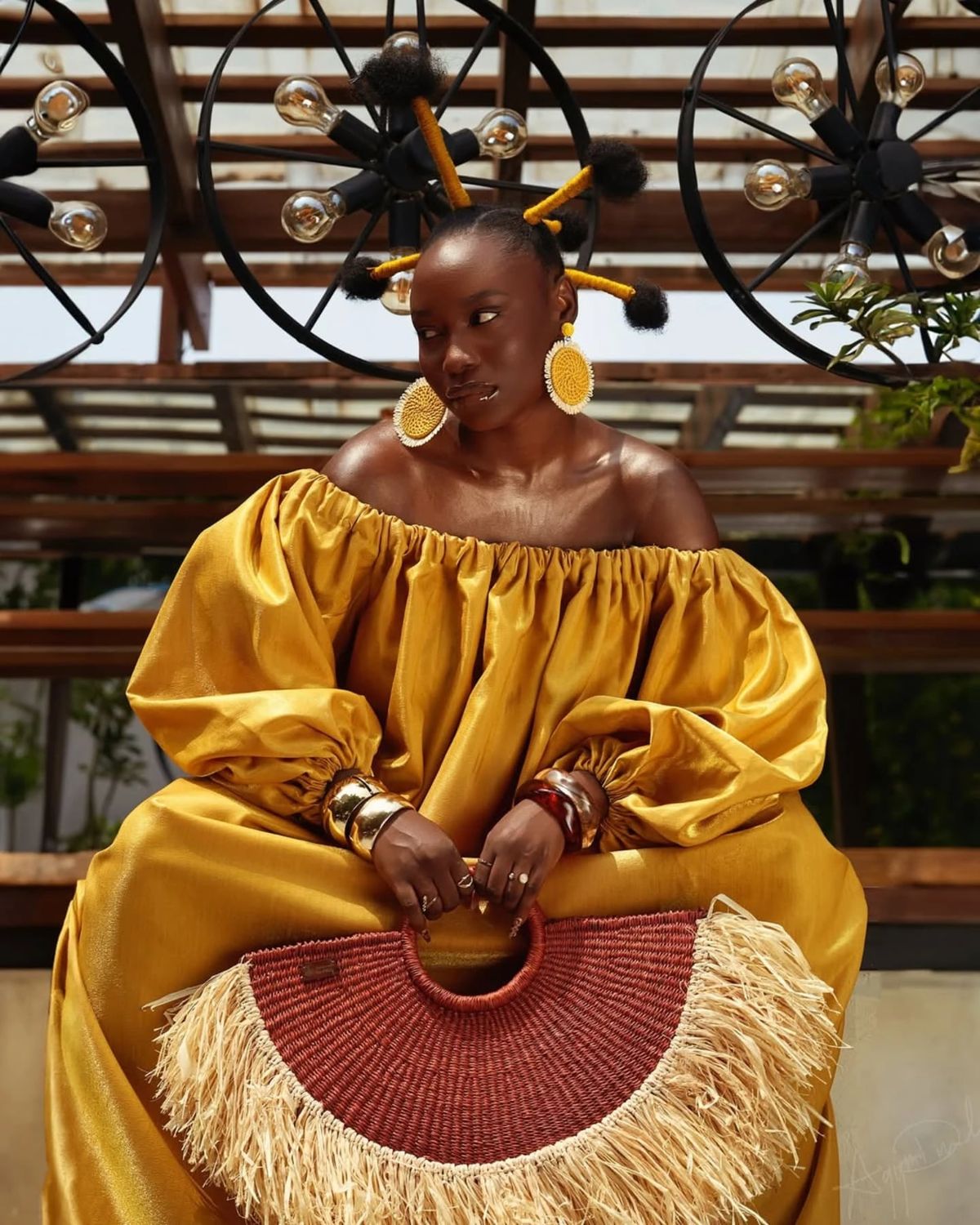
Style is often framed as individual expression.
And it is.
But it is also shaped by what surrounds it; by visual languages that are absorbed over time. References that are not always named, but always present.
This creates tension.
Between standing apart and belonging within.
The most compelling dressers understand this instinctively. They move between the two. Distinct, but not disconnected. Personal, but not isolated.
And in that balance, community forms.
Visibility and Distortion
As style becomes more visible, it becomes more vulnerable.
Circulation brings recognition, but also simplification. What was once nuanced can become flattened. What signalled belonging can be reduced to aesthetic.
This is the risk of global visibility.
The loss of specificity.
But for those within the language, the difference remains clear. The original intention is the way something is worn, not just what is worn, which continues to signal meaning.
Even when everything else shifts.
Style as a Way of Locating Oneself

To dress is, ultimately, to locate oneself.
Not just in space, but within a network of references: cultural, visual, and personal. It is a way of holding continuity in environments that are constantly changing.
For those moving between worlds, this becomes essential.
Style becomes a constant.
A way of maintaining alignment, even when context shifts. A way of carrying something recognisable, even when nothing else is.
Conclusion
Belonging rarely declares itself.
It appears in fragments in moments of recognition that are easy to miss, but impossible to mistake once seen.
Style operates in the same way.
Quiet. Precise. Consistent.
And in those fleeting moments—on a street, in a room, across a screen—it becomes clear that fashion is not only about what is worn.
But about what is understood.
FAQs
- How does style create global connection?
Through shared visual languages—silhouettes, proportions, and styling choices that resonate across cultures.
- What role does the runway play today?
It reflects and reframes ideas that often already exist within everyday style and communities.
- Can style build community without physical interaction?
Yes. Recognition through aesthetics creates a connection even across distance.
- Why is subtlety important in modern fashion?
It signals confidence and allows style to remain timeless and globally legible.
- What is the difference between trend and belonging in fashion?
Trends are temporary, while belonging is built through consistent, shared visual understanding.