Menu
  • AFRICA
    • African Fashion
    • African Designers
    • Textiles & Craft
    • Heritage Clothing
    • Made in Africa
    • Regional Style
  • DIASPORA
    • Diaspora Voices
    • Diaspora Connects
    • UK Scene
    • US Scene
    • Caribbean Diaspora
    • Afro-Latino Identity
    • Migration & Identity
  • CULTURE
    • Style & Identity
    • Ceremony & Ritual
    • Art & Music
    • Cultural Inspirations
    • Black Culture
    • Heritage Stories
  • FASHION
    • Trends
    • Street Style
    • Runway
    • Sustainable Fashion
    • Tailoring
    • Luxury Fashion
  • INDUSTRY
    • Editorial Intelligence
    • Market Trends
    • Brand Strategy
    • Retail & Commerce
    • Partnerships
    • Reports
    • Insights
    • Omiren Style Index
  • BEAUTY
    • Skincare
    • Makeup
    • Hair & Hairstyle
    • Fragrance
    • Beauty Traditions
    • Natural Beauty
  • MEN
    • Men’s Style
    • Grooming Traditions
    • Traditional & Heritage
    • The Modern African Man
    • Menswear Designers
  • WOMEN
    • Women’s Style
    • Evening Glam
    • Workwear & Professional
    • Streetwear for Women
    • Accessories & Bags
    • Bridal
  • NEWS
    • Cover Stories
    • Fashion Weeks
    • Opinion & Commentary
    • Style Icons
    • Rising Stars
  • DIRECTORY
    • Designers
    • Brands
    • Boutiques
    • Stylists
    • Models
    • Photographers
    • Creative Teams
    • Events
    • Production
    • Materials & Suppliers
Subscribe
OMIREN STYLES OMIREN STYLES

Fashion · Culture · Identity

OMIREN STYLES OMIREN STYLES OMIREN STYLES OMIREN STYLES
  • AFRICA
    • African Fashion
    • African Designers
    • Textiles & Craft
    • Heritage Clothing
    • Made in Africa
    • Regional Style
  • DIASPORA
    • Diaspora Voices
    • Diaspora Connects
    • UK Scene
    • US Scene
    • Caribbean Diaspora
    • Afro-Latino Identity
    • Migration & Identity
  • CULTURE
    • Style & Identity
    • Ceremony & Ritual
    • Art & Music
    • Cultural Inspirations
    • Black Culture
    • Heritage Stories
  • FASHION
    • Trends
    • Street Style
    • Runway
    • Sustainable Fashion
    • Tailoring
    • Luxury Fashion
  • INDUSTRY
    • Editorial Intelligence
    • Market Trends
    • Brand Strategy
    • Retail & Commerce
    • Partnerships
    • Reports
    • Insights
    • Omiren Style Index
  • BEAUTY
    • Skincare
    • Makeup
    • Hair & Hairstyle
    • Fragrance
    • Beauty Traditions
    • Natural Beauty
  • MEN
    • Men’s Style
    • Grooming Traditions
    • Traditional & Heritage
    • The Modern African Man
    • Menswear Designers
  • WOMEN
    • Women’s Style
    • Evening Glam
    • Workwear & Professional
    • Streetwear for Women
    • Accessories & Bags
    • Bridal
  • NEWS
    • Cover Stories
    • Fashion Weeks
    • Opinion & Commentary
    • Style Icons
    • Rising Stars
  • DIRECTORY
    • Designers
    • Brands
    • Boutiques
    • Stylists
    • Models
    • Photographers
    • Creative Teams
    • Events
    • Production
    • Materials & Suppliers
  • Style Icons

The Evolution of African Fashion Style Beyond the Runway

  • Ayomidoyin Olufemi
  • January 13, 2026

African style has never been confined to the runway.

Long before fashion weeks, lookbooks, and global validation, style lived in movement. In how people dressed for the market, for ceremonies, for travel, and for rest. In choices shaped by climate, culture, craft, and personal expression rather than trends.

Today, as fashion conversations shift away from spectacle, African style is finding renewed visibility not through catwalks, but through lived experience. You can find these experiences on streets, in studios, at weddings, in creative workspaces, and online. The most influential expressions of style are no longer waiting for fashion’s permission. They are unfolding in real time, shaped by people who understand that clothing is part of daily life, not performance.

This evolution is not about departure. It is about expansion.

Explore how African style has evolved beyond the runway, shaping global fashion through everyday dressing, culture, craftsmanship, and lived expression.

From Occasion to Everyday Expression

For a long time, the African style was framed internationally through moments. Ceremonial dress. Editorial features. Special occasions are presented as visual statements rather than lived realities.

That framing is shifting.

Style today is being defined by how it moves through everyday life—tailoring worn casually. Traditional fabrics styled with modern ease. Garments designed for comfort, heat, rhythm, and personality. The emphasis is no longer on costume but on continuity.

This evolution places African style where it has always belonged: in daily expression. African clothing now adapts to life, rather than interrupting it.

The Street has become the New Reference Point for Fashion
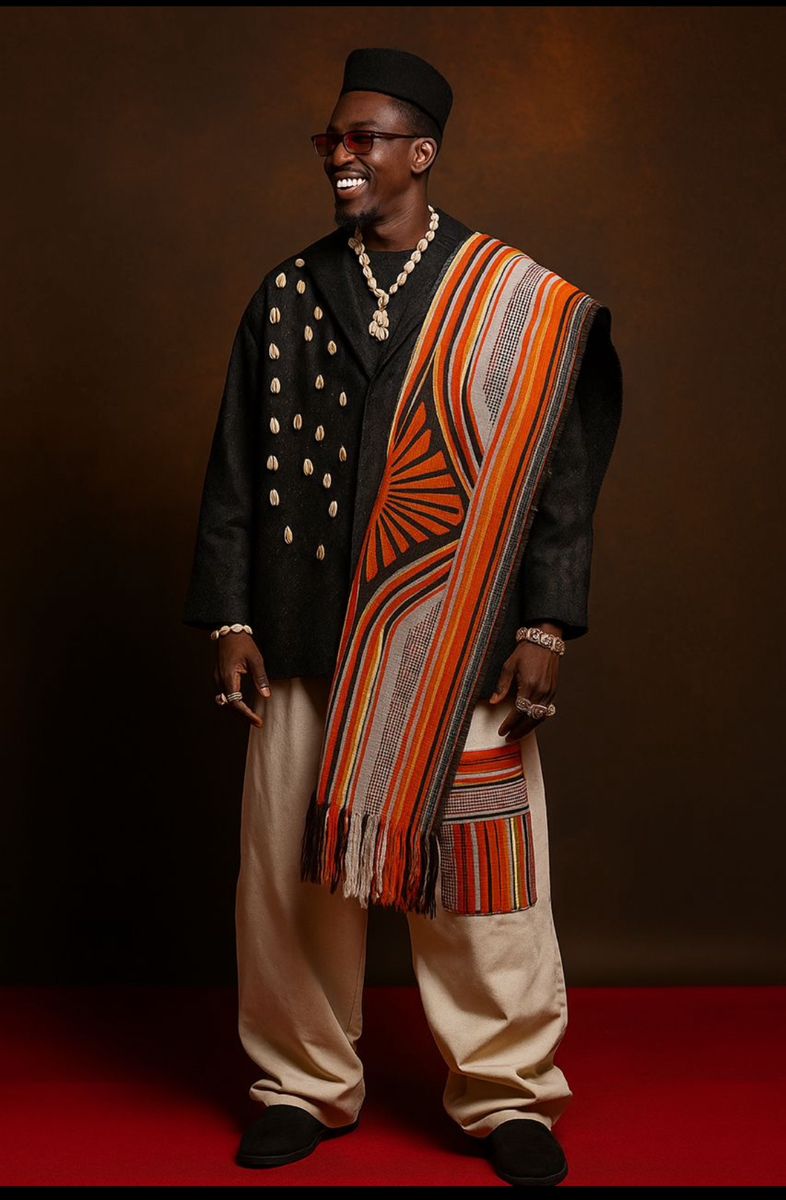
The Street has Become the New Reference Point for Fashion.

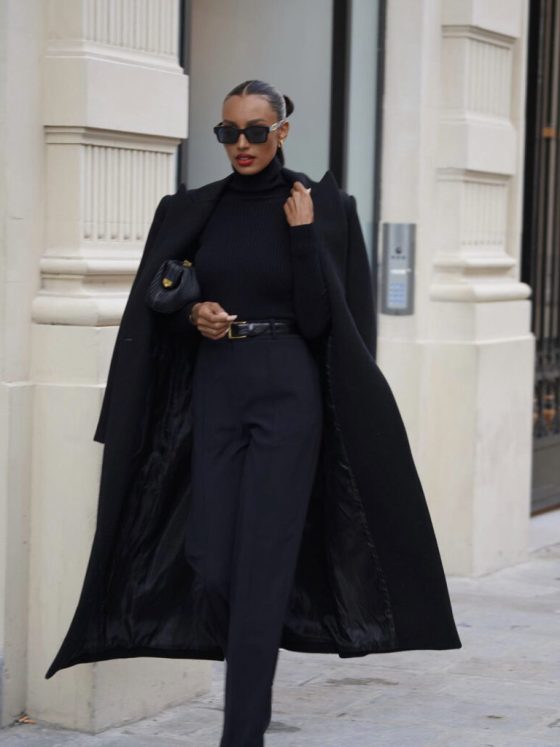
Beyond the runway, the street has become one of the most powerful style laboratories. Cities like Lagos, Accra, Nairobi, Johannesburg, and Dakar offer a visual language shaped by confidence and creativity rather than uniformity.

What stands out is not adherence to trends, but individuality. Formal and informal coexist. Style feels intuitive rather than curated.

These spaces reveal a truth fashion is rediscovering: influence does not require institutional approval. It grows organically where people dress for themselves first.

Digital Platforms and Cultural Translation

Digital platforms have accelerated this shift, allowing African style to circulate globally without losing context. Style figures, creatives, and everyday dressers now document their wardrobes on their own terms.

What emerges is not a single aesthetic, but a spectrum. From refined minimalism to expressive maximalism. From tailoring to relaxed silhouettes From heritage references to futuristic interpretations.

These platforms crucially enable the perception of African style as dynamic and evolving, rather than static or symbolic. The runway becomes one reference among many, not the final authority.

Designers are Creating for Life, not Just for Shows.
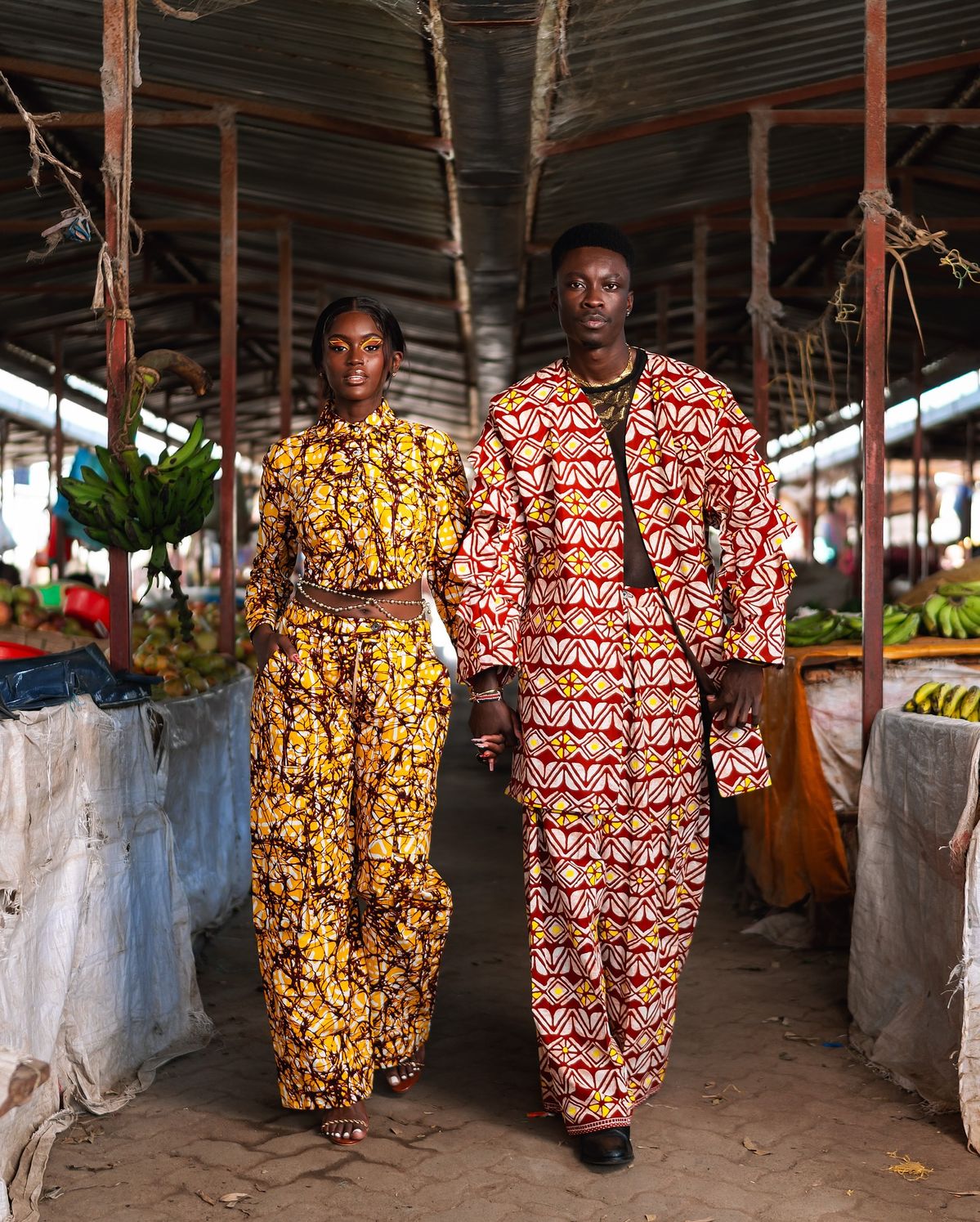
Designers are Creating for Life, not Just for Shows.

Many designers are now creating with wearability and longevity in mind. Collections are conceived for movement, climate, and repetition rather than single appearances.

Garments are designed to be styled multiple ways, worn across contexts, and lived in fully. Fabric choice becomes as essential as silhouette. Craft is embedded into construction, not applied for effect.

This approach reflects a broader understanding of luxury—one defined by relevance and durability rather than excess.

Menswear and the Rise of Quiet Confidence

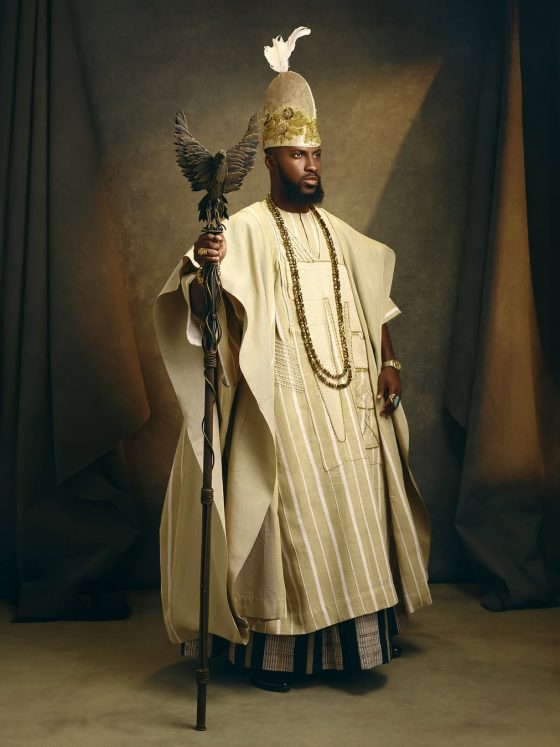
Menswear has played a significant role in this evolution. Away from exaggerated statements, a more grounded approach has emerged. Clean tailoring. Relaxed proportions. Clothing that communicates confidence without performance.

Men are dressing for comfort, identity, and presence. The result is a style that feels assured rather than reactive.

This shift aligns closely with global movements toward restraint, positioning African menswear as part of a larger conversation rather than an isolated trend.

Women’s Style as Agency, Not Display

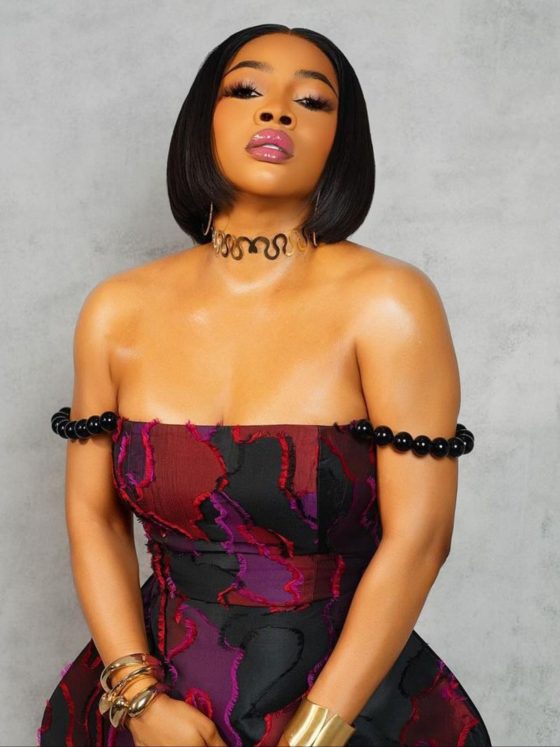
Women’s style beyond the runway is increasingly about autonomy. Dressing becomes an extension of the self rather than an expectation. Choices reflect mood, movement, and personal rhythm.

Rather than conforming to a singular ideal, women navigate multiple identities through clothing. Professional. Creative. Domestic. Social. These identities are all characterised by a lack of clear boundaries.

This fluidity challenges outdated narratives and positions African women as active participants in shaping modern style culture.

Craft Without Nostalgia
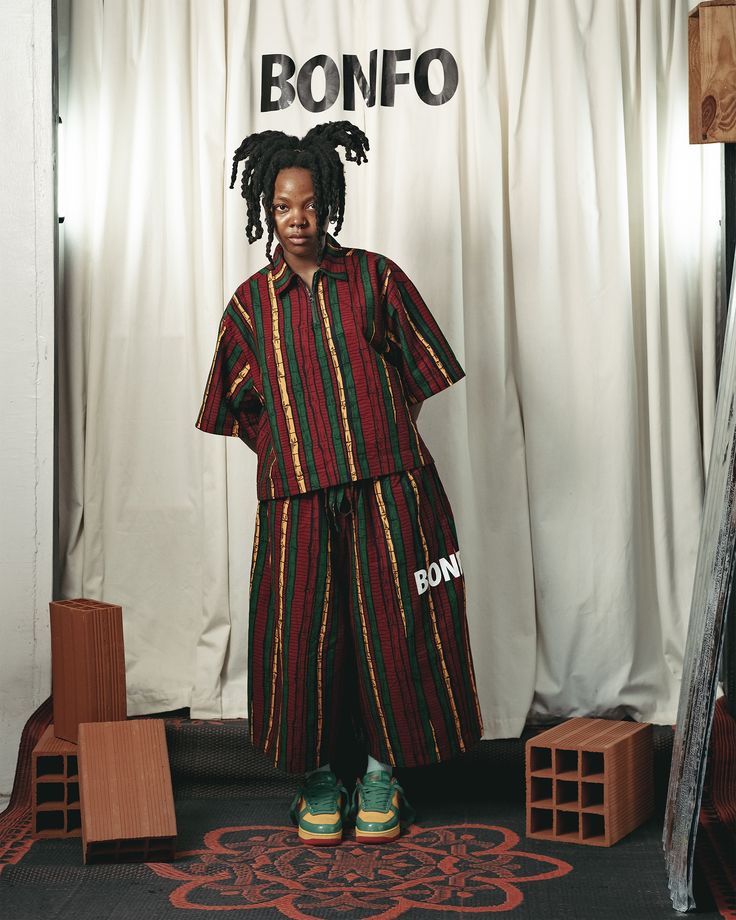
Craft Without Nostalgia

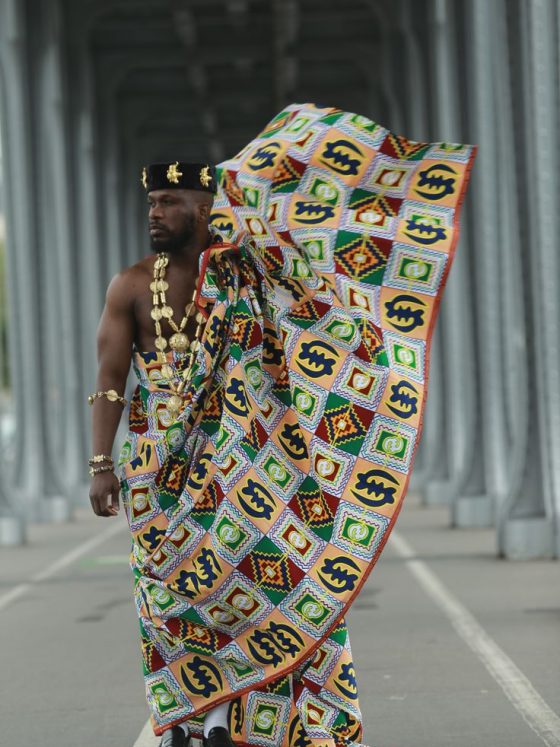
Craft remains central, but its role has evolved; rather than being framed solely as heritage preservation, craft is now integrated into contemporary design language.

Handwoven textiles, artisanal techniques, and material intelligence are used to create modern silhouettes and everyday pieces. The focus is not on looking back, but on carrying knowledge forward.

This approach allows craft to exist as innovation rather than nostalgia.

READ ALSO:

  • The African Icons Transforming the Modern Runway  
  • African Luxury Fashion Redefining Paris, Milan & New York
  • Trevor Stuurman: The Visionary Creative Director Shaping Modern African Style

What This Evolution Represents

The evolution of African style beyond the runway reflects a broader cultural shift. A reconnection between fashion and life characterises this shift. Expression takes the place of performance. This is a place where authenticity fosters the growth of influence.

It also challenges how global fashion defines authority. By centring lived experience, African style expands the vocabulary of fashion itself.

This is not intended as a substitute for traditional fashion. Instead, it serves as a crucial component of the discourse.

Frequently Asked Questions

  • What does “beyond the runway” mean in this context?

It refers to style expressed through everyday life, street culture, digital platforms, and personal dressing rather than fashion shows alone.

  • How has the African style changed in recent years?

It has become more visible globally while remaining grounded in daily expression, adaptability, and individuality.

  • Is the African style trend-driven?

Not primarily. It is shaped more by culture, climate, and personal identity than by seasonal trends.

  • Why is craft still important today?

Craft adds depth, durability, and meaning, allowing clothing to age well and remain relevant.

  • How does this evolution affect global fashion?

It broadens fashion’s reference points, encouraging authenticity, restraint, and cultural intelligence.

Post Views: 397
Related Topics
  • African Fashion Culture
  • African Street Style
  • Global African Fashion
Avatar photo
Ayomidoyin Olufemi

ayomidoyinolufemi@gmail.com

You May Also Like
Mia Amor Mottley: The Prime Minister Who Wears the Caribbean on the World Stage
View Post
  • African Designers
  • Style Icons

Mia Amor Mottley: The Prime Minister Who Wears the Caribbean on the World Stage

  • Rex Clarke
  • April 12, 2026
A picture showing what a quiet style looks like.
View Post
  • Style Icons

Why Quiet Style Ages Better Than Loud Fashion

  • Philip Sifon
  • February 11, 2026
Who Shapes Taste Behind the Spotlight in Nigeria’s Celebrity Fashion
View Post
  • Style Icons

Who Shapes Taste Behind the Spotlight in Nigeria’s Celebrity Fashion

  • Philip Sifon
  • February 3, 2026
How To Build Impact, Not Just Visibility
View Post
  • Style Icons

The Difference Between Visibility and Impact in Building Authority

  • Philip Sifon
  • January 27, 2026
When Influence Replaces Authenticity in Social Media & Celebrity Culture
View Post
  • Style Icons

When Influence Replaces Authenticity in Social Media & Celebrity Culture

  • Philip Sifon
  • January 22, 2026
Vintage & Heritage Fashion Dominance Across African Cities
View Post
  • Style Icons

Vintage & Heritage Fashion Dominance Across African Cities

  • Ayomidoyin Olufemi
  • January 15, 2026
Who Is Shaping Style Quietly Right Now?
View Post
  • Style Icons

Who Is Shaping Style Quietly Right Now in Fashion?

  • Ayomidoyin Olufemi
  • January 15, 2026
African Style Icons Who Turn Personal Identity Into Global Influence
View Post
  • Style Icons

African Style Icons Who Turn Personal Identity Into Global Influence

  • Ayomidoyin Olufemi
  • January 9, 2026

Leave a Reply Cancel reply

Your email address will not be published. Required fields are marked *

The Omiren Argument

African fashion and culture are not emerging. They are foundational. We document, interpret, and argue for the full cultural weight of African and diaspora dress. With precision. Without apology.

Omiren Styles Fashion · Culture · Identity

All 54 African Nations
Caribbean · Afro-Latin America
The Global Diaspora

Platform

  • About Omiren Styles
  • Our Vision
  • Our Mission
  • Editorial Pillars
  • Editorial Policy
  • The Omiren Collective
  • Campus Style Initiative
  • Sustainable Style
  • Social Impact & Advocacy
  • Investor Relations

Contribute

  • Write for Omiren Styles
  • Submit Creative Work
  • Join the Omiren Collective
  • Campus Initiative
Contact
contact@omirenstyles.com
Our Reach

Africa — All 54 Nations
Caribbean
Afro-Latin America
Global Diaspora

African fashion intelligence, in your inbox.

Editorial features, designer profiles, cultural commentary. No noise.

© 2026 Omiren Styles — Rex Clarke Global Ventures Limited. All rights reserved.
  • Privacy Policy
  • Editorial Policy
  • Terms of Use
  • Accessibility
Africa · Caribbean · Diaspora
The Omiren Argument

African fashion and culture are not emerging. They are foundational. We document, interpret, and argue for the full cultural weight of African and diaspora dress. With precision. Without apology.

Omiren Styles Fashion · Culture · Identity
  • About Omiren Styles
  • Our Vision
  • Our Mission
  • Editorial Pillars
  • Editorial Policy
  • The Omiren Collective
  • Campus Style Initiative
  • Sustainable Style
  • Social Impact & Advocacy
  • Investor Relations
  • Write for Omiren Styles
  • Submit Creative Work
  • Join the Omiren Collective
  • Campus Initiative
Contact contact@omirenstyles.com

All 54 African Nations · Caribbean
Afro-Latin America · Global Diaspora

African fashion intelligence, in your inbox.

Editorial features, designer profiles, cultural commentary. No noise.

© 2026 Omiren Styles
Rex Clarke Global Ventures Limited.
All rights reserved.

  • Privacy Policy
  • Editorial Policy
  • Terms of Use
  • Accessibility
Africa · Caribbean · Diaspora

Input your search keywords and press Enter.