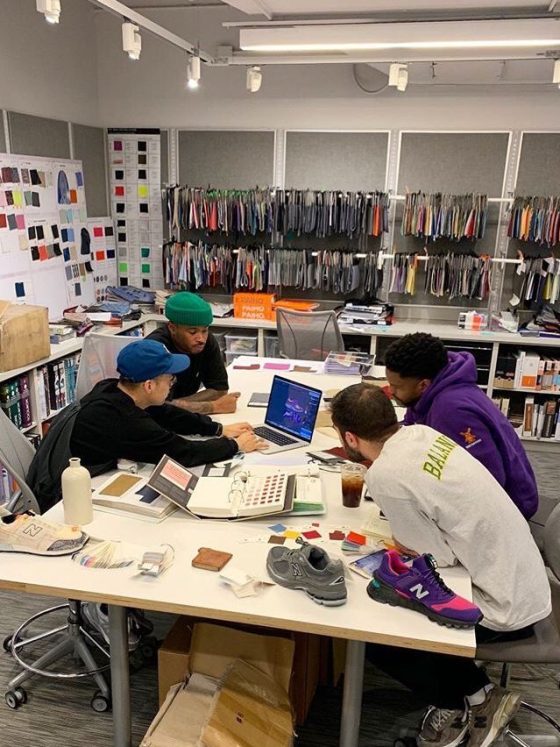
The first sample is not a miniature version of the final product.
It is the first real test of the relationship that will make the product.
A fashion brand may spend months finding a manufacturer. It may compare websites, factory profiles, recommendations, certificates, prices and promised lead times. All of that information matters. But the sample is where the claims meet the garment.
Can the manufacturer interpret the brief? Can it work with the chosen material? Can it ask useful questions before making an error? Can it make a pattern, follow a technical pack and deliver on time? Can it communicate a problem before it becomes expensive? Can it respond to feedback precisely? Can it produce a second version that shows it understood the first set of comments?
The sample reveals this.
A sample does not only test the garment. It tests the manufacturer’s capability, communication, discipline and suitability for the work.
That is why independent brands should not treat sampling as an inconvenient cost before the “real” order. Sampling is the first stage of the real order.
Fashion sample testing is more than fit and finish. It reveals a manufacturer’s communication, technical capability, quality standards, timing and suitability before bulk production.
The Sample Is a Relationship Test
A manufacturer can appear perfect on paper. It may have a clear website, an attractive portfolio, a strong social media presence, a good recommendation, or impressive client logos. But none of these tells a brand whether the producer can make its specific product in its chosen fabric, at its intended quality, within a workable timeline and at a viable quantity.
A sample begins to answer those questions. It tests at least six things:
Product understanding: Whether the manufacturer understands the garment, materials, construction and intended finish.
Technical capability: Whether it can pattern, cut, sew, finish and solve problems in the required category.
Material knowledge: Whether it understands how the chosen fabric, trim, print, embroidery or finish behaves.
Communication: Whether it asks clarifying questions, records changes and responds honestly to constraints.
Time management: Whether it meets the agreed sample deadline or warns early about delay.
Quality discipline: Whether the sample matches specifications, measurements, components and workmanship expectations.
The first sample does not have to be perfect. A development sample is supposed to reveal what still needs work. It may expose a poor pattern, a fabric issue, a construction problem or a cost challenge. That is useful.
The real warning sign is not that a first sample contains problems. The warning sign is a producer that cannot explain the problems, does not document them, ignores feedback or repeats the same mistakes without asking questions.
Sampling Is Not One Stage
“Send us a sample” sounds simple. In practice, different samples answer different production questions.
As Bomme Studio documents in its overview of the garment sampling process, a typical sampling process begins with a prototype or development sample, progresses through fit and revision work, then reaches a pre-production sample that becomes the reference for bulk manufacturing. A top-of-production sample may then be taken from the early production line to check whether the bulk work matches the approved standard before the full order is complete.
The six common sample types and their purposes:
Prototype or development sample: Tests whether the basic idea is feasible. Focus: construction, feasibility, initial shape and production method.
Fit sample: Tests proportion, balance, movement and measurements. Focus: fit, pattern corrections, ease, length and wearer comfort.
Size-set sample: Tests grading across multiple sizes. Focus: consistency, proportion and measurement changes across the range.
Sales or showroom sample: Supports photography, buyer review or selling. Note: not always final production quality.
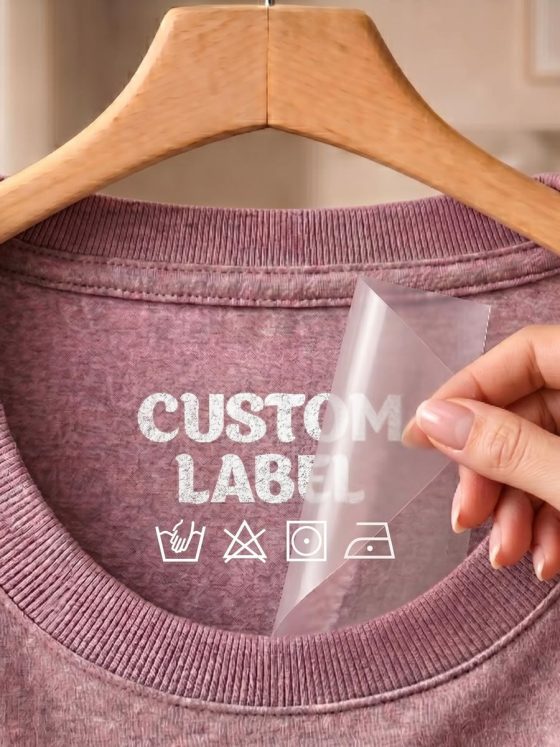
Pre-production sample: Confirms the agreed final version before bulk production. Focus: approved fabric, trims, measurements, construction, labels, packaging and finish.
Top-of-production sample: Checks the first bulk units against the approved standard. Focus: bulk consistency, workmanship, colour, finish and production quality.
Not every brand needs every type of sample. A simple repeat style with an experienced manufacturer may require fewer stages than a complex, structured garment, a new product category, a graded size range, a hand-finished piece, or a product made from an unfamiliar material.
Use the sample stage to answer the question that matters before moving to the next commitment.
Before the Sample: Make the Brief Testable
A manufacturer cannot be fairly judged if the instructions are vague. If a brand provides only a reference image, the producer has to make assumptions about pattern, fabric, measurements, lining, construction, finish, labels and cost. When the sample arrives wrong, both sides may blame the other.
The better approach is to make the sample brief testable. Before a sample request, the brand should provide:
- A style name and code.
- Technical flats or clear drawings.
- Reference images, marked as inspiration rather than complete instruction.
- Finished measurement chart.
- Size and fit intent.
- Fabric composition, weight, swatch or source reference.
- Trim information.
- Construction notes.
- Artwork, print or embroidery files and placement details.
- Label and packaging requirements where relevant.
- Target quantity and likely MOQ.
- Target cost or price framework.
- Sample deadline.
- Named person responsible for approval.
As per Meiting Garments’ apparel sampling process guide documents, a clear sample brief should include a reference sample or product photographs, target measurements, fabric or GSM requirements, artwork placement, label and packaging requirements, written comments, and confirmed pre-production approval before bulk production begins. This is not paperwork for its own sake. It is how a brand learns whether a manufacturer can execute clear instructions.
What to Inspect When the Sample Arrives
The first reaction to a sample is often visual: ‘Do I like it?’ That reaction matters, but it is not enough. The sample should be inspected against the brief, the technical pack, the approved material and the intended use of the garment.
Construction
Check seam type and quality; stitch consistency; reinforcement at stress points; panel alignment; symmetry; hem finish; closure quality; pocket, cuff, collar, placket, and waistband construction; thread colour and tension; loose threads, skipped stitches, puckering, or distortion.
Measurements and Fit
Check key points of measurement against the spec: overall length; chest, waist, hip, rise, sleeve, shoulder and neck dimensions as relevant; balance from front, back and side; comfort in movement; ease and proportion; fit on a suitable person or fit form; whether the garment maintains shape when sitting, walking or raising arms.
Materials and Trims
Check the correct fabric composition and weight; colour and dye consistency; fabric drape and recovery; lining and interfacing; buttons, zips, hooks, labels, and hardware; print, embroidery, or embellishment quality; whether substitutions were made without approval; and wash or wear performance, where relevant.
Finish and Presentation
Check pressing; labels; care information; packaging; fold method; hangers or protective covers where required; overall readiness for the intended sales channel. A good sample review happens with the approved brief beside the garment. Do not assess from memory.
Fit Must Be Tested in Motion
A garment can look correct on a hanger and fail on a body. It can look good in a static fitting photo and become uncomfortable in motion. A sleeve may pull when the wearer raises their arm. A trouser may twist while walking. A collar may gap while sitting. A dress may ride up, expose too much or restrict movement.
That is why a sample should be tested through use, not only viewed. Where appropriate, fit on the intended size; check standing, sitting, walking and arm movement; photograph front, back and side views; record video for movement-based issues; note pressure points, pulling, twisting, gaping or discomfort; compare the garment to the fit intent in the brief; include comments from the wearer, not only the designer.
The goal is not to make every garment fit every body. It is to test whether the product meets the brand’s stated fit purpose. For graded collections, a size-set sample may be needed to ensure that the fit does not collapse across the range.
One Sample, One Source of Truth
One of the most common causes of sampling failure is fragmented feedback. The designer sends one WhatsApp message. A founder sends an email. A stylist adds comments on a call. A buyer changes the fabric in a voice note. The factory receives four versions of the truth.
This creates confusion, delays and avoidable rework. The brand should appoint one person to consolidate comments and issue a single written sample-feedback document. A good comment document includes: style code; sample version; sample date; reviewer; approval status; annotated photographs; measurement changes; construction changes; material and trim changes; artwork or label corrections; clear priority level; required factory response; deadline; version number.
Comments should be measurable. Instead of ‘Make the sleeve better,’ write: ‘Reduce sleeve opening by 1.5 cm at the cuff. Maintain the approved cuff length. Use the V2 measurement chart dated 21 September 2026.’ Instead of ‘The neckline feels wrong,’ write: ‘Raise centre-front neckline by 1 cm. Keep shoulder width unchanged. Submit updated pattern measurement with next fit sample.’
As Workshelter’s sample approval workflow for apparel brands recommends, use a single named approver, written sign-off, a reference to the actual approved sample rather than memory, and comments stated as measurements or specific instructions rather than feelings. Clear feedback protects both sides.
The Manufacturer Should Restate the Corrections
A brand’s comments are only useful if the manufacturer understands them. Before making another sample, the producer should restate the required corrections in writing. This confirms that both sides interpret the changes in the same way.
Some examples of how brand comments should be restated:
Brand comment: Raise neckline by 1 cm: Manufacturer restatement: Centre-front neckline will be raised by 1 cm; shoulder point and neck width remain unchanged.
Brand comment: Change lining to cupro: Manufacturer restatement: Cupro lining will replace polyester lining, subject to confirmed material availability and revised cost.
Brand comment: Reduce waist by 2 cm. Manufacturer restatement: Waist circumference will be reduced by 2 cm at the specified measurement point; side seam will be adjusted accordingly.
Brand comment: Use darker embroidery thread. Manufacturer restatement: The factory will submit thread card options before embroidery begins.
This may feel slow. It is faster than making the same mistake twice.
As Ninghow’s supplier-communication workflow documents, a confirm–restate–execute process works as follows: the brand sends detailed annotated feedback; the factory confirms its understanding point by point; then implements changes only after alignment is reached. This is one of the strongest signs of a serious production partner.
Sample Approval Is Not “I Like It”
A sample should move through one of three clearly stated decisions:
Approved: The sample meets the requirements for the next stage. Next step: proceed according to the agreed plan.
Approved with conditions: The sample is acceptable, but specific measurable changes remain. Next step: factory confirms and addresses listed conditions.
Rejected or revision required: The sample does not yet meet the required standard. Next step: revise pattern, materials, construction or process before the next sample.
Do not approve a sample ‘in principle’ if key elements remain unclear. A pre-production sample should be approved only when the brand is prepared for the factory to use it as the reference for bulk production. It should show the agreed fabric, trims, measurements, construction, labels and finish.
As Your Colours’ sample development process documentation states, the approved pre-production sampleserves ass the reference or benchmark for the bulk production run. It should be identified by style, version, date and approval status. Both the brand and manufacturer should retain an approved reference sample, photographed and documented against the final technical specification.
Sampling Tests Communication Under Pressure
A sample tells you what kind of manufacturer relationship you are entering.
Positive Signs
- The factory asks clarifying questions before cutting.
- It identifies risks in the fabric, pattern or construction.
- It explains what it can and cannot do.
- It meets the sample date or warns early of a delay.
- It documents substitutions or constraints.
- It responds to comments precisely.
- It restates corrections in writing.
- It tracks versions.
- It suggests practical solutions without ignoring the design intent.
- It maintains clear records.
Warning Signs
- It promises everything immediately without technical questions.
- It provides no written quotation, timeline or sample scope.
- It changes materials or trims without approval.
- It cannot explain why a sample differs from the brief.
- It sends repeated errors after clear feedback.
- It refuses to document changes.
- It asks for bulk approval before final specifications are agreed.
- It gives vague answers about capacity, lead time or subcontracting.
- It treats the sample as a favour rather than a paid development stage.
- It becomes unresponsive when a problem appears.
No single issue proves that a manufacturer is unsuitable. But patterns matter.
A good producer may tell a brand that the requested garment cannot be made in the selected fabric, at the desired price or within the stated timeline. That is not failure. It is professional honesty. The risky manufacturer is often the one that agrees to every request and reveals the limitation too late.
A Sample Does Not Guarantee Bulk Quality
This is an essential caution. A perfect sample does not guarantee that an entire production order will match it.
The sample may have been made by the most skilled maker in the room. The bulk order may involve different operators, different fabric lots, more complex scheduling, and greater production pressure. A factory may also make a strong development sample but struggle with consistency, grading, finishing or quality control at scale.
That is why the pre-production sample must be connected to a bulk-quality plan. The brand should agree: which sample is the bulk reference; which measurements and tolerances apply; which materials and trims are approved; which defects are unacceptable; how in-line and final checks will occur; whether a top-of-production sample will be reviewed; whether an independent inspection is appropriate; what happens if bulk goods do not match the approved standard.
As CLO-SET’s sample approval portal documentation explains, a top-of-production sample, selected from the early production line, can help determine whether bulk production matches the pre-production sample before the entire order is completed. The sample starts trust. It does not replace ongoing quality control.
The Cost of Skipping Samples
Brands sometimes try to skip sampling because it appears to save time and money. It rarely does.
Skipping or underfunding samples can lead to: incorrect fit across the full order; expensive rework; unsellable inventory; delayed launch dates; customer returns; damaged relationships with retailers; lost deposits; fabric waste; conflict between brand and manufacturer; pressure on workers to correct problems too late; and a product that does not deliver on the campaign promise.
The sample cost is often easier to see than the cost of a poor bulk order. That is why founders may resist it. But the sample is one of the cheapest places to discover that a garment, material, pattern, factory or timeline is wrong.
The Omiren Sampling Standard
Omiren Styles treats sampling as part of production intelligence.
As Omiren Styles has established in its analysis of what makes a fashion manufacturer verified, the sample process is one of the four forms of production quality verification that no certification can substitute for. A factory with excellent social compliance and material certifications may produce a poor first sample. The sample is the evidence that social compliance documentation cannot provide: whether the factory can make this product to this standard.
When documenting a manufacturer, production partner or fashion brand, Omiren should ask: Does the business have a defined sampling process? Can it explain which sample stage is being used and why? Does it work from version-controlled technical information? Does it document sample comments and approvals? Does it disclose when materials, trims or processes change? Does it retain an approved bulk reference? Does it use quality checks after sample approval? Can it explain its approach to fit, grading and rework? Does it respect the time and cost of sampling labour? Does it treat sampling as development, not a marketing performance?
A sample should create knowledge. It should tell a brand more about the garment, the material, the manufacturer and the working relationship than it knew before. If it does not, the process needs to change before bulk production begins.
As Omiren Styles has established in its analysis of the documentation gap in fashion supply chains, the things the fashion supply chain fails to record are precisely the things whose documentation would make extraction harder to disguise. The sample record – the brief version, the sample version, the comment document, the approval status, the bulk reference – is one of the most important records a fashion brand can maintain. It is the evidence that connects the product in the customer’s hands to the decision that made it.
ALSO READ
- What Makes a Fashion Manufacturer ‘Verified’? A Practical Framework for Emerging Brands
- The Documentation Gap: What Fashion Supply Chains Still Fail to Record
- Small Batch, Serious Standards: The Case for Specialist Manufacturing in African Fashion
- African Fashion Does Not Need Another Marketplace. It Needs Production Intelligence.
- From Market Stall to Export Order: What It Takes to Scale Fashion Manufacturing in Africa
Frequently Asked Questions
Why is sampling important in fashion production?
Sampling tests whether a design can be made correctly before a brand commits to bulk production. It reveals fit, construction, material behaviour, cost, timing, communication and manufacturer capability. The sample is also the first real test of the production relationship: whether the manufacturer can interpret a brief, work with the chosen material, communicate constraints honestly and deliver on time.
What is the first sample called in garment manufacturing?
It is often called a prototype sample, development sample or proto sample, which tests whether the basic idea, pattern and construction method are workable. It is usually followed by fit and pre-production samples where needed.
What is a pre-production sample?
A pre-production sample, often called a PP sample, is the final approved version made with the agreed fabric, trims, measurements, construction, labels and finish. It becomes the reference standard for bulk production.
What is a top-of-production sample?
A top-of-production sample is taken from the first units of a bulk-production run. It is checked against the approved pre-production sample to confirm that bulk work is consistent before the full order is completed.
How should brands give feedback on a fashion sample?
Use one version-controlled document that includes the style code, sample version, date, annotated photographs, measurements, construction changes, material or trim comments, approval status and required next action. Feedback should be specific and measurable rather than vague.
Should a brand approve a sample by WhatsApp?
A message may be part of the communication process, but final approval should be clear, written, dated and linked to the exact sample version, technical pack and conditions of approval. Avoid relying on scattered messages or verbal comments as the sole record of production.
Does an approved sample guarantee bulk quality?
No. It sets the standard for bulk production, but brands and manufacturers still need material checks, production monitoring, quality control and, where appropriate, top-of-production or independent inspection.
Who pays for fashion samples?
Usually the brand pays for samples and development work. Some manufacturers may credit sample fees against a later bulk order, but this should be agreed in writing before work begins.
EXPLORE MORE
Read the full Industry and Production and Manufacturing sections at Omiren Styles for ongoing production intelligence, manufacturer verification frameworks and documentation standards. Discover travel and heritage intelligence across Africa, the Caribbean and Latin America at Rex Clarke Adventures.