Menu
  • African Style
    • Designers & Brands
    • Street Fashion in Africa
    • Traditional to Modern Styles
    • Cultural Inspirations
  • Fashion
    • Trends
    • African Fashion Designers
    • Afro-Latin American Designers
    • Caribbean Designers
    • Street Style
    • Sustainable Fashion
    • Diaspora Connects
  • Beauty
    • Skincare
    • Makeup
    • Hair & Hairstyle
    • Fragrance
    • Beauty Secrets
  • Lifestyle
    • Culture & Arts
    • Travel & Destination
    • Celebrity Style
    • Luxury Living
    • Home & Decor
  • News
    • Cover Stories
    • Designer Spotlight
    • Fashion Weeks
    • Style Icons
    • Rising Stars
    • Opinion & Commentary
  • Women
    • Women’s Style
    • Health & Wellness
    • Workwear & Professional Looks
    • Evening Glam
    • Streetwear for Women
    • Accessories & Bags
  • Shopping
    • Fashion finds
    • Beauty Picks
    • Gift Guides
    • Shop the Look
  • Events
    • Fashion Week Coverage
    • Red Carpet & Galas
    • Weddings
    • Industry Events
    • Omiren Styles Special Features
  • Men
    • Men’s Style
    • Grooming Traditions
    • Menswear Designers
    • Traditional & Heritage
    • The Modern African Man
  • Diaspora
    • Designers
    • Culture
  • Industry
    • Insights
    • Investment
    • Partnerships
    • Retail
    • Strategy
Subscribe
OMIREN STYLES OMIREN STYLES

Fashion · Culture · Identity

OMIREN STYLES OMIREN STYLES OMIREN STYLES OMIREN STYLES
  • Africa
  • Women
  • Men
  • Fashion
  • Beauty
  • Lifestyle
  • Diaspora
  • Industry
  • News
  • Fashion

How Nollywood Became One of the World’s Most Powerful Fashion Influencers

  • Heritage Oni
  • March 23, 2026
Total
0
Shares
0
0
0

In many parts of the world, people learn fashion from magazines, runways, or influencers. In Nigeria and across the diaspora, many learnt it from film.

Long before Instagram stylists and curated lookbooks, Nollywood was already teaching audiences how to dress, how to signal status, and how to perform identity. A mother watching a family drama, a student catching a weekend rerun, a bride planning her aso-ebi — all were, in subtle ways, being styled by cinema.

This is what makes Nollywood different. It does not separate fashion from life. It embeds it inside stories people already care about. The result is a form of influence that feels natural, not imposed.

From Lagos screens to global wardrobes, Nollywood shapes taste through storytelling, turning culture into fashion language across continents today

Before the Red Carpet: Fashion as Storytelling

In Nollywood, clothing is rarely just aesthetic. It is a narrative.

Early films like Living in Bondage used wardrobe to communicate ambition, morality, and consequence. Characters who chased wealth wore it loudly—those grounded in tradition dress with restraint. The audience did not need an explanation; the clothes spoke first.

Yoruba historical films expanded this language. Aso-oke was not just fabric; it signalled royalty, lineage, and authority. Beads were not accessories; they marked hierarchy and spiritual standing. These choices were rooted in real cultural systems, not costume fantasy.

What emerges here is a pattern: Nollywood does not invent fashion meanings. It translates existing ones into visual form. That is why audiences trust it. They recognise themselves in it.

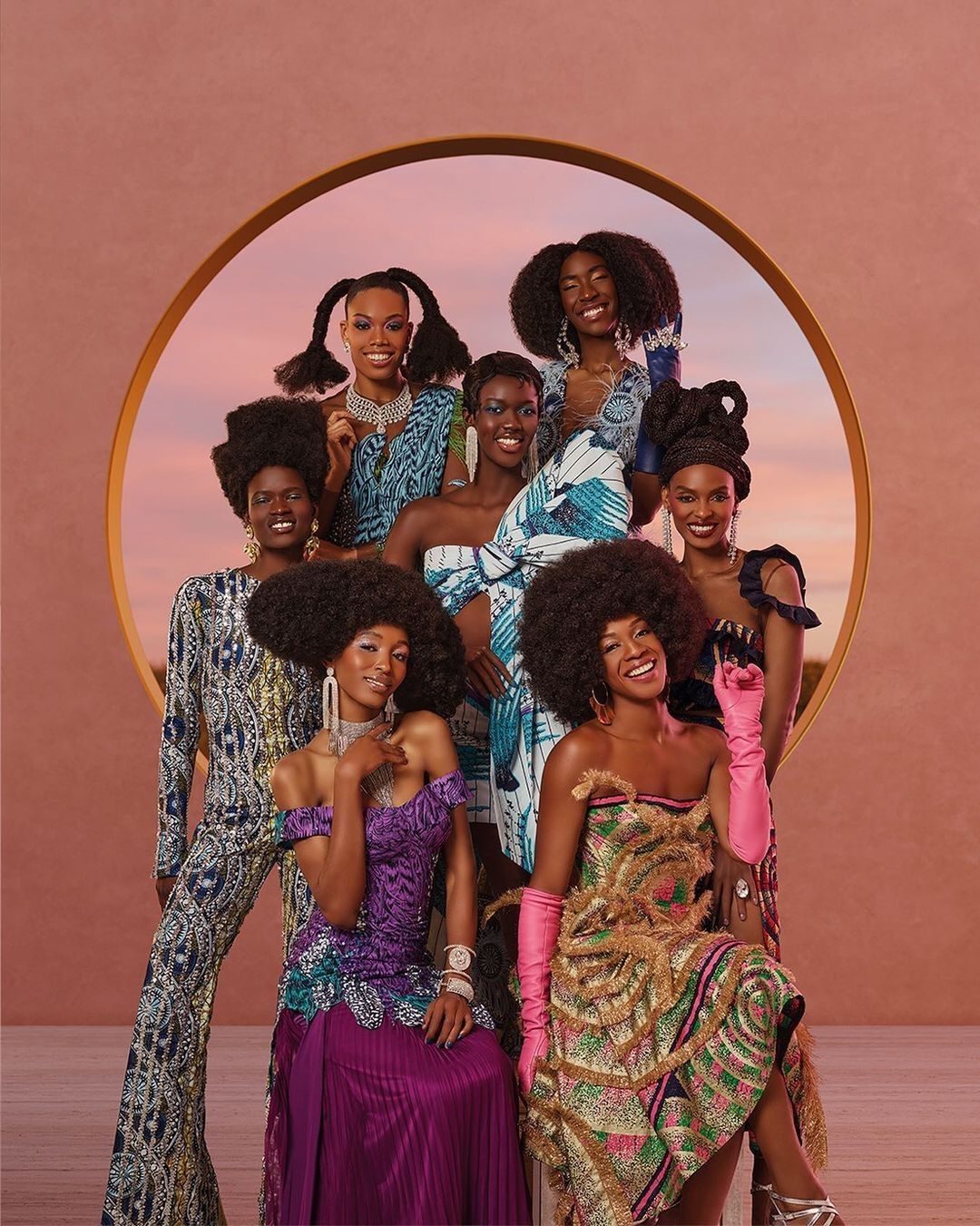
The Costume Designer as Cultural Interpreter
The Costume Designer as Cultural Interpreter

Behind these visual choices are costume designers who operate as cultural interpreters.

Designers connected to the industry, including figures like Deola Sagoe and Lanre Da Silva Ajayi, move between fashion and film. Still, their work in cinema often reaches further than runway collections.

Their role goes beyond styling. They ask deeper questions:

  • What does power look like in this context
  • How does wealth show itself in Lagos versus Ibadan
  • What fabric carries respect in a traditional setting

In films like King of Boys, costume becomes a language of control. Structured silhouettes, heavy textiles, and deliberate colour choices communicate authority before a character speaks.

This is cultural authorship. Yet it often goes uncredited, even as writing or directing is celebrated.

From Screen to Street: How Film Shapes Consumption

What Nollywood presents does not stay on screen.

Once a look resonates, it moves quickly:

  • Viewers internalise it as aspirational
  • Tailors begin reproducing similar styles
  • Markets adapt fabrics and patterns to meet demand
  • Boutiques refine and upscale the trend

This cycle is not driven by advertising budgets. It is driven by familiarity and desire.

A wedding scene in a film can reshape bridal expectations within months. A well-dressed character can redefine what “successful” looks like for a generation of young professionals.

Unlike traditional fashion systems, where trends move from elite spaces downward, Nollywood operates laterally. It reaches across class lines at the same time, making it one of the most democratic fashion systems in the world.

READ ALSO:

  • The Language of Skin: What Our Routines Reveal About Us
  • Bogotá’s Rise as a Global Capital of Fashion, Sustainability, and Innovation
  • The African Botanical Trilogy: A Fragrance Blueprint

The Diaspora and the Movement of Meaning
The Diaspora and the Movement of Meaning

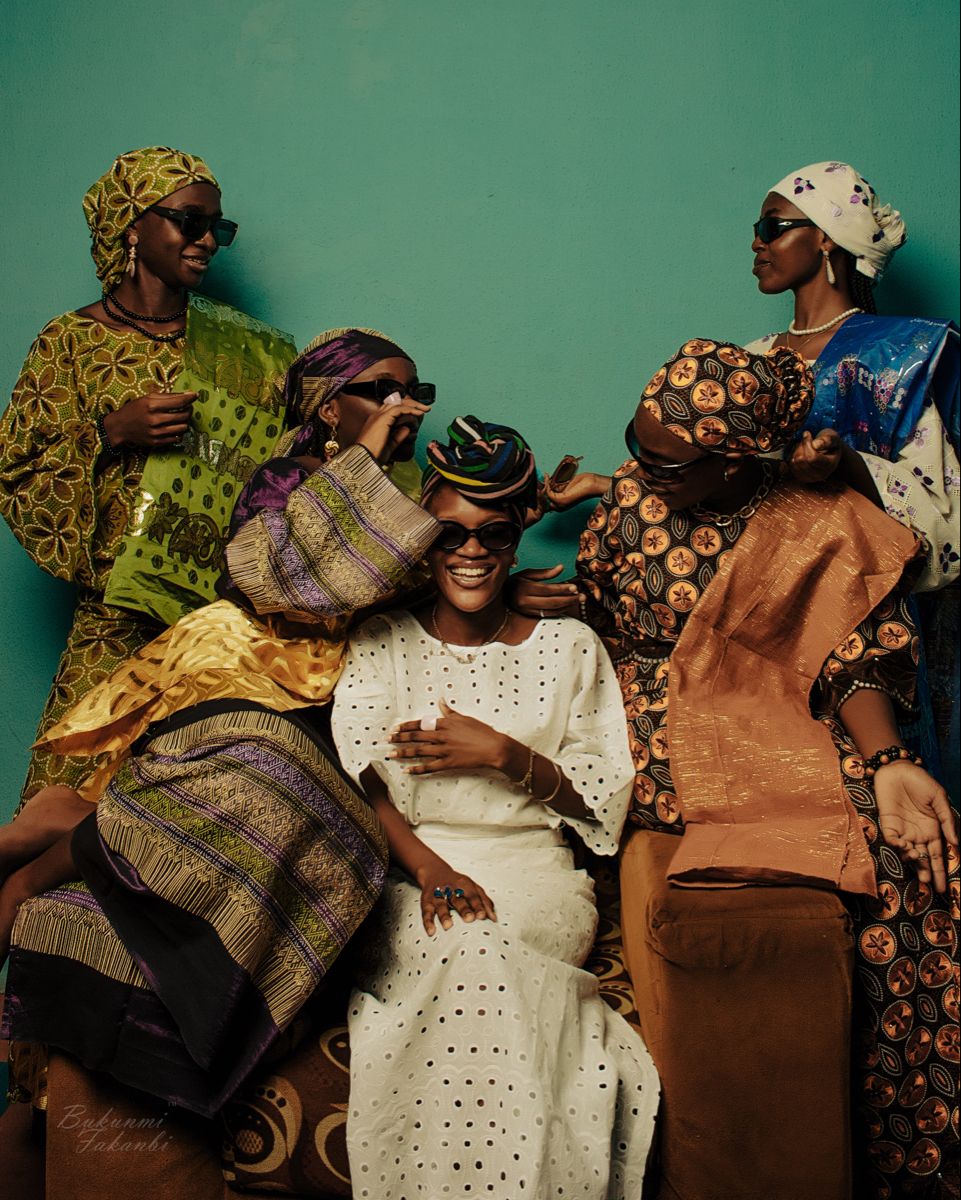
Nollywood’s reach extends far beyond Nigeria, but its influence is not just about exporting style. It exports context.

Through films circulated in London, Atlanta, and beyond, diaspora audiences engage with more than clothing. They absorb posture, ceremony, and social codes tied to those clothes.

A lace outfit seen in a film is not just replicated abroad. It carries meaning about celebration, respect, and presence. This is why Nollywood-inspired fashion appears strongly in diaspora weddings and cultural gatherings.

In this way, Nollywood becomes a bridge. It connects people to a shared visual language, even when they are geographically distant from its origin.

Why Nollywood Matters More Than Traditional Fashion Media

Publications like Vogue shape global taste, but they often speak to a narrow audience. Their authority comes from exclusivity.

Nollywood operates differently. Its authority comes from proximity.

It reaches people in everyday spaces. It reflects how they already live, then subtly elevates it. This makes its influence more durable. People are not just observing trends; they are participating in them.

Nollywood does not ask to be followed. It becomes part of how people see themselves.

Conclusion

Nollywood’s influence on fashion is not accidental. It is structural.

Embedding clothing within the story turns fashion into something lived rather than observed. It documents how people understand class, culture, and identity, while also shaping those understandings in real time.

This is why the Omiren argument holds weight. Nollywood is not simply using fashion to support film. It is using film to distribute fashion meaning at scale.

And in doing so, it has built one of the most influential, yet least formally recognised, fashion systems in the world.

5 FAQs

  1. Why does Nollywood have such a strong fashion influence?

Because it integrates clothing into storytelling, making style feel relatable and culturally grounded rather than distant.

  1. How do Nollywood films affect everyday dressing?

Viewers adopt styles from films through tailors and local markets, turning on-screen inspiration into everyday wear.

  1. Who drives fashion decisions in Nollywood productions?

Costume designers play a key role by interpreting culture, class, and character through clothing choices.

  1. Does Nollywood influence people outside Nigeria?

Yes, especially in diaspora communities where films shape cultural expression at events and social gatherings.

  1. What makes Nollywood different from global fashion media?

It reaches wider audiences and embeds fashion in real-life contexts, making its influence more accessible and lasting.


Post Views: 127
Total
0
Shares
Share 0
Tweet 0
Pin it 0
Related Topics
  • African Fashion Culture
  • Nigerian film industry style
  • Nollywood fashion influence
Avatar photo
Heritage Oni

theheritageoni@gmail.com

You May Also Like
What Jamaica Kept: The African Fabrics and Head-Tie Traditions That Survived the Middle Passage
View Post
  • Cultural Inspirations
  • Diaspora Connects

What Jamaica Kept: The African Fabrics and Head-Tie Traditions That Survived the Middle Passage

  • Ayomidoyin Olufemi
  • April 16, 2026
The Timing of Fashion: Why Some Ideas Are Only Accepted Later
View Post
  • Beauty
  • Fashion

The Timing of Fashion: Why Some Ideas Are Only Accepted Later

  • Fathia Olasupo
  • April 15, 2026
The White Shirt: A Study in Minimalist Authority
View Post
  • Men's Style
  • Trends

The White Shirt: A Study in Minimalist Authority

  • Faith Olabode
  • April 15, 2026
The African Men Who Dress to Be Remembered: Style, Power, and the Continent’s Forgotten Dandy Tradition
View Post
  • Diaspora Connects
  • Style & Identity

The African Men Who Dress to Be Remembered: Style, Power, and the Continent’s Forgotten Dandy Tradition

  • Ayomidoyin Olufemi
  • April 15, 2026
KikoRomeo: The Nairobi Brand That Turned Kenyan Craft Into Global Fashion Authority
View Post
  • African Fashion Designers

KikoRomeo: The Nairobi Brand That Turned Kenyan Craft Into Global Fashion Authority

  • Adams Moses
  • April 14, 2026
View Post
  • African Fashion Designers
  • Opinion & Commentary

Why Fashion Brands Don’t Scale: Access Over Design

  • Fathia Olasupo
  • April 14, 2026
Mia Amor Mottley: The Prime Minister Who Wears the Caribbean on the World Stage
View Post
  • Caribbean Designers
  • Celebrity Style
  • Fashion

Mia Amor Mottley: The Prime Minister Who Wears the Caribbean on the World Stage

  • Rex Clarke
  • April 12, 2026
Kenneth Ize: The Man Who Made Aso-Oke a Global Conversation
View Post
  • African Fashion Designers

Kenneth Ize: The Man Who Made Aso-Oke a Global Conversation

  • Faith Olabode
  • April 10, 2026

Leave a Reply Cancel reply

Your email address will not be published. Required fields are marked *

The Omiren Argument

African fashion and culture are not emerging. They are foundational. We document, interpret, and argue for the full cultural weight of African and diaspora dress. With precision. Without apology.

Omiren Styles Fashion · Culture · Identity

All 54 African Nations
Caribbean · Afro-Latin America
The Global Diaspora

Platform

  • About Omiren Styles
  • Our Vision
  • Our Mission
  • Editorial Pillars
  • Editorial Policy
  • The Omiren Collective
  • Campus Style Initiative
  • Sustainable Style
  • Social Impact & Advocacy
  • Investor Relations

Contribute

  • Write for Omiren Styles
  • Submit Creative Work
  • Join the Omiren Collective
  • Campus Initiative
Contact
contact@omirenstyles.com
Our Reach

Africa — All 54 Nations
Caribbean
Afro-Latin America
Global Diaspora

African fashion intelligence, in your inbox.

Editorial features, designer profiles, cultural commentary. No noise.

© 2026 Omiren Styles — Rex Clarke Global Ventures Limited. All rights reserved.
  • Privacy Policy
  • Editorial Policy
  • Terms of Use
  • Accessibility
Africa · Caribbean · Diaspora
The Omiren Argument

African fashion and culture are not emerging. They are foundational. We document, interpret, and argue for the full cultural weight of African and diaspora dress. With precision. Without apology.

Omiren Styles Fashion · Culture · Identity
  • About Omiren Styles
  • Our Vision
  • Our Mission
  • Editorial Pillars
  • Editorial Policy
  • The Omiren Collective
  • Campus Style Initiative
  • Sustainable Style
  • Social Impact & Advocacy
  • Investor Relations
  • Write for Omiren Styles
  • Submit Creative Work
  • Join the Omiren Collective
  • Campus Initiative
Contact contact@omirenstyles.com

All 54 African Nations · Caribbean
Afro-Latin America · Global Diaspora

African fashion intelligence, in your inbox.

Editorial features, designer profiles, cultural commentary. No noise.

© 2026 Omiren Styles
Rex Clarke Global Ventures Limited.
All rights reserved.

  • Privacy Policy
  • Editorial Policy
  • Terms of Use
  • Accessibility
Africa · Caribbean · Diaspora

Input your search keywords and press Enter.