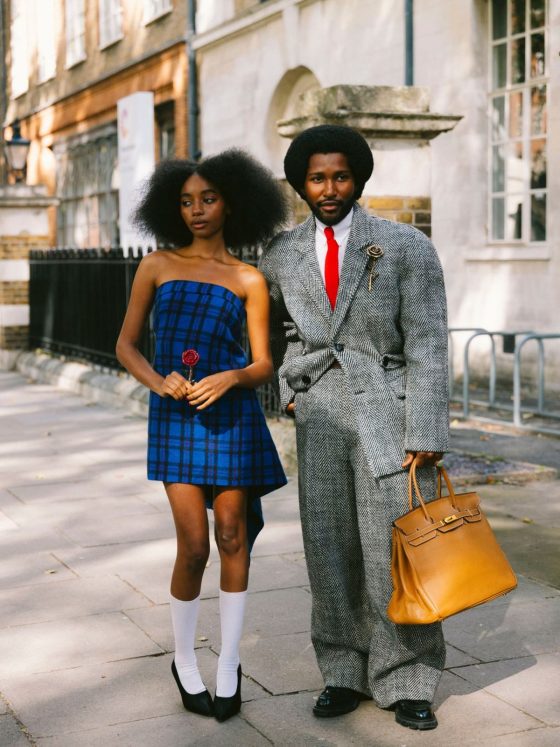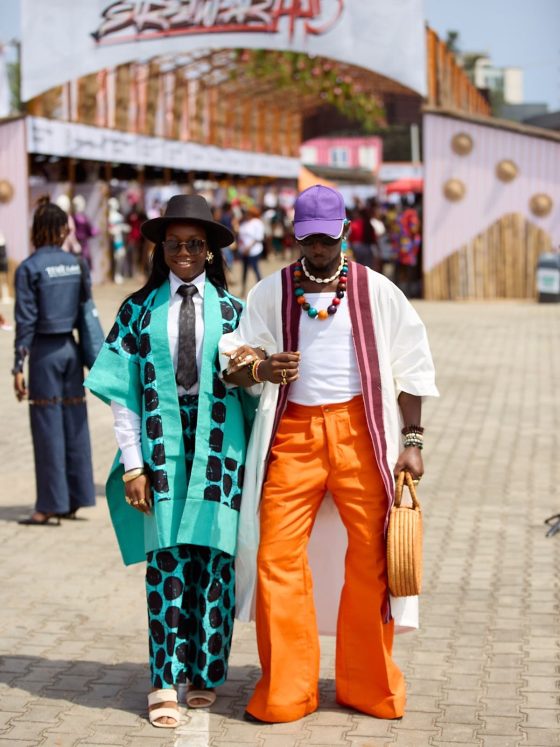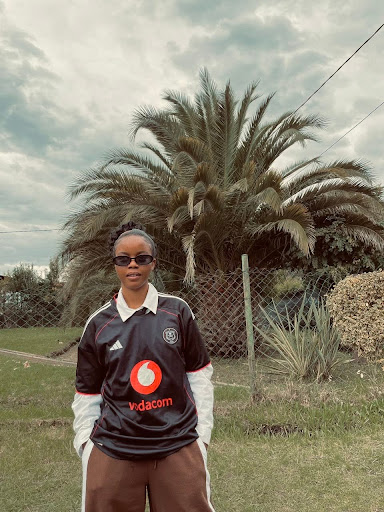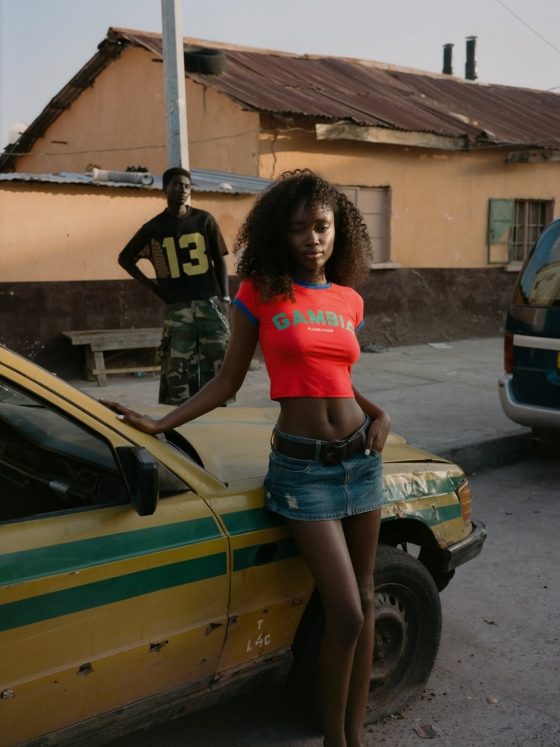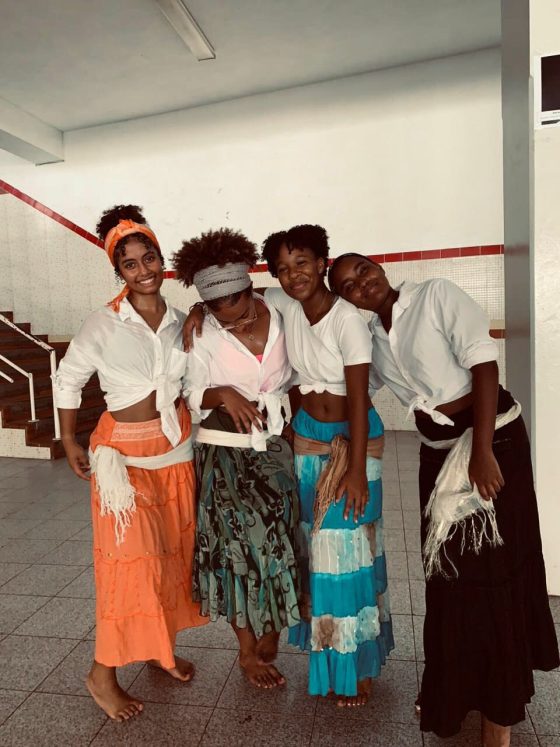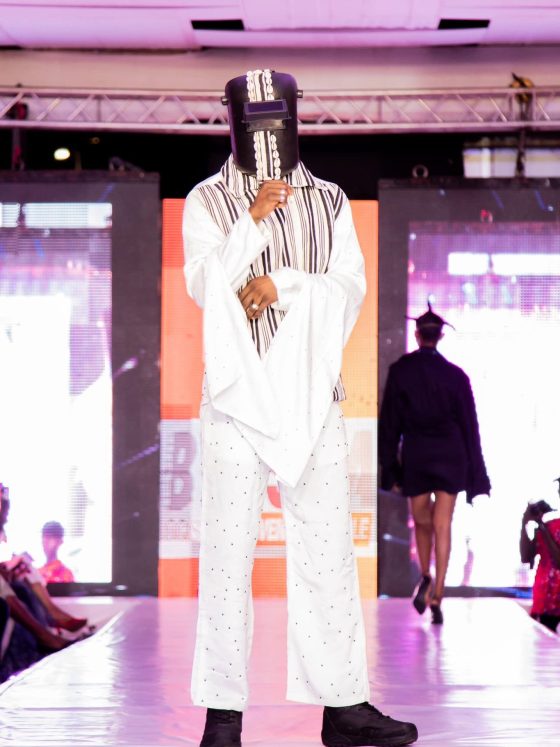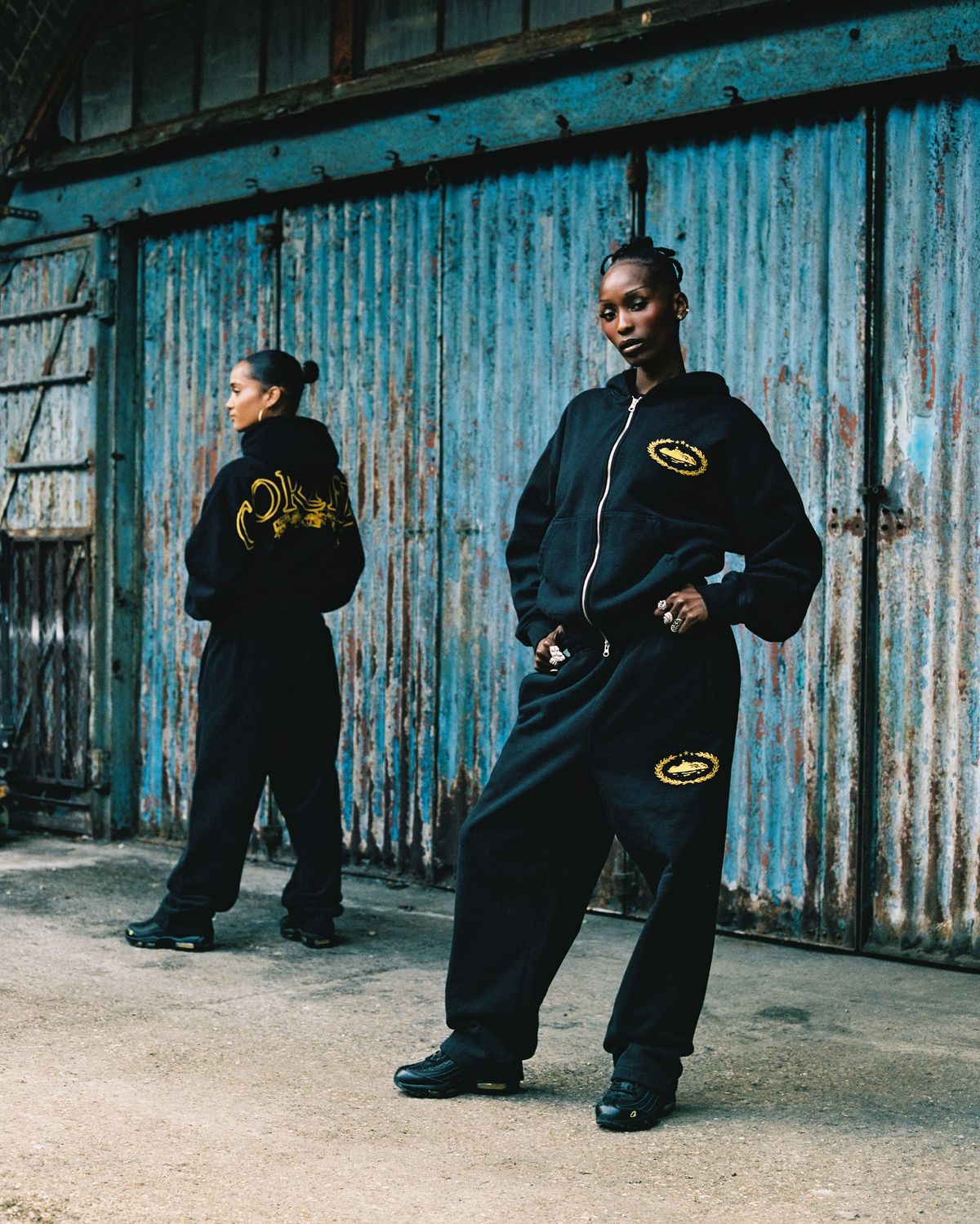
Cartagena has two dress codes. The first belongs to the walled city and the tourist economy: resort linen, colonial courtyards, hotel lobbies, Johanna Ortiz ruffles on a weekend visitor from Bogotá. This is the Cartagena that the fashion media knows. The second dress code belongs to the barrios populares, the Afro-Colombian working-class neighbourhoods that the tourist map places at the city’s margins and that champeta culture has placed at its centre. Cartagena streetwear, rooted in a music culture shaped by African rhythms arriving via maritime trade since the 1970s, has produced one of the most specific and least documented urban dress vocabularies in South America. The system has a name: La Pinta. It has its own standards, its own status hierarchy, and its own relationship to Afro-descendant identity that the resort industry operating two kilometres away has never engaged with and fashion media has never covered.
Champeta is an Afro-Caribbean music genre born from the meeting of African soukous, highlife, and mbaqanga with the oral traditions of San Basilio de Palenque and the social life of Cartagena’s working-class neighbourhoods. African records, arriving by commercial boat from Congo, Nigeria, South Africa, Haiti, and the French Caribbean, were embraced and reimagined by local youth from the 1970s onward. The picó, the massive mobile sound system, became the vehicle through which this music moved through the city, setting up in streets and communal spaces to run all-night parties. Champeta and the picó are inseparable, and the dress code that developed around them is equally inseparable from both: the pinta is what you wear to the picó, and getting it right matters in ways that anyone outside the culture has consistently underestimated.
Champeta culture produced Cartagena’s most distinctive streetwear vocabulary. La pinta, the picó dress code, and Afro-Colombian identity built a fashion system that the industry never documented.
Where Champeta Comes From
Champeta’s genealogy runs directly through San Basilio de Palenque, the first free Black settlement in the Americas, established by escaped enslaved Africans in the seventeenth century. The Palenquero community maintained African linguistic traditions in the Spanish-Creole hybrid language Palenquero, which has been a source of champeta’s specific slang and vocal style since the genre’s development. When African records began arriving in Cartagena via maritime trade in the 1970s, it was the communities connected to this heritage in the city’s peripheral neighbourhoods who recognised them as part of something they already carried. The soukous from the Congo and the highlife from West Africa were not simply new music to these listeners. They were, in a specific and documented sense, a return signal.
Cultural researcher Nicolás Contreras Hernández, who has studied the champetaú movement extensively, documents the genre’s evolution in terms that make clear it was never simply music. By the late 1960s and early 1970s, he notes, champeta had constituted itself as the urban youth culture of the barrios populares, with young people adapting influences from other Afro-descendant movements of the Caribbean. The 1970s aesthetic, he documents, drew from the soukous film promotion aesthetic: bell-bottoms, platform shoes, open shirts worn to the navel, the rumbero silhouette from Mexican cinema absorbed and remade into something Cartagenero. Each decade since has added new layers, while the underlying logic has stayed constant: the pinta must express Afro-Colombian identity, signal status within the community’s own value system, and, above all, be original.
“The soukous from the Congo and the highlife from West Africa were not simply new music to Cartagena’s Afro-Colombian communities. They were a return signal. That is where the pinta starts.”
La Pinta: The Dress Code That Has Its Own Rules
La pinta, meaning “the look” or “the outfit,” is the comprehensive term for the champeta dress code. Cultural researcher Contreras Hernández defines it as a fashion in champeta culture, one of the most representative elements of popular Cartagenero identity, synthesising expressions of prestige and status inspired by other Afro-descendant movements. It is a syncretism of styles and trends, personalised to carry a unique label: Made in Cartagena. The standard is precise: the pinta must be comfortable enough to allow enjoyment in the dance but striking enough not to go unnoticed without being outlandish. That balance between wearability and distinction is not casual. It is the product of a dress culture with its own aesthetics, hierarchy, and enforcement mechanisms through community judgment at the picó.
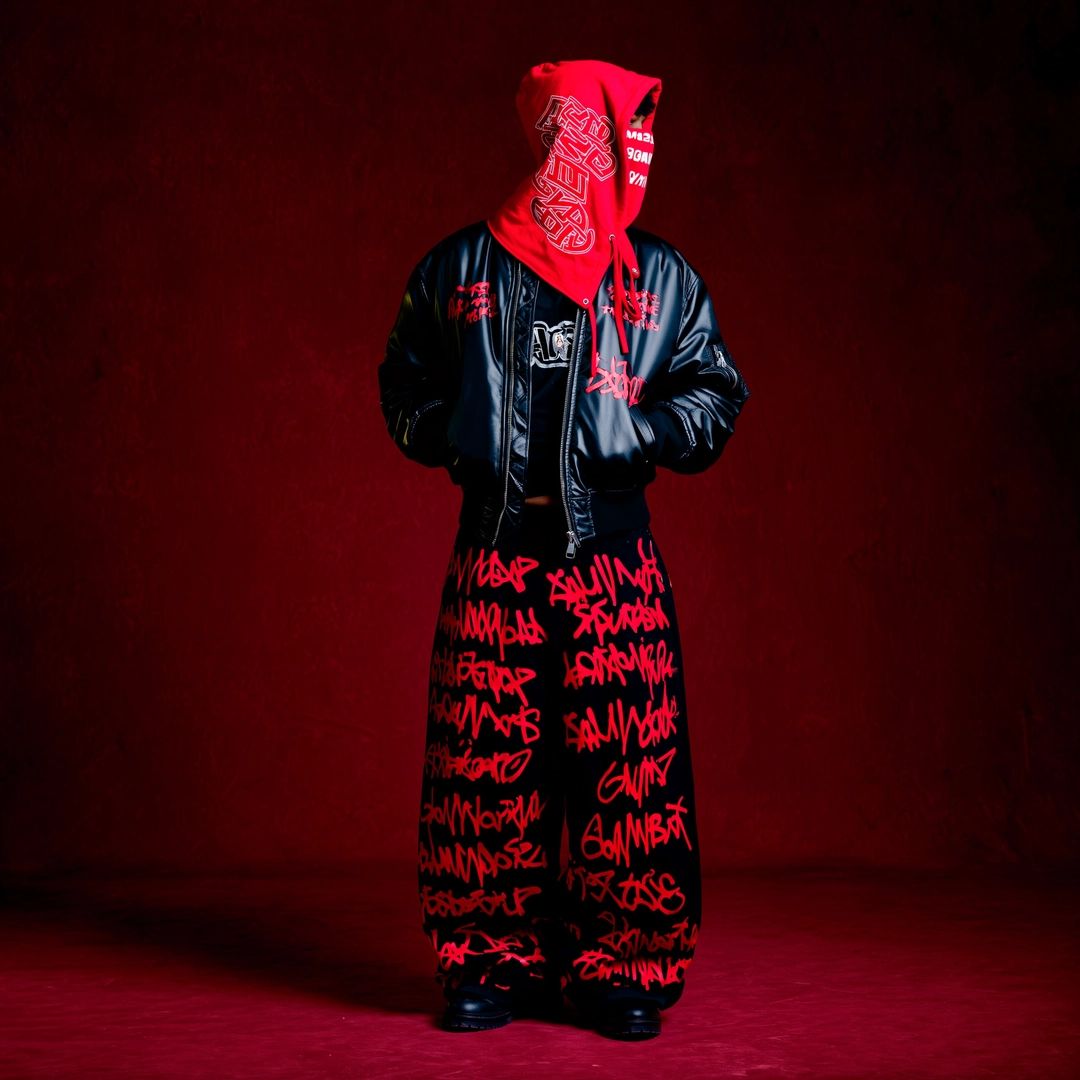
The male pinta is built from three foundations: a T-shirt, jeans or Bermuda shorts, and trainers. What distinguishes it is its silhouette and colour. Vivid, high-contrast colour combinations neutralised against wide or fitted jeans that allow movement in the dance. Contreras Hernández documents that trainers carry specific status weight: young men in Cartagena’s champeta scene will prioritise expensive sports shoes above almost any other expenditure. Andrey Silgado, a Cartagenero designer known for his work with champeta artists including Mister Black, Twister, Young F, and J Balvin, confirms this: the status signal is carried in the type of shoe. He notes that his own signature is the XL T-shirt, and that the goal is exclusivity in the pinta, to look different from everyone else. Picó brand merchandise, T-shirts and caps bearing the name of the specific sound system are sold at the parties themselves and worn as cultural loyalty statements.
African Prints, Afrocentric Colour, and What the Pinta Refuses
Academic documentation of champeta culture, including a paper published in PMC by scholars studying champeta’s cultural politics, makes the Afrocentric dimension of its dress code explicit: by refusing regionally hegemonic canons in favour of a Black-centred sense of aesthetics, fashion, and beauty, champeta practitioners upend the dominant myth of racial democracy and the values that support it. This is not the language of cultural commentary applied from outside the practice. It is a description of what champeta culture has been doing since the 1970s: building an aesthetic system that refuses the visual conventions of Cartagena’s white elite and the European-derived standard of respectability that those conventions represent.
The colour dimension of the pinta directly reflects this refusal. Where the dominant aesthetic of Cartagena’s formal and tourist-facing dress culture tends toward white linen and neutral tones that signal a different kind of status, the champeta pinta moves in vivid, high-contrast colour that references the Afro-descendant aesthetic tradition from which the music draws its inspiration. The connection to the African-print vocabulary that designers, including Lia Samantha Lozano, have formalised into contemporary Colombian fashion is not coincidental: both draw from the same fundamental assertion that colour is not excess but cultural identity, and that the visual conventions that pathologise bright colour as low-status are themselves the expression of a racial hierarchy that both champeta culture and Afro-Colombian design practice actively refuse.
The Picó as a Fashion Infrastructure
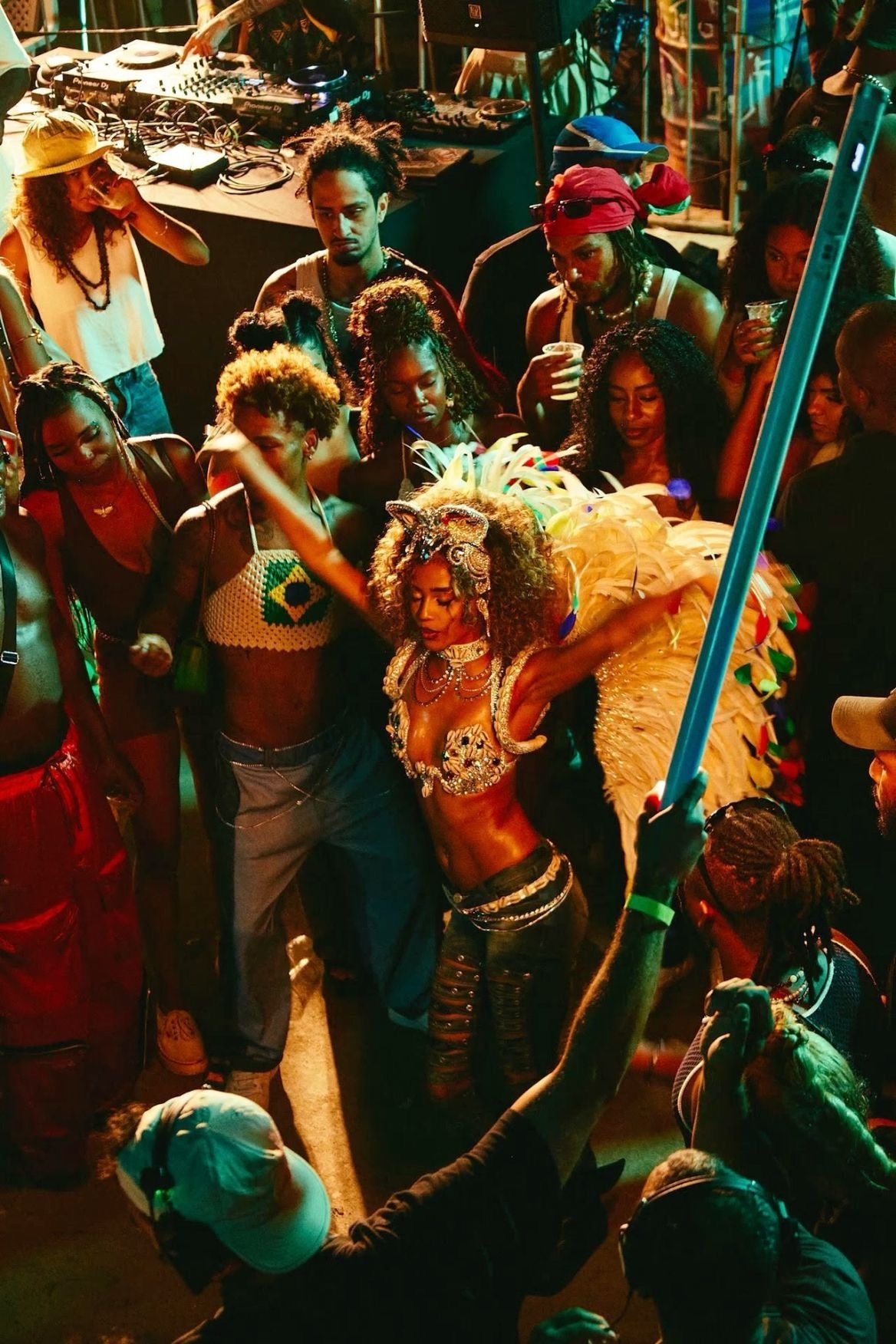
The picó, Cartagena’s mobile sound system culture derived from the English word pick-up truck, is the physical infrastructure through which champeta’s dress culture is reproduced and validated. These towers of speakers and amplification, owned by families who have passed them between generations and given them names, customised them with murals and artwork specific to each system, and built fierce loyalties among their regular audiences, are the spaces where the pinta is judged. To appear at a picó party without a considered pinta is to arrive without the cultural minimum. The parties, held in the barrios populares on streets cleared for the occasion, serve as community events in which dress, dance, and music operate simultaneously as social communication.
Picó-brand merchandise has become one of the most distinctive elements of Cartagena’s street-dress culture. T-shirts and caps bearing the names and visual identities of specific sound systems, sold directly at the parties, serve as loyalty declarations and community membership markers, much like sports team merchandise elsewhere. They are also locally produced and locally consumed, entirely outside the fashion industry’s commercial infrastructure. Bazurto Social Club in Getsemaí, which reopened in 2024 and has become known internationally as the most accessible entry point to the champeta experience, represents the touristic interface with this culture. The picó parties in the barrios that have been running for decades are the source material. Bazurto Social Club is the curated version.
Champeta Urbana and the Next Generation
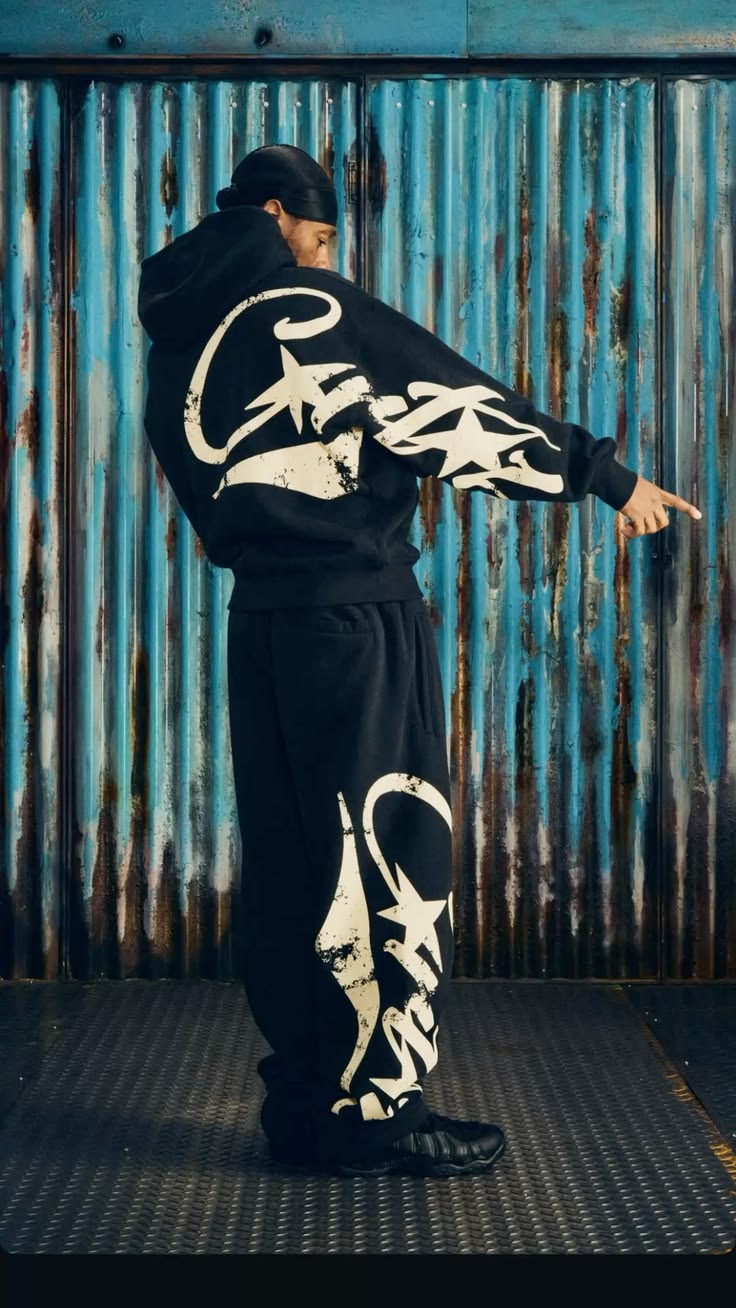
The urban champeta subgenre that has developed since the 1990s, blending the original African-Caribbean rhythms with reggaeton, hip-hop, dancehall, and electronic production, has extended the champeta dress vocabulary into dialogue with global Black urban aesthetics. The loose jeans, torn denim, oversized T-shirts, and statement footwear of champeta urbana draw from a visual language that is simultaneously specific to Cartagena and connected to the broader conversation about Black streetwear globally. This connection is not derivative. It reflects the same African diasporic roots, arriving through different routes: the direct maritime connection to African music in Cartagena’s champeta africana, and the mediated connection through American hip-hop and reggaeton in champeta urbana. Both are expressions of the same underlying identity claim.
J Balvin, whose commercial success has made him one of the most internationally visible figures in Colombia’s urban music scene, emerged from a context shaped by champeta urbana’s aesthetic vocabulary, even as his work sits within the broader Latin urban genre. Designer Andrey Silgado, who has worked with both champeta artists and J Balvin, represents the professional design infrastructure that has developed around the champeta-to-urban pipeline. The dress aesthetic that Cartagena’s barrios populares built around the picó culture has fed into the international Latin urban market in ways that the fashion press covering that market has not traced back to their source.
Also Read:
- COLOMBIAN DESIGNERS BRINGING PACIFIC COAST HERITAGE TO THE GLOBAL STAGE
- Afro-Caribbean Fashion in Haiti: History, Identity, and the Politics of Dress
The Class Politics the Walled City Has Always Refused to See
Champeta’s history in Cartagena is inseparable from the city’s class and racial dynamics. When champeta first gained popularity, Cartagena’s white elite responded by using the word champetuó, a fan of champeta, as a deliberate insult: a term for someone vulgar, noisy, and aggressive. The word was weaponised to associate Black working-class cultural production with social undesirability. The communities it targeted did what communities under cultural attack typically do: they claimed the term, stripped it of its insult, and wore it as an identity. A champetuó today is not someone who has accepted a derogatory label. It is someone who stands within a cultural tradition that the elite attempted to suppress, and that survived anyway.
The geographical politics of champeta in Cartagena are equally specific. Picó parties are held in barrios populares far from the walled city and tourist centres that represent Cartagena to the world. The fashion press that covers Cartagena covers the colonial architecture, the resort hotels, and the Palenquera women who are photographed as picturesque symbols of
Afro-Colombian culture without acknowledgement of what San Basilio de Palenque actually is or what champeta’s connection to it means. The dress culture that the Palenquero community’s heritage feeds into, through champeta’s development in the barrios populares, is the same dress culture that the tourist camera photographs as background colour. The full story, which connects San Basilio’s freed enslaved community to the picó parties running in Cartagena’s streets today, has not been told.
OMIREN ARGUMENT
Cartagena has two kinds of fashion visibility. The first is the resort market’s version: colonial backdrop, linen ruffles, the Palenquera dress photographed as tourism content without its political context. This version is covered extensively and generates significant commercial interest from the international fashion industry. The second is the champeta scene’s version: the pinta, la pinta pal picó, an Afrocentric dress vocabulary built in the barrios populares from African musical heritage, Palenquero cultural tradition, and the specific aesthetic refusal of Cartagena’s racial hierarchy. This version has not been covered. The asymmetry between these two kinds of visibility is not incidental. It reflects the same dynamic that makes San Basilio de Palenque’s 400-year history of African cultural survival a backdrop for tourism rather than a design origin story.
The champeta dress code is not informal urban wear waiting to be taken seriously by a fashion establishment that operates elsewhere. It is a fully developed, internally coherent aesthetic system with its own standards, its own status hierarchy, its own evolutionary logic across five decades, and its own direct lineage to African diasporic cultural practice. It has been building all of this in the same city where the fashion press was photographing resort collections, and the fashion press did not look up.
Frequently Asked Questions
- What is champeta culture in Cartagena?
Champeta is an Afro-Caribbean music genre and urban cultural movement born in the barrios populares of Cartagena, Colombia, from the 1970s onward. It developed when African records, soukous from Congo, highlife from West Africa, mbaqanga from South Africa, and zouk from the French Caribbean, arrived in Cartagena by maritime trade and were embraced and reimagined by Afro-Colombian youth. The music was distributed through picós, massive mobile sound systems, at all-night street parties in working-class neighbourhoods. Champeta has roots in San Basilio de Palenque, the first free Black settlement in the Americas, whose Palenquero cultural and linguistic traditions run through the genre. It was designated a Cultural Heritage of Colombia.
- What is La Pinta, and how does it relate to Cartagena streetwear?
La pinta, meaning the look, is the term for the dress code developed within champeta culture for picó parties and the broader street life of Cartagena’s barrios populares. Documented by cultural researcher Nicolás Contreras Hernández, la pinta synthesises expressions of prestige and status inspired by other Afro-descendant movements into a Made in Cartagena aesthetic. The male pinta is built from T-shirts, jeans or bermuda shorts, and high-status trainers in vivid, high-contrast colour combinations. Women’s pinta tends toward more form-fitting jeans, often with appliques and embellishments. Picó brand merchandise, T-shirts and caps carrying specific sound system names, are sold at parties and worn as community loyalty markers.
- What is the picó, and why does it matter for Cartagena’s dress culture?
The picó is Cartagena’s mobile sound system, derived from the English word pick-up. These massive speaker towers are owned by families who have customised them with murals and names, passed them down through generations, and built fierce community loyalty. They are set up on streets in barrios populares for all-night champeta parties. The picó is the space where la pinta is judged and validated: arriving without a considered pinta is a social failure within the community’s own standards. Picó brand merchandise sold at parties functions as a community membership and loyalty declaration. Bazurto Social Club in Getsemaí is the most accessible tourist-facing expression of picó culture, having reopened in 2024.
- How does champeta culture connect to Afrocentric identity in Cartagena?
Champeta’s Afrocentric dimension is documented in academic literature as a deliberate refusal of the hegemonic aesthetic conventions of Cartagena’s white elite. By building a Black-centred sense of aesthetics, fashion, and beauty, champeta practitioners have consistently refused the visual standards that associate European-derived dress conventions with social respectability and Black cultural production with vulgarity. This refusal has been active since champeta’s early development. It runs through the pinta’s colour philosophy, its connection to African print aesthetics, and its direct lineage to the cultural heritage of San Basilio de Palenque’s freed enslaved community. When the word champetuó was used as an insult by Cartagena’s elite, the communities it targeted instead claimed it as an identity.
- Who is Andrey Silgado, and what is his role in champeta fashion?
Andrey Silgado is a Cartagenero designer who works in the urban music and champeta scenes, known for his collaborations with champeta artists including Mister Black, Twister, and Young F, as well as with reggaeton star J Balvin. His signature design element is the XL T-shirt, and his design philosophy within the champeta aesthetic centres on exclusivity: the pinta should look different from everyone else’s. He also documents that trainers carry the primary status signal within the champeta dress code, with young men prioritising expensive sports shoes above almost any other clothing expenditure. He represents the professional design infrastructure that has developed around the champeta and urban music scene in Cartagena.
- How does champeta urbana differ from champeta africana?
Champeta africana refers to the original genre that developed from the 1970s onward in direct engagement with African records arriving by maritime trade, primarily soukous, highlife, and related Afro-Caribbean rhythms. Its dress aesthetic drew from the visual culture of those African and Caribbean music scenes, adapted into a Cartagenero synthesis. Champeta urbana is a subgenre that developed from the 1990s, blending the original African-Caribbean rhythms with reggaeton, hip-hop, dancehall, and electronic production. Its dress vocabulary extends the champeta aesthetic into dialogue with global Black urban streetwear, including loose jeans, oversized T-shirts, torn denim, and statement footwear. Both expressions of champeta share the same Afrocentric identity foundation and the same Palenquero cultural roots.