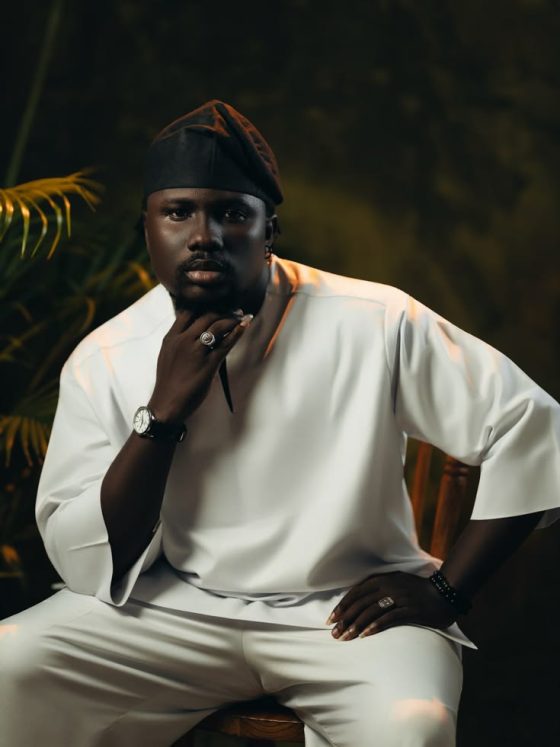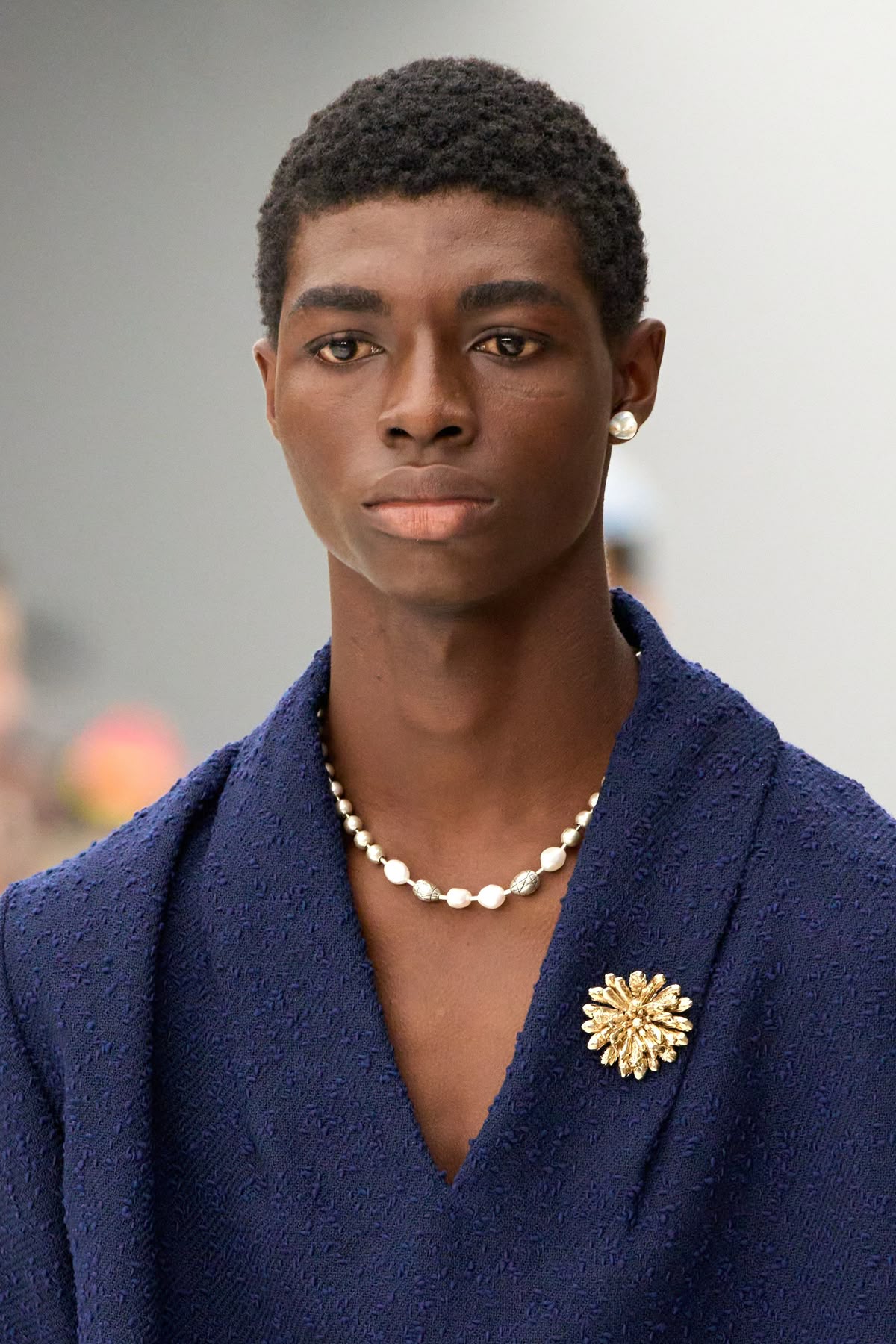
Last week, while I sat in a bright studio in Lagos, I noticed that the conversation about masculinity is changing. It’s no longer just about appearance but about energy. The men leading the 2026 style movement are not only well-dressed but also in tune with themselves. They blend traditional influences with subtle, unseen elements.
Picture a hand-carved MaXhosa Africa knit vest, with a sculptural brass brooch from Orange Culture pinned to the chest. The brooch looks more like a fossilised secret than jewellery. If you look at the hand, you won’t see a heavy gold watch, but instead a bright ring quietly tracking heart-rate variability. This is a broad view of sustainability: caring for your energy and respecting your roots.
We are leaving behind the idea of a standard uniform and moving toward a more personal style. For example, dark Tahitian pearls, which used to be considered feminine, are now a symbol of a bold professional in 2026. Or consider a single Adire-wrapped pouch from Tongoro. The message is simple: only wear what makes you feel grounded.
Unlock the 2026 men’s accessory guide: From sculptural brooches to somatic wellness smart rings. Discover how heritage brands like Maxhosa Africa and Orange Culture are redefining inclusive, sustainable masculinity at Omiren Styles.
Why the Brooch is the New Armour
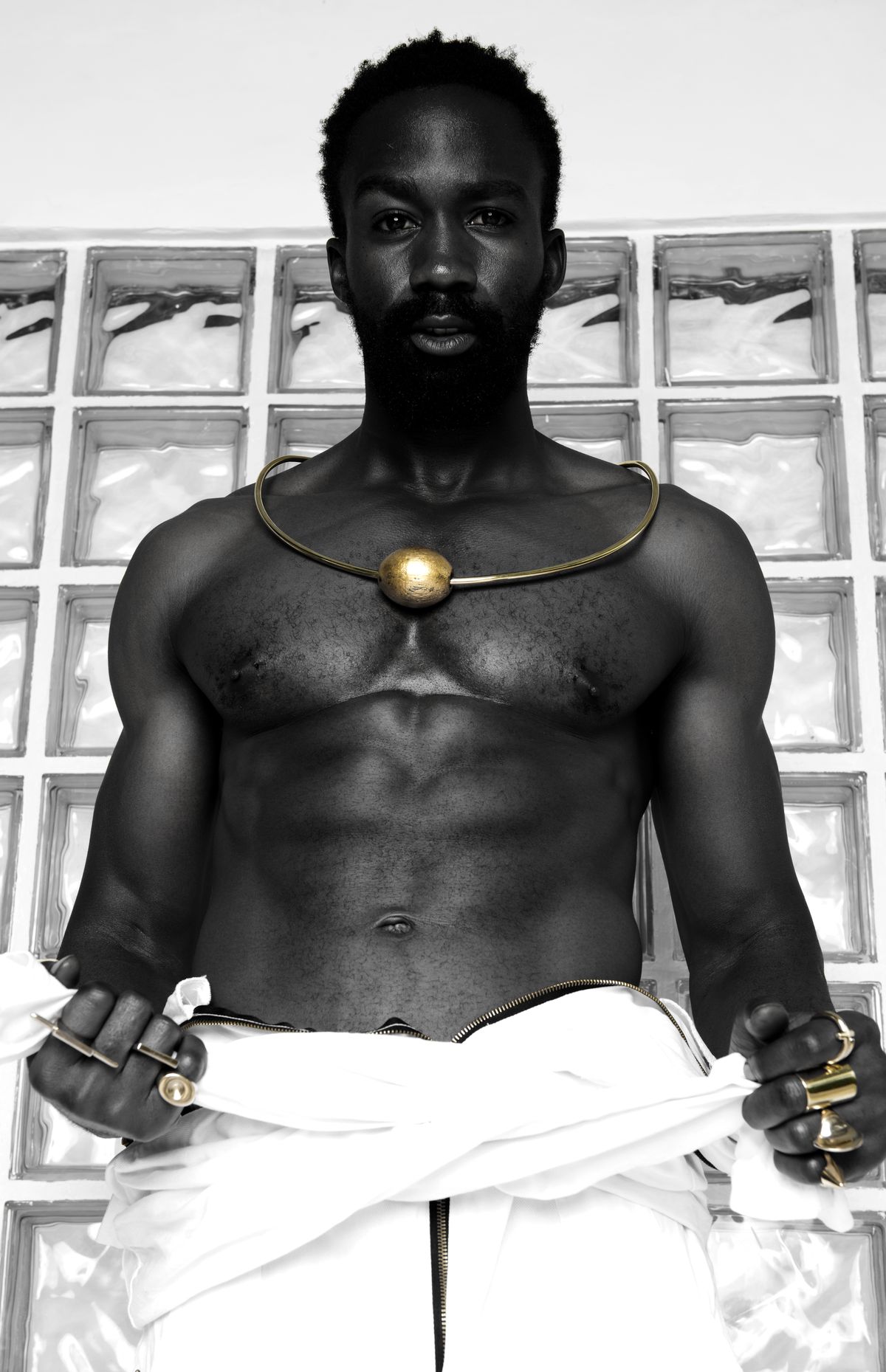
Forget the delicate pins you might find in your grandmother’s jewellery box. In 2026, the brooch has taken on a bold new look. We call it the sculptural shield. It stands at the heart of ancestral tech minimalism, serving as wearable architecture that showcases both skill and confidence. Pinning a large, hand-forged brass brooch from Orange Culture to your chest isn’t just about style; it’s a statement of cultural pride.
This year, the style leader isn’t just pinning brooches to the lapel. There’s a new wave of creativity: brooches are showing up at the centre of ties, holding silk Adire scarves in place, or even cinching the waist of a structured tunic. Brands like Pichulik are making pieces that look as if they came from a future archaeological dig, irregular, organic, and genuinely inclusive. These brooches connect tradition with modern style, making them perfect for layering heritage in new ways.
I’ve noticed that a brooch is the one accessory that can turn a plain white shirt into a strong professional statement. It’s also a wise choice for sustainability, since one well-made, hand-crafted pin can refresh many different outfits. In 2026, a man who wears a brooch isn’t trying to blend in; he’s making himself the centre of attention.
Stones, Seeds, and Somatic Power
If a brooch is like armour, then the Somatic Bead is your anchor. In 2026, people are moving away from the digital distractions of watches and choosing jewellery based on how it feels against the skin. This is what we call The Earthly Connection. It means selecting materials with real texture and history, such as raw African Turquoise, matte Onyx, or recycled Krobo glass from Ghana.
The ‘It Guy’ in 2026 wears these pieces for more than just style; they help him feel grounded. Personalised heritage rings are becoming more popular, especially modern signs from brands such as Adele Dejak and Symbols of Authority. These rings use reclaimed brass and ethically sourced bone to show off both skill and a commitment to sustainability. They are not perfect, factory-made bands. Instead, they feel textured, hammered, and worn, proving that cultural authenticity is something you wear daily.
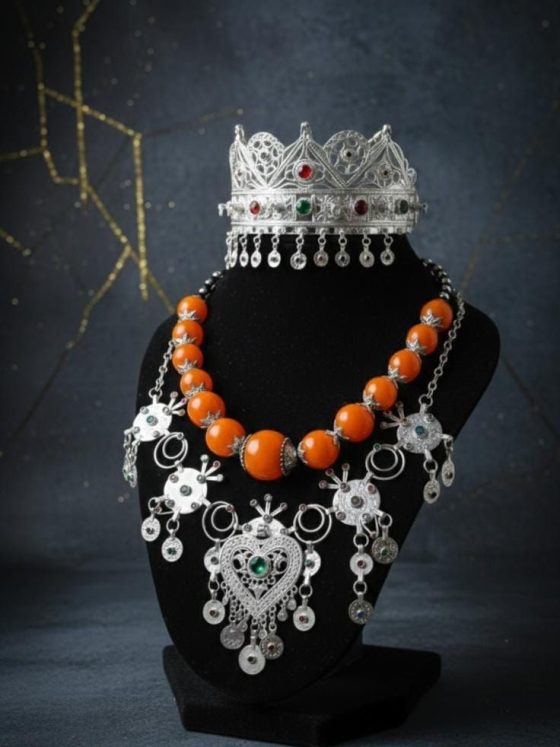
There is also a new trend toward masculine pearls. Rather than delicate strands, the 2026 look uses dark, uneven Tahitian pearls with rugged leather or steel. This blend of elegance and strength is easy to wear for anyone. Whether you pick tiger’s eye beads for focus or a raw-stone pendant with a linen suit, the message is simple: in a world of hidden signals, the strongest man stays connected to the earth.
ALSO READ:
- How Ohimai Atafo is Shaping Modern African Menswear
- Taibo Bacar: Designing Elegance for Men and Women on a Global Stage
Why Your Waist and Neck Need a Story
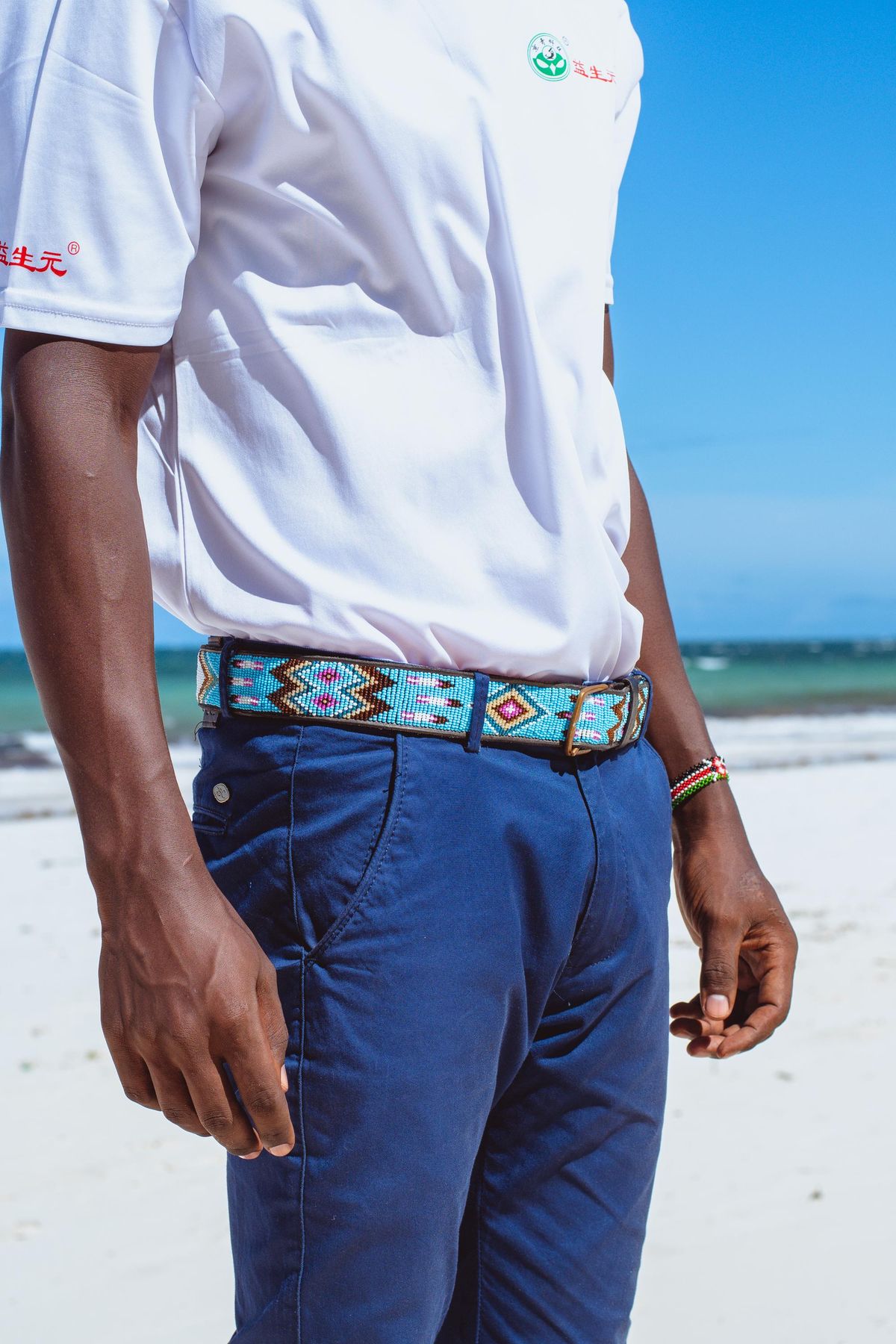
Leave those mass-produced leather belts sitting unused in your drawer behind. In 2026, style is all about storytelling. This trend is called The Weighted Wrap. It’s ideal for those who see sustainability as a feeling, not just a trend. There’s a big move toward hand-woven, beaded, and scarf-inspired waistlines that can transform any pair of trousers into a standout look.
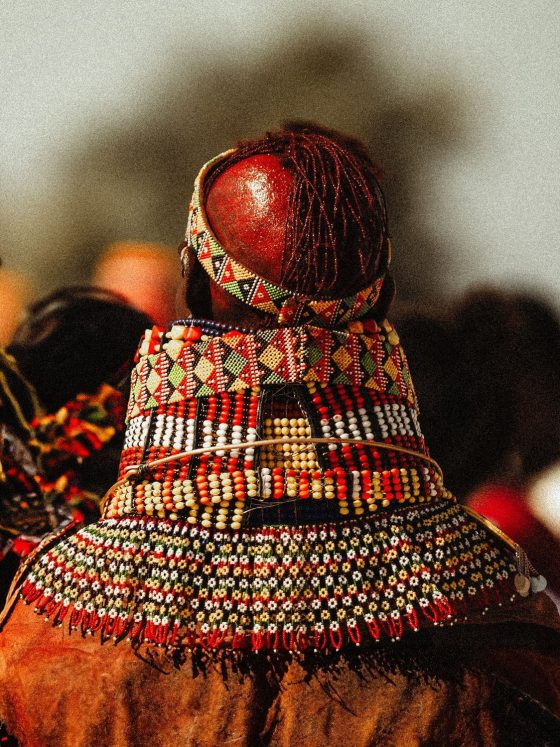
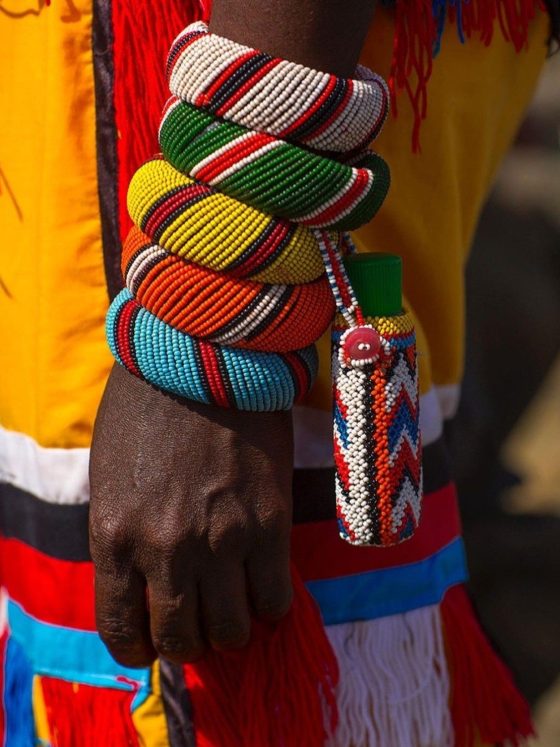
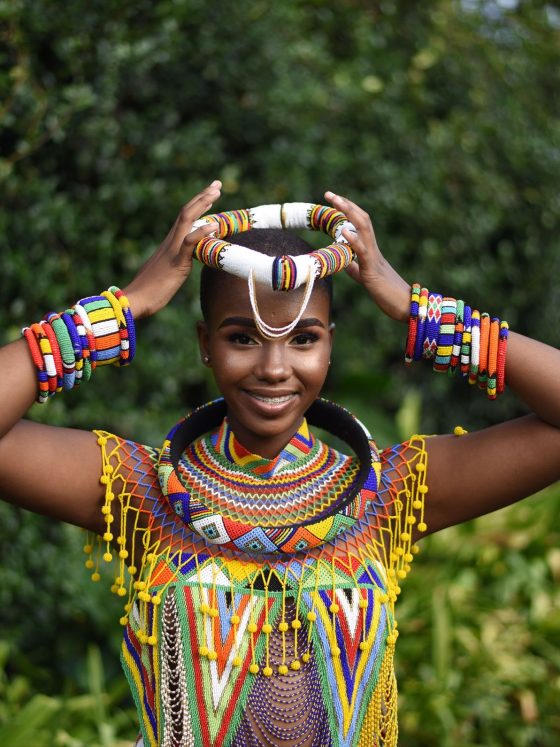
Look at MaXhosa Africa‘s latest 2026 collection, “Gifts for the Ancestors”. They’ve turned the belt into a symbol of heritage. There are hand-beaded Maasai belts and Xhosa-knit sashes that do more than just keep your pants up; they make a statement. Orange Culture has also introduced the “extended scarf-collar.” Picture a shirt with a collar that continues into a long, silk Adire wrap you can style in different ways. This approach is inclusive, flexible, and shows real skill.
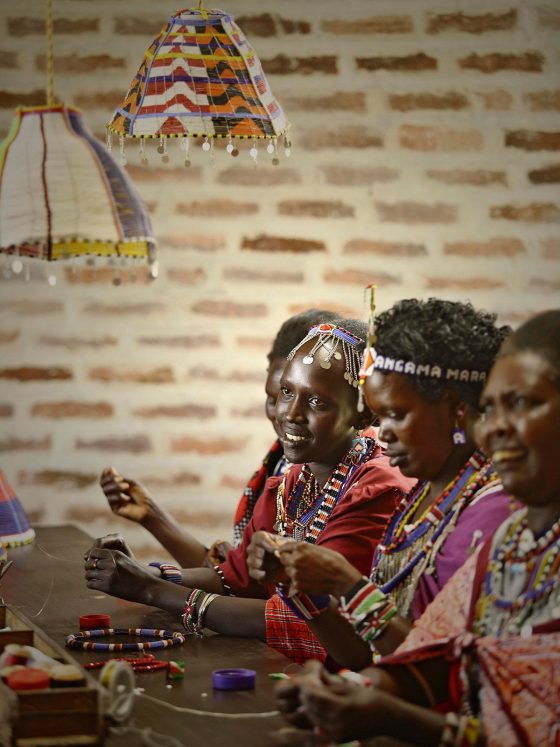
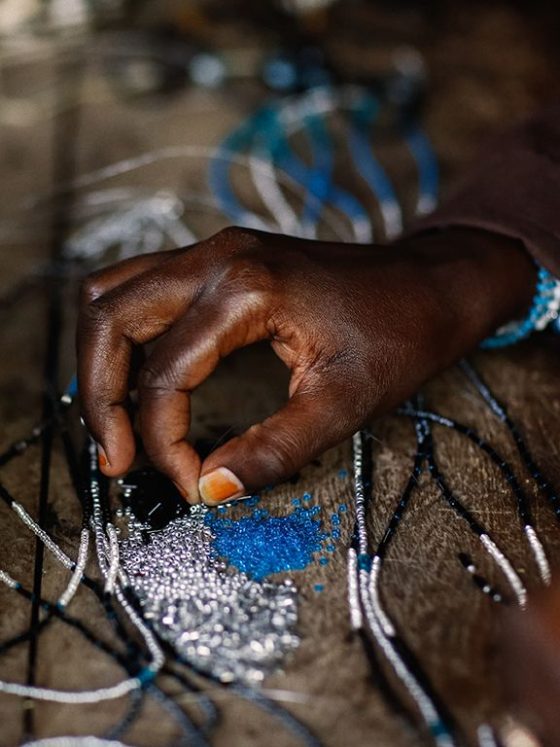
When you swap a regular belt for a hand-woven sash or a utility scarf, you’re embracing dynamic heritage layering at its best. It shows you appreciate the time and skill a Maasai artisan puts into beading a belt, rather than choosing something made in a matter of seconds. In 2026, mastering the wrap means knowing your style is uniquely yours. It’s more than just a belt; it’s a connection to heritage.
Conclusion
We’re in new territory now. In 2026, modern men’s style is more than just dressing up; it’s about making a statement. We’ve left behind the days of “Quiet Luxury” that encouraged us to blend in. Now, we’re in the era of ancestral tech minimalism, where bold accessories bring energy and personality to a professional look.
When you wear a sculptural “Shield” from Orange Culture or a stone signet from Adele Dejak, you’re doing more than following fashion. You’re showing your heritage, your respect for the planet, and your confidence as a leader. This approach is about layering meaning into your style and making it personal and inclusive.
I’ve noticed that the 2026 “It Guy” doesn’t just follow trends: he chooses what fits his own style. He understands that a hand-beaded wrap or a unique Tahitian pearl isn’t just an accessory; it sparks conversation. These choices show that you have depth and cultural awareness and that absolute luxury is about the story you share.
A story is the only thing that never goes out of style. To dive deeper into the narratives shaping the African luxury landscape, continue your journey at Omiren Styles.
Frequently Asked Questions (FAQs):
- How do I wear a brooch without looking like I’m going to a 1920s gala?
A: Keep the rest of the outfit hyper-modern. Pin a large, organic brass brooch to a structured MaXhosa knit vest or a crisp linen utility jacket. The contrast between the “ancient” metal and the modern fabric is what makes it trendy.
- Are “Men’s Pearls” really here to stay?
A: Absolutely. In 2026, pearls are the ultimate mark of an inclusive and professional rebel. The key is to avoid the perfectly round “grandma” strands; look for dark, baroque (irregular) pearls mixed with raw leather or industrial silver.
- Can I wear stones like Malachite or Obsidian in a corporate setting?
A: Yes, and you should. It signals expertise in somatic wellness. A single raw-stone signet ring or a matte bead bracelet tucked under a watch adds a “grounded” layer to your professional authority.
- How many accessories are “too many” in 2026?
A: Follow the “One Focal Point” rule. If you’re wearing a massive sculptural brooch, keep your rings minimalist. If you’re stacking heritage beads, skip the neck jewellery. Let one piece be your “Frequency Anchor.”
- How does accessorising support sustainability?
A: By investing in “Small-Batch Luxury”. Choosing a hand-beaded belt or a forged brass ring means you’re supporting artisans, not factories. These pieces don’t go out of style; they become family heirlooms with high cultural legitimacy.