Menu
  • AFRICA
    • African Fashion
    • African Designers
    • Textiles & Craft
    • Heritage Clothing
    • Made in Africa
    • Regional Style
  • DIASPORA
    • Diaspora Voices
    • Diaspora Connects
    • UK Scene
    • US Scene
    • Caribbean Diaspora
    • Afro-Latino Identity
    • Migration & Identity
  • CULTURE
    • Style & Identity
    • Ceremony & Ritual
    • Art & Music
    • Cultural Inspirations
    • Black Culture
    • Heritage Stories
  • FASHION
    • Trends
    • Street Style
    • Runway
    • Sustainable Fashion
    • Tailoring
    • Luxury Fashion
  • INDUSTRY
    • Editorial Intelligence
    • Market Trends
    • Brand Strategy
    • Retail & Commerce
    • Partnerships
    • Reports
    • Insights
    • Omiren Style Index
  • BEAUTY
    • Skincare
    • Makeup
    • Hair & Hairstyle
    • Fragrance
    • Beauty Traditions
    • Natural Beauty
  • MEN
    • Men’s Style
    • Grooming Traditions
    • Traditional & Heritage
    • The Modern African Man
    • Menswear Designers
  • WOMEN
    • Women’s Style
    • Evening Glam
    • Workwear & Professional
    • Streetwear for Women
    • Accessories & Bags
    • Bridal
  • NEWS
    • Cover Stories
    • Fashion Weeks
    • Opinion & Commentary
    • Style Icons
    • Rising Stars
  • DIRECTORY
    • Designers
    • Brands
    • Boutiques
    • Stylists
    • Models
    • Photographers
    • Creative Teams
    • Events
    • Production
    • Materials & Suppliers
Omiren Magazine Partner With Us Advertise Style Index
Subscribe
OMIREN STYLES OMIREN STYLES

Fashion · Culture · Identity

OMIREN STYLES OMIREN STYLES OMIREN STYLES OMIREN STYLES
  • AFRICA
    • African Fashion
    • African Designers
    • Textiles & Craft
    • Heritage Clothing
    • Made in Africa
    • Regional Style
  • DIASPORA
    • Diaspora Voices
    • Diaspora Connects
    • UK Scene
    • US Scene
    • Caribbean Diaspora
    • Afro-Latino Identity
    • Migration & Identity
  • CULTURE
    • Style & Identity
    • Ceremony & Ritual
    • Art & Music
    • Cultural Inspirations
    • Black Culture
    • Heritage Stories
  • FASHION
    • Trends
    • Street Style
    • Runway
    • Sustainable Fashion
    • Tailoring
    • Luxury Fashion
  • INDUSTRY
    • Editorial Intelligence
    • Market Trends
    • Brand Strategy
    • Retail & Commerce
    • Partnerships
    • Reports
    • Insights
    • Omiren Style Index
  • BEAUTY
    • Skincare
    • Makeup
    • Hair & Hairstyle
    • Fragrance
    • Beauty Traditions
    • Natural Beauty
  • MEN
    • Men’s Style
    • Grooming Traditions
    • Traditional & Heritage
    • The Modern African Man
    • Menswear Designers
  • WOMEN
    • Women’s Style
    • Evening Glam
    • Workwear & Professional
    • Streetwear for Women
    • Accessories & Bags
    • Bridal
  • NEWS
    • Cover Stories
    • Fashion Weeks
    • Opinion & Commentary
    • Style Icons
    • Rising Stars
  • DIRECTORY
    • Designers
    • Brands
    • Boutiques
    • Stylists
    • Models
    • Photographers
    • Creative Teams
    • Events
    • Production
    • Materials & Suppliers
Uncategorized

Bazin Riche in Senegalese Fashion: History, Meaning, and Cultural Significance

  • Rex Clarke
  • February 6, 2026
Bazin and Gender: A Shared Fabric with Distinct Expressions

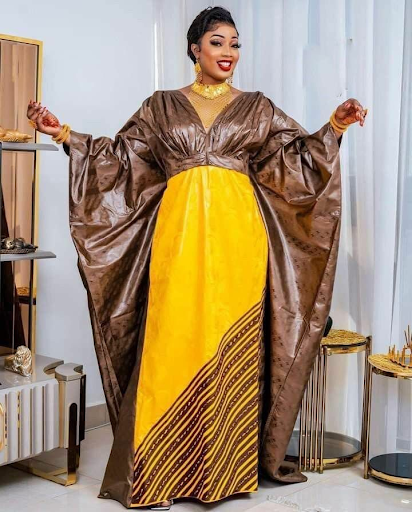
In Senegal, Bazin Riche is not merely incidental. It announces itself, glossy, sculptural, and unmistakably deliberate. To wear Bazin is to make a statement about taste, presence, prosperity, and participation in a shared cultural code.

Unlike fabrics chosen for comfort or trend, Bazin Riche occupies a ceremonial space in Senegalese life, reserved for significant moments such as weddings, religious festivals, naming ceremonies, political gatherings, and public celebrations. Its shine is intentional visibility.

The discussion of Bazin Riche by Omiren Styles foregrounds a uniquely African interpretation of luxury, setting the stage for a deeper exploration of its historical journey.

Discover the cultural history of Bazin Riche in Senegal, its origins, symbolism, and why this luxurious fabric defines celebration, status, and modern West African fashion.

Origins of Bazin Riche: A Fabric Reclaimed
Introduction: When Fabric Becomes a Statement

Bazin Riche did not originate in Senegal. Its story begins in Europe, where damask cotton was industrially produced and later exported to West Africa during the colonial period. Initially, it was simply another imported textile, functional, affordable, and unremarkable.

What transformed Bazin into Bazin Riche was African intervention.

West African artisans, particularly in Mali and Senegal, began dyeing fabrics by hand, saturating them with deep, luminous colours and subjecting them to repeated washing, starching, and polishing. This process thickened the fabric, intensified its sheen, and gave it structure.

This reclamation directly leads to the fabric’s present role as a symbol of meaning and status in Senegalese society.

The Meaning of Shine: Visibility, Pride, and Power

In many Western fashion traditions, understated luxury is prized. In Senegal, visibility carries its dignity. Bazin Riche’s shine is not about flamboyance; it is about affirmation.

Wearing a Bazin signifies preparedness for the community, family, and history. It communicates confidence, celebration, and respect for the occasion. Fluent understanding encompasses the quality of one’s Bazin, its colour, and its tailoring.

Such comprehension is not a superficial judgement; it is cultural literacy.

This essential function of shining adds further dimensions to Bazin’s account of how meaning is conveyed in culture, especially through colour.

Colour as Code: Reading Bazin in Senegalese Society

The colour choice for Bazin Riche is deeply symbolic. Certain hues dominate specific occasions:

  • White signifies spiritual purity and is often worn during Islamic celebrations and pilgrimages.
  • Deep blues and indigos suggest dignity and maturity.
  • Golds and warm yellows are associated with prosperity and celebration.
  • Bold reds and purples indicate confidence and social presence and are often worn at weddings.

Thus, the importance of colour in Bazin’s work signals the next layer: how tailoring further amplifies its expressive power.

Tailoring Bazin: Structure Meets Flow
Tailoring Bazin: Structure Meets Flow

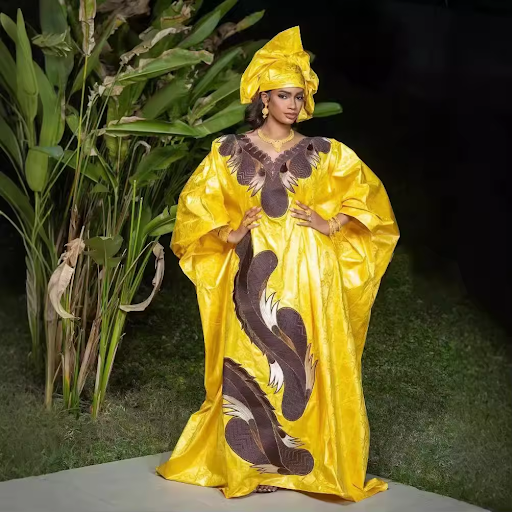
Bazin Riche is usually tailored. Its true power emerges through tailoring. The fabric’s stiffness allows garments to retain their shape, making it ideal for boubous, kaftans, kaba, and slit ensembles, as well as elaborately embroidered outfits.

Tailors play a crucial role in elevating Bazin. Embroidery, often dense and geometric, is concentrated around necklines, sleeves, and hems. These details transform fabric into architecture, structured yet fluid.

These intimate relationships and collaborative artistry naturally shape how Bazin reflects personal and social identity, including distinctions and connections across gender.

Bazin and Gender: A Shared Fabric with Distinct Expressions

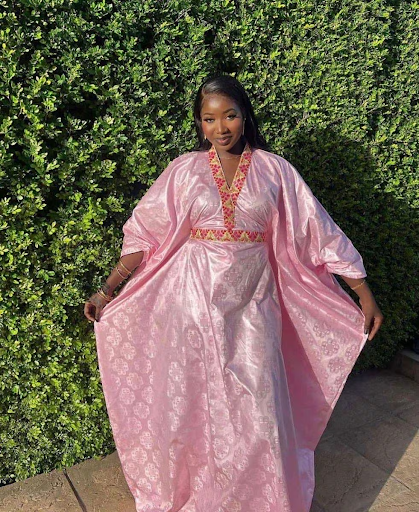
Bazin Riche transcends gender while allowing for nuanced expression. Men’s Bazin garments often emphasise structure, broad shoulders, pronounced embroidery, and bold silhouettes that signal authority.

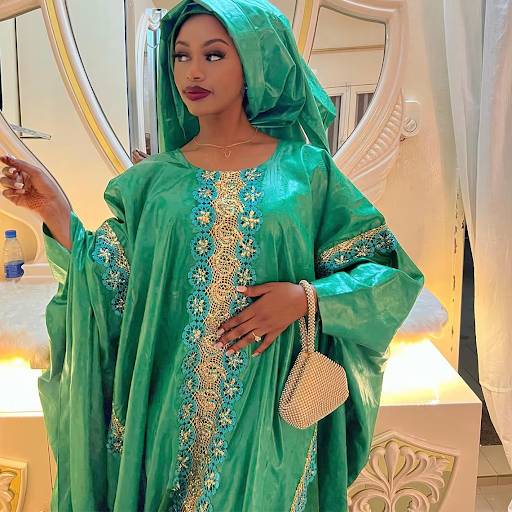
Women’s Bazin fashion leans into sculptural elegance. Dresses, boubous, and fitted kaba tops paired with flowing skirts highlight movement and presence. Headwraps made from matching Bazin complete the ensemble, reinforcing cohesion and visual impact.

The shared symbolism of Bazin lays a foundation for its significance in religious and broader cultural contexts.

Religious and Cultural Contexts
Bazin and Gender: A Shared Fabric with Distinct Expressions

Senegal’s predominantly Muslim population has shaped how Bazin is worn and understood. Modesty remains central, even in the most elaborate garments. Bazin’s thickness and opacity align naturally with these values.

After these festival displays, Bazin’s role in contemporary Senegal continues to expand, shaped by both tradition and new aspirations.

Bazin in Modern Senegal: Tradition Meets Aspiration

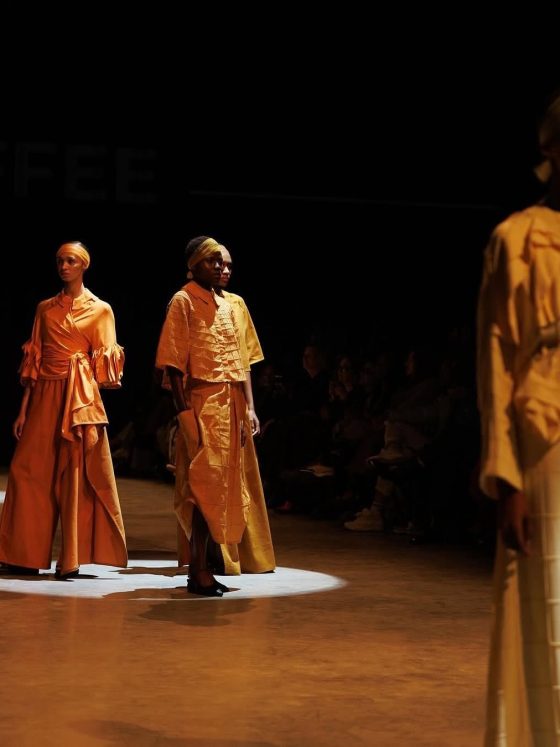
In contemporary Senegal, Bazin Riche continues to evolve. Young designers experiment with cuts, layering, and styling while respecting the fabric’s ceremonial roots. Bazin now appears in fashion shows, editorial spreads, and diaspora weddings across Europe and North America.

Yet its core meaning remains intact: Bazin is reserved for significant moments and still demands care and intention.

This perspective on lasting value leads us to critical perspectives and the social realities associated with Bazin’s cultural role.

Cultural Critiques and Social Realities

Bazin Riche is not without complexity. Its association with status can create pressure, particularly during public celebrations where appearance becomes a form of social performance.

Some critics argue that the cost of high-quality Bazin reinforces class distinctions. Others counter that the fabric’s accessibility, available in varying qualities and price points, allows broad participation.

As we weigh these social debates, Bazin’s global journey and role in African luxury become all the more relevant.

ALSO READ:

  • Fashion Cycles and Identity: Why We Keep Returning to Past Styles
  • Vanhu Vamwe and the New Language of African Luxury
  • Fashion as Statecraft: The Power of Black Cultural Diplomacy

Global Recognition and African Luxury
Global Recognition and African Luxury

As global fashion increasingly looks to Africa for inspiration, Bazin Riche challenges narrow definitions of luxury. It asserts that African luxury is not minimalist by default; it can be bold, communal, and deeply symbolic.

Such reframing points toward Bazin’s future and ongoing resonance in Senegalese identity.

Looking Ahead: The Enduring Power of Bazin

Bazin Riche endures because it adapts without forgetting. It absorbs new influences while remaining unmistakably West African.

As Senegalese fashion continues to gain global attention, Bazin will remain central, not as a relic, but as a living fabric of identity.

Celebrate bold heritage — explore African Style on OmirenStyles.

FAQ: Bazin Riche in Senegalese Fashion

1. What is Bazin Riche?

Bazin Riche is a high-quality, glossy damask cotton fabric widely used in Senegal and West Africa for ceremonial clothing.

2. Why is Bazin Riche so shiny?

Its sheen derives from intensive dyeing, starching, and polishing processes performed by local artisans.

3. When is Bazin typically worn?

Bazin is worn for weddings, religious festivals, naming ceremonies, and significant social events.

4. Is Bazin only for special occasions?

Primarily yes, though lighter versions may be worn more casually.

5. What does Bazin represent in Senegal?

Status, celebration, cultural pride, and social visibility.

Post Views: 2,380
Related Topics
  • African Fashion
  • Cultural Dress Identity
  • Senegalese Fashion Heritage
  • West African Textiles
Avatar photo
Rex Clarke

rexclarke@omirenstyles.com

You May Also Like
Made in Togo 2026: The Label That Is Already Being Worn
View Post
  • INDUSTRY

Made in Togo 2026: The Label That Is Already Being Worn

  • Rex Clarke
  • July 1, 2026
Grace Wallace: The Togolese Fashion Designer Who Built a Haute Couture House From a Hotel Birthday Party
View Post
  • Designers

Grace Wallace: The Togolese Fashion Designer Who Built a Haute Couture House From a Hotel Birthday Party

  • Tobi Arowosegbe
  • July 1, 2026
Eugénie Guidi Ayawa and La Vie en Couleur: The Togolese Designer Who Put African Curves on the FIMO Runway
View Post
  • Designers

Eugénie Guidi Ayawa and La Vie en Couleur: The Togolese Designer Who Put African Curves on the FIMO Runway

  • Tobi Arowosegbe
  • July 1, 2026
Fall Touré: The Belgian-Togolese Designer Who Built Lomé’s First Fashion School and Then Its Fashion Week
View Post
  • Designers

Fall Touré: The Belgian-Togolese Designer Who Built Lomé’s First Fashion School and Then Its Fashion Week

  • Peace Vera
  • June 30, 2026
Grand Marché de Lomé: The Fashion Infrastructure at the Centre of West Africa’s Textile Trade
View Post
  • Textiles

Grand Marché de Lomé: The Fashion Infrastructure at the Centre of West Africa’s Textile Trade

  • Adams Moses
  • June 30, 2026
Meli Bodombossou and Mem Clah: The Togolese Accessories Designer Who Left Maritime Law to Make Luxury From What Africa Already Has
View Post
  • Designers

Meli Bodombossou and Mem Clah: The Togolese Accessories Designer Who Left Maritime Law to Make Luxury From What Africa Already Has

  • Rex Clarke
  • June 30, 2026
How African Immigrants Dress for Job Interviews in the West — and the Impossible Calculation
View Post
  • Style & Identity

How African Immigrants Dress for Job Interviews in the West — and the Impossible Calculation

  • Philip Sifon
  • June 30, 2026
Afro-Latin Couture: The Hidden African Lineages in Latin American Fashion
View Post
  • Afro-Latino Identity

Afro-Latin Couture: The Hidden African Lineages in Latin American Fashion

  • Ayomidoyin Olufemi
  • June 30, 2026

Leave a Reply Cancel reply

Your email address will not be published. Required fields are marked *

The Omiren Argument

African fashion and culture are not emerging. They are foundational. We document, interpret, and argue for the full cultural weight of African and diaspora dress. With precision. Without apology.

Omiren Styles Fashion · Culture · Identity

All 54 African Nations
Caribbean · Afro-Latin America
The Global Diaspora

Platform

  • About Omiren Styles
  • Our Vision
  • Our Mission
  • Editorial Pillars
  • Editorial Policy
  • The Omiren Collective
  • Campus Style Initiative
  • Sustainable Style
  • Social Impact & Advocacy
  • Investor Relations

Contribute

  • Write for Omiren Styles
  • Submit Creative Work
  • Join the Omiren Collective
  • Campus Initiative
Contact
contact@omirenstyles.com
Our Reach

Africa — All 54 Nations
Caribbean
Afro-Latin America
Global Diaspora

African fashion intelligence, in your inbox.

Editorial features, designer profiles, cultural commentary. No noise.

© 2026 Omiren Styles — Rex Clarke Global Ventures Limited. All rights reserved.
  • Privacy Policy
  • Editorial Policy
  • Terms of Use
  • Accessibility
Africa · Caribbean · Diaspora
The Omiren Argument

African fashion and culture are not emerging. They are foundational. We document, interpret, and argue for the full cultural weight of African and diaspora dress. With precision. Without apology.

Omiren Styles Fashion · Culture · Identity
  • About Omiren Styles
  • Our Vision
  • Our Mission
  • Editorial Pillars
  • Editorial Policy
  • The Omiren Collective
  • Campus Style Initiative
  • Sustainable Style
  • Social Impact & Advocacy
  • Investor Relations
  • Write for Omiren Styles
  • Submit Creative Work
  • Join the Omiren Collective
  • Campus Initiative
Contact contact@omirenstyles.com

All 54 African Nations · Caribbean
Afro-Latin America · Global Diaspora

African fashion intelligence, in your inbox.

Editorial features, designer profiles, cultural commentary. No noise.

© 2026 Omiren Styles
Rex Clarke Global Ventures Limited.
All rights reserved.

  • Privacy Policy
  • Editorial Policy
  • Terms of Use
  • Accessibility
Africa · Caribbean · Diaspora

Input your search keywords and press Enter.

Newsletter Subscribe

Join Our Community

Get exclusive access to new collections, special offers, and style inspiration.