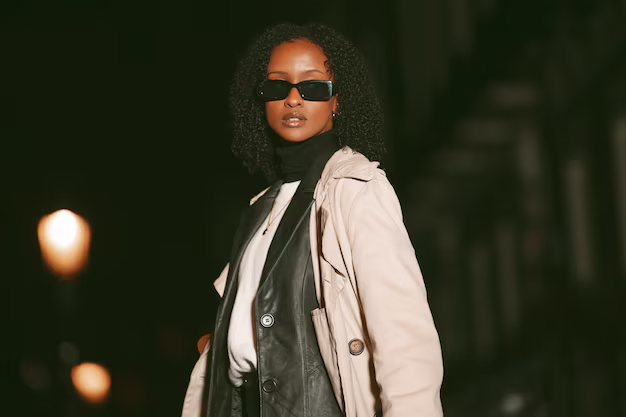
Fashion isn’t just about business or looking good. For Black communities, it’s a form of cultural diplomacy – a way to claim space, demand respect, and rewrite stories that others tried to erase. When the Met’s Costume Institute finally centred Black Style on “Superfine: Tailoring Black Style,” it was more than a long-overdue spotlight. It showed the world something Black folks have always known: fashion speaks. Every outfit is a sentence, every style is a message – about resistance, heritage, or hope – that cuts through language and borders.
With fashion, runways become places to negotiate, streetwear doubles as protest, and traditional dress links people across continents. It’s not just getting dressed. It’s making a statement: “We’re here We belong. We shape culture.”
Explore how Black cultural diplomacy through fashion transforms global aesthetics, preserves heritage, and reshapes power dynamics in luxury and streetwear.
The Historical Architecture of Black Fashion Diplomacy
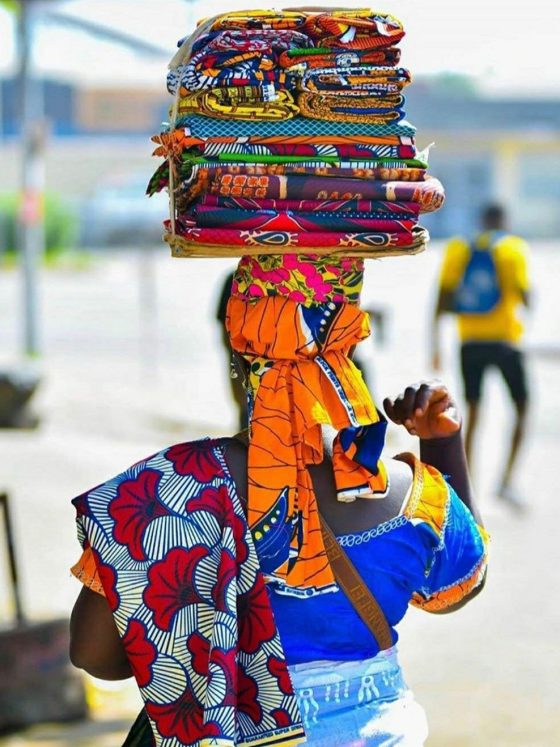
“Superfine” broke things down into 12 themes: ownership, presence, distinction, disguise, freedom, champion, respectability, joking, heritage, beauty, coolness, and cosmopolitanism, all rooted in the lived experiences and histories of Black people. These aren’t just museum categories. They show how, over centuries, Black communities used fashion to push back and push forward. Imagine enslaved Africans using their best clothes on Sundays to assert their humanity when everyone tries to strip it away. Consider the Civil Rights leaders, who wore sharp suits and used “respectability” as armour. Now, young designers remix African prints for high-fashion runways.
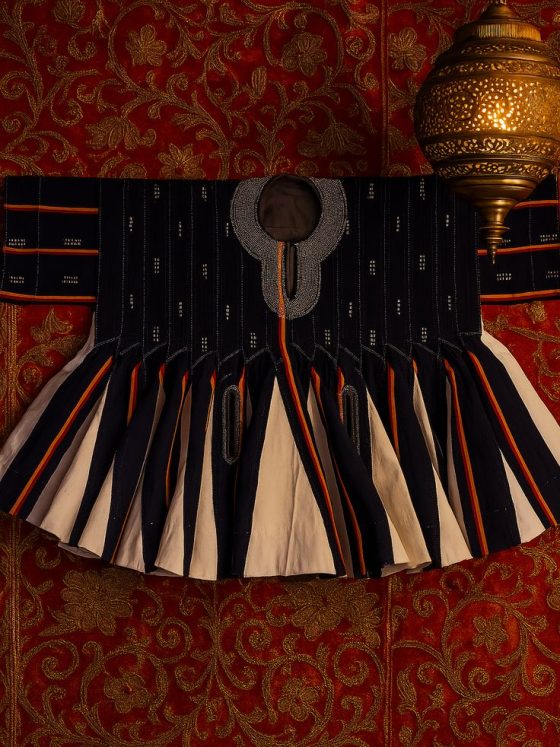
The show pulled together everything from an 1840s velvet livery jacket to Frederick Douglass‘s monogrammed shirt, custom pieces for André Leon Talley, and suits by Virgil Abloh and Grace Wales Bonner. The message? Black fashion diplomacy isn’t new. It’s a tradition – one generation after another, turning clothes into tools for self-definition and survival, even in the face of erasure.
Fashion is a global language. It crosses borders, outpaces translation, and tells stories nobody can quite silence. For Black communities, that matters even more. When words get censored or misunderstood, style steps in and says what needs to be said.
How Does Black Cultural Diplomacy Reshape Global Fashion?
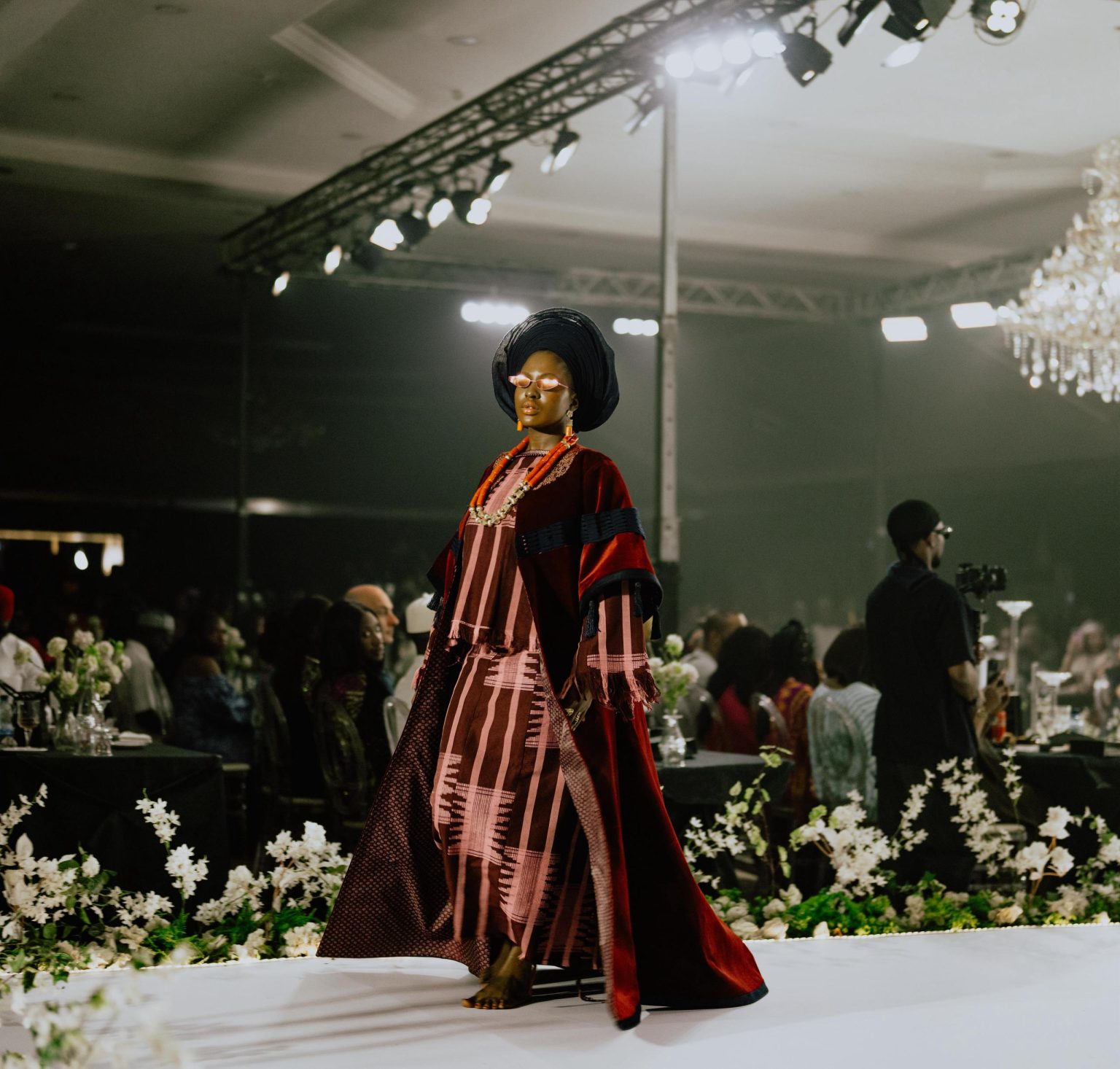
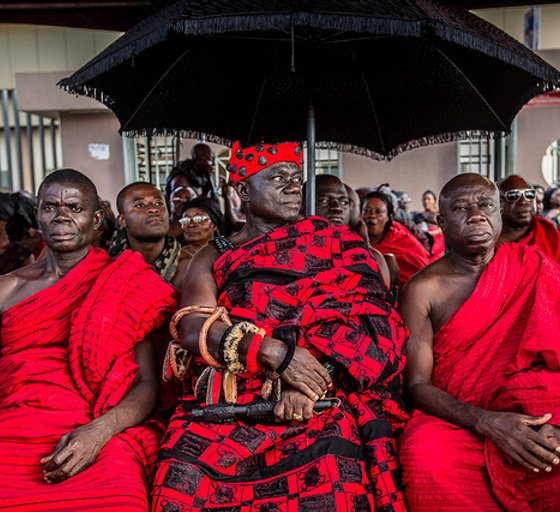
Black style isn’t just another trend. It’s a cultural force that’s changed the entire fashion world – from Harlem Renaissance jazz suits to the boldness of hip-hop streetwear. This isn’t just about influencing others, either. Within Black communities, fashion passes down wisdom and memory, connecting the old and the young, the home and the diaspora.
Most global fashion waves start with Black creativity. Mainstream designers pick up cues – sometimes without giving credit. Hip-hop proves the point: back in the 1980s, B-boys and B-girls in the Bronx redefined cool with Adidas tracksuits, gold chains, and fresh trainers. Suddenly, sportswear was fashionable, and everyone wanted it.
But let’s be real. The fashion industry has a history of taking without asking – pulling ideas from Black and brown creators, then shutting them out of profits and recognition. So Black cultural diplomacy through fashion walks a tightrope: celebrating influence but also calling out theft and demanding respect for the people who set the trends.
Big brands like Off-White and Adidas Yeezy built empires on styles that started in African American neighbourhoods. In the ’80s, the popularity of trainer culture surged with the introduction of Air Jordans, but it was already thriving on city streets. Virgil Abloh and Kanye West didn’t invent streetwear – they translated the language of Black fashion for luxury markets, making sure the world paid attention, even if the credit and cash didn’t always flow back to the source.
READ ALSO:
- Opera Was Never White: Black Singers and the Truth About Classical Music
- 10 African Fashion Photographers Shaping a New Editorial Era
- From Roots to Rhythm: How African Languages Are Rewriting the Global Pop Script
What Role Do Contemporary Designers Play in This Diplomacy?
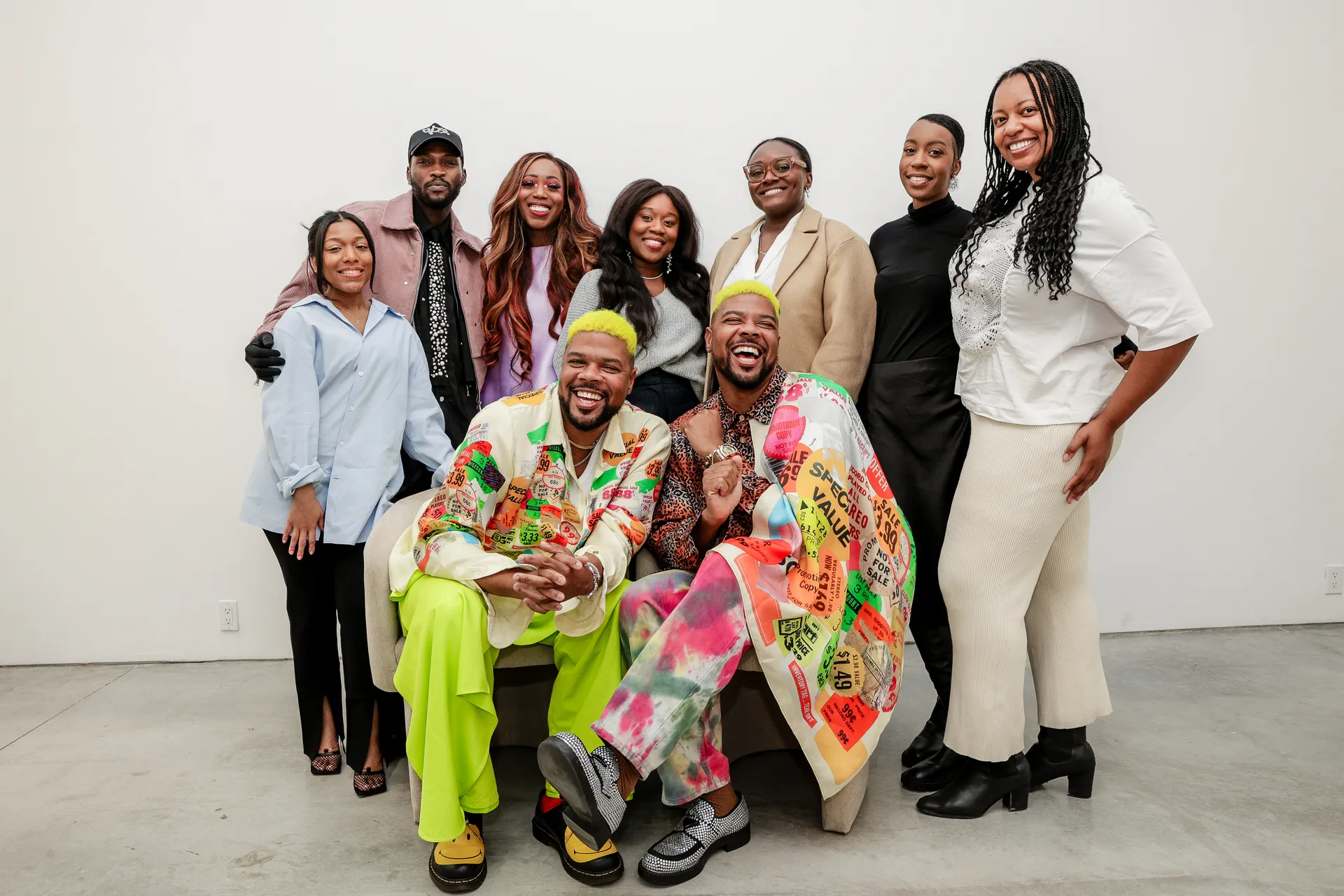
Let’s start with the Black in Fashion Council’s Discovery Showrooms. They spotlight designers like Amari Carter, Blackstock & Weber, BruceGlen, GVDS, Keeyahri, Nia Thomas, and a bunch more. These are the people shaping the future of fashion – and honestly, they’re carrying Black culture forward in an industry that’s ignored it for way too long. What’s clear from these platforms is that real Black cultural diplomacy in fashion isn’t just about raw talent. It needs real support – institutions, resources, access to distribution and funding that were always kept out of reach.
Then you’ve got the Black Fashion Fair. This isn’t just a showcase – it’s a gathering of creatives, executives, and the next wave of leaders, all talking about how fashion is so much more than clothes. On those panels, they delve into fashion as a form of protest, a vehicle for cultural storytelling, and a dynamic language. That’s where fashion steps out as a diplomatic tool. It becomes a way to make a statement, claim space, and push back against the old rules about whose beauty and ideas matter.
Take Grace Wales Bonner. She’s an excellent example. Grace Wales Bonner’s designs not only pay homage to her African and Caribbean roots but also delve deeply into these traditions, incorporating them into the luxury world alongside European craftsmanship. When her work appeared in “Superfine” alongside Virgil Abloh and historic pieces, it made the connection between past and present Black innovation impossible to miss.
Why Does African Fashion Strengthen Global Diplomacy?
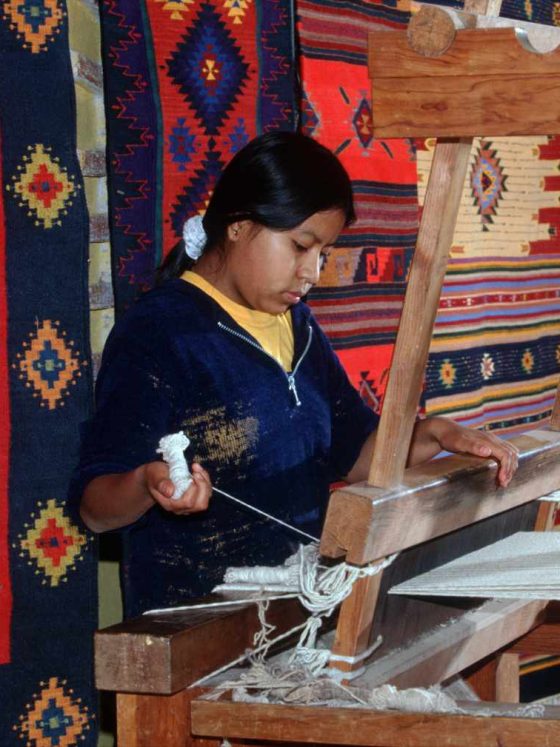
Look at fashion weeks in Accra, Lagos, and across South Africa. They’re huge now – real moments on the global calendar. Designers, influencers, buyers, and fans all show up, and what happens there is more than just runway shows. These are cultural summits – where African nations showcase their creativity, build partnerships, and share their vision directly with the world, without a Western filter.
These fashion weeks let African designers shine, break stereotypes, and build cross-border connections. It’s a softer kind of diplomacy – people bonding over style, sure, but also creating jobs and supporting traditional crafts. And honestly, that economic impact matters: Black cultural diplomacy in fashion isn’t just talk. It makeseal jobs, preserves skills, and keeps wealth in the community rather than letting it leak out.
There’s history behind all this, too. Think about how Japan used the kimono to build connections abroad or how Indian textiles changed the relationship between India and Britain during the East India Company days. Now, African fashion is doing something similar. Whether it’s traditional cloth, bold new designs, or the creative energy of the diaspora, these are all ways African creativity negotiates its place on the world stage.
What Challenges Threaten This Diplomatic Work?
Cultural appropriation is a big one. When brands lift ideas or styles without credit, it creates tension and undermines all the work of building respect and understanding. Globalisation adds another layer: suddenly, traditional designs are watered down and sold for profit, losing their meaning. This phenomenon isn’t just a theory; it’s happening right now, and it’s a real threat to Black cultural diplomacy in fashion.
André Leon Talley once wore a custom Baby Phat jacket from DeeDee, hand-painted with “The New American Dream”. That’s more than just a fashion statement – it’s personal, political, and proof that one garment can carry a whole message. That’s what Black cultural diplomacy through fashion looks like: every piece can be a manifesto, every look a declaration.
The real test is holding on to that power while still making it in the industry. Designers have to protect their roots, stay true to their community, and still find commercial success. It’s not easy. However, for Black cultural diplomacy in fashion to be meaningful, one must maintain a strong belief that Black creativity merits not only appreciation but also genuine recognition, compensation, and protection.
The Future of Fashion as Diplomacy
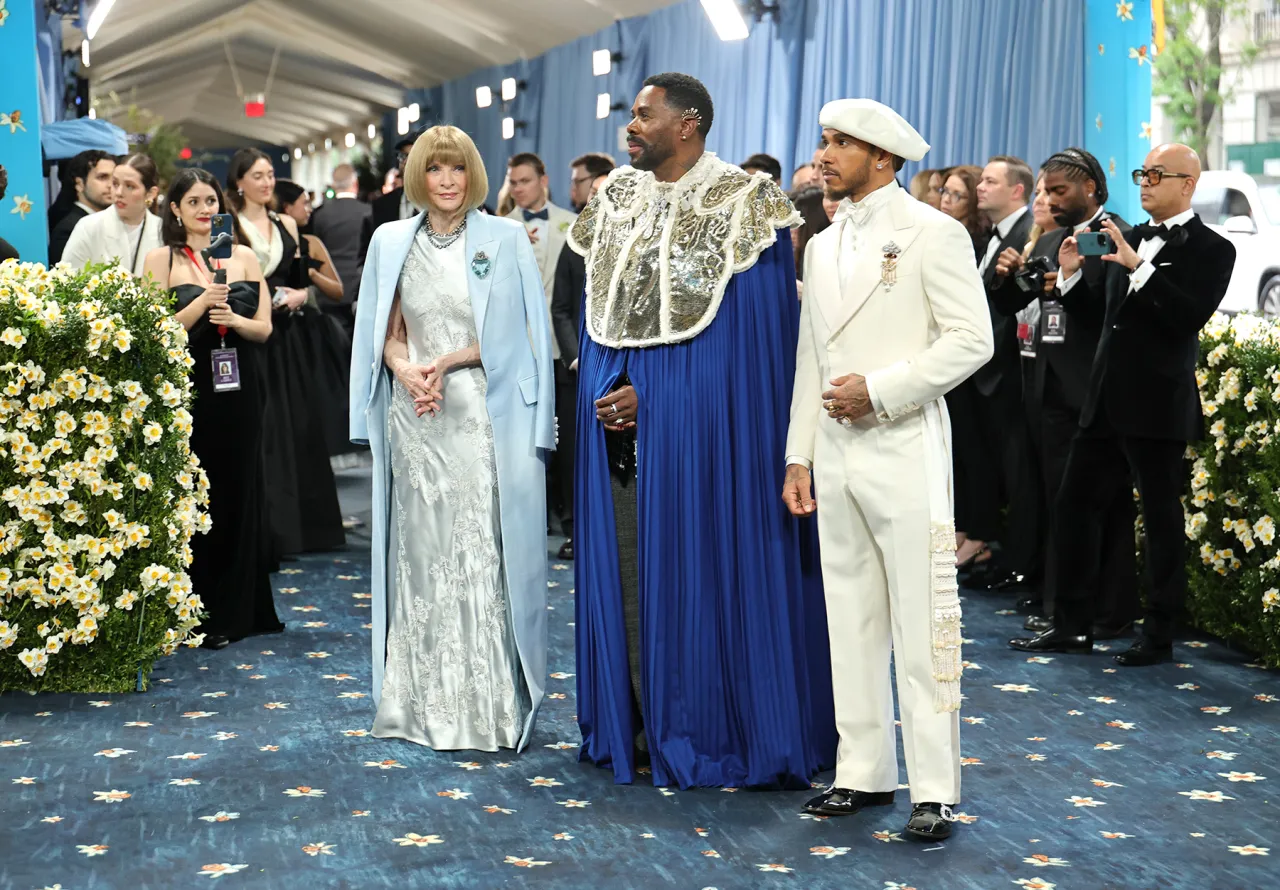
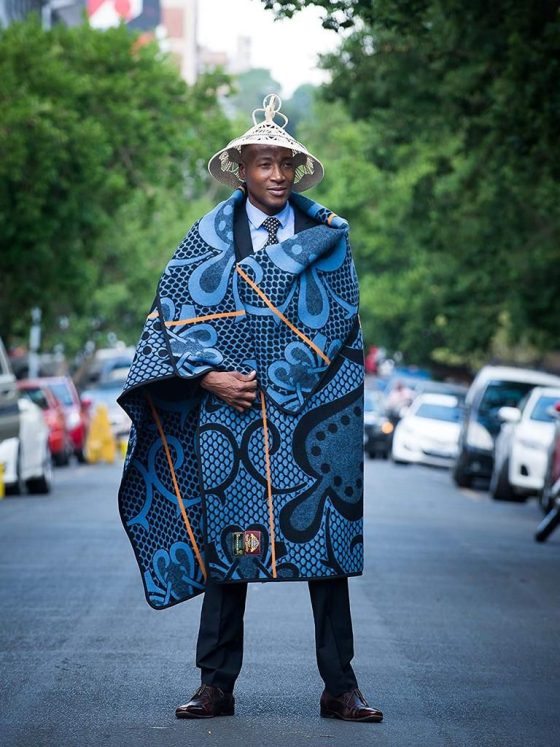
The Met Gala 2025’s “Superfine: Tailoring Black Style” dives straight into how Black dandyism and menswear have shaped Black identity worldwide. It’s not just about sharp tailoring or bold looks – it’s about ownership, cosmopolitan ambition, and a fearless sense of style. All of that ties Black culture right into the story of global fashion. So when a major institution like the Met gives this history the spotlight, it’s a big deal. It means Black cultural influence in fashion finally receives the respect, study, and visibility that are usually reserved for European traditions.
However, acknowledgement alone is not the final step. If fashion is going to work as real cultural diplomacy for Black communities, it can’t stop at praise or museum displays. It needs to break down the old barriers. This entails creating opportunities for Black designers who have previously faced obstacles, ensuring that Black communities receive compensation for their innovative talents, and not only narrating historical tales but also fostering a more equitable future.
Celebrate creativity and cultural expression — discover Culture & Arts with OmirenStyles.
Frequently Asked Questions
1. What is Black cultural diplomacy through fashion?
It’s how Black communities use clothes and style to claim their place in the world. Through fashion, they make statements, build connections across borders, keep traditions alive, and speak out – without needing armies or money to wield influence. It’s soft power, pure and simple: changing culture with creativity.
2. How has Black fashion influenced global aesthetics?
Black fashion’s touch is everywhere—think hip-hop streetwear, jazz-era cool, the rise of trainers as fashion staples, athletic gear on runways, bold prints, bright colours, chunky jewellery, and today’s luxury streetwear. The mainstream loves it, even if the credit and money don’t go back to the trendsetters.
3. Why does cultural appropriation threaten fashion diplomacy?
When brands lift Black styles but freeze out Black designers or sell Black looks without giving recognition or cash to the source, they do real damage. It’s more than just bad manners – it undercuts the diplomatic power of fashion and repeats old patterns of taking without giving back, which Black cultural diplomacy stands against.
4. What role do African fashion weeks play?
African fashion weeks aren’t just runway shows; they’re meeting grounds for designers, influencers, and industry pros to swap ideas and build networks. They showcase African creativity, break down tired stereotypes, create jobs, and let African style speak for itself on its own terms. In their own way, they’re as important as any diplomatic summit.
5. How can people support Black cultural diplomacy through fashion?
Buy directly from Black designers. Give credit when you talk about trends with Black roots. Hold brands accountable when they borrow without acknowledgement. Back organisations like the Black in Fashion Council. Go to African fashion weeks if you can. Push for better protection of creative work. And most of all, make space for Black voices in every conversation about fashion.