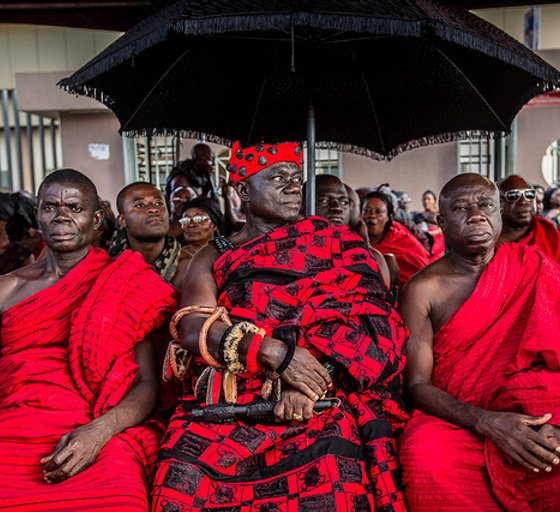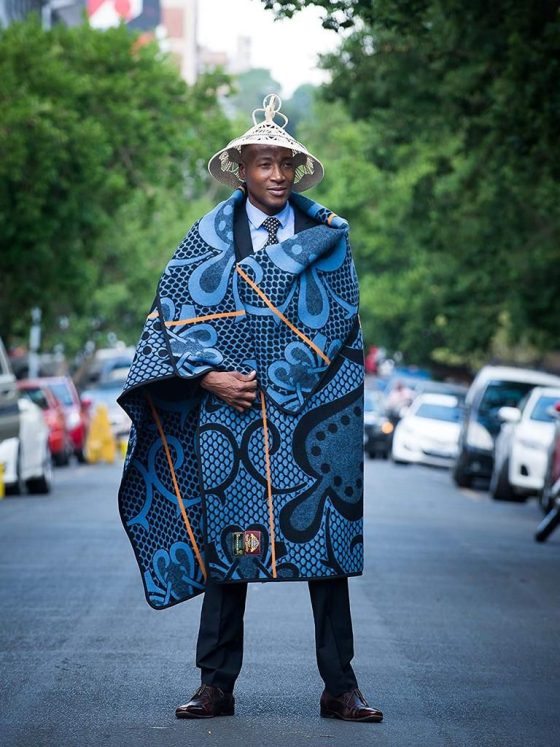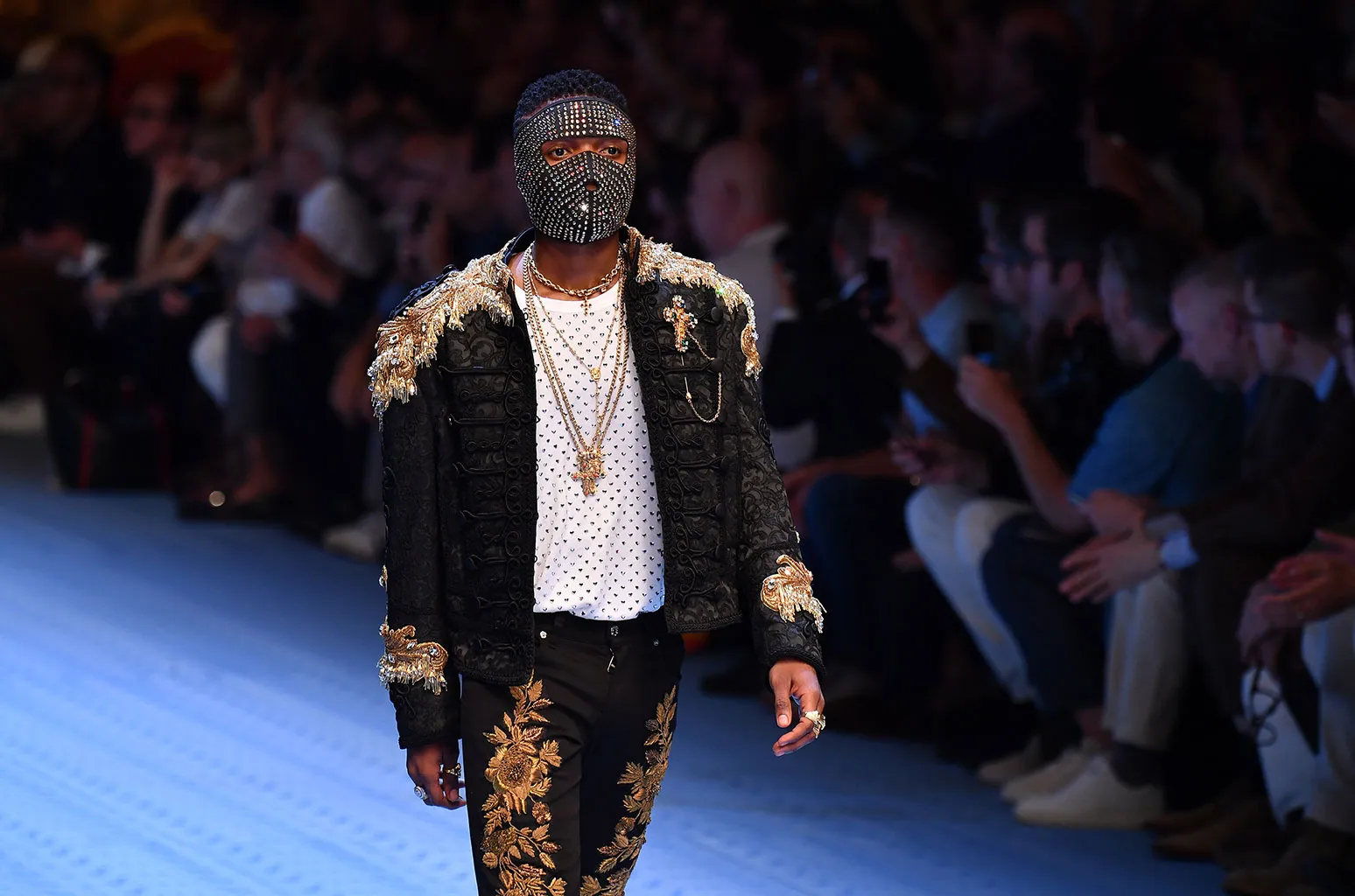
Afrobeats is not just a sound; it is a cultural force that moves through cities, festivals, and stages, carrying with it a distinct fashion narrative. Afrobeats fashion is inseparable from the music, embedding African fabrics, silhouettes, and styling choices into global streetscapes.
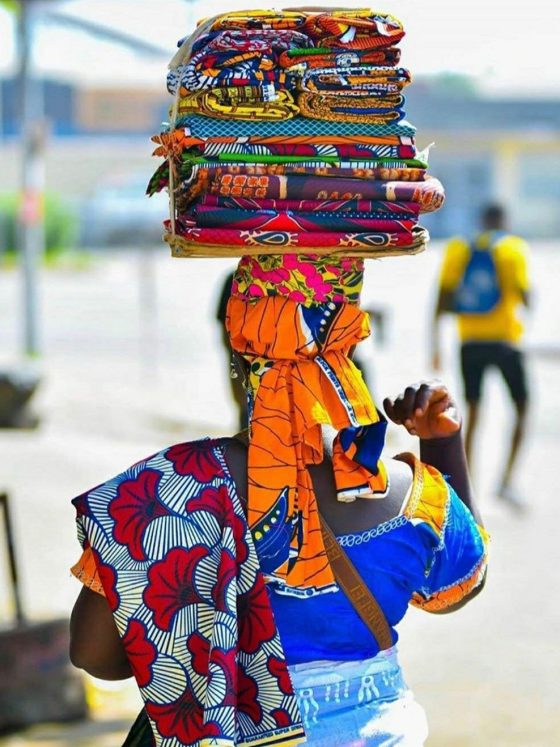
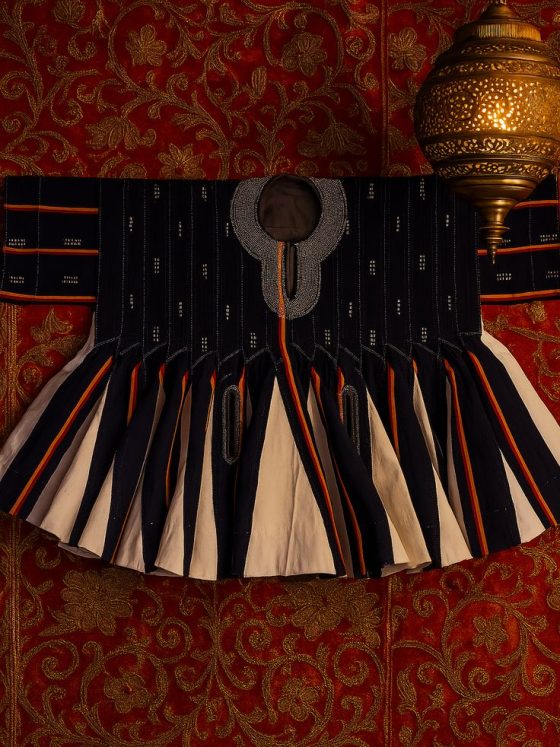
Every outfit tells a story of identity, heritage, and creative expression, tracing the artist’s journey from local roots to international recognition. From Lagos streets to stages in Johannesburg, London, and New York, performers combine traditional textiles such as Kanga, Kikoi, and Kuba cloth with streetwear.
Also, sneakers are paired with flowing tunics, and Caribbean Madras and Haitian cotton traditions appear alongside African prints in new combinations. This article explores how Afrobeats fashion travels with the music, shapes identity, and sparks cultural conversations globally.
Afrobeats fashion travels with the music, blending heritage, street style, and diaspora influence into a living story of identity and culture.
Afrobeats Fashion Communicates Identity
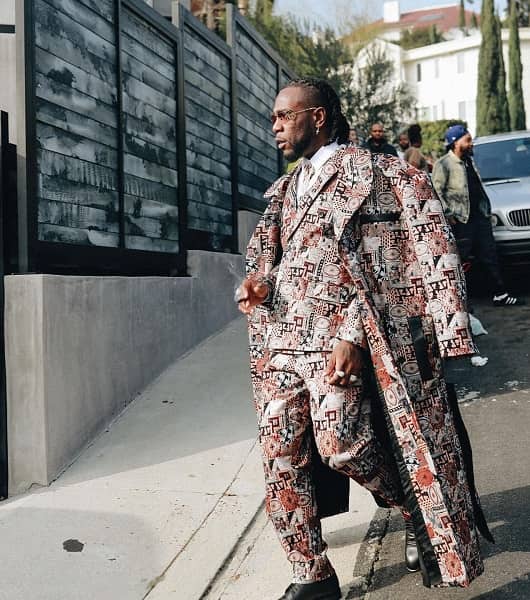
Afrobeats fashion is a tool for storytelling. Artists use clothing to communicate where they come from, their creative philosophy, and the communities they represent. Traditional fabrics are paired with contemporary urban pieces to create outfits that are immediately recognisable yet innovative.
Identity is also expressed through repeated motifs and patterns. A bold print paired with sneakers or an oversized tunic with minimal accessories becomes a signature look.
These choices are deliberate, signalling confidence, pride, and African cultural literacy to audiences worldwide. Fashion in Afrobeats is both personal and collective. While each outfit reflects the artist’s individual style, it also communicates shared cultural memory.
Fans in diaspora communities recognise these cues and participate in a dialogue about African identity, adapting elements in their own wardrobes. In this way, Afrobeats fashion extends cultural influence without needing explanation.
Movement Shapes Style

Afrobeats artists are constantly in motion, between rehearsal studios, late-night performances, flights, and festivals. Their clothing must accommodate this movement without compromising style.
For example, loose tops, flowing tunics, breathable fabrics, and layered pieces allow performers to maintain freedom of motion while maintaining aesthetic presence. Movement also influences proportions, layering, and tailoring choices.
Oversized jackets, embroidered sneakers, and flowing shirts become visual markers repeated across videos, performances, and street appearances. These elements signal a signature style that audiences immediately associate with the artist.
Beyond practicality, mobility shapes how fashion is interpreted offstage. Even casual appearances at local events or international festivals convey cultural literacy, confidence, and authority in style.
Also Read:
- What African and Afro-Caribbean Communities are Wearing in 2026
- How Fashion Forces Diaspora Women to Choose Between Visibility and Belonging
- Cultural Trends vs Tradition: Why Global Fashion Is Rooted in Continuity
- How African Women Layer Culture Into Cold-Weather Style
Diaspora Expands African Fashion
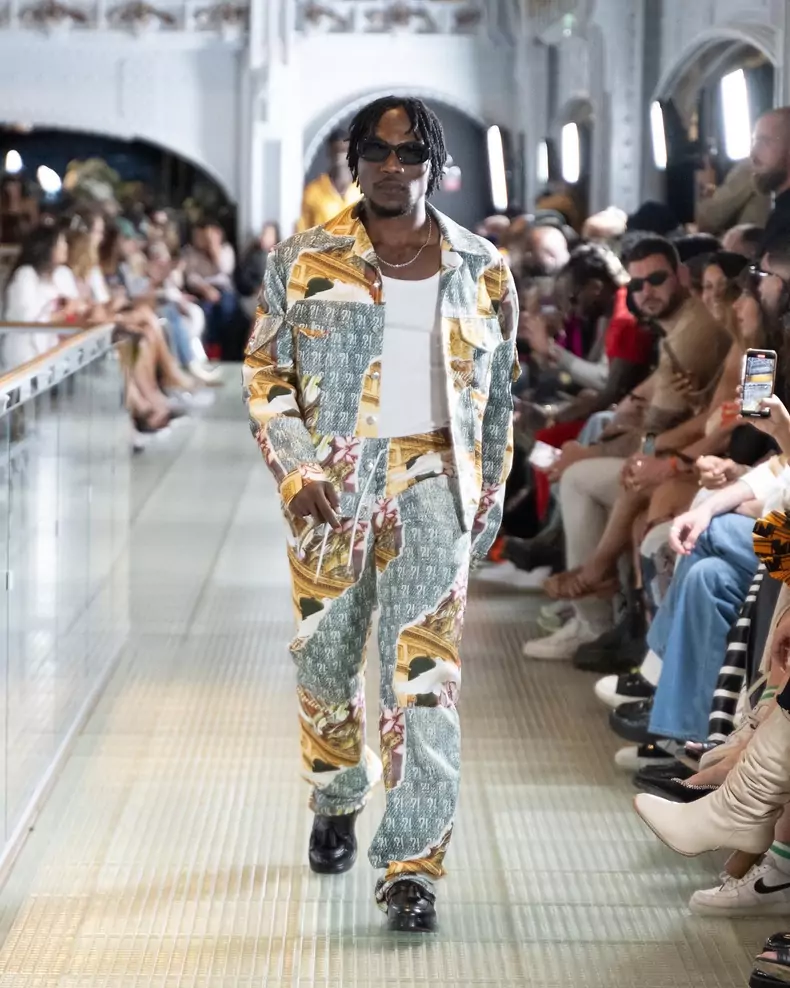
As Afrobeats travels, its fashion adapts while retaining African identity. When artists perform in London, Paris, New York, or Tokyo, outfits respond to climate, urban living, and local trends without losing their origin.
African fabrics, patterns, and textures remain central, allowing heritage to converse naturally with global streetwear.
Key patterns in diaspora adaptation include:
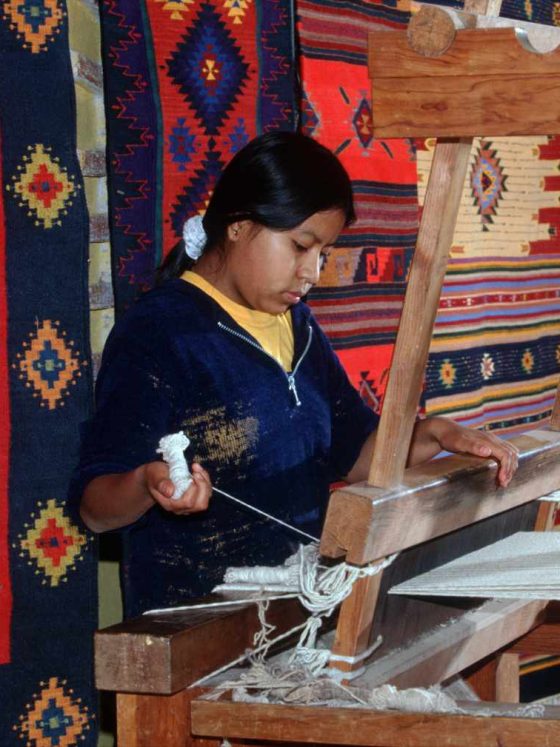
- Prints meet streetwear naturally: Kanga, Kikoi, and Zapotec weaving pair seamlessly with hoodies, oversized coats, and sneakers.
- Silhouettes adapt to context: Flowing tunics, layered pieces, and breathable fabrics shift subtly for mobility and comfort.
- Heritage signals remain visible: even when styling is modernised, traditional motifs and textures clearly communicate African roots.
Through this negotiation, Afrobeats fashion becomes a cultural dialogue. Every outfit embodies confidence and authenticity while connecting home and diaspora, showing that African creativity thrives across borders without losing context.
Informal Spaces Forge Innovation
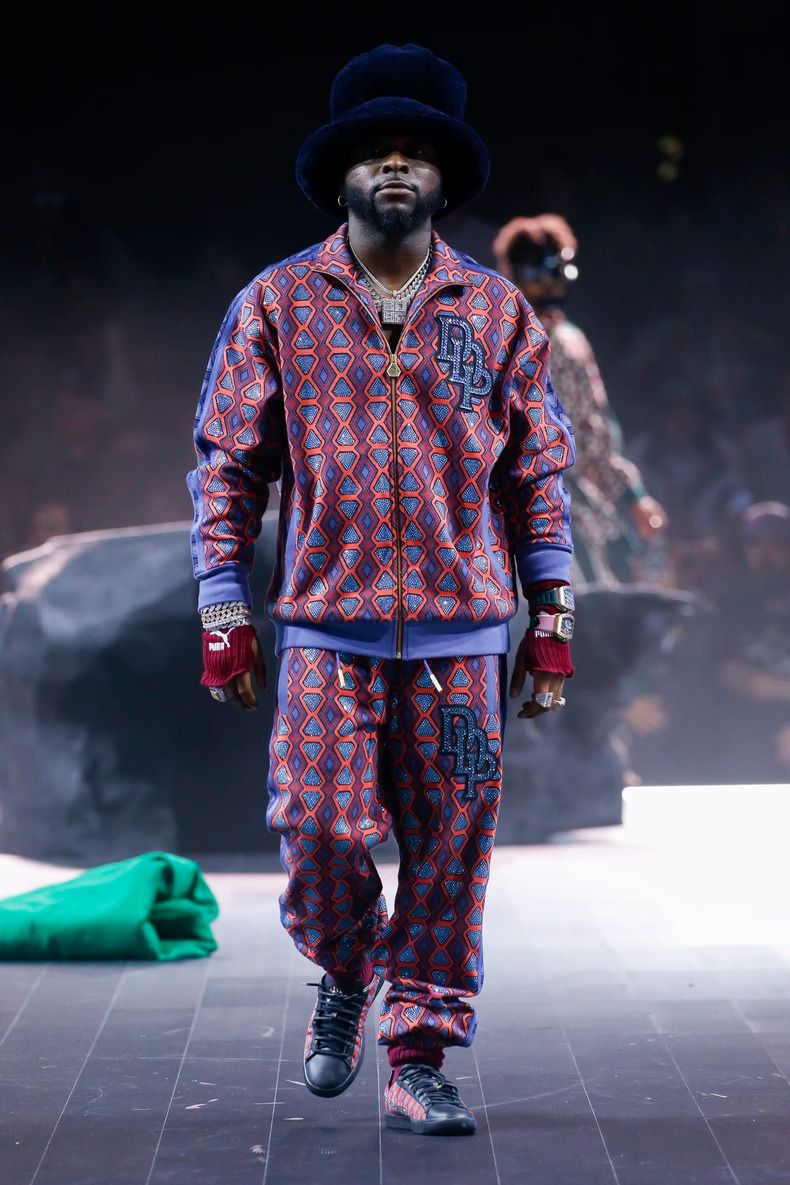
Not all trends emerge on runway stages or curated photoshoots. Afrobeats fashion often begins in rehearsal rooms, neighbourhood tailors, festival tents, and street-level experimentation spaces. These environments allow improvisation and risk-taking, producing signature looks before they reach global audiences.
Small adjustments, like layering an accessory, shortening a tunic for mobility, or pairing unexpected fabrics, can evolve into widely adopted trends. What starts as practical or experimental becomes iconic through repetition and audience recognition.
Informal spaces also connect local practice to diaspora influence. A tweak in Lagos may inspire a street style movement in Brixton, Atlanta, or São Paulo. These everyday laboratories maintain authenticity, ensuring that Afrobeats fashion carries African roots even as it adapts to international audiences.
Conclusion
Afrobeats fashion is movement, memory, and identity stitched into each outfit. From Lagos streets to Johannesburg stages, every fabric, pattern, and silhouette carries heritage, improvisation, and intelligence.
As fashion travels with the music, African culture enters the diaspora while evolving in dialogue with local contexts.
Frequently Asked Questions
1. What Defines Afrobeats Fashion?
Afrobeats fashion blends traditional African fabrics, prints, and silhouettes with streetwear and contemporary pieces. It’s a style that moves with the music, reflecting identity, heritage, and creativity.
2. How Does the Diaspora Influence Afrobeats’ Style?
When Afrobeats reaches cities like London, Paris, or New York, the fashion adapts to new climates, urban life, and local trends. Yet, it keeps its African roots visible through patterns, textures, and styling choices.
3. Where Do Afrobeats Fashion Trends Start?
Many trends begin in informal spaces, rehearsal rooms, neighbourhood tailors, and festival tents. These everyday environments allow experimentation before styles reach international audiences.
4. How Do Artists Show Success Through Their Clothing?
Success in Afrobeats fashion is often subtle. It appears in carefully chosen fabrics, layering, accessories, or tailoring. The goal is to signal confidence and identity without being overly flashy.
5. Why Is Afrobeats Fashion More Than Just Clothing?
It’s a cultural conversation. Each outfit carries heritage, memory, and identity, reflecting how African artists move, adapt, and assert themselves across local and global spaces.