Natural beauty has never been a fixed idea.
It has always shifted quietly, shaped by time, culture, and perception. What is considered “natural” in one era often looks entirely different in another, reflecting not just aesthetic preferences but deeper beliefs about identity, visibility, and self-worth.
For a long time, natural beauty was framed in narrow terms. It was associated with effortlessness, but only a very specific kind. Skin without visible texture. Features that appeared untouched, yet aligned with unspoken ideals. It was presented as something innate, almost accidental—something you either had or did not.
But that version of natural beauty was never entirely neutral.
It was constructed and filtered through global standards that did not always reflect the diversity of real faces, real skin, or real experiences. What was described as “natural” often required careful maintenance, subtle correction, and, at times, the quiet erasure of difference.
Now, that understanding is being reconsidered.
Across beauty, fashion, and lifestyle spaces, a more nuanced perspective is taking shape. One that acknowledges that natural beauty is not about the absence of effort but about the presence of intention. It is not about appearing untouched but about being in alignment with one’s skin, one’s features, and one’s sense of self.
This shift is not loud, but it is significant.
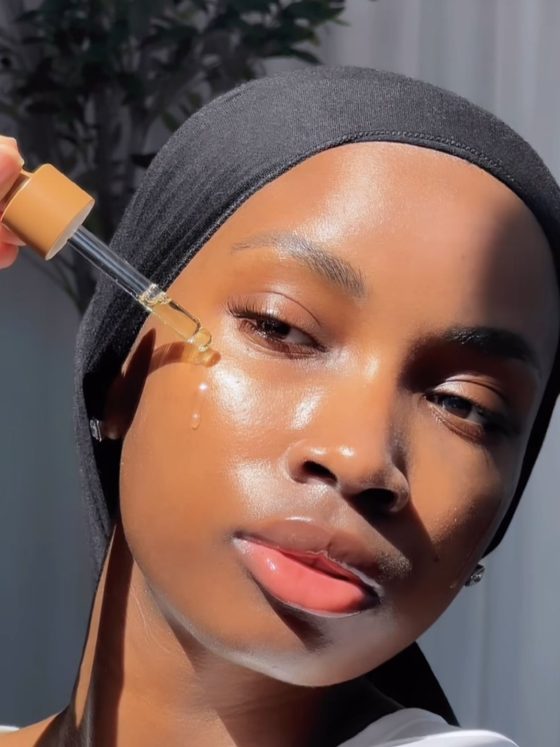
It can be seen in the growing acceptance of skin in its real state: textured, responsive, and evolving. Beauty routines are becoming more personal and less prescriptive. In the quiet confidence of individuals who are no longer trying to fit into a singular definition of what is considered beautiful.
Natural beauty, in this new era, is no longer about simplicity alone.
It is about awareness.
An exploration of how natural beauty is being redefined through intention, individuality, and modern cultural shifts in skincare and self-expression.
Moving Beyond the “Effortless” Ideal
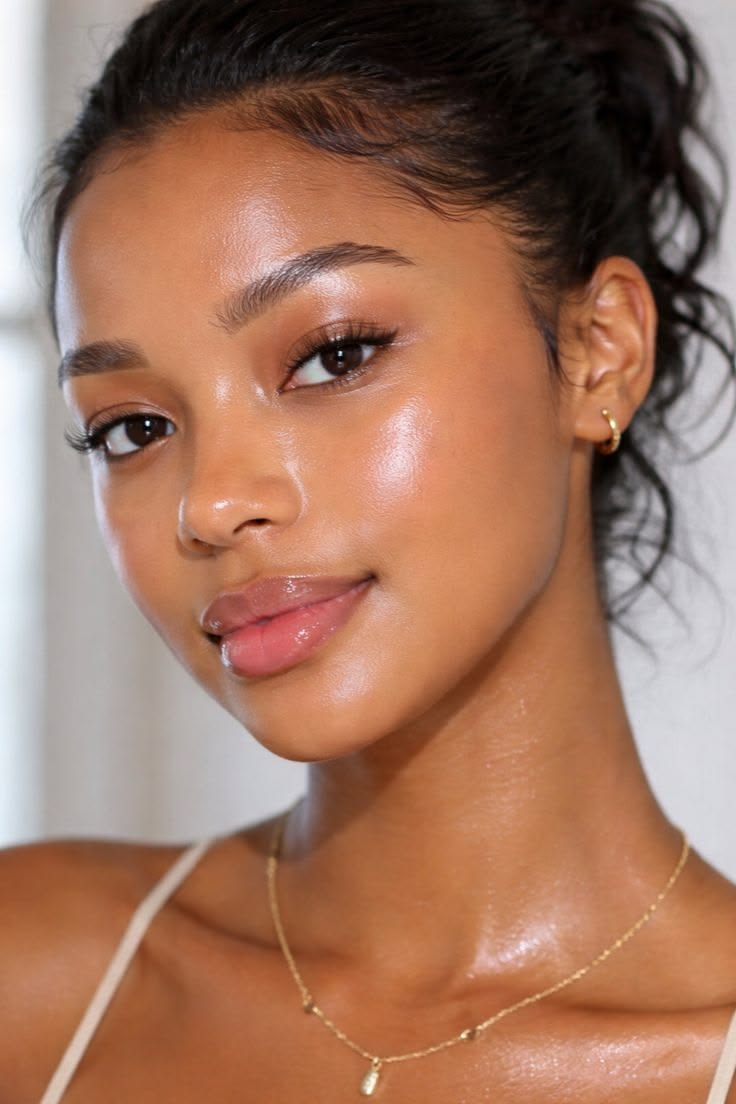
The idea of effortless beauty has long dominated global beauty culture.
It suggests a kind of perfection that appears unconstructed—clear skin, balanced features, an ease that feels almost accidental. Yet behind this image often lies careful curation.
This contradiction is becoming harder to ignore.
In a more self-aware beauty landscape, people are beginning to question what “natural” really means. The expectation of appearing effortless while maintaining a highly controlled demeanour is being replaced by something more honest.
Natural beauty is no longer about illusion.
It is about authenticity.
Individuality Over Universality
One of the most significant shifts in modern beauty is the move away from universal standards.
For decades, beauty ideals were narrow and often exclusionary. Certain features, skin tones, and textures were treated as benchmarks, while others were treated as variations.
That framework is dissolving.
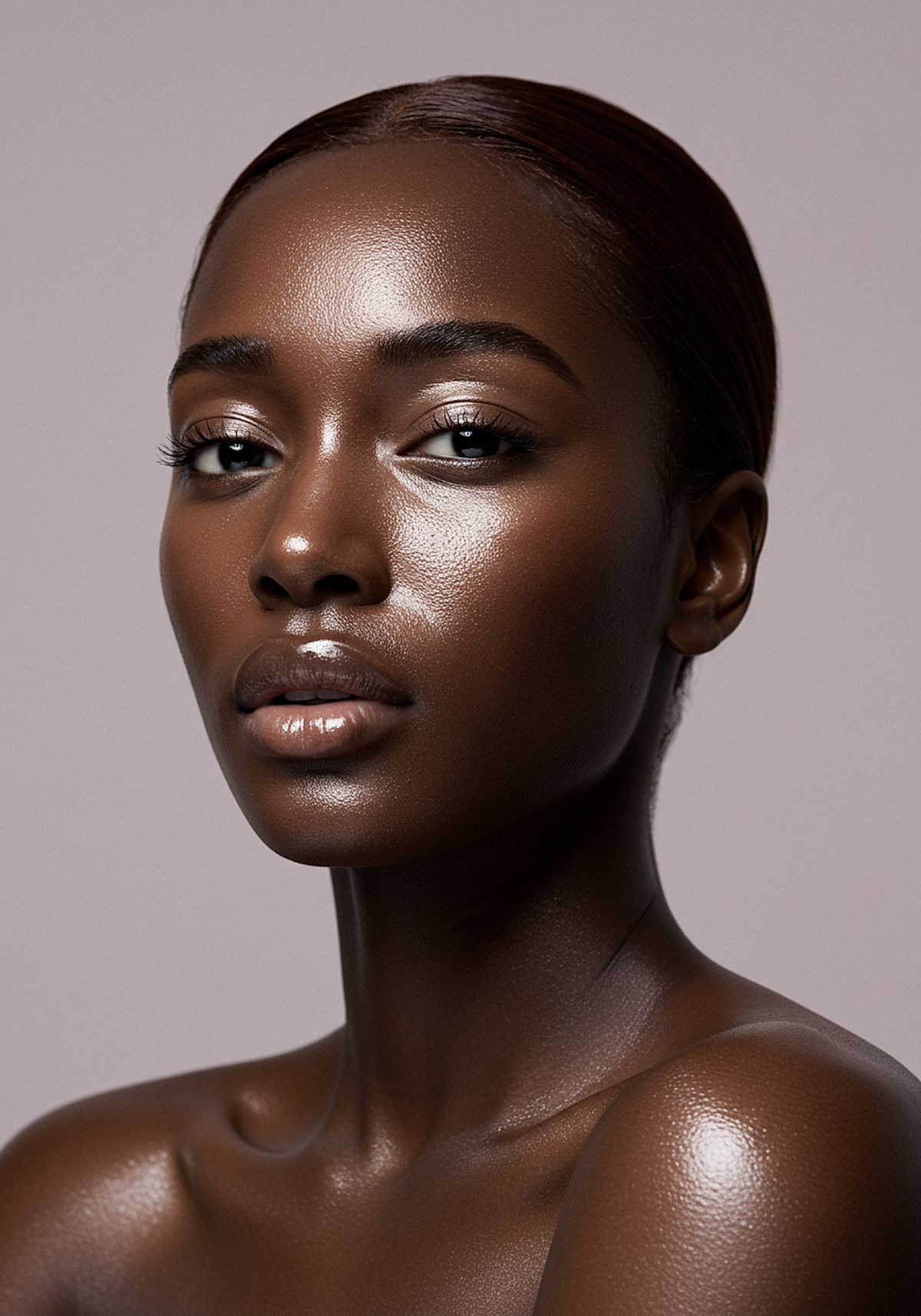
Today, natural beauty is increasingly defined by individuality. Skin texture, tone variations, and unique features are no longer things to be hidden. They are part of what makes appearance personal.
This shift is not about rejecting beauty standards entirely.
It is about expanding them.
The Rise of Intentional Beauty
Modern beauty is becoming more thoughtful.
Rather than following rigid routines or chasing trends, many people are approaching beauty with intention. They are choosing products based on need, simplifying routines, and focusing on long-term care rather than immediate results.
This approach reframes natural beauty.
It is no longer passive.
It is curated—but in a way that feels aligned rather than imposed.
Intentional beauty recognises that caring for oneself is not at odds with being natural. It is part of it.
Skin, Texture, and Reality
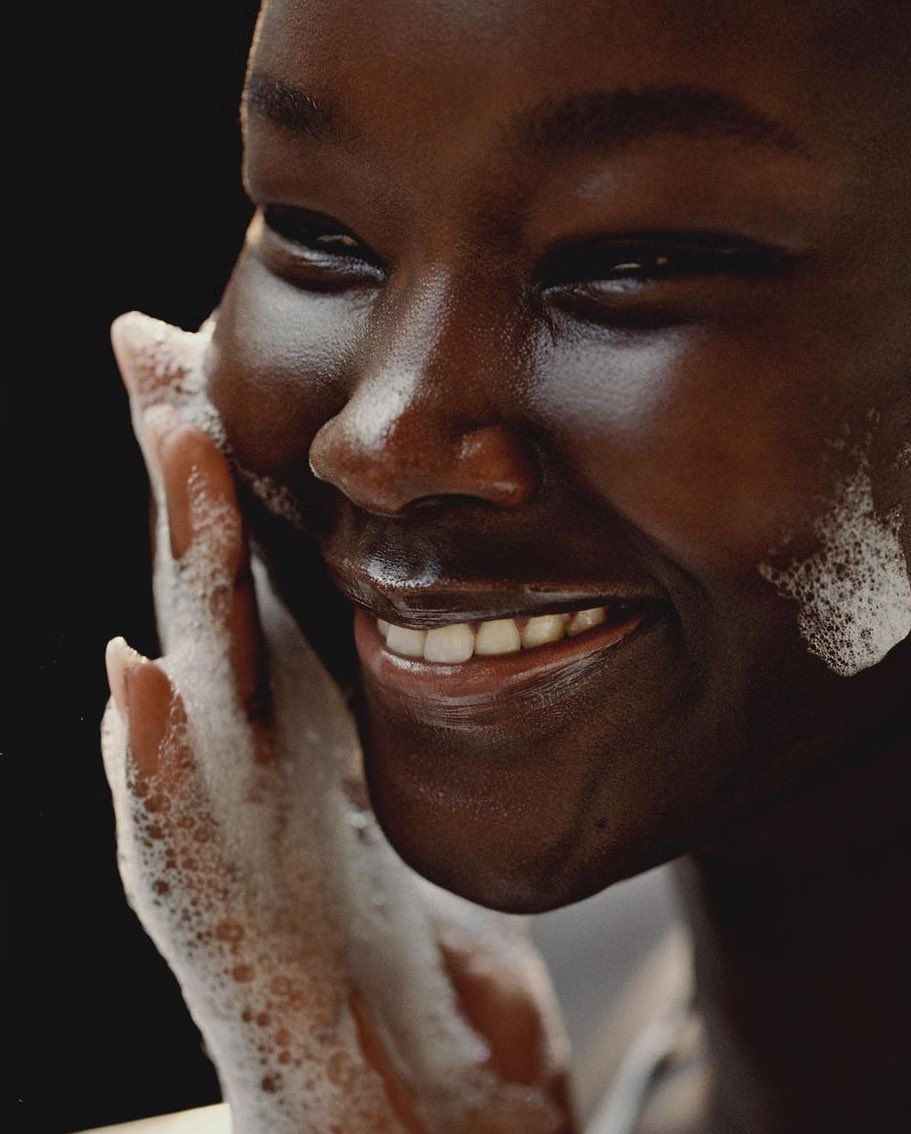
Perhaps the most visible change in how natural beauty is understood lies in the acceptance of skin as it is.
For years, flawless skin was presented as the goal. Texture was edited out, imperfections minimised, variation erased.
Today, there is a growing awareness of how unrealistic this standard is.
Skin has texture. It changes. It reacts.
Recognising this does not mean abandoning skincare. It means approaching it differently. With patience rather than urgency. With understanding rather than correction.
This shift allows natural beauty to feel more attainable—not because standards have lowered, but because they have become more realistic.
Cultural Influence on Modern Beauty
Natural beauty has always been shaped by culture.
In many traditions, beauty is not defined by perfection but by care. Rituals focus on nourishment, balance, and well-being rather than transformation. These perspectives are increasingly influencing modern beauty conversations.
As global awareness expands, there is a renewed appreciation for diverse approaches to beauty.
This has led to a broader understanding of what nature can look like.
Not a single image.
But many.
READ ALSO:
- The Lipstick Effect: Why Beauty Spending Rises During Economic Hard Times
- The Language of Skin: What Our Routines Reveal About Us
Redefining Effort in Beauty
Another important shift is the way effort itself is perceived.
Previously, effort in beauty was often hidden. The goal was to appear as though no work had been done. Today, that perspective is evolving.
There is more openness around the process.
Skincare routines, hair care, and personal grooming are no longer things to disguise. They are part of daily life, openly acknowledged and sometimes even celebrated.
This transparency changes how natural beauty is understood.
It allows space for both care and authenticity to exist together.
The Future of Natural Beauty
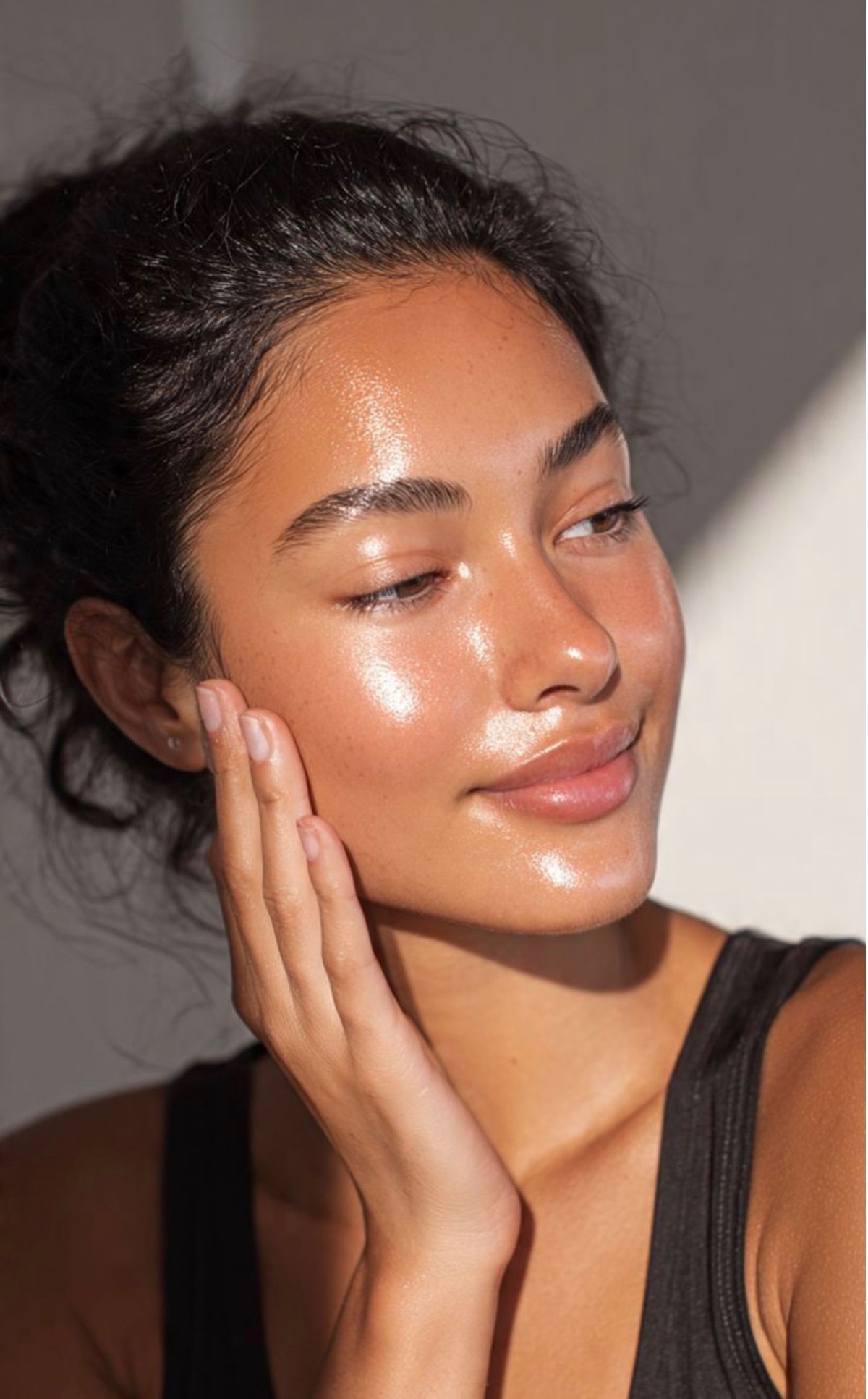
Natural beauty is no longer a fixed idea.
It is fluid, shaped by individual choices, cultural influences, and evolving perspectives. It allows for variation, experimentation, and personal interpretation.
In this new era, beauty is less about meeting expectations and more about defining them.
This does not eliminate the influence of trends or industries. But it shifts their role. Instead of dictating standards, they become part of a larger conversation.
One in which individuals have more agency.
Conclusion
To speak of natural beauty today is to speak of change.
It is no longer about reduction or restraint. It is about awareness. It’s about understanding what works, what feels right, and what aligns with a sense of self.
Natural beauty, in this context, is not something to achieve.
It is something to recognise.
And in that recognition, it becomes not simpler—but more meaningful.
FAQs
- What does natural beauty mean today?
It refers to an authentic, individualised approach to appearance that prioritises self-expression and care over rigid standards.
- Is natural beauty the same as using fewer products?
Not necessarily. It is more about intentional choices than the number of products used.
- Why is natural beauty being redefined?
Because traditional beauty standards are expanding to include more diversity, realism, and individuality.
- How does skincare relate to natural beauty?
Skincare supports the skin’s health, allowing natural features and texture to be maintained rather than hidden.
- Can natural beauty include makeup?
Yes. It is about how makeup is used—enhancing rather than masking.