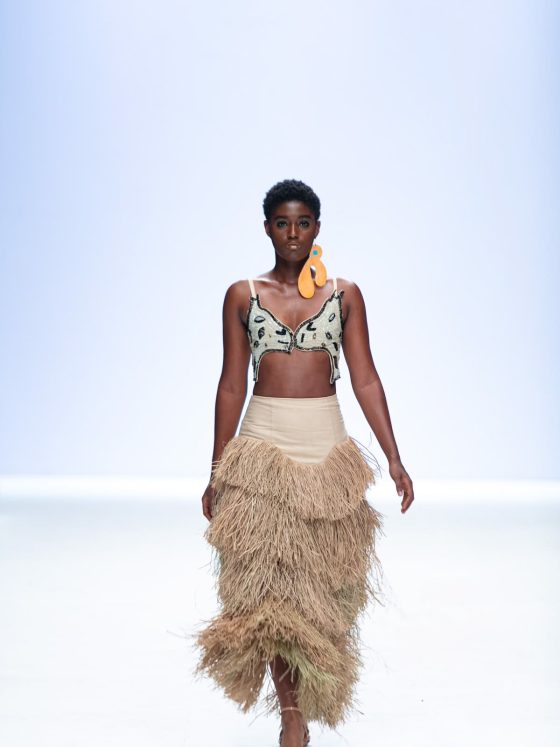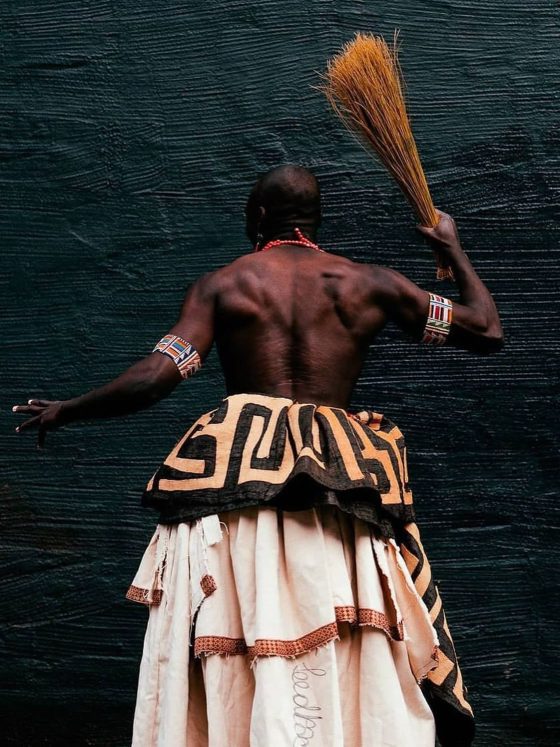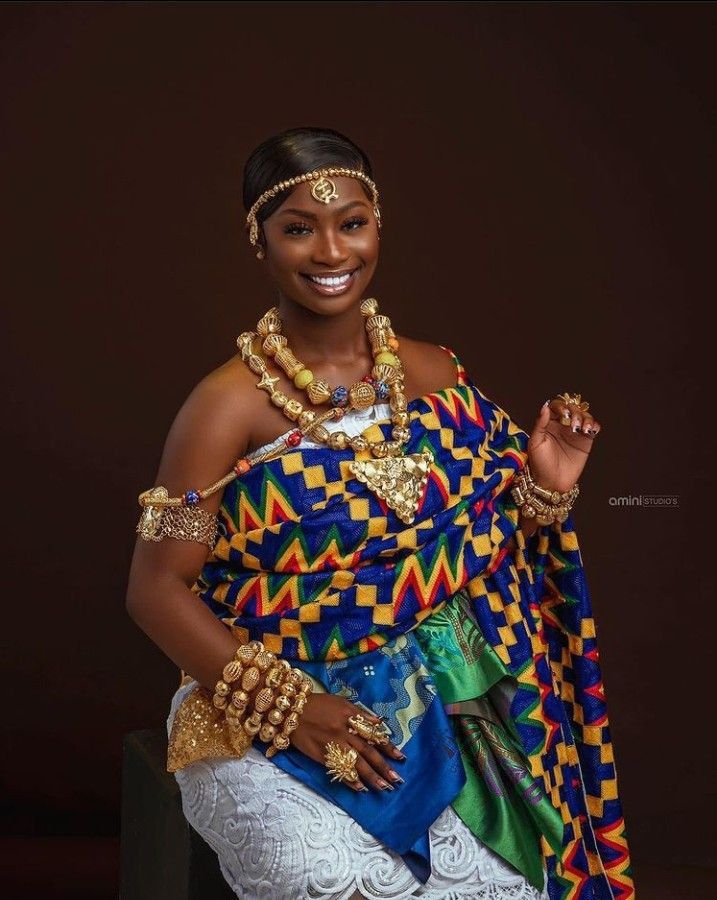
The streets of Accra, Ghana, are now the focal point of a revolutionary change in the world of fashion in 2026. This is a mechanical reset of how women occupy space, not only a fad. The contemporary woman in Accra is dressing for her own audience rather than the approval of a global or traditional public.
The Omiren woman’s path, where the botanical sanctuary of heritage meets the fierce desire of self-expression, is soulfully reflected in this extreme autonomy. The Accra style profile is characterised by a private luxury that emphasises personal storytelling over external validation, from the vibrant tech hubs of East Legon to the handcrafted spirit of James Town.
A new generation of designers who view fabric as a structural instrument for independence is at the heart of this trend. Companies like Christie Brown, BIIO, and Chloe Asaam are reimagining the Ghanaian silhouette by fusing “Kente 2.0” with recycled elegance to produce a forward-thinking shield for the contemporary leader.
In 2026, Accra’s fashion scene has developed into a positive, inclusive conversation between the wearer and her past. Each handwoven strip of kente and each hand-dyed batik is an authoritative declaration of individuality, demonstrating that genuine style is an interior, soulful process. Examining these profiles reveals a shining example for the rest of the world: a city where women wear their own unwavering independence rather than just clothes.
Step into the vibrant streets of Accra, Ghana, where the 2026 style revolution is defined by women who dress for an audience of one. Explore the mechanical reset of the African gaze through architectural upcycling from Chloe Asaam, the “Kente 2.0” neo-heritage of Christie Brown, and the gender-fluid freedom of Threaded Tribe.
The Curated Minimalist and Upcycled Sophistication
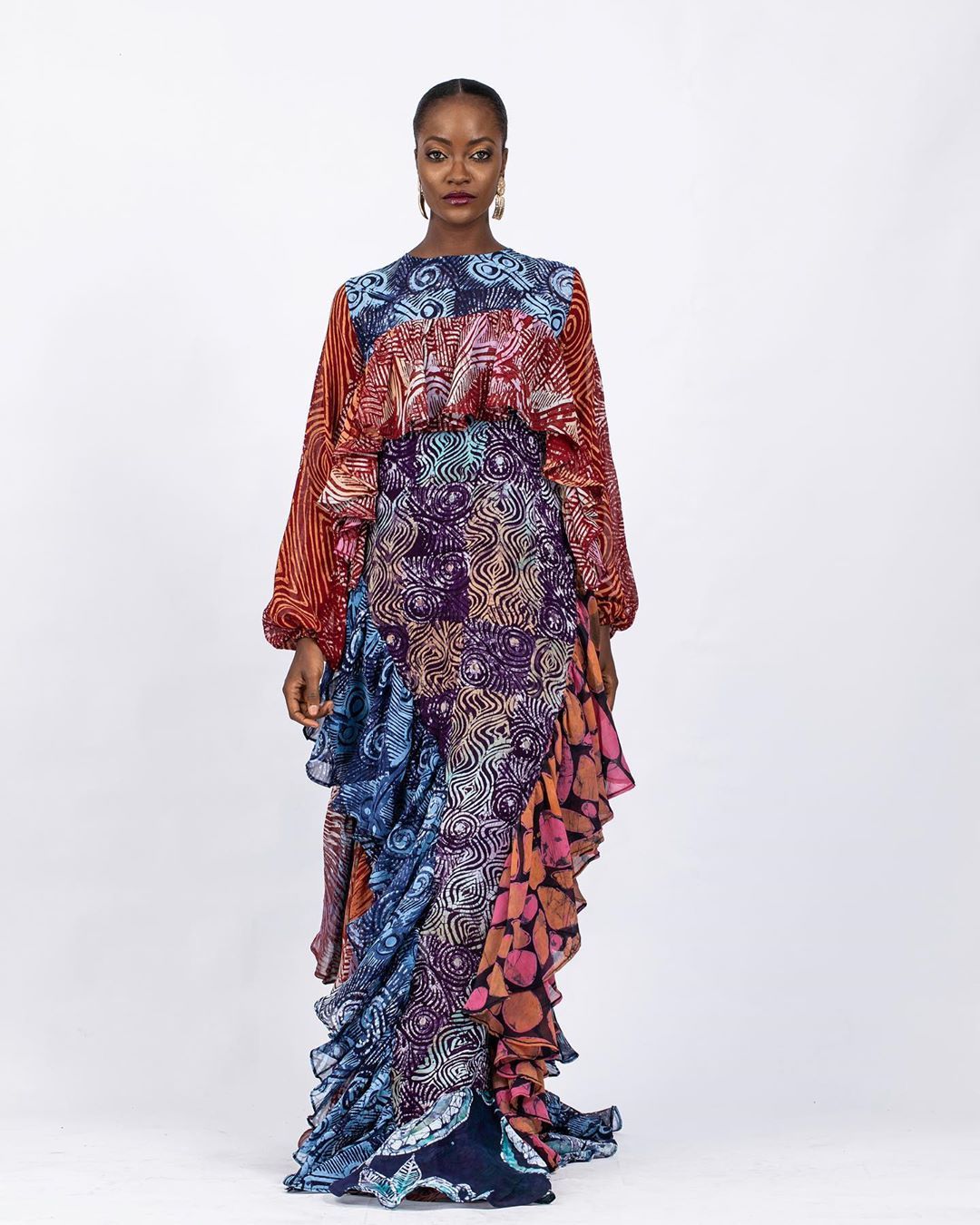
The Curated Minimalist is the first profile on this map. She is a woman who, by adopting a mechanical wardrobe reset, has mounted a powerful and long-lasting intervention against the fast-fashion cycle. Her style in 2026 is characterised by a profound regard for slow design, where she views apparel as an upscale investment in personal narrative rather than a fad.
She is drawn to forward-thinking designers like Chloe Asaam, whose brand has become a pillar of Accra’s ecological movement. Asaam’s work is a deep study of basics that are never basic, using handcrafted, adaptable pieces to build a long-lasting wardrobe, such as reworked ruffled blouses and wide-leg pants.
Brands like Nathaniel Bio’s BIIO, which sits at the nexus of modern athletic and chic, elegant womenswear, serve as additional anchors for this movement. BIIO’s unconventional silhouettes provide a clean, urban, forward-thinking construction and a structural backbone for the curated minimalist.
This is an independent authority silhouette; she might combine the practical, elegant items from BIIO with a structured jacket from Chloe Asaam to create a look that emphasises her personal comfort and mobility. She demonstrates that a sophisticated, one-of-a-kind aesthetic is the ultimate high-end status symbol in Accra by supporting these inclusive, ethical houses, ensuring her personal map is a healthy representation of her ideals.
The Neo-Heritage Icon and Kente 2.0
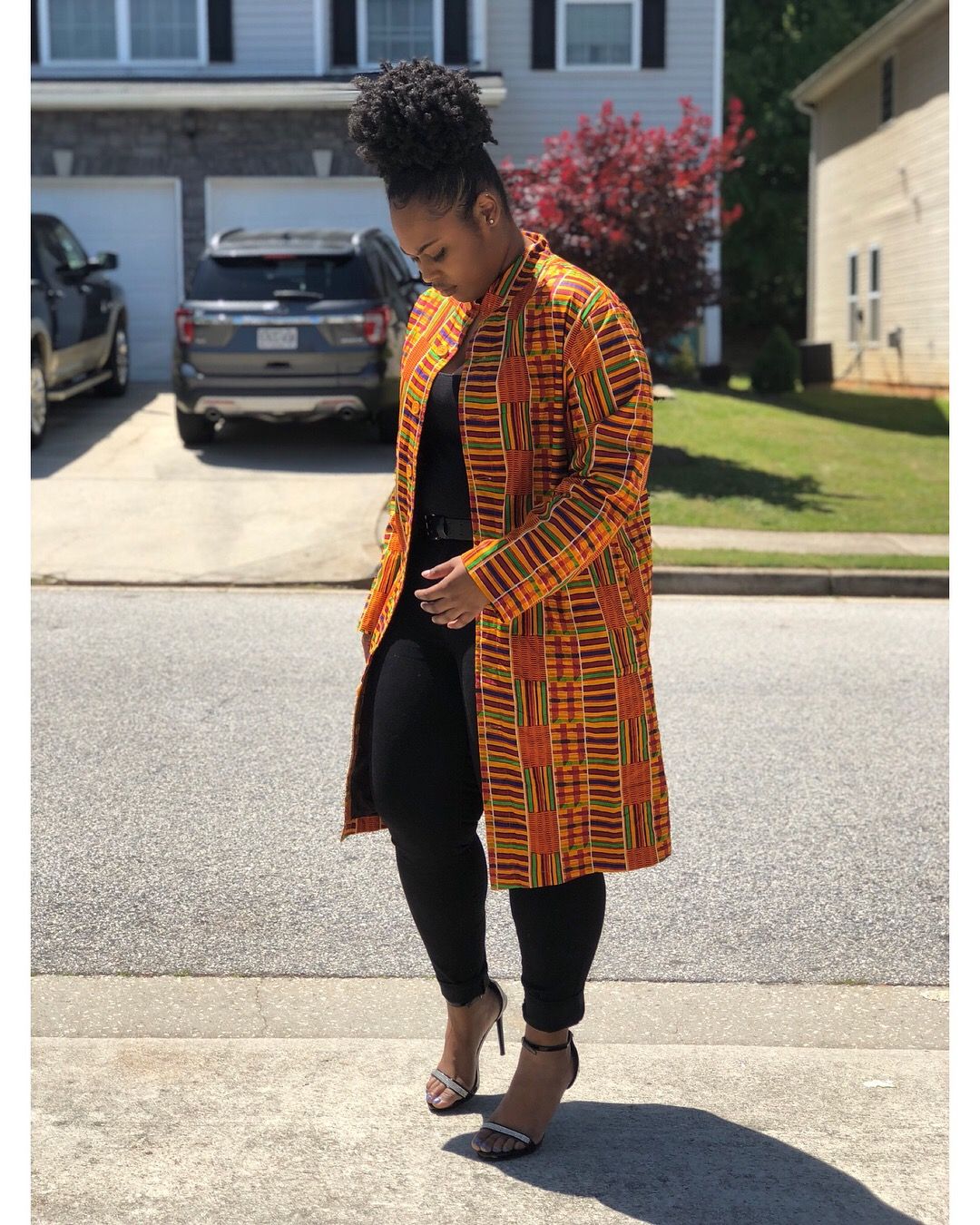
The Neo-Heritage Icon is the second profile on this map. She has re-engineered the mechanical accuracy of traditional weaving for a global setting in 2026. She goes to brands like Christie Brown and EKASA, where structured “House Classics”, tailored blazers, wrap blouses, and radiant corporate dress made for the woman who moves with ease and quiet power, are created from handwoven kente, which was formerly ceremonial regalia. This is the age of Kente 2.0, a revolutionary change that puts the fabric’s inner essence ahead of its outside appearance.
For this woman, dressing for herself entails using chic, contemporary silhouettes to reclaim her past. Through flawless tailoring, companies like Winifred Edjeani’s EKASA have redefined kente as a useful and long-lasting luxury, taking it beyond the wedding aisle and into the business boardroom.
She incorporates the soulful resonance of Ghanaian artistry into her everyday routine by donning pieces from Aisha Ayensu’s Christie Brown “Star Girl” or “House Classics” collections. By claiming that her ancestry is a luxurious, living foundation for her unwavering independence, this inclusive approach ensures that her personal sanctuary and public power intersect with minimalist grace.
ALSO READ:
The Unisex Progressive and the Freedom of Fluidity
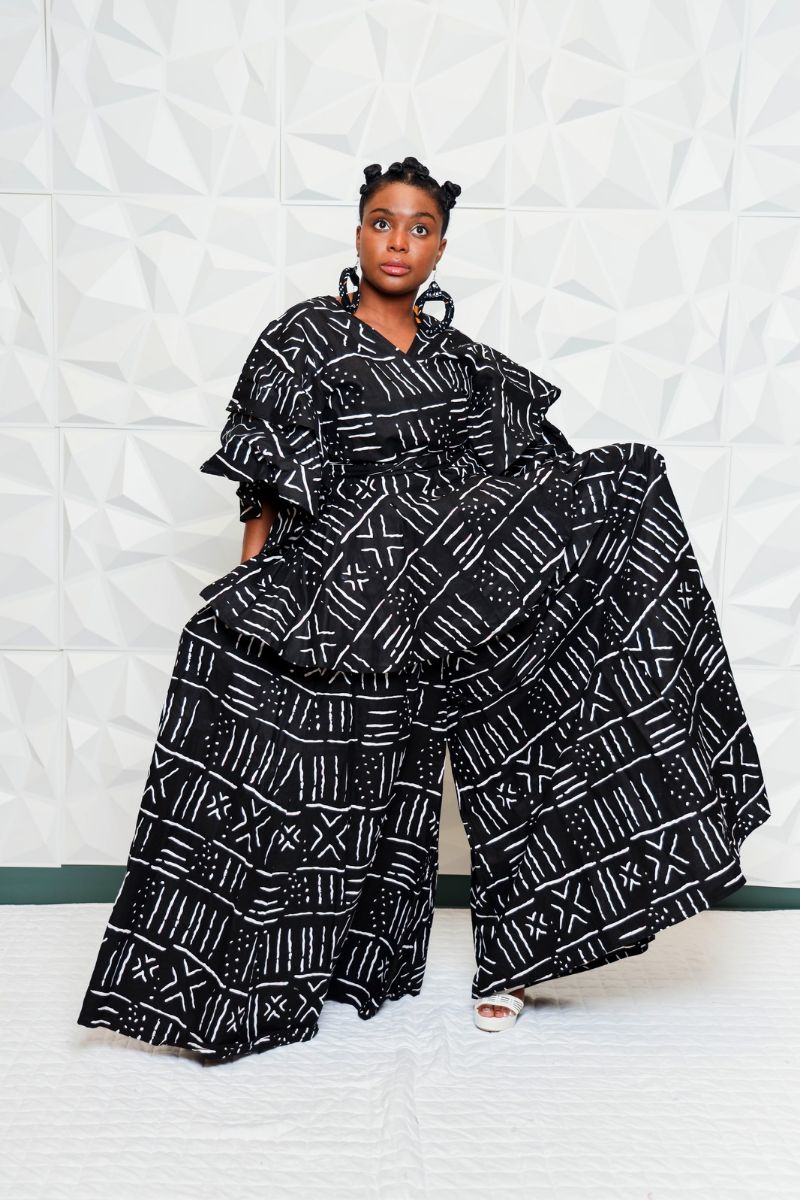
The Unisex Progressive, a woman who finds her dazzling glow in the freedom of fluid shapes, is the last profile on this map. Her style in 2026 is a mechanical reset of gendered limits, emphasising vibrant vitality and stylish comfort.
She turns to forward-thinking brands like Larry Jay and Threaded Tribe, which have established themselves as the leading advocates for independent thinkers in Accra. These brands appeal to a woman who rejects conventional limitations in favour of airy suits, camp collar shirts, and earth-patterned fabrics that seem to have been taken straight out of Ghana.
Dressing for oneself, according to the Unisex Progressive, is eschewing the structural constraints of feminine vs masculine clothing. She might combine the elegant, roomy tailoring of Larry Jay with a trademark Threaded Tribe “mudcloth” co-ord to create a visionary shield that enables her to navigate Accra’s upscale tech and art areas with powerful, understated beauty.
This all-encompassing approach to her style is a heartfelt celebration of her own individuality, guaranteeing that her private haven and public authority seamlessly merge. She is a woman whose silhouette is a private celebration of her own spirit, presented loudly for a world that is finally ready to listen. She is the epitome of the contemporary Accra movement.
Conclusion
The examination of these Accra Style Profiles demonstrates that fashion in Ghana’s capital has attained a stage of soulful autonomy for Omiren women. We’ve seen how the Neo-Heritage Icon asserts her permanent position through Christie Brown’s mastery of Kente 2.0, how the Curated Minimalist reimagines the urban map with Chloe Asaam’s upcycled sophistication, and how the Unisex Progressive finds a radiant, inclusive glow in Threaded Tribe’s fluid tailoring.
In 2026, Accra is a visionary hub where women dress to celebrate their own mechanical grace and ancestral soil rather than to justify their value to the global North.
In the end, these profiles show a strong leadership style that prioritises internal communication and private luxury over external fads.
The women of Accra demonstrate that true power is constructed from the inside out by employing the structural tools of innovation and heritage to produce a silhouette as crisp as the city’s contemporary skyline and as timeless as the Gulf of Guinea.
For the Omiren woman, this is the ultimate plan for 2026: a life in which her private haven and public persona seamlessly merge, guaranteeing that her voice is heard not because she complied with regulations but rather because she had the confidence to write her own.
Your style is your silent revolution. To discover the high-end, sustainable stories, artisanal Ghanaian craftsmanship, and soulful global connections that anchor the Omiren woman’s radiant map, explore Omiren Styles.
Frequently Asked Questions (FAQs):
- What is the “mechanical reset” of the Accra gaze?
In 2026, the mechanical reset refers to a structural shift in how women in Accra approach fashion. Instead of designing or dressing to meet the expectations of the global North or traditional social pressures, women are utilising slow fashion and upcycled materials to create a private, internal luxury. It is a visionary move that places the wearer’s comfort and personal storytelling at the centre of the industrial map, ensuring her silhouette is an authoritative statement of self-worth.
- How does “Kente 2.0” differ from traditional kente cloth?
Kente 2.0 is the soulful evolution of Ghana’s most famous textile. While traditional kente is often heavy and reserved for ceremonies, the 2.0 version is re-engineered for daily high-end wear. Designers like Aisha Ayensu of Christie Brown and the team at EKASA use finer threads and muted, tonal palettes, like charcoal, sand, and indigo, to create a structural fabric that is fluid enough for tailored blazers and modern wrap tops while maintaining its artisanal heritage.
- Why is “upcycling” so prominent in Accra’s high-end fashion scene?
Accra has historically been a destination for global textile waste, but visionary designers like Chloe Asaam have turned this challenge into a mechanical advantage. By “mining” high-quality vintage fabrics and deadstock, they create Upcycled Sophistication, one-of-a-kind, high-end garments that are both sustainable and elite. This inclusive approach reduces environmental impact while providing the Omiren woman with a truly unique, structural wardrobe that cannot be mass-produced.
- Who are the leading designers for the “Unisex Progressive” movement?
The movement toward fluid, gender-neutral silhouettes is led by brands like Threaded Tribe and Larry Jay. Threaded Tribe is known for its soulful use of “fugu” and “mudcloth” in contemporary co-ord sets, while Larry Jay focuses on oversized, ethical tailoring that defies traditional gendered constraints. These labels provide a healthy, inclusive space for women to explore minimalist, bold aesthetics that prioritise freedom of movement.
- Where can I experience this style of movement in Accra?
To see this visionary map in person, the Omiren woman visits the high-end galleries and concept stores in Osu and East Legon. Spaces like The Lotte or the flagship ateliers of Christie Brown offer a curated look at the city’s elite craftsmanship. These hubs are where the city’s urban leadership and creative soul meet, providing a radiant sanctuary for those who dress for themselves and no one else.