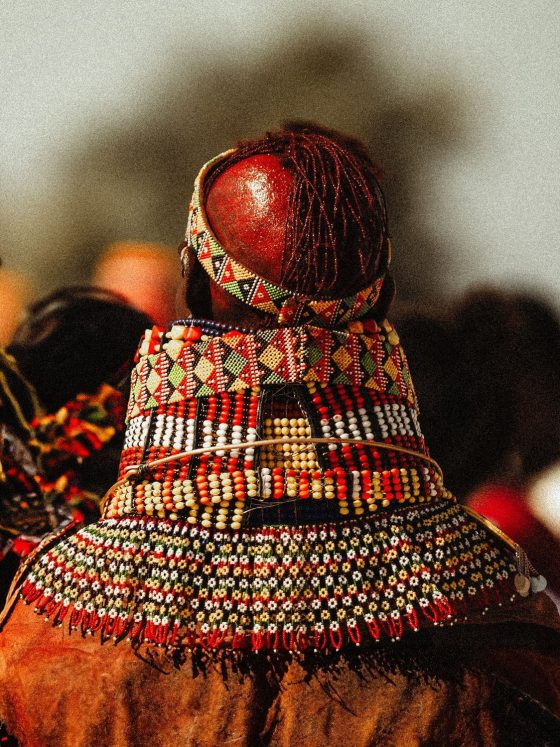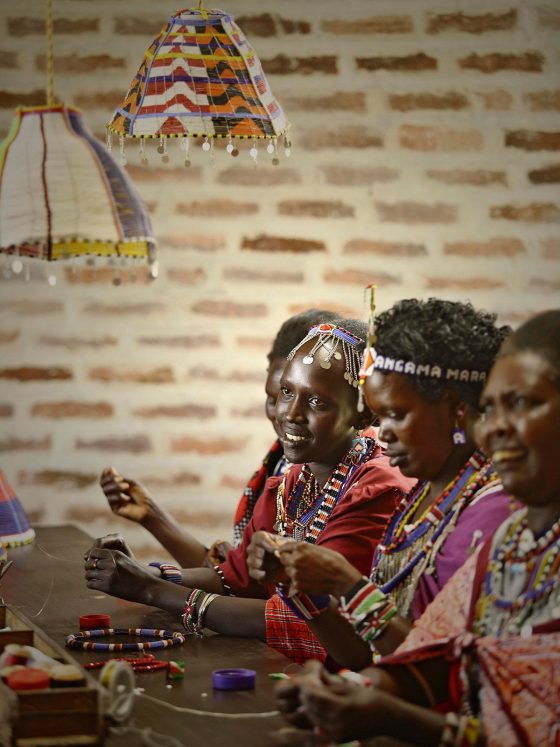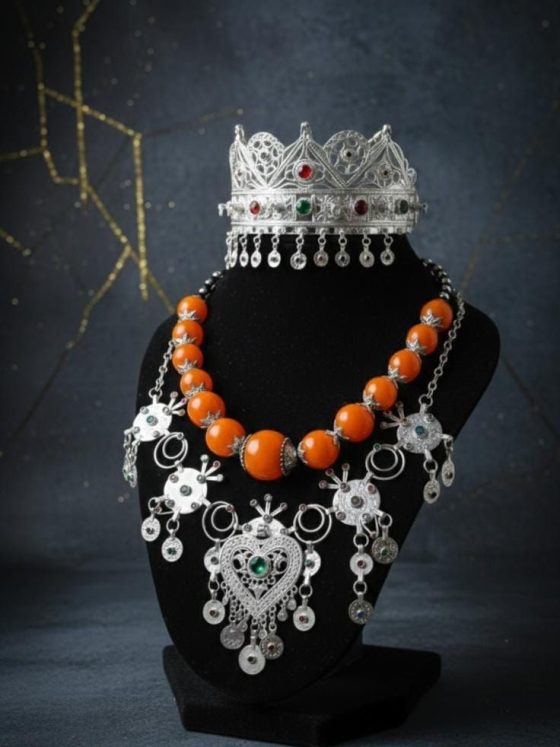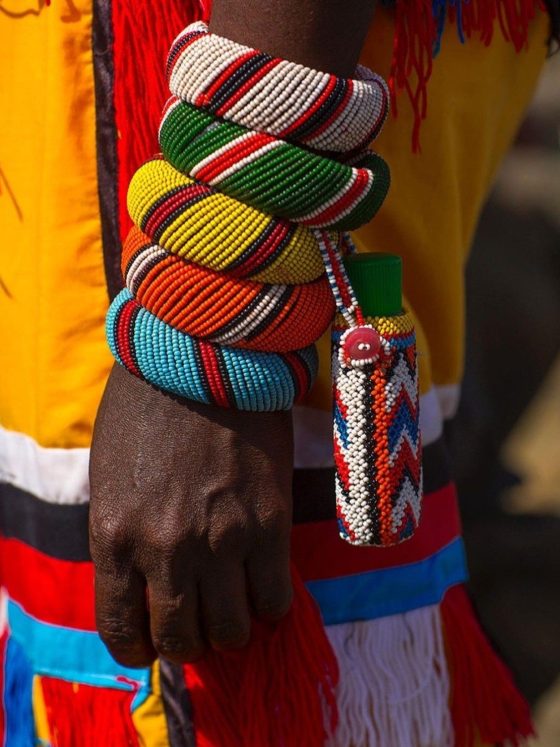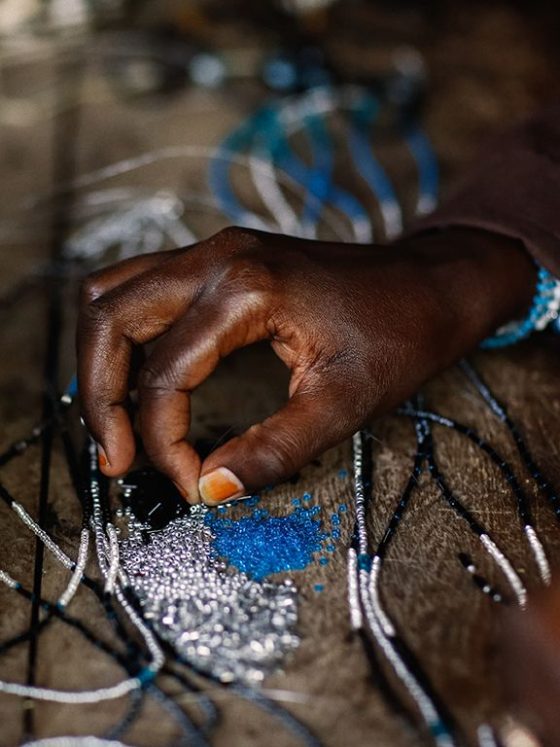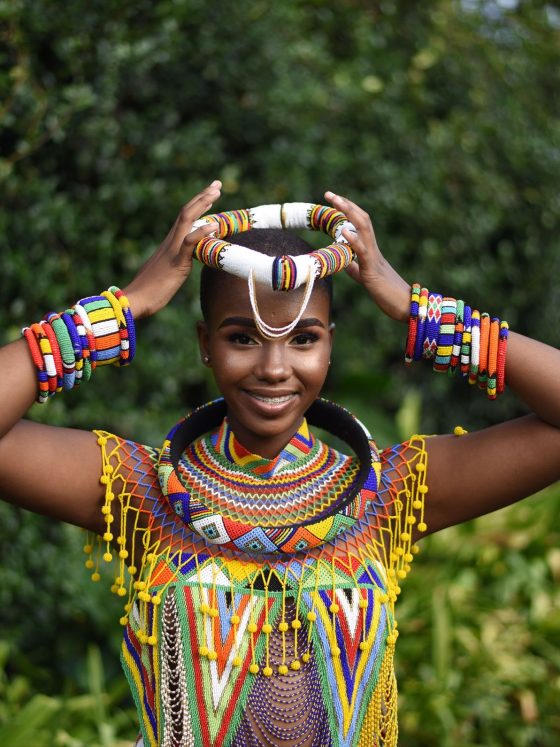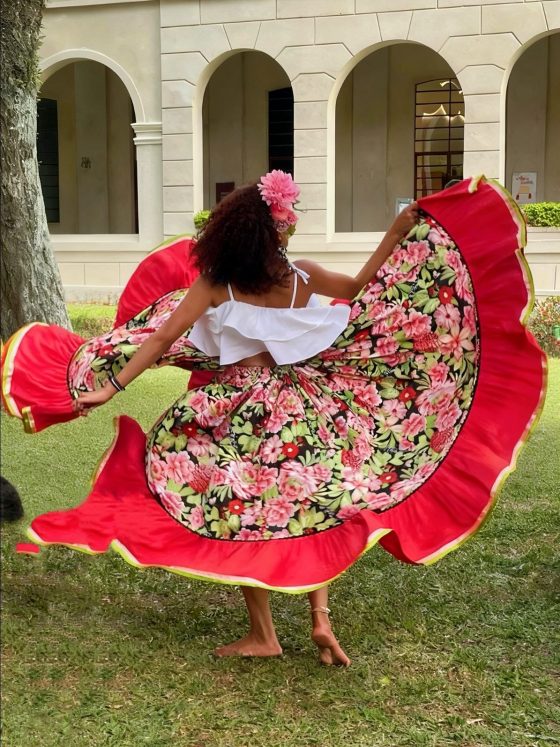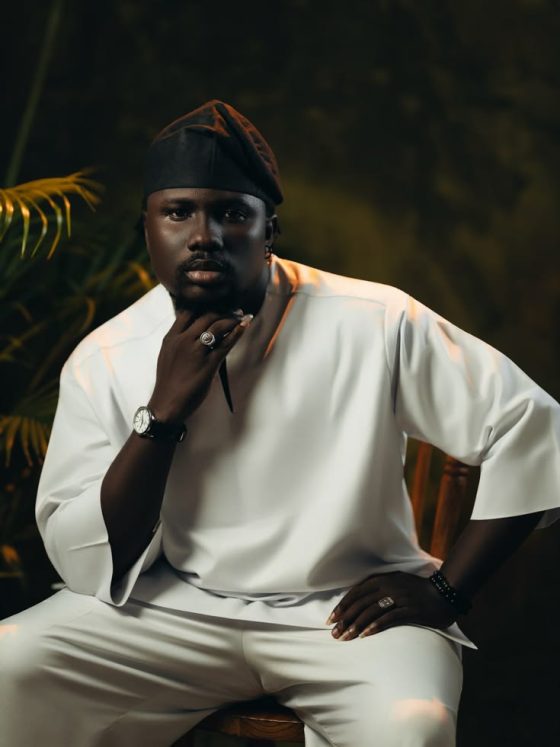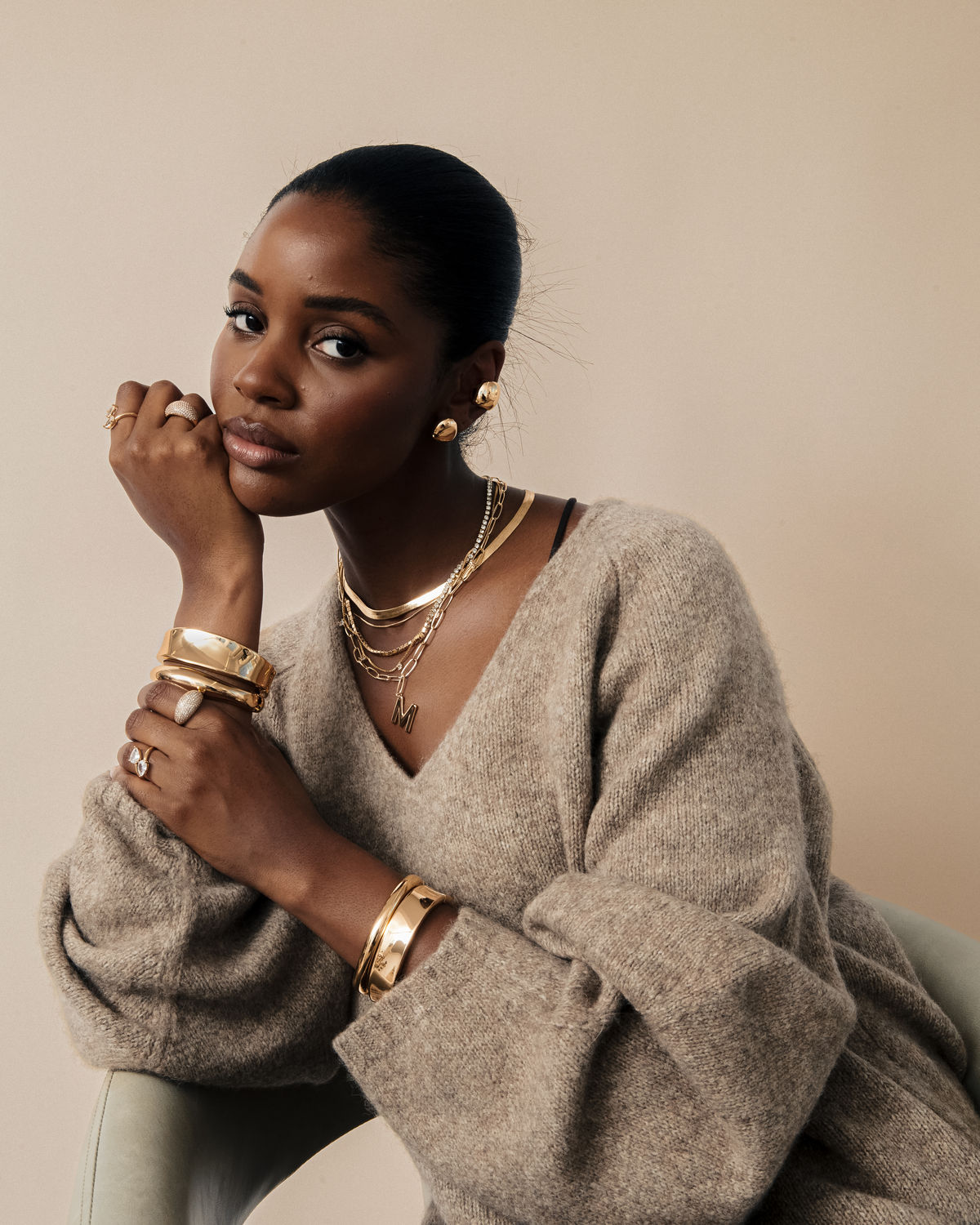
The first signal before a woman speaks is that something has.
A ring catches the light.
Ears hold weight.
Skin is polished with intention.
Adornment is often dismissed as decoration, but it has always served a far more precise purpose. It signals status. It marks readiness. It establishes boundaries. Long before titles, uniforms, or credentials, women used adornment to negotiate visibility and authority.
Jewellery and beauty are not power accessories. They are among its earliest languages.
Adornment has long shaped women’s presence. This piece explores how jewellery and beauty operate as authority, expression, and quiet power in modern style.
Adornment Is Not Excess. It Is A Strategy
Adornment has never been random.
Across history, what women wore on their bodies communicated information that words could not safely express. Jewellery indicated lineage, access, spiritual alignment, wealth, or marital status. Beauty rituals signalled discipline, control, and cultural literacy.
To adorn oneself was to participate in a visual system of recognition.
What is often misunderstood is that adornment was not about spectacle. It was about placement. Knowing when to be seen, how to be read, and what to withhold.
Adornment, in this sense, is a form of intelligence.
The Body as a Site of Negotiation
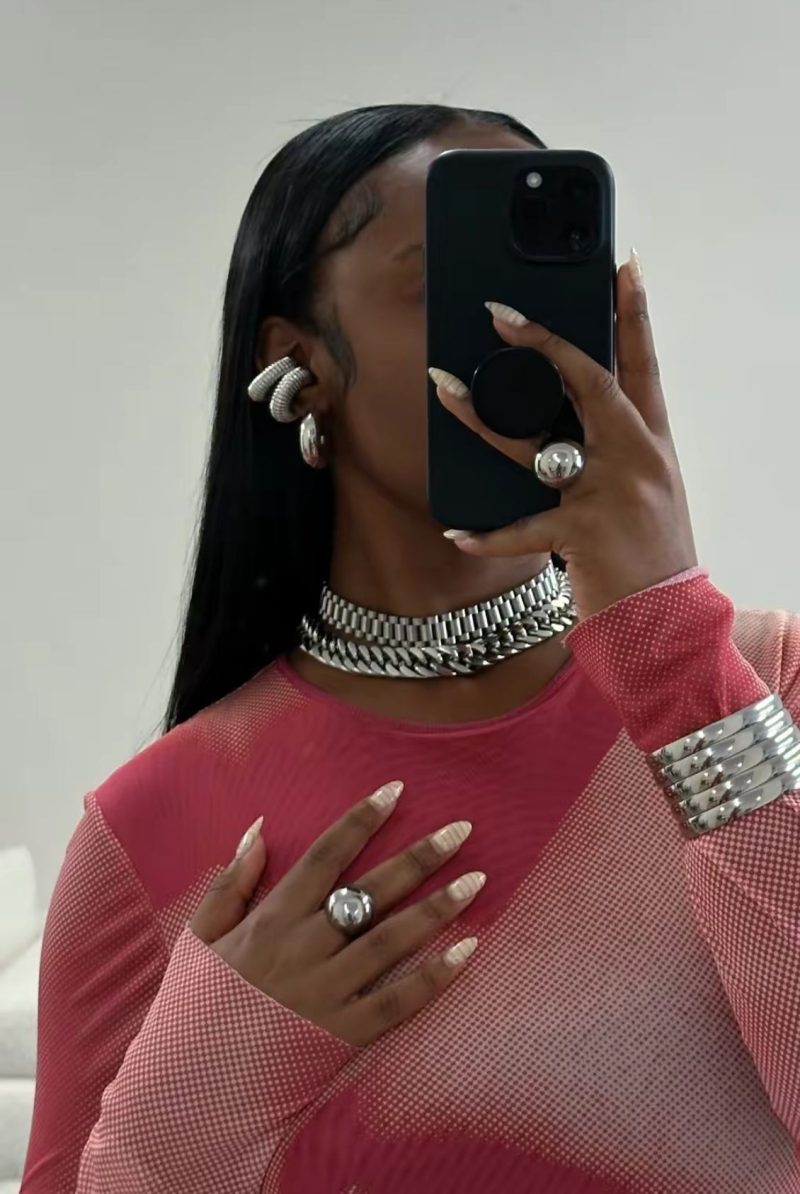
Women’s bodies have always existed within politics, whether acknowledged or denied.
Adornment became a way to reclaim agency within that space. A necklace could assert adulthood. A hairstyle could signal resistance. A carefully chosen cosmetic routine could act as armour.
Beauty was never neutral.
Jewellery was never innocent. These choices allowed women to shape how they were perceived in environments where power was not freely given. Adornment became a tool for negotiating between visibility and protection.
To adorn oneself was to participate in the politics of presence.
When Beauty Becomes Authority
Authority does not always rely on dominance. Occasionally, it depends on coherence.
A woman who understands how she presents herself moves differently through space. Her jewellery is not loud, but deliberate. Her beauty choices are not performative but controlled.
This phase is where adornment shifts from aesthetics to authority.
The confidence to be adorned without apology is often mistaken for vanity. In reality, it reflects self-possession. It signals that a woman is not dressing to be consumed but to be encountered.
Adornment becomes a boundary as much as a statement.
Jewellery as a language, not ornaments
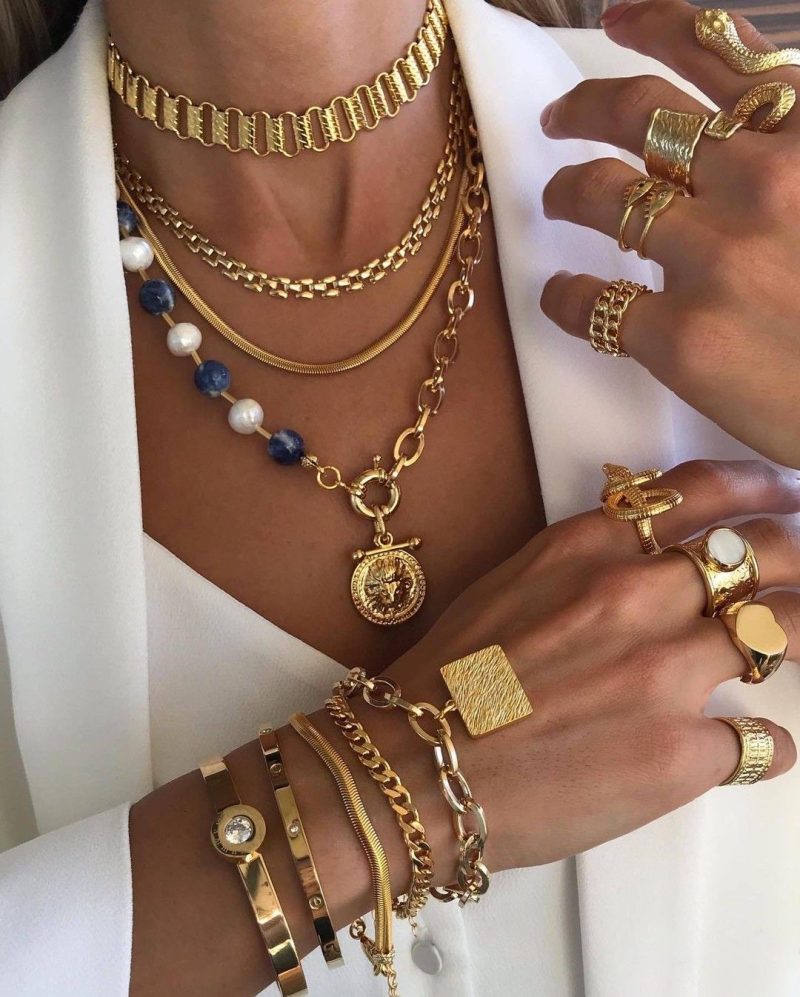
Jewellery speaks in codes.
Weight matters. Placement matters. Scale matters. The choice between gold and silver, minimalism and layering, inheritance and acquisition all communicate values.
In many cultures, jewellery is worn close to the body not for decoration, but for grounding. Rings anchor hands. Neckpieces frame breath. Earrings draw attention to listening rather than speaking.
Jewellery shapes posture. It alters movement. It demands awareness.
This is why jewellery has always been associated with ceremonies, transitions, and power. It is worn at moments when presence must be acknowledged.
Beauty rituals serve as a form of discipline.
Beauty is often framed as indulgence. In reality, it is routine.
The discipline of grooming, skincare, hair, and adornment reflects consistency, patience, and intention. These rituals are not about perfection. They are about self-regulation.
A woman who tends to her appearance is often dismissed as superficial. Yet the same behaviours in other domains are praised as professional or exceptional.
Beauty rituals are a form of labour. These rituals encompass emotional, physical, and cultural aspects.
They create continuity. They establish rhythm. They reinforce identity.
READ ALSO:
- From Ritual to Runway: How African Tribal Makeup Shapes Haute Beauty
- Heritage-Powered Beauty: African Ingredients Rewriting Skincare
- Afro-Global Beauty Aesthetics: Craft, Couture, and the Politics of Presence
Visibility Without Permission
Modern conversations often ask whether women should embrace beauty or reject it. This framing misses the point entirely.
Adornment is not about approval. It is about autonomy.
The most powerful expression of beauty is not one that conforms or rebels, but one that operates without permission. Jewellery is worn because it feels right. Beauty is chosen because it aligns, not because it is expected.
This is where adornment becomes political without being performative.
It refuses erasure
It resists simplification
It insists on presence.
Contemporary Power, Quietly Worn
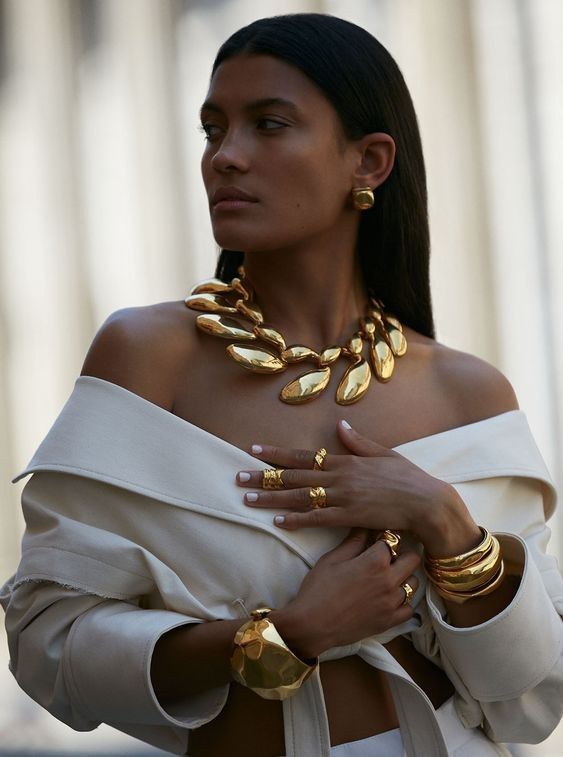
Today, women move through boardrooms, creative spaces, social platforms, and private life with layered identities. Adornment allows continuity across these spaces.
Jewellery is no longer reserved for ceremony. Beauty is no longer confined to spectacle. They are integrated into daily life as tools of expression and control.
Power, now, is often understated.
It appears in restraint.
It manifests itself in editing rather than accumulation
It manifests in the ability to understand when to stop.
Adornment reflects this maturity. It no longer shouts. It signals.
Adornment is a Legacy
What women wear today will be inherited, remembered, or referenced tomorrow.
Jewellery passed down carries more than material value. It carries posture, stories, and permission.
Beauty practices are learnt through observation long before they are articulated. Daughters learn presence by watching how women occupy space.
Adornment becomes a legacy not because it is preserved, but because it is lived.
Presence Is the Point
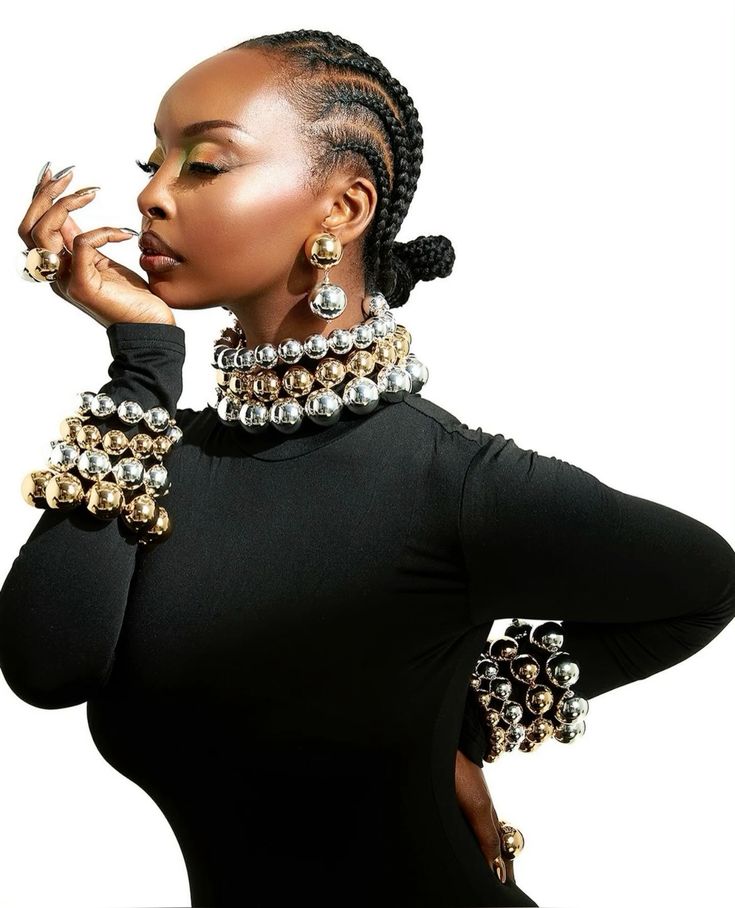
Adornment does not create power. It reveals it.
When jewellery is chosen with clarity, or when beauty is practised with intention, a woman’s presence becomes undeniable without becoming loud.
Adornment, at its most powerful, is not about visibility for its own sake. It is about control over how one is seen.
And that, historically and now, has always been a form of authority.
FAQs
- Why is jewellery often linked to power in women’s history?
Because it communicated status, identity, and authority when other forms of power were restricted.
- Is beauty a form of political expression?
Yes. Beauty choices shape visibility, perception, and autonomy within social systems.
- Does adornment reinforce stereotypes?
Not inherently. When chosen intentionally, it challenges reduction and asserts control.
- How has modern adornment evolved?
It has become quieter, more edited, and more integrated into daily life.
- Why does adornment still matter today?
Because presence remains political, and how women are seen still carries consequences.